There is a rail trail in southern Illinois that threads through forgotten towns, soars over wooden trestle bridges, and passes through a genuine 19th-century railroad tunnel carved straight through solid rock. It is the kind of place that makes you feel like you have pedaled into a different era entirely.
The trail stretches nearly 45 miles through some of the most quietly dramatic scenery in the Midwest, and it keeps drawing cyclists, hikers, and history lovers back year after year. What makes it so special is not just the scenery or the history, but the rare combination of both packed into a single, accessible route that almost anyone can enjoy.
Where the Trail Begins: Location and Access Points
The Tunnel Hill State Trail runs through Saline and Johnson counties in southern Illinois, with its northern trailhead located near Harrisburg, IL, and its southern end near Karnak, IL. The trail follows the old Cairo and Vincennes Railroad corridor, which gives it that long, straight, purposeful character that rail trails are known for.
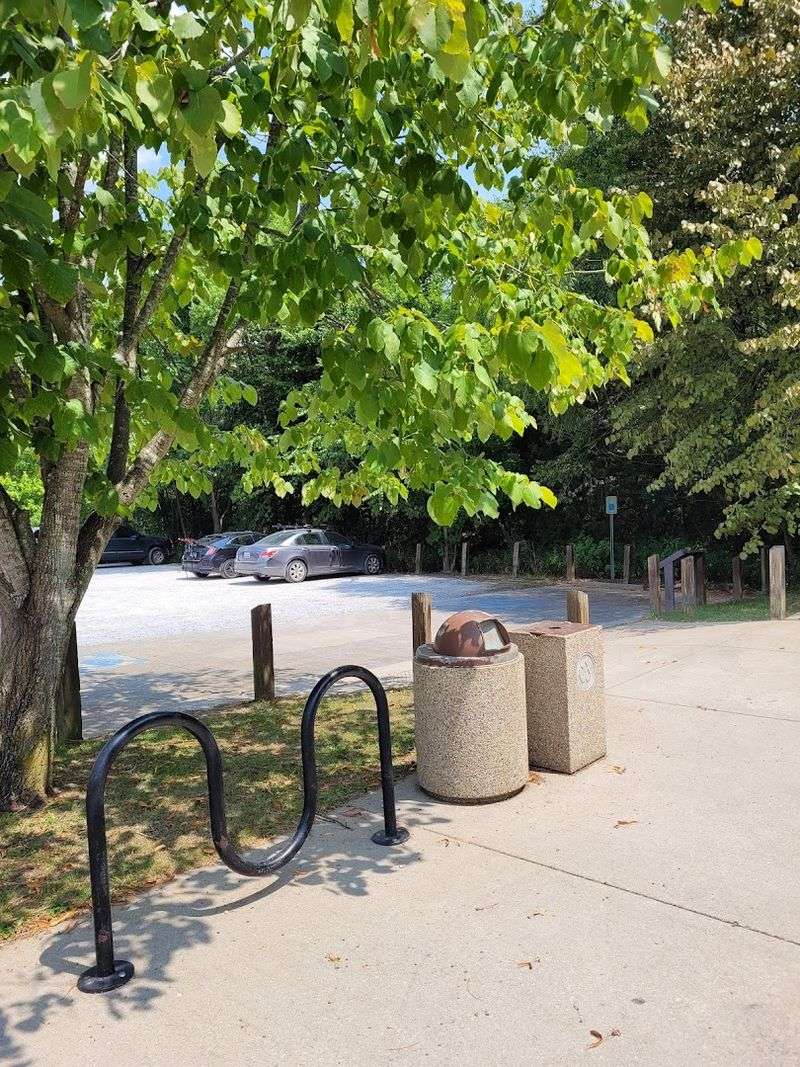
The main access point many visitors use is in Harrisburg, where parking is easy and the trail is well-marked. There are also access points in Carrier Mills, New Burnside, and Vienna, so you can start your ride from several towns depending on how far you want to go.
The trail surface varies along the route. The northern section is paved, making it smooth and accessible for casual riders and families with strollers or bikes with road tires.
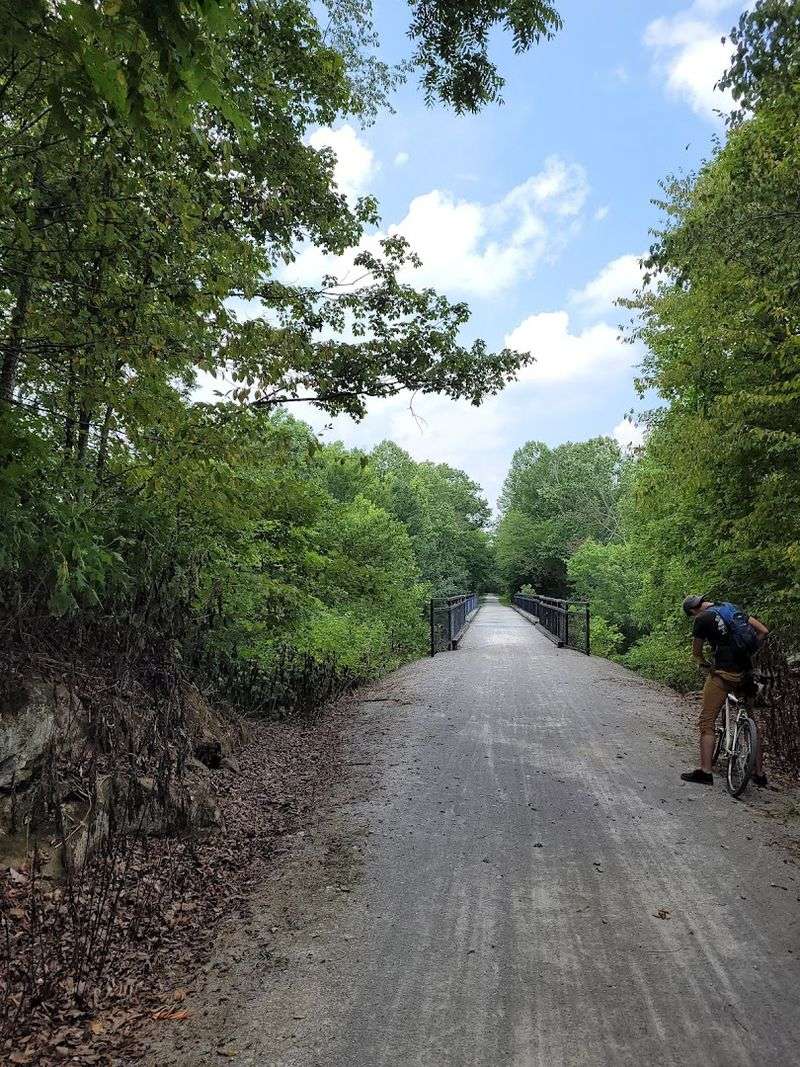
The southern section transitions to a packed crushed limestone surface, which is firm and manageable for most riders but works best with wider tires.
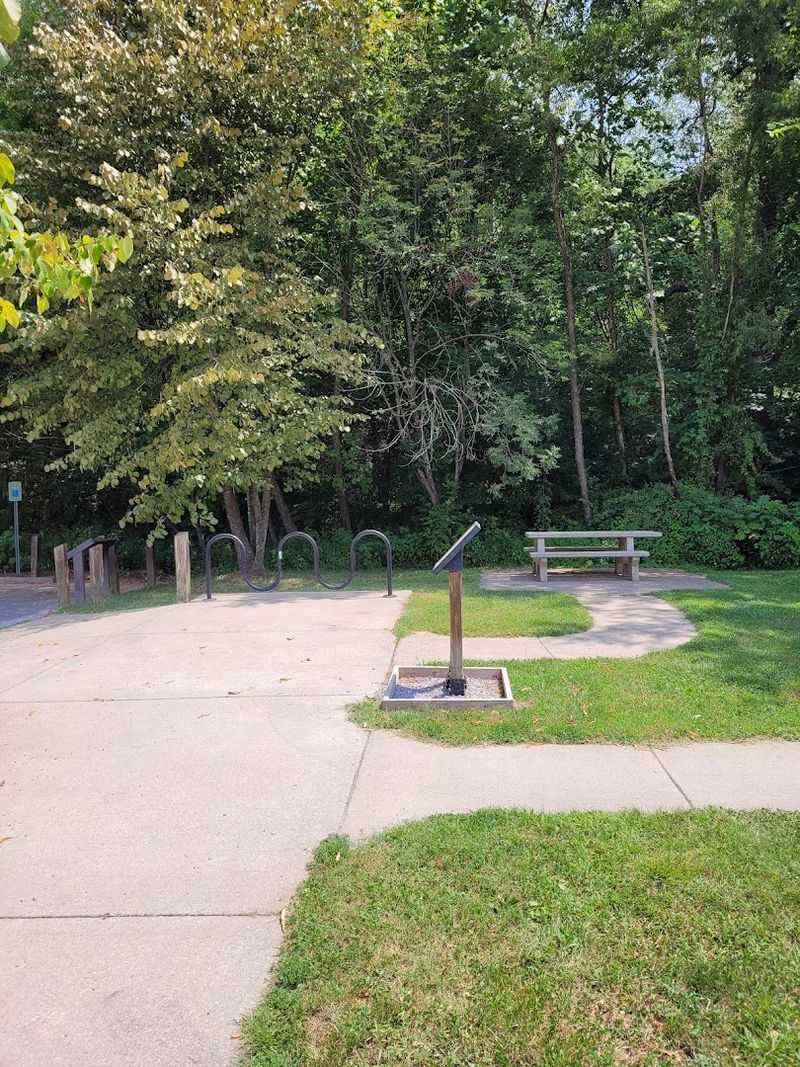
Restrooms and small parking areas are available at several trailheads, so planning your entry point ahead of time makes the whole experience much more comfortable and enjoyable.
The Historic Railroad Tunnel That Gave the Trail Its Name
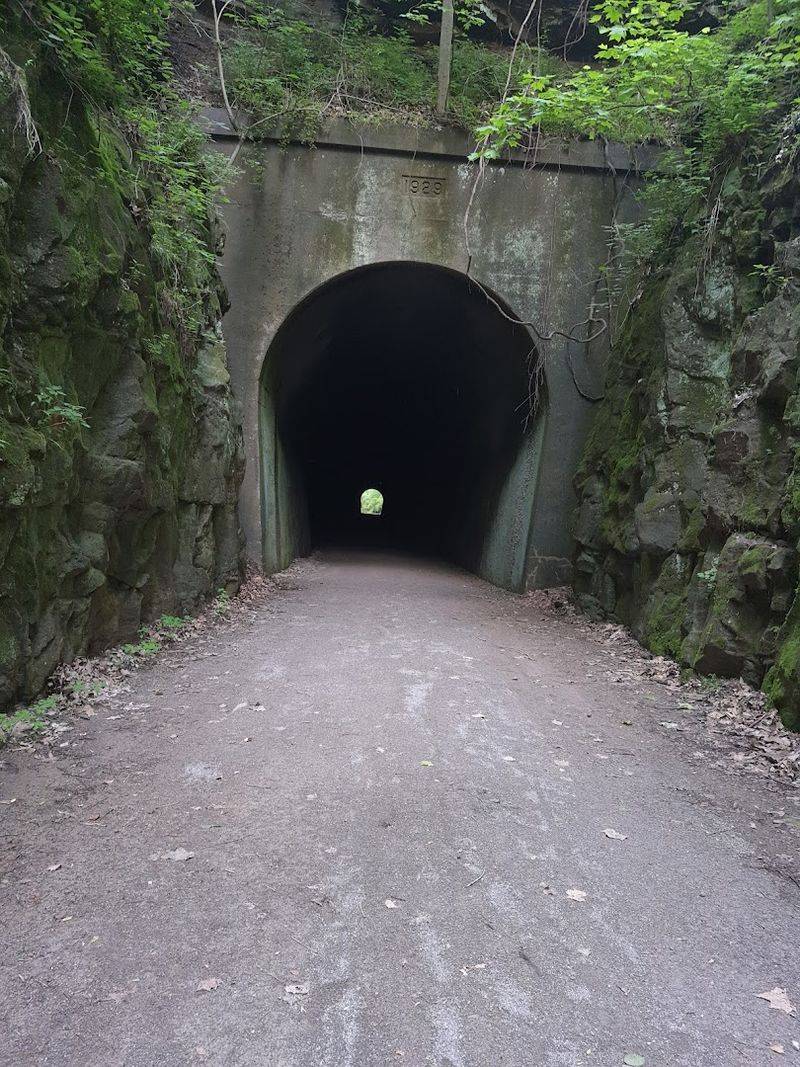
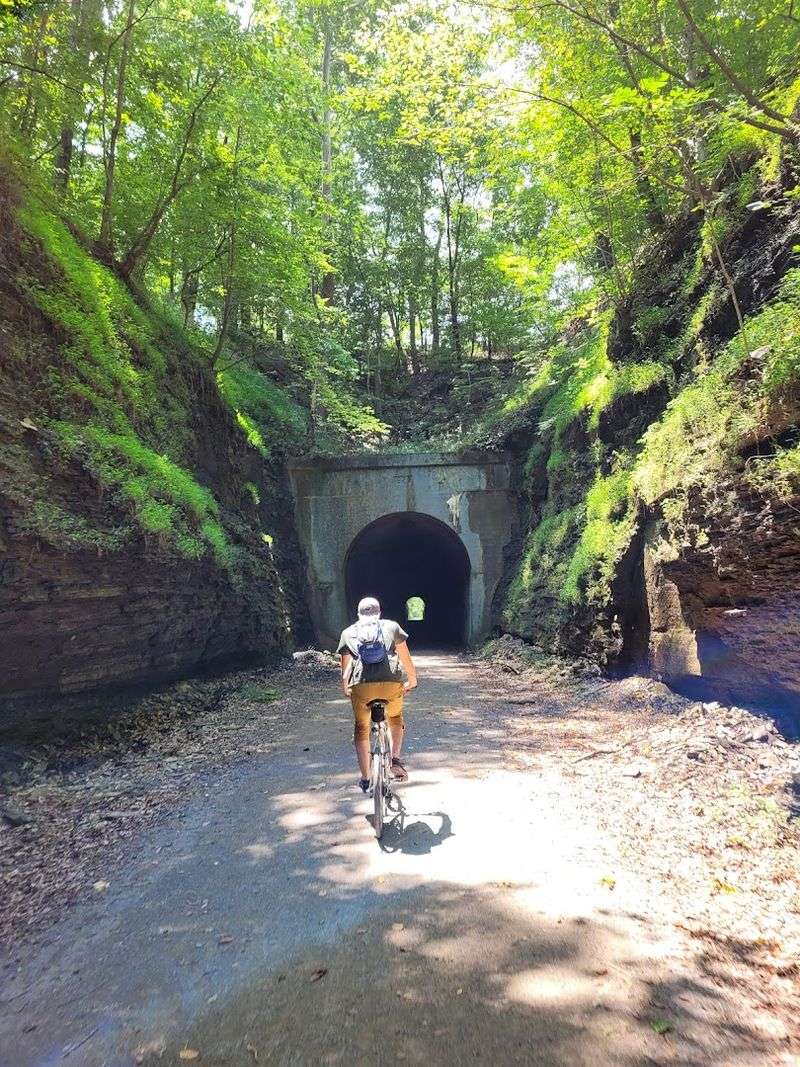
Carved through a solid rock ridge in the 1870s, the tunnel near the town of Tunnel Hill is the centerpiece of the entire trail and honestly the main reason many visitors make the trip. At roughly 543 feet long, it is long enough that you genuinely lose sight of the entrance once you are inside.
The tunnel stays cool even in summer, which makes it a welcome relief during warm-weather rides. The walls are rough-cut stone and timber, and the ceiling arches above you in a way that feels both impressive and slightly eerie in the best possible sense.
Riding or walking through it, you get a very real sense of the engineering effort it took to build something like this in the 19th century without modern machinery. Workers carved this passage by hand and with basic tools, and the result has lasted well over a hundred years.
Lights are not installed inside the tunnel, so bringing a small flashlight or a bike light is strongly recommended. The darkness is part of the experience, but you will want to see where you are going as you navigate the uneven floor.
Trestle Bridges That Stop Cyclists in Their Tracks
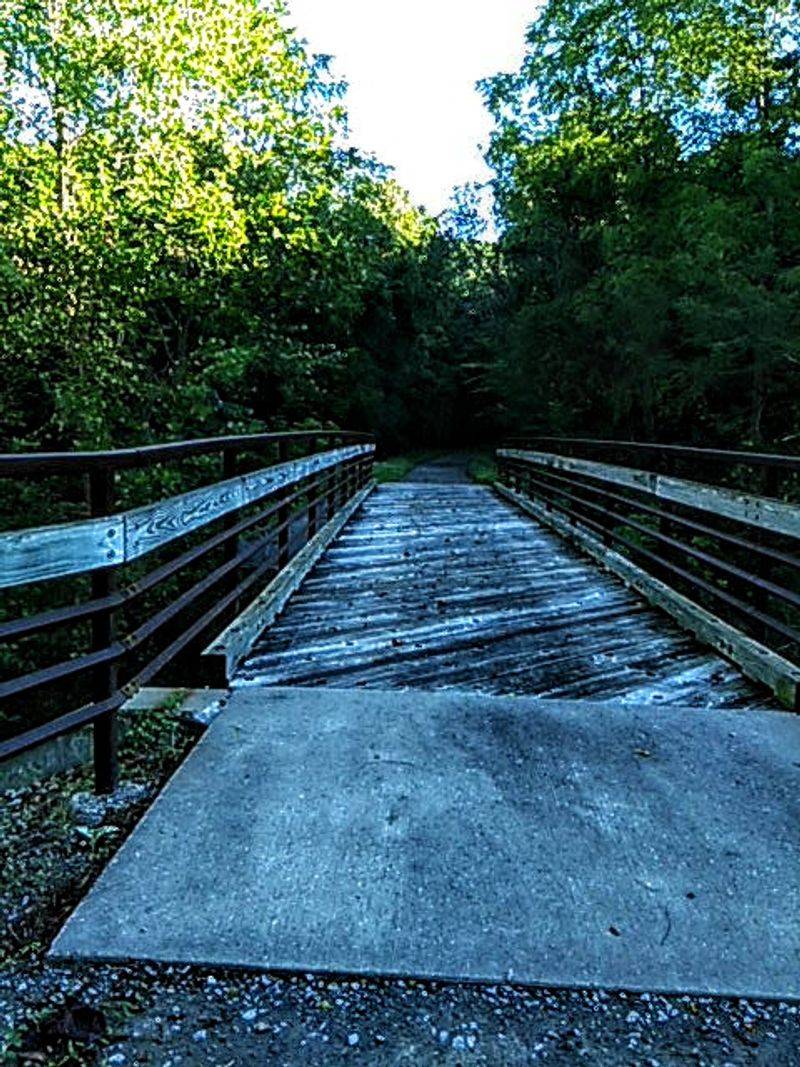
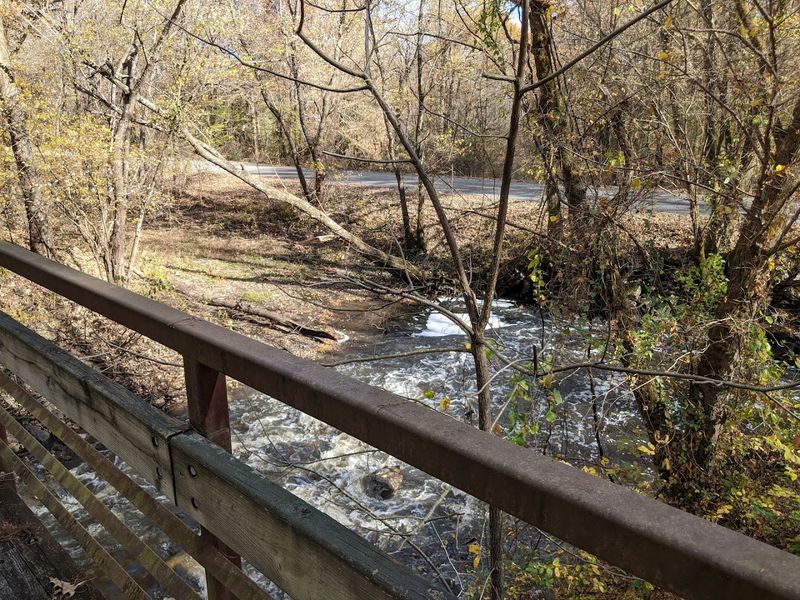
Some of the most photographed moments on this trail happen not at the tunnel but on the wooden trestle bridges that carry the path over creeks and river bottoms throughout the route. These structures are a direct inheritance from the railroad era, and several of them are genuinely impressive in scale.
The Cache River trestle is one that tends to make people stop pedaling and just look around. The Cache River wetlands spread out below and around you, and the view from the bridge feels almost cinematic, with cypress trees and still water stretching into the distance.
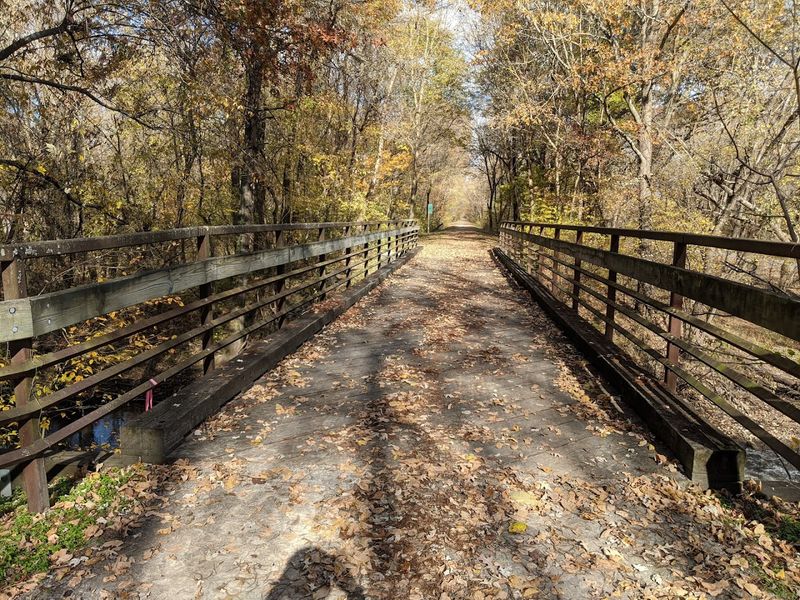
Most of the trestles have been reinforced and updated for trail use, but they retain their historic character and wooden plank surfaces. Crossing them on a bike gives you a faint rumble underfoot that adds to the experience in an unexpectedly satisfying way.
Photographers tend to love the trestles in the early morning when mist rises off the water below. If you have the flexibility to start your ride at sunrise, the light and atmosphere along these bridges are genuinely worth the early alarm.
Ghost Towns Along the Route: A Quiet Kind of History
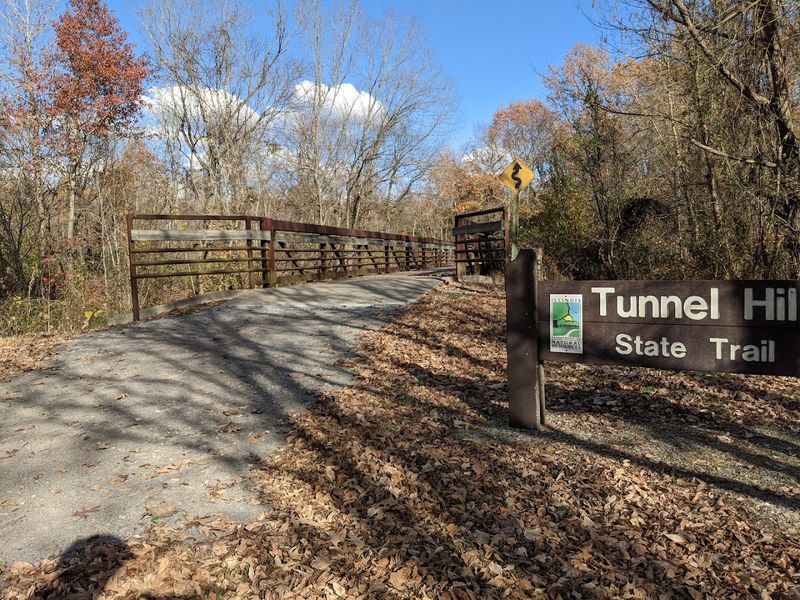
One of the most unusual aspects of this trail is that it passes through or near several communities that have essentially faded away over the decades. Towns like Tunnel Hill itself are little more than a handful of structures now, quiet remnants of communities that once thrived around the railroad.
The railroad brought life to these small southern Illinois towns in the late 1800s, and when rail traffic declined and eventually stopped, many of the towns shrank dramatically. Riding through them today, you see old foundations, weathered buildings, and the occasional cemetery tucked into the trees.
These ghost town sections give the trail a reflective, almost meditative quality that you do not find on most recreational paths. You are not just riding through pretty scenery; you are rolling through actual history that has not been cleaned up or turned into a museum exhibit.
Local history enthusiasts often combine the trail with visits to small-town historical societies in the area to piece together the stories behind what they have seen. The southern Illinois region has a surprisingly rich and underappreciated history that rewards anyone curious enough to look into it.
Wildlife and Natural Scenery That Earns Its Own Spotlight
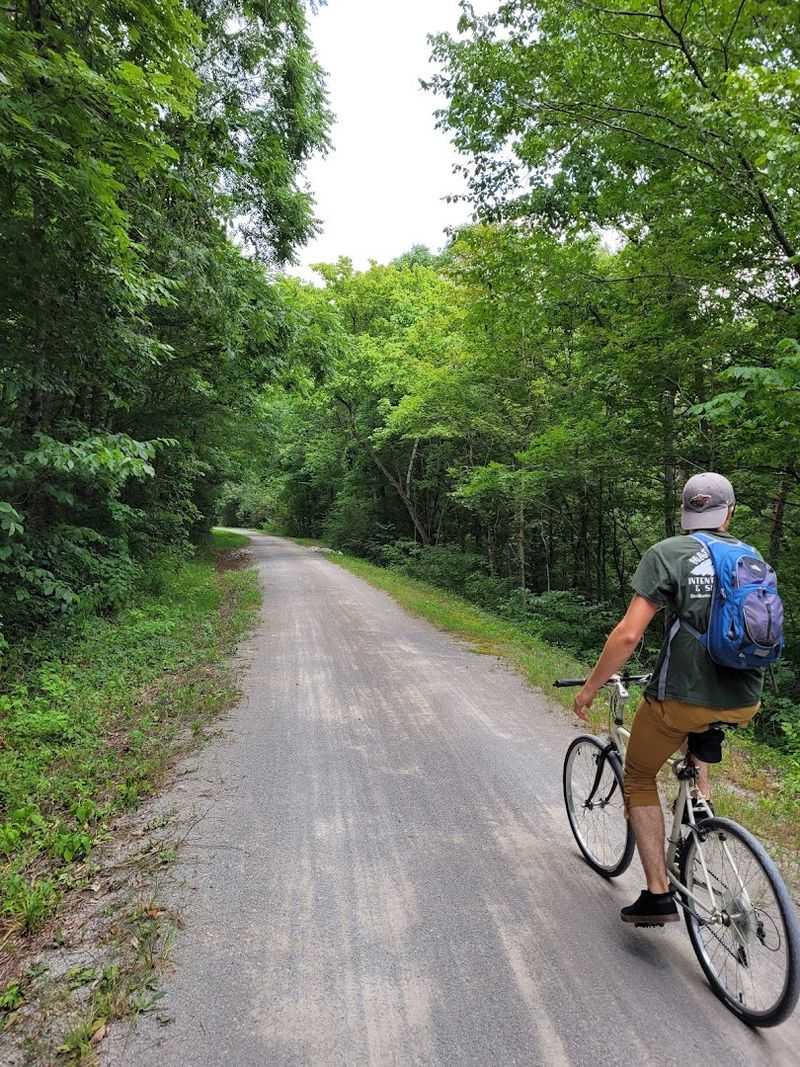
The trail corridor passes through some genuinely remarkable natural territory, particularly in its southern section where it enters the Cache River State Natural Area. This region is one of the most ecologically significant spots in Illinois, home to bald cypress swamps that look more like Louisiana bayou than the Midwest.
Great blue herons are a common sight along the wetland sections, and white-tailed deer frequently appear near the tree lines in the early morning and late afternoon. Depending on the season, you might also spot wood ducks, wild turkeys, and a variety of songbirds that fill the canopy with noise.
Spring is an especially rewarding time to ride because wildflowers bloom along the trail margins and migratory birds pass through in large numbers. Fall brings a completely different palette, with the hardwood forest canopy turning gold, orange, and red in a display that makes the whole ride feel like a moving painting.
The trail is genuinely one of the better places in Illinois to combine outdoor recreation with wildlife observation, and bringing binoculars is never a bad idea if birds and nature are part of your interest.
Trail Difficulty and Who Can Enjoy It
The Tunnel Hill State Trail is widely regarded as one of the more accessible long trails in Illinois, and that reputation is well-earned. The grade is gentle throughout because it follows a former railroad corridor, and railroad engineers historically kept grades as flat as possible for the sake of heavy freight trains.
That gentle grade means that even riders who do not consider themselves athletic can complete long sections of the trail without feeling wrecked afterward. Families with kids, older adults, and beginners on bikes all show up regularly and have a genuinely good time.
The paved northern section is especially beginner-friendly and smooth enough for road bikes or hybrid bikes without any issues. The crushed limestone southern section requires a bit more attention, particularly after rain when the surface can become soft in spots.
Hikers and trail walkers are also welcome on the route, and several people use sections of the trail for birdwatching walks rather than full cycling trips. The trail does not demand that you commit to the whole 45 miles; picking a favorite section and exploring it at your own pace is a completely valid and rewarding way to visit.
Best Times of Year to Visit the Trail
Southern Illinois has a climate that makes the trail rideable for a longer stretch of the year than many northern trails. Mild springs and warm falls create ideal windows that serious trail visitors often target intentionally.
April and May bring blooming wildflowers and active wildlife, with comfortable temperatures that make long rides genuinely pleasant rather than a test of endurance. The trees are leafing out, the birds are vocal, and the whole corridor feels alive in a way that is hard to match in other seasons.
October is the other peak month, when the hardwood forest along the trail puts on a color show that draws visitors from well outside the region. The air is crisp, the crowds are manageable, and the light in the afternoon has that warm golden quality that makes every photograph look better than it deserves to.
Summer is doable but hot and humid, so early morning starts are strongly recommended if you visit between June and August. Winter visits are possible on the paved section and offer a stripped-down, quiet version of the trail that has its own spare beauty for those who appreciate solitude.
The Cache River State Natural Area Connection
One of the biggest reasons the southern end of the trail carries such a devoted following is its proximity to the Cache River State Natural Area, one of the most ecologically unusual places in the entire state. The Cache River bottomlands contain some of the oldest trees in North America, including bald cypress specimens that are believed to be over a thousand years old.
The trail itself passes near the edges of this wetland system, and the scenery shifts noticeably as you enter this section. The canopy thickens, the light changes, and the sounds of the swamp replace the open-sky quiet of the trail’s central sections.
The Cache River wetlands were designated a Wetland of International Importance under the Ramsar Convention, which puts them in rare company globally. That designation reflects the ecological richness of the area, which supports an extraordinary range of plant and animal species.
Visitors who want to explore the wetlands more deeply can access several Cache River State Natural Area trails directly from or near the main trail corridor. Combining a bike ride with a short wetland walk adds a completely different dimension to the day.
Towns Along the Way Worth a Stop
The trail passes through or near several small southern Illinois towns that offer good reasons to hop off the bike and look around. Vienna, the Johnson County seat, sits near the southern portion of the trail and has a charming small-town downtown with local shops and places to grab food and water.
Carrier Mills is another community along the route with local character worth exploring. It is a small town with a friendly, unpretentious quality, and stopping there mid-ride gives you a chance to rest and interact with locals who often have good recommendations for the trail ahead.
New Burnside is another small community near the trail that many riders pass through without realizing it has its own quiet history worth a moment of attention. The towns along this corridor are not tourist destinations in the conventional sense, but they have an authenticity that feels refreshing.
Picking up snacks, refilling water bottles, and chatting with locals in these small towns is genuinely part of the Tunnel Hill experience. The communities along the route are welcoming to trail visitors, and that warm reception is something longtime regulars consistently mention when they talk about why they keep coming back.
Practical Tips for Planning Your Visit
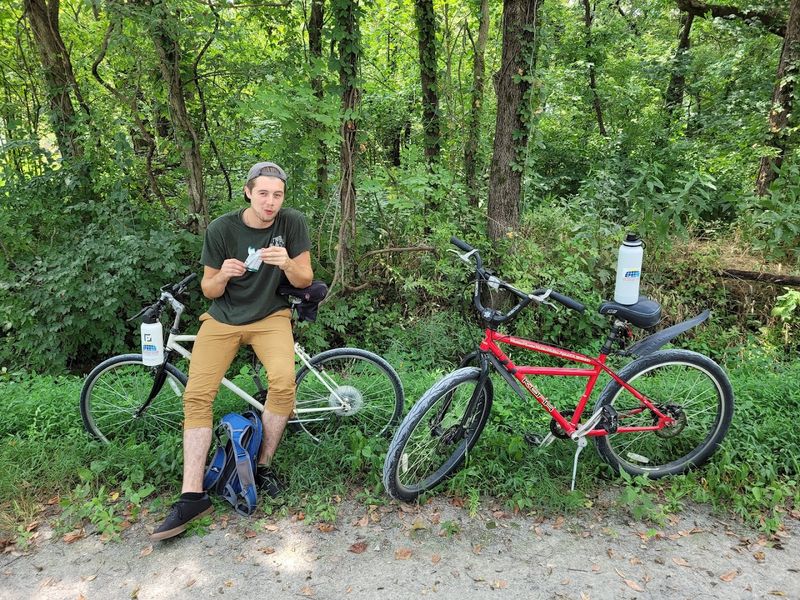
A few practical details make a real difference in how much you enjoy a day on this trail. Bringing more water than you think you need is the single most consistent piece of advice from experienced visitors, especially in the warmer months when shade disappears and the heat builds quickly.
Bike rentals are not available directly at the trailheads, so you will need to bring your own or arrange a rental from a nearby shop before arriving. A hybrid or mountain bike works well for the full trail, while road bikes are fine for the paved northern section only.
Cell service is spotty in parts of the trail, particularly in the southern section near the wetlands. Downloading an offline map before you go is a smart move, and letting someone know your planned route and return time is just basic good sense for a trail this long and remote in places.
The trail is managed by the Illinois Department of Natural Resources, and their website carries updated information on trail conditions, closures, and seasonal alerts. Checking that page before a visit, especially after heavy rain, can save you from a muddy or impassable stretch on the limestone sections.
The Trail’s Railroad History and Why It Matters
The Cairo and Vincennes Railroad, which originally ran through this corridor in the 1870s, was part of the broader effort to connect southern Illinois to regional markets and transport networks. The railroad brought coal, timber, and agricultural products out of the region and brought goods and people in.
The tunnel and trestles were engineering achievements of their time, built with the labor of workers who left very little record of their individual stories. Riding through the tunnel today, it is hard not to feel a quiet respect for what those workers accomplished with the tools and technology available to them.
Rail traffic on this line eventually declined through the mid-20th century as road transportation took over, and the line was ultimately abandoned. The Illinois Department of Natural Resources acquired the corridor and developed it into the trail that exists today, preserving the infrastructure rather than letting it deteriorate.
That decision to preserve and repurpose rather than demolish gives the trail its unique character. The history is not reconstructed or simulated; the tunnel is original, the trestle structures are original, and the corridor itself is the actual path those old trains traveled more than a century ago.
Why This Trail Keeps Drawing Visitors Back Year After Year
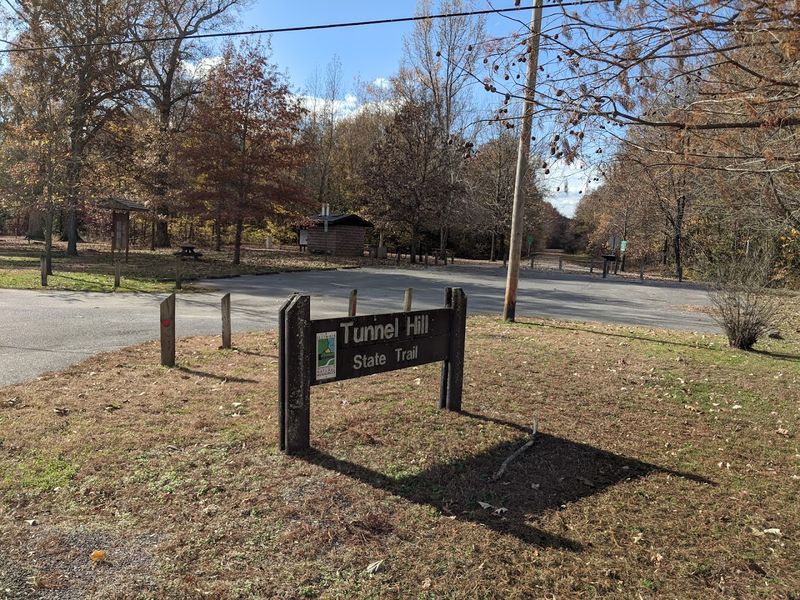
There is a particular kind of trail that people visit once and then quietly plan to return to almost immediately, and the Tunnel Hill State Trail fits that description well. It combines enough variety in scenery, history, and atmosphere that a single visit rarely feels like it covers everything.
The trail is long enough to challenge experienced riders but gentle enough that beginners can enjoy meaningful sections without feeling overwhelmed. That wide appeal means it attracts a genuinely diverse crowd of visitors, from serious cyclists logging miles to families on a weekend outing to history lovers who are barely on bikes at all.
The ghost towns, the tunnel, the trestles, the wetlands, and the wildlife all contribute to an experience that is hard to replicate on most other trails in the Midwest. Each section of the route offers something distinct, which keeps the miles from feeling repetitive even on a long ride.
Southern Illinois is often overlooked in favor of the Chicago area or the Shawnee Hills wine country, but the Tunnel Hill State Trail makes a strong argument for the region on its own terms. Once you have ridden through that tunnel and crossed those old trestles, the trail tends to stay with you in a way that is genuinely difficult to explain until someone else tries it for themselves.
Share this story