Ever wonder what it felt like when train travel was the height of elegance and adventure? Central Illinois holds a secret that brings those days roaring back to life with authentic locomotives, vintage passenger cars, and the unmistakable rhythm of wheels on rails.
This isn’t just a place where trains sit quietly behind velvet ropes. Visitors can climb aboard working railcars, hear steam engines hiss and chug, and ride through the countryside exactly as travelers did decades ago.
The experience connects you to an era when crossing the country meant settling into a plush seat and watching America roll past your window.
A Working Museum at 992 Iron Horse Place
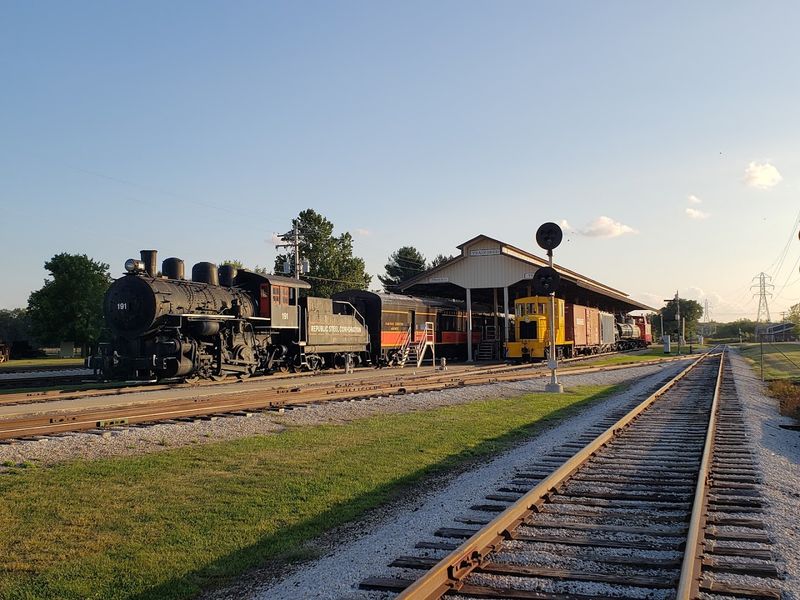
The facility sits at 992 Iron Horse Place in Monticello, Illinois, where history comes alive on tracks that have carried passengers for generations. This isn’t your typical museum where everything stays frozen behind glass.
Volunteers keep the entire operation running, maintaining locomotives and passenger cars that still roll across the rails every weekend. The depot building serves as the main hub, housing a gift shop stocked with railroad memorabilia, postcards, and small toys that capture the magic of train travel.
Visitors can purchase tickets online before arriving or directly at the depot window, and the staff makes sure to return your ticket stub as a keepsake. The property sprawls across enough land to accommodate multiple buildings filled with railroad equipment, picnic areas for families, and even a small locomotive that children can climb on.
Open Saturdays and Sundays from 10:30 AM to 3:30 PM, the museum closes during weekdays but transforms into a bustling hub of activity every weekend. The phone number (217) 762-9011 connects visitors with helpful staff who answer questions about special events and seasonal rides.
The Train Barn Collection
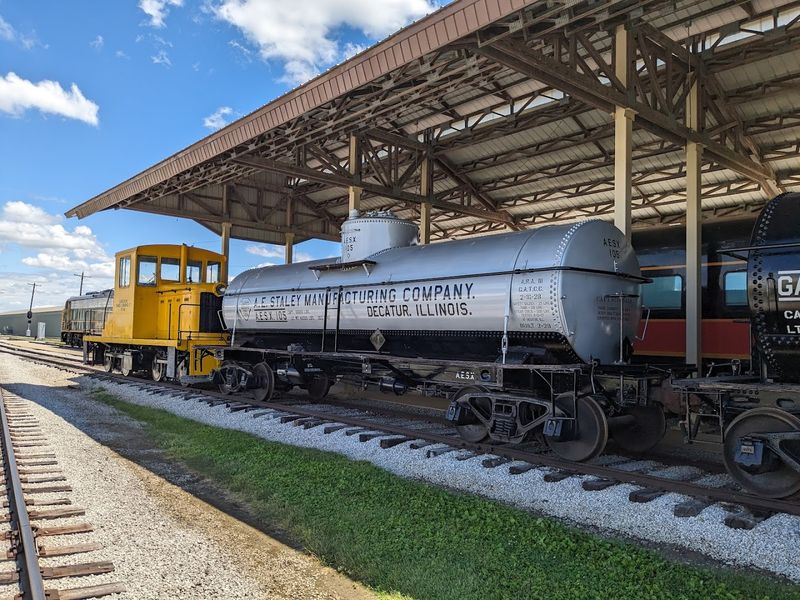
Walking through the main exhibition building feels like stepping into a time capsule where dozens of restored railcars wait to tell their stories. The collection represents one of the most impressive assemblies of vintage railroad equipment anywhere in the region.
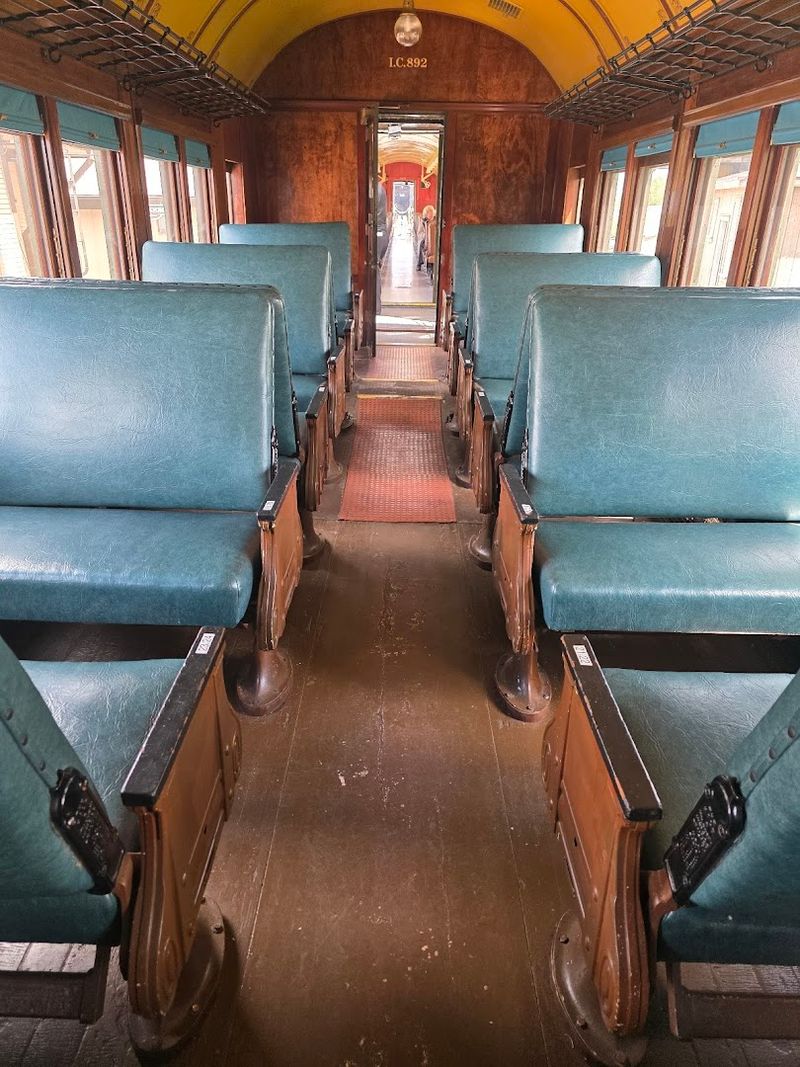
Many of the cars stand open for exploration, inviting visitors to step inside and experience the craftsmanship of different eras. Each decade brought new conveniences and design changes, from basic wooden benches to elegant sleeping compartments with polished fixtures.
The barn protects these treasures from weather while allowing easy access for maintenance and restoration work that happens year-round. Volunteers dedicate countless hours to preserving these mechanical marvels, ensuring future generations can appreciate the engineering achievements of railroad pioneers.
One particularly fascinating car contains a section of insulated glass flooring that reveals the wheels and mechanisms rotating beneath passengers’ feet during rides. Another unusual piece in the collection includes an aquarium car, a rare specimen that showcases just how diverse railroad equipment became.
Spending two hours exploring the exhibition buildings gives visitors enough time to appreciate the details in each car, from the different upholstery patterns to the evolution of lighting systems and ventilation.
Steam Locomotive Operations
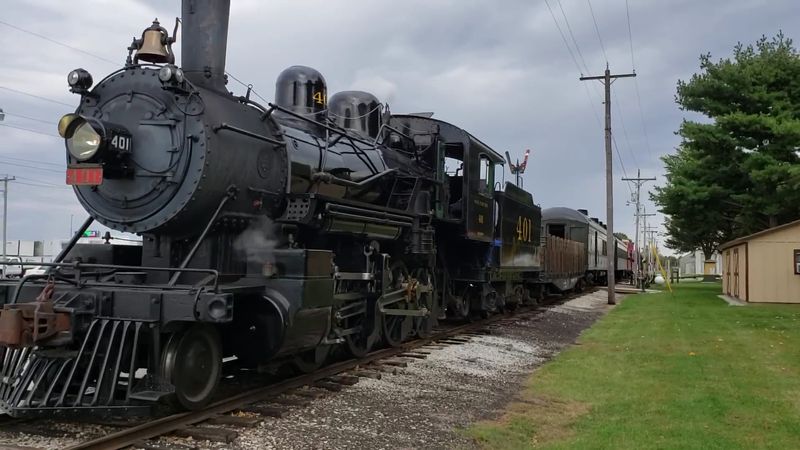
Southern 401 represents the crown jewel of the museum’s operational fleet, a magnificent steam engine that still pulls passenger trains during special events throughout the year. The locomotive’s return to service created excitement among railroad enthusiasts who traveled from distant states to witness its operation.
Steam engines require extensive knowledge and careful handling, with crews spending hours preparing the boiler, checking gauges, and ensuring every mechanical component functions properly before departure. The process itself becomes part of the educational experience as visitors watch the preparation rituals that defined railroading’s golden age.
When the engine finally begins moving, the sight and sound create an unforgettable sensory experience. Steam billows from the stack, the whistle pierces the air, and the rhythmic chuffing of the pistons establishes a tempo that defined American progress for over a century.
The museum schedules steam operations during summer months, though checking the website beforehand ensures visitors don’t miss these special running days. The experience differs dramatically from diesel-powered trains, offering a more authentic connection to the era when steam ruled the rails.
The Hour-Long Countryside Journey
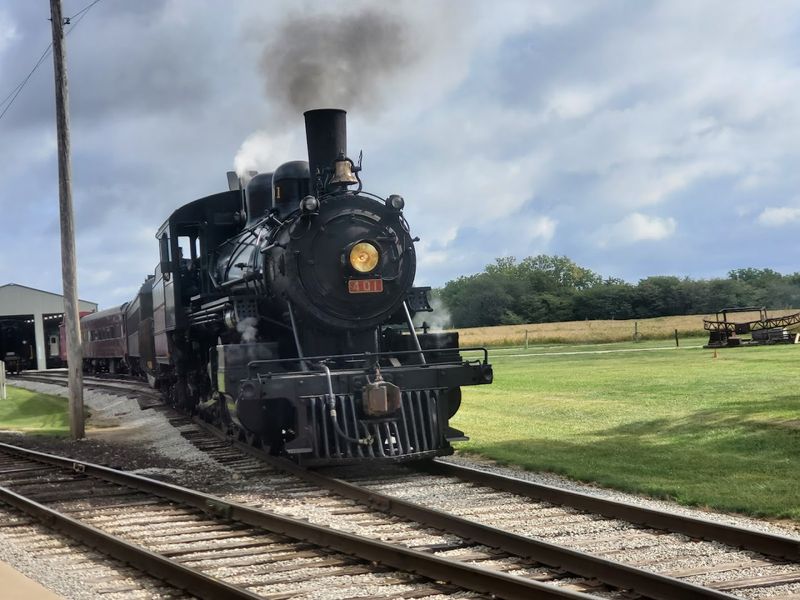
Tickets grant access to a genuine train ride that covers several miles of track through central Illinois farmland and small-town scenery. The journey lasts approximately one hour, providing plenty of time to settle into the vintage seats and absorb the experience.
Conductors move through the cars sharing information about the railroad’s history, the equipment being used, and interesting facts about the landscape passing outside the windows. Their enthusiasm for railroad heritage shines through every explanation, making the ride educational without feeling like a formal lecture.
The train makes a stop in downtown Monticello, where passengers can disembark to grab food at local restaurants or browse antique shops before catching a later train back to the museum. This flexibility allows visitors to extend their adventure beyond the museum grounds.
During warmer months, temperatures inside the cars can climb when the train isn’t moving, so planning visits during cooler seasons makes for more comfortable riding. The gentle swaying motion and clickety-clack of wheels on rails create a meditative quality that modern transportation simply can’t replicate.
Some visitors return multiple times, discovering new details during each journey and experiencing different locomotives pulling their train.
Special Event Trains and Seasonal Experiences
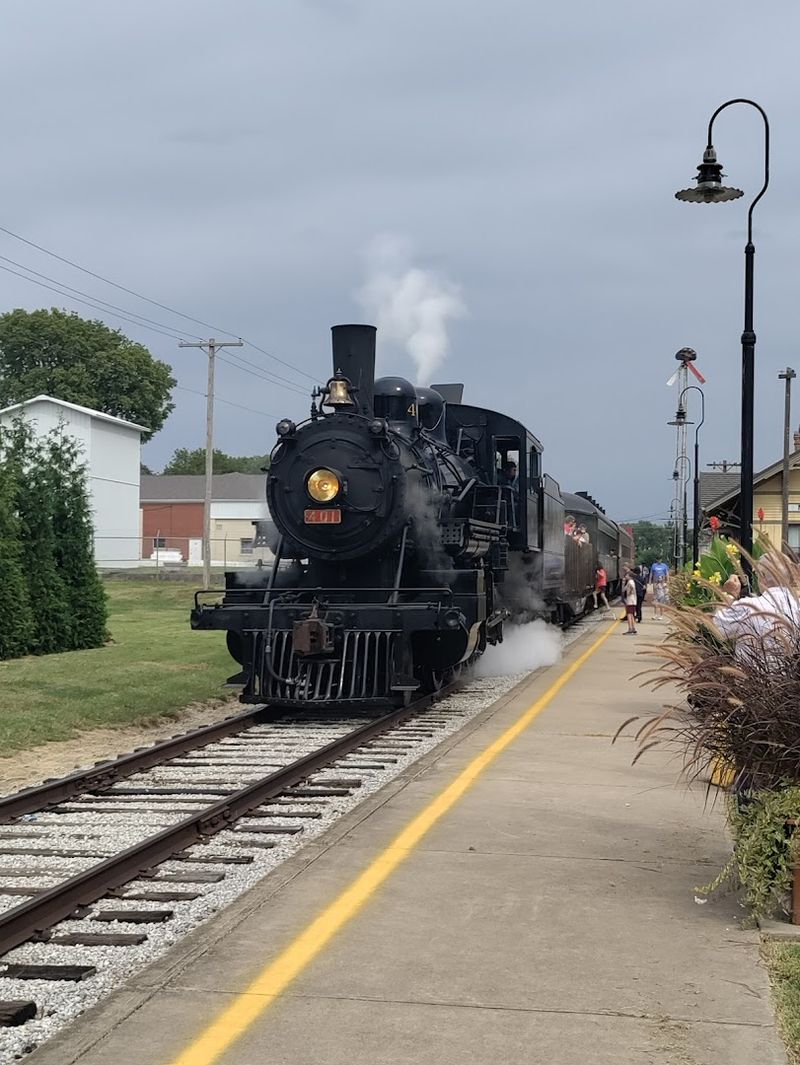
Beyond regular weekend operations, the museum hosts themed rides that transform ordinary train trips into memorable adventures. The Donut Train combines breakfast treats with railway nostalgia, offering passengers fresh pastries while they roll through the countryside.
Families particularly enjoy this event, with grandparents and grandchildren sharing the experience together. The combination of food and train travel creates a festive atmosphere that appeals to multiple generations.
Railroad Days in fall showcases nearly everything the museum owns in simultaneous operation, giving visitors a chance to see the full scope of the collection working at once. Equipment that normally sits static in the barn comes to life, with demonstrations of switching operations, maintenance procedures, and restoration techniques.
The Polar Express experience during Christmas season has become so popular that tickets sell out within days of going on sale each spring. Planning ahead becomes essential for families hoping to share this magical journey with young children.
These special events require advance ticket purchases and often command higher prices than regular rides, but the enhanced experiences justify the additional cost. Each themed ride offers something unique that standard operations can’t provide.
Interactive Learning Opportunities
Education happens naturally when visitors can touch, pull, and manipulate the actual equipment that made railroads function. The switch house contains demonstration levers disconnected from active tracks, allowing guests to experience the physical effort required to change a train’s path.
These hands-on elements transform abstract concepts into tangible understanding, especially for younger visitors who learn best through direct interaction. Pulling a heavy switch lever creates immediate appreciation for the workers who performed these tasks countless times each day.
Staff members and volunteers position themselves throughout the property, ready to answer questions and share their extensive knowledge. Their passion for railroad history shows in the detailed explanations they provide about everything from coupling mechanisms to brake systems.
The museum encourages exploration rather than restricting access, trusting visitors to respect the equipment while satisfying their curiosity. This approach creates a more engaging experience than traditional museums where barriers separate people from artifacts.
Children particularly benefit from this philosophy, as they can climb into cabs, sit in engineer seats, and imagine themselves controlling these powerful machines. The memories formed during these tactile experiences often spark lifelong interests in transportation history and engineering.
Restoration Work and Volunteer Dedication
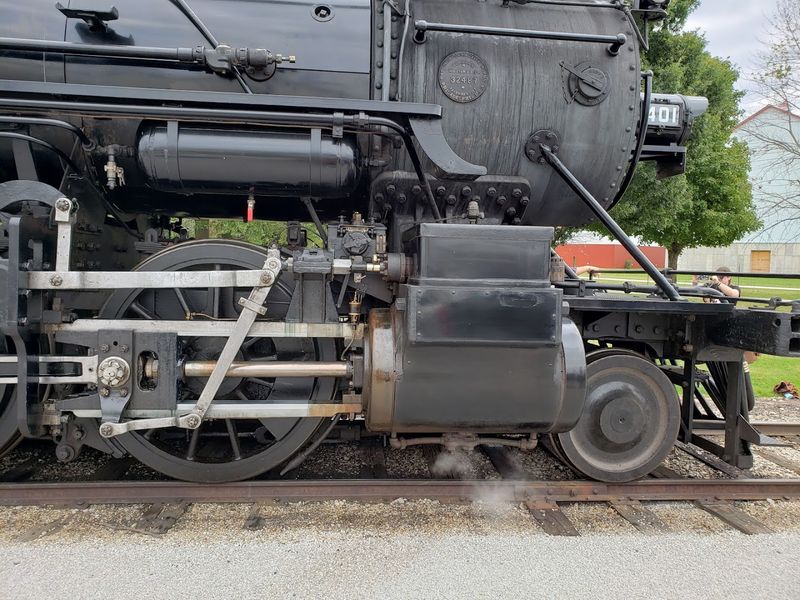
Behind every gleaming locomotive and pristine passenger car stands an army of dedicated volunteers who donate thousands of hours to preservation work. The museum operates entirely through volunteer efforts, with no paid staff managing daily operations.
Restoration projects range from cosmetic refreshes to complete mechanical rebuilds that can take years to complete. Volunteers bring diverse skills to the work, including welding, woodworking, upholstery, painting, and mechanical engineering.
Watching restoration work in progress adds another dimension to visiting, as guests see firsthand the commitment required to maintain these historical treasures. The volunteers welcome questions about their projects and often explain the challenges they face when sourcing period-appropriate parts or recreating lost techniques.
This working museum philosophy means some equipment always sits in various stages of repair, but this authenticity enhances rather than detracts from the experience. Visitors gain appreciation for the complexity of railroad operations and the specialized knowledge required to keep century-old equipment functioning.
The volunteer model also keeps admission prices reasonable, as ticket revenue directly supports restoration materials and track maintenance rather than payroll expenses. Supporting the museum through visits and memberships helps ensure these preservation efforts continue for future generations.
Family-Friendly Accessibility
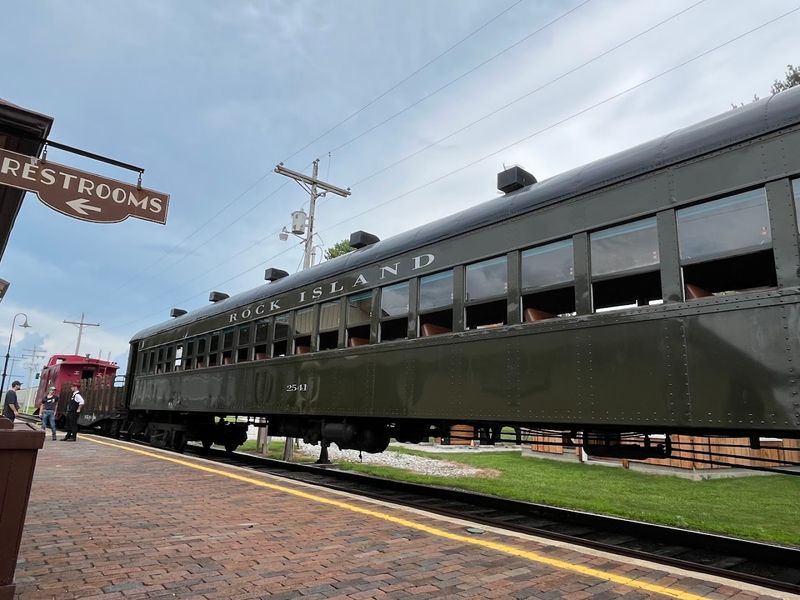
The museum welcomes visitors of all ages, from toddlers taking their first train ride to great-grandparents reliving memories of their own railroad journeys. The grounds accommodate strollers, though parents should note that boarding some train cars requires navigating steps.
Young children find plenty to capture their attention, from the small locomotive they can climb on to the novelty of riding a real train through the countryside. The experience often creates core memories that families reference for years afterward.
Grandparents who remember traveling by train during their youth often become the most enthusiastic guides, sharing personal stories that bring additional context to the exhibits. These intergenerational visits create powerful connections between past and present.
The museum provides picnic areas where families can spread out lunch and spend an entire afternoon exploring at their own pace. This flexibility makes the destination ideal for varying attention spans and energy levels within a single group.
Cleanliness throughout the facility impresses visitors who expect dusty, neglected equipment at historical sites. The volunteers maintain high standards that make the experience pleasant for even the most particular guests.
Planning approximately three hours for a complete visit allows time for museum exploration plus the train ride without feeling rushed.
The Depot Experience
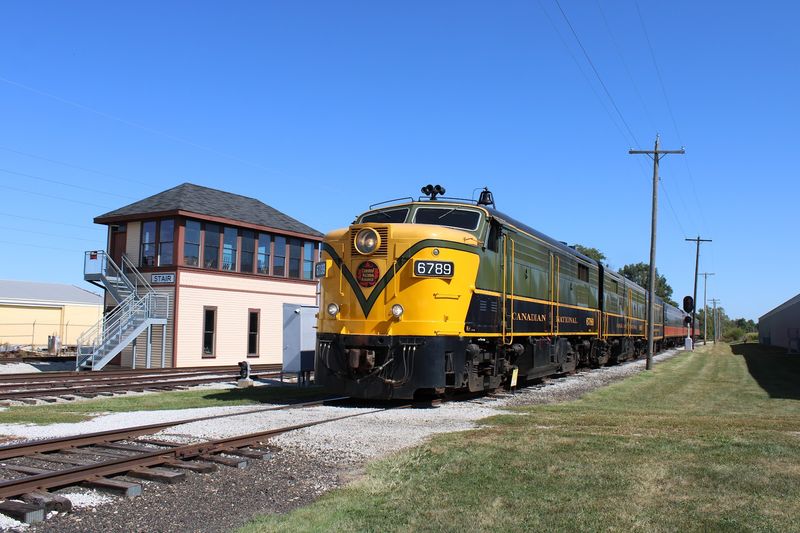
The depot building serves multiple functions as ticketing office, gift shop, and gathering place for passengers awaiting their train departure. Original architectural details preserve the atmosphere of small-town stations that once dotted every railroad line.
Shopping options include standard tourist items like t-shirts and postcards, but also railroad-specific merchandise that appeals to serious collectors and casual visitors alike. Small toys and trinkets provide affordable souvenirs for children wanting to remember their adventure.
The building’s maintenance reflects the same care given to rolling stock, with period-appropriate paint colors and fixtures creating an authentic environment. Staff working the ticket windows embody the helpful, personable service that characterized railroad customer relations in earlier eras.
Visitors often arrive early to browse the shop and soak in the atmosphere before their scheduled train departure. The building provides shelter during inclement weather and comfortable seating for those who simply want to watch the activity around the property.
Photography enthusiasts find the depot provides excellent composition opportunities, with vintage signage and architectural details that transport viewers to another era. The building represents an essential element of the complete railroad experience, not merely a place to purchase tickets.
Seasonal Considerations and Visit Planning
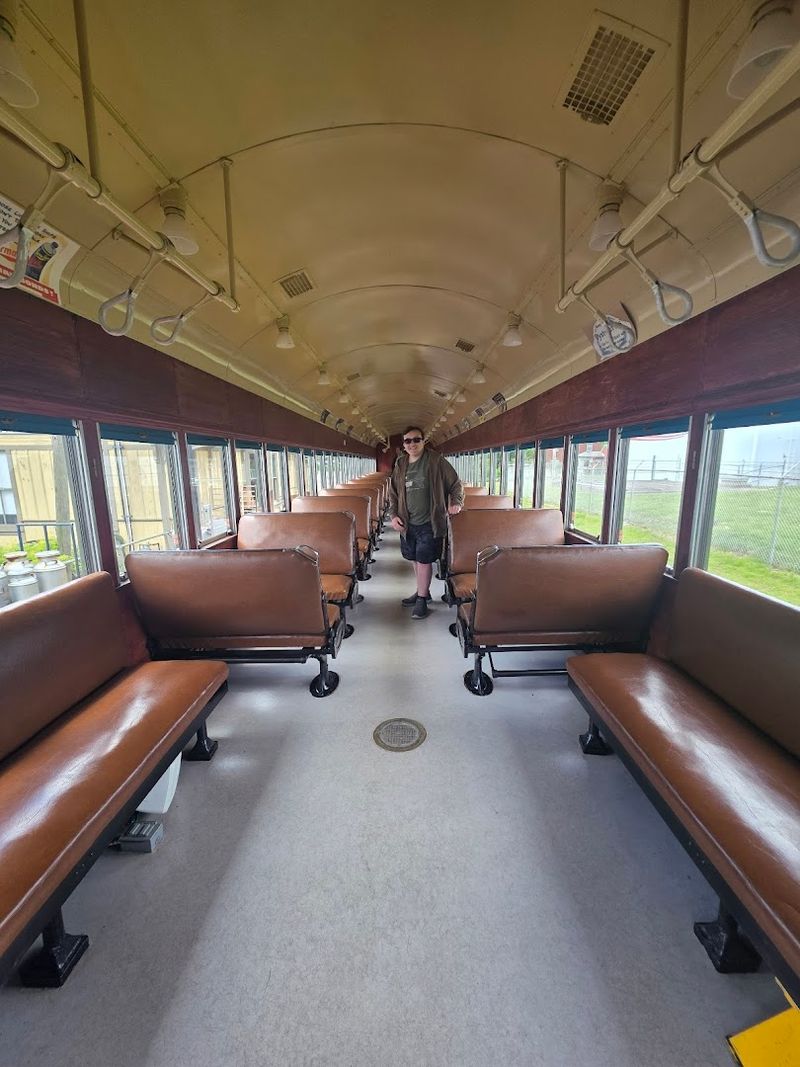
Weekend operations from late spring through early fall provide the most consistent access to rides and exhibits, though the museum hosts special events throughout the year. Summer brings longer days and fuller schedules, but also higher temperatures inside vintage cars that lack modern climate control.
Visitors who experienced discomfort during hot weather rides recommend spring or autumn visits when temperatures make the enclosed passenger cars more pleasant. The countryside scenery also shifts dramatically with seasons, offering different visual experiences throughout the year.
Checking the website before planning a trip reveals which locomotives will be operating on specific dates, important information for enthusiasts hoping to ride behind the steam engine. The museum posts updates about restoration projects and new acquisitions that might interest repeat visitors.
Weekends see the heaviest crowds, particularly during special events, but the spacious grounds prevent the site from feeling overcrowded. Arriving when gates open at 10:30 AM provides maximum exploration time before afternoon heat builds.
The museum closes entirely during weekdays, so planning visits requires attention to the Saturday and Sunday schedule. Calling ahead with questions helps ensure visitors don’t arrive during maintenance periods or weather-related closures that occasionally affect operations.
Photography and Documentation Opportunities
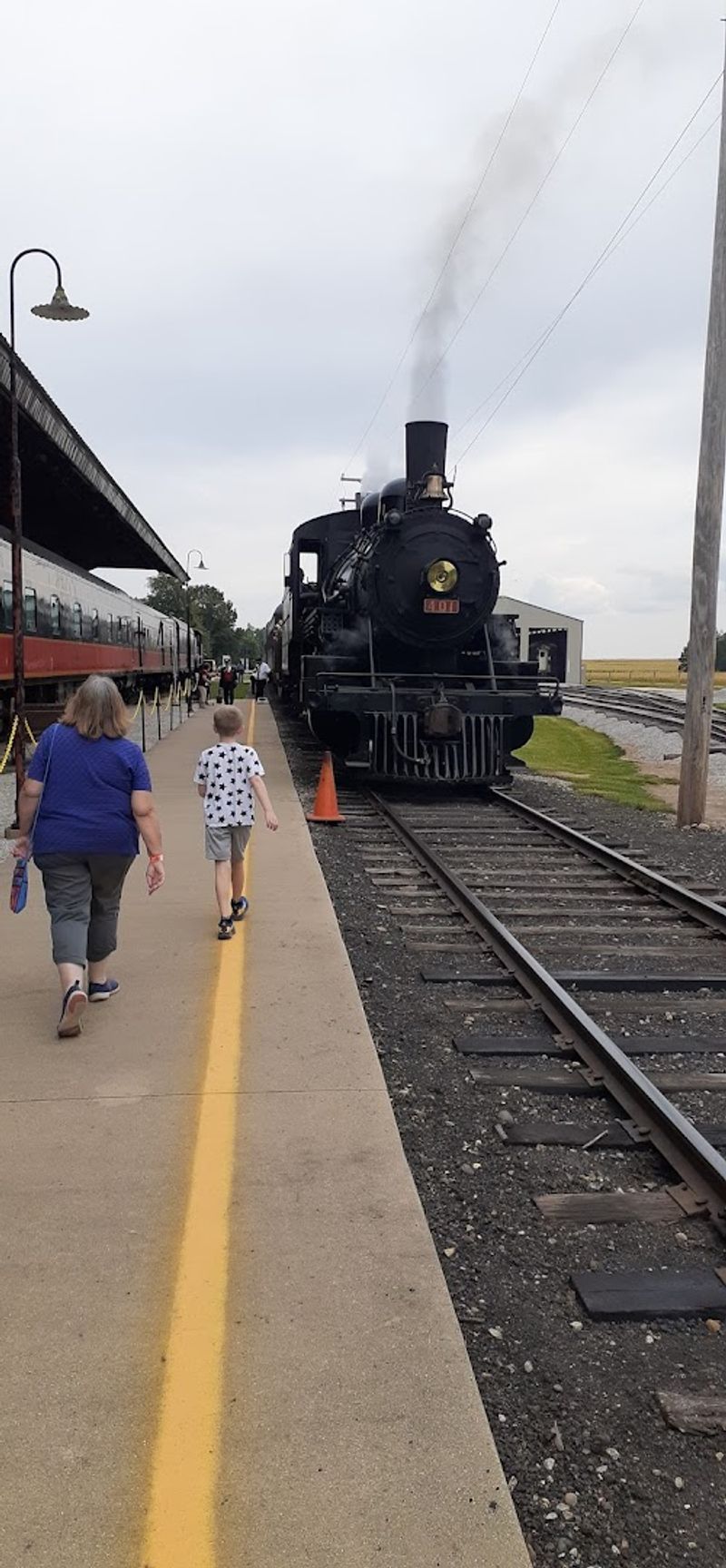
Railroad photography enthusiasts find endless subjects among the museum’s collection, from sweeping shots of multiple locomotives to intimate details of mechanical components. The open access policy allows photographers to position themselves for optimal angles without constant restrictions.
The steam locomotive in operation provides particularly dramatic imagery, with smoke, steam, and motion combining to create dynamic compositions. Timing visits to coincide with steam operations ensures photographers capture these special moments.
Interior shots of restored passenger cars showcase the evolution of design and comfort across different eras. The variety of upholstery patterns, lighting fixtures, and architectural details within individual cars tells visual stories about changing tastes and technologies.
The train barn’s natural lighting creates interesting shadows and highlights that enhance architectural photography of the structure itself. The wooden beams and industrial character of the building complement the mechanical subjects it houses.
Visitors interested in documenting their experience should bring cameras with versatile lenses, as both wide-angle shots of complete trains and telephoto close-ups of details prove equally rewarding. The museum welcomes photography for personal use, understanding that images help preserve and share railroad heritage with broader audiences.
Creating Lasting Memories
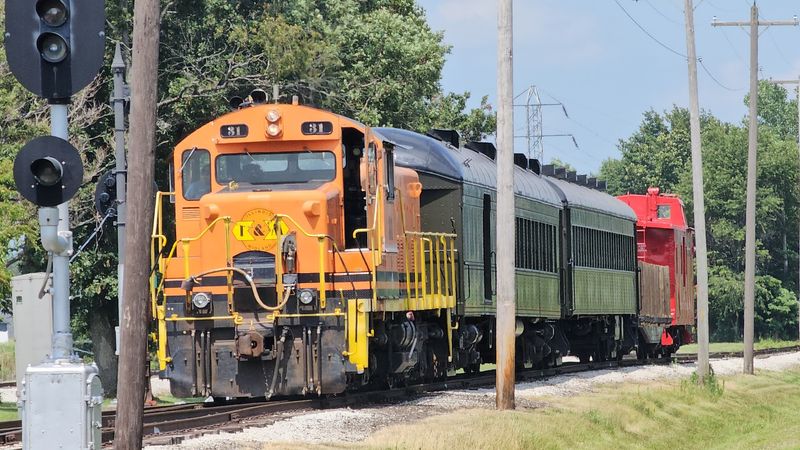
The museum excels at creating experiences that visitors remember and retell for years afterward. Something about the combination of history, motion, and nostalgia touches people in ways that typical attractions cannot.
Grandparents who traveled extensively by train during their youth often become emotional when sharing those memories with grandchildren aboard vintage cars. The physical environment triggers recollections that stories alone cannot convey.
Children develop fascination with trains that sometimes evolves into career interests in engineering, history, or transportation. The hands-on nature of the visit plants seeds that grow in unexpected directions.
Even visitors without previous railroad connections find themselves charmed by the experience, discovering appreciation for an era they never personally knew. The museum bridges generational gaps by providing common ground where different ages can share enthusiasm.
Many guests report planning return visits before they even leave the property, eager to experience different locomotives, seasonal events, or simply recapture the magic of their first ride. The volunteer staff’s genuine warmth and knowledge contribute significantly to these positive impressions.
The museum represents more than preserved equipment; it maintains living connections to American heritage that shaped the nation’s development and character.
Share this story