Deep beneath the Siskiyou Mountains of southern Oregon, a marble cave system has been quietly dazzling visitors for well over a century. The cave earned a nickname that sounds more like a ghost story than a geology lesson, and that reputation alone is enough to pull curious travelers off the highway and up a winding mountain road.
Rangers lead small groups through chambers filled with twisting formations, past underground streams, and into rooms that seem to belong to another world entirely. This is the kind of place that makes you feel genuinely small in the best possible way, and once you step inside, you will completely understand why people keep coming back.
Finding the Monument: Address, Location, and Getting There
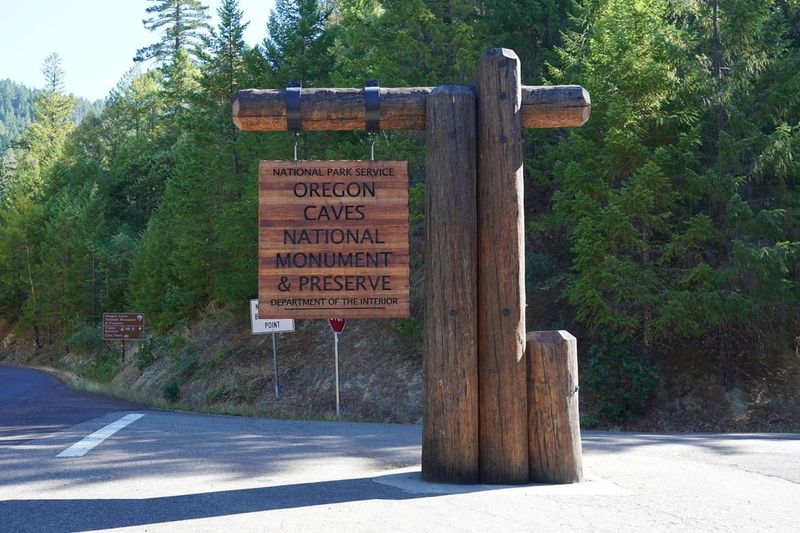
The address for Oregon Caves National Monument and Preserve is 19000 Caves Hwy, Cave Junction, OR 97523, tucked into the Siskiyou Mountains in southern Oregon. Getting there is genuinely part of the experience.
The road climbs through thick, forested hillsides on a narrow two-lane highway that twists and turns for several miles. Drivers who enjoy scenic mountain routes will appreciate every curve, though anyone uncomfortable with winding roads should take it slow and stay alert.
The nearest town is Cave Junction, which sits along US-199 and offers a few places to grab food or fuel before heading up. From Grants Pass, the drive takes roughly 45 minutes, making it a very manageable day trip from anywhere in southern Oregon.
GPS works reasonably well in the area, but cell service can get spotty on the upper stretch of the road. Printing directions or downloading an offline map before leaving is a smart move.
The monument is managed by the National Park Service, and you can reach the visitor center at 541-592-5125 or visit nps.gov/orca for current tour schedules and ticket availability.
The Marble Cave and Its Remarkable Geology
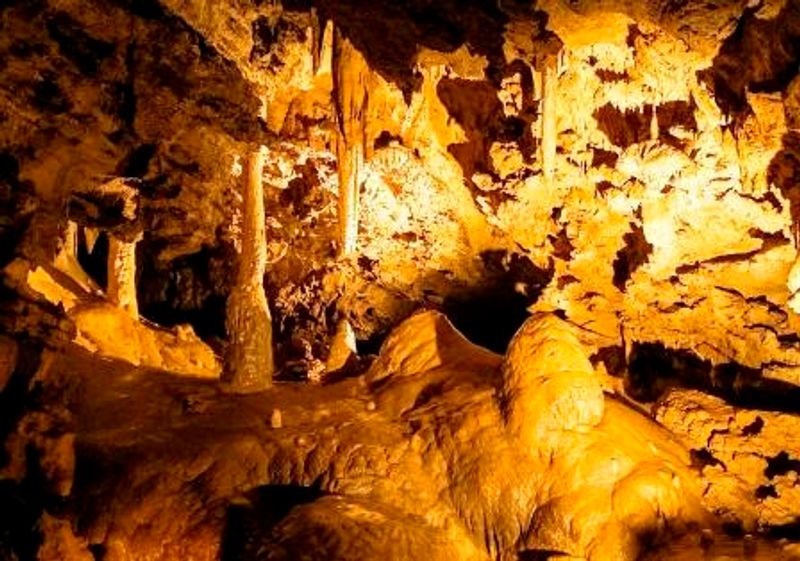
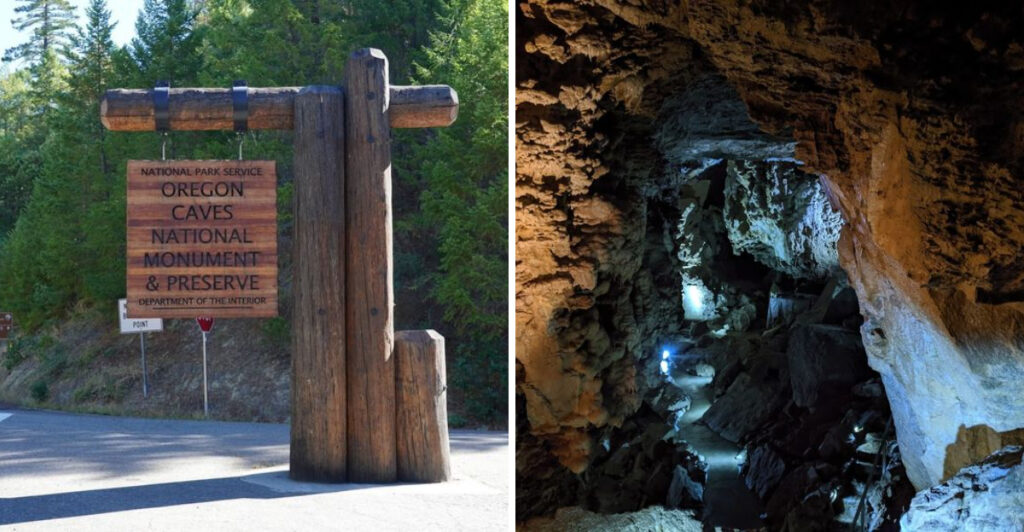
What makes this cave genuinely unusual is the material it formed in. Most famous caves in the United States developed in limestone, but Oregon Caves carved itself through a dense body of marble, giving the walls a distinctly crystalline, almost glowing quality under the tour lights.
The marble itself is ancient, estimated to be around 190 million years old. Over millions of years, slightly acidic groundwater dissolved pathways through the rock, eventually creating the complex tunnel system visitors explore today.
The formations inside include stalactites, stalagmites, flowstone, and draperies, each shaped by slow mineral deposits over thousands of years. Some formations have delicate translucent edges that catch the light in a way that feels almost theatrical.
The cave also sits within a much larger geological story. The Siskiyou Mountains themselves formed through dramatic tectonic activity, and the marble body that hosts the cave was once ocean floor sediment that got compressed and recrystallized over time.
That backstory alone gives every twist and turn inside the cave a sense of deep geological weight that is hard to find anywhere else on the surface.
The Ghost Room: The Cave’s Most Mysterious Chamber
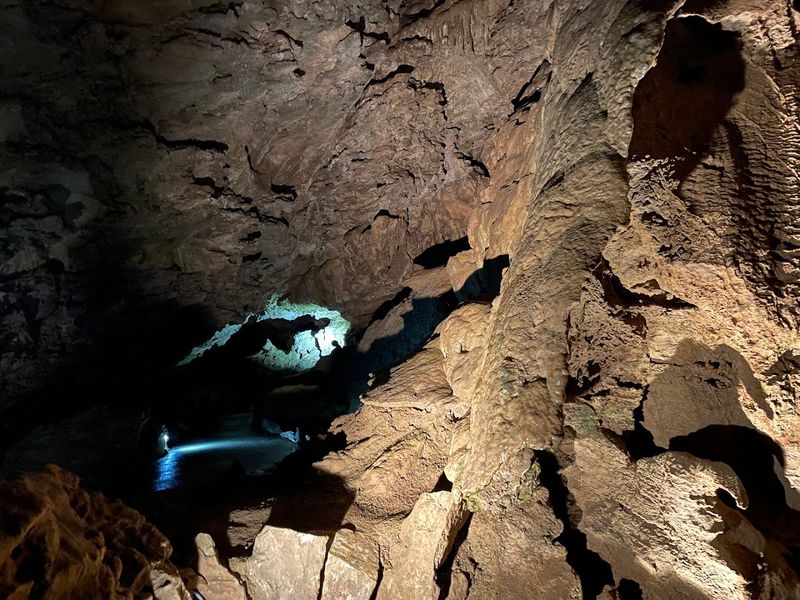
Out of every chamber inside the cave system, one has earned a reputation that travels well beyond the monument’s borders. The Ghost Room gets its name from the way moisture and air currents interact with the cave’s atmosphere, sometimes creating a faint, drifting mist that floats through the space in a way that genuinely stops people mid-step.
The effect is subtle rather than dramatic, but in a confined underground chamber with low lighting and cool air, it lands with surprising impact. Rangers often pause here to let the atmosphere do the talking, and visitors consistently describe it as the most memorable stop on the tour.
Beyond the visual effect, the room itself has strong geological features, with walls that display the complex swirling patterns typical of marble under pressure. The combination of eerie atmosphere and striking rock formations makes it a natural highlight of the 90-minute tour.
The Ghost Room is not marked on any trail map you can buy at the visitor center, which somehow makes finding it feel like a small personal discovery. It is one of those spots that photographs reasonably well but truly needs to be experienced in person to appreciate fully.
Guided Tours: What to Expect Underground
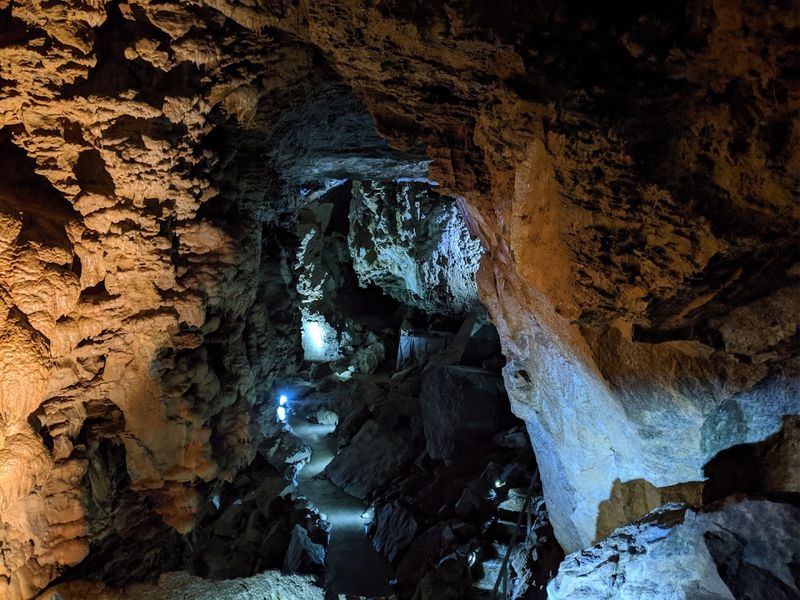
Every visit to the cave interior happens through a guided tour led by a National Park Service ranger, and that structure turns out to be one of the best things about the experience. The rangers bring genuine enthusiasm and deep knowledge to each group, mixing geology facts with local history and the occasional well-timed story.
Tours run approximately 90 minutes and cover about half a mile of underground trail. The path includes uneven surfaces, low ceilings in certain sections, and a fair number of stairs, some of which are quite steep.
Visitors with mobility limitations or young children under a certain age may find the physical demands challenging.
Tour group sizes stay small, which makes it easy to hear the guide and find good angles for photos without feeling rushed. The pace is steady but not aggressive, and rangers are happy to answer questions at various stops along the route.
Reservations are strongly recommended, especially during summer months when tours can sell out early in the day. Booking through the NPS website before your trip eliminates the stress of showing up and finding no spots available.
A limited number of walk-in tickets are sometimes held back for same-day visitors, but those go quickly on busy weekends.
Temperature Inside the Cave and What to Wear
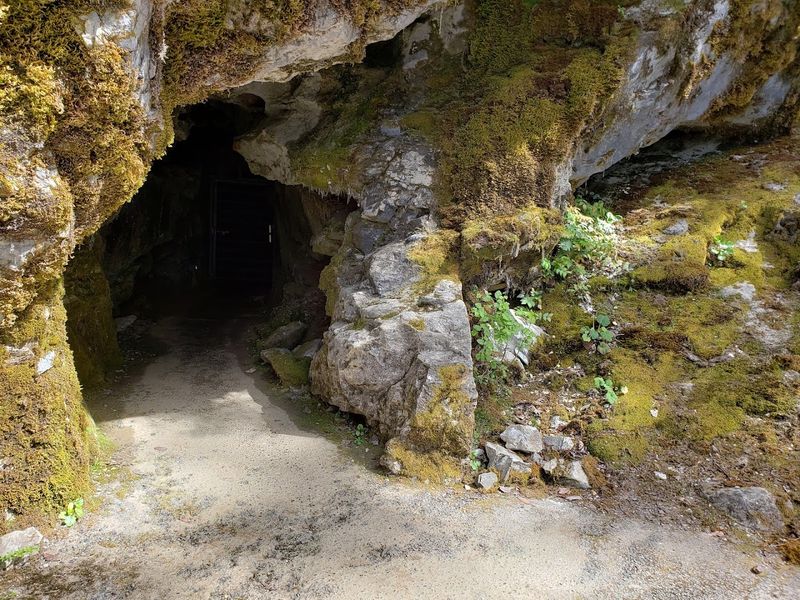
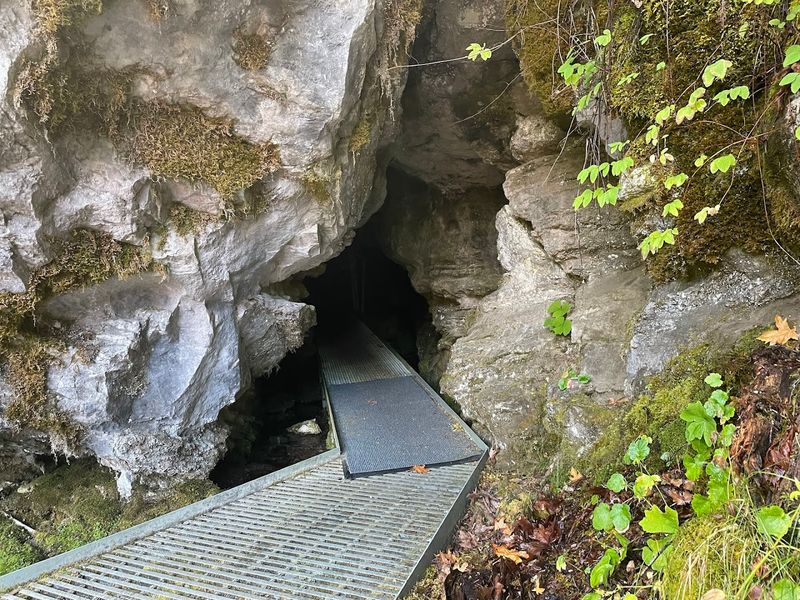
The cave maintains a steady temperature of around 44 degrees Fahrenheit year-round, regardless of what the thermometer reads outside. On a hot summer day, that contrast hits immediately when you cross the cave entrance threshold, and the cold air wraps around you in a way that feels almost theatrical after a warm drive up the mountain.
A light jacket or long-sleeved layer is genuinely necessary, not just a polite suggestion. Visitors who show up in a t-shirt during summer often spend the first portion of the tour regretting the decision, though the physical movement through the cave does generate some warmth.
Gloves and a beanie are optional but appreciated on cooler days when the outside temperature is already mild. Comfortable closed-toe shoes with good grip are essential because the cave floor is wet and uneven in several sections, making smooth-soled footwear a real liability.
Children tend to warm up faster than adults once they start moving through the passages, so dressing them in removable layers works well. The cave gift shop does carry a small selection of warmer items if someone in your group arrives underprepared, though the selection is limited and the prices reflect the captive audience situation fairly honestly.
Bats, Wildlife, and the Living Cave Ecosystem
The cave is not just rock and water. A small population of bats lives within the cave system and plays an active role in the underground ecosystem.
Spotting one clinging to the ceiling or darting through a passage is a genuine thrill, especially for younger visitors who may not have seen a bat up close before.
Rangers sometimes carry a specialized device that detects bat activity by translating their echolocation calls into audible sound. Hearing that device click and chirp while a bat moves invisibly through the darkness is one of those unexpectedly cool moments that nobody mentions in the brochure but everybody talks about afterward.
The cave also supports various invertebrates and microorganisms adapted to the low-light, high-humidity environment. The ecosystem is delicate, which is part of why access is strictly controlled through guided tours rather than open self-guided exploration.
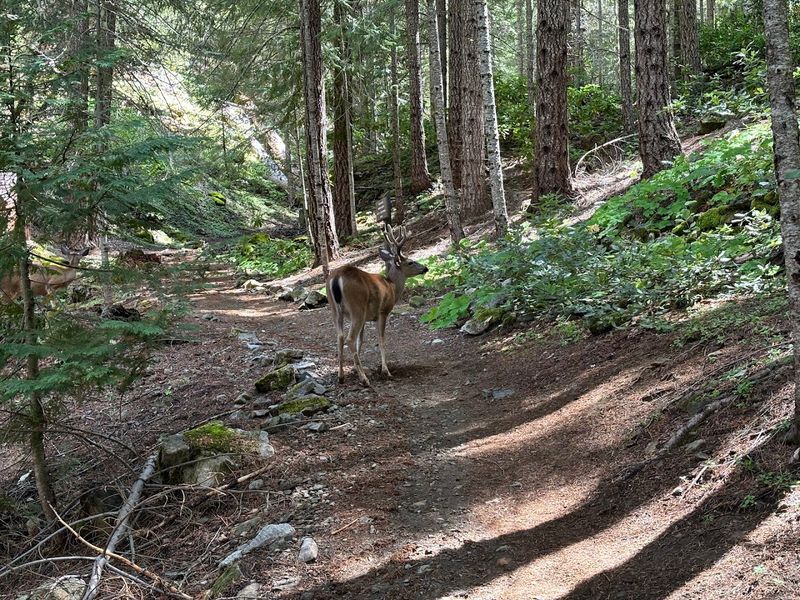
Outside the cave entrance, the surrounding forest adds another layer of wildlife interest. Black bears, deer, and various bird species inhabit the Siskiyou Mountains, and the trails above the cave offer a good chance of encountering them.
The intersection of underground and above-ground ecosystems at this monument is genuinely rare and makes the whole property feel more alive than a typical cave attraction.
Hiking Trails Above the Cave
The monument covers over 4,500 acres of the Siskiyou Mountains, and a solid network of hiking trails gives visitors a reason to stay well beyond the cave tour itself. The Big Tree Trail is a popular choice, leading through old-growth forest to a massive Douglas fir that has been standing for centuries and commands serious respect when you finally reach it.
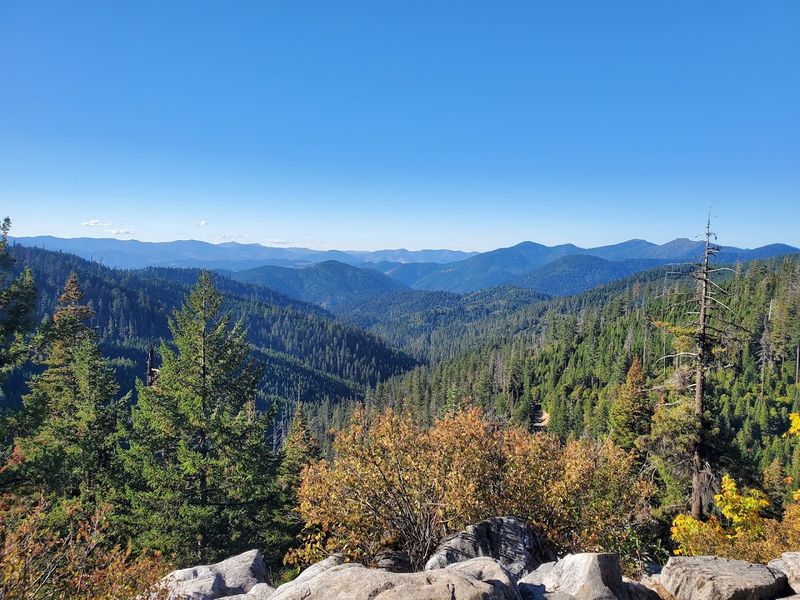
The Cliff Nature Trail offers more dramatic elevation change and rewards hikers with open views of the surrounding ridgelines and forested valleys. Both trails are accessible from the main visitor area and can be combined into a longer loop for those who want a more substantial outing.
Trail conditions are generally good throughout the summer season, though some sections can be muddy after rain. Early morning hikes before the cave tours begin are particularly peaceful, with very few other people on the trails and a stillness in the forest that feels genuinely restorative.
The trails above the cave exit offer a scenic lookout point that provides a surprising view of the valley below and the dense forest canopy stretching across the hillside. Finishing the cave tour and then immediately stepping out onto a mountain overlook creates a satisfying contrast between the underground world and the one above it.
The Historic Chateau and Lodge Buildings
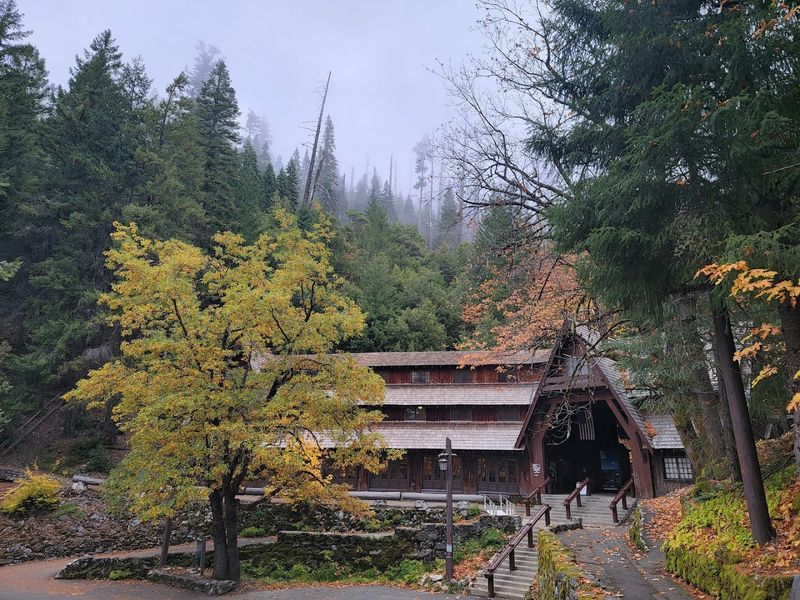
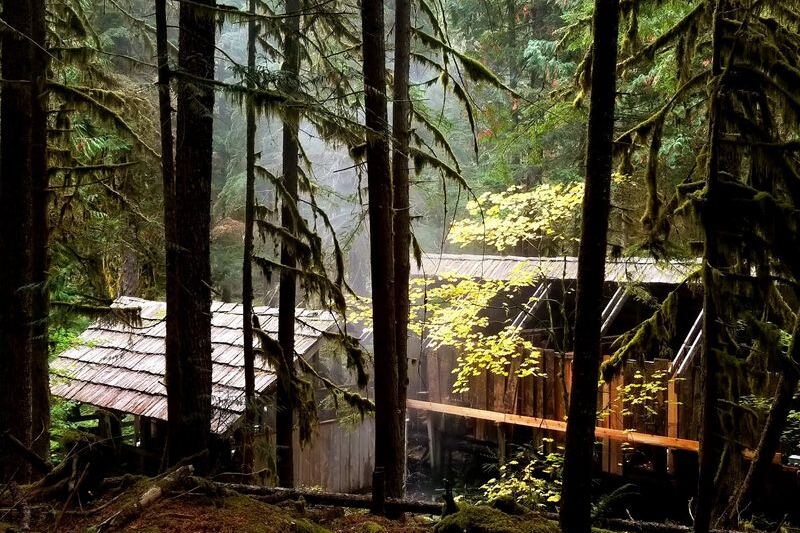
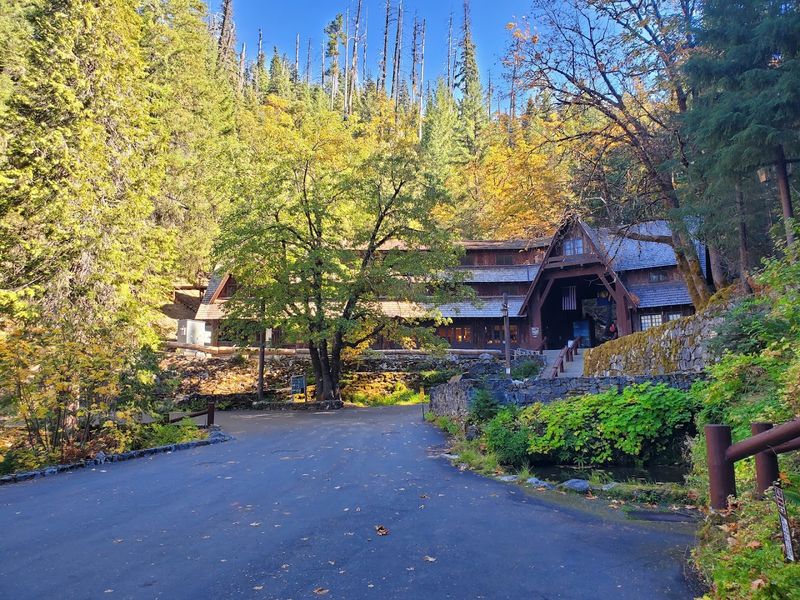
Just outside the cave entrance stands a historic structure that has been part of the monument’s story since the 1930s. The Oregon Caves Chateau is a six-story rustic building constructed from local materials and designed to blend into the surrounding forest, which it does with unusual success for a building of that size.
The Chateau has been undergoing renovation in recent years, and visitor access to the interior has been limited during that period. The exterior alone is worth a few minutes of attention, with its weathered wood construction and setting against the steep forested hillside creating a scene that feels lifted from a different era entirely.
The building is listed on the National Register of Historic Places and represents a style of National Park Service architecture that prioritized harmony with natural surroundings over architectural showmanship. That philosophy is visible in every timber and stone used in its construction.
When fully operational, the Chateau has historically offered lodging, dining, and a chance to extend the monument experience into an overnight stay. Checking the NPS website for current renovation status before planning an overnight trip is a good idea, as timelines have shifted over the course of the restoration project and the reopening schedule may have changed.
Best Time to Visit and Planning Your Trip
Summer is the busiest season at the monument, and for good reason. The cave tour schedule runs at full capacity, the hiking trails are in peak condition, and the surrounding forest is at its most lush and vibrant.
The downside of summer popularity is that tours fill up fast, sometimes before the visitor center officially opens for the day.
Arriving early is the single most effective strategy for a stress-free visit. The visitor center opens at 9:30 AM most days, with slightly earlier hours on Tuesdays and Wednesdays.
Booking tour tickets online through the NPS reservation system well in advance takes the guesswork out of the equation entirely.
Spring and fall offer a quieter experience with fewer crowds and equally impressive cave conditions, since the temperature inside never changes regardless of the season. The surrounding forest takes on beautiful color in autumn, making the drive up the mountain feel like a bonus attraction before the cave tour even begins.
Winter access can be limited depending on road and weather conditions, so checking ahead before a cold-weather visit is essential. The monument’s phone number is 541-592-5125, and the staff there are reliably helpful when it comes to current conditions and tour availability on short notice.
Why This Cave Keeps Drawing People Back
A 4.7-star rating across nearly 1,400 reviews is not something a place earns by accident. The consistency of that enthusiasm across different seasons, different tour groups, and different types of visitors points to something genuinely special about the experience this monument delivers.
Part of what makes it work is the human element. The park rangers who lead tours bring personal investment to their role, offering not just facts but storytelling, humor, and the kind of genuine passion for a subject that is infectious in a small group setting.
That quality is hard to manufacture and harder to replace.
The physical experience of moving through the cave also plays a role. Ducking under low marble ceilings, squeezing through narrow passages, and climbing steep stairs creates a sense of active participation rather than passive observation.
By the end of the tour, visitors feel like they earned the experience rather than simply watched it.
The combination of ancient geology, living wildlife, historic architecture, mountain trails, and knowledgeable guides creates a layered destination that rewards curiosity at every turn. People who visit once tend to return, often bringing someone new who has never seen anything like it, which is perhaps the most honest endorsement a place can receive.
Share this story