Some castles are famous for their towers and drawbridges. Others are famous for things far harder to explain.
Across Europe and beyond, real castles have racked up histories so bizarre, so dramatic, and so genuinely odd that even the most creative fantasy authors might struggle to top them. We are talking about a castle built to seal a supposed gateway to the underworld, a knight who survived a year-long siege through secret cave tunnels, and a stone that supposedly grants the gift of eloquent speech to anyone willing to dangle dangerously over a long drop.
These are not myths invented for tourism brochures. Most of these stories are backed by historical records, archaeological finds, and centuries of eyewitness accounts.
Get comfortable, because the 13 castles on this list are about to make your favorite fantasy novel feel a little ordinary.
1. Bran Castle, Bran, Romania
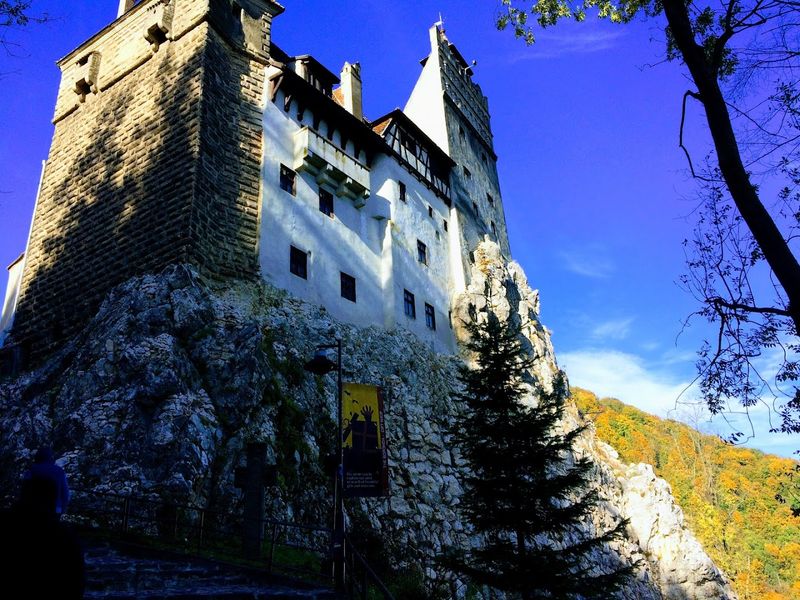
The name Dracula and the name Bran Castle have been linked so tightly for so long that separating fact from fiction has become nearly impossible. Vlad III, the 15th-century ruler whose brutal tactics inspired Bram Stoker’s famous villain, is believed to have been briefly imprisoned here in 1462.
The castle itself is a visual spectacle, with winding staircases, hidden passages behind rotating fireplaces, and towers that seem designed specifically to cast dramatic shadows.
Paranormal investigators visit regularly, drawn by tales of imprisoned souls and ghostly figures wandering the corridors after dark. The line between documented history and centuries of accumulated legend is genuinely hard to find here.
For a castle that may have had only a minor connection to its famous namesake, Bran has done an extraordinary job of becoming the world’s most famous vampire address.
2. Houska Castle, Blatce, Czech Republic
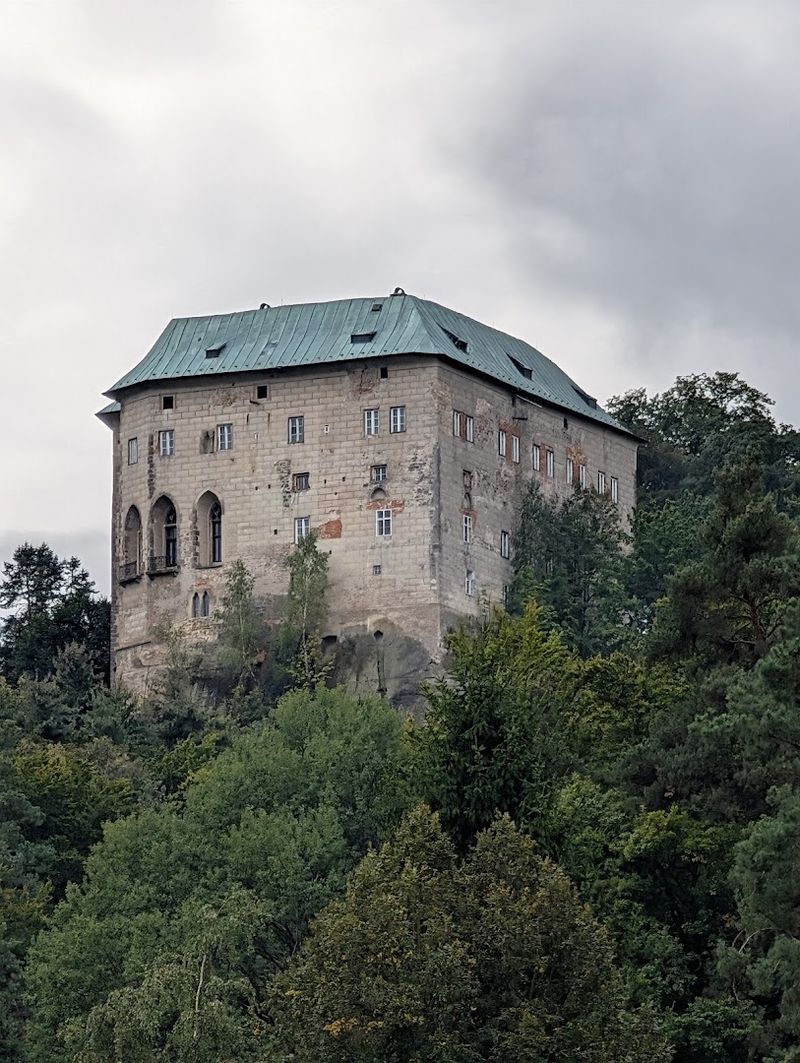
Most castles were built to keep enemies out. Houska Castle, according to local legend, was built to keep something else in entirely.
Medieval builders reportedly constructed this fortress directly over a supposedly bottomless pit, from which demonic creatures were said to emerge. The chapel was placed right on top of the opening, which is not standard architectural practice by any measure.
The castle has no natural water source, no external fortifications designed for actual combat, and features many fake windows facing outward, suggesting it was never meant to house a garrison at all. One old story claims a knight was lowered into the pit and pulled back up aged by decades and driven completely mad.
During World War II, Nazi officers reportedly used the site, drawn by its supposed occult significance. Houska may be the only castle ever built as a spiritual containment unit.
3. Chateau de Brissac, Brissac-Loire-Aubance, France
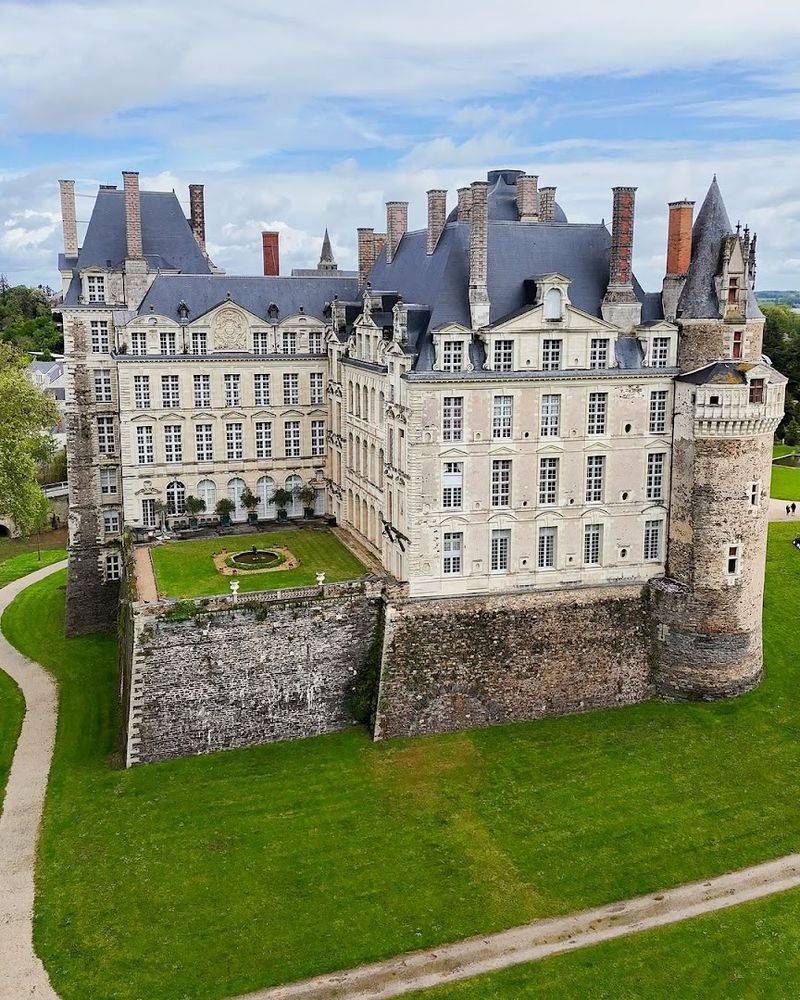
France’s tallest castle holds a story that mixes aristocratic scandal, betrayal, and a ghost who has apparently never received the message that it is time to move on.
Charlotte de Breze was reportedly murdered inside these walls in the 15th century after a secret affair was uncovered. Ever since, guests and residents have reported sightings of a figure in a green dress wandering the upper floors, earning her the nickname the Green Lady.
Beyond the ghost story, Brissac is genuinely remarkable on its own terms. The castle stands seven stories tall, contains over two hundred rooms, and is still privately owned by the same noble family that has held it for centuries.
Visitors can tour the grand apartments and even attend opera performances within the estate. Not every haunted castle also doubles as a working cultural venue, but Brissac manages both with considerable style.
4. Predjama Castle, Predjama, Slovenia
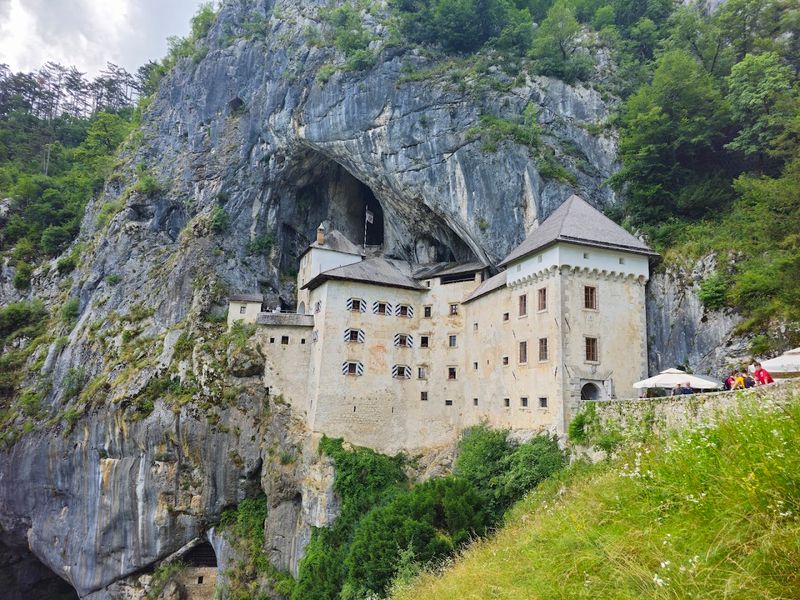
Carved directly into the face of a 400-foot cliff, Predjama Castle is one of those places that makes you genuinely wonder how it was ever built in the first place.
Its most famous resident, the knight Erazem of Predjama, used a network of hidden cave tunnels running through the rock behind the castle to smuggle in supplies during a siege that lasted over a year. His enemies camped outside, completely baffled, while he reportedly sent fresh food down to taunt them.
The siege eventually ended not through military force but through a servant’s betrayal. According to the most colorful version of events, Erazem met his end when a cannonball found him in the castle’s latrine, which is arguably the least heroic conclusion to an otherwise remarkable story.
The cave system behind the castle is still accessible today and remains one of Slovenia’s most visited attractions.
5. Leap Castle, County Offaly, Ireland
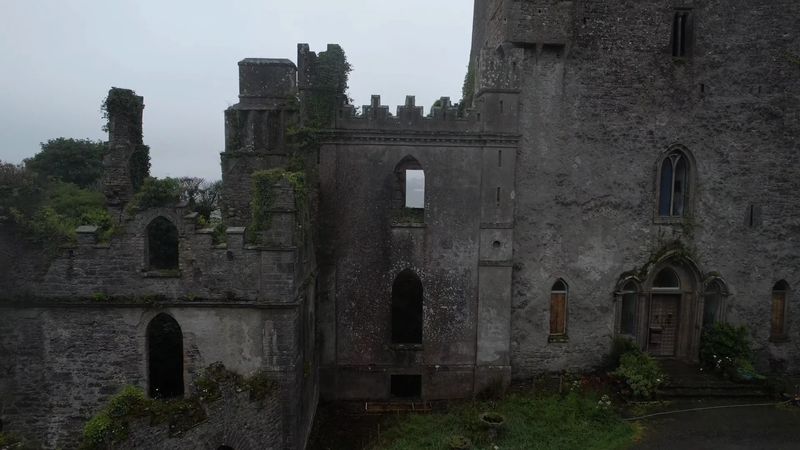
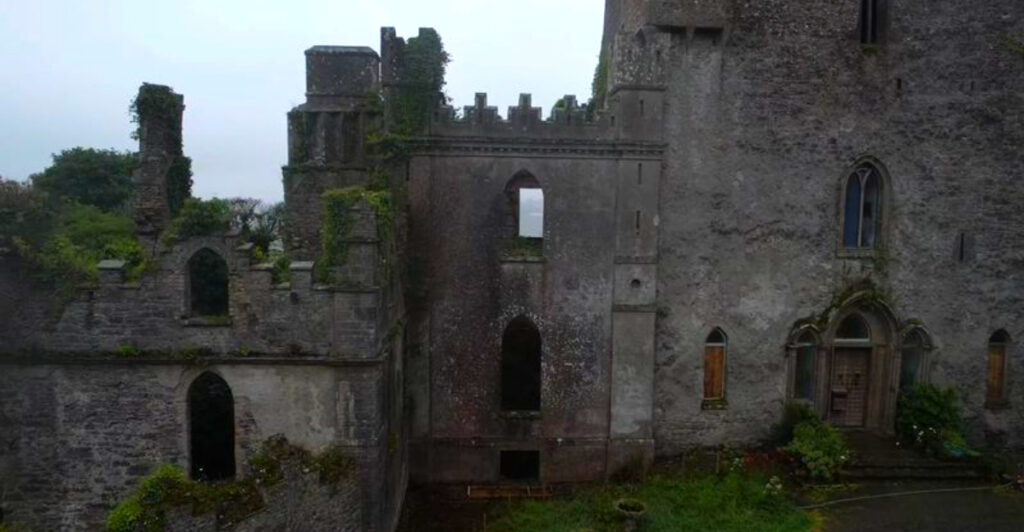
Leap Castle’s reputation did not arrive by accident. It was earned through centuries of genuinely disturbing events, starting with a clan feud so violent that one chieftain reportedly murdered his own brother, who was a priest, right in the middle of a church service.
The chamber where this happened is still known as the Bloody Chapel. During renovations in the early 1900s, workers discovered a hidden oubliette beneath the floor filled with human skeletal remains.
The bones took multiple cartloads to remove.
Visitors today report cold spots, unexplained shadows, and encounters with what locals describe as an Elemental, a non-human presence that has been sensed in the castle for generations. Some researchers believe the site sits at the intersection of two ley lines, which certain traditions associate with unusual spiritual activity.
Whether or not you accept that theory, Leap Castle’s documented history alone is more than enough to earn its reputation.
6. Chateau de Fougeret, Queaux, France
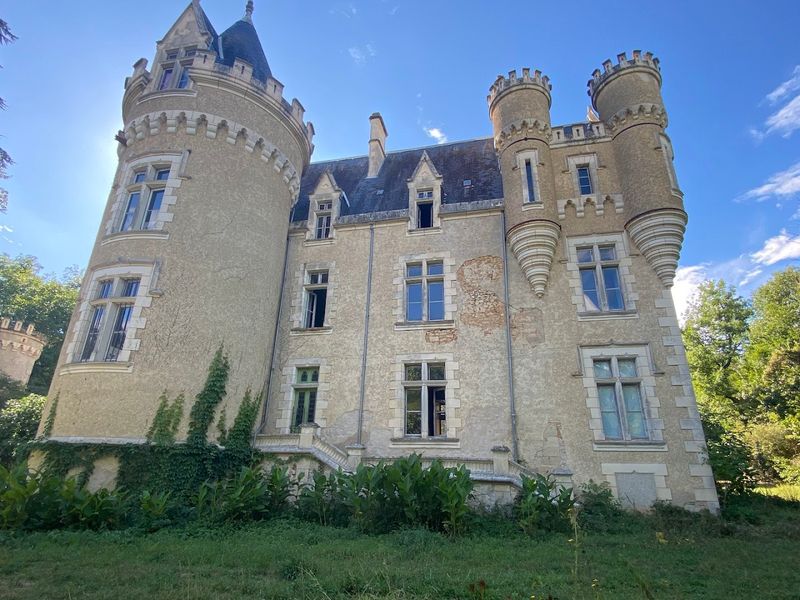
Not every castle on this list earned its strange reputation through war or royal scandal. Chateau de Fougeret built its notoriety one overnight guest at a time.
This medieval French fortress has become one of the country’s most talked-about allegedly haunted properties, largely because it actively invites visitors to spend the night in its most reportedly active rooms. Guests have documented unexplained events ranging from objects moving to figures appearing in photographs where no one was standing.
The castle’s current owners have leaned into its reputation rather than away from it, organizing events that combine historical tours with paranormal investigations. For visitors who prefer their history with an extra layer of mystery, Fougeret delivers that in a setting that is genuinely centuries old.
The stone walls, narrow corridors, and period furnishings create an environment where the boundary between historical atmosphere and something harder to explain feels genuinely uncertain.
7. Corvin Castle, Hunedoara, Romania
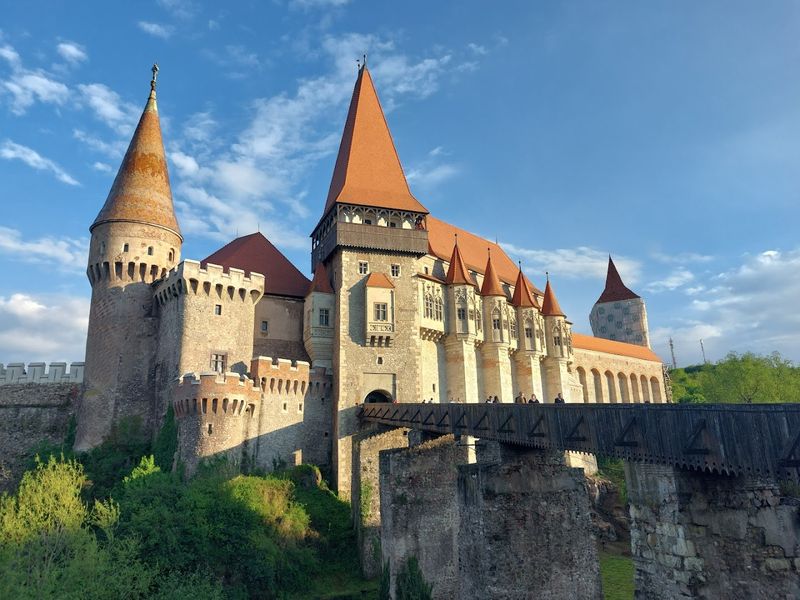
Romania’s most visually striking castle comes with a legend attached to its interior fountain that is difficult to forget. Turkish prisoners were allegedly put to work digging for water, promised their freedom if they succeeded.
After fifteen years of labor, they finally struck water, but their freedom was never granted. One prisoner reportedly carved a lament into the fountain’s stone wall, and the inscription is still visible today.
Corvin Castle also has a connection to Vlad the Impaler, who was allegedly held in a cell beneath the Hall of Knights during a period of imprisonment. The castle’s Gothic towers, multiple drawbridges, and fortified courtyards make it look exactly like a setting from a medieval epic.
Visitors regularly report photographing what appear to be unexplained figures in the castle’s darker corners. Whether those reports reflect genuine phenomena or enthusiastic imaginations, the castle’s documented history needs no embellishment.
8. Moosham Castle, Unternberg, Austria
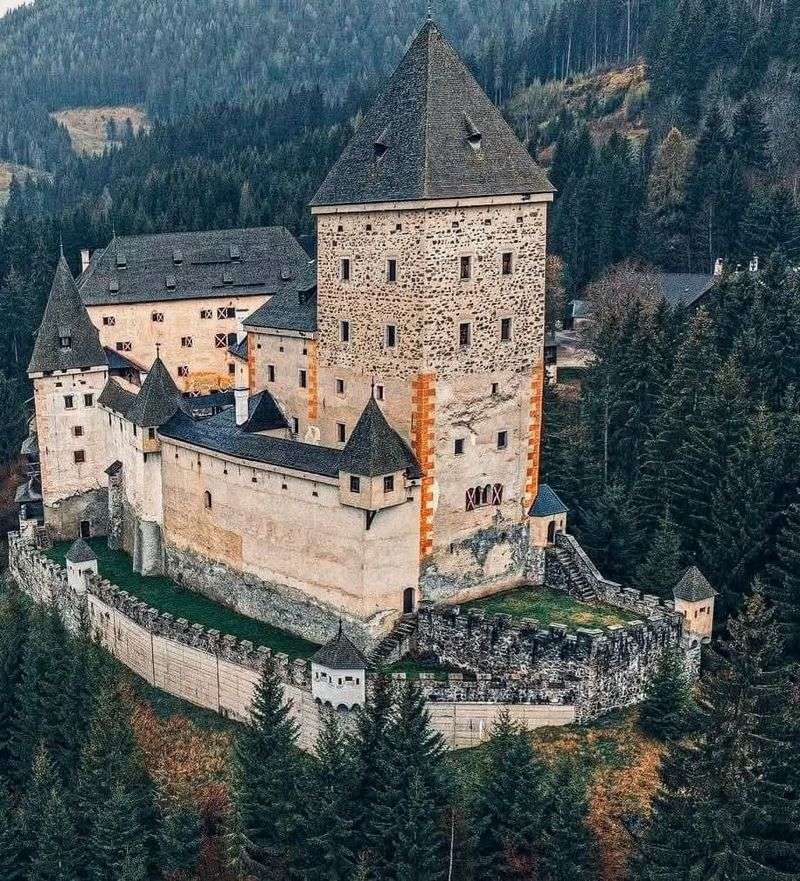
The nickname Witches’ Castle was not assigned to Moosham by creative tourism marketers. It was earned during one of the most intense witch trial periods in Central European history.
Between 1675 and 1690, the Salzburg Witch Trials resulted in the imprisonment, torture, and execution of hundreds of people within and around this castle. Unusually, the majority of those accused were men, many of them young and impoverished, which sets this trial period apart from many others in European history.
The castle’s courtrooms and dungeons witnessed proceedings that combined genuine legal process with outcomes predetermined by fear and social pressure. Legends of the condemned lingering in the castle’s corridors have persisted for centuries.
Moosham was later purchased by a private collector in the 19th century and restored, ensuring its grim history remained accessible rather than forgotten. Walking its grounds today means walking through one of Europe’s most sobering historical sites.
9. Eltz Castle, Wierschem, Germany
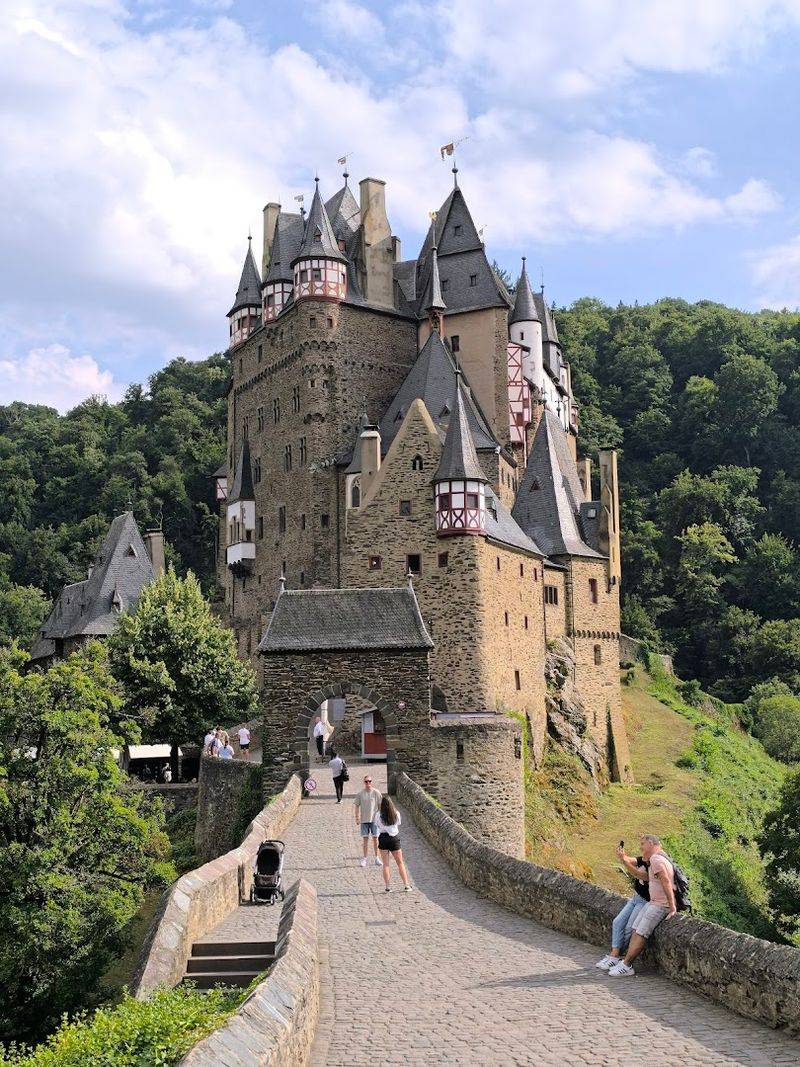
While most European castles spent centuries being captured, damaged, rebuilt, and fought over, Eltz Castle took a different approach and simply stayed in the same family for over thirty generations without interruption.
That is not a typo. The Eltz family has owned this castle continuously since the 12th century, navigating the Thirty Years’ War, the Napoleonic campaigns, two World Wars, and every political reorganization of Central Europe in between.
The castle survived largely intact because of a combination of geographic isolation, smart diplomacy, and what historians politely describe as strategic neutrality during the worst conflicts. Tucked into a forested valley above the Moselle River, Eltz looks exactly as a medieval castle should, with multiple towers belonging to different branches of the family who once shared the building.
The idea of extended family members each occupying their own tower of a shared castle is the kind of arrangement that sounds either wonderful or catastrophic depending on your family.
10. Chillingham Castle, Chillingham, England
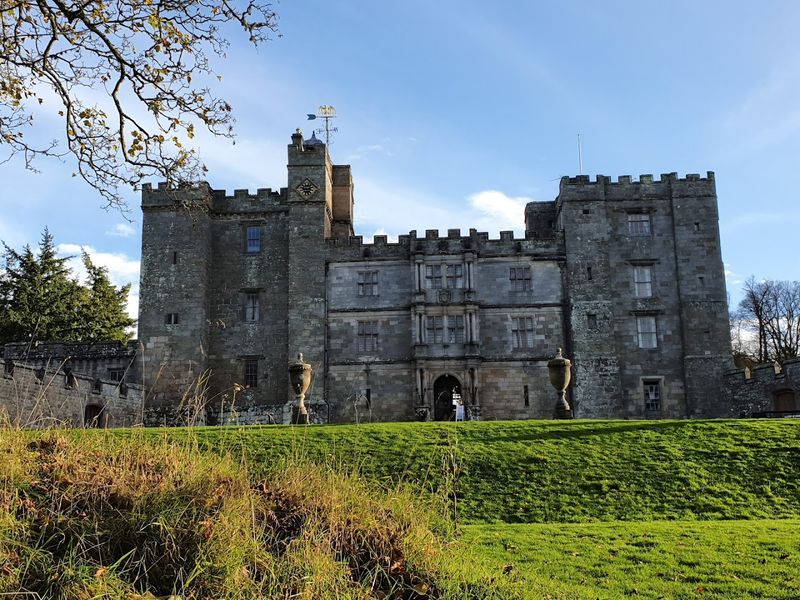
Chillingham Castle has been privately owned for centuries and has accumulated a historical record that reads more like a collection of short horror stories than a standard architectural heritage document.
The castle served as a military stronghold during the brutal border conflicts between England and Scotland, and its history includes sieges, executions, and a torture chamber whose contents are now open to visitors. The most frequently reported ghost is the Blue Boy, a figure associated with a child’s skeleton found sealed within a wall during 19th-century renovations.
The current owner, Sir Humphry Wakefield, has spent decades restoring the castle and actively promotes its paranormal reputation, even offering overnight ghost-hunting experiences. Chillingham holds the notable distinction of being one of the few British castles where the documented historical events are arguably more disturbing than the ghost stories layered on top of them.
That is quite an achievement in a country with no shortage of either.
11. Matsumoto Castle, Matsumoto, Japan
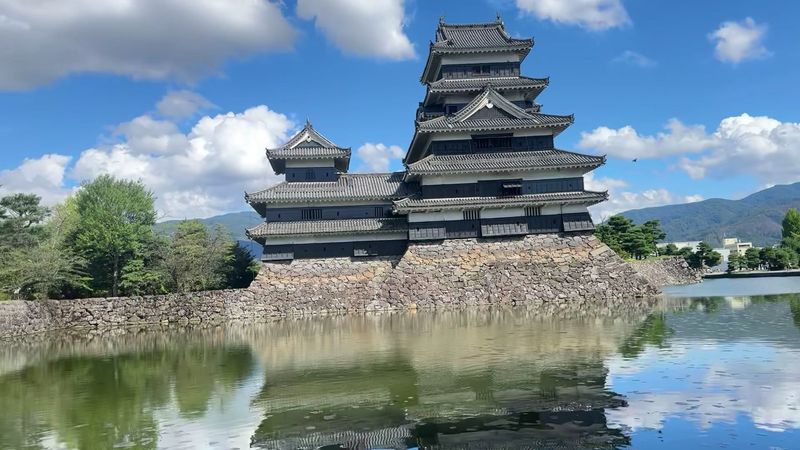
Japan built hundreds of feudal castles during its centuries of internal conflict. Most were torn down, burned, or dismantled during the Meiji-era modernization drive in the late 19th century.
Matsumoto survived, and its survival is considered something of a minor historical miracle.
The castle’s dark exterior, which earned it the nickname Crow Castle, was created by the black lacquered wood and plaster used in its construction. Unlike the white-walled castles more commonly associated with Japanese architecture, Matsumoto presents a stark, almost severe silhouette against the surrounding landscape.
Built in the late 16th century, it retains its original wooden interiors, including steep staircases designed to slow down any attacker who managed to get inside. The castle sits beside a moat that reflects its towers on calm days, creating one of the most photographed views in the entire country.
A local tradition holds that a goddess of the moon appears on the castle’s third floor during certain festivals.
12. Blarney Castle, County Cork, Ireland
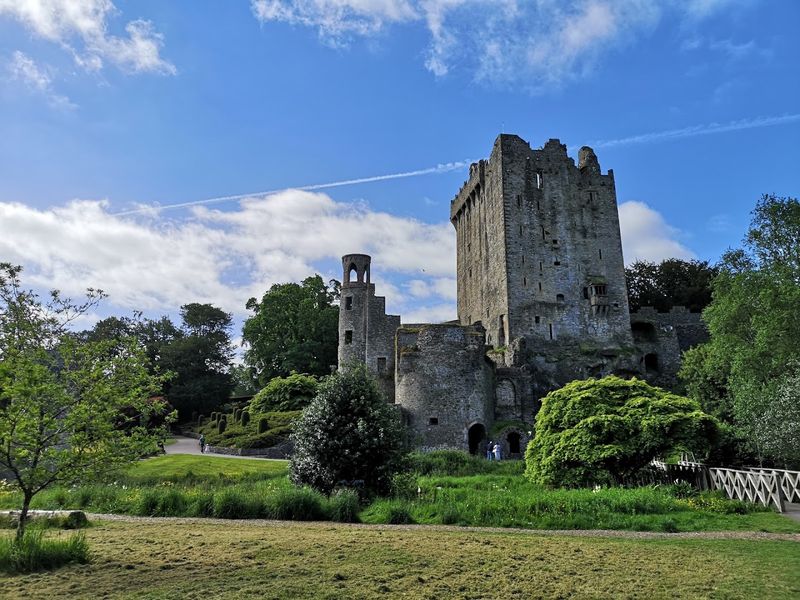
Somewhere at the top of a ruined Irish tower, there is a stone that has convinced millions of people to lean backward over a significant drop while a stranger holds their legs. The Blarney Stone has been kissed by world leaders, celebrities, and tourists from every corner of the planet, all in pursuit of the legendary gift of eloquence it supposedly bestows.
The exact origin of the tradition is genuinely murky. One theory connects it to a 15th-century deal between the castle’s lord and the Queen of Fairies.
Another links it to the Biblical Stone of Destiny. Neither story has been definitively proven, which seems appropriate for a tradition built entirely around the power of persuasive speech.
The castle itself, a 15th-century tower house set within elaborate gardens, is worth visiting entirely apart from the stone. The grounds include a poison garden, ancient rock formations, and woodland walks that make Blarney a full-day destination rather than a simple photo stop.
13. Edinburgh Castle, Edinburgh, Scotland
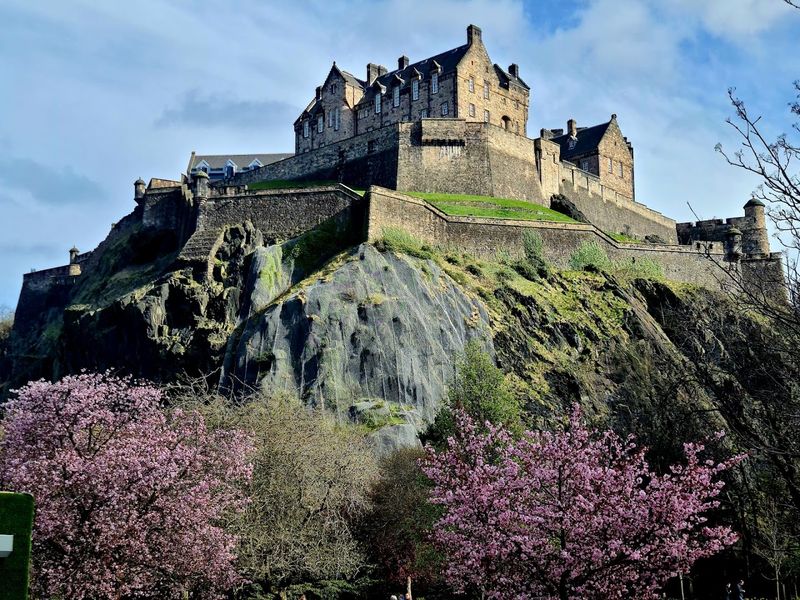
Few places on earth have packed as many dramatic historical events into one location as Edinburgh Castle. The fortress sits on top of an ancient volcanic plug, a geological formation that made it nearly impossible to capture and gave it a commanding view over the surrounding city for nearly a thousand years.
Royal births, political imprisonments, military sieges, and accusations of witchcraft have all taken place within these walls. One of the castle’s most enduring ghost legends involves a lone piper who reportedly vanished while exploring the underground tunnel network beneath the castle, with unexplained sounds attributed to him ever since.
The castle also holds the Stone of Destiny, a coronation stone with a history involving theft, international disputes, and centuries of symbolic significance. Scotland’s crown jewels are displayed here as well.
For a single fortified rock to have accumulated this much genuine historical weight is a feat that no purpose-built attraction could ever replicate.
Share this story