Fame looks glamorous from the outside, but for some of the biggest stars in the world, it comes with a heavy personal cost. Many celebrities have spoken openly about how much they dislike the attention, loss of privacy, and pressure that comes with being constantly in the public eye.
From musicians to actors, these well-known figures have made it clear that success and happiness do not always go hand in hand. Their stories might surprise you and change the way you think about what it truly means to be famous.
1. Sia
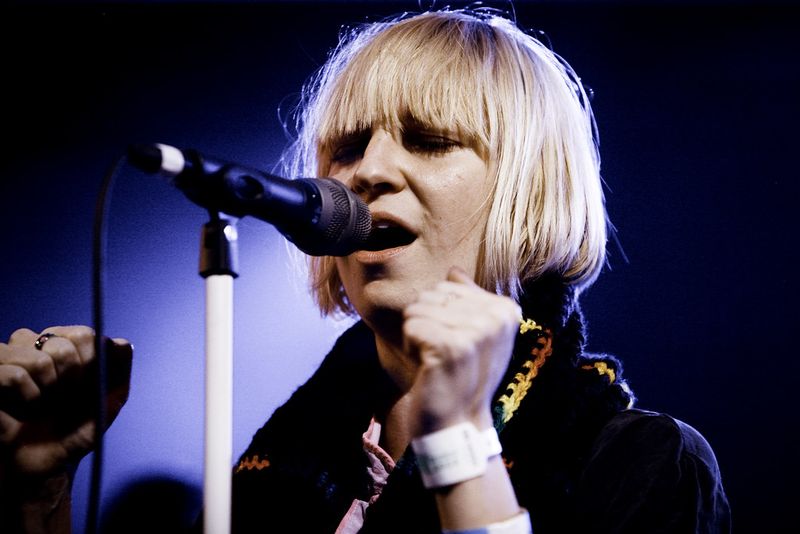
Sia built one of the most recognizable images in pop music, not by showing her face, but by hiding it. The Australian singer began wearing large, two-toned wigs to cover her face during public appearances and performances, making her instantly recognizable while still maintaining a layer of anonymity.
She has spoken openly about how uncomfortable she became with celebrity culture after years in the spotlight. The decision to hide her face was a deliberate choice to protect her mental health and preserve a sense of privacy that fame had stripped away.
Sia once said she wanted to have a private life, which is difficult when you are famous. Her approach to fame is unconventional but deeply personal.
She continues to make music on her own terms, proving that an artist can achieve global success without surrendering their identity to public consumption.
2. Dave Chappelle
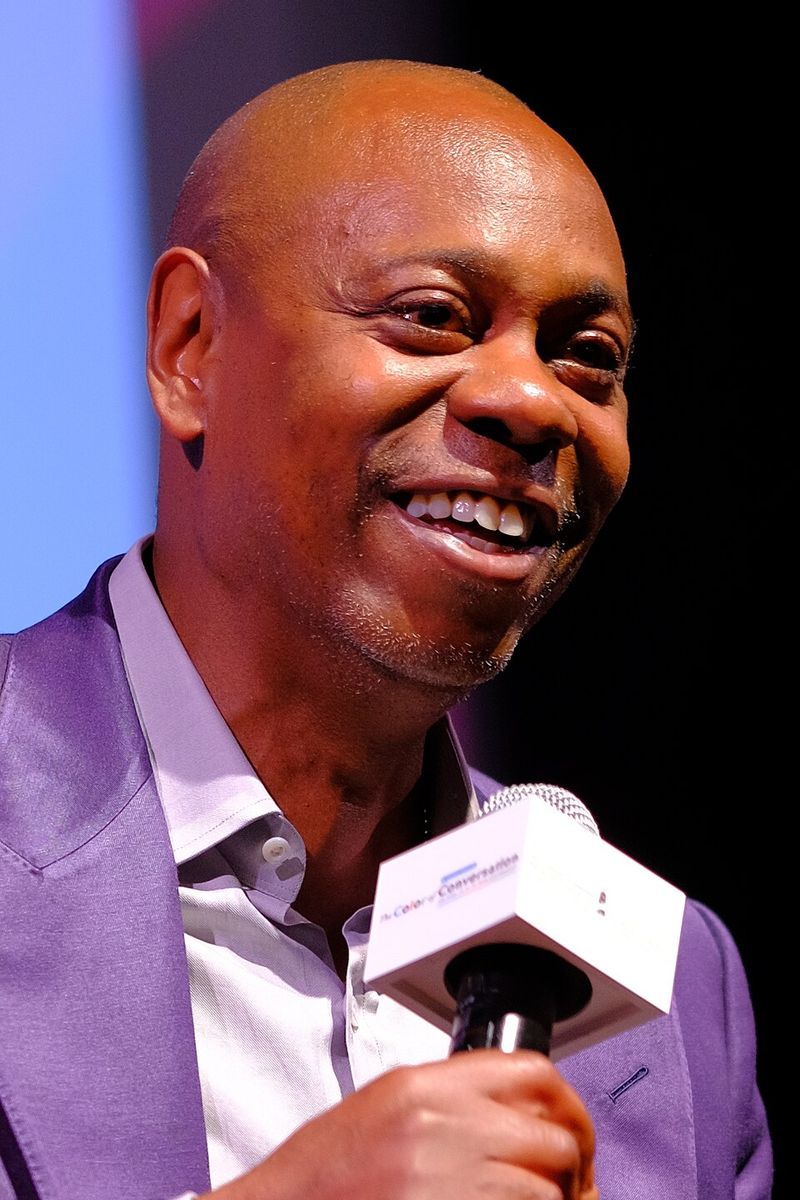
Walking away from $50 million is not something most people would ever consider, but Dave Chappelle did exactly that in 2005. He abruptly left his hit television show and the enormous deal that came with it, traveling to South Africa to step back from the chaos fame had created around him.
Chappelle later explained that the pressure, the expectations, and the loss of creative control had made him deeply uncomfortable. He felt that fame was changing him in ways he did not like, and he chose his peace of mind over the money and recognition.
His decision shocked the entertainment world, but Chappelle has never expressed regret. He returned to stand-up comedy on his own schedule and continues to perform today.
His story is a powerful reminder that even the most successful people have limits when it comes to tolerating the demands of public life.
3. Billie Eilish
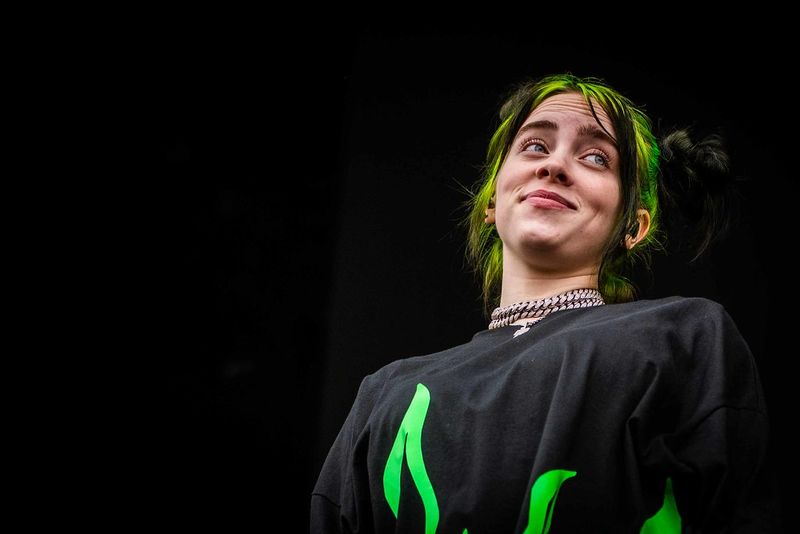
Billie Eilish became a global superstar while still a teenager, and the experience was not always positive. She has been remarkably open about the toll that sudden, overwhelming fame took on her mental health, describing periods of depression, body image struggles, and the feeling of being constantly watched and judged.
Eilish has talked in interviews and documentaries about how fame made it nearly impossible to live a normal life. Simple things like going to a grocery store or spending time with friends became complicated by public recognition and media attention.
Despite all of this, she has continued to make music that resonates with millions of fans worldwide. Her honesty about the darker side of celebrity has made her a relatable figure for young people navigating their own challenges.
Eilish uses her platform thoughtfully, even when the spotlight itself feels like too much to bear.
4. Megan Fox
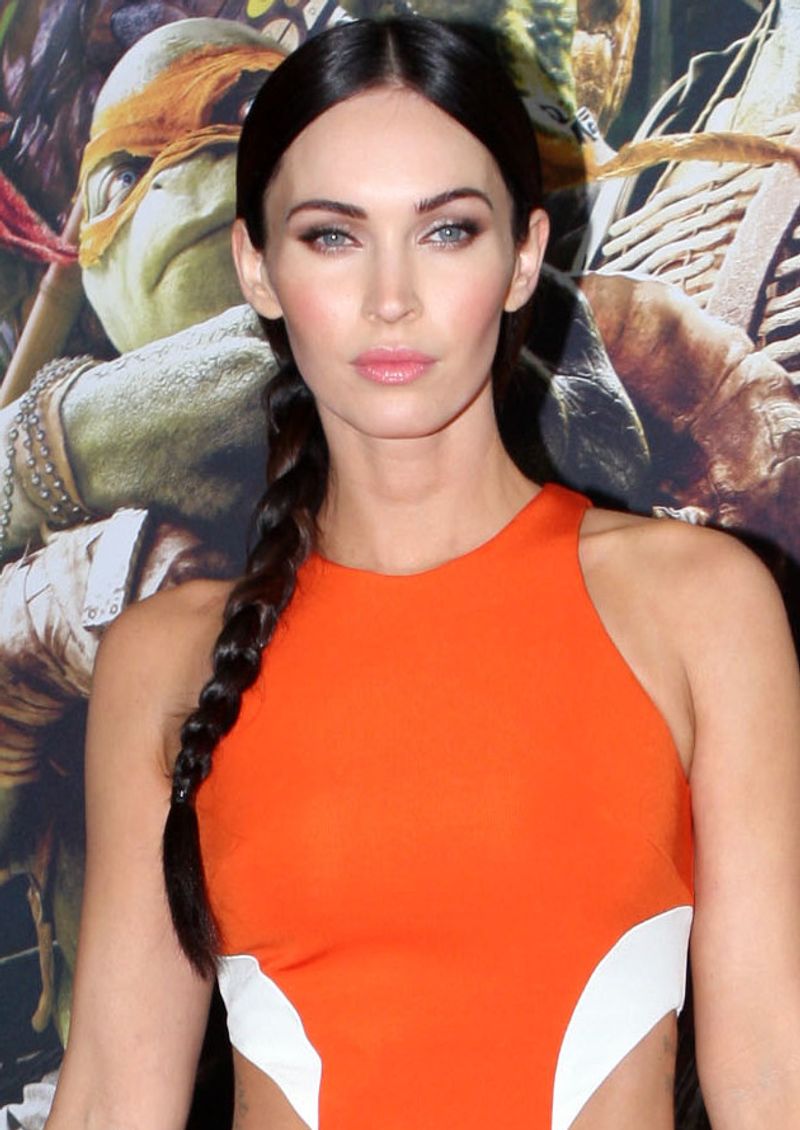
Megan Fox rose to massive fame after the Transformers franchise, but the experience left her feeling exposed and mistreated by the entertainment industry. She has compared the intense media scrutiny she faced to a form of public bullying, particularly the way her appearance and personal life were constantly dissected.
Fox has spoken about how the early years of her fame were emotionally damaging. She described feeling objectified and misunderstood, with the media often reducing her to her looks rather than acknowledging her as a person or a professional.
Over the years, she has been more selective about her work and more vocal about her experiences. Fox has used interviews and social media to speak candidly about her mental health, spirituality, and the emotional cost of living under constant public scrutiny.
Her willingness to be honest has shifted how many people perceive her story and her strength.
5. Jennifer Lawrence
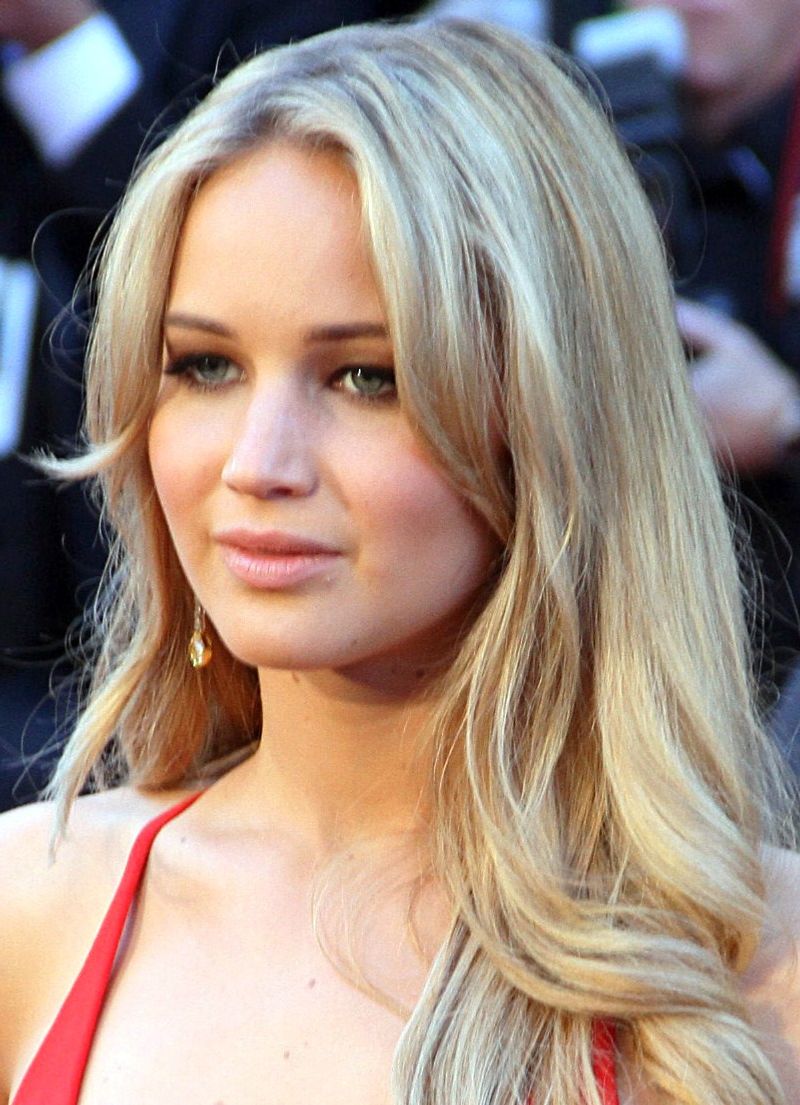
Jennifer Lawrence became one of Hollywood’s most beloved actresses almost overnight, winning an Academy Award and starring in one of the biggest film franchises of her generation. But despite her enormous success, she has admitted that she never truly got used to being recognized everywhere she went.
Lawrence has spoken in interviews about how fame felt like a loss of freedom. She values privacy deeply and has described feeling trapped by the constant public attention that followed her wherever she traveled or appeared.
She has also been vocal about the way Hollywood treated her early in her career, including a pay gap scandal that drew widespread attention. Lawrence’s down-to-earth personality has always set her apart from typical celebrity culture.
She openly prioritizes her personal life over maintaining a high-profile public image, and she has scaled back her public presence significantly in recent years to protect that privacy.
6. Adele
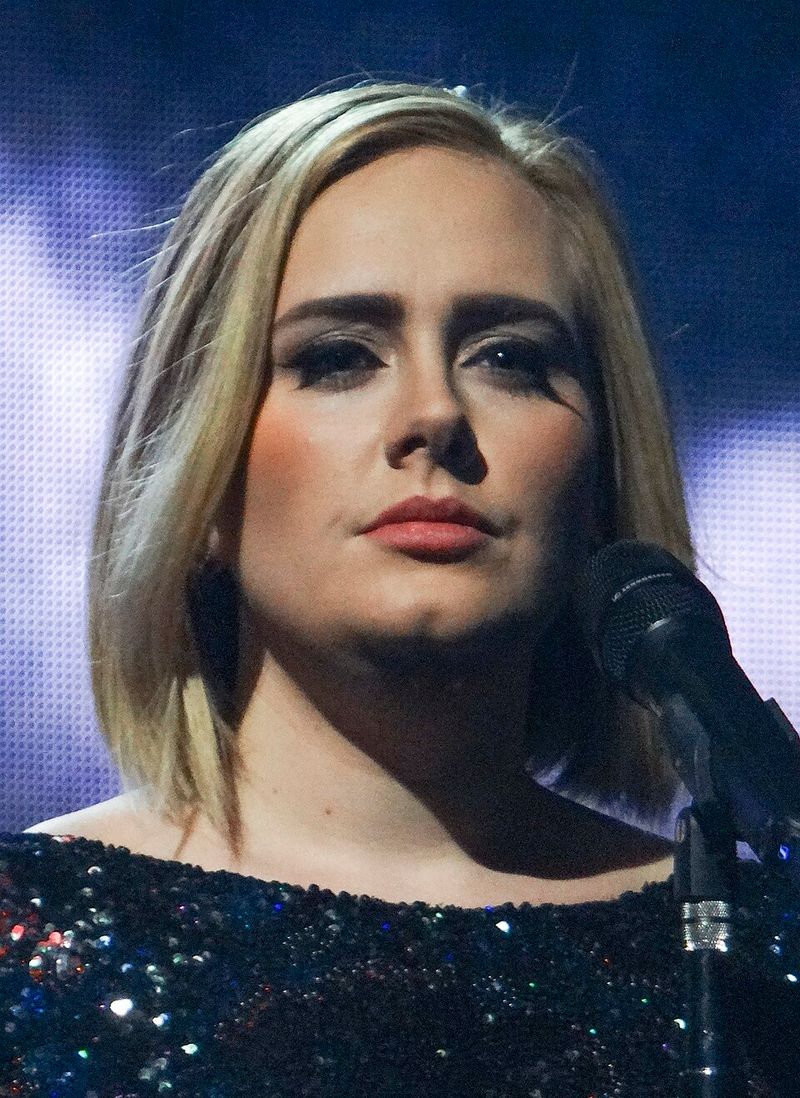
Adele is one of the best-selling music artists of all time, with a voice that has moved millions of people around the world. Yet she has repeatedly made clear that she loves creating music far more than she enjoys the fame that comes along with it.
She has described the celebrity lifestyle as exhausting and overwhelming, preferring quiet time at home over red carpets and public events. Long breaks between albums are partly a reflection of her need to step away from the spotlight and recharge as a person rather than as a performer.
Adele has also spoken about how fame affected her anxiety and personal relationships. She approaches her career on her own timeline, releasing music only when she feels ready, regardless of commercial pressure.
Her authenticity is part of what makes her so beloved, even as she makes no secret of wishing she could simply be known for her music alone.
7. Robert Pattinson
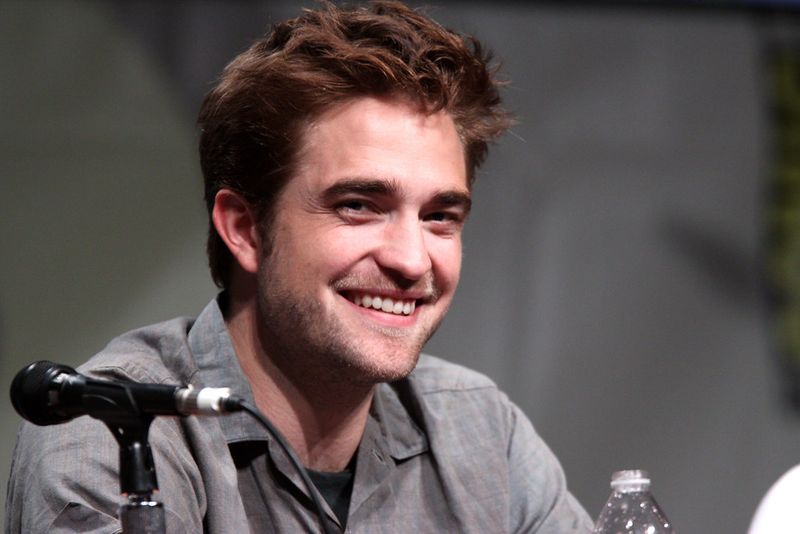
Robert Pattinson became one of the most recognizable faces on the planet almost instantly after the Twilight saga turned him into a global phenomenon. His reaction to that level of fame was notably different from most actors in his position: he found it strange, uncomfortable, and at times deeply absurd.
Pattinson has mocked celebrity culture in numerous interviews, often with dry humor that made it clear he did not take the trappings of stardom seriously. He has spoken about feeling disconnected from the version of himself that fans obsessed over, describing it as a strange experience to be so famous for something that felt so far from who he actually was.
Since Twilight, he has deliberately chosen unconventional film roles that prioritize artistry over commercial appeal. His career pivot toward independent and art-house cinema reflects a genuine desire to be taken seriously as an actor, separate from the celebrity machine that once defined his public image.
8. Kristen Stewart
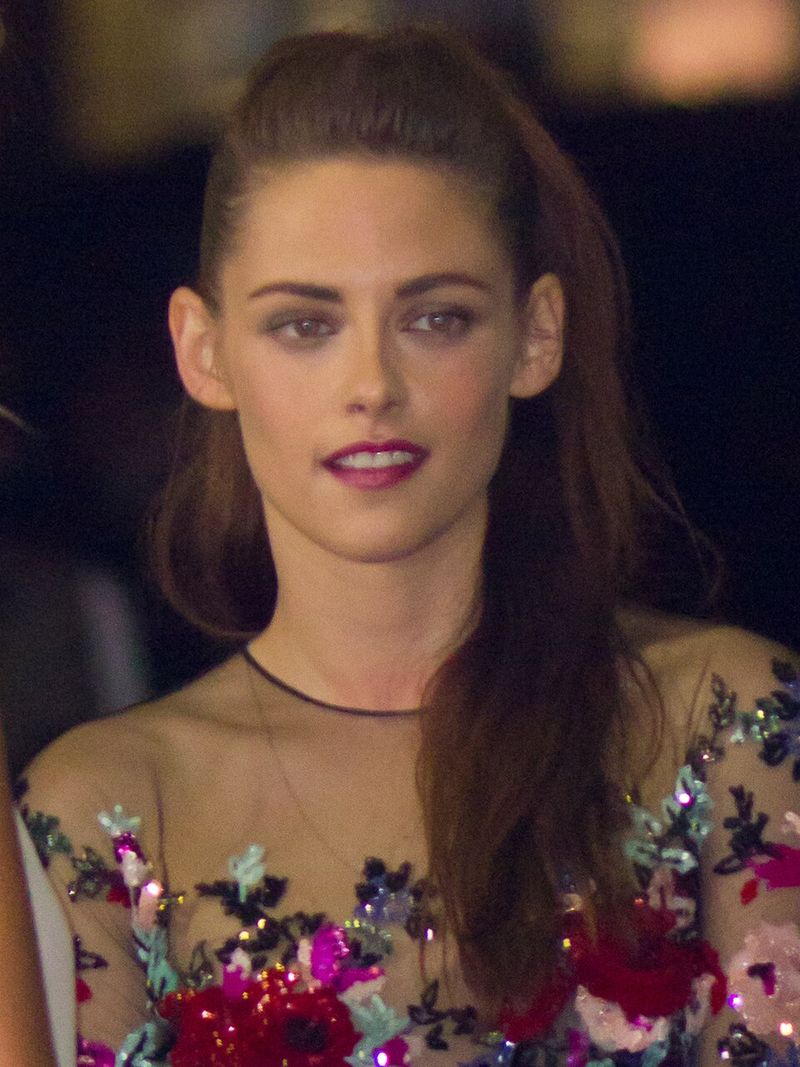
Kristen Stewart spent years being one of the most photographed and discussed celebrities in the world, largely due to her role in Twilight and her highly publicized personal life. She found the experience invasive and emotionally draining in ways that were difficult to escape.
Stewart has described fame as something that strips away your ability to exist as a normal human being. She resisted the public obsession with her relationships and personal choices, often appearing visibly uncomfortable during interviews and press events where personal questions dominated the conversation.
Over time, she has rebuilt her public presence on her own terms, focusing on critically acclaimed independent films and speaking more openly about her identity. Stewart’s resistance to playing the celebrity game has earned her respect in the film industry.
She remains one of the most thoughtful voices when it comes to discussing the real psychological impact of being famous at a very young age.
9. Daniel Radcliffe
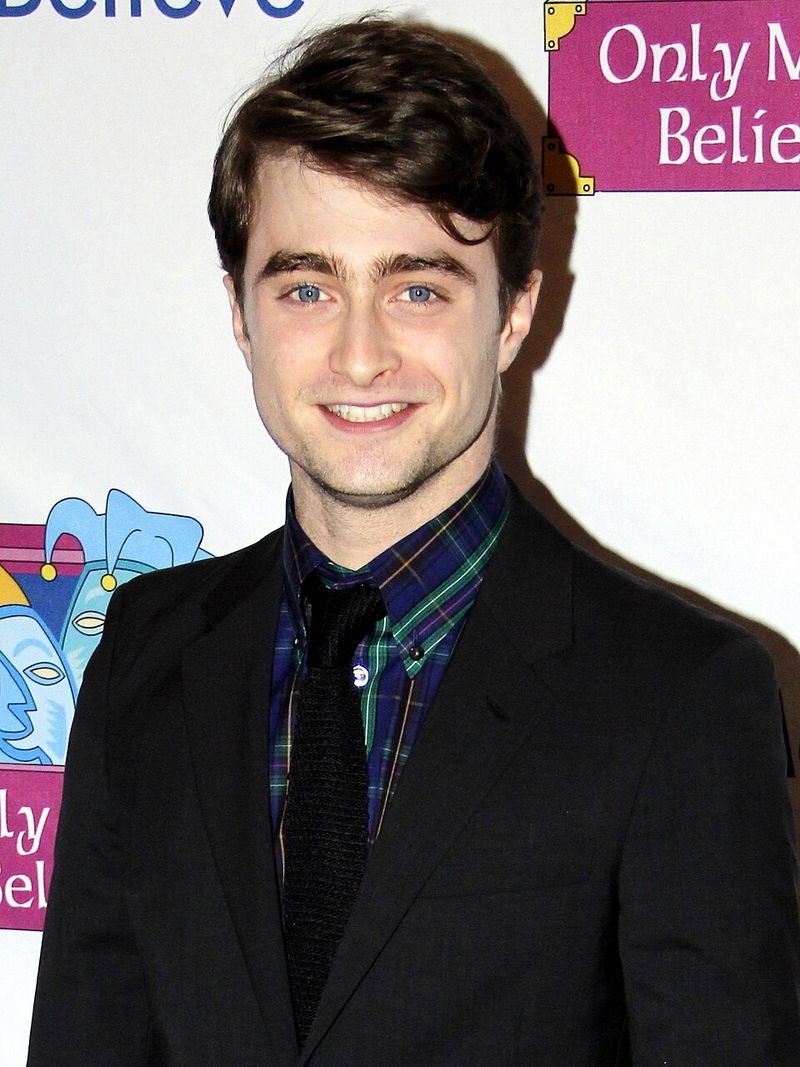
Growing up famous is a unique kind of challenge, and Daniel Radcliffe experienced it more intensely than almost anyone. He was cast as Harry Potter at age nine and spent the next decade of his life in one of the most watched film franchises in history, with cameras and fans following his every move.
Radcliffe has spoken honestly about the difficulties that came with that level of attention during his childhood and teenage years. He has discussed struggles with alcohol during the height of the Potter years, describing it as a way of coping with the anxiety and pressure of constant public scrutiny.
Since the franchise ended, he has worked hard to establish himself as a serious actor through diverse and often unconventional roles. Radcliffe has been refreshingly candid about his experiences, using his story to highlight how the entertainment industry can take a real toll on young people thrust into the spotlight before they are ready.
10. Johnny Depp
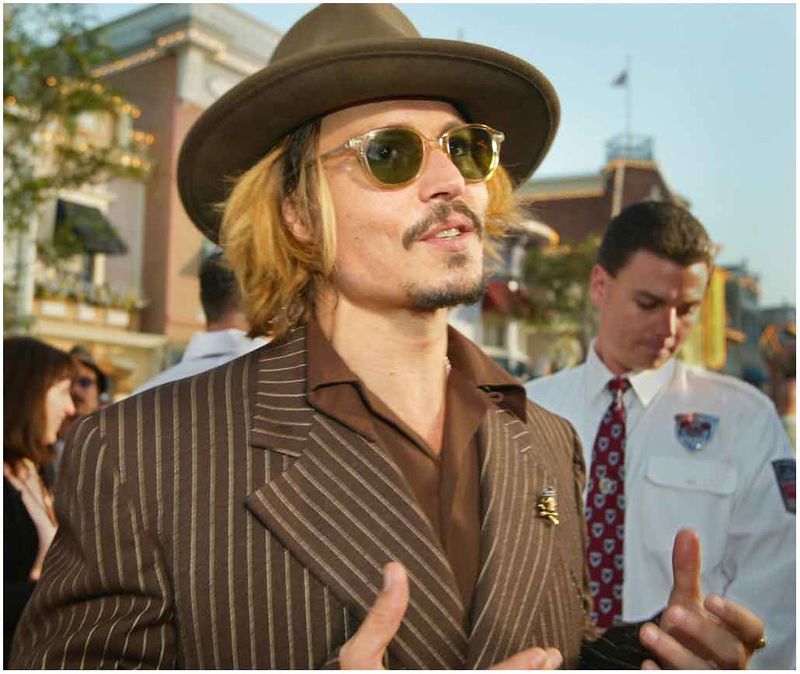
Johnny Depp once described fame as living under a microscope, where every movement, decision, and relationship is magnified and examined by the public. Despite becoming one of Hollywood’s most iconic actors, he has long expressed ambivalence about the celebrity status that came with his success.
Depp has spoken about feeling deeply uncomfortable with the loss of anonymity, describing the experience of being recognized everywhere as something that never felt natural to him. He has preferred to channel his energy into his characters, often losing himself in roles as a way of escaping the persona the public had built around him.
His personal life has been subject to intense media coverage, particularly in recent years, which only reinforced his long-held view that fame is an intrusive and often damaging force. Despite the controversies, Depp’s perspective on celebrity as an uncomfortable condition rather than a desirable achievement has remained remarkably consistent throughout his career.
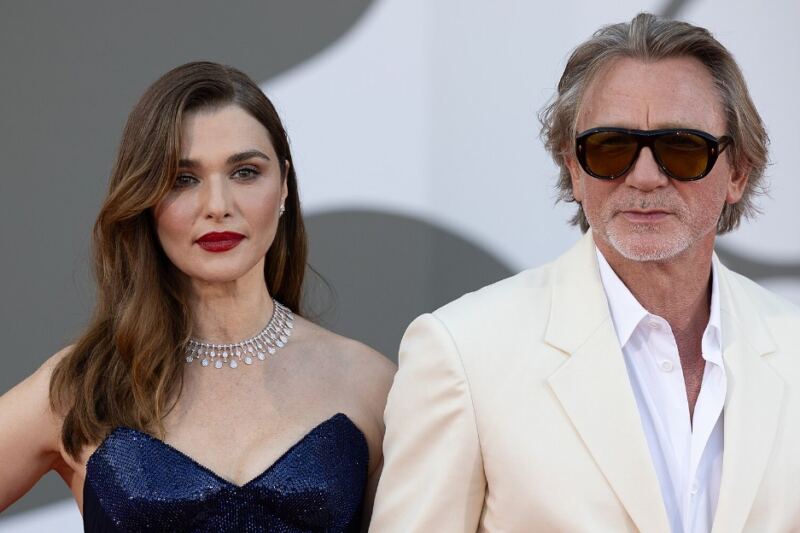
11. Daniel Craig
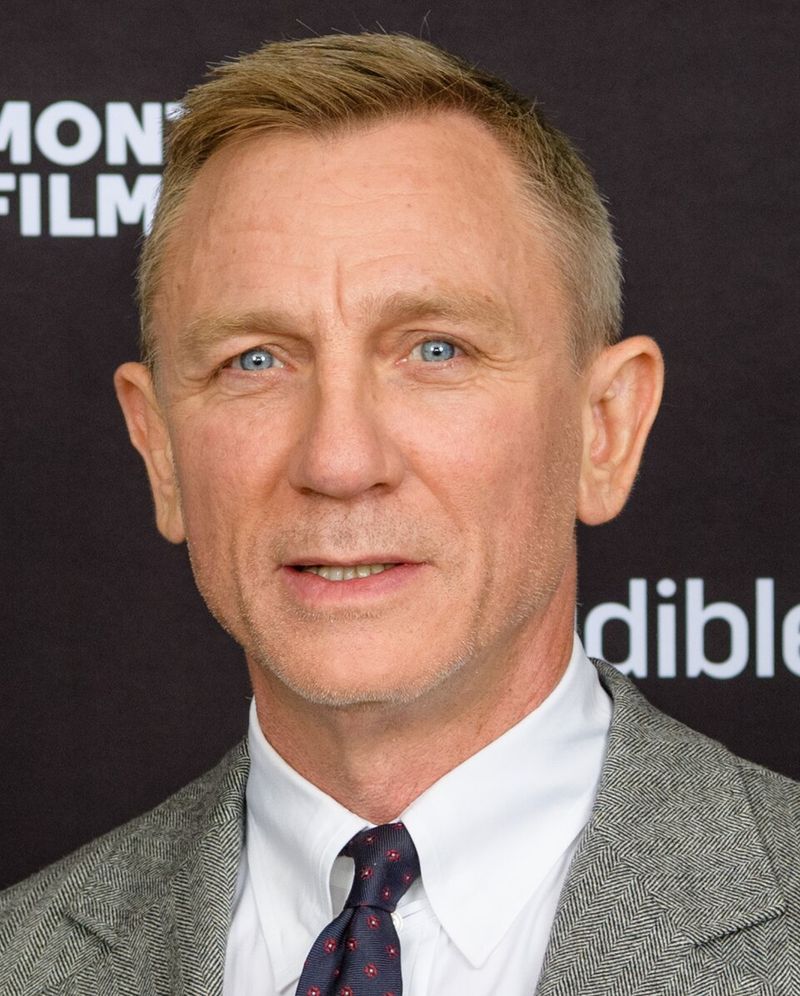
Daniel Craig played one of the most famous fictional characters in cinema history, yet he has made no secret of his discomfort with the celebrity culture that surrounds that role. As James Bond, he became a global icon, but offscreen he has consistently pushed back against the loss of privacy that came with it.
Craig has criticized the culture of celebrity in interviews, describing the obsession with famous people as something he finds difficult to understand or accept. He rarely seeks publicity outside of promoting his work and has spoken about valuing a private, ordinary life above the perks of stardom.
After completing his run as Bond, he expressed relief at stepping away from the relentless media attention the role attracted. Craig’s straightforward, no-nonsense attitude toward fame has made him a somewhat unusual figure in Hollywood.
He remains respected for his craft while making clear that celebrity itself holds little appeal for him personally.
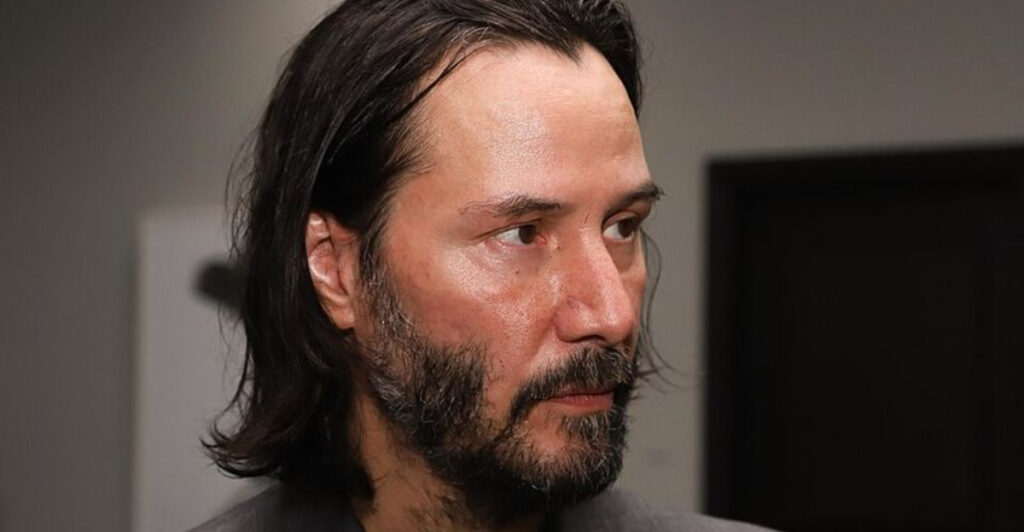
12. Keanu Reeves
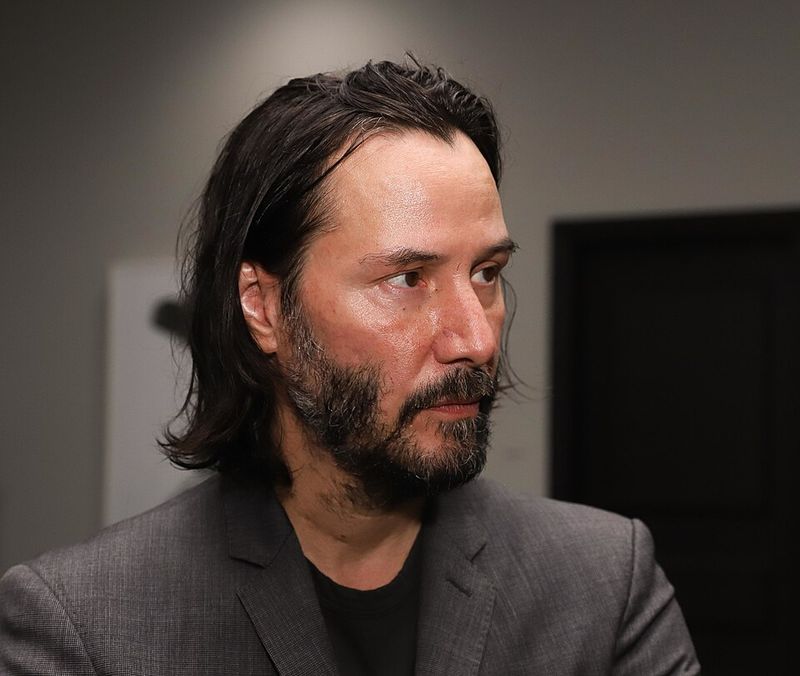
Keanu Reeves is one of the most beloved figures in Hollywood, yet he has spent decades quietly avoiding the trappings that typically come with being a major movie star. He does not maintain a large entourage, avoids unnecessary publicity, and has a well-documented habit of living modestly despite his enormous wealth.
Reeves has rarely given lengthy interviews about his personal life and tends to deflect attention with humor and humility rather than engaging with celebrity culture. Stories of his genuine kindness to strangers and crew members on film sets have become almost legendary, painting a picture of someone who simply wants to do good work and live a decent life.
He has faced profound personal tragedies, including the loss of close loved ones, and has navigated those experiences largely out of the public eye. Reeves seems to understand instinctively that fame is a tool, not an identity, and he has spent his career proving that point quietly but convincingly.
13. George Clooney
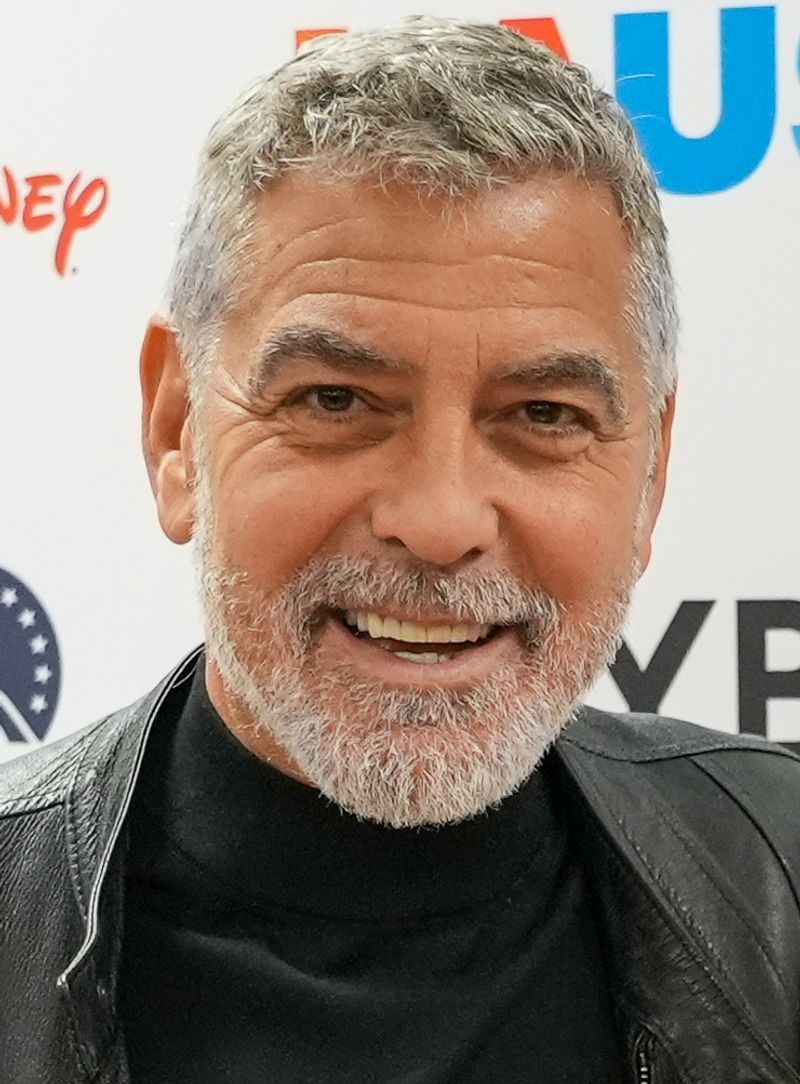
George Clooney has been one of Hollywood’s most enduring stars for decades, but he has always been candid about the ways in which fame can rob people of ordinary experiences. He has described the inability to walk down a street unrecognized as a genuine loss, one that does not get easier with time.
Clooney has spoken frankly about how celebrity changes the dynamic of personal relationships, making it harder to know who to trust and how to connect authentically with people outside of the entertainment world. He values his private life deeply and has worked to protect it even as his public profile has grown.
He has also used his platform for humanitarian causes, suggesting that fame is most meaningful when it serves a purpose beyond personal recognition. Clooney approaches celebrity as a responsibility rather than a reward, and his thoughtful commentary on its costs and limitations has added depth to his reputation as one of Hollywood’s most respected figures.
14. Harrison Ford
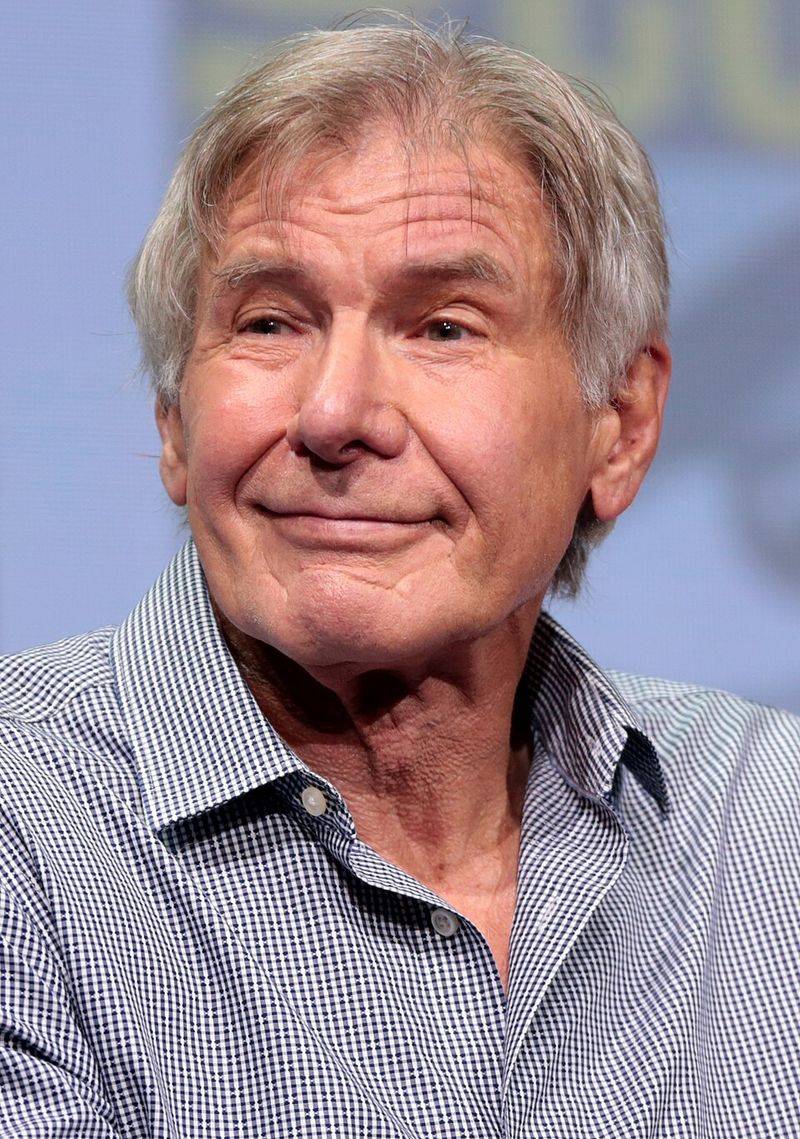
Harrison Ford has one of the most iconic careers in cinema history, with roles in Star Wars and Indiana Jones making him a household name for generations of moviegoers. Yet Ford has always maintained that he never wanted fame itself.
What he wanted was simply the chance to work as an actor.
He has described fame as a byproduct of his job rather than a goal, and he has never appeared particularly comfortable with the attention it brings. Ford is famously private and has a reputation for being blunt and no-nonsense in interviews, rarely indulging questions about his celebrity status.
He spent years working as a carpenter before his acting career took off, which may explain his grounded perspective on success. Ford seems to view his fame with a kind of bemused detachment, appreciating the opportunities it has created while remaining fundamentally unimpressed by celebrity culture itself and the world that surrounds it.
15. Bob Dylan
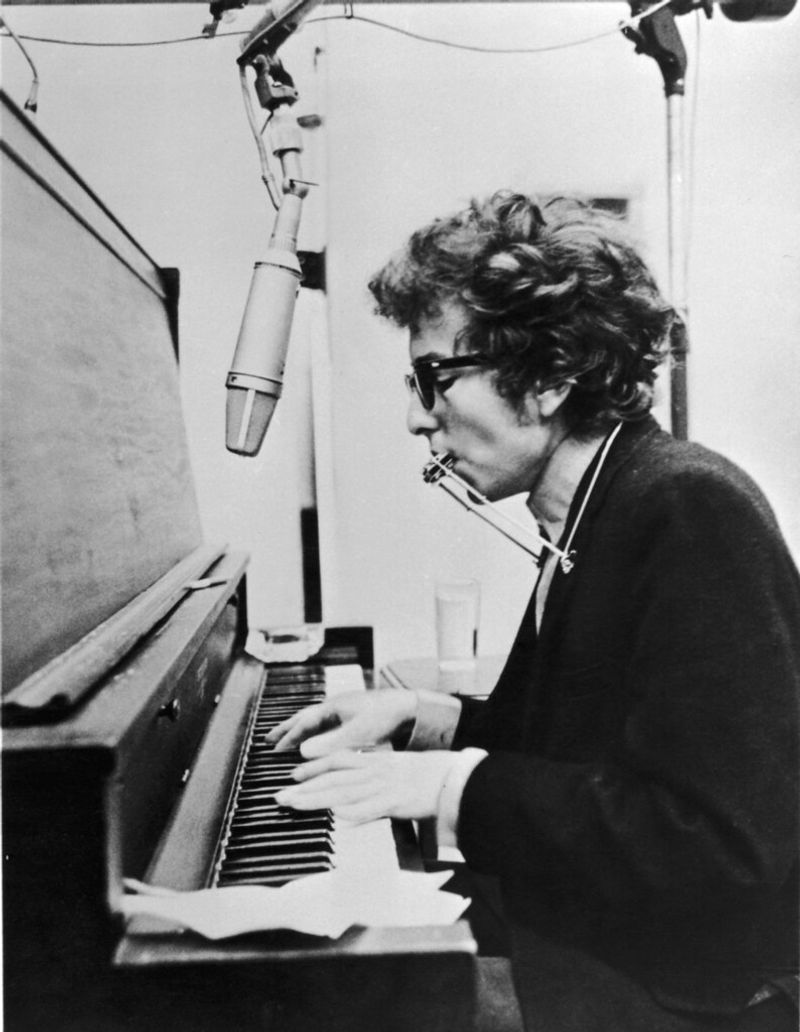
Bob Dylan may be the most famous example of a celebrity who spent an entire career actively resisting the label. From the moment he became a cultural icon in the 1960s, Dylan worked to undermine, confuse, and reject the expectations that fame placed on him.
He famously gave evasive and surreal answers in press conferences, changed his musical direction just as audiences thought they understood him, and avoided the kind of self-promotion that most artists eagerly pursue. When he was awarded the Nobel Prize in Literature in 2016, his initial silence on the matter spoke volumes about his complicated relationship with public recognition.
Dylan has described the experience of being treated as a spokesman for a generation as deeply uncomfortable, something he never asked for and never fully accepted. His decades-long resistance to celebrity culture is not an act or a persona.
It appears to be a genuine expression of who he is and always has been.
Share this story