Most travelers stick to the same popular spots, but a small group of explorers seek out places that barely appear on the tourist map. These off-the-beaten-path countries offer raw landscapes, unique cultures, and experiences you simply cannot find anywhere else.
Whether it is a volcanic island in the Indian Ocean or a tiny Pacific nation threatened by rising seas, each destination on this list tells a story worth hearing. If you are the kind of traveler who wants something truly different, read on.
18. Comoros
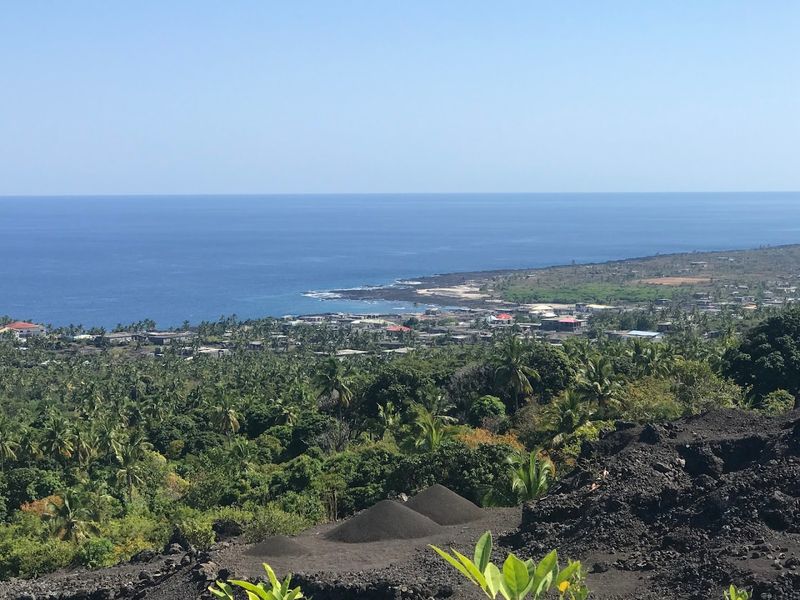
Tucked between Madagascar and Mozambique, Comoros is a volcanic island nation that most travelers have never heard of. Its dramatic lava landscapes rise sharply from the sea, creating scenery that feels almost prehistoric.
The mix of African, Arab, and French cultural influences gives the islands a personality unlike anywhere else in the world.
Visitors can hike the active Mount Karthala volcano, one of the largest active volcanoes on Earth. The beaches here are pristine and nearly empty, offering a level of solitude that popular destinations simply cannot match.
Local markets overflow with ylang-ylang flowers, cloves, and vanilla, filling the air with rich tropical scents.
Getting to Comoros requires some planning, but that effort is part of the adventure. Flights connect through Nairobi or Antananarivo.
Travelers who make the trip consistently describe it as one of the most rewarding journeys of their lives.
17. Sao Tome and Principe
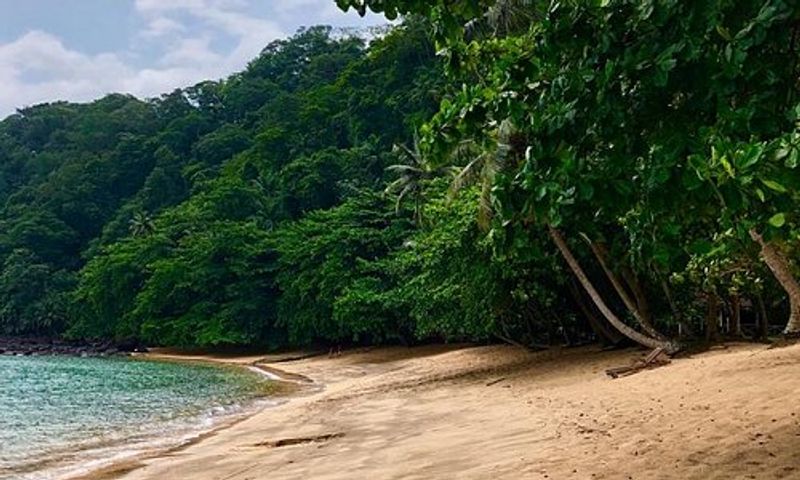
Hidden in the Gulf of Guinea off the coast of Central Africa, Sao Tome and Principe is one of the continent’s most beautiful and least-known destinations. The two islands are covered in thick rainforest that shelters an extraordinary variety of birds found nowhere else on the planet.
Birdwatchers from around the world occasionally make the journey specifically for species like the Sao Tome fiscal and the dwarf ibis.
Beyond wildlife, the islands offer secluded beaches with dark volcanic sand and crystal-clear water. Roça plantations, remnants of the Portuguese colonial era, dot the countryside and have been converted into charming guesthouses.
The pace of life here is wonderfully slow, and locals are genuinely welcoming to the few tourists who arrive.
Annual visitor numbers remain remarkably low, which means you can have entire stretches of coastline to yourself. For travelers craving genuine seclusion, these islands deliver beautifully.
16. Timor-Leste
Southeast Asia’s youngest nation only gained independence in 2002, and its tourism industry is still finding its footing. That works entirely in the adventurous traveler’s favor.
The coral reefs surrounding Timor-Leste are among the healthiest in the region, drawing serious divers who want underwater experiences free from crowds.
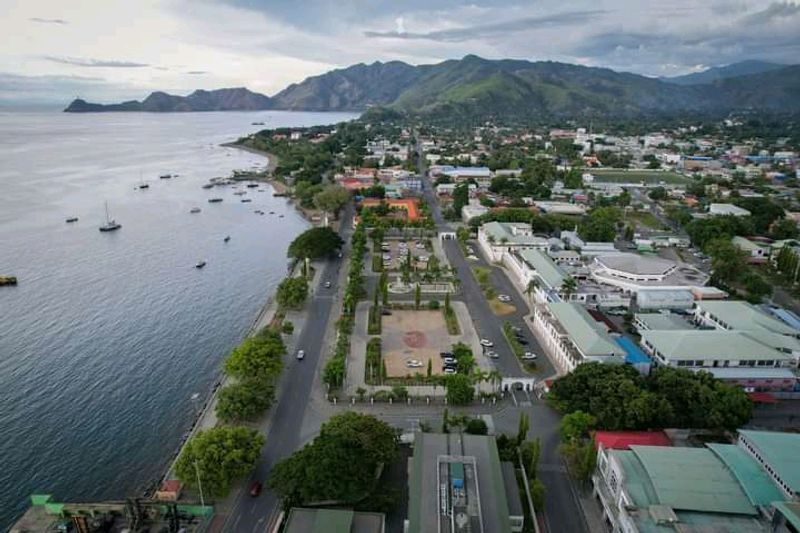
On land, rugged mountains rise sharply inland, offering challenging hikes through traditional villages where ancient animist customs still blend with Catholic traditions. The capital, Dili, sits along a scenic waterfront and carries a fascinating history shaped by Portuguese colonization and a long struggle for independence.
Local cuisine reflects those layered influences, with Portuguese-style grilled fish served alongside rice dishes flavored with local spices.
Infrastructure is improving steadily, making travel more accessible without stripping away the raw, unpolished charm that defines the country. Budget travelers will find costs here remarkably low compared to neighboring destinations like Bali or Bangkok.
15. Kiribati
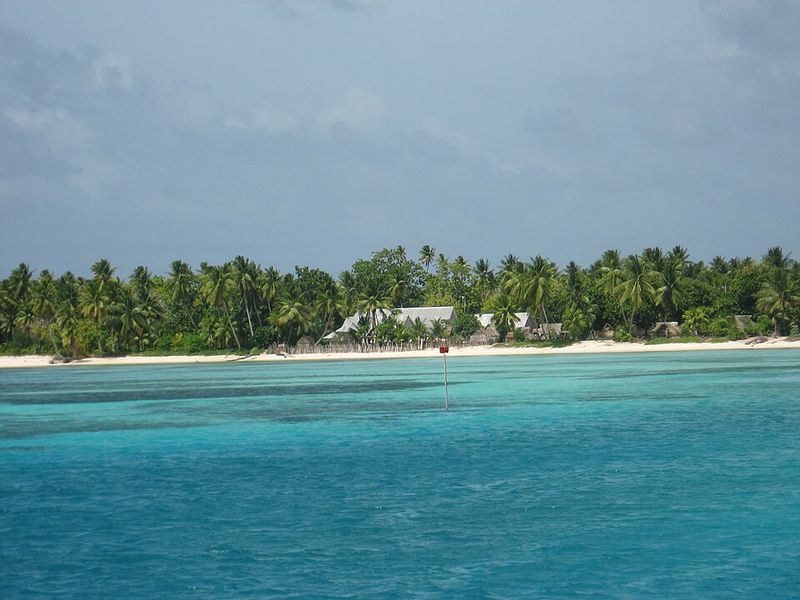
Spread across three million square kilometers of the Pacific Ocean, Kiribati consists of 33 atolls and reef islands that sit barely above sea level. The sheer distance between islands makes travel here a genuine expedition.
Most visitors arrive by small plane or cargo ship, which adds a sense of old-fashioned adventure that modern travel rarely offers.
The marine environment surrounding these atolls is extraordinary. Phoenix Islands Protected Area, a UNESCO World Heritage Site, is one of the largest marine protected areas on Earth and shelters an almost untouched coral ecosystem.
Snorkeling and fishing here feel like stepping back in time to when oceans were truly wild.
Kiribati also holds the sobering distinction of being one of the countries most threatened by climate change and rising sea levels. Visiting now feels meaningful, a chance to witness a fragile paradise before the ocean reclaims it.
14. Guinea-Bissau
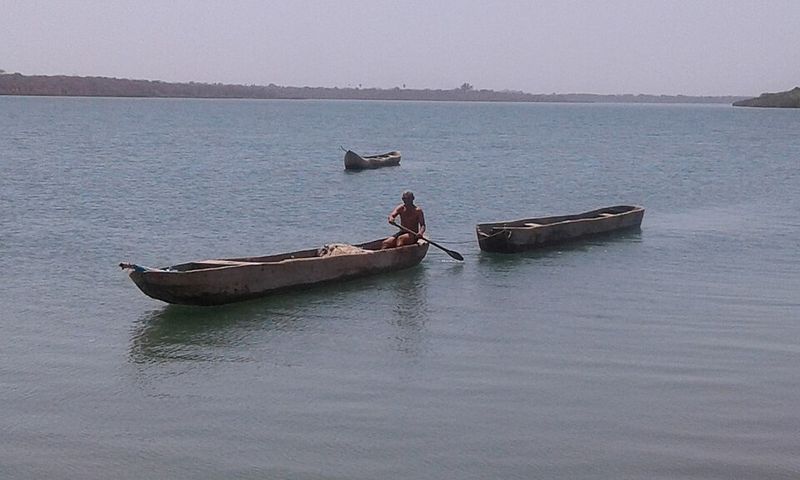
Guinea-Bissau rarely appears on any travel itinerary, and that is precisely what makes it special. The Bijagos Archipelago, a UNESCO Biosphere Reserve, sits off the country’s coast and is home to saltwater hippos, manatees, sea turtles, and an enormous variety of migratory birds.
Wildlife encounters here feel genuinely wild, not staged for tourists.
The islands are accessible by local boat, and getting around requires patience and flexibility. That unhurried pace allows travelers to connect with local communities who maintain traditional animist customs and governance structures largely unchanged by outside influence.
Village ceremonies and sacred forests offer cultural experiences that feel authentic rather than performed.
Mainland Guinea-Bissau has a lively capital in Bissau, where colonial Portuguese architecture mixes with colorful local markets. The country is not wealthy by global standards, but the warmth of its people and the untouched beauty of its landscapes make it unforgettable for travelers willing to embrace uncertainty.
13. Solomon Islands
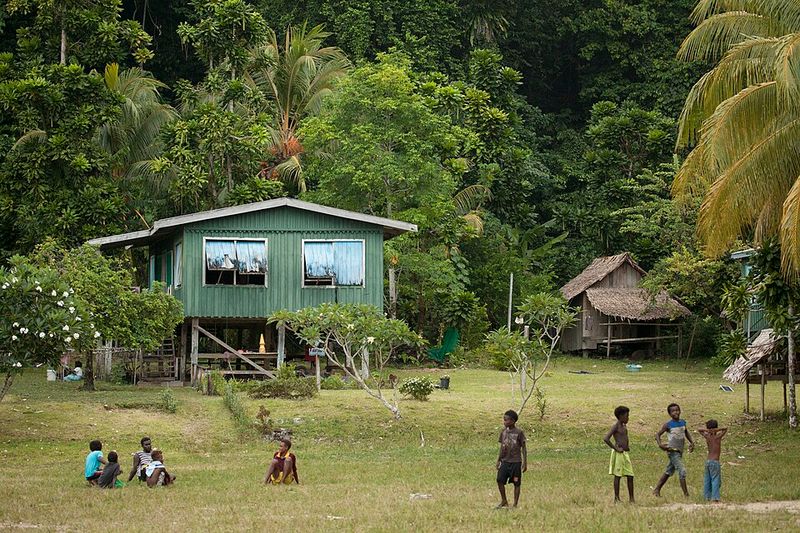
Few places on Earth carry as much layered history as the Solomon Islands. During World War II, these Pacific islands were the site of fierce battles between Allied and Japanese forces, and the ocean floor is still littered with sunken ships, planes, and equipment.
Wreck divers consider this one of the top diving destinations in the world.
Above water, the islands offer dense jungle, active volcanoes, and traditional villages where kastom, the local term for customary culture, remains a living part of daily life. Skull shrines and traditional canoe racing sit comfortably alongside modern village life, giving visitors a genuinely layered cultural experience.
The infrastructure is basic, and getting between islands often means riding in small wooden boats. Accommodation options range from simple guesthouses to a handful of eco-lodges.
Travelers who embrace the rougher edges of this destination are rewarded with some of the Pacific’s most spectacular natural and historical experiences.
12. Chad
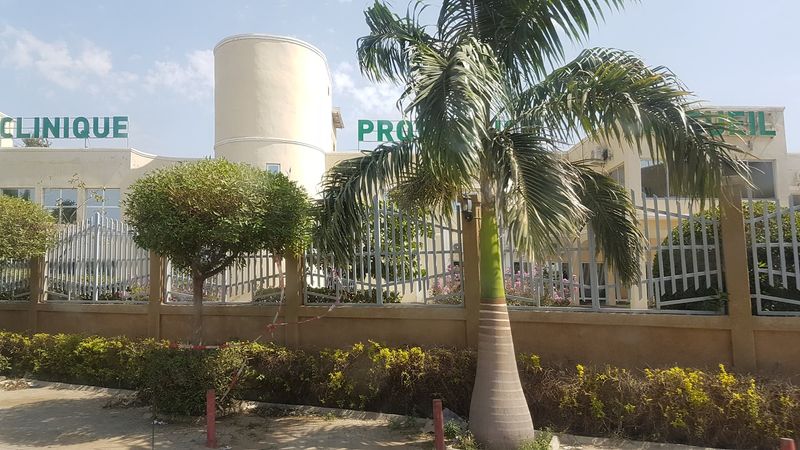
Chad is not a country that makes most bucket lists, but it absolutely should. The Ennedi Plateau in the country’s northeast is a surreal landscape of towering sandstone arches, narrow gorges, and prehistoric rock paintings that date back thousands of years.
UNESCO recognized the plateau as a World Heritage Site in 2016, yet almost no tourists visit.
The Sahara Desert covers much of northern Chad, offering camel trekking and stark, silent beauty that feels genuinely humbling. Lake Chad, once one of Africa’s largest lakes, has shrunk dramatically due to climate change but still supports fishing communities and diverse birdlife along its shores.
Travel here requires careful preparation. Political conditions have historically been unstable in parts of the country, so checking current travel advisories before planning a trip is essential.
Reputable local guides are not just helpful here, they are genuinely necessary. For well-prepared adventurers, Chad delivers experiences found nowhere else.
11. Sierra Leone
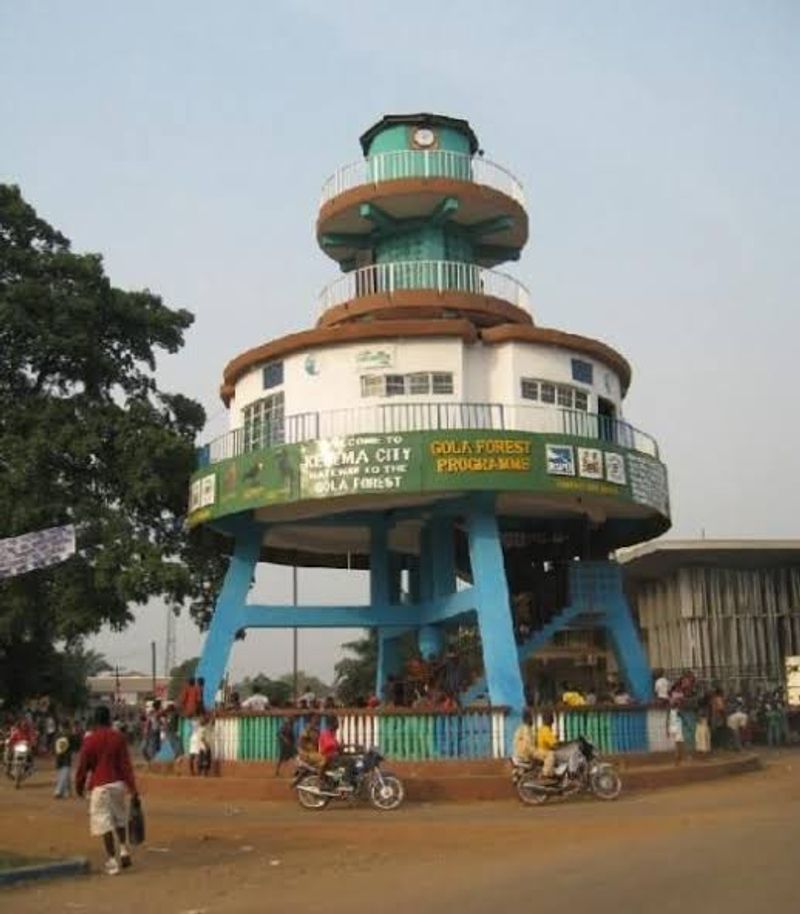
Sierra Leone carries a difficult history, marked by a brutal civil war that ended in 2002. Since then, the country has worked hard to rebuild, and today it offers travelers a genuinely warm and hopeful experience.
The beaches along the Freetown Peninsula are among the most beautiful in West Africa, wide, white, and remarkably uncrowded.
Tacugama Chimpanzee Sanctuary provides a meaningful wildlife experience, rescuing and rehabilitating orphaned chimpanzees in a forested setting just outside the capital. Outamba-Kilimi National Park in the north protects hippos, elephants, and a rich variety of bird species in a remote and rarely visited setting.
Freetown itself is a lively city with a strong music culture rooted in Afrobeats and traditional Mende rhythms. Street food is flavorful and cheap, with cassava leaf stew and groundnut soup being local favorites.
Travelers who visit Sierra Leone often describe being moved by the resilience and generosity of its people.
10. Moldova
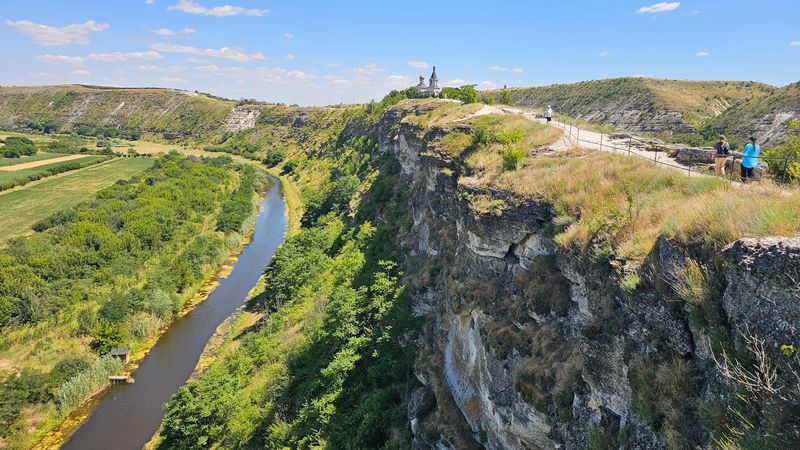
Moldova holds the surprising title of Europe’s least-visited country, which is a real shame because it offers a quietly charming travel experience at prices that will make your wallet very happy. The country is best known for its extraordinary wine culture.
Milestii Mici, located just outside the capital Chisinau, holds the Guinness World Record for the largest wine collection on Earth, with nearly two million bottles stored in underground tunnels that stretch for over 200 kilometers.
Medieval monasteries carved into limestone cliffs, particularly at Orheiul Vechi, create dramatic scenery that rivals more famous European destinations. The Old Orhei archaeological complex offers a fascinating window into centuries of layered history, from Dacian settlements to Mongol occupation to Orthodox Christian monasticism.
Moldova is compact and easy to navigate, with friendly locals who are often delighted to meet foreign visitors. Budget travelers will find it one of the most affordable destinations in the entire European region.
9. Mauritania
Riding the Iron Ore Train in Mauritania is one of the world’s great adventure travel experiences. This massive freight train, one of the longest and heaviest in the world, hauls iron ore across the Sahara Desert from the mining town of Zouerat to the coastal city of Nouadhibou.
Adventurous travelers ride in open ore cars under a sky blazing with stars, enduring the cold desert night as the price of an unforgettable journey.
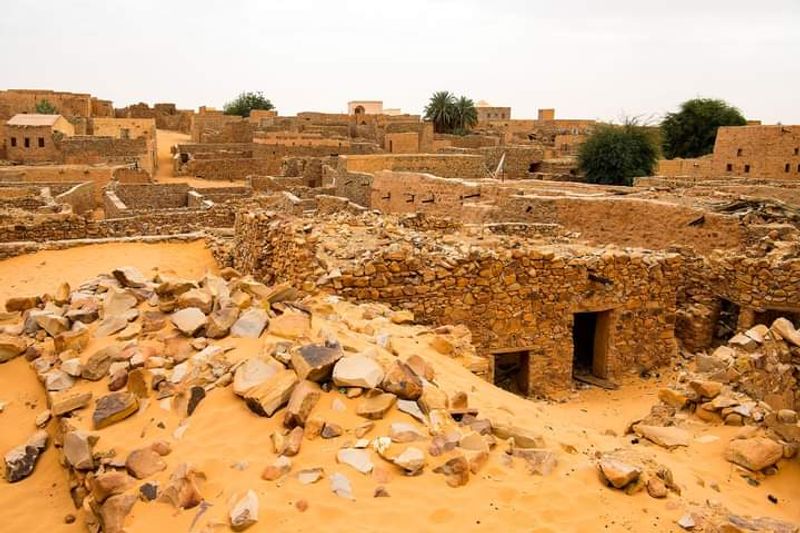
Beyond the train, Mauritania offers ancient caravan cities like Chinguetti, a UNESCO World Heritage Site once considered the seventh holiest city in Islam. Towering sand dunes surround the town, slowly reclaiming its medieval libraries and mosques.
The Banc d’Arguin National Park on the Atlantic coast is a globally important bird sanctuary, hosting millions of migratory birds each year.
Travel requires preparation and local guidance, but the rewards are extraordinary for those drawn to genuinely off-map destinations.
8. Micronesia
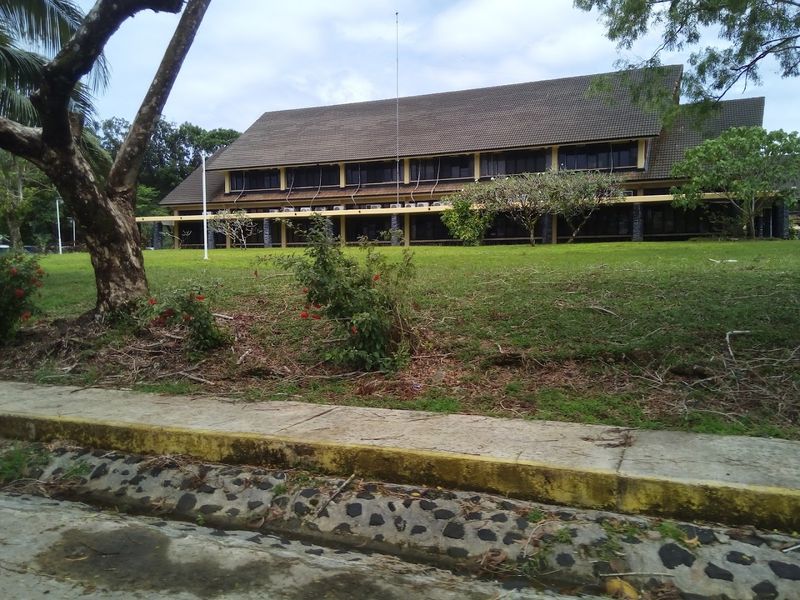
The Federated States of Micronesia sits in the western Pacific and consists of more than 600 islands spread across a vast stretch of ocean. Despite its extraordinary natural beauty, it attracts only a tiny fraction of the visitors who flock to nearby Palau or the Philippines.
That relative obscurity is a genuine gift for travelers who seek uncrowded paradise.
Chuuk Lagoon, also known as Truk Lagoon, is legendary among wreck divers. The lagoon holds the remains of an entire Japanese fleet sunk during World War II, creating one of the most spectacular underwater museums on the planet.
Coral has grown over the ships over decades, turning them into living reefs teeming with marine life.
Traditional island culture remains strong across the outer islands, where navigation by stars and hand-woven fabric called lava-lava are still part of daily life. Visitors who venture beyond the main island of Pohnpei encounter a world that feels genuinely unhurried and timeless.
7. Tuvalu
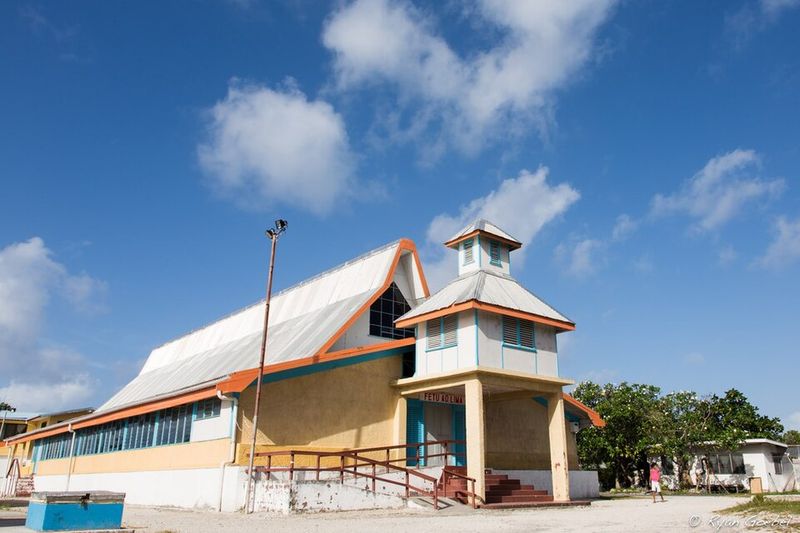
Tuvalu is one of the smallest and most isolated countries on the planet, a collection of nine coral atolls scattered across the South Pacific. Getting here requires flying through Fiji, and flights operate only a few times per week.
That logistical challenge keeps visitor numbers extraordinarily low, rarely exceeding a few thousand per year.
The reward for making the effort is a level of tranquility that is almost impossible to find elsewhere. Funafuti, the capital, is a narrow strip of land where the lagoon and ocean are sometimes visible simultaneously from a single spot.
Locals fish, weave traditional mats, and play music in the evenings with a relaxed ease that feels like a window into a quieter world.
Tuvalu is also one of the countries most at risk from rising sea levels, with some projections suggesting parts of the nation could be uninhabitable within decades. Visiting now carries a sense of witnessing something precious and fleeting.
6. Equatorial Guinea
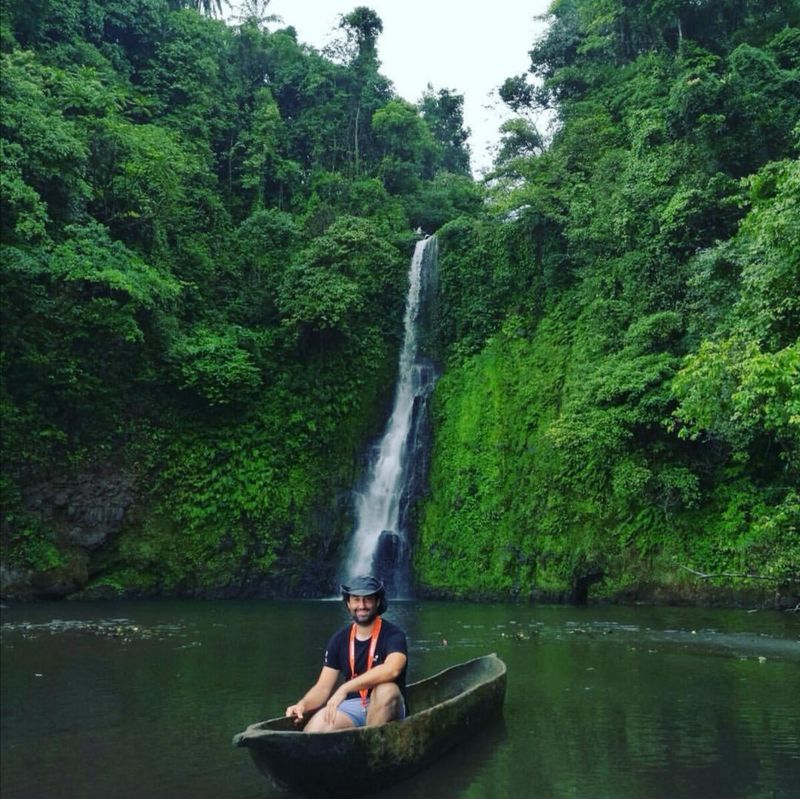
Equatorial Guinea is one of Africa’s most overlooked destinations, partly because its oil wealth has kept it less dependent on tourism than neighboring countries. Bioko Island, where the capital Malabo sits beneath an active volcano, is home to some of the most biodiverse rainforest in Central Africa.
Drill monkeys, forest elephants, and leatherback sea turtles all find refuge here.
Monte Alen National Park on the mainland offers serious jungle trekking through forest that sees almost no visitors. Gorillas, chimpanzees, and forest buffalo roam freely through the dense vegetation, and the park has very limited tourist infrastructure, which means encounters feel genuinely wild rather than managed.
The country is not cheap to visit, as its oil economy has pushed prices higher than neighboring nations. Visa requirements are also strict and require some advance planning.
However, for wildlife travelers willing to navigate those hurdles, Equatorial Guinea offers encounters with Central African nature at its most raw and unfiltered.
5. Marshall Islands
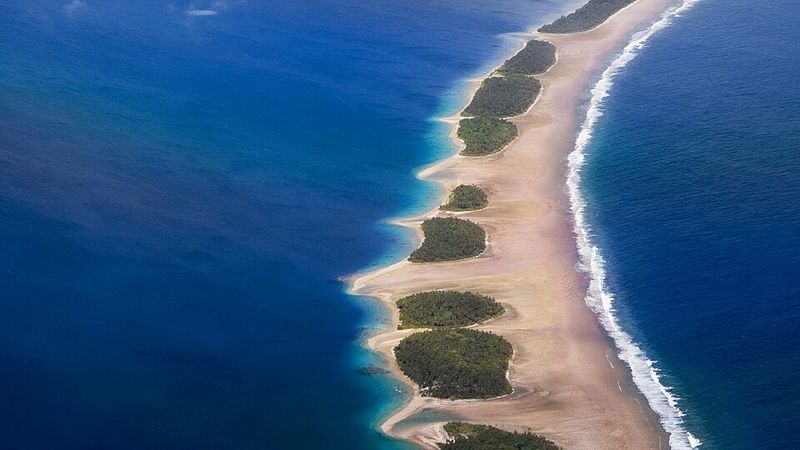
The Marshall Islands carry one of the most dramatic histories of any small nation on Earth. Bikini Atoll, now a UNESCO World Heritage Site, was the site of American nuclear weapons testing in the 1940s and 1950s.
The sunken warships from those tests now rest on the lagoon floor, creating an eerily beautiful dive site unlike anything else in the world.
Beyond the Cold War history, the Marshall Islands offer stunning natural beauty in the form of pristine atolls, clear water, and healthy coral reefs that have largely recovered from decades of disturbance. The remote outer islands are rarely visited and require local boat transport to reach, rewarding those who make the effort with genuine solitude.
The capital, Majuro, has a small but friendly expat community and serves as the main entry point for visitors. Like Kiribati and Tuvalu, the Marshall Islands face existential threats from rising sea levels, giving every visit a particular sense of urgency and meaning.
4. Nauru
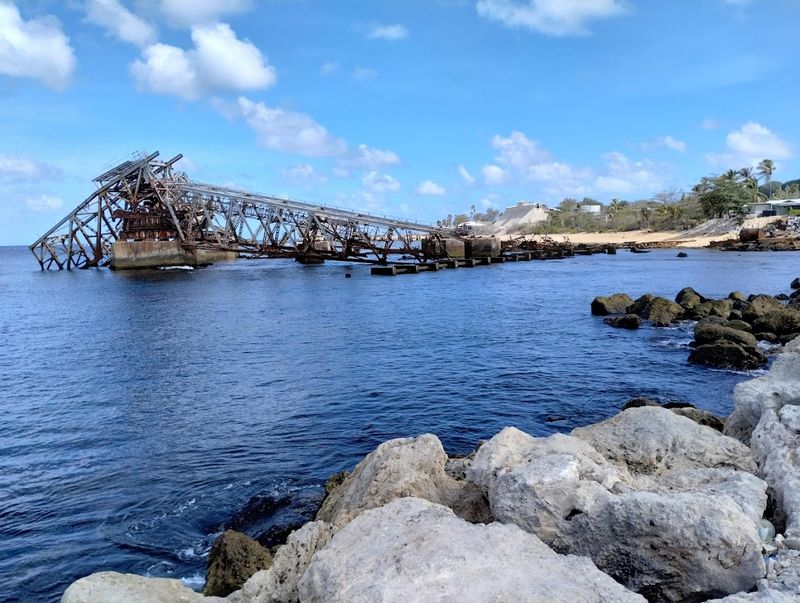
Nauru is the world’s third-smallest country and one of its most unusual travel destinations. The tiny island nation in the central Pacific was once the wealthiest country per capita on Earth, thanks to massive phosphate deposits.
Decades of mining have left much of the island’s interior looking like a moonscape of jagged coral pinnacles, which is strangely fascinating to see in person.
The contrast between the stripped inland terrain and the beautiful reef-fringed coastline is dramatic and thought-provoking. Snorkeling and fishing off the island’s edge reveal healthy marine life that seems indifferent to the industrial history just inland.
A handful of local guesthouses provide basic but comfortable accommodation.
Nauru has almost no tourist infrastructure and receives very few visitors annually, making it one of the rarest stamps you can collect in a passport. Travelers who visit tend to be motivated by curiosity about its extraordinary and cautionary economic history rather than traditional sightseeing.
3. South Sudan

South Sudan became the world’s newest independent nation in 2011, and it remains one of the least explored countries on the planet. Political instability has kept tourism virtually nonexistent, but for the most intrepid travelers, guided expeditions into the country’s national parks offer wildlife experiences that are genuinely extraordinary.
Boma National Park hosts one of Africa’s largest wildlife migrations, with millions of white-eared kob, tiang antelope, and Mongalla gazelle moving across the savanna in numbers that rival the famous Serengeti migration. Very few people outside of dedicated conservationists and researchers have ever witnessed it.
Travel here requires working with experienced operators who have deep local knowledge and established community relationships. Safety conditions vary significantly by region, and careful research is essential before any trip.
For travelers who have already ticked off the well-worn safari circuits, South Sudan represents a true frontier, raw, risky, and utterly unlike anything else in Africa.
2. Turkmenistan
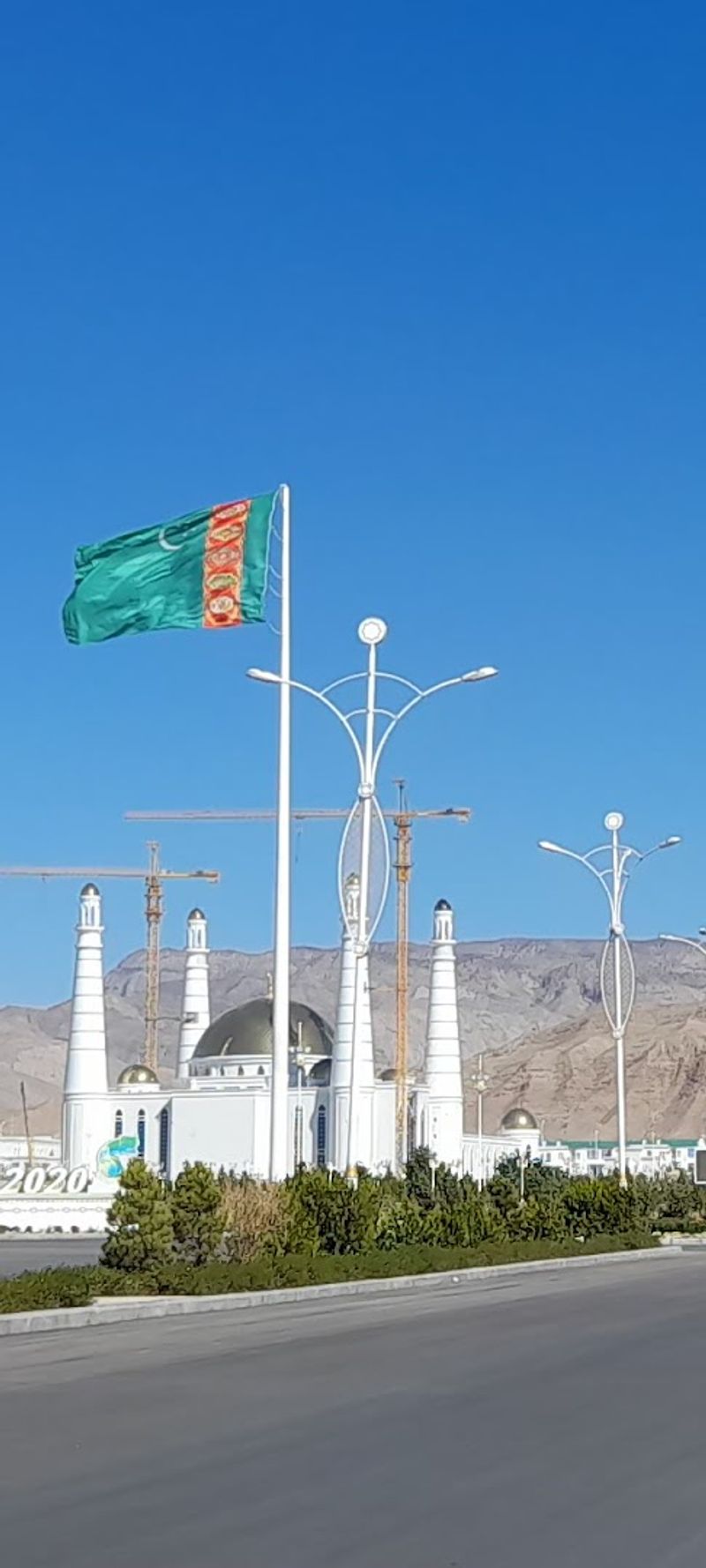
Turkmenistan is arguably the most surreal country in Central Asia, a place where a personality-driven government has left its mark on the landscape in the form of bizarre white marble architecture and golden statues. The capital, Ashgabat, holds multiple Guinness World Records for its concentration of white marble buildings and is one of the strangest cityscapes on Earth.
The real showstopper, though, is the Darvaza Gas Crater in the Karakum Desert, a collapsed Soviet-era natural gas drilling site that has been burning continuously since 1971. Standing at the edge of this 70-meter-wide pit of fire in the middle of the desert at night is one of the most dramatic experiences available to any traveler anywhere.
Getting a visa requires advance planning through a registered tour operator, as independent travel is heavily restricted. However, organized tours are available and provide access to ancient Silk Road cities like Merv and Konye-Urgench alongside the more eccentric modern attractions.
1. Niue
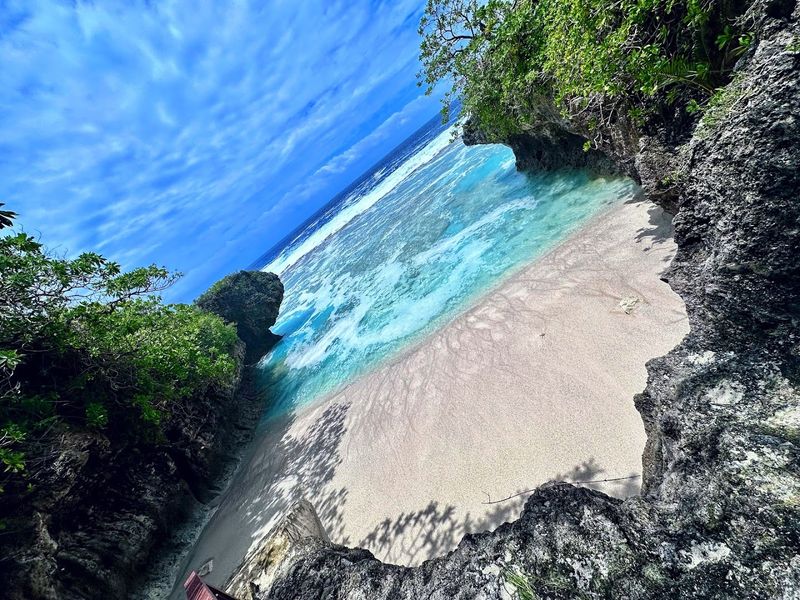
Niue is a tiny raised coral island in the South Pacific that bills itself as the Rock of Polynesia, and the nickname fits perfectly. Unlike the flat atolls that characterize much of the Pacific, Niue rises from the sea on dramatic limestone cliffs riddled with caves, chasms, and natural pools.
The island is one of the world’s largest coral islands and offers a landscape that feels genuinely unlike anywhere else in the region.
Humpback whales migrate through Niue’s waters between July and October, and the island has become one of the best places in the world to swim alongside them in clear, calm conditions. The visibility in Niue’s coastal waters is among the best on Earth, regularly exceeding 60 meters.
With a population of fewer than 2,000 people, Niue is one of the world’s smallest self-governing nations. Tourism infrastructure is modest but functional, with a handful of guesthouses and a single main road circling the island.
The pace here is wonderfully unhurried.
Share this story