Some Minnesota towns are quietly emptying out, and the numbers tell a story that’s hard to ignore. From the Iron Range to the western prairies, communities that once thrived are now watching their populations shrink year after year.
Whether it’s job losses, rising taxes, or younger generations heading to bigger cities, the reasons are as varied as the towns themselves. Here’s a closer look at ten Minnesota communities where the population drop has caught even local officials off guard.
10. Crookston
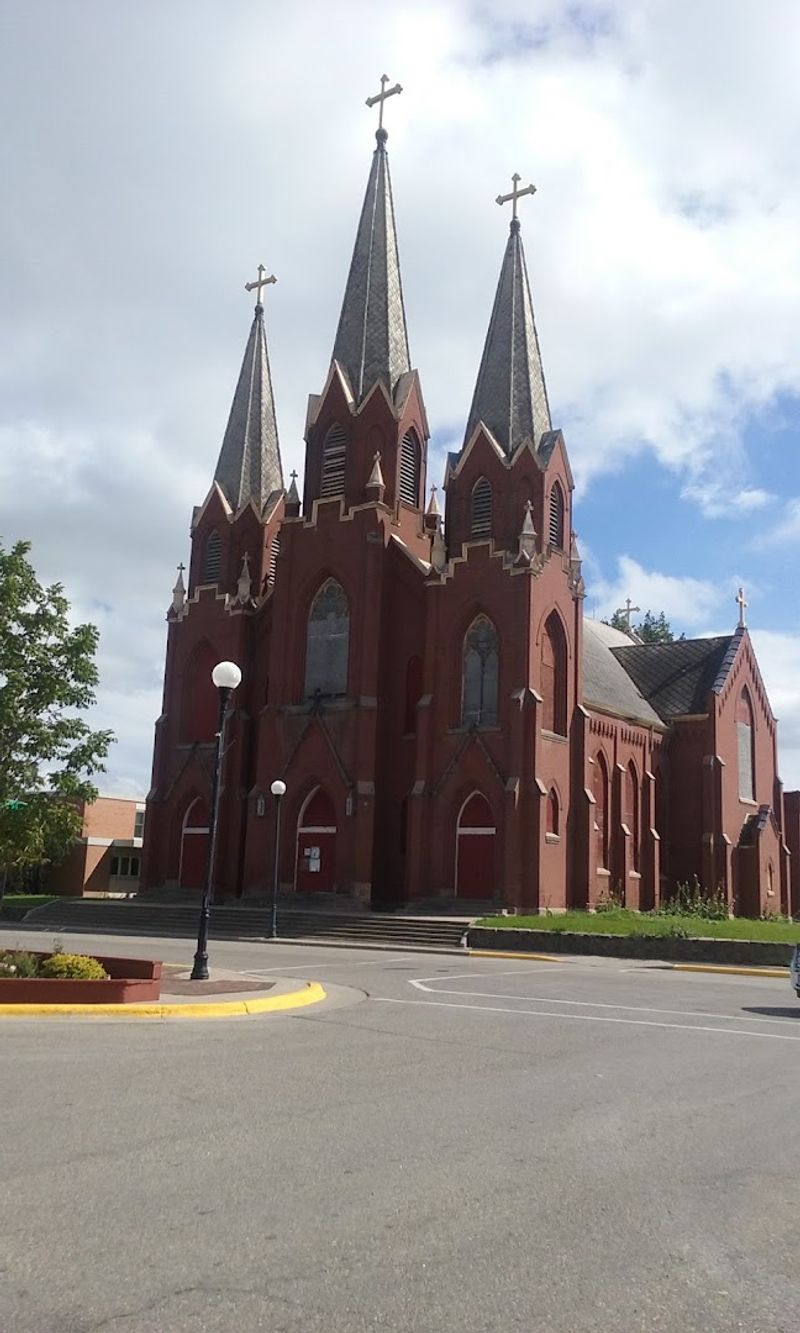
Tucked into the Red River Valley, Crookston looks like a town that time decided to slow-walk right out of. Despite being home to the University of Minnesota Crookston, the college buzz hasn’t been enough to keep the population from sliding.
Students graduate and leave, and longtime residents follow the same exit signs.
Property taxes have crept upward, squeezing homeowners who are already working with tight budgets. When your tax bill grows faster than your paycheck, packing up starts to sound reasonable.
I once drove through Crookston on a road trip and noticed half the storefronts on main street had paper in the windows.
The university gives the town a fighting chance, but it needs more than one anchor to stop the drift. Economic diversification is the phrase local planners keep using, though turning that phrase into reality has proven trickier than expected.
9. Eveleth
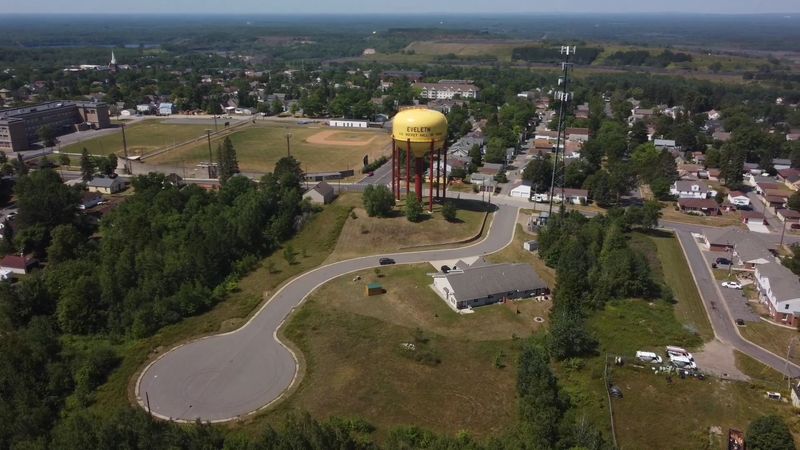
Eveleth is Iron Range royalty with a population problem. Famous for being the birthplace of the U.S.
Hockey Hall of Fame, this gritty, proud town has watched its resident count shrink as the mining industry transformed around it. Fewer miners means fewer families, and fewer families means fewer reasons for businesses to stick around.
The tax burden has become an extra headache on top of an already tough economic picture. When the mills cut shifts, local budgets tighten, and the remaining homeowners end up carrying more of the load.
That math never works out in anyone’s favor.
What Eveleth does have going for it is serious community pride. Residents who stay aren’t going anywhere quietly, and local events still draw passionate crowds.
But passion alone can’t pay the bills or lure back the young professionals who left for Minneapolis years ago.
8. Virginia
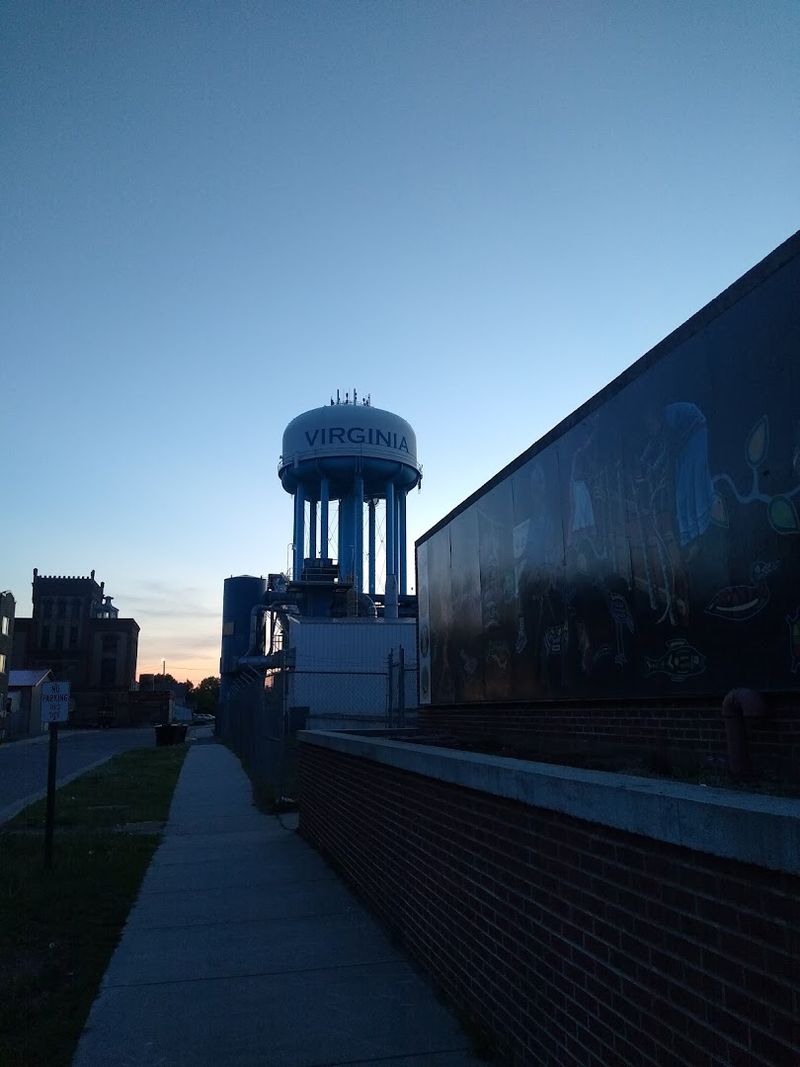
Virginia, Minnesota carries the weight of a region that built America’s steel industry and then watched that industry shrink. Decades of population loss have left the city managing infrastructure and services designed for a much larger crowd.
Keeping the lights on for fewer people costs more per person, and residents feel that in every tax cycle.
The challenge isn’t a lack of community effort. Virginia has genuinely tried to reinvent itself, investing in healthcare and retail to replace mining jobs.
Progress has been real but slow, like watching paint dry on a cold Iron Range morning.
Young people especially have been hard to retain. The pull of the Twin Cities metro, with its job market and social scene, is tough competition for a smaller northern city.
Virginia needs a compelling reason for its graduates to come home, and right now that reason is still being written.
7. Hibbing
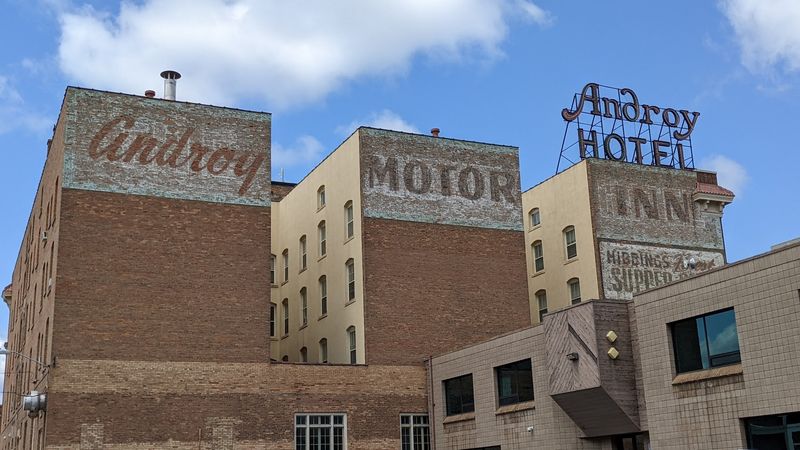
Bob Dylan grew up in Hibbing and got out as fast as he could, which tells you something about the town’s complicated relationship with its own potential. At its mid-century peak, Hibbing was a booming mining hub with one of the largest open-pit iron ore mines in the world.
Today, the Hull-Rust-Mahoning Mine is still impressive, but the population has dropped significantly from those golden years.
Hibbing’s city hall is beautiful, its high school looks like a palace, and its history is genuinely fascinating. But gorgeous public buildings don’t pay for themselves when fewer taxpayers are sharing the bill.
Regional demographic shifts have been relentless, and Hibbing has absorbed more than its fair share of that pressure.
There’s still real life in this town, with loyal locals who wouldn’t trade their community for anything. The question is whether enough of the next generation feels the same way.
6. International Falls
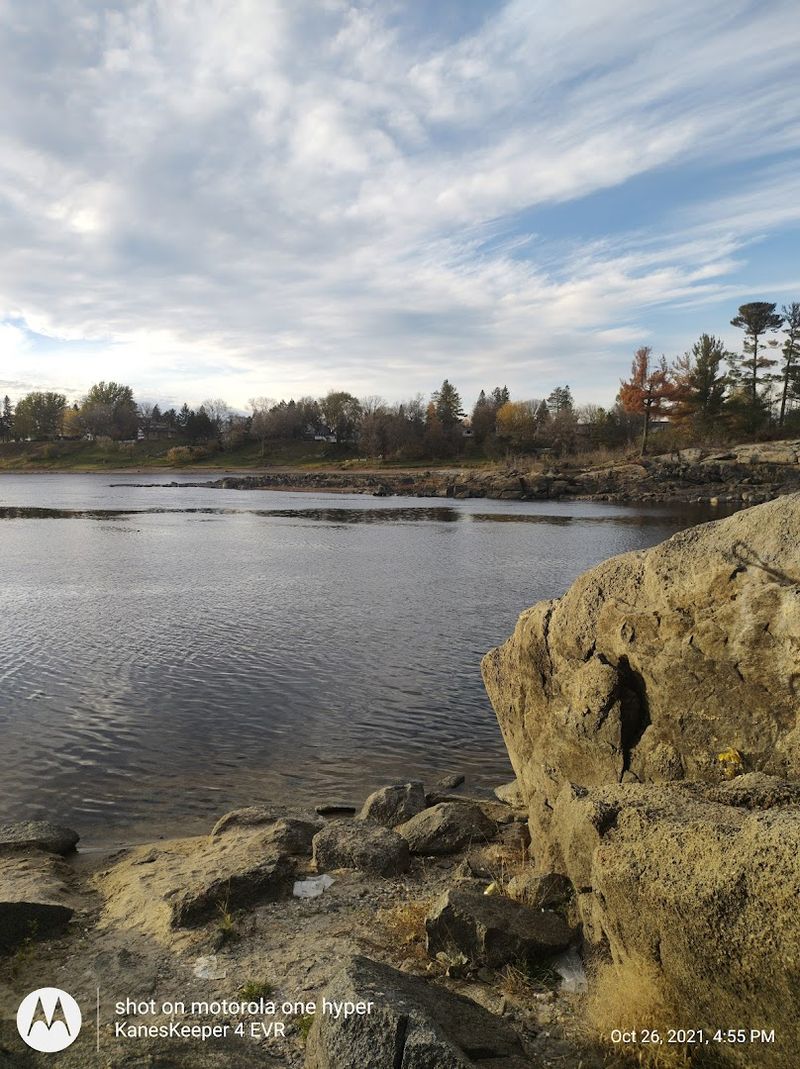
International Falls holds the unofficial title of Icebox of the Nation, and honestly, that nickname might be doing the tourism board no favors. Sitting right on the Canadian border, this remote northern city built its economy around paper and manufacturing, and when those industries contracted, residents started heading south in more ways than one.
The paper mill that once anchored the local economy went through a series of ownership changes and workforce reductions that rippled through every corner of the community. Restaurants, shops, and service providers all felt the downstream effects.
Small towns connected to a single industry are vulnerable in exactly this way.
The natural scenery around International Falls is genuinely stunning, with Rainy Lake offering world-class fishing and recreation. Outdoor tourism has helped soften the blow, but it hasn’t fully replaced the stable, year-round employment that manufacturing once provided.
Replacing an anchor industry is generational work.
5. Warroad
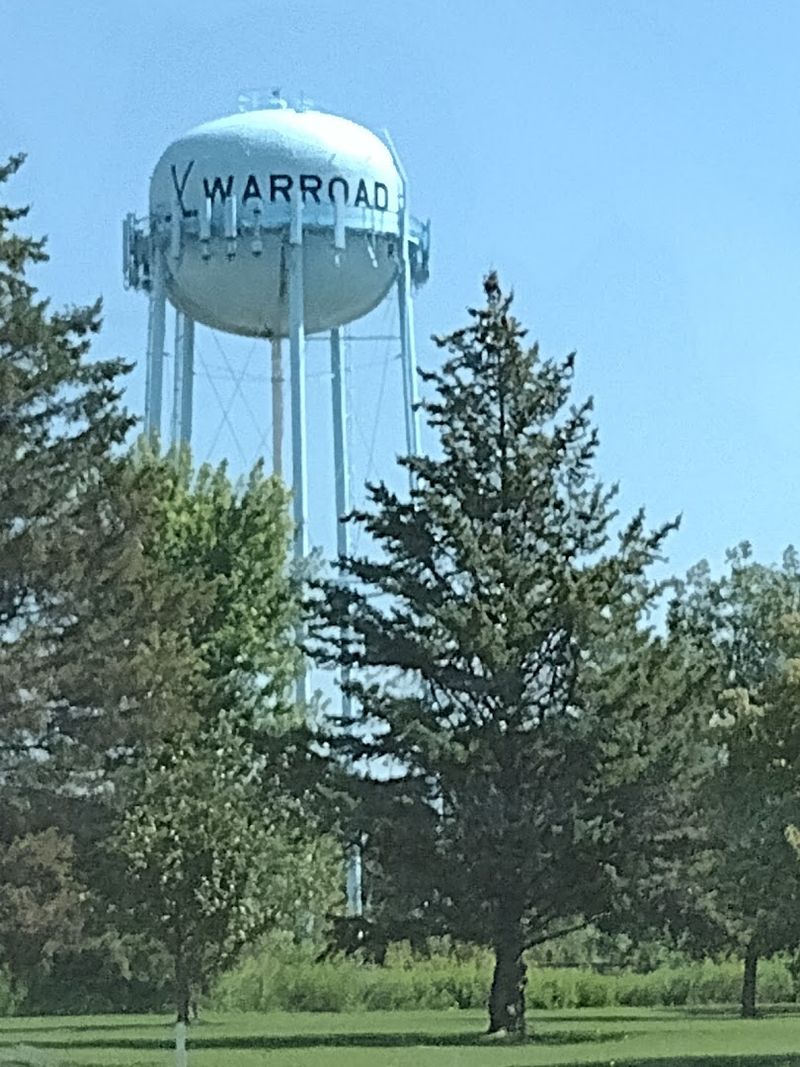
Warroad is the kind of town that punches well above its weight. It’s home to Marvin Windows and Doors, a major employer that has kept the local economy from completely unraveling, and it has produced more NHL hockey players per capita than almost anywhere in the country.
Not bad for a town of roughly 1,700 people sitting near the Canadian border.
But size is the double-edged sword here. Being small and remote means housing costs and property taxes hit harder when they rise, because there’s less economic cushion to absorb the shock.
A family priced out of Warroad doesn’t have a nearby suburb to fall back on.
Remote communities like this one require creative policy solutions that bigger cities don’t need. Workforce housing programs and targeted tax relief could make a real difference.
For now, Warroad is watching a tightrope act between stability and slow decline.
4. Bagley

Bagley sits in Clearwater County in northwest Minnesota, where the landscape is wide open and the winters make you earn every spring. It’s the kind of town where everyone knows your name, your dog’s name, and probably your business, which is charming until it isn’t.
Population has been drifting downward, and local homeowners have been left holding an increasingly heavy tax bill.
Rural service delivery is expensive when you spread it across fewer people and more miles. Schools, roads, and emergency services don’t get cheaper just because fewer residents are using them.
The per-person cost math gets uncomfortable fast.
Bagley isn’t without its strengths. The surrounding lakes and forests attract seasonal visitors, and agricultural ties keep the local economy grounded.
But seasonal traffic and farming don’t fully replace a stable, growing residential base. The town needs a reason for young families to plant roots rather than just passing through.
3. Pelican Rapids
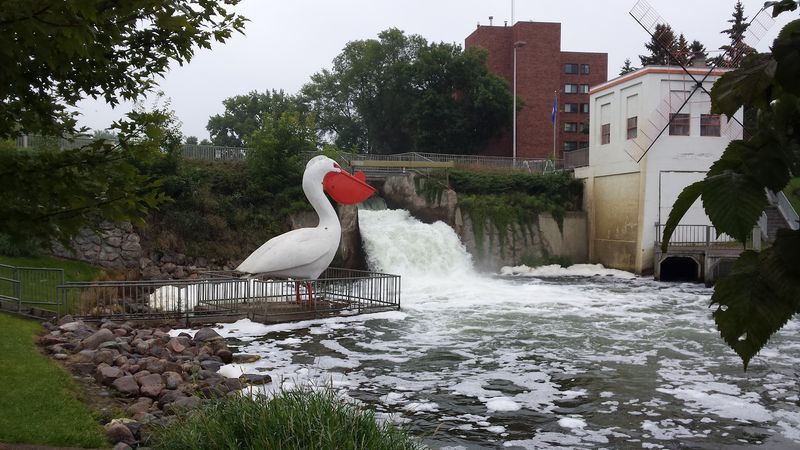
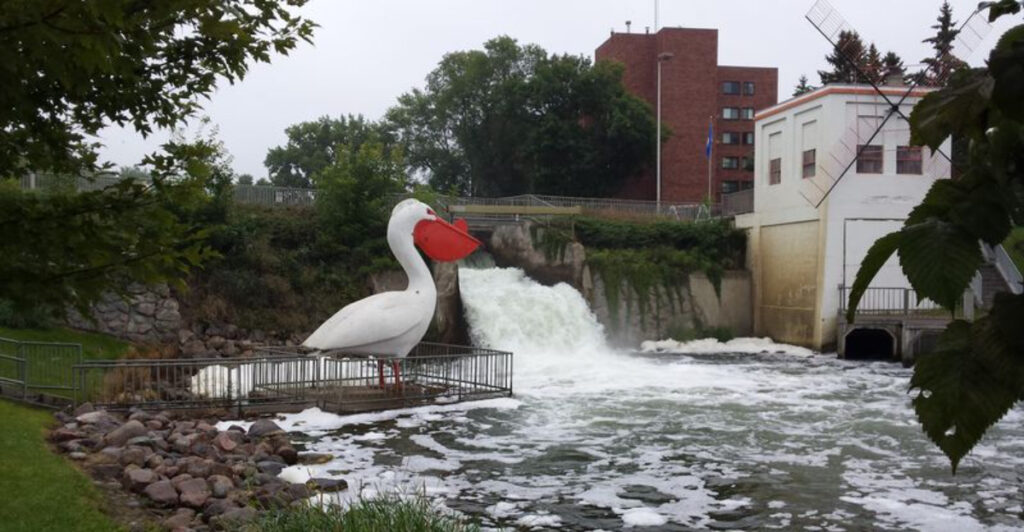
Pelican Rapids has a quirky claim to fame: a giant pelican statue in the middle of town that greets visitors with surprising enthusiasm. The town itself is genuinely charming, sitting in Otter Tail County among a landscape dotted with lakes that make real estate agents very happy.
That lake-country appeal, however, has started cutting both ways.
Rapidly rising property values around the lakes have pushed affordability out of reach for many longtime and would-be residents. When a modest lake cabin sells for what used to buy a comfortable home, working families start looking elsewhere.
Population growth has stalled as a result, even as the scenery stays gorgeous.
The tension between attracting wealthy seasonal residents and keeping a stable year-round community is real and tricky to navigate. Pelican Rapids has the bones of a thriving small town.
The challenge now is making sure the people who make it run can actually afford to live there.
2. Claremont
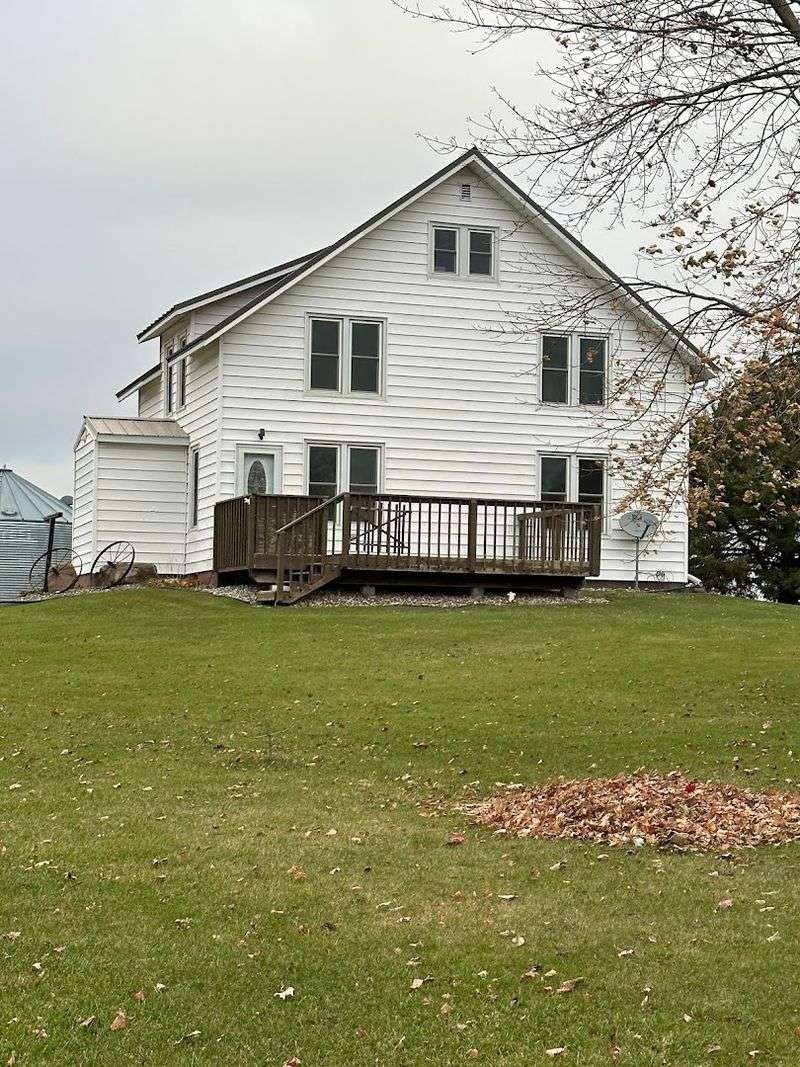
Claremont is a small southern Minnesota community where the grain elevators outnumber the traffic lights, and that’s not necessarily a complaint. But since 2000, the population has been on a slow, steady slide that mirrors what’s happening across rural Midwestern towns from Ohio to the Dakotas.
Young people leave for college or work and the return trip just doesn’t happen.
The agricultural economy that once supported a dense network of small towns has consolidated dramatically. Fewer farm families means fewer kids in school, fewer customers at the diner, and fewer reasons for a doctor or dentist to set up shop locally.
Each loss feeds the next one.
What Claremont does have is the quiet dignity of a community that hasn’t given up. Local volunteers keep things running, and civic pride remains strong.
But pride alone can’t reverse a demographic trend that’s been building for two decades. Structural support from state and county levels would help enormously.
1. Appleton
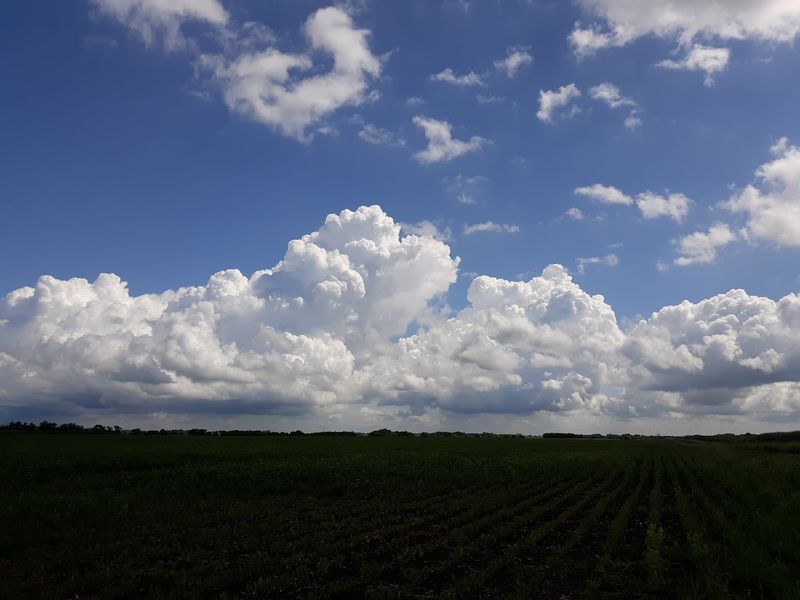
Appleton sits in Swift County on the western Minnesota prairie, where the horizon goes on forever and the wind makes sure you know it. Long-term population decline has been the defining story here for decades, and the challenges of affordability and economic opportunity have kept that trend stubbornly in place.
When jobs are scarce and wages are flat, people vote with their moving trucks.
Western Minnesota communities like Appleton are caught in a difficult cycle. Fewer residents mean less tax revenue, which means fewer services, which makes the town less attractive to new arrivals.
Breaking that cycle requires outside investment or innovative local leadership, and usually both at the same time.
Still, Appleton has a resilient core of residents who genuinely love their community and fight for it every year. The town’s history, its tight-knit character, and its prairie beauty are real assets.
Translating those assets into economic momentum is the work that still needs doing.
Share this story