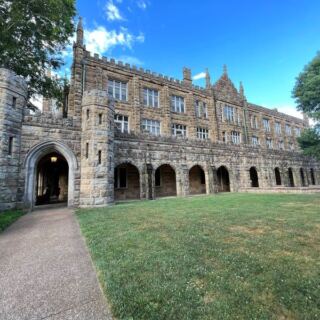
The Penn Museum is home to one of the most impressive collections of ancient artifacts in the United States. With more than one million objects from civilizations across Egypt, Mesopotamia, China, Africa, and the Americas, it offers a sweeping journey through human history.
Visitors can explore treasures from the Royal Tombs of Ur, towering stone monuments, and artifacts from some of the world’s earliest societies. Combined with active archaeological research, the museum provides an experience that goes far beyond traditional exhibits, bringing the ancient world vividly to life.
Where History Lives at 3260 South Street
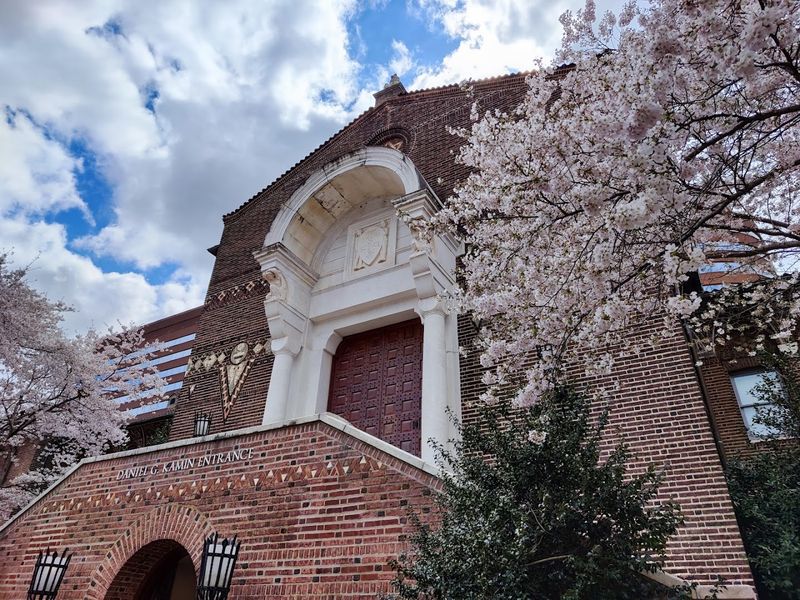
The Penn Museum sits at 3260 South St, Philadelphia, PA 19104, right on the edge of the University of Pennsylvania campus in West Philadelphia. The building itself makes a statement before you even walk through the door, with its Beaux-Arts facade, warm brick exterior, and a grand rotunda that rises above the roofline like something borrowed from ancient Rome.
A quick walk from the University City train station gets you there without any parking stress, though a convenient garage sits right next door for those arriving by car. The museum is open Tuesday through Sunday from 10 AM to 5 PM and is closed on Mondays.
Adult tickets are $23, which feels like a fair trade once you realize the scale of what is inside. High schoolers get in free, and there are discounts available through programs like AAA and EBT, making this an accessible destination for a wide range of visitors.
The phone number is +1 215-898-4000 if you want to plan ahead.
Gold, Jewels, and a Queen From 2450 BCE
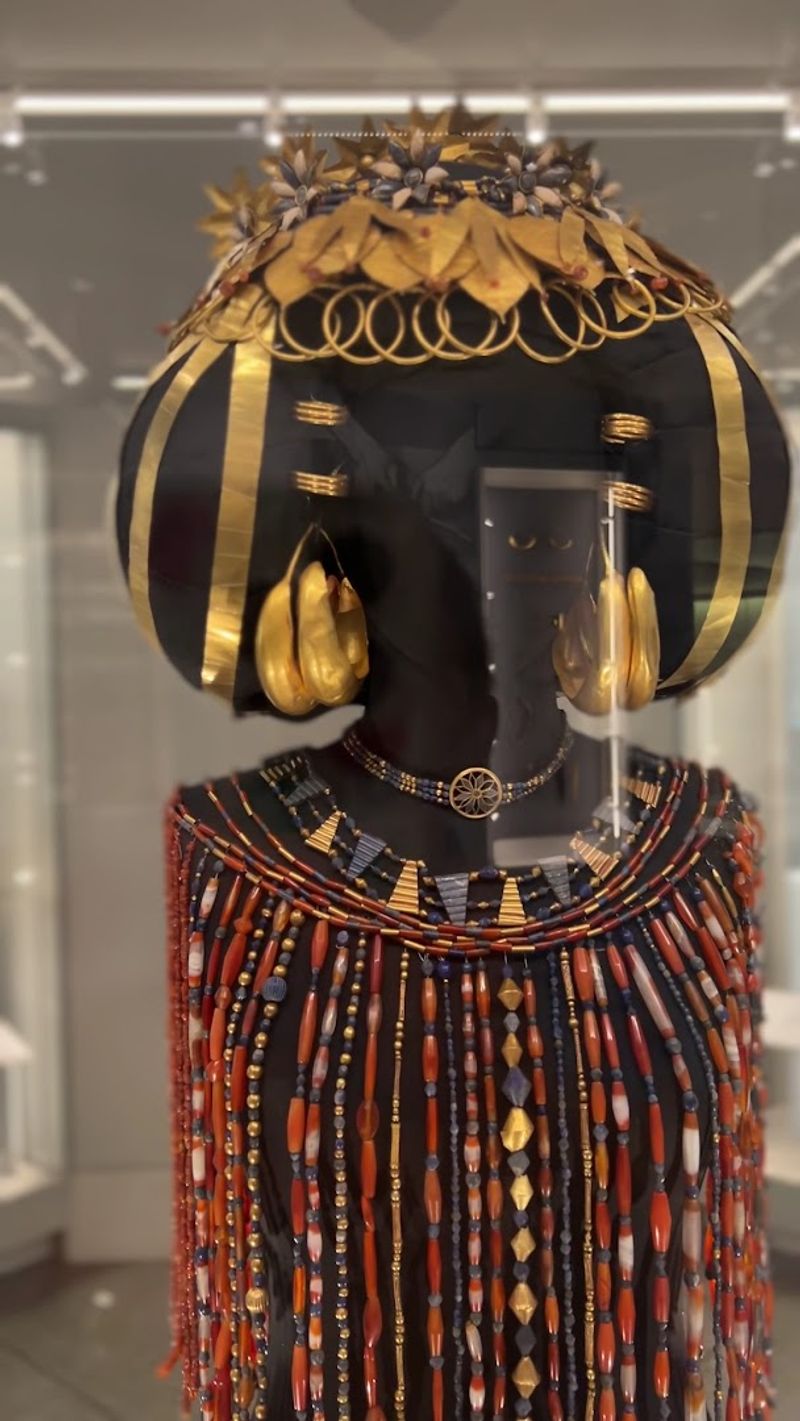
Queen Puabi has been gone for more than 4,000 years, but her presence in the Penn Museum’s Near East gallery is undeniably vivid. Her elaborate headdress and cloak crafted from gold, silver, and precious jewels were excavated from the Royal Tombs of Ur in ancient Mesopotamia, modern-day Iraq, and they remain among the most visually stunning objects in the entire collection.
The Near East section holds over 100,000 artifacts, many of them the result of early American archaeological expeditions to sites like Nippur and Ur. The famous Bull-Headed Lyre, one of the earliest known musical instruments ever recovered, shares gallery space with the “Ram in the Thicket” sculpture, a breathtaking piece of ancient craftsmanship that seems almost too delicate to have survived millennia underground.
Clay tablets inscribed with Sumerian and Akkadian cuneiform writing add another layer of wonder, representing some of the oldest written language on Earth. This section alone could occupy a full afternoon of serious exploration.
The Sphinx That Stops You in Your Tracks
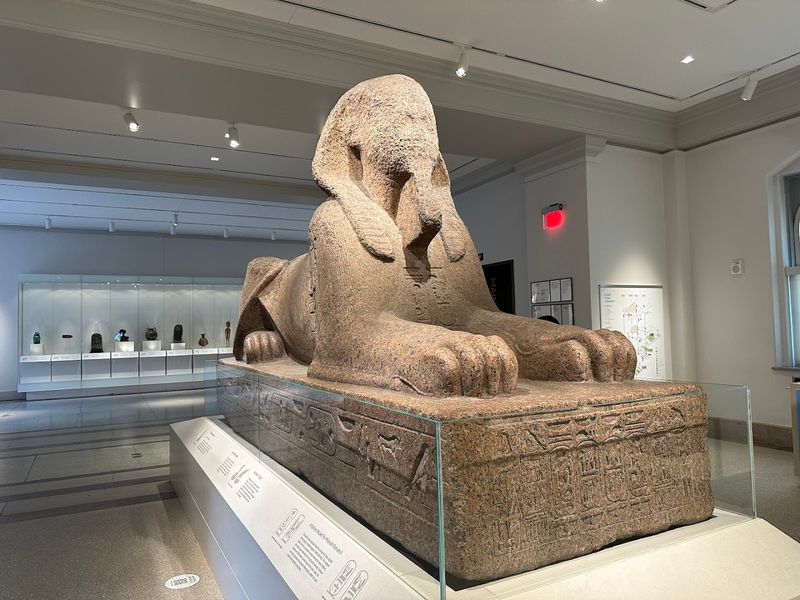
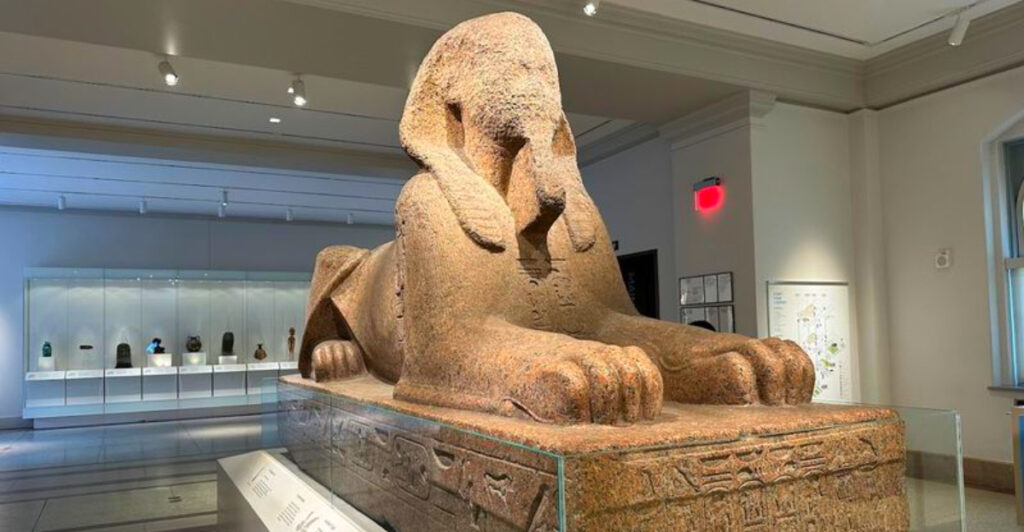
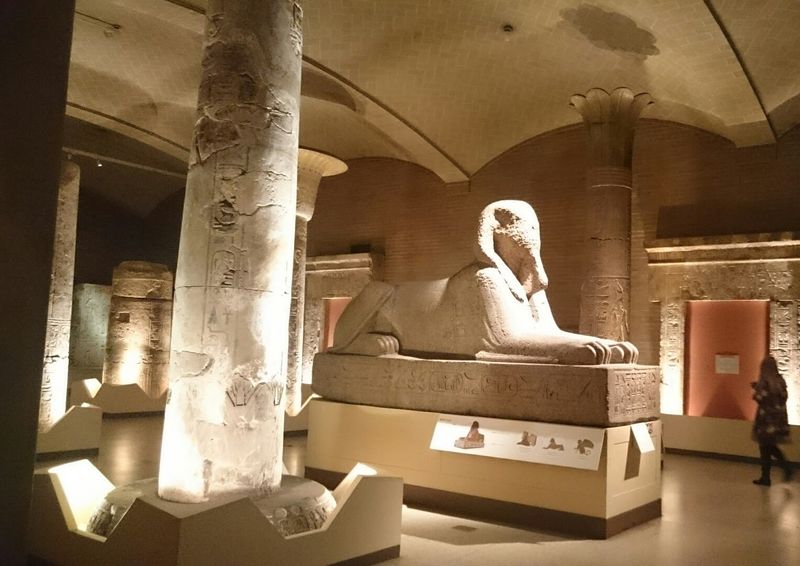
There are museum centerpieces, and then there is this: a 13-ton, 3,000-year-old granite sphinx originally from the palace of Merenptah in ancient Egypt. The Sphinx of Ramses II is one of the largest Egyptian sphinxes outside of Egypt itself, and the moment you see it, the room feels smaller.
The Penn Museum’s Egyptian collection holds more than 42,000 artifacts spanning the full arc of ancient Egyptian history, from the Predynastic Period all the way through the Greco-Roman era. Monumental statues of pharaohs, intricate funerary objects, papyri, textiles, and architectural elements fill the galleries with remarkable density and variety.
The mummy exhibits draw particular attention, with preserved specimens displayed alongside detailed context about ancient burial practices and beliefs about the afterlife. New Egypt Galleries titled “Egypt: Life and After Life” are currently in development and scheduled to open in December 2026, so the Egyptian wing is already generating buzz for what promises to be a deeply reimagined experience.
30,000 Clay Tablets and the World’s Oldest Writing
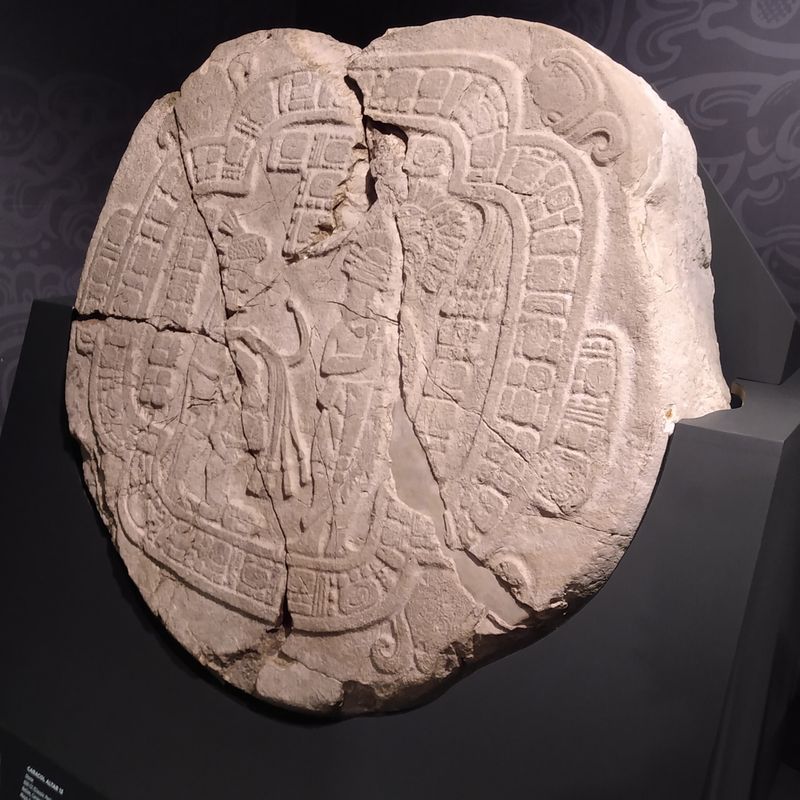
Most people walk past the Babylonian Section without fully grasping what they are looking at, and that is a shame because it holds one of the most significant collections of written records on the planet. Nearly 30,000 clay tablets inscribed in Sumerian and Akkadian cuneiform make this one of the ten largest collections of its kind in the entire world.
These are not decorative objects. They are contracts, hymns, myths, and administrative records pressed into soft clay by scribes working thousands of years before the printing press existed.
Some of the tablets contain fragments of Sumerian literature, placing the Penn Museum among a very small number of institutions where you can stand within arm’s reach of humanity’s earliest storytelling attempts.
The scholarly weight of this collection is hard to overstate, yet the museum presents it in a way that feels approachable rather than overwhelming. Reading even a brief explanation of what a single tablet contains tends to shift how you think about the word “ancient” for the rest of your visit.
The Largest Maya Monument Collection in the United States
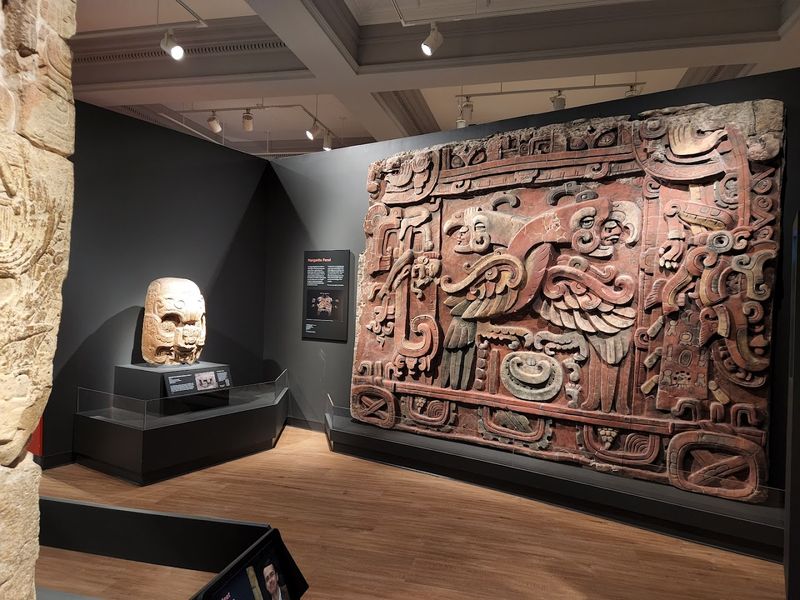
The American Section of the Penn Museum is the largest section in the entire building, which is saying something given the competition. With roughly 300,000 archaeological and ethnographic specimens spanning from Alaska to Argentina, it represents one of the most comprehensive collections of material culture from the Western Hemisphere under one roof.
The Maya monuments are the undisputed stars here. The Penn Museum holds the largest collection of Maya stone stelae in the United States, with towering carved monuments that once stood in ceremonial plazas across Central America.
Their scale and the density of carved glyphs covering their surfaces make them genuinely hard to walk away from quickly.
Gold pieces from ancient Panama and Costa Rica, along with artifacts from Aztec, Oaxacan, and Teotihuacano cultures, round out a section that rewards slow, curious exploration. A Native American historian curated portions of this section, bringing a depth of cultural perspective that elevates the experience well beyond a standard display of objects.
African Artistry Spanning 21 Countries
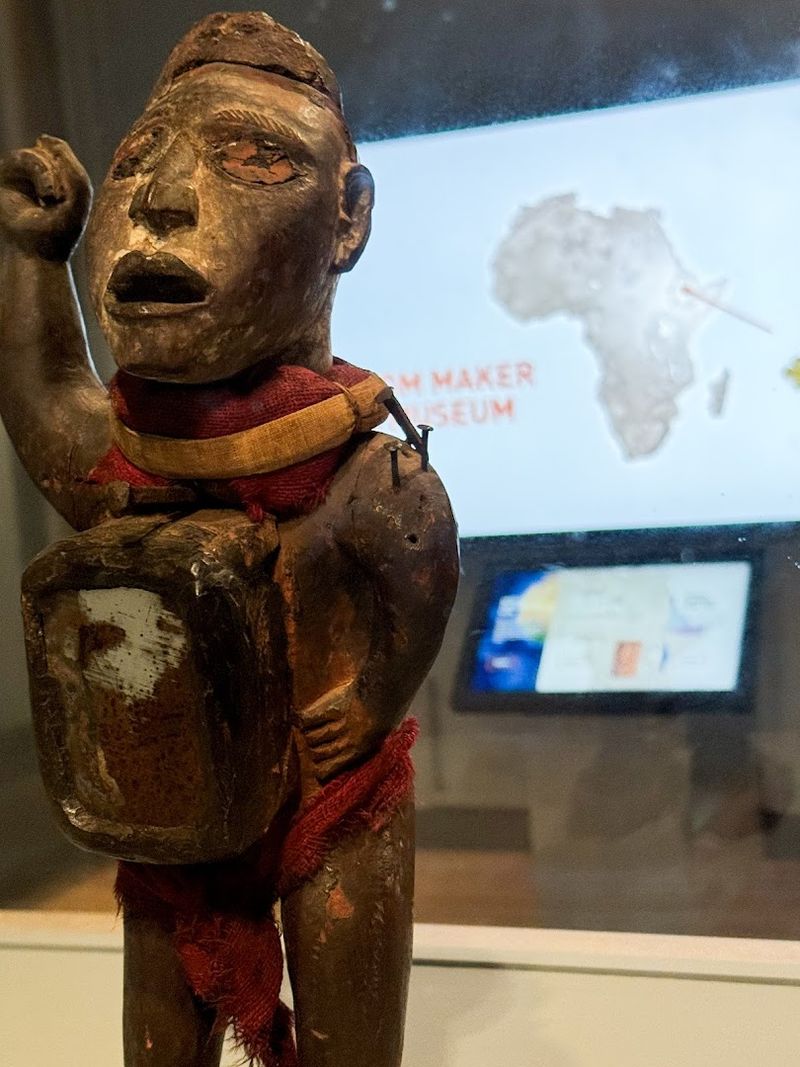
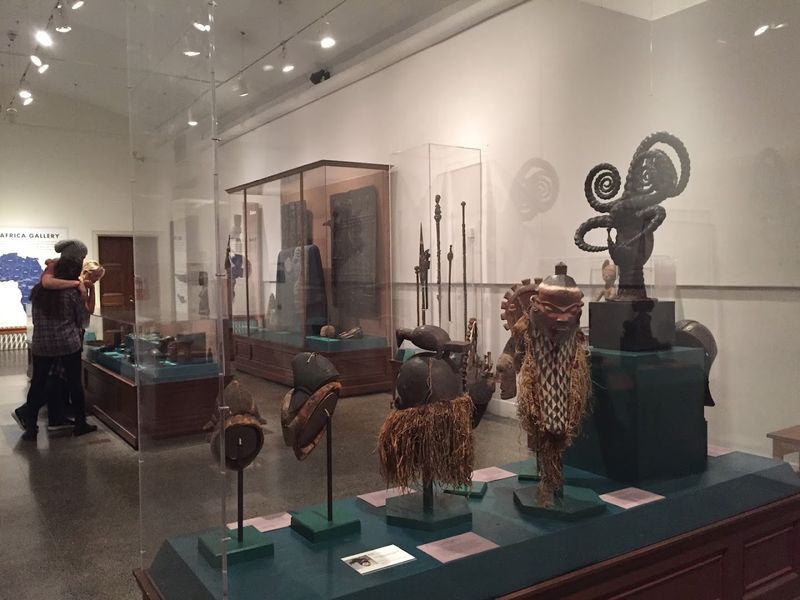
Twenty thousand objects from 21 African countries make up one of the largest collections of African ethnographic and archaeological material in the United States. The Penn Museum’s African Collection draws heavily from the Democratic Republic of the Congo, Gabon, and Angola, but its reach extends far beyond any single region.
Kuba textiles with their geometric precision, carved ivory pieces of extraordinary craftsmanship, and Ashanti gold beads sit alongside Sherbro masks that carry centuries of ritual significance. The collection’s most historically charged item may be a 16th-century plaque from the Benin Royal Palace in present-day Nigeria, a piece that carries complex questions about cultural heritage and the global movement of objects through colonial-era collecting.
The museum does not shy away from those questions entirely, though some visitors feel more transparency about provenance would enrich the experience further. What is not in question is the visual and cultural power of the objects themselves, each one representing a distinct tradition of human creativity that deserves more than a passing glance.
Greek, Roman, and Etruscan Worlds Under One Ceiling
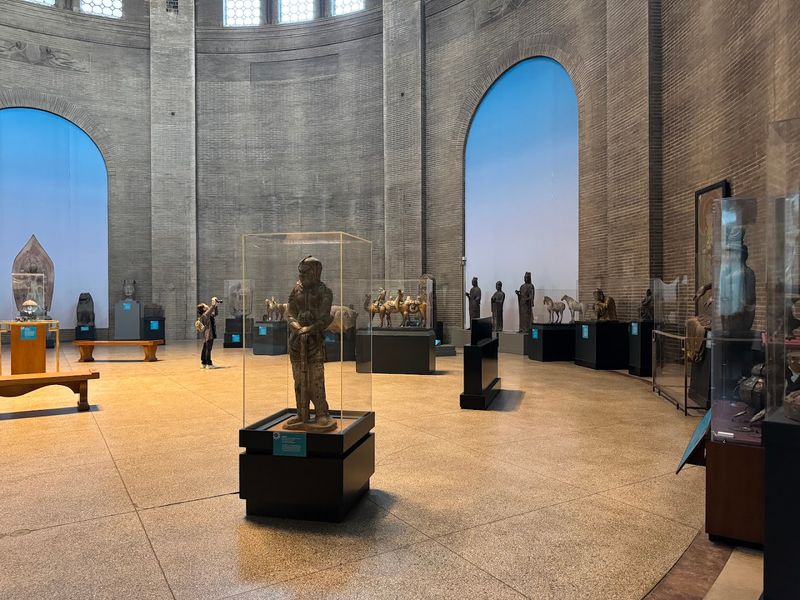
Around 34,000 objects from Greek, Roman, Etruscan, Cypriot, and Bronze Age Aegean cultures fill the Mediterranean Section, and the variety is genuinely impressive. Painted Greek pottery lines the cases with scenes of mythology and daily life rendered in striking black and red figures, while Roman marble sculptures carry the kind of confident realism that made the empire’s artistic output so enduring.
The Etruscan material tends to surprise visitors who are less familiar with that civilization, offering a window into a sophisticated culture that flourished in central Italy long before Rome dominated the region. Cypriot objects add another layer of complexity, reflecting the island’s position as a cultural crossroads between the Eastern Mediterranean and the broader ancient world.
One visitor described the Roman and Etruscan exhibits as their personal favorites in the entire museum, and it is easy to understand why once you spend time with the detail and variety on display. The Mediterranean Section has a way of making ancient European history feel immediate rather than remote, and that is a trick not every museum manages to pull off.
Chinese Stone Horses and Asia’s Ancient Legacy
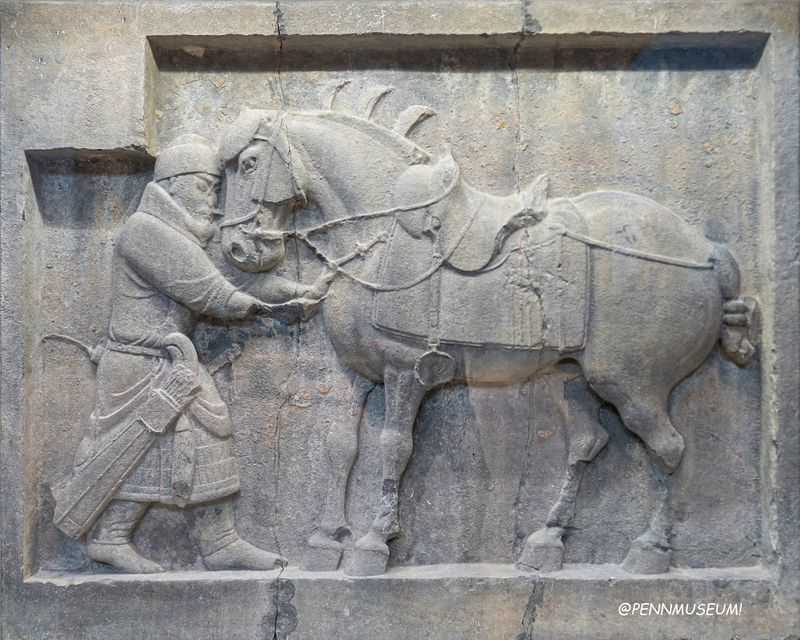
The Asian Section holds over 25,000 objects from across the continent, but two pieces in particular have earned a reputation that reaches well beyond Philadelphia. A pair of stone horse reliefs, originally carved during the Tang Dynasty, are considered among the most important examples of Chinese sculpture outside of China itself, and standing in front of them carries a weight that is hard to put into words.
The collection extends across multiple Asian cultures and time periods, covering a geographic range that stretches from South Asia through East and Southeast Asia. Objects include ceramics, metalwork, textiles, and ritual items that document the richness and diversity of Asian artistic traditions across thousands of years.
The museum acquired many of these pieces through its own archaeological expeditions, which means the objects come with documented contexts rather than murky histories. That distinction matters more than casual visitors might initially realize, and it is part of what gives the Penn Museum’s collections a credibility that sets them apart from institutions built primarily through art market purchases.
The Architecture Deserves Its Own Attention
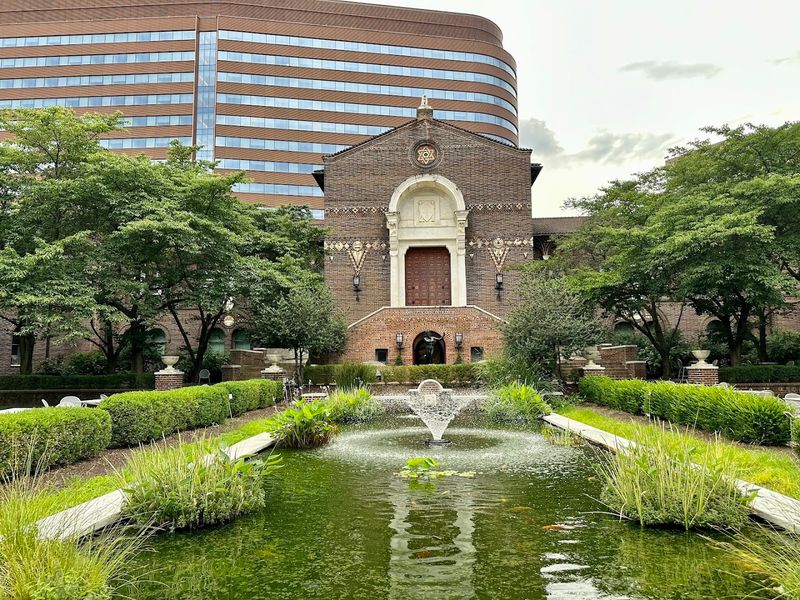
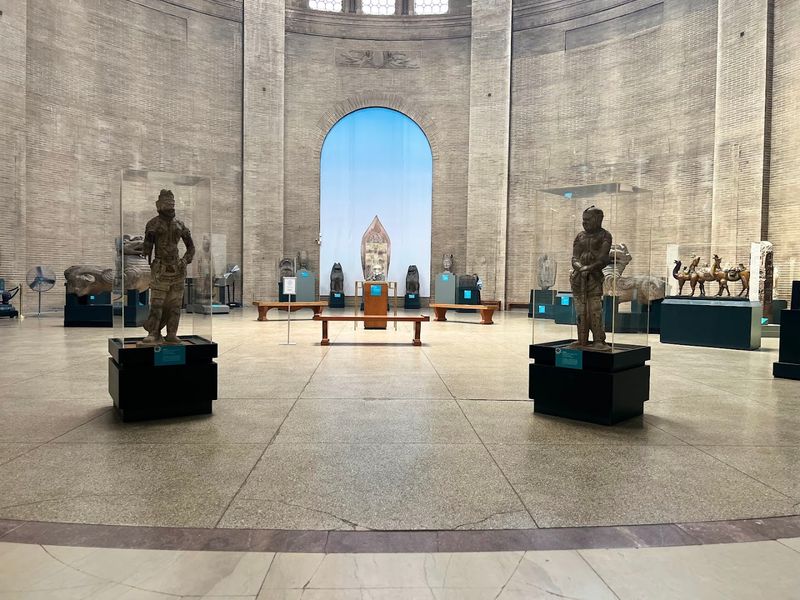
Before a single artifact captures your attention, the building itself earns a long look. The Penn Museum’s architecture blends Beaux-Arts grandeur with unexpected details, including a Chinese-inspired rotunda that sits at the heart of the structure and draws the eye upward in a way that feels almost theatrical.
The dome from the inside, as multiple visitors have noted, is genuinely spectacular.
The courtyard areas offer a calm contrast to the gallery interiors, with landscaped outdoor spaces that invite a pause between exhibits. The historic academic atmosphere of the building reflects its origins as a research institution, and that scholarly character gives the whole visit a tone that feels substantive rather than purely entertainment-driven.
Expert-Led Tours and Hands-On Learning
The Penn Museum is not a place where the learning stops at the label beside each object. Expert-led tours run regularly, and some are guided by actual professors of archaeology who turn a walk through the galleries into something closer to a private lecture from someone who has spent decades thinking about these civilizations.
One visitor described joining a tour with an archaeology professor and finding it felt like a fun history lesson that happened to include some of the most remarkable objects they had ever seen in person. The museum also posts knowledgeable staff at stations throughout the galleries, ready to answer questions and share context that the exhibit labels alone cannot fully provide.
Hands-on activity rooms are available for younger visitors and school groups, making this a particularly strong destination for field trips. The staff’s patience with student groups has earned consistent praise, and the interactive elements help younger visitors connect with material that might otherwise feel abstract.
Guided tours are available at an additional cost beyond the general admission ticket.
Practical Tips for Getting the Most From Your Visit
A few pieces of practical knowledge can make the difference between a rushed visit and a deeply satisfying one. Plan on spending at least two to three hours to cover the main galleries properly, and keep in mind that the museum cafe closes at 3 PM, so timing a lunch break accordingly saves some frustration.
The gift shop stays open through closing time and carries an appealing range of items including jewelry, books, chocolates, and culturally inspired souvenirs.
Tickets can be purchased online in advance, which is useful during busy periods, though walk-in entry is generally available. The parking garage next door charges around $28 for a full afternoon, so factor that into your budget if driving.
Street parking in the area is limited and unreliable.
The museum is fully wheelchair accessible, and the layout is calm and easy to navigate at your own pace. Winter visits tend to draw smaller crowds, which allows for a more contemplative experience with the collections.
Some gallery renovations are ongoing, so checking the museum’s website at penn.museum before your visit helps you know what is currently on display.
A Living Research Institution With More to Discover
Most museums display what others have found. The Penn Museum actively sends its own researchers into the field, continuing a tradition of archaeological expeditions that began in the 1880s and has never really stopped.
That distinction shapes the entire character of the institution, giving the collections a depth of documented context that purely acquisitive museums cannot replicate.
Founded in 1887 as a partnership between the University of Pennsylvania and a group of civic leaders, the museum has grown into one of the largest university museums in the United States, with over one million objects in total. The Oceanian Collection alone holds more than 22,000 pieces, a reminder that the museum’s reach extends to parts of the world that rarely appear in mainstream archaeological narratives.
New research, new exhibits, and ongoing conservation work mean the museum is always evolving rather than standing still. The upcoming Egypt Galleries opening in December 2026 represents just one chapter in what has been a remarkably continuous story of discovery, and if the past 130-plus years are any indication, the next chapter will be worth the wait.
Share this story