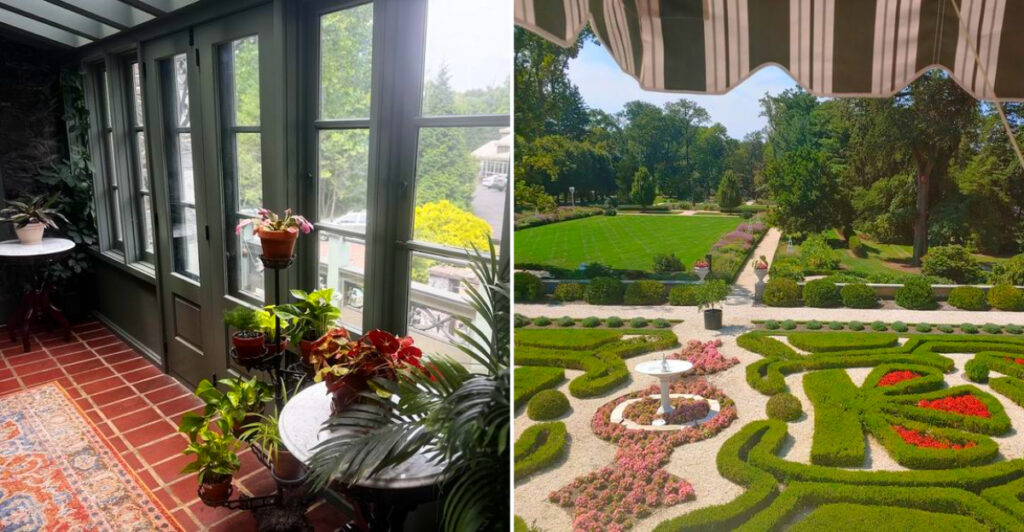
Few places in Wilmington offer such a striking glimpse into the 19th century as this 72-acre Gothic Revival estate. Built in 1851, it combines a historic mansion filled with original furnishings, six acres of Victorian gardens, and a collection of attractions that go far beyond a typical house museum.
Visitors can explore the conservatory, stroll through specialty gardens, attend ghost tours and murder mystery events, and discover the stories of the du Pont family that shaped the property. With so much history and activity packed into one estate, it remains one of Delaware’s most fascinating and often overlooked destinations.
Where the Estate Actually Sits and How to Find It
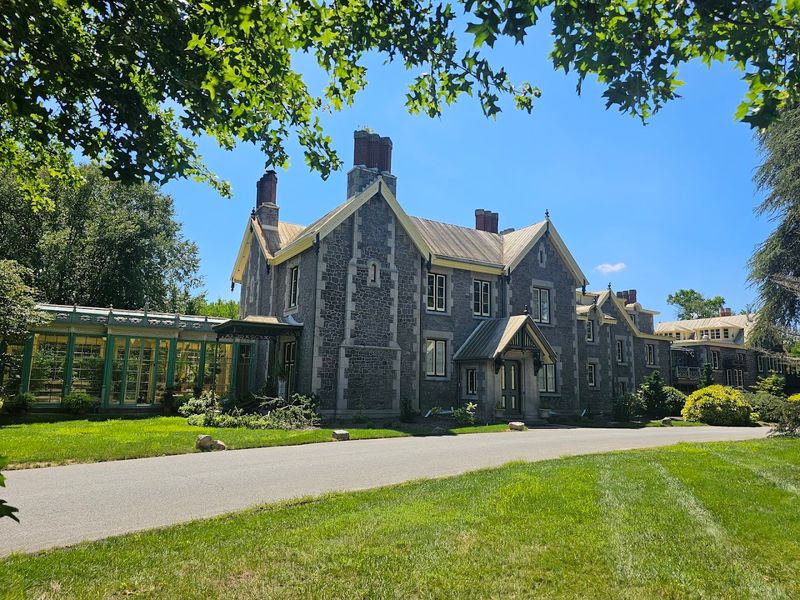
Most people in Wilmington have heard the name, but far fewer have actually made the turn off Washington Street Extension to see what is behind the trees. Rockwood Park and Museum sits at 4651 Washington Street Extension, Wilmington, DE 19802, tucked into the northern edge of the city in a way that makes it feel genuinely removed from the surrounding neighborhoods.
The 72-acre site is managed by New Castle County, Delaware, and the park grounds are open daily from dawn to dusk at no charge. The mansion itself opens Thursday through Saturday from 10 AM to 4 PM and on Sundays from noon to 4 PM, so it pays to check the schedule before you visit.
You can reach the museum by phone at 302-761-4340, and the official website at nccde.org has current tour times and event listings. Parking is free and plentiful, which is a small but genuinely appreciated detail when you are planning a relaxed afternoon out.
The Architect, the Merchant, and the Vision Behind the Mansion
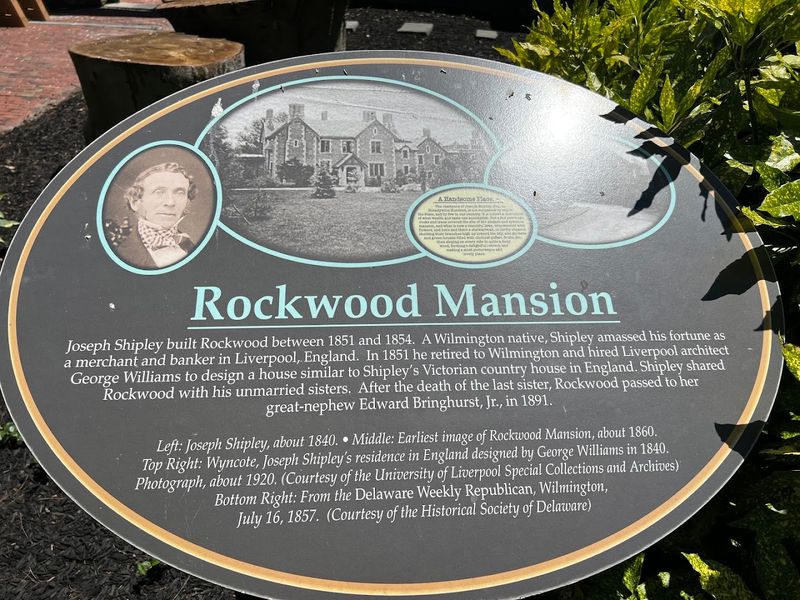
Every old house has an origin story, and the one behind Rockwood Mansion is more transatlantic than most American historic homes. Joseph Shipley was a Philadelphia-born merchant who spent decades conducting business in Liverpool, England, and fell deeply in love with the English countryside aesthetic while he was there.
When Shipley returned to Delaware in the 1850s, he commissioned British architect George Williams to design a home that captured that English rural character. Construction ran from 1851 to 1857, and the result was a mansion modeled after the sensibility of an English country estate near Wyncote, outside Liverpool.
Williams designed the building in the Rural Gothic Revival style, which was fashionable for private country estates in mid-19th century Britain and America. Shipley wanted something that felt rooted and naturalistic rather than grand and symmetrical, and that original intention still comes through clearly when you stand in front of the building today and take it all in.
Reading the Rooflines: What Makes the Architecture So Unusual
Gothic Revival buildings in America usually fall into two camps: the churchy kind with tracery, pinnacles, and vertical drama, and the domestic kind that borrows the pointed arch without the ecclesiastical theatrics. Rockwood belongs firmly to the second group, and it does so with an authenticity that sets it apart from most American examples of the style.
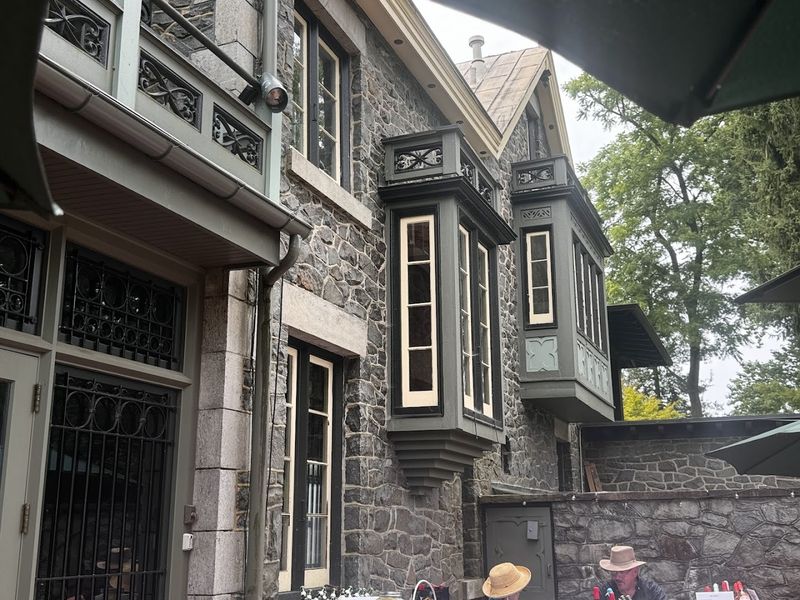
The mansion features an asymmetrical layout with irregular massing, multiple rooflines that shift and vary as you walk around the building, pointed arches over windows and doorways, and projecting gables that give the structure a restless, organic silhouette. There is no attempt at the classical symmetry that dominated American architecture at the time.
What makes this building particularly notable among historians is how purely English its interpretation of the style is, rather than the Americanized version that was more common here. That fidelity to its source material is a big part of why Rockwood was added to the National Register of Historic Places in 1976, and why architectural enthusiasts still make special trips to see it.
Stepping Inside: Original Furniture, Family Portraits, and Frozen Time
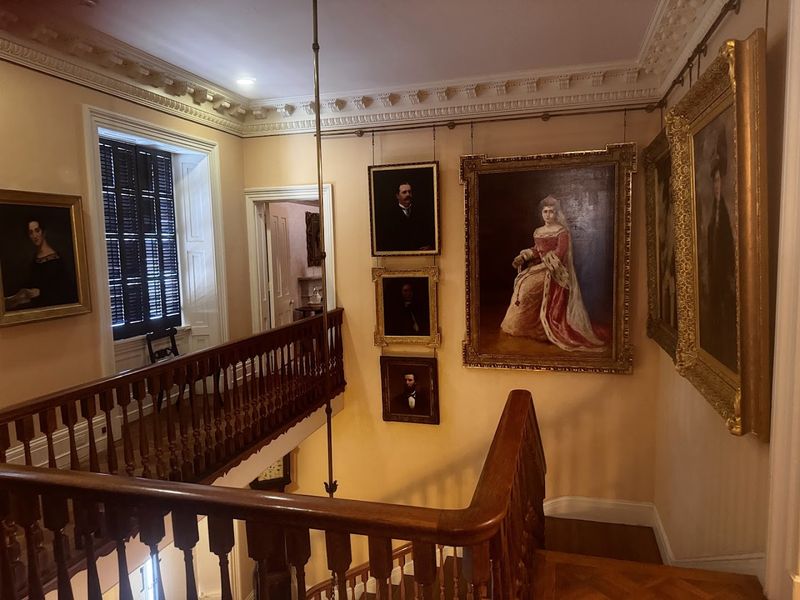
The inside of Rockwood Mansion is the kind of place that makes you want to lower your voice without anyone asking you to. Much of what you see on a tour is original to the house, including furniture that Joseph Shipley imported from England, family portraits, clothing, and decorative objects that the Bringhurst family, Shipley’s descendants, accumulated through the late 19th and early 20th centuries.
The interior largely reflects the 1890s, when the Bringhursts were in residence, and the layers of family life are visible in almost every room. There are wardrobes with period clothing still inside, artwork that has hung on the same walls for over a century, and small personal objects that make the house feel inhabited rather than staged.
The staircase and the conservatory consistently draw the most attention from visitors, and the second-floor atrium off the main bedroom is the kind of architectural detail that stops you mid-sentence. Tours are available as guided group experiences or self-guided with a modest admission fee, and the knowledgeable staff bring the family history to life with real enthusiasm.
Six Acres of Victorian Landscape That Took 70 Years to Plant
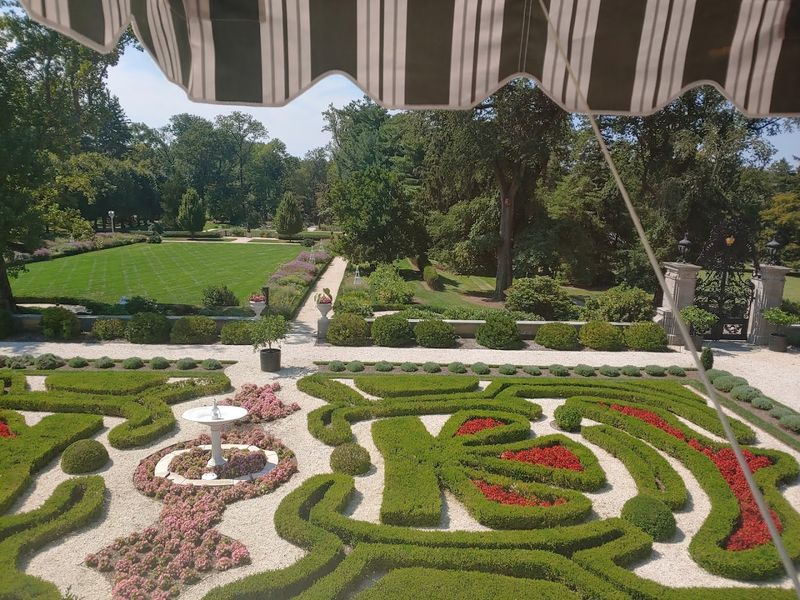
The gardens at Rockwood are not an afterthought to the mansion. They are an essential part of what Shipley was trying to create, and they represent a design philosophy that was very specific and very deliberate.
The six-acre historic garden follows the Gardenesque principles popular in Victorian England, which meant imitating nature through rolling lawns, sweeping vistas, curving paths, and carefully placed trees and shrubs rather than formal geometric beds.
Shipley had a genuine passion for exotic horticulture, and the heritage garden is primarily populated by trees and shrubs that he and the Bringhursts collected between 1851 and 1920. That is nearly 70 years of intentional planting, and the maturity of those specimens today gives the landscape a depth and grandeur that newer gardens simply cannot replicate.
Within the six acres, there is a Pleasure Garden featuring rare ornamental trees and an Apothecary Garden designed to engage the senses through texture, scent, and form. The fact that this landscape has remained largely unchanged for roughly 170 years is the quiet miracle that makes Rockwood so worth visiting beyond the mansion itself.
The Conservatory That Bridges the House and the Garden
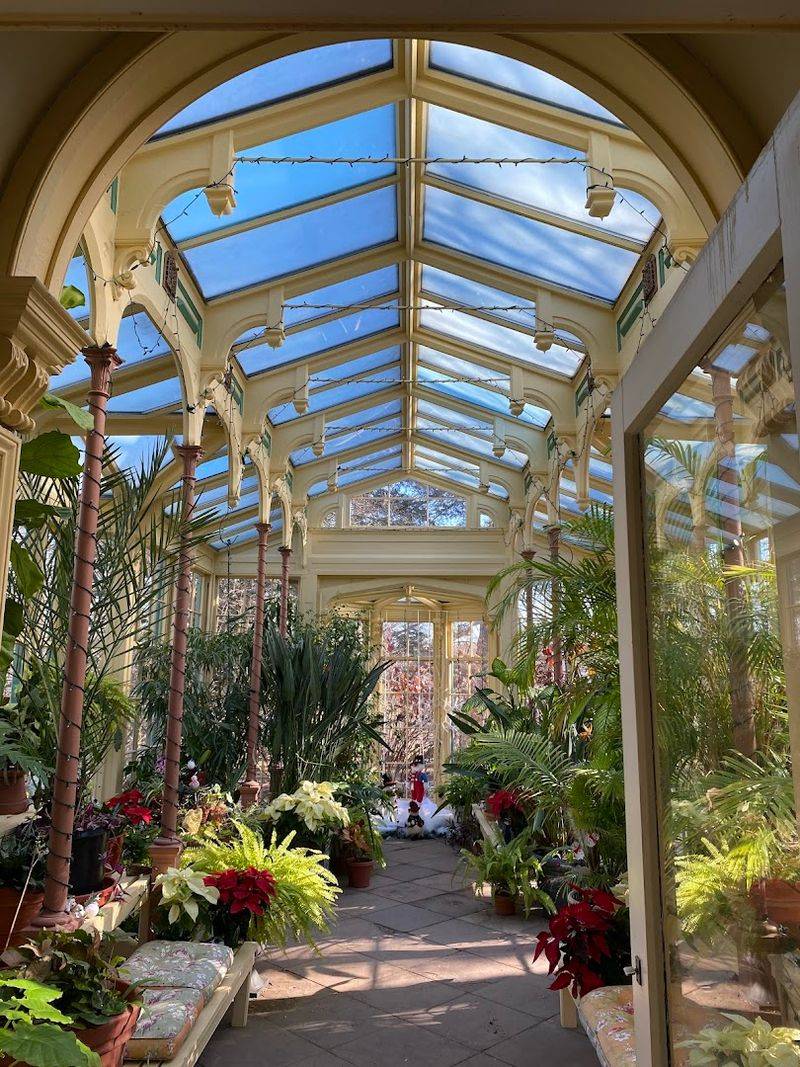
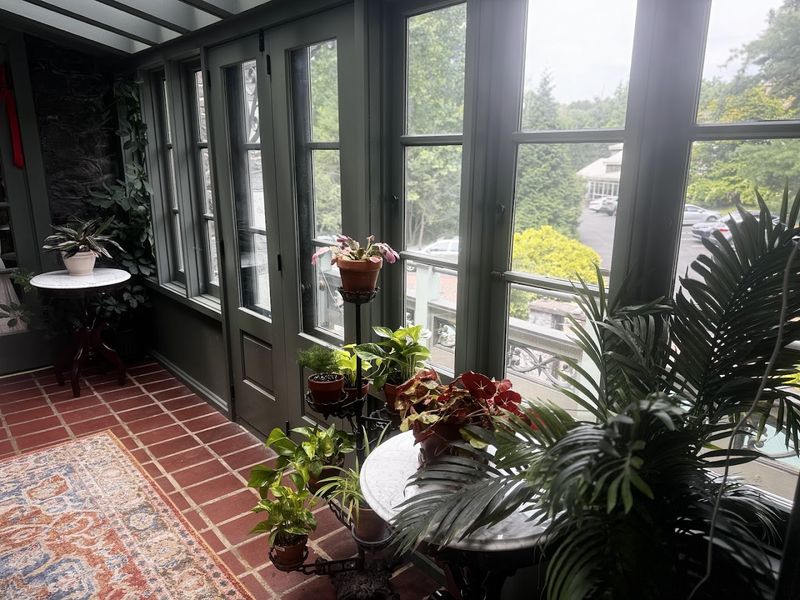
One of the features inside Rockwood that consistently surprises first-time visitors is the conservatory, a glass-enclosed space that connects the interior world of the mansion to the gardens outside in a way that feels both practical and poetic. Conservatories were a mark of serious horticultural interest in Victorian households, and Shipley’s inclusion of one here fits perfectly with his broader obsession with plants and landscape.
The space has a particular quality of light that changes depending on the season and the time of day, and it sits in a part of the house where the boundary between indoors and outdoors genuinely blurs. For a man who had spent years admiring English country houses, a conservatory was less a luxury than a necessity.
It is also simply a beautiful room to stand in, and the kind of detail that reminds you how thoughtfully this entire estate was conceived. The conservatory connects to the broader story of the house in a way that makes it one of the most memorable stops on any tour of the mansion, and visitors often linger there longer than anywhere else.
Ghost Tours, Paranormal Programs, and a Mansion With a Reputation
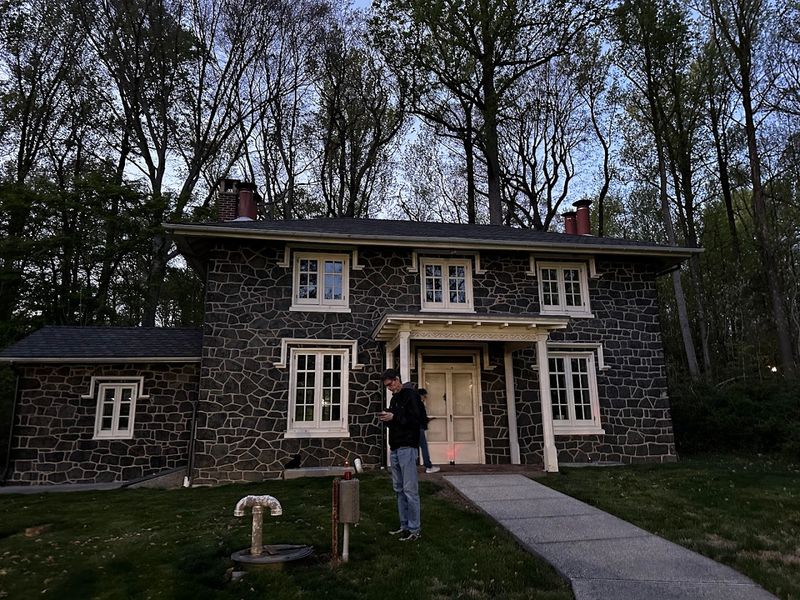
Not every historic mansion has appeared on two paranormal television programs, but Rockwood has that distinction. The estate has been featured on both “My Ghost Story” and “Ghost Hunters,” and its reputation for unexplained activity has made it a destination for visitors who are drawn to history with a side of the unexplained.
The museum leans into this aspect of its character with genuine creativity. Ghost tours run seasonally and offer a completely different way to experience the estate after dark, with the Gothic architecture and mature tree canopy doing most of the atmospheric heavy lifting without any need for artificial drama.
There is also a Revisionist Ghost Stories tour that has become particularly popular in the fall, where actors perform five different stories along a dimly lit path through the grounds over the course of about an hour. It is theatrical, engaging, and atmospheric without being cheap or gimmicky.
If you have ever wanted to experience a Victorian Gothic estate at night with a good story being told around you, this tour is the version of that experience worth seeking out.
Murder Mysteries, Ice Cream Festivals, and a Calendar Full of Surprises

One thing that sets Rockwood apart from many historic house museums is the sheer range of programming the site hosts throughout the year. This is not a place that dusts off its furniture for occasional tours and calls it done.
The events calendar at Rockwood runs from ice cream festivals in summer to light shows in winter, with murder mysteries, yoga sessions, watercolor classes, educational talks, theatrical performances, and community gatherings filling the months in between.
The Annual Old-Fashioned Ice Cream Festival is a particular favorite, drawing large crowds to the grounds with shuttle buses running continuously from offsite parking. The murder mystery self-guided tour, which comes with paid mansion admission, is clever and genuinely fun, especially for groups visiting together.
The Christmas season brings decorated rooms inside the mansion and an outdoor light display that transforms the grounds into something quite different from the daytime experience. Calling ahead or checking the website before your visit is genuinely worthwhile, because catching one of these events turns a good afternoon into a memorable one that you will want to repeat.
72 Acres of Trails That Connect to a Larger Greenway
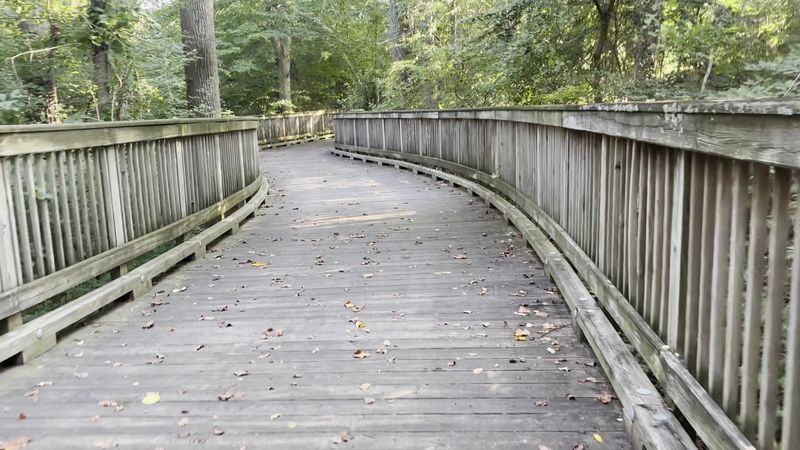
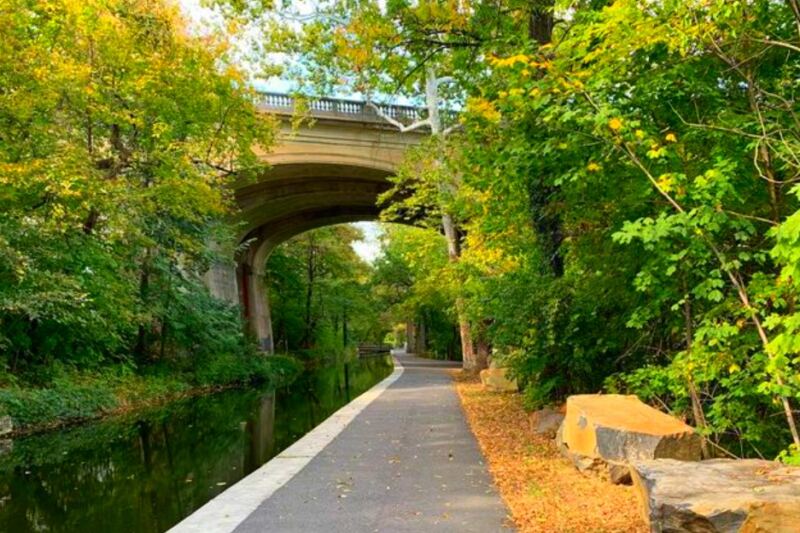
The mansion and gardens are the headline, but the 72 acres of parkland surrounding them deserve their own paragraph. Rockwood sits along the Northern Delaware Greenway Trail, which connects Belleville State Park, Rockwood, Alapocas State Park, and Brandywine Park in a continuous green corridor that runs through some of the most scenic parts of Wilmington.
The trails at Rockwood itself are well-maintained with clear markings, and the mix of paved paths and wooded sections makes the park accessible for a range of fitness levels. The grounds are also dog-friendly, with water bowls set out along the trails, which is the kind of small detail that tells you a lot about how the park is managed.
Fall is a particularly rewarding season to walk the trails, when the mature trees that line the paths turn and the light filters through the canopy in that specific way that makes you slow down automatically. The park grounds are free to enter every day from dawn to dusk, making this one of the more accessible green spaces in the Wilmington area for a spontaneous afternoon walk.
What the Oval Signs Along the Path Actually Teach You
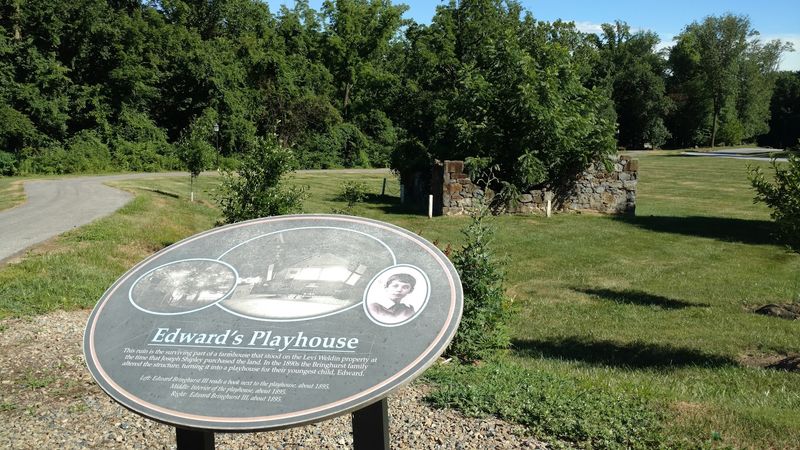
One of the quieter pleasures of walking the grounds at Rockwood is the series of oval informational signs placed at key points along the paths and throughout the garden. These are not generic park plaques.
They are specific, well-written, and genuinely informative, covering individual trees, garden design principles, historical events connected to the estate, and details about the families who shaped the landscape.
For anyone visiting with children, the signs create a natural pacing to the walk that keeps younger visitors engaged without requiring a formal tour structure. For adults who prefer to explore independently, they provide enough context to make the grounds feel like a curated experience rather than just a walk through a pretty park.
The heritage trees in particular benefit from this signage, because many of the specimens Shipley and the Bringhursts planted are rare or unusual varieties that you would not recognize without some guidance. Reading your way around the garden is a surprisingly satisfying way to spend an hour, and it adds a layer of meaning to what you are looking at that a casual stroll alone would miss.
Practical Tips for Getting the Most Out of Your Visit
A few practical notes can make the difference between a good visit and a great one at Rockwood. The mansion is open Thursday through Saturday from 10 AM to 4 PM and on Sundays from noon to 4 PM, and it is closed Monday through Wednesday, so plan accordingly.
Admission for a self-guided tour is modest, around ten dollars, and buying tickets online in advance is the smoother option, though walk-in purchase is usually possible.
The park grounds surrounding the mansion are free and open every day from dawn to dusk, so even if the mansion is closed on the day you visit, the gardens and trails are still fully accessible. Parking is free and spacious, and the site is dog-friendly throughout the grounds.
For the best overall experience, consider timing your visit around one of the seasonal events listed on the museum website. The staff are consistently described as knowledgeable and welcoming, and the combination of the mansion tour with a walk through the Victorian garden afterward makes for a well-rounded afternoon that covers history, architecture, horticulture, and a good deal of quiet beauty in a single outing worth repeating across different seasons.
Share this story