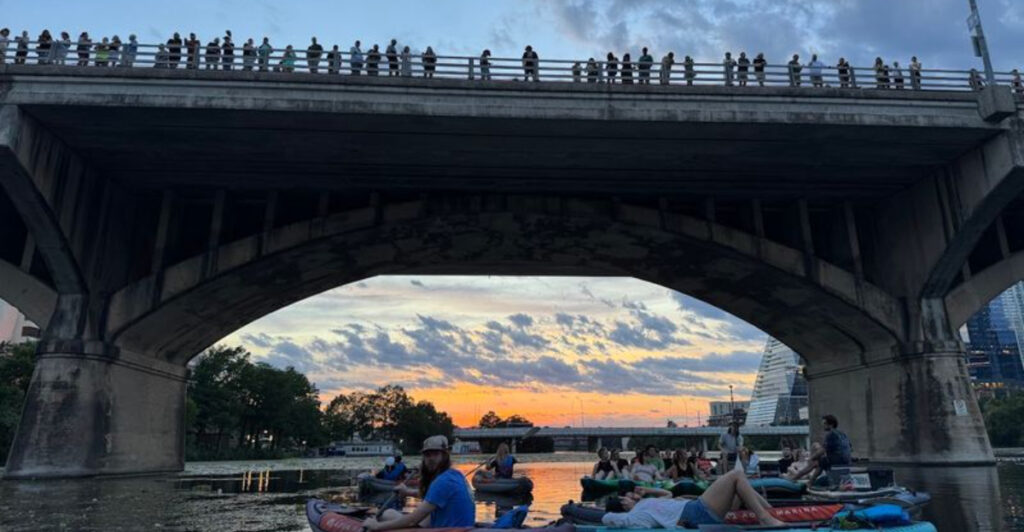
Every evening, just before the sun dips below the Austin skyline, something extraordinary unfolds beneath the Congress Avenue Bridge. Up to 1.5 million Mexican free-tailed bats burst out from under that bridge in a swirling, living column that stretches across the sky for nearly an hour.
It is the largest urban bat colony in North America, and watching it from the water on a guided pontoon tour is a completely different experience from standing on the bridge with the rest of the crowd. This article walks you through everything you need to know about Austin Bat Tours, from what to expect on the boat to the best time of year to go, so you can plan a visit that actually delivers on the spectacle everyone talks about.
The Congress Avenue Bridge and Its Famous Residents
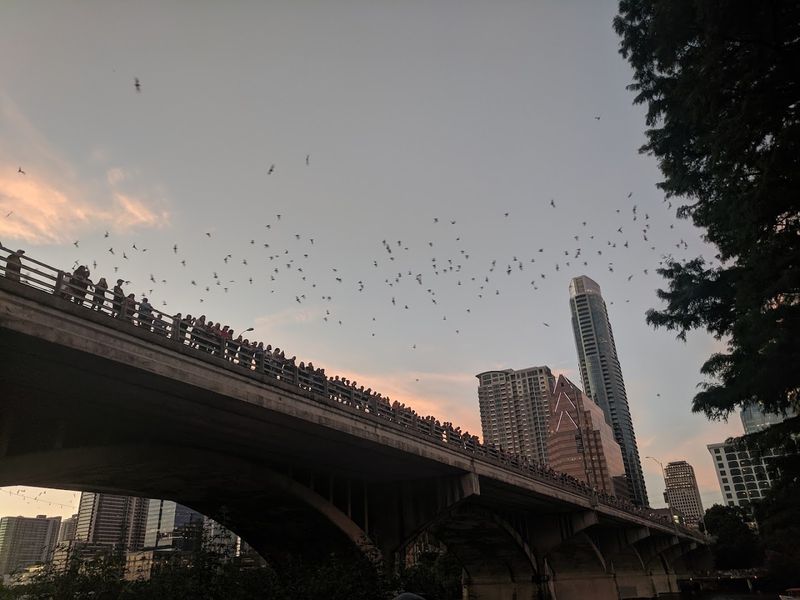
Few city bridges in the world double as a wildlife sanctuary, but the Congress Avenue Bridge in Austin, Texas pulls it off every single night from late spring through early fall.
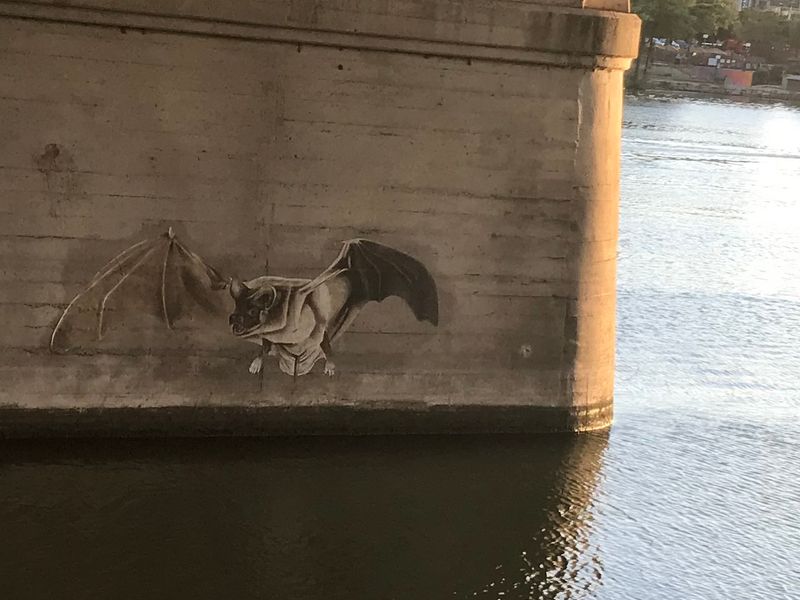
The bridge spans Lady Bird Lake and serves as the warm-season home to roughly 750,000 to 1.5 million Mexican free-tailed bats. They roost in the expansion joints underneath the bridge structure, tucked tightly together in a space that most people walk right over without a second thought.
The colony first moved in during the 1980s after a renovation created ideal roosting gaps in the concrete. What started as a nuisance concern quickly became one of Austin’s most celebrated natural events.
Locals and visitors now gather every evening to witness the nightly flight, and the city has fully embraced these creatures as part of its identity.
Where Austin Bat Tours Is Located and How to Find It
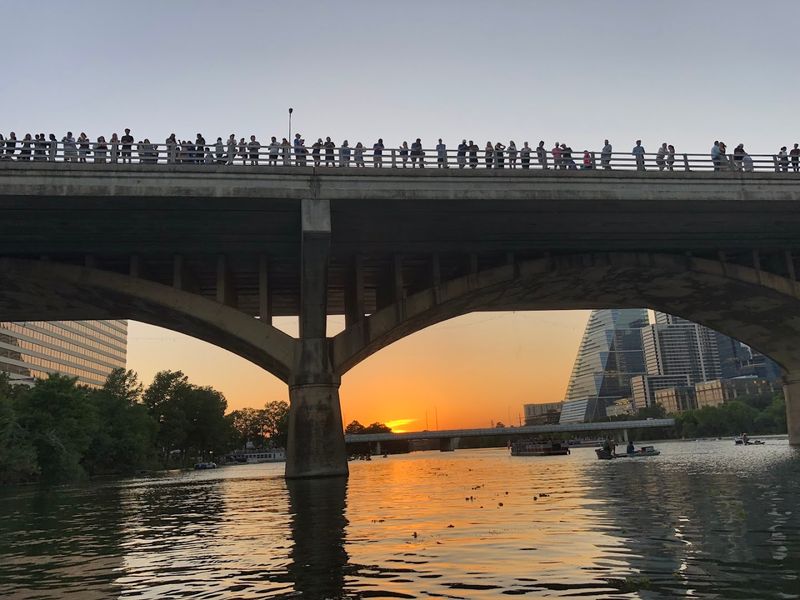
Austin Bat Tours operates out of 100 S Congress Ave, Austin, TX 78704, right at the heart of downtown Austin near the southern bank of Lady Bird Lake.
The location puts you within easy walking distance of South Congress Avenue shops and restaurants, so arriving early and exploring the neighborhood before your tour is genuinely worth the extra time. Parking can be tight in this part of downtown, so planning ahead helps a lot.
A public parking garage sits just a few blocks away, and the walk to the water is short and straightforward. The tour company runs seven days a week, opening at 9 AM and operating tours through 10 PM, which means evening bat flight tours fit neatly into the schedule.
Check their website at austinbattours.com for current tour times and availability before you go.
What the Pontoon Boat Experience Actually Feels Like
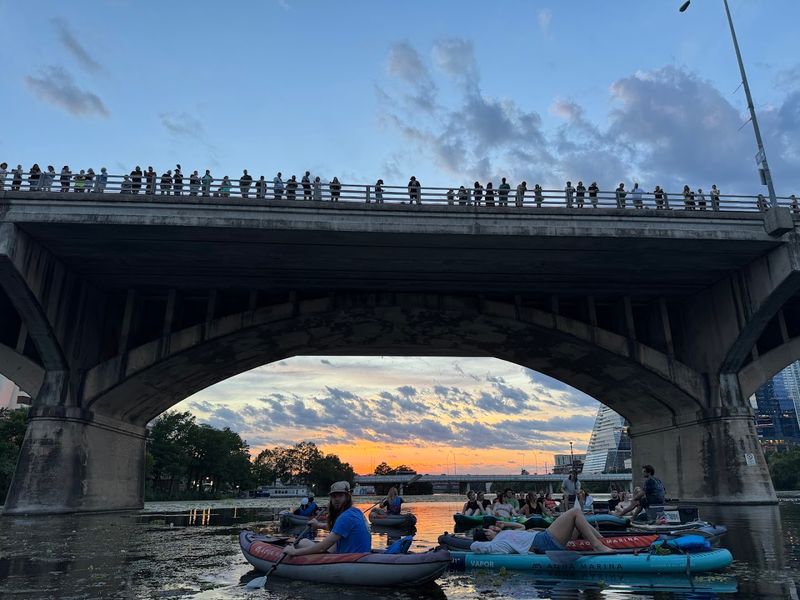
There is something genuinely special about watching the bat emergence from the water rather than from the crowded bridge above.
On the pontoon boat, you get a front-row seat directly beneath the bridge as the bats begin pouring out. The guide maneuvers the boat into position so you are looking up at the underside of the bridge while the colony starts moving.
The sound builds before you even see them, a soft rustling that turns into a steady rush of wings overhead.
The boats are clean and comfortable, and the open layout means everyone on board gets a clear view without craning their necks around strangers. From the water, the bats stream out just above your head, which creates a perspective that no amount of bridge-standing can replicate.
It feels less like sightseeing and more like being inside the event itself.
The Best Time of Year to See the Bats
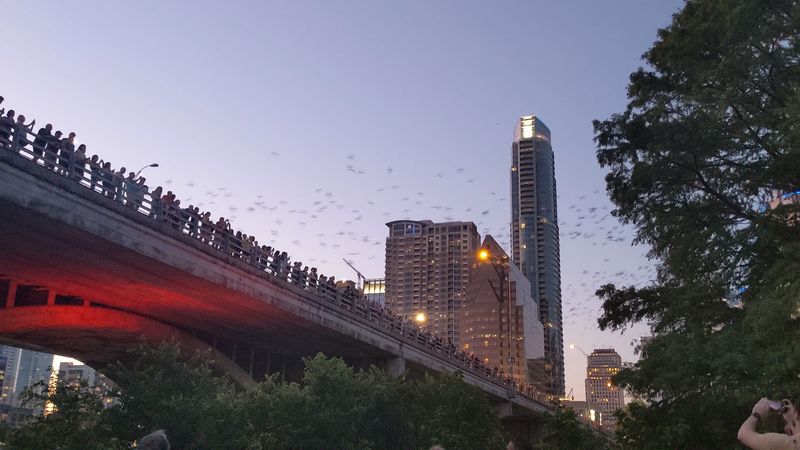
Timing your visit correctly makes a real difference in what you actually see, and not every month delivers the same show.
The bats arrive in Austin in early spring, typically around March, and the colony grows steadily through the season. By late summer, particularly in August and September, the colony reaches its peak numbers because baby bats, called pups, have grown large enough to join the nightly flight.
That combination of adult bats and newly flying youngsters creates the densest, most dramatic emergences of the entire season.
May and June are also strong months, with the colony well established and evenings still warm enough to enjoy from the water. Early season visits in March and April can be hit or miss, as the bats are still settling in.
The colony departs for Mexico in late October or early November, so plan accordingly.
What Time of Evening the Bats Come Out
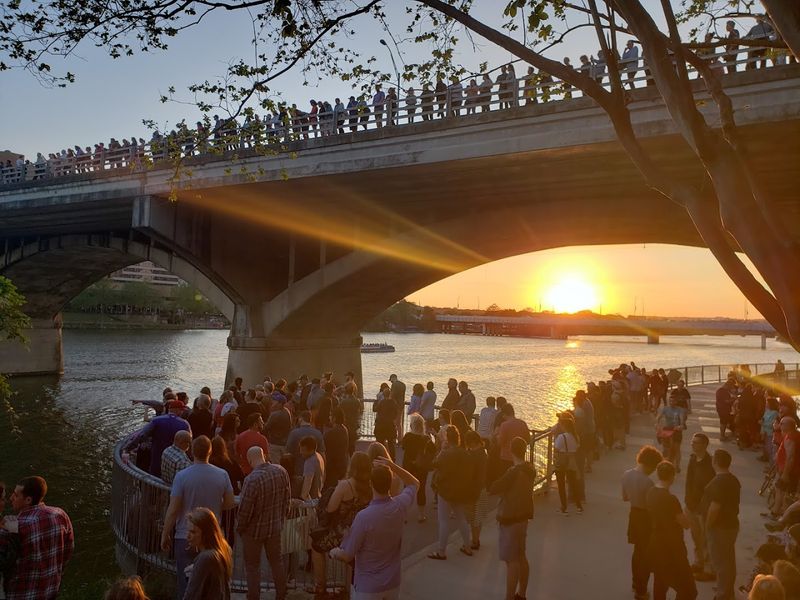
One of the most common questions people ask before visiting is simply: what time do the bats actually fly out?
The emergence is tied to sunset rather than a fixed clock time, so the answer shifts throughout the season. Generally, the bats begin leaving the roost roughly 30 to 45 minutes before full darkness, which means they often start emerging just as the last light is fading from the sky.
In midsummer, that might mean activity beginning around 8:00 to 8:30 PM, while earlier in the season it can start closer to 7:30 PM.
Arriving at least 20 to 30 minutes before the expected emergence is smart, both to secure your spot and to catch the full show from the beginning. The stream of bats can continue for up to an hour, so the early part of the flight is worth being present for, not just the peak.
How the Tour Guide Adds Real Value to the Experience
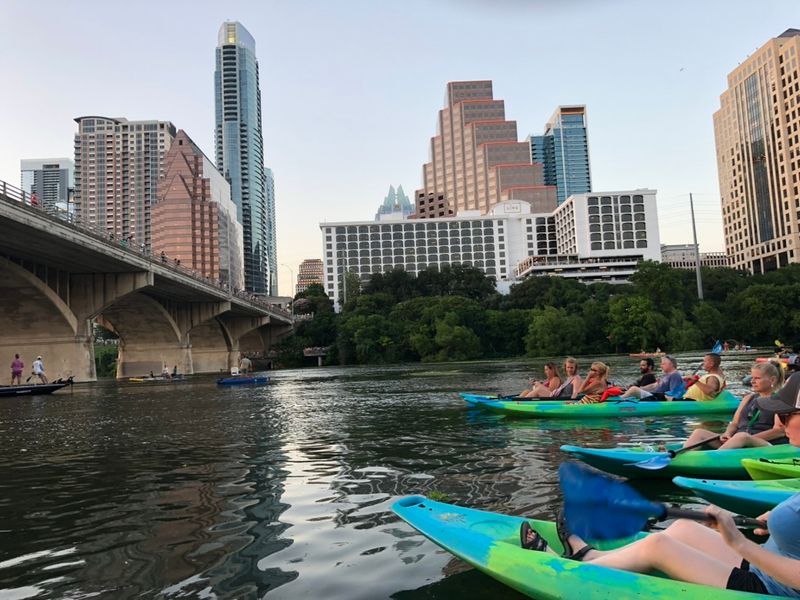
Watching a million bats fly out of a bridge is impressive on its own, but having a knowledgeable guide alongside you transforms the experience from spectacle into something genuinely educational.
Austin Bat Tours guides share the history of how the colony came to live under the bridge, explain the biology of Mexican free-tailed bats, and point out behaviors that most first-time visitors would miss entirely. They also help manage expectations, explaining why the emergence might be smaller on certain nights due to weather, wind, or time of season.
That context matters more than people expect. Knowing that the bats are mothers and pups in summer, or understanding how far these animals travel each night to feed, adds a layer of appreciation that sticks with you long after the tour ends.
A good guide turns a cool moment into a story you actually want to tell people.
The View of the Austin Skyline from the Water
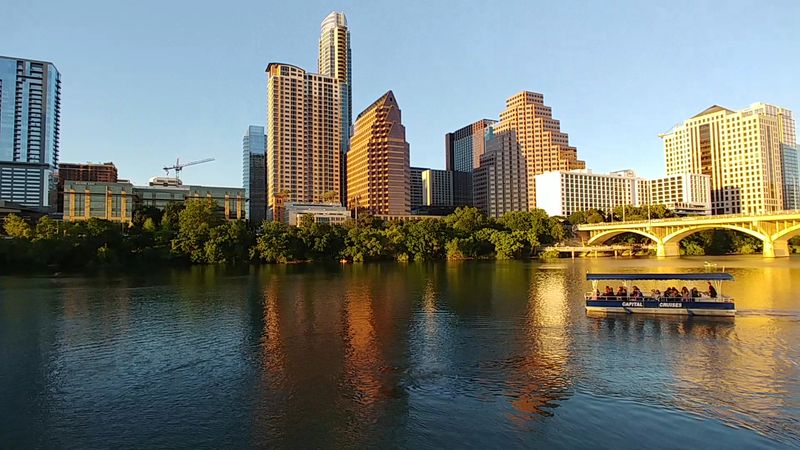
Even before the bats appear, the view from the boat earns its keep on its own terms.
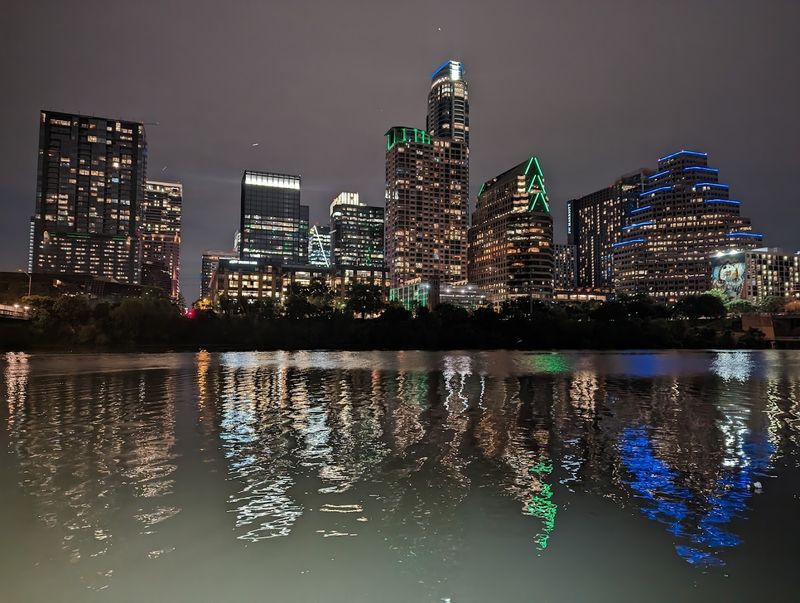
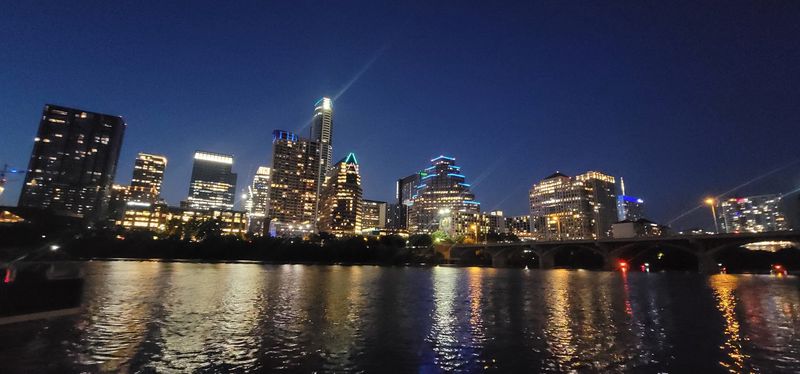
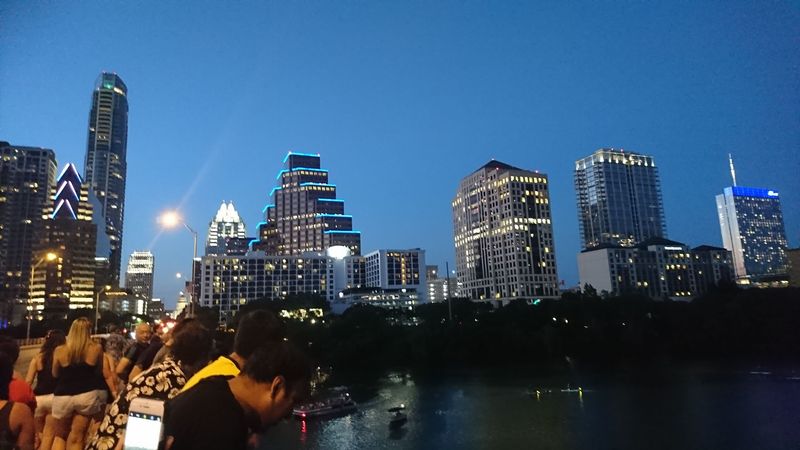
Lady Bird Lake sits at the base of downtown Austin, and from the water, the skyline looks genuinely striking at sunset. The glass towers catch the last light of the day while the Colorado River stays calm and reflective, creating a scene that feels far removed from the busy streets just a few blocks away.
The Congress Avenue Bridge frames the skyline nicely from certain angles on the water.
Tour guides often take the boat around the lake before the emergence begins, giving passengers a chance to enjoy the city views and take photos with the skyline as a backdrop. It is the kind of bonus that makes the tour feel like two experiences wrapped into one, a scenic lake cruise followed by one of the most unusual wildlife displays in any American city.
Watching from the Bridge vs. Watching from the Boat
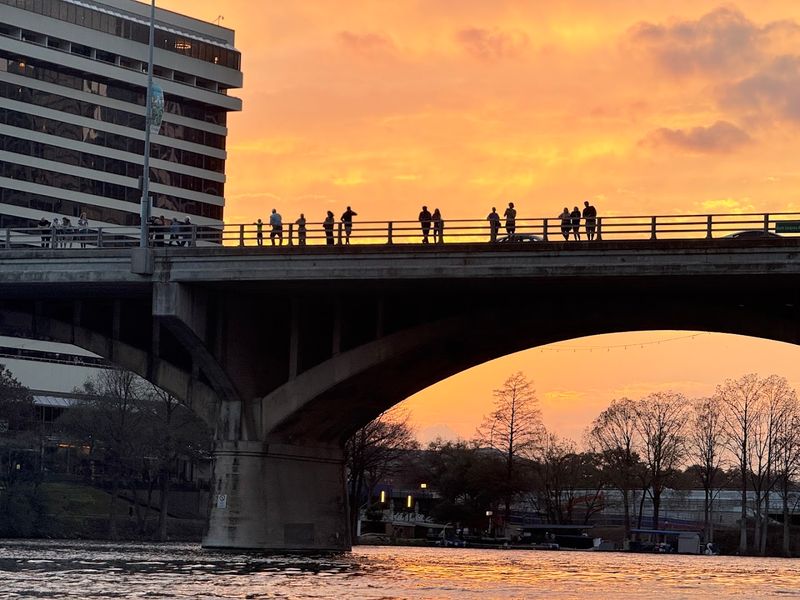
Both perspectives have their merits, but they deliver noticeably different experiences, and knowing the difference helps you choose the right one for your group.
Standing on the bridge puts you above the action. You can see the bats streaming out from the sides and watch the column form as it rises into the open sky.
The crowd up there can get thick, especially on summer weekends, and securing a good railing spot requires arriving early. The grassy area near the base of the bridge also offers solid views of the early emergence.
From the boat, you are underneath the bridge as the bats exit, which means they fly directly over your head at close range. The water-level perspective makes the sheer volume of bats feel overwhelming in the best possible way.
For anyone who wants to feel genuinely immersed in the event rather than just observing it from a distance, the boat wins without question.
Mexican Free-Tailed Bats: The Stars of the Show
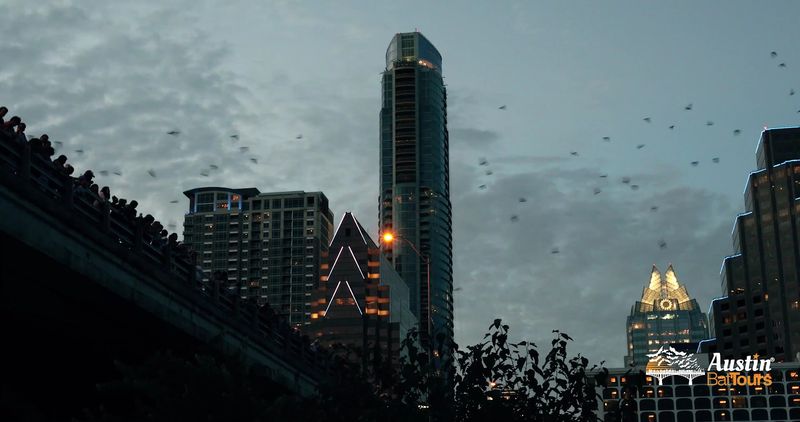
The bats that pour out from under the Congress Avenue Bridge every evening are Mexican free-tailed bats, a species that is both fascinating and enormously beneficial to the surrounding ecosystem.
Each bat can consume up to two-thirds of its body weight in insects every single night, which means the Austin colony collectively eats hundreds of tons of agricultural pests and mosquitoes per season. Farmers across Central Texas benefit directly from having this colony nearby, even if they never see it.
The bats travel up to 50 miles from the bridge in a single night to find food.
Mexican free-tailed bats are named for their distinctive tail, which extends noticeably beyond the tail membrane. They are small, weighing about half an ounce, but they are fast flyers capable of reaching speeds above 60 miles per hour.
Watching that many fast-moving animals in one place is genuinely hard to process at first.
Tips for Getting the Most Out of Your Visit
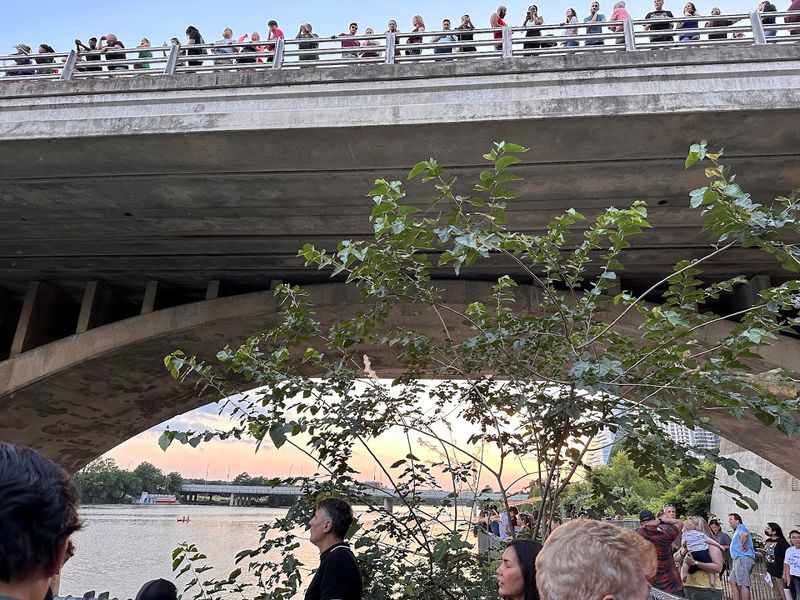
A little preparation goes a long way toward making your bat tour experience feel smooth and satisfying rather than rushed or frustrating.
Book your boat tour in advance, especially if you are visiting on a summer weekend, as spots fill up quickly during peak season. Wear comfortable clothes and bring a light layer for the evening, since temperatures on the water can feel cooler than they do on land.
Sunscreen is useful for the portion of the cruise before sunset.
Keep your camera expectations realistic. Low-light photography of fast-moving bats is genuinely difficult without professional equipment, so some visitors prefer to put the phone down and just watch.
The closest public restroom to the bridge is inside the Hyatt hotel nearby, accessible via the path under the bridge. Arriving early also lets you explore the waterfront trail along Lady Bird Lake, which is a pleasant way to pass the time before the tour.
The History of Austin’s Relationship with the Bats
Austin did not always celebrate its bats. When the colony first appeared in the mid-1980s after the bridge was renovated, the initial reaction from residents was closer to alarm than appreciation.
Calls came in to city offices about the smell, the noise, and general concerns about having a massive bat colony in the middle of downtown. There were serious discussions about removing them.
What changed the conversation was a combination of education and advocacy, particularly from bat conservation organizations that helped Austinites understand the ecological value these animals provided.
By the early 1990s, the bats had become an unofficial symbol of the city. Bat-themed merchandise appeared in local shops, and the nightly emergence became a legitimate tourist attraction drawing visitors from across the country.
Austin’s embrace of its bat colony is now cited as one of the more successful examples of urban wildlife coexistence in the United States.
What Happens When the Bat Show Is Smaller Than Expected
Not every evening produces the massive, sky-filling emergence that photos and videos promise, and knowing why helps manage expectations without ruining the experience.
Several factors can reduce the number of bats visible on a given night. Cold snaps, strong winds, and heavy rain all suppress bat activity.
Early in the season, the colony is smaller because the pregnant females have not yet given birth. A major storm passing through the area can temporarily disrupt the colony’s behavior for days afterward.
Even on a quieter night, the tour still delivers the skyline views, the educational commentary, and the atmosphere of Lady Bird Lake at sunset. The boat tour itself remains a pleasant experience regardless of bat numbers, and guides are upfront about what to expect based on current conditions.
Going in with flexible expectations means you are far more likely to leave satisfied, whatever the bats decide to do that evening.
Bringing Kids to the Bat Tour
The bat tour is one of those rare activities that genuinely holds a child’s attention from start to finish, which is not something most travel experiences can claim.
Kids tend to react to the emergence with pure, unscripted amazement. The scale of it, seeing thousands of animals moving together in a living stream, is the kind of thing that sticks in a young person’s memory for years.
Guides know how to pitch their explanations to younger audiences, making the biology and history accessible without being condescending.
The boat ride itself adds another layer of excitement for children who do not normally get to be out on the water at night. Wearing matching bat-themed shirts for the occasion has apparently become a family tradition for more than a few visiting groups, and honestly, it is hard to argue with that level of commitment to the theme.
Plan ahead and book early for summer family visits.
How Austin Bat Tours Fits Into a Larger Austin Itinerary
The bat tour works naturally as an evening anchor for a full day of exploring Austin, and the location makes it easy to build a satisfying itinerary around it.
South Congress Avenue, just steps from the tour’s departure point, is one of Austin’s most interesting commercial corridors, lined with independent shops, food trucks, and restaurants that draw both locals and visitors. Spending the afternoon there before heading to the water for the evening tour creates a well-rounded Austin experience without requiring a car for most of the day.
The waterfront trail along Lady Bird Lake is also worth exploring before the tour departs. Cyclists, joggers, and dog walkers share the path in a way that feels distinctly Austin, relaxed but energetic.
After the tour, the surrounding neighborhood has plenty of dining options if you want to extend the evening. The bat tour fits into an Austin day almost too easily.
Why the Bat Tour Leaves a Lasting Impression
There are plenty of things to do in Austin, but the bat emergence is one of those experiences that people consistently describe as unlike anything else they have done in the city.
Part of what makes it memorable is the combination of scale and surprise. Even people who have seen bats before are caught off guard by the sheer volume of the Congress Avenue colony.
The sound, the movement, and the duration of the flight create a sensory experience that photographs simply cannot replicate. Watching it from a boat adds physical closeness to the spectacle that amplifies everything.
Austin Bat Tours packages that experience in a way that feels accessible, educational, and well-organized without being overly scripted. The tour earns its reputation not through gimmicks but through proximity to something genuinely extraordinary.
Some experiences are worth planning a trip around, and this is one of them.
Share this story