Planet Earth is hiding some of its most jaw-dropping creatures deep inside its rainforests, and a surprising number of them exist in just one single place on the entire globe. These are not backup copies scattered across continents.
They are one-of-a-kind animals that evolved in isolation, shaped entirely by the forest around them. Lose the forest, and you lose the animal forever.
From the ancient trees of northern Australia to the misty ridges of Rwanda, certain rainforest regions have become natural laboratories where evolution went gloriously off-script. Some of these places protect animals so strange and specialized that scientists are still figuring out exactly how they fit into the family tree of life.
Whether you are a wildlife enthusiast, a curious traveler, or someone who just learned that a tree-kangaroo is a real thing, this list will take you through fourteen of the most remarkable rainforest regions on Earth, each one sheltering creatures found absolutely nowhere else.
1. Daintree National Park, Cape Tribulation, Queensland, Australia
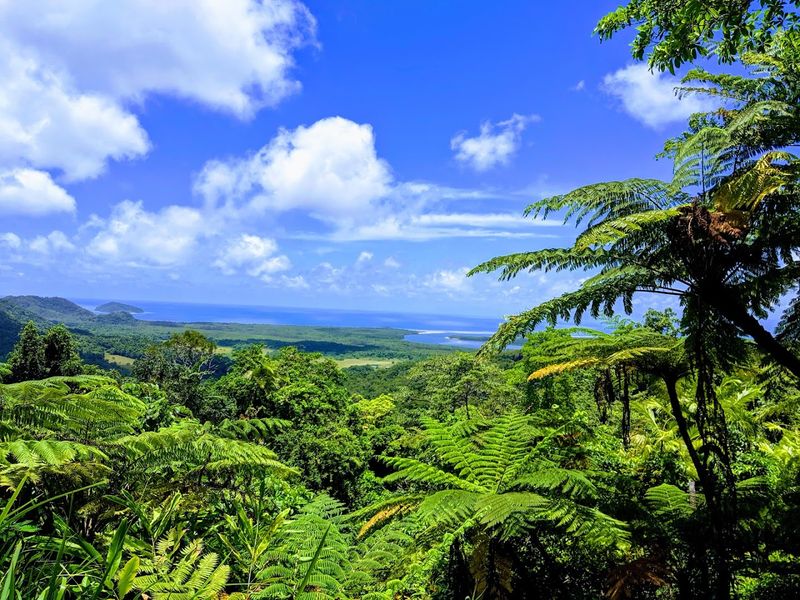
Ancient is not a word used lightly here. The Daintree is widely considered one of the oldest tropical rainforests on Earth, with some estimates placing its age at over 180 million years, making it older than the Amazon.
This forest in far north Queensland shelters animals that exist in no other place on the planet. Bennett’s tree-kangaroo, a stocky marsupial that somehow figured out how to climb trees, is one of its most celebrated residents.
The park also protects the musky rat-kangaroo, the Kuranda tree frog, and Boyd’s forest dragon, a lizard that looks like it was designed by a fantasy novelist.
With twelve endemic bird species and thirty endemic reptile species, the Daintree is not just old. It is irreplaceable.
The forest runs right to the edge of the Coral Sea, making it one of the rare places on Earth where two UNESCO World Heritage sites share a border.
2. Kinabalu Park, Ranau, Sabah, Malaysia
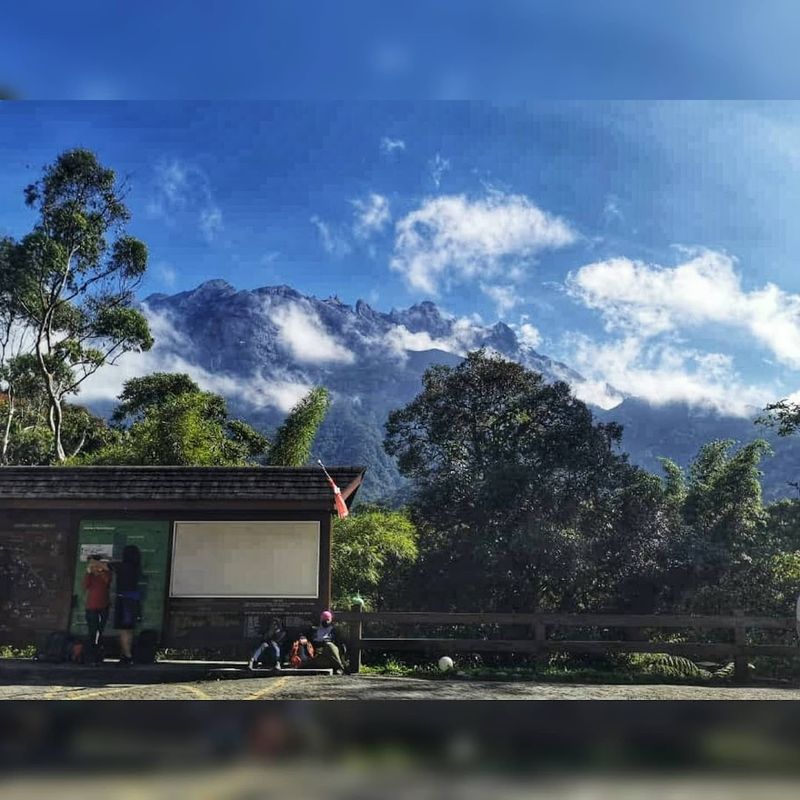
Few parks on Earth pack as many habitats into one place as Kinabalu. The elevation range here is staggering, climbing from steamy lowland dipterocarp forest all the way up to alpine meadows near the summit of Mount Kinabalu.
That dramatic vertical journey creates a staircase of ecosystems, each one hosting its own cast of specialists. The Kinabalu shrew and Thomas’s pygmy squirrel are two mammals found only within this park’s boundaries.
Borneo itself is already one of the world’s great wildlife hotspots, and Kinabalu sits at the crown of it. The park has been called a center of plant diversity, but the animals are equally extraordinary.
Orangutans, Bornean gibbons, and over 326 bird species share the forest with creatures that have never been recorded anywhere else. For a park that covers roughly 754 square kilometers, the concentration of unique life here is genuinely hard to believe.
3. Sinharaja Forest Reserve, Sabaragamuwa Province, Sri Lanka
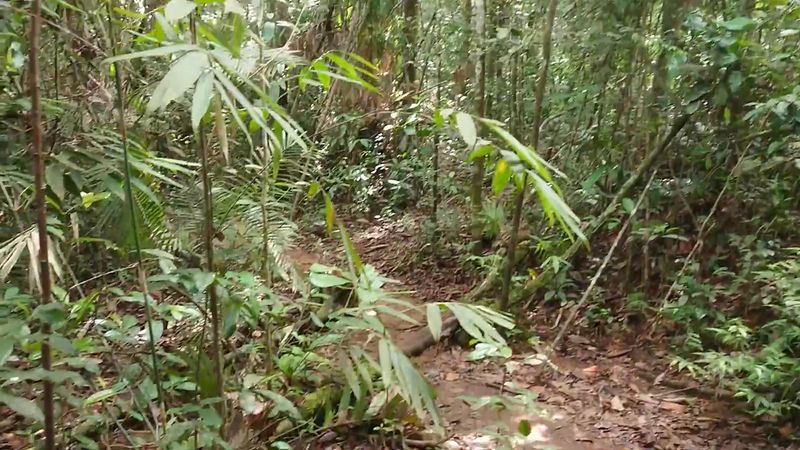
Sri Lanka is a small island, but it punches well above its weight when it comes to wildlife. Sinharaja Forest Reserve is the last remaining patch of primary lowland rainforest in the country, and it guards an extraordinary collection of animals found only on this island.
The Sri Lanka blue magpie is one of the forest’s most striking residents, a brilliantly colored bird that moves through the canopy in noisy mixed flocks. The purple-faced langur, a large and expressive monkey, is another endemic species that calls these trees home.
Over 50 percent of the endemic species of Sri Lanka’s vertebrates are found within this single reserve. That statistic alone explains why Sinharaja earned its UNESCO World Heritage status in 1988.
The forest trails are narrow and often muddy, but the reward for persistence is a wildlife encounter that most visitors remember for the rest of their lives.
4. Ranomafana National Park, Vatovavy, Madagascar
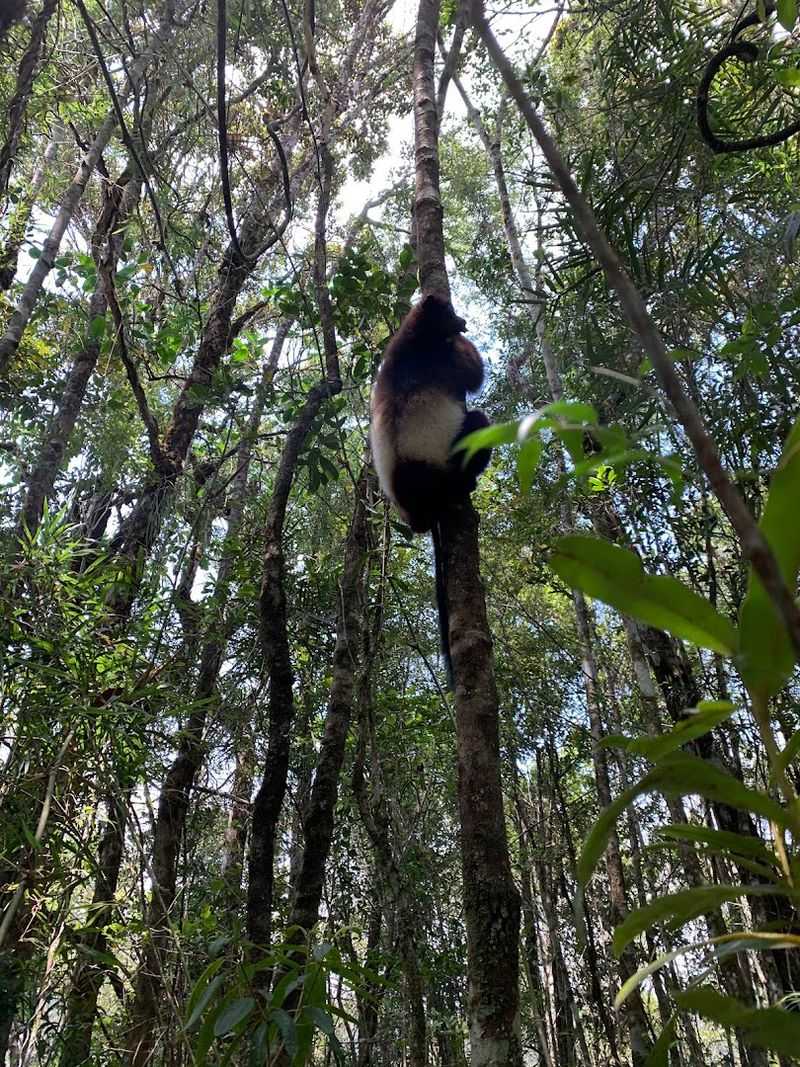
Madagascar split from the African mainland roughly 165 million years ago, and the animals left behind on the island had no choice but to figure things out on their own. The result is a wildlife collection unlike anything else on the planet.
Ranomafana National Park sits in the island’s southeastern highlands and is best known as the place where the golden bamboo lemur was discovered in 1986. Its discovery was so significant that it helped push the park toward protected status.
The park protects twelve lemur species in total, along with an extraordinary number of reptiles, frogs, and birds found nowhere else. Madagascar has over 300 species of amphibians, and a remarkable proportion of them are endemic.
Ranomafana’s steep, wet terrain makes it challenging to explore, but that same ruggedness has helped keep its ecosystems intact. Researchers still visit regularly, and new species are still being formally described from this forest.
5. Masoala National Park, Masoala Peninsula, Madagascar
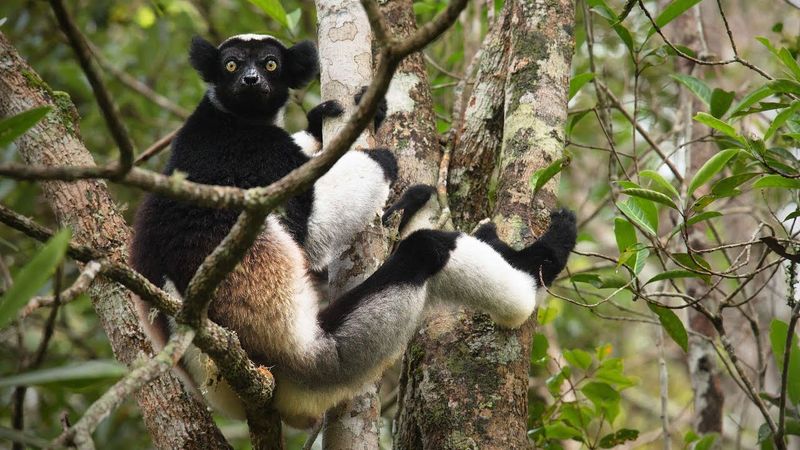
The Masoala Peninsula juts into the Indian Ocean like a green fist, and the national park that covers most of it is one of the largest protected areas in Madagascar. Its size matters because the animals here need space.
The red ruffed lemur, one of the most visually striking primates in the world, is found only on this peninsula. Its loud, rattling call is one of the defining sounds of the Masoala forest.
Unlike many protected areas that are landlocked, Masoala also includes three marine reserves, creating a conservation zone that covers both the forest and the reef systems just offshore. That combination makes it genuinely rare in global conservation terms.
The park also protects the helmet vanga, a peculiar bird with an oversized blue bill that looks like it was borrowed from a different species entirely. Masoala rewards the adventurous traveler who does not mind a long boat ride to reach it.
6. Andasibe-Mantadia National Park, Alaotra-Mangoro, Madagascar
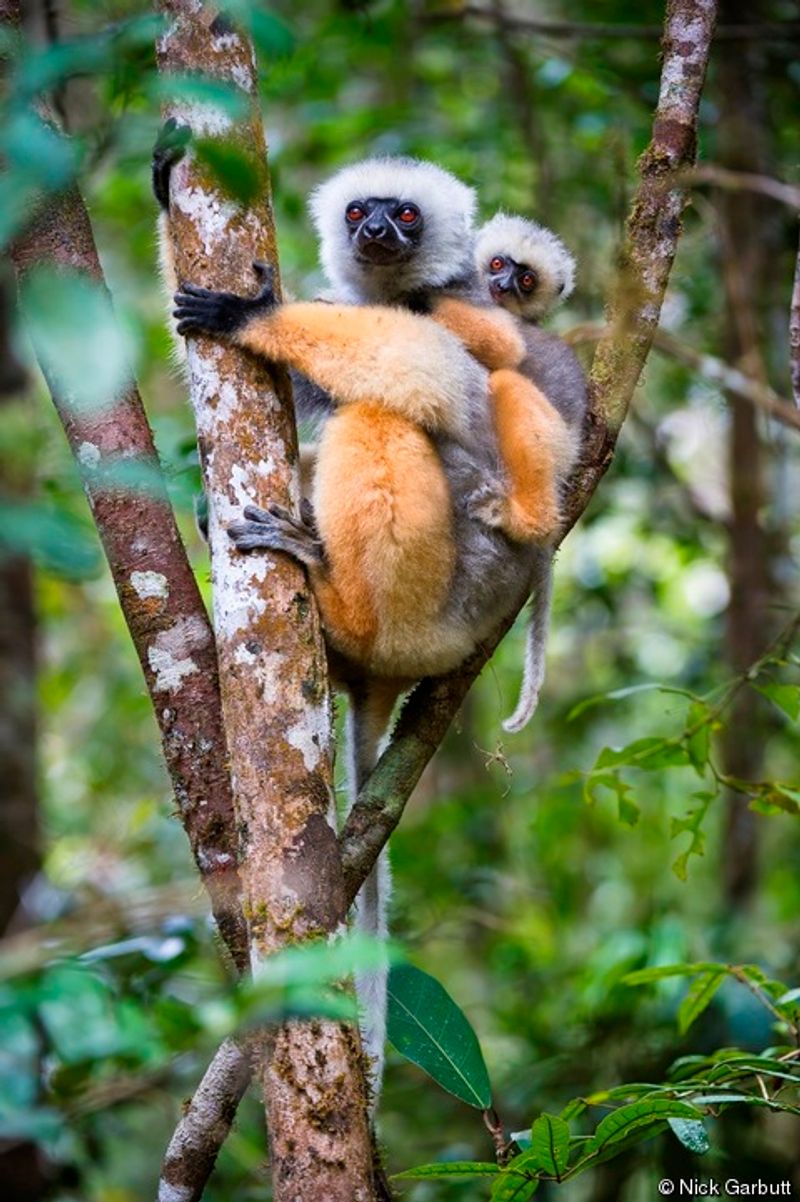
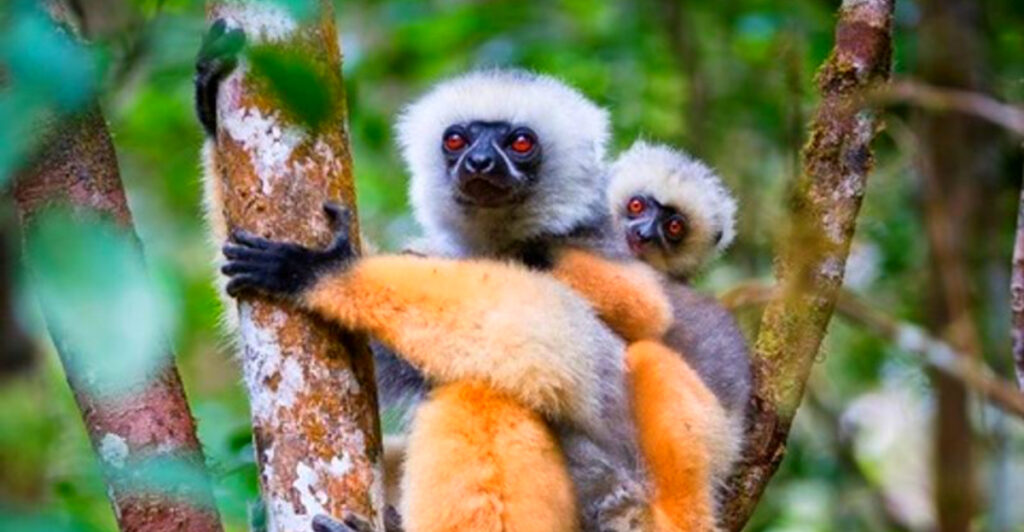
There is nothing quite like hearing an indri for the first time. Madagascar’s largest living lemur produces a haunting, wailing call that carries for up to three kilometers through the forest, and it is one of those wildlife experiences that visitors tend to talk about for years afterward.
Andasibe-Mantadia National Park is the most accessible place to encounter the indri in the wild. The park sits just a few hours from Madagascar’s capital, Antananarivo, making it a practical first stop for wildlife travelers arriving on the island.
Beyond the indri, the park shelters several other lemur species, dozens of endemic frogs, and a remarkable variety of chameleons. Madagascar is home to over half the world’s chameleon species, and many of them turn up in Andasibe’s undergrowth.
The mossy paths and orchid-covered trees give the park a lush, layered quality. Every square meter seems occupied by something worth a second look.
7. Mount Leuser National Park, Aceh And North Sumatra, Indonesia
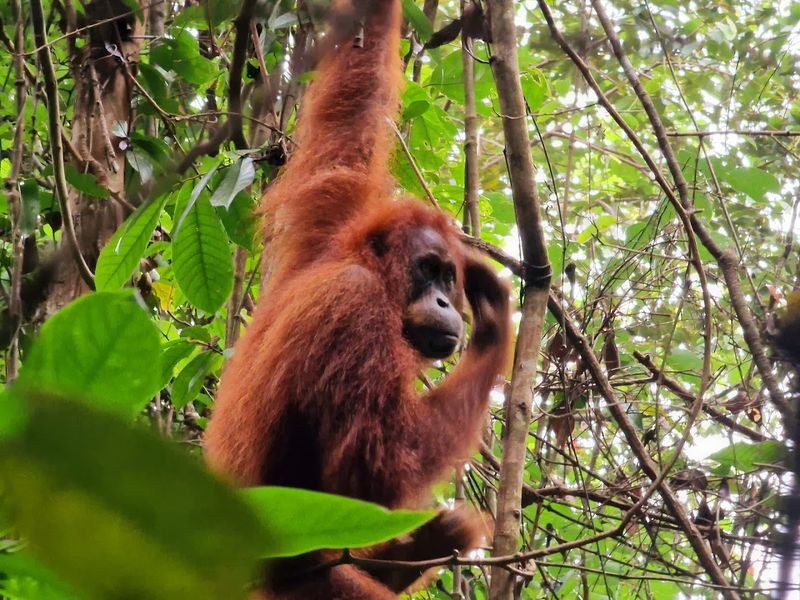
Mount Leuser National Park is one of the last places on Earth where four critically endangered large mammals share a single forest. Sumatran orangutans, Sumatran tigers, Sumatran rhinoceroses, and Sumatran elephants all live within its boundaries, a lineup that no other park in the world can match.
The orangutans here are a distinct species from those in Borneo, having been separated long enough to evolve their own behaviors, tool use patterns, and social structures. Researchers have documented Sumatran orangutans using sticks to extract seeds from fruit, a behavior not seen in their Bornean relatives.
The park covers over 2.6 million hectares, making it one of the largest protected rainforest areas in Southeast Asia. Its terrain ranges from coastal swamps to high mountain peaks, creating a diversity of habitats that supports an equally diverse range of endemic species.
Indonesia as a whole holds 430 bird species found nowhere else. A significant number of them live here.
8. Corcovado National Park, Osa Peninsula, Puntarenas, Costa Rica
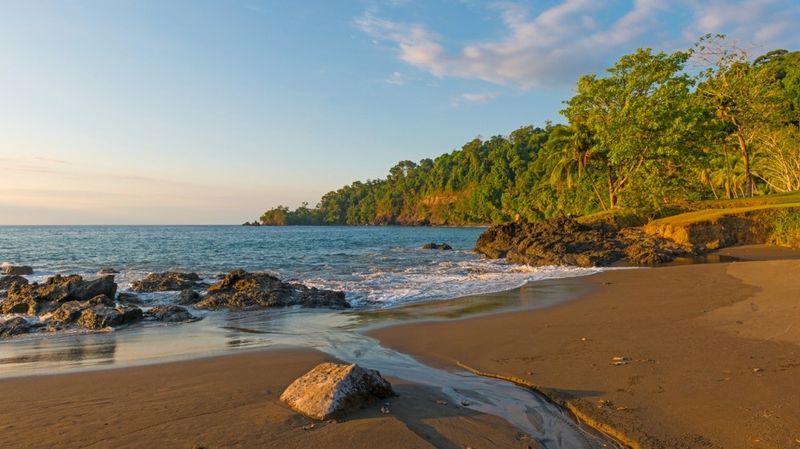
National Geographic once called the Osa Peninsula the most biologically intense place on Earth, and Corcovado National Park is the reason why. Roughly 2.5 percent of the world’s species are packed into a park that covers less than half a percent of Costa Rica’s land area.
The Golfo Dulce poison dart frog is one of the park’s most celebrated endemic residents, a tiny, jewel-bright amphibian found only in the southwestern corner of Costa Rica. Its electric coloring is a clear signal to predators that it is not worth the trouble.
Corcovado also protects one of the largest populations of scarlet macaws in Central America, along with Baird’s tapirs, giant anteaters, and four species of sea turtles that nest on its beaches.
Getting here requires effort. There are no paved roads leading into the park’s core, and some trails involve river crossings.
That barrier has helped keep the ecosystem remarkably intact compared to much of Central America.
9. Nyungwe National Park, Western Province, Rwanda
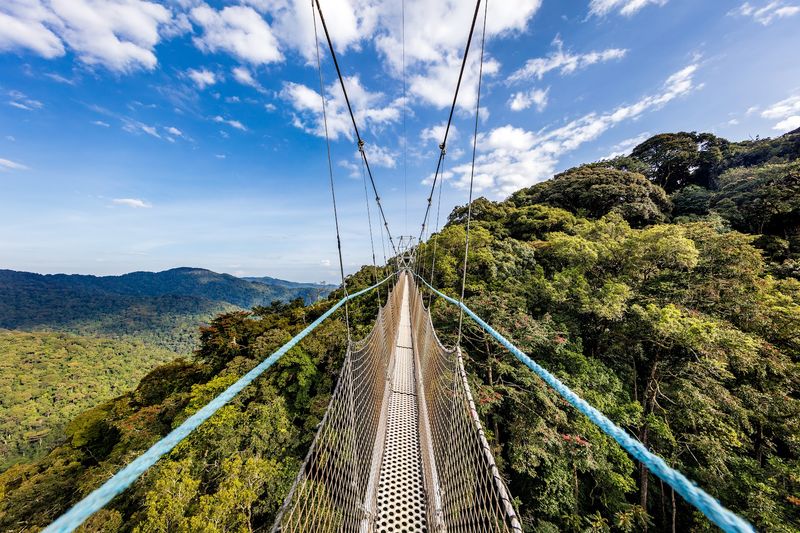
Nyungwe sits high in the mountains of southwestern Rwanda, and its elevation gives it a cool, cloud-wrapped character that feels completely different from lowland tropical forests. At roughly 1,000 square kilometers, it is one of the largest montane rainforests remaining in Africa.
The park lies within the Albertine Rift, a region recognized as one of Africa’s most important biodiversity hotspots. Several bird species found only in this rift system live in Nyungwe’s canopy, including the Rwenzori turaco, a bird so vividly colored it looks almost artificial.
Thirteen primate species have been recorded in the park, including chimpanzees and Angola colobus monkeys that move through the trees in groups of several hundred individuals. Watching a colobus troop cross the canopy walkway overhead is one of those moments that requires no filter.
The canopy walkway itself stretches 160 meters across the treetops and gives visitors a perspective on the forest that ground-level trails simply cannot provide.
10. El Yunque National Forest, Río Grande, Puerto Rico
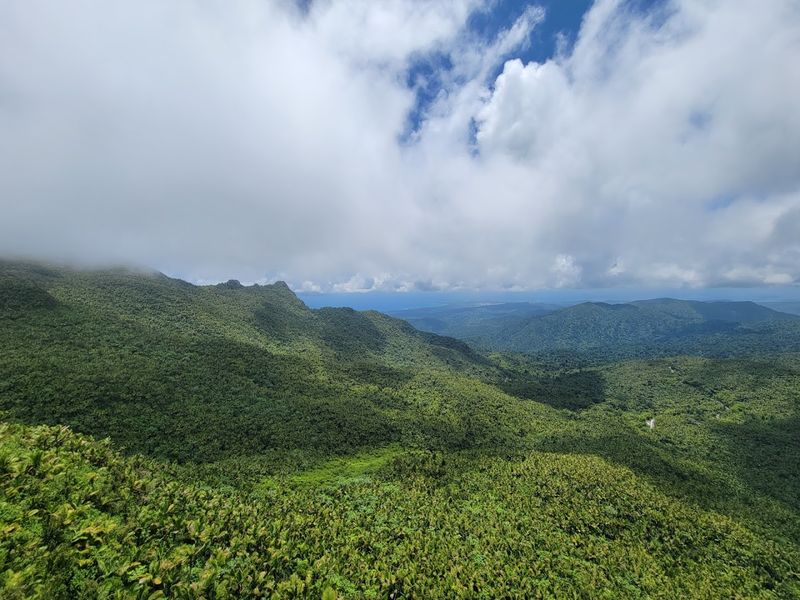
El Yunque is the only tropical rainforest in the United States National Forest system, and it takes that distinction seriously. Covering about 28,000 acres in Puerto Rico’s northeastern corner, it receives up to 240 inches of rainfall per year in its highest areas.
The Puerto Rican parrot is the forest’s most iconic resident and one of the most dramatic conservation comeback stories in American wildlife history. By the 1970s, fewer than thirteen individuals remained in the wild.
Decades of intensive recovery work have brought that number into the hundreds.
Several species of coqui frogs also call El Yunque home, their rhythmic calls echoing through the forest at night. These small frogs are found only in Puerto Rico and have become a cultural symbol of the island itself.
The Puerto Rican boa, one of the largest snakes in the Caribbean, is another forest endemic. El Yunque proves that island ecosystems, even small ones, can hold entire worlds of unique wildlife.
11. Yakushima National Park, Yakushima, Kagoshima, Japan
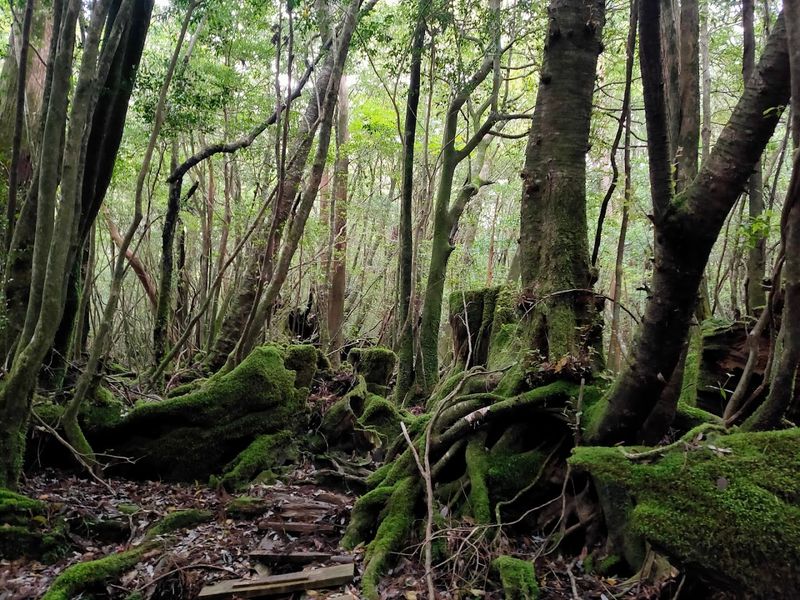
Yakushima Island sits off the southern tip of Kyushu, and it receives so much rainfall that locals say it rains thirty-five days a month. That extraordinary moisture has produced one of the most moss-covered, otherworldly forests in Asia.
The island is home to two animals found nowhere else on Earth: the Yakushima macaque and the Yakushima deer, known locally as Yakushika. Both animals are smaller than their mainland relatives, a common evolutionary pattern seen in island populations.
The forest’s ancient cedar trees, some estimated to be over 2,000 years old, give Yakushima a scale and permanence that feels genuinely humbling. The oldest known individual, called Jomon Sugi, is believed to be between 2,000 and 7,000 years old.
Yakushima earned UNESCO World Heritage status in 1993. The island is compact enough to hike across in a few days, but its ecological complexity rewards visitors who slow down and pay close attention to what is living at their feet.
12. Bwindi Impenetrable National Park, Kanungu District, Uganda
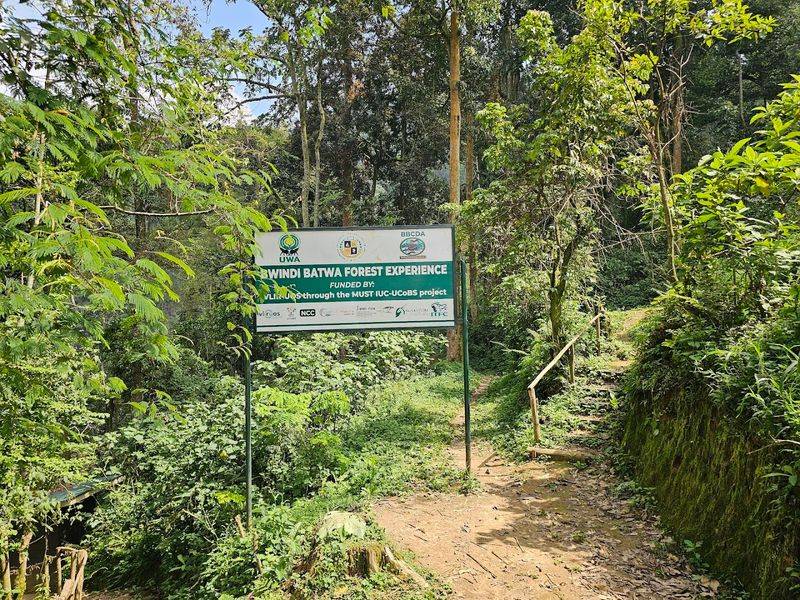
The name is not an exaggeration. Bwindi’s forest is genuinely difficult to move through, with tangled undergrowth, steep slopes, and a density of vegetation that makes every meter of progress feel earned.
Mountain gorillas are the park’s most famous residents, and roughly half of the world’s entire mountain gorilla population lives within Bwindi’s boundaries. These gorillas are found only in the high forests of Uganda, Rwanda, and the Democratic Republic of Congo, making every sighting a truly rare privilege.
The park also sits within the Albertine Rift and protects over 350 bird species, including 23 found only in this rift system. For birdwatchers, Bwindi is considered one of the top five sites on the entire African continent.
Over 220 butterfly species have been recorded here as well. The combination of gorilla trekking, Albertine Rift endemics, and ancient forest makes Bwindi one of Africa’s most layered and rewarding wildlife destinations.
13. Manu National Park, Madre De Dios And Cusco, Peru
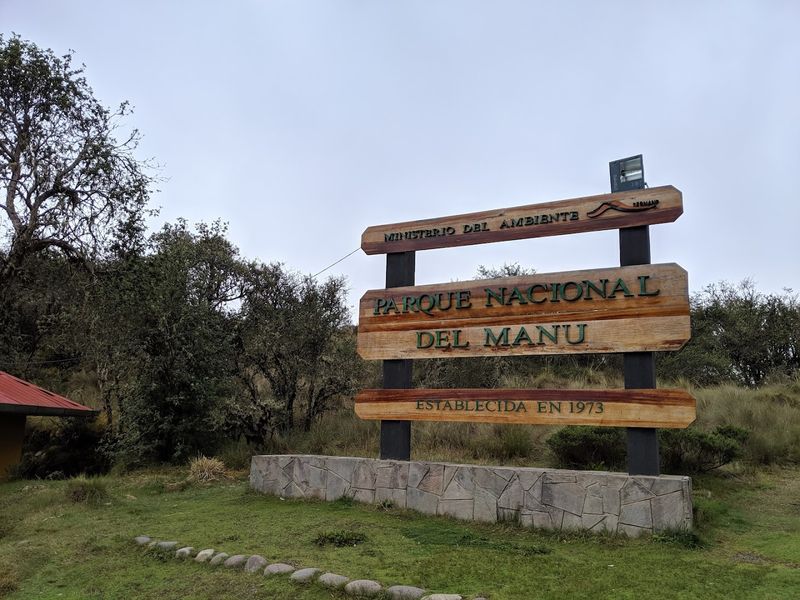
Manu National Park spans an elevation range of roughly 4,200 meters, dropping from Andean cloud forest all the way down to Amazonian floodplain. That vertical journey passes through more distinct ecosystems than most countries contain in their entirety.
The park holds one of the highest recorded levels of biodiversity on Earth. Over 1,000 bird species have been identified within its boundaries, along with more than 200 mammal species and a plant diversity that researchers are still working to fully document.
The Peruvian woolly monkey, a large and sociable primate, is among the species tied specifically to Peru’s protected forests. Manu is one of the few places where populations remain large enough to be considered stable.
Much of the park’s interior is designated as a restricted zone, accessible only to researchers and indigenous communities. That protection has helped Manu retain a level of ecological integrity that is increasingly rare in the Amazon basin.
14. Hoh Rain Forest, Forks, Washington, United States
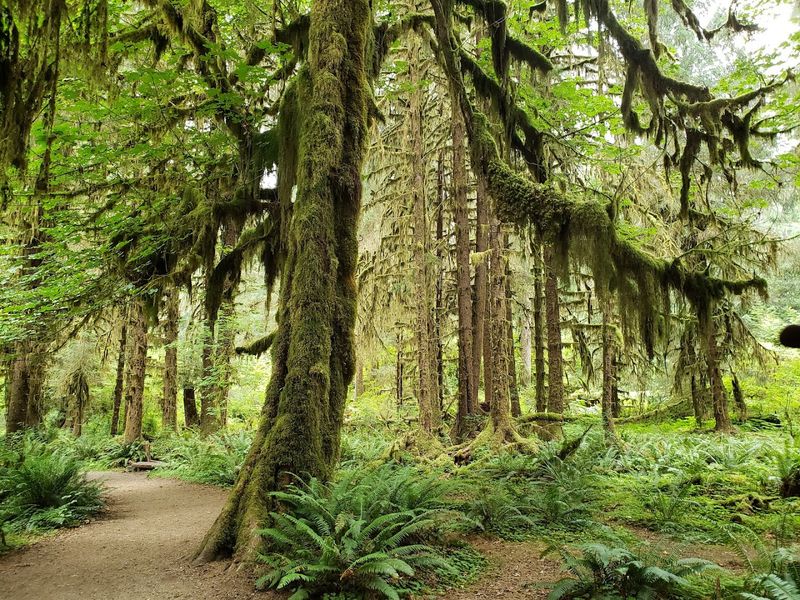
Most people picture tropical jungles when they think of rainforests, but the Hoh Rain Forest in Washington State makes a compelling case for the temperate version. Receiving up to 14 feet of rain per year, it is one of the wettest places in the contiguous United States.
The Hoh sits within Olympic National Park, and the broader Olympic Peninsula supports two animals found nowhere else: the Olympic marmot and the Olympic torrent salamander. Both species evolved in isolation on the peninsula after the last ice age reshaped the landscape around them.
The forest itself is defined by enormous Sitka spruce, western red cedar, and big-leaf maple trees draped in thick layers of moss. Some of the spruce here stand over 300 feet tall and are several centuries old.
Elk herds move freely through the valley floor, and black bears are regular visitors. The Hoh is quieter and cooler than the tropical entries on this list, but its ancient, green character is entirely its own.
Share this story