History has a way of turning friendly gestures into dangerous traps. Some of the most powerful rulers, scholars, and nobles in history lost their freedom not on a battlefield but at a dinner table, a negotiation meeting, or a royal welcome.
They arrived expecting diplomacy, safety, or even hospitality, and instead found themselves locked away for years, sometimes forever. These twelve stories span centuries and continents, and each one is a reminder that accepting the wrong invitation can change everything.
1. Atahualpa
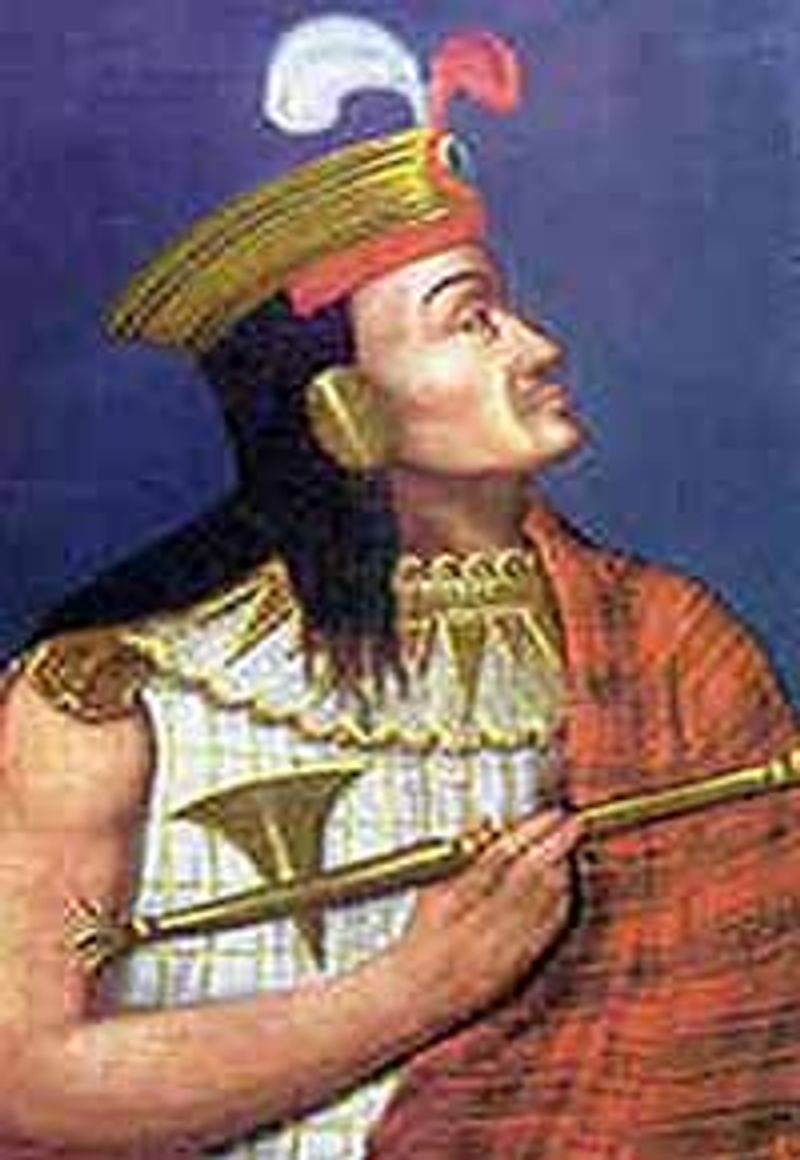
The most powerful ruler in the Americas walked into a trap wearing his finest ceremonial robes. In November 1532, Inca emperor Atahualpa accepted Francisco Pizarro’s invitation to meet in the city of Cajamarca, Peru.
He arrived with thousands of unarmed attendants, confident that his status and numbers offered protection.
Pizarro’s forces launched a sudden attack from the surrounding buildings and plazas, overwhelming the Inca entourage within minutes. Atahualpa was seized while his followers scattered.
The Spanish held him captive and demanded a ransom that became one of the largest in recorded history, a room filled once with gold and twice with silver.
Atahualpa’s supporters delivered the ransom in full. Despite this, Pizarro had him tried on fabricated charges and executed in 1533.
His capture effectively ended organized Inca resistance and opened the Andes to Spanish colonial rule within just a few years. The meeting at Cajamarca remains one of history’s most consequential ambushes.
2. Mary, Queen of Scots
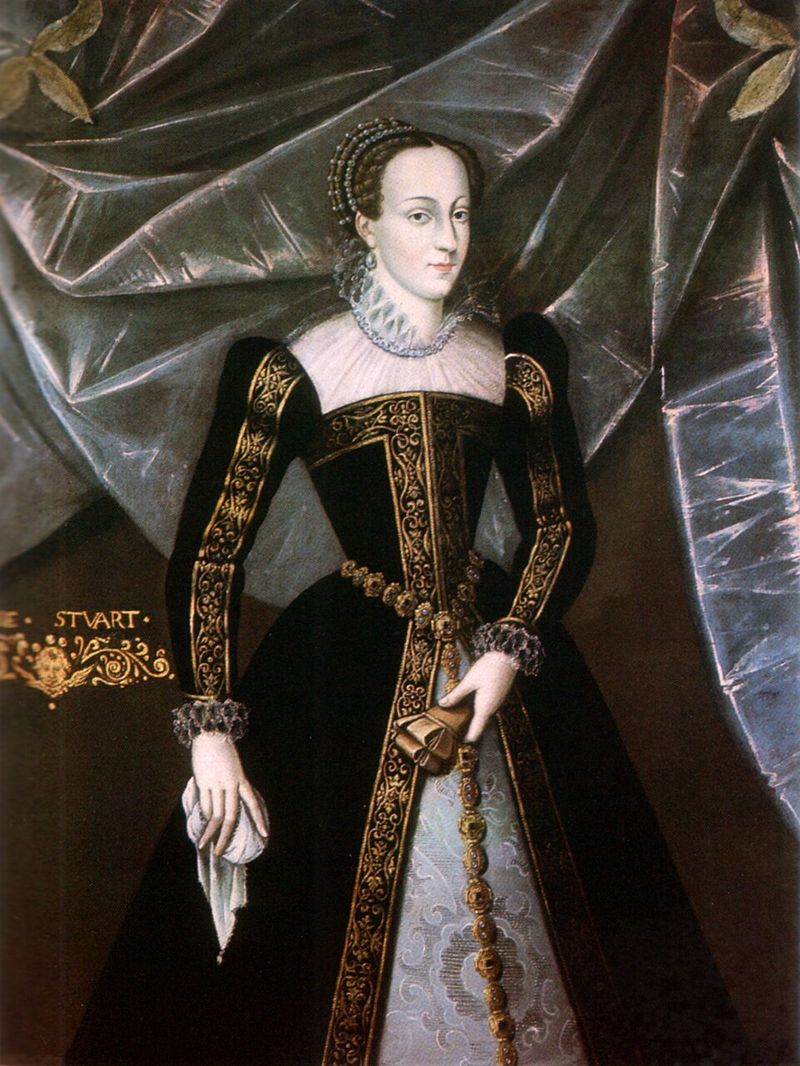
Crossing the border into England in 1568 seemed like a reasonable plan. Mary had just been forced off the Scottish throne and believed her cousin, Queen Elizabeth I, would offer protection and support to a fellow monarch in need.
Elizabeth saw things very differently. Mary had a strong claim to the English throne through her Tudor ancestry, and her presence in England made her an instant rallying point for Catholic nobles who opposed Elizabeth’s Protestant rule.
Rather than welcoming her, Elizabeth ordered her detained and moved between a series of fortified residences.
Mary spent 19 years as a prisoner, never once meeting Elizabeth face to face. She wrote letters, maintained a small household, and was involved in several plots to reclaim her freedom and position.
In 1587, after being linked to the Babington Plot against Elizabeth’s life, she was tried for treason and executed at Fotheringhay Castle. Her imprisonment remains one of the longest royal detentions in British history.
3. Plato
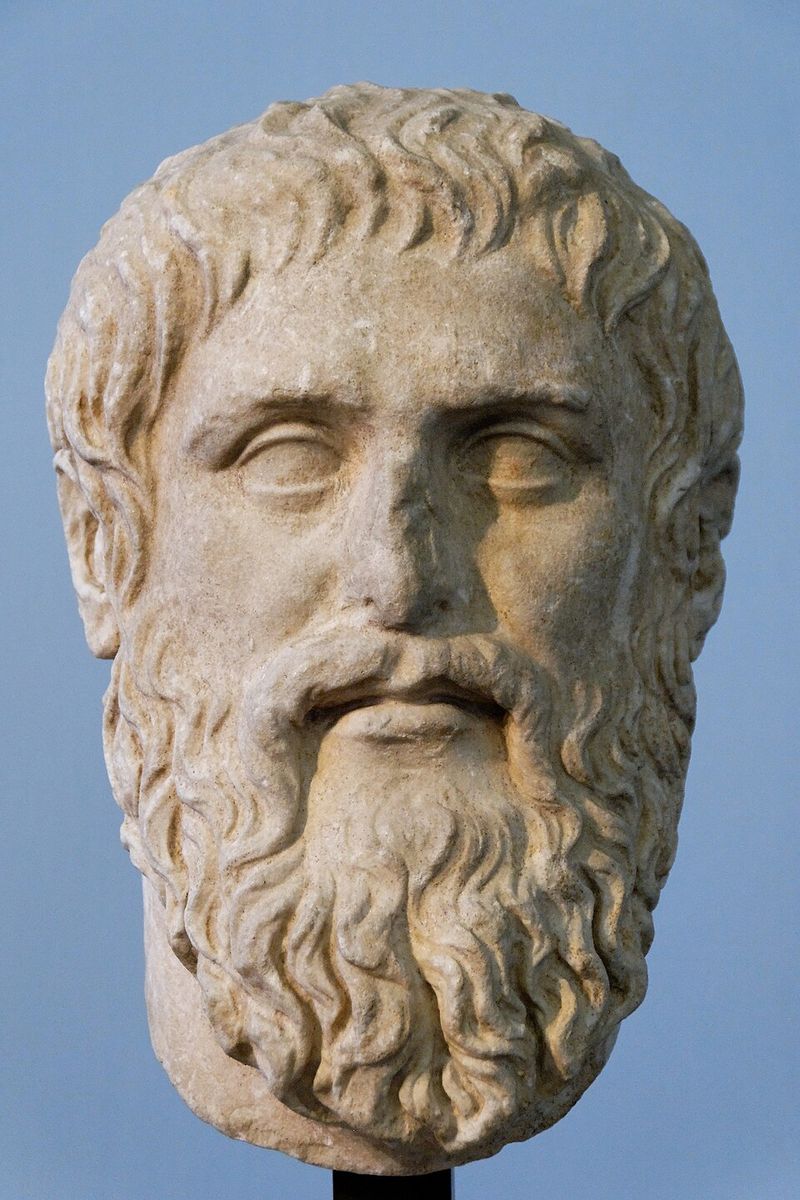
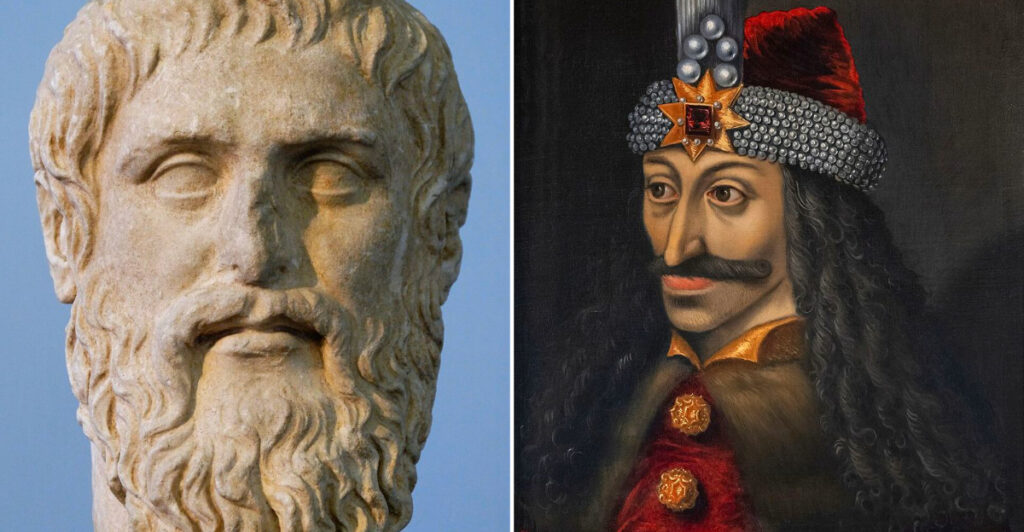
Few people expect a philosophy invitation to end in house arrest, but that is exactly what happened to one of ancient Greece’s greatest thinkers. Plato traveled to Syracuse in Sicily twice at the urging of his friend Dion, who believed the philosopher could guide the young ruler Dionysius II toward wise governance.
The first visit went poorly. Dion was exiled, and Plato found himself effectively trapped at the Sicilian court, unable to leave without the tyrant’s permission.
He eventually secured his release through diplomatic pressure from allies back in Greece.
Plato returned a second time, still hoping to influence Dionysius II. Once again, Dion’s political troubles created danger for Plato, who again found himself confined.
He was only freed after considerable effort by friends who negotiated on his behalf. The experience did not stop him from writing or teaching, but it gave his political philosophy a very personal and hard-earned foundation.
4. Montezuma II
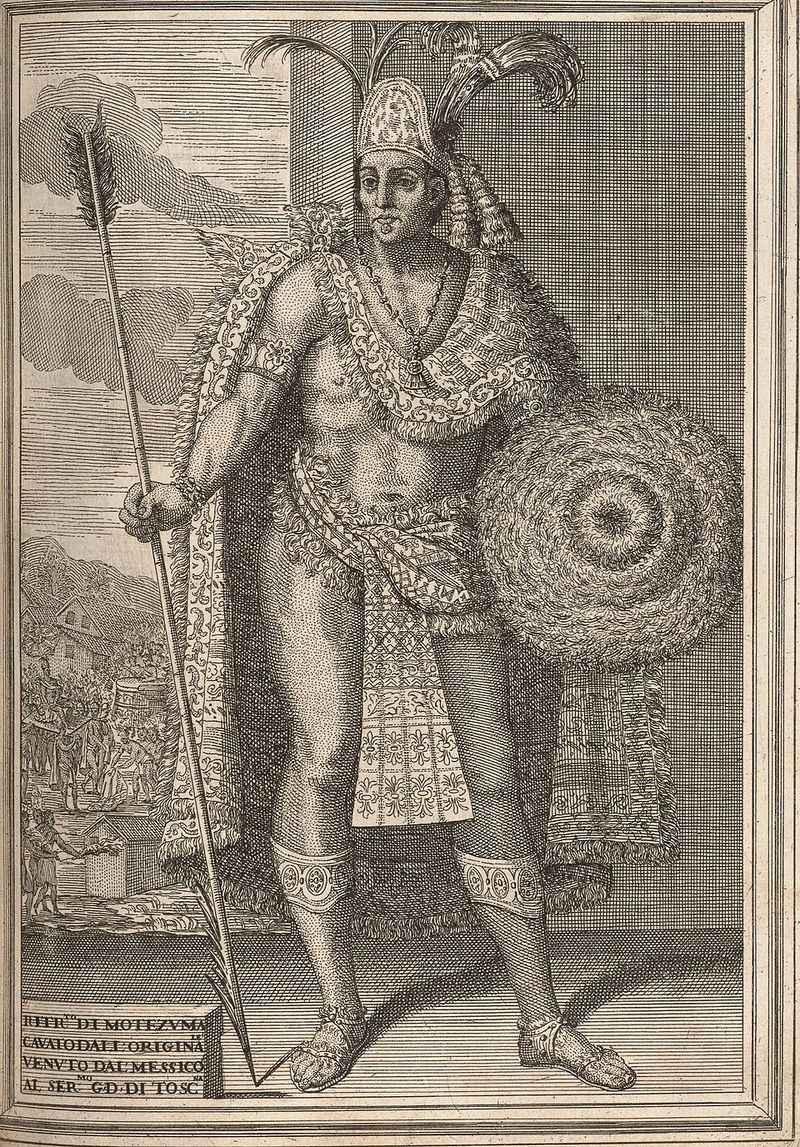
Welcoming strangers into your palace as honored guests is usually a sign of confidence and power. For Aztec emperor Montezuma II, that welcome became the beginning of the end of his reign.
When Hernán Cortés and his forces arrived in Tenochtitlan in November 1519, Montezuma received them with ceremony and gifts.
Cortés recognized the opportunity immediately. Within weeks, he placed Montezuma under a form of soft captivity inside his own palace, using the emperor’s continued presence and authority to manage the Aztec population and gather intelligence about the empire’s resources.
Montezuma’s exact fate remains debated by historians. Spanish accounts claim he was stoned by his own people after addressing them on behalf of the Spanish.
Indigenous accounts suggest the Spanish were responsible for his end. Either way, his decision to host Cortés as a guest rather than treat him as a threat proved to be one of the most consequential miscalculations in the history of the Americas.
5. King Charles I
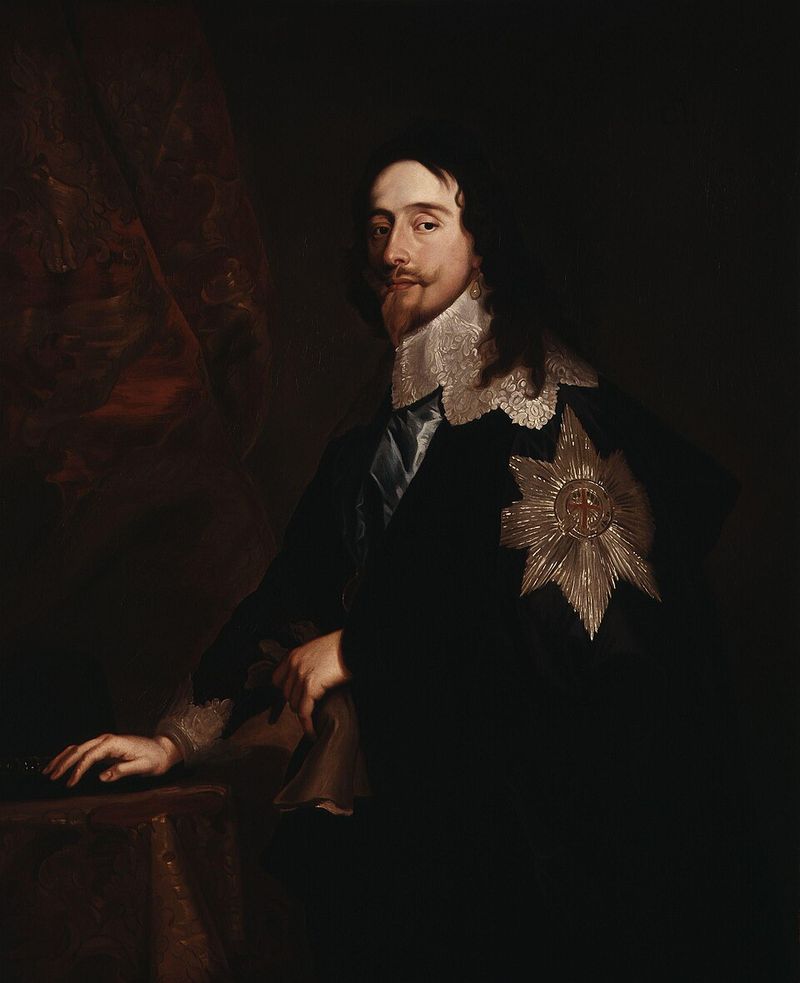
Surrendering to one group of enemies in hopes of using them against another is a gamble that rarely pays off. In May 1646, King Charles I, facing military defeat in the English Civil War, surrendered to the Scottish Covenanting army rather than fall into the hands of the English Parliament.
Charles believed the Scots, as fellow Presbyterians, would support his restoration to the throne in exchange for religious concessions. The negotiations dragged on for months.
When Charles refused to fully accept Presbyterian church governance, the Scots made a practical decision and handed him over to the English Parliament in January 1647 for a payment of around 400,000 pounds.
Parliament held him at various locations, and he continued to negotiate and scheme from captivity, even striking secret deals with the Scots that triggered a second phase of civil war. His continued maneuvering convinced Parliament he could never be trusted.
He was tried for treason in 1649 and executed outside the Banqueting House in London.
6. Prince Diponegoro
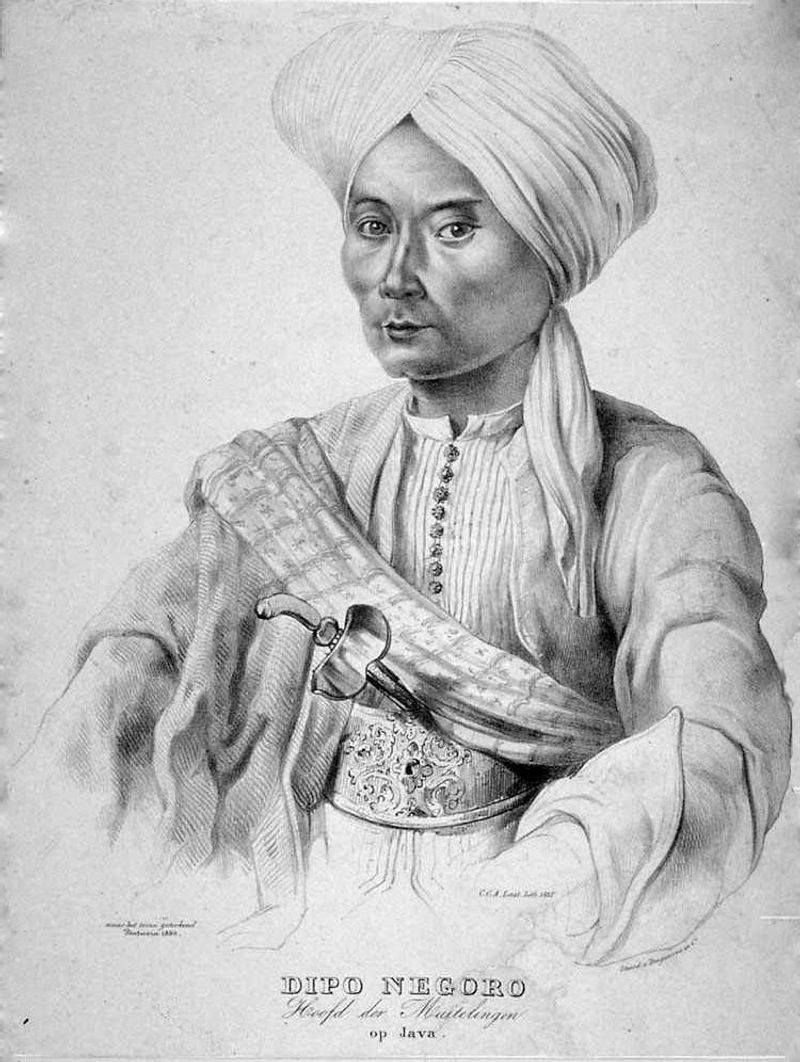
Prince Diponegoro fought the Dutch colonial administration in Java for five years in one of Southeast Asia’s most significant anti-colonial uprisings. The Java War, which lasted from 1825 to 1830, cost tens of thousands of lives and stretched Dutch military resources to their limits.
By 1830, the conflict had reached a stalemate. Dutch commanders invited Diponegoro to peace talks at Magelang, assuring him of safe conduct for the negotiations.
He arrived believing the discussions would lead to a formal settlement and possibly recognition of Javanese sovereignty in some form.
The Dutch had no intention of letting him leave. As soon as talks began, colonial officers arrested him and transported him first to Batavia and then into permanent exile.
He was sent to Makassar in Sulawesi, where he remained a prisoner until his passing in 1855. Indonesia later recognized him as a National Hero, and his portrait appeared on the 10,000 rupiah banknote, a lasting tribute to his resistance.
7. Vlad the Impaler
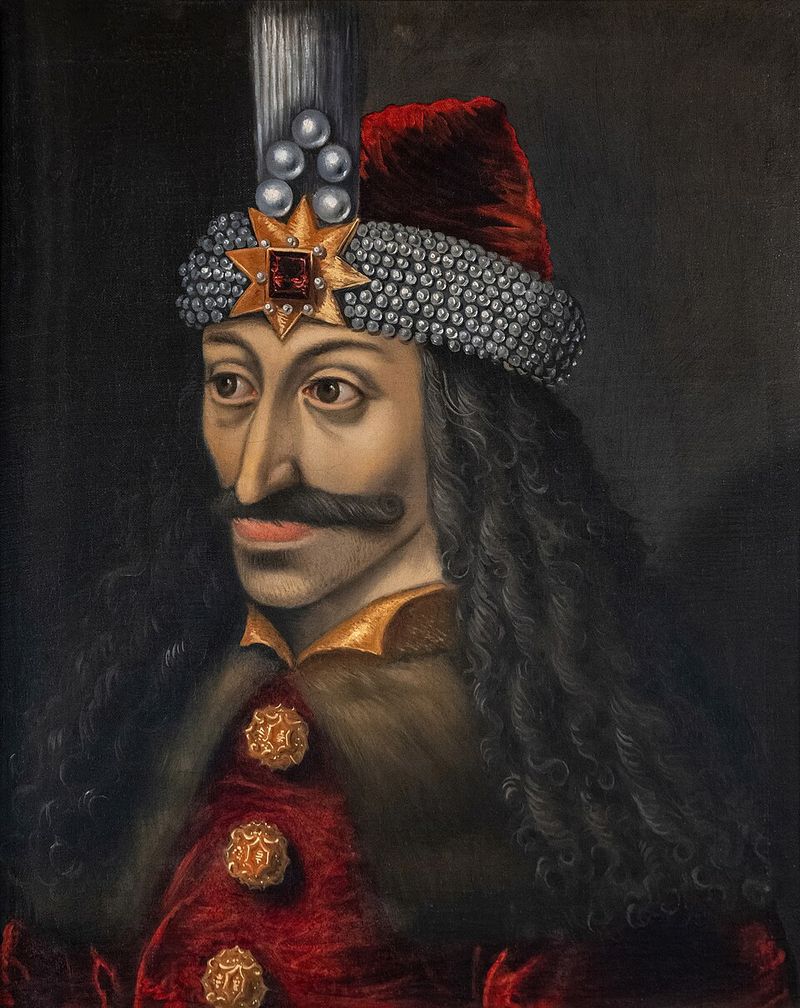
Before he became one of the most feared rulers in European history, Vlad III was a political hostage. In 1442, his father, Vlad II of Wallachia, sent young Vlad and his brother Radu to the Ottoman court as part of a loyalty agreement with Sultan Murad II.
The boys were treated as guests in official terms but were unmistakably held as leverage to ensure their father’s continued cooperation. Vlad spent several years in Ottoman custody, receiving education and military training while being kept under close watch.
His brother Radu adapted more comfortably to court life, while Vlad reportedly developed a deep resentment of his captors.
When political circumstances shifted after his father’s removal from power, Vlad was eventually released and used by the Ottomans as a tool to install a cooperative ruler in Wallachia. He later turned against his former captors with notable aggression.
Historians have long speculated that his years as a hostage shaped the uncompromising ruler he became.
8. Valerian
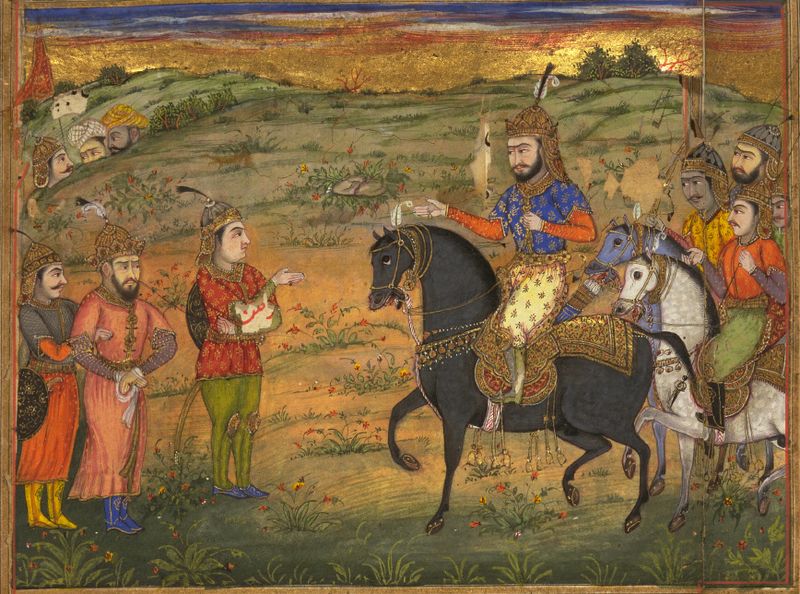
Roman Emperor Valerian holds a distinction no other emperor in Rome’s long history shares: he was the first to be captured alive by a foreign enemy. In 260 AD, Roman forces under Valerian were engaged in a grinding campaign against the Sasanian Persian Empire under Shapur I near the city of Edessa in modern-day Turkey.
The exact circumstances of his capture are disputed. Roman sources suggest he sought negotiations after a military setback.
Persian accounts, including a massive rock carving at Naqsh-e Rostam in Iran, show Shapur on horseback with Valerian kneeling before him, depicting the moment as a clear military submission.
Valerian spent the remainder of his life in Persian captivity. Persian sources describe him being put to work on construction projects, though Roman writers offered more dramatic and likely embellished accounts of his treatment.
His capture sent shockwaves through the Roman Empire, triggering political instability, regional breakaway states, and a crisis that took decades to resolve.
9. James I of Scotland
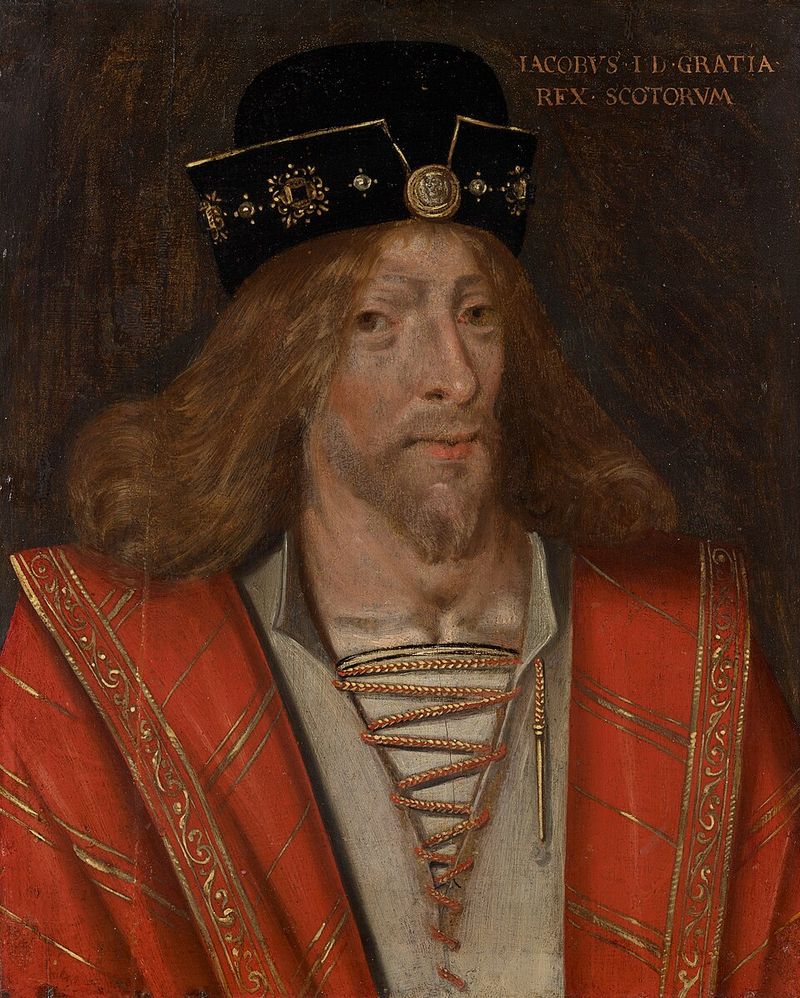
A sea voyage intended to protect a young prince ended with nearly two decades of captivity. In 1406, eleven-year-old James, heir to the Scottish throne, was being sent to France for his safety during a turbulent period in Scottish politics.
His ship was intercepted by English pirates off the coast of Flamborough Head.
The young prince was handed over to King Henry IV of England. Henry, with notable irony, remarked that he could teach James French just as well in England, since he himself spoke the language.
James was held in comfortable but firm captivity, receiving an education at the English court while Scotland was governed in his absence.
He remained a prisoner for 18 years, during which time his father, Robert III, reportedly passed away from grief shortly after hearing of the capture. James was finally released in 1424 after Scotland agreed to pay a ransom described as compensation for his upkeep.
He returned home and ruled Scotland until 1437.
10. William Douglas, 6th Earl of Douglas

An invitation to dine with the king sounds like an honor. For the young Earl of Douglas in 1440, it turned out to be a carefully arranged trap with no exit.
William Douglas, just sixteen years old, and his younger brother David were invited to Edinburgh Castle for a banquet hosted in the name of the ten-year-old King James II of Scotland.
The real power behind the invitation belonged to Sir William Crichton and Sir Alexander Livingston, two powerful nobles competing for control of the young king’s court. They viewed the Douglas family’s wealth and influence as a direct threat to their own authority.
The evening reportedly ended with a bull’s head being placed on the table, a symbolic signal of a sentence of execution. The brothers were dragged from the hall, subjected to a brief and entirely staged trial, and executed in the castle courtyard.
The event became known as the Black Dinner and reportedly left the young king in tears. It later inspired a scene in George R.R.
Martin’s fiction.
11. Oliverotto da Fermo
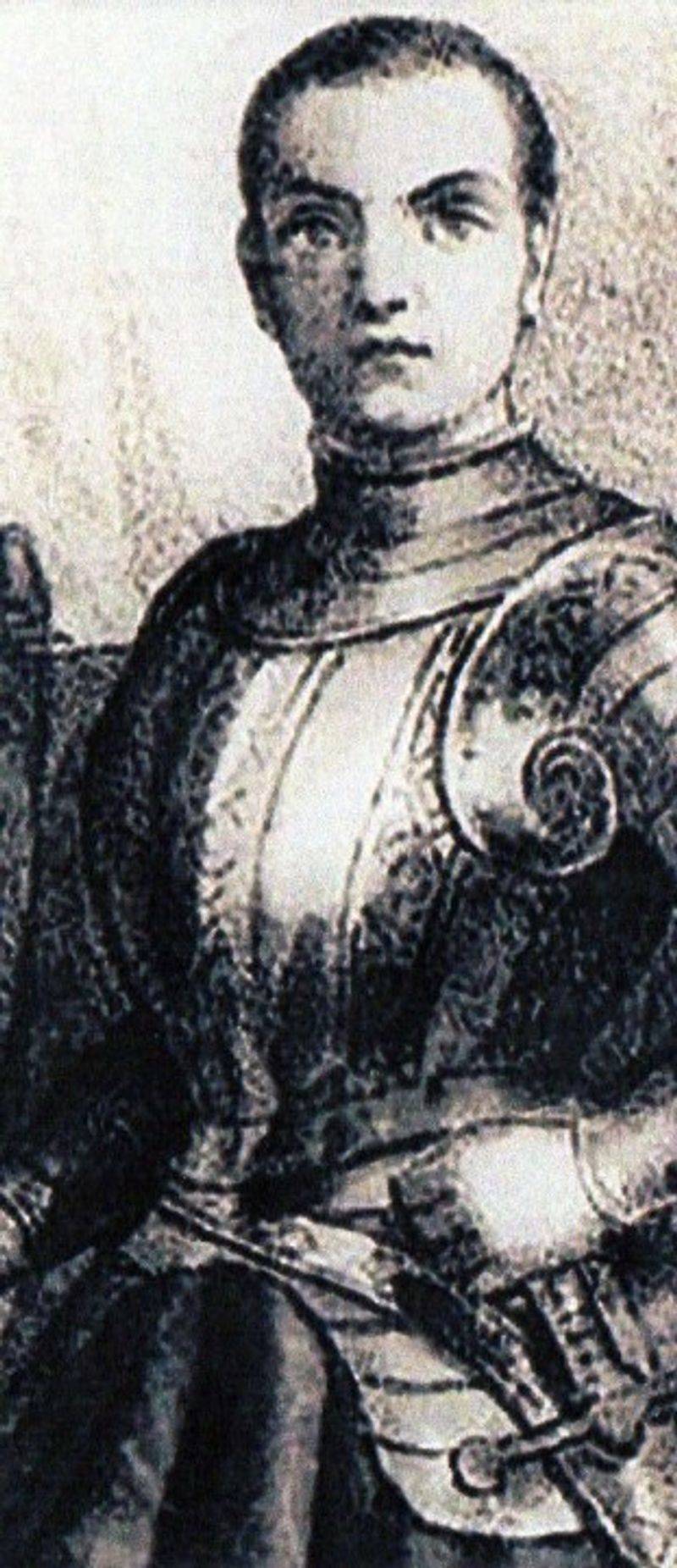
Cesare Borgia was not a man who left political problems unsolved for long. By late 1502, several of his regional commanders and rival warlords had formed a coalition against him at a meeting in Magione.
Borgia responded not with force but with an invitation, offering reconciliation and a fresh alliance.
Oliverotto da Fermo was one of the condottieri who accepted the offer. A capable military leader who had himself seized power in Fermo through a well-planned dinner ambush just a year earlier, he should perhaps have recognized the pattern.
He traveled to Senigallia in late December 1502 for what was presented as a peaceful summit.
Borgia’s soldiers surrounded the group as soon as they entered the town. Oliverotto was seized immediately along with several others.
Nicolo Machiavelli, who was present in the region as a Florentine envoy, documented the events closely. Oliverotto was executed within hours.
His story became one of Machiavelli’s key examples in his writings on political power and ruthless statecraft.
12. Charles, Duke of Orleans
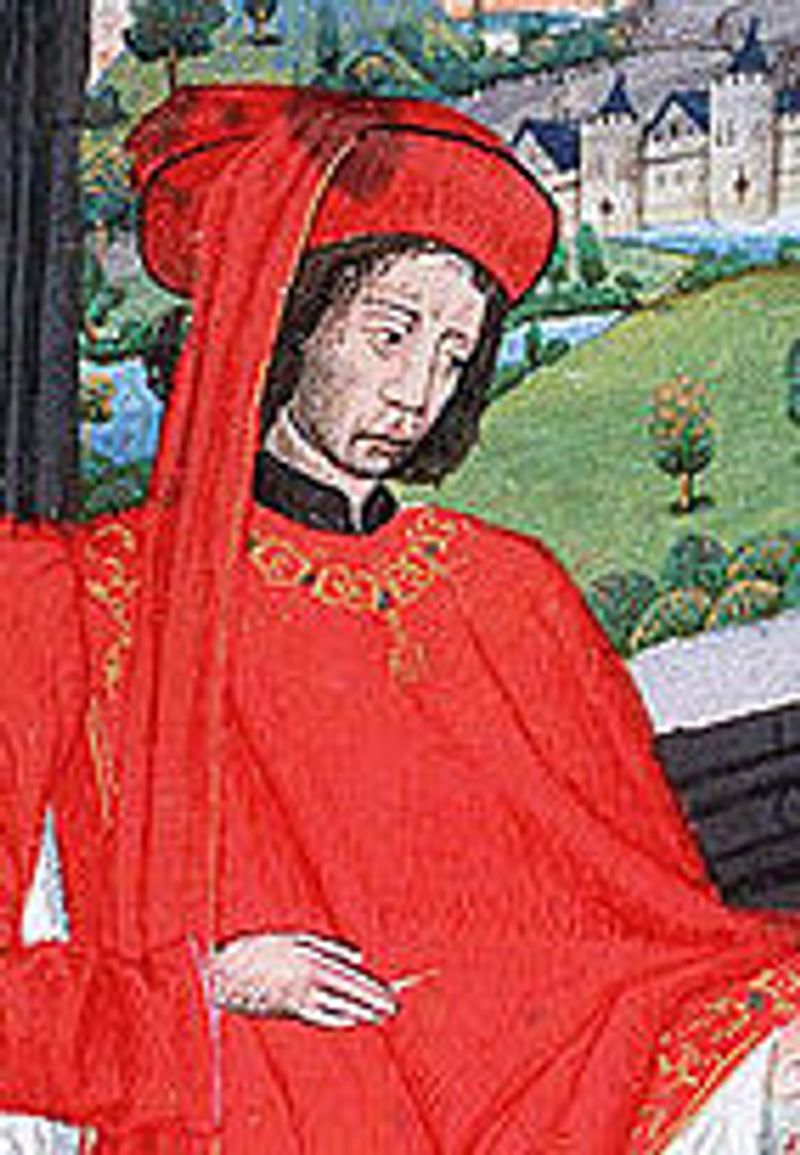
Captured on one of the most famous battlefields in medieval history, Charles, Duke of Orleans spent more years as a prisoner than most people spend in an entire career. He was taken at the Battle of Agincourt in October 1415, when the English forces under Henry V defeated a much larger French army in northern France.
As a senior French noble with significant political value, Charles was transported to England and held under conditions that reflected his rank. He was moved between several castles over the years, including the Tower of London.
His captivity was not harsh by medieval standards, but it was firm and long.
During those 25 years, Charles channeled his situation into writing, producing a substantial body of poetry in both French and English that is still studied today. He was finally ransomed in 1440 after lengthy negotiations.
He returned to France, remarried, and fathered a son who would later become King Louis XII of France, giving his story an unexpected royal conclusion.
Share this story