Audrey Hepburn had a rare gift for making elegance look completely effortless, and the cities and towns connected to her films have that same quality. Her movies were not just stories about romance or adventure.
They were love letters to some of the most beautiful places on earth. From a princess sneaking through Roman streets on a borrowed Vespa to a New York socialite pressing her face against a jewelry store window at dawn, Hepburn always seemed to belong exactly where she stood.
The good news is that many of those places still exist, and they still carry that unmistakable feeling of old-world glamour. This list covers 14 real destinations that look and feel like a scene cut straight from one of her classic films.
Pack your sunglasses, channel your inner Holly Golightly, and keep reading.
1. Vienna, Austria
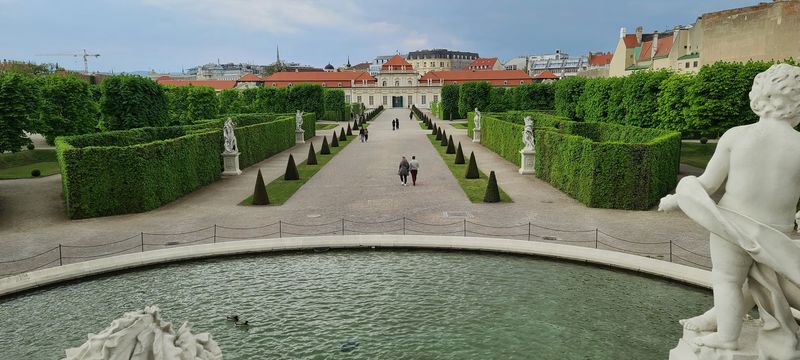
Vienna has a particular talent for making visitors feel like they have arrived somewhere genuinely important. The city’s grand palaces, formal gardens, and historic coffeehouses operate with a dignified confidence that feels entirely in keeping with the world Audrey Hepburn often portrayed on screen.
The Schonbrunn Palace alone covers more ground than many small towns, and its formal garden layout is one of the best-preserved examples of imperial European landscape design. Vienna’s historic center is a UNESCO World Heritage Site, which means the architecture visitors see today is the same architecture that has defined the city for centuries.
The city also has a strong tradition of classical music performance, with the Vienna State Opera hosting productions year-round. For travelers who appreciate cities that take their cultural history seriously without being stuffy about it, Vienna delivers exactly that kind of refined, layered experience.
2. Bruges, Belgium
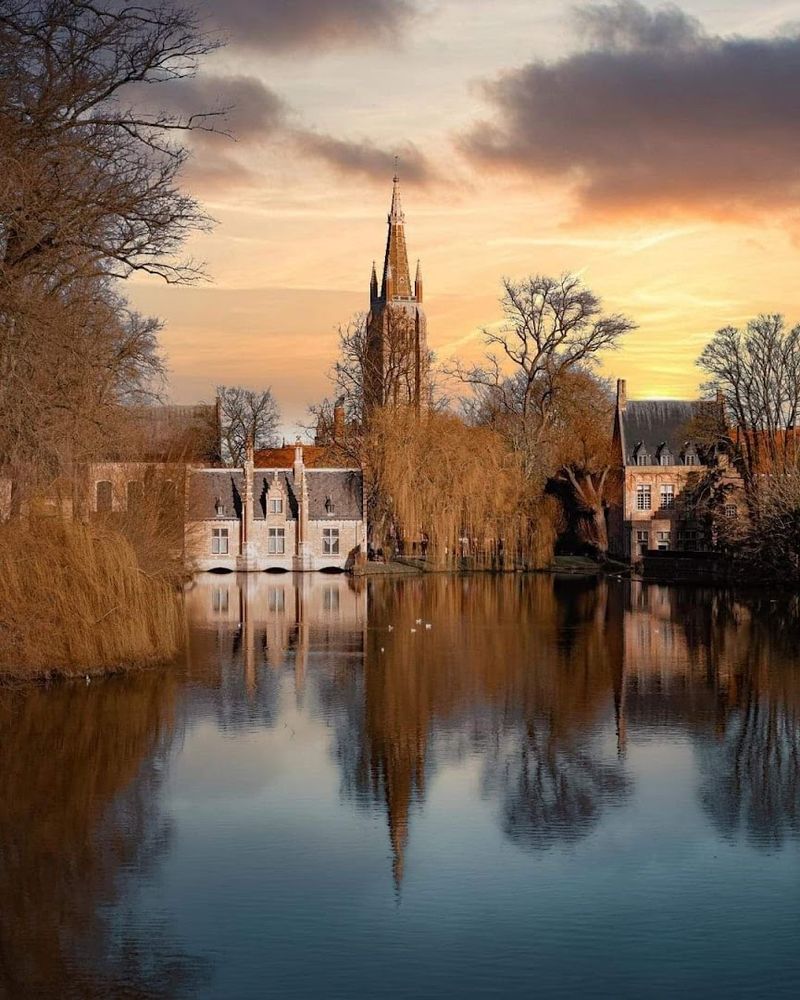
Bruges is the kind of city that makes people stop mid-sentence and just stare. Its medieval canal network, preserved Gothic architecture, and horse-drawn carriages through cobblestone lanes create a setting so intact that it has been called one of the best-preserved medieval cities in all of Europe.
The city’s historic center became a UNESCO World Heritage Site in 2000, recognizing the remarkable condition of its 13th and 14th century buildings. Unlike many European cities that modernized their cores over the centuries, Bruges retained much of its original layout and structure.
The Markt, the city’s central market square, is framed by rows of medieval guild houses and the 13th-century Belfry tower. Canal boat tours offer a ground-level view of the city’s waterways and bridges that is hard to match on foot.
For a destination with genuine old-world character, Bruges is difficult to beat.
3. Lake Como, Italy
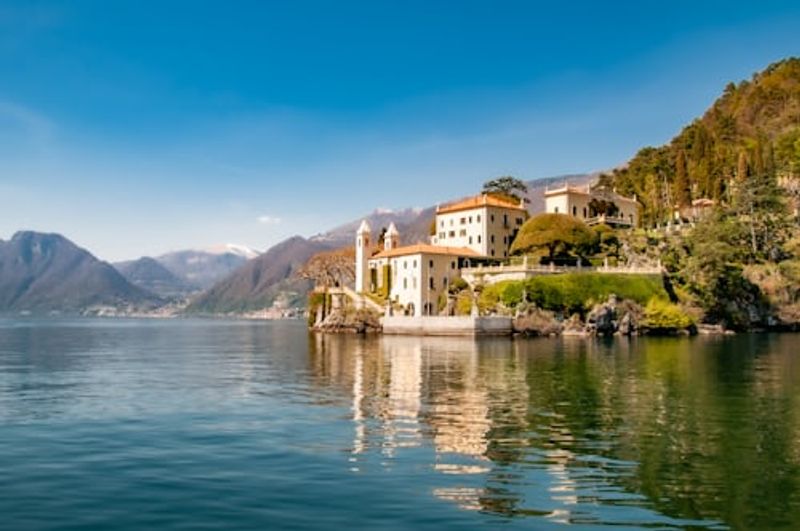
Lake Como has attracted European aristocracy, artists, and eventually film crews for well over two centuries, and the landscape has barely changed enough to notice. The lake sits in the foothills of the Alps in northern Italy, flanked by steep mountains and dotted with historic villas that date back to the Renaissance period.
Villa del Balbianello, one of the most photographed properties on the lake, has appeared in multiple major film productions and features terraced gardens that step down directly to the water’s edge. The town of Varenna, reachable only by ferry or a narrow lakeside path, is one of the quieter and more photogenic stops on the lake.
Bellagio sits at the point where the lake divides into two branches and is the most visited town on the water. The ferry system connecting the lake’s main towns makes it easy to explore without a car, which is exactly how a leisurely cinematic adventure should unfold.
4. Paris, France
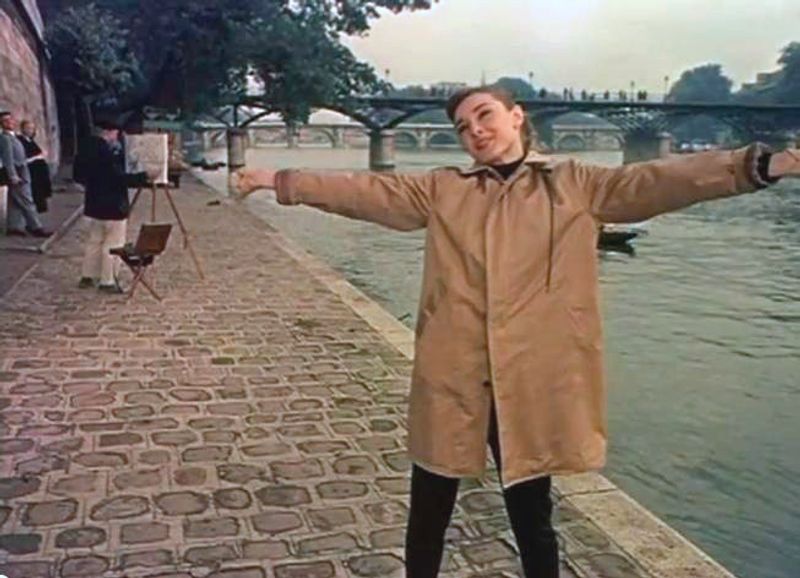
Paris did not become the world’s most romanticized city by accident. Decades of films, fashion, and cultural history have built that reputation brick by brick, and Audrey Hepburn’s 1957 film Funny Face added a particularly stylish chapter to that story.
In the film, she dances near the Eiffel Tower, glides through the Louvre, and makes the Champs-Elysees look like a personal runway. Those locations are all still there, and they look remarkably similar to how they appeared on screen.
The Pont Alexandre III bridge, one of Paris’s most ornate crossings, also appeared in Funny Face and remains a favorite spot for visitors today. Paris rewards slow exploration.
The city’s wide boulevards, classic architecture, and well-preserved historic districts make it easy to spend a full day simply wandering and feeling like a character in a very well-dressed story.
5. Charleston, South Carolina, United States
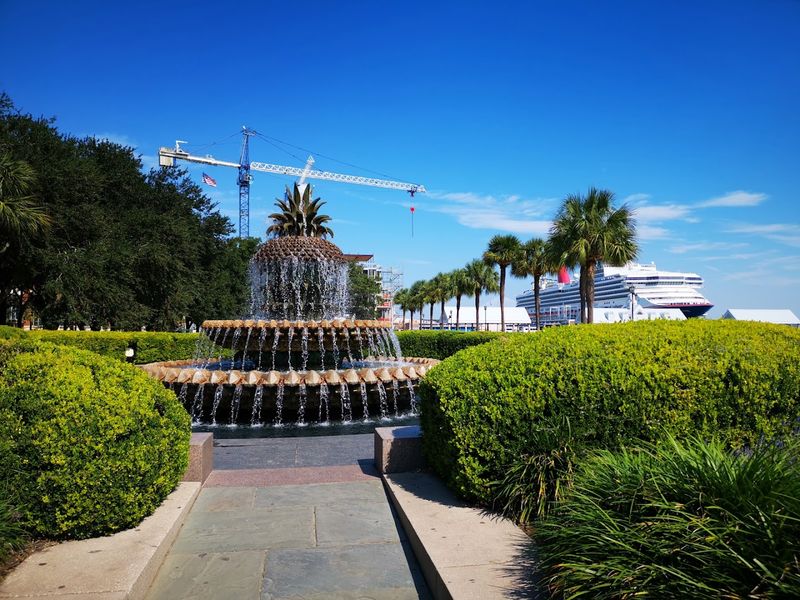
Charleston packs more architectural history into a few square miles than most American cities manage across entire counties. The city’s historic district contains hundreds of buildings from the 18th and 19th centuries, including the famous Rainbow Row, a stretch of 13 pastel-colored Georgian row houses on East Bay Street that dates to the 1740s.
Horse-drawn carriage tours operate daily through the historic center, covering streets lined with antebellum mansions, walled gardens, and churches that have stood for over 200 years. The Battery, a promenade along the city’s southern tip, offers views of the harbor and is lined with grand antebellum homes that have survived wars, hurricanes, and centuries of history.
Charleston’s market, founded in 1804, still operates six days a week and is one of the oldest public markets in the United States. The city’s combination of formal architecture, deliberate pace, and deep historical record makes it feel genuinely unlike anywhere else in the country.
6. Rome, Italy
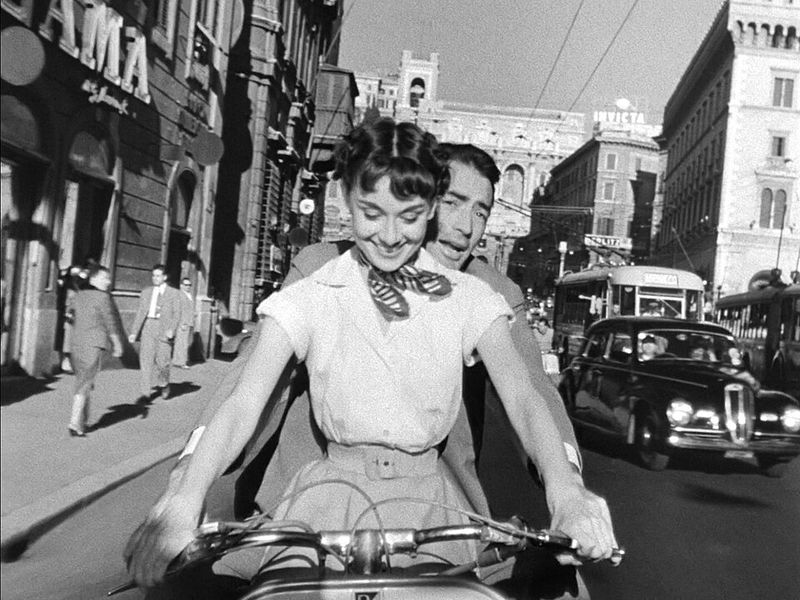
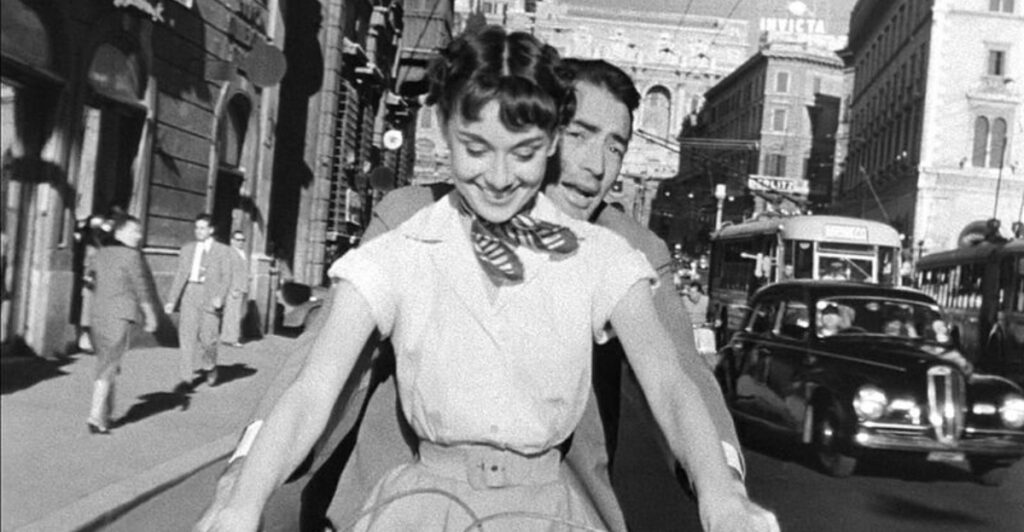
Roman Holiday, released in 1953, turned Audrey Hepburn into a star and turned Rome into a dream destination for an entire generation of travelers. She played Princess Ann, a royal who escapes her handlers for one glorious day in the city, and the film used real Roman landmarks as its backdrop.
The Spanish Steps, the Trevi Fountain, and the narrow streets of the historic center all appeared on screen. Today, visitors cannot sit on the Spanish Steps due to preservation rules, but the staircase is still a striking sight.
Via Margutta 51, the address used as the journalist’s apartment in the film, is a quiet, artist-friendly street that still carries a creative, old-Rome character. The Castel Sant’Angelo, which appeared in a memorable riverside scene, is now a museum open to the public.
Rome rewards the curious visitor who goes beyond the obvious.
7. Prague, Czech Republic
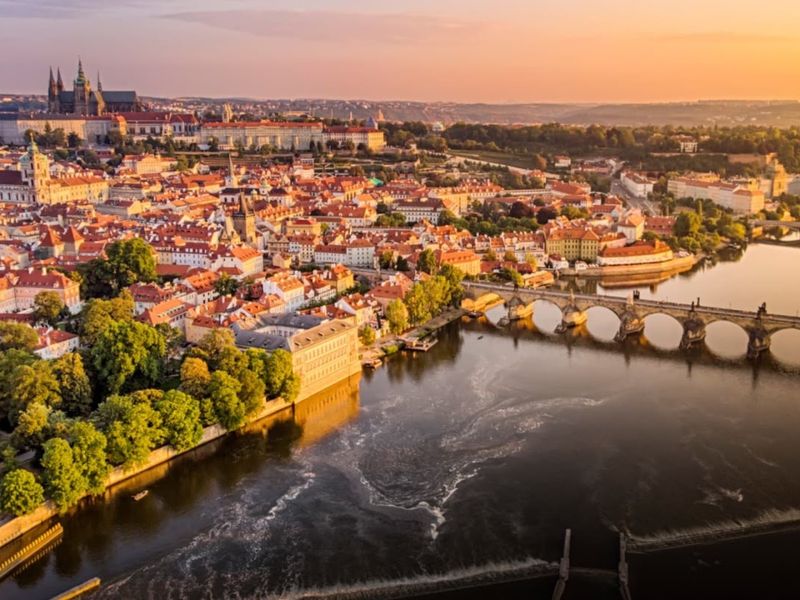
Prague’s skyline has a quality that architects from other cities tend to find quietly humbling. The city’s historic center contains Gothic cathedrals, Baroque palaces, Art Nouveau facades, and Romanesque foundations, often within the same city block, and most of it survived the 20th century’s conflicts in remarkable condition.
Charles Bridge, built in 1357, crosses the Vltava River and is lined with 30 Baroque statues added between 1683 and 1714. The Old Town Square features the Astronomical Clock, installed in 1410, which performs an hourly mechanical display that draws crowds every day of the year.
Prague Castle, the largest ancient castle complex in the world by area, sits above the city on a hill and includes a cathedral, royal palace, galleries, and gardens within its walls. The city’s layered history and well-preserved architecture give it a cinematic quality that does not require any additional special effects.
8. Venice, Italy
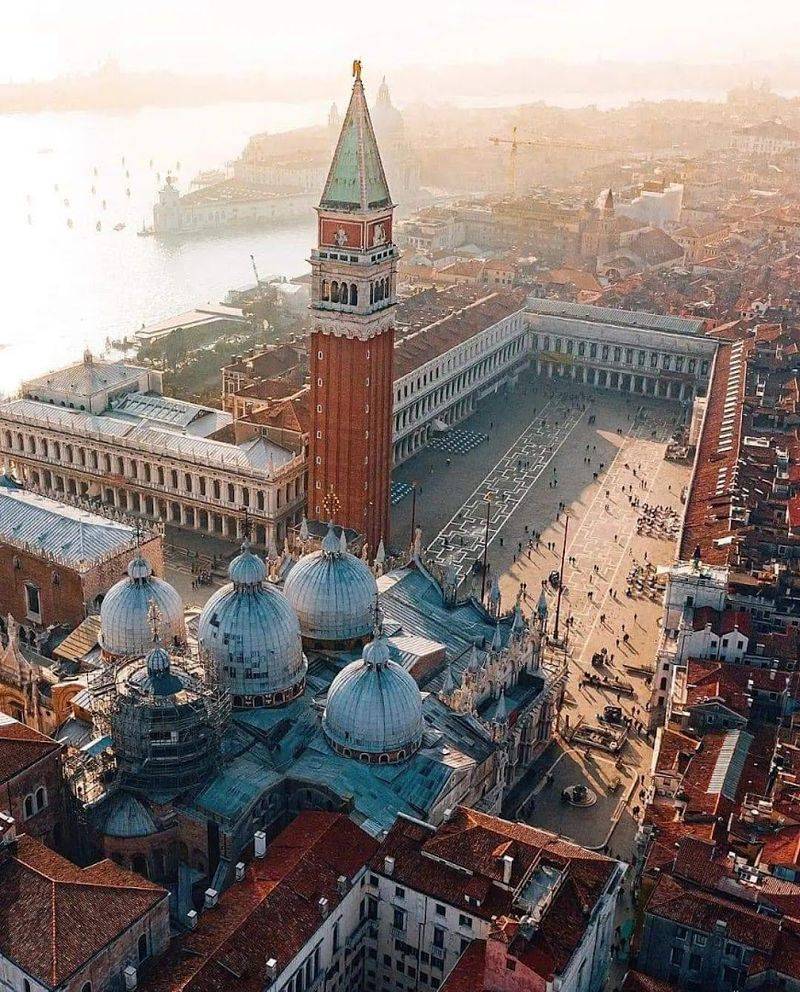
Venice was built on more than 100 small islands connected by approximately 400 bridges, and it has been slowly settling into the Adriatic Sea for centuries, which somehow only adds to its mystique. The city has no roads in its historic center, only canals and pedestrian paths, which means every arrival by water feels genuinely theatrical.
The Grand Canal, Venice’s main waterway, is lined with over 170 buildings dating mostly from the 13th to 18th centuries, including Gothic palaces, Renaissance churches, and Baroque facades that have remained largely unchanged for generations. The Piazza San Marco, the city’s main square, is flanked by the Basilica di San Marco, the Doge’s Palace, and a 99-meter campanile that has defined the city’s skyline since the 16th century.
Venice hosts the world’s oldest film festival, held annually at the Lido since 1932, which feels like a perfectly appropriate honor for a city that has always been its own best production design.
9. Savannah, Georgia, United States
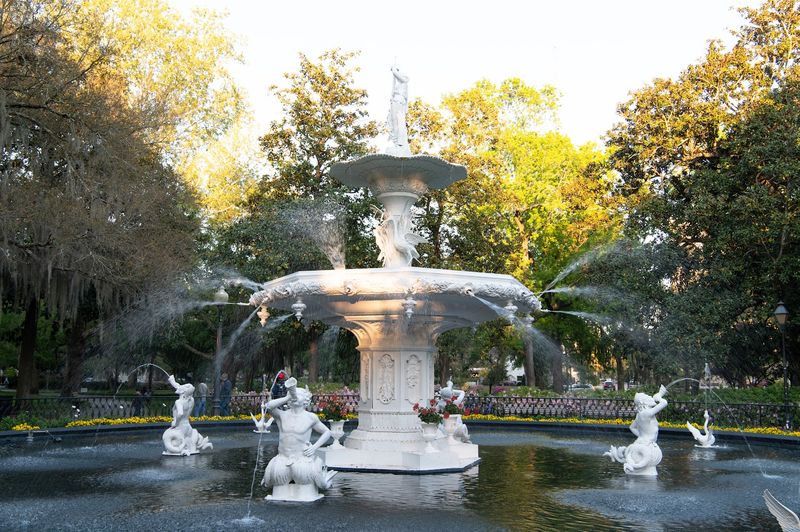
Savannah was laid out in 1733 according to a precise grid plan that included 24 public squares, and remarkably, 22 of those original squares still exist today. Each one is a small park shaded by live oak trees, surrounded by historic homes, churches, and civic buildings, and the cumulative effect of walking from square to square through the city is genuinely unlike any other urban experience in the United States.
The city’s historic district, covering roughly 2.5 square miles, contains over 1,000 architecturally significant buildings and is one of the largest National Historic Landmark Districts in the country. Forsyth Park, at the southern edge of the historic district, features a cast-iron fountain installed in 1858 that has become one of the city’s most recognizable landmarks.
Savannah’s layout was designed for pedestrians, and the city still rewards that approach. The combination of shaded squares, well-preserved architecture, and a genuinely walkable historic core makes it one of America’s most distinctive destinations.
10. Lucerne, Switzerland
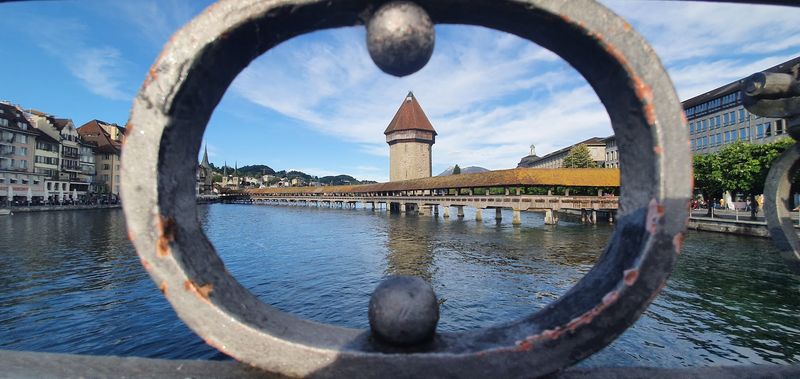
Lucerne has a geographic situation that other cities can only envy. The city sits at the point where the Reuss River flows out of Lake Lucerne, with the Alps rising directly behind it, and the combination of water, mountains, and medieval architecture in a single view is one of the most frequently photographed scenes in Switzerland.
The Chapel Bridge, built in 1333, is one of Europe’s oldest covered wooden bridges and features a series of 17th-century painted panels inside depicting scenes from Swiss history. The adjacent Water Tower, which dates to around 1300, served at various points as a treasury, archive, and prison before becoming a landmark.
Lucerne’s Old Town, on the north bank of the river, contains well-preserved medieval buildings, painted facades, and a set of well-maintained fortification towers along the hillside above the city. The city’s compact size makes it easy to cover the main historic sites on foot within a single day.
11. Amalfi, Italy
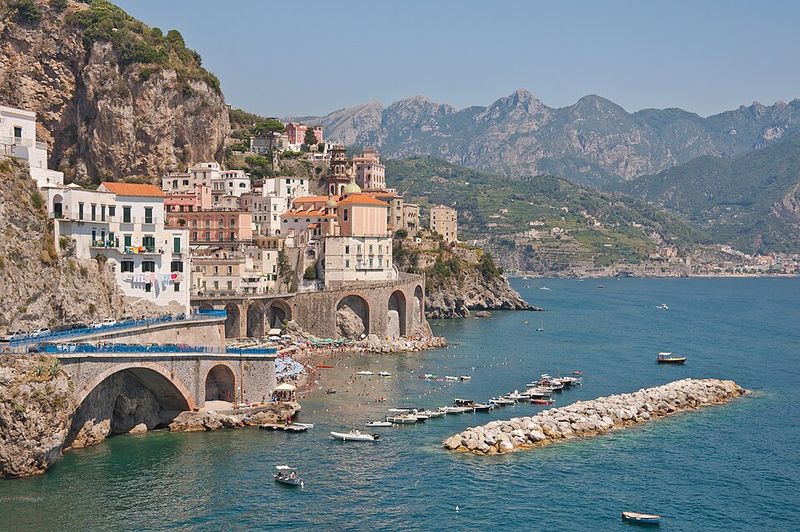
The Amalfi Coast stretches for about 50 kilometers along the southern edge of the Sorrentine Peninsula in southern Italy, and nearly every kilometer of it is protected as a UNESCO World Heritage Site. The coastline’s combination of steep cliffs, terraced hillsides, and villages built directly into the rock face has made it one of the most recognizable landscapes in the world.
Positano, one of the coast’s most visited towns, clings to a hillside so steep that many of its streets are actually staircases. The town’s pastel-colored buildings cascade down toward a small beach at the bottom, and the overall layout has changed very little since the mid-20th century, when it first became fashionable among European artists and writers.
The town of Ravello, perched 350 meters above the sea, contains two historic villas with gardens that overlook the entire coast. Villa Rufolo, dating to the 13th century, hosts an annual classical music festival in its famous terraced garden.
12. Bath, England
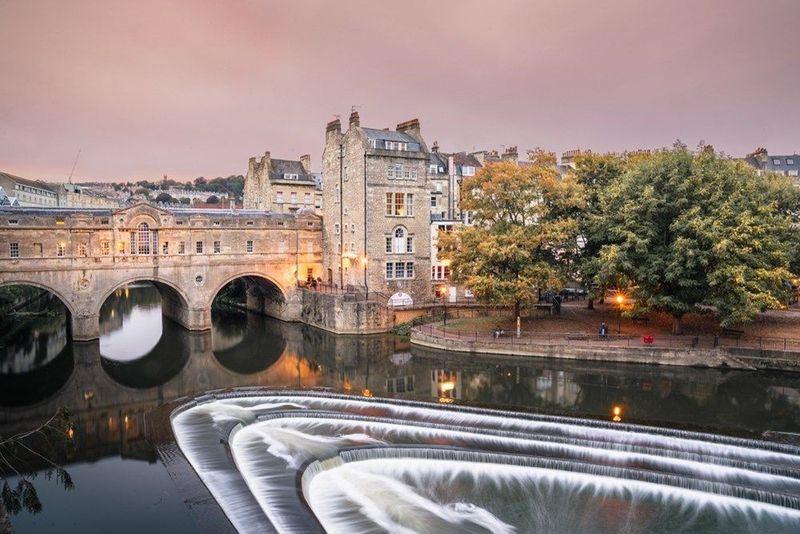
Bath was built to impress, and after nearly 300 years, it is still doing exactly that. The city’s Georgian architecture, constructed primarily between 1720 and 1800, was planned as a showpiece for the English upper class, and the uniform use of honey-colored Bath stone across hundreds of buildings gives the entire city a coherent, polished appearance that few places can match.
The Royal Crescent, completed in 1774, is a sweeping curved terrace of 30 townhouses that faces a large open lawn and remains one of the finest examples of Georgian urban planning anywhere in Britain. The Circus, a circular arrangement of 33 townhouses built between 1754 and 1768, was designed by John Wood the Elder and inspired by the Colosseum in Rome.
Bath’s Roman Baths, built around a natural hot spring, date to the 1st century AD and are among the best-preserved Roman remains in northern Europe. The city is a UNESCO World Heritage Site and earns that designation without any difficulty.
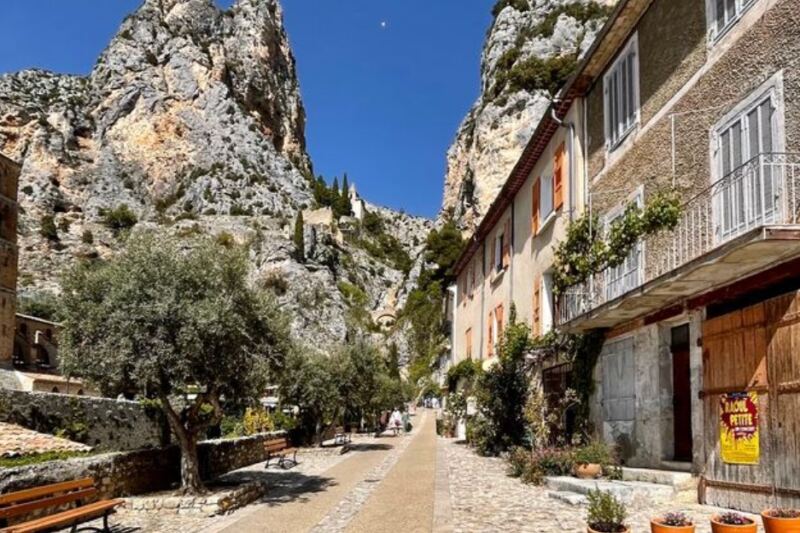
13. Saint-Paul-de-Vence, France
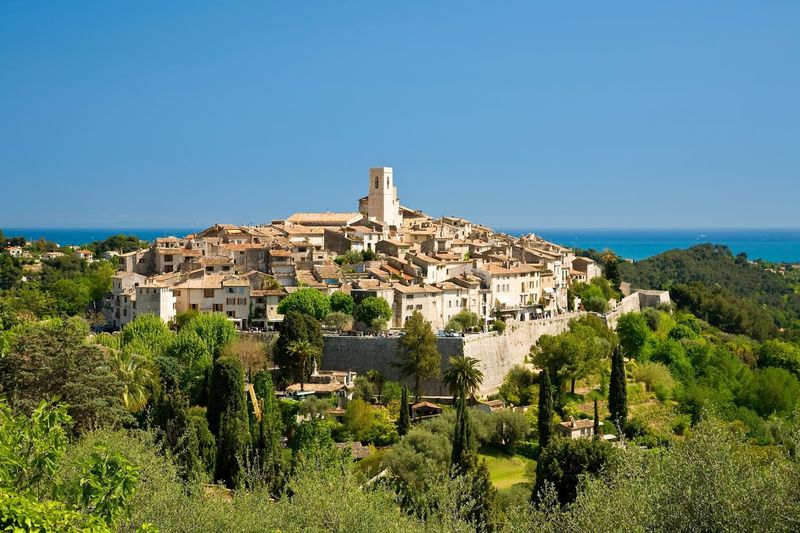
Saint-Paul-de-Vence sits on a narrow hilltop in the Alpes-Maritimes region of southern France, about 20 kilometers from Nice, and has been drawing artists, writers, and intellectuals since the 1920s when painters like Marc Chagall and Pablo Picasso discovered it. The village’s medieval walls, built in the 16th century under Francis I, are still largely intact and encircle a compact historic center of stone streets and centuries-old buildings.
The Foundation Maeght, opened in 1964 just outside the village walls, is one of Europe’s most respected private art museums and holds a permanent collection that includes works by Miro, Giacometti, Braque, and Chagall. Its outdoor sculpture garden integrates art directly into the landscape in a way that feels entirely natural rather than staged.
The village’s main street is lined with art galleries, many of which have operated for decades. Marc Chagall lived in Saint-Paul-de-Vence for the final two decades of his life and is buried in the village cemetery.
14. New York City, New York, United States
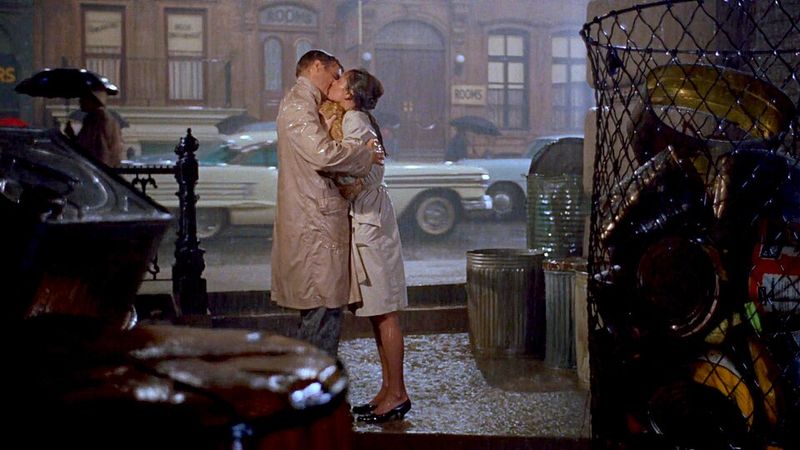
Breakfast at Tiffany’s, released in 1961, opens with one of the most recognizable scenes in American cinema. Holly Golightly steps out of a taxi on Fifth Avenue at dawn, pastry in hand, and stands alone in front of the Tiffany and Co. flagship store at the corner of 57th Street.
That building, with its polished granite facade and distinctive window displays, is still there and still draws visitors who recreate the moment daily.
The brownstone at 169 East 71st Street on the Upper East Side served as the exterior of Holly’s apartment building and remains a private residence, though it is frequently photographed by fans of the film. Central Park, which appeared in multiple scenes, is one of the most visited urban parks in the world, covering 843 acres in the middle of Manhattan.
New York has served as the backdrop for more major films than any other American city. Its combination of architectural variety, density, and visual energy makes it one of the few places that genuinely lives up to its own reputation.
Share this story