History is filled with mighty capitals that once ruled empires, controlled trade routes, and shaped entire civilizations. Yet many of these centers of power eventually faded, leaving behind only ruins scattered across deserts, jungles, and remote landscapes.
Today, their crumbling temples, palaces, and city walls offer a fascinating glimpse into worlds that vanished long ago. Walking among these ruins feels like flipping through the pages of a history book that time forgot to finish.
Babylon — Iraq
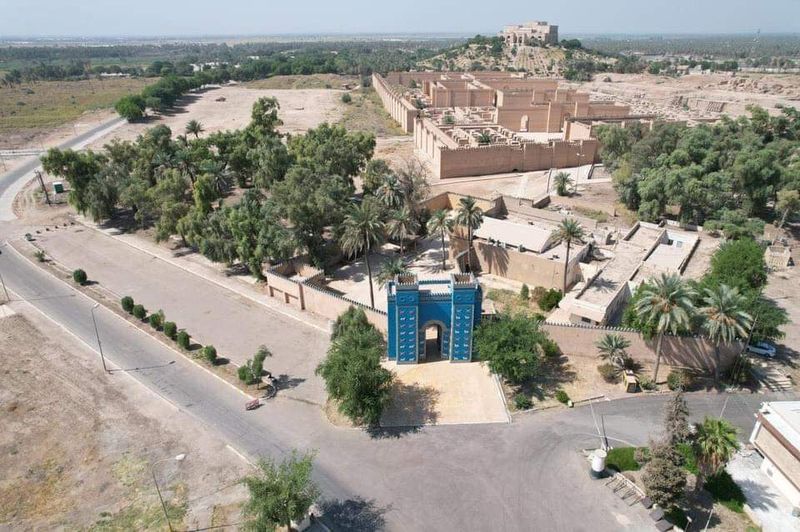
At its peak, Babylon was the kind of city that made visitors stop and stare with their mouths open. Founded along the Euphrates River in modern-day Iraq, this legendary capital ruled the Neo-Babylonian Empire under King Nebuchadnezzar II around 600 BC.
Back then, it was home to towering temples, bustling markets, and the mythical Hanging Gardens, one of the Seven Wonders of the Ancient World.
The city’s famous Ishtar Gate was covered in brilliant blue glazed tiles decorated with dragons and bulls. Merchants traveled from as far as Egypt and Persia just to trade here.
Babylon’s influence stretched across law, astronomy, and mathematics, giving the world some of its earliest written codes of justice.
Today, visitors near modern Hillah can explore reconstructed walls, original foundations, and ceremonial pathways that once hosted royal processions. Archaeologists continue uncovering new details beneath the sandy soil.
The site sits about 85 kilometers south of Baghdad and draws history lovers from around the globe. Seeing what remains makes it easy to understand why ancient writers called Babylon the greatest city on Earth.
Persepolis — Iran
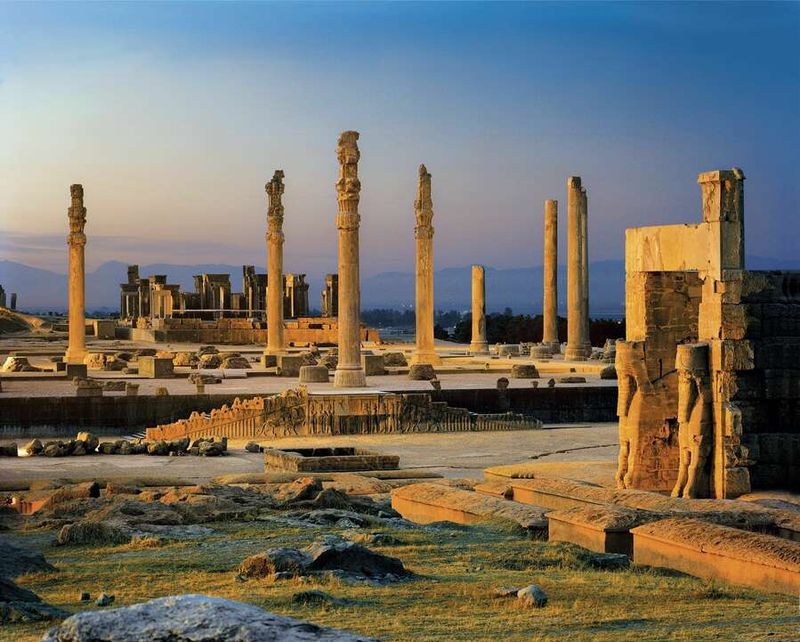
Standing before the towering columns of Persepolis feels like receiving a personal invitation from a 2,500-year-old king. Darius the Great ordered its construction around 518 BC, and the city quickly became the ceremonial heart of the mighty Achaemenid Empire.
Every year, representatives from across the known world climbed its grand staircases to present tribute to the Persian king.
The carved reliefs along those staircases are jaw-dropping. Dozens of nations are depicted in precise detail, each wearing their own traditional clothing and carrying unique gifts.
These stone images are like a frozen snapshot of the ancient world’s greatest gathering of cultures and peoples.
Alexander the Great burned much of Persepolis in 330 BC, reportedly as revenge for the Persian burning of Athens. Despite that destruction, remarkable structures survive.
The Gate of All Nations, the Apadana Palace columns, and intricately carved tombs cut into nearby cliffs still stand proudly. Located near the modern city of Shiraz in southern Iran, Persepolis became a UNESCO World Heritage Site in 1979.
Visiting today means walking the same stone floors where Persian emperors once held the fate of entire nations in their hands.
Angkor Thom — Cambodia
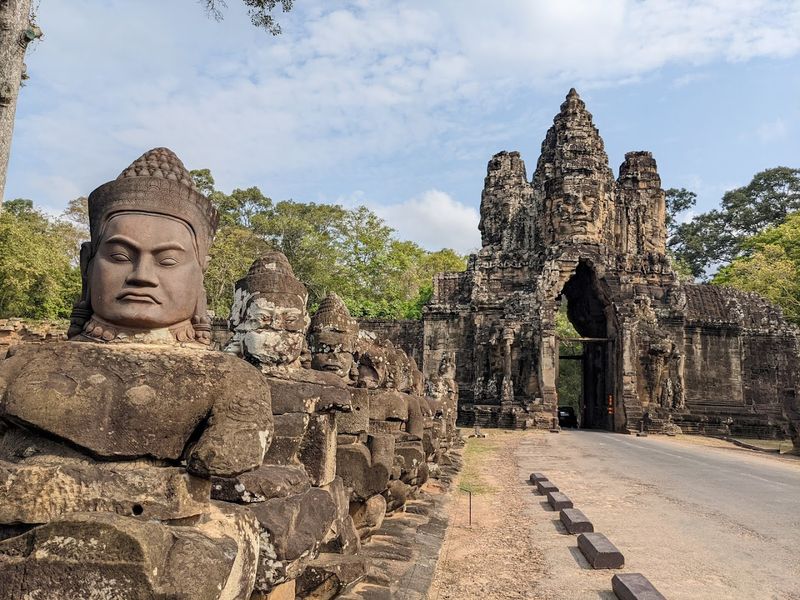
Few places on Earth blend architecture and jungle quite like Angkor Thom, where enormous stone faces peek through tangled tree roots as if the forest itself is watching you. This walled city served as the final great capital of the Khmer Empire, likely housing over one million people at its height around the 12th century.
That would have made it one of the largest cities in the medieval world.
King Jayavarman VII built Angkor Thom after enemy forces sacked the previous capital. He designed it as a statement of power and spiritual devotion, with five massive gates guarded by rows of stone giants holding a giant serpent.
At its center stands the Bayon Temple, famous for its 216 enormous carved faces gazing serenely in all directions.
The city also features the Baphuon temple, the Elephant Terrace, and the Terrace of the Leper King. Scholars believe Angkor Thom declined after water management systems failed and Thai kingdoms grew stronger.
Today it sits within the larger Angkor Archaeological Park in northwestern Cambodia. Wandering through its jungle-covered corridors, you get the strong feeling that the stones remember every secret this city ever kept.
Carthage — Tunisia
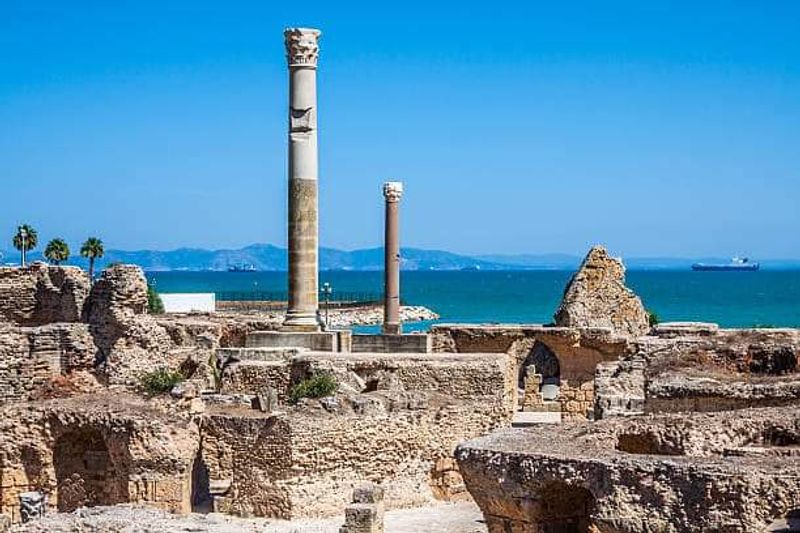
Rome and Carthage were rivals in the way only two supremely confident empires can be, each convinced it alone deserved to rule the Mediterranean world. Founded by Phoenician settlers around 814 BC on the coast of modern-day Tunisia, Carthage grew into a commercial superpower that controlled sea trade across the entire region.
Its general Hannibal famously marched war elephants across the Alps to attack Rome directly.
The rivalry ended badly for Carthage. After three brutal Punic Wars, Rome finally destroyed the city in 146 BC, allegedly salting the earth so nothing would grow there again.
The Romans later rebuilt Carthage as one of their own great cities, layering a new civilization right on top of the old one.
That layering makes archaeology here particularly tricky and fascinating. Visitors today can explore the Antonine Baths, one of the largest Roman bath complexes ever built, as well as villas, mosaics, and the ancient Tophet sanctuary.
The ruins sit just outside modern Tunis, overlooking the shimmering Gulf of Tunis. Carthage became a UNESCO World Heritage Site in 1979, and its story remains one of history’s most dramatic tales of rise, rivalry, and ruin.
Hattusa — Türkiye
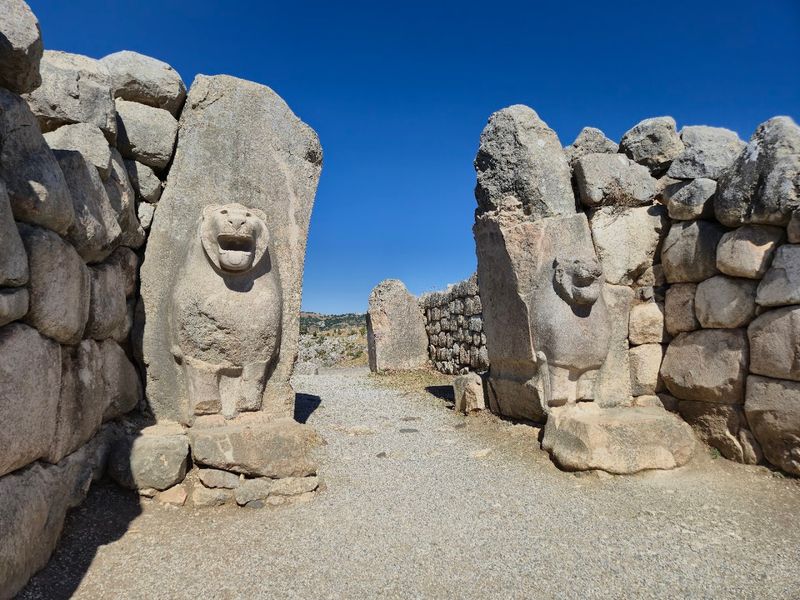
Most people can name ancient Egypt or Greece without blinking, but the Hittites ran an empire just as powerful and far less celebrated. Hattusa served as the capital of this Bronze Age superpower in what is now central Türkiye, thriving between roughly 1650 and 1200 BC.
At its peak, Hittite kings corresponded as equals with Egyptian pharaohs and signed one of history’s earliest recorded peace treaties after the Battle of Kadesh.
The city was enormous by ancient standards, covering about 180 hectares and protected by massive double walls stretching over six kilometers. Builders used enormous stone blocks fitted together with remarkable precision.
The famous Lion Gate and Sphinx Gate still stand at original entrances, their carved guardians keeping watch over an empty city.
Inside the walls, archaeologists have uncovered royal palaces, dozens of temples, and a huge royal archive containing thousands of clay tablets written in cuneiform script. These tablets revealed the Hittite language and unlocked centuries of forgotten history.
The site near modern Boghazkoy in north-central Türkiye became a UNESCO World Heritage Site in 1986. Walking through Hattusa today, you sense the weight of a civilization that shaped the ancient world but somehow slipped through history’s spotlight.
Great Zimbabwe — Zimbabwe
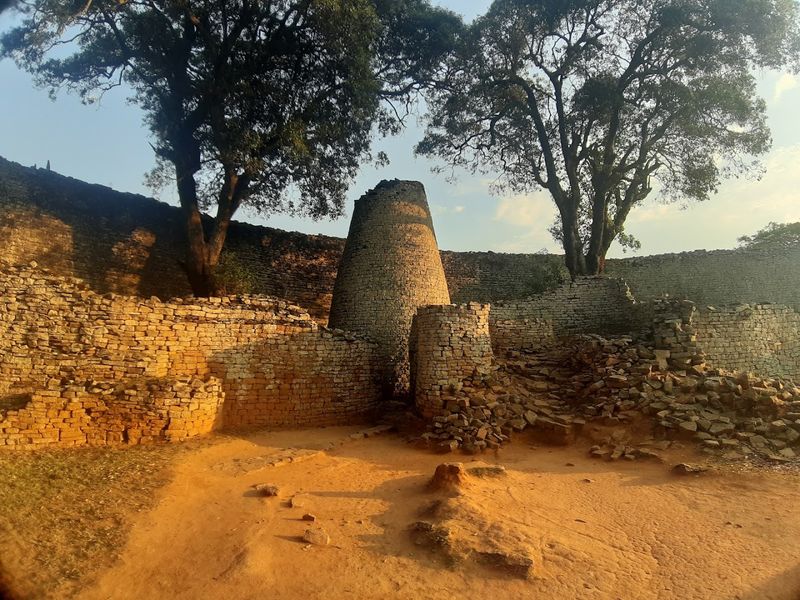
Built without a single drop of mortar, the stone walls of Great Zimbabwe have stood for nearly a thousand years, which is either an engineering miracle or a very serious challenge to everything we assume about African history. Between the 11th and 15th centuries, this city served as the capital of the Kingdom of Zimbabwe, a wealthy state that controlled gold and ivory trade routes stretching from the African interior to the Indian Ocean coast.
The Great Enclosure, the site’s most iconic structure, features a wall nearly 250 meters long and up to 11 meters high. Builders used precisely shaped granite stones stacked in careful patterns without any binding material.
The technique required extraordinary skill and planning, proving the civilization that built it was highly organized and technically sophisticated.
European colonizers initially refused to believe Africans built the site, inventing theories about ancient Phoenicians or Arabians instead. Modern archaeology firmly disproved those claims.
Today the ruins cover nearly 800 hectares and are split into three main areas: the Hill Complex, the Valley Ruins, and the Great Enclosure. Zimbabwe’s name literally means great stone house in the Shona language.
The site became a UNESCO World Heritage Site in 1986 and remains a powerful symbol of African achievement.
Ur — Iraq
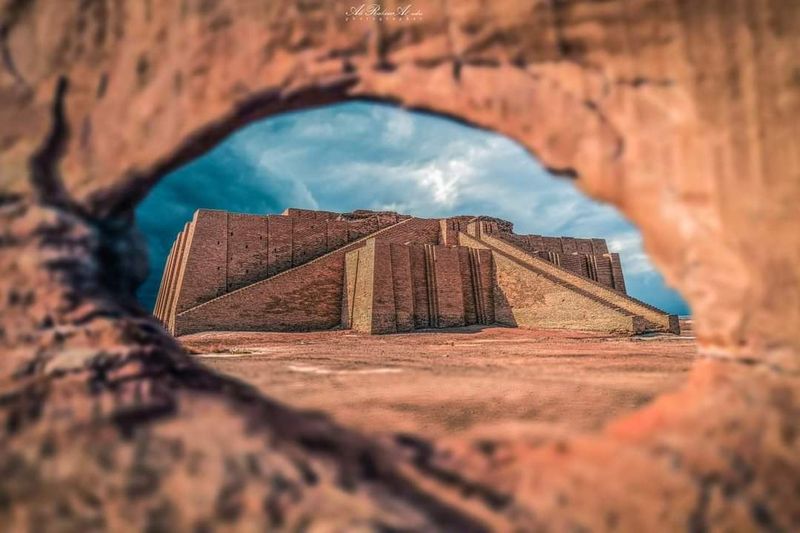
Somewhere around 3800 BC, people in southern Mesopotamia decided to build one of the world’s first real cities, and Ur was among the most impressive results. Located in what is now southern Iraq, Ur became a thriving capital of Sumerian civilization, famous for its ziggurat, royal tombs, and complex bureaucratic society.
This was one of the first places on Earth where people wrote things down, kept records, and organized government on a large scale.
The Royal Cemetery of Ur, excavated by archaeologist Leonard Woolley in the 1920s, revealed spectacular golden treasures buried alongside rulers. Woolley also discovered evidence suggesting that servants were killed and buried with their monarchs, a chilling detail that made headlines worldwide.
The golden helmet, lyres, and jewelry recovered are now among the most treasured artifacts in world museums.
The Great Ziggurat of Ur, dedicated to the moon god Nanna, still dominates the desert landscape today. Its massive stepped platform rises dramatically from the flat plain, visible for kilometers in every direction.
Partially restored in the 20th century, it remains one of the best-preserved ziggurats in existence. Ur also holds religious significance as the traditional birthplace of the biblical patriarch Abraham, adding another layer to its already extraordinary story.
Tikal — Guatemala
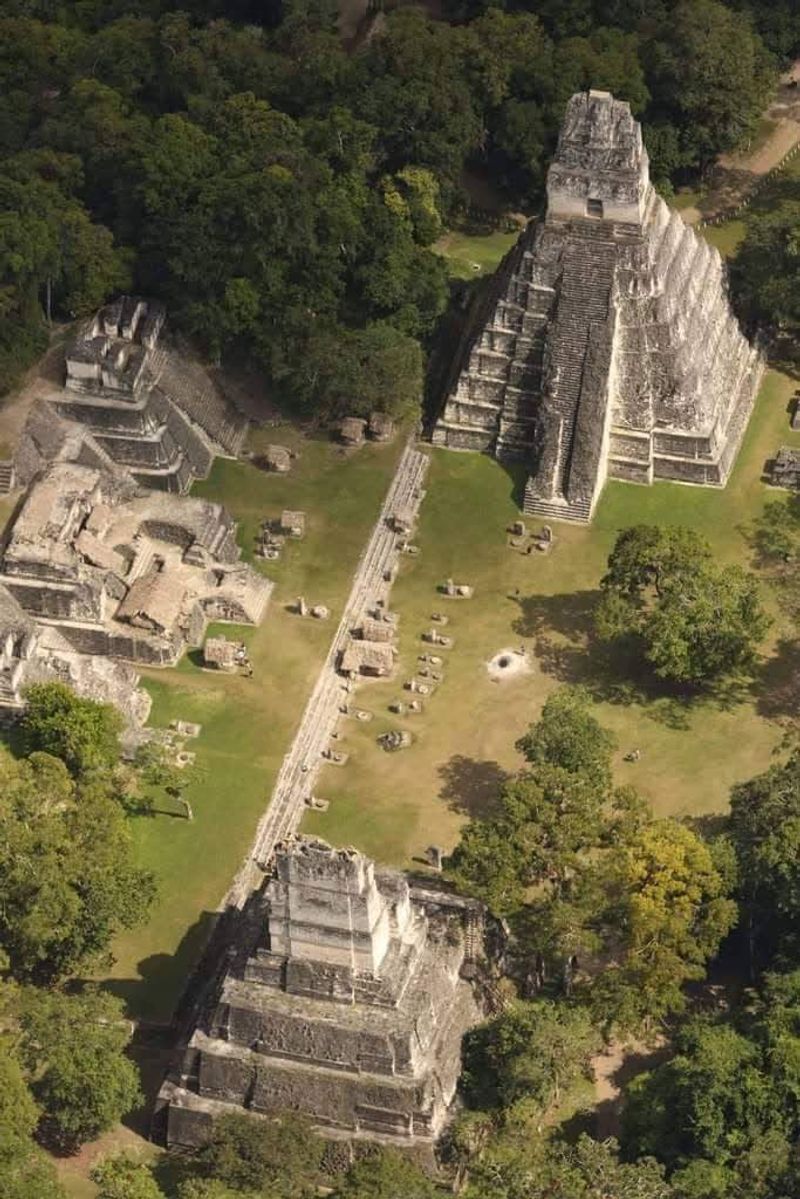
Hearing howler monkeys echo through the jungle while a 70-meter pyramid looms above the treetops is not something you forget quickly. Tikal was one of the most dominant capitals of the ancient Maya world, flourishing between roughly 200 and 900 AD in what is now northern Guatemala.
At its height, the city may have housed 100,000 people, making it a true metropolis hidden deep within tropical rainforest.
Tikal’s rulers built an astonishing number of temples, palaces, plazas, and ceremonial structures across a vast urban area. Temple I, known as the Temple of the Great Jaguar, soars nearly 47 meters into the sky and served as the tomb of the powerful ruler Jasaw Chan Kawil.
Hieroglyphic inscriptions carved throughout the site record centuries of royal history, wars, and religious ceremonies.
The city mysteriously declined around 900 AD during the broader Maya collapse, possibly due to drought, warfare, and environmental degradation. Jungle slowly swallowed the buildings for centuries until archaeologists began clearing the site in the 1950s.
Today Tikal National Park is a UNESCO World Heritage Site and one of Central America’s most visited destinations. Climbing one of its pyramids at sunrise, with the jungle canopy stretching endlessly below, is genuinely one of the world’s great travel experiences.
Aksum — Ethiopia
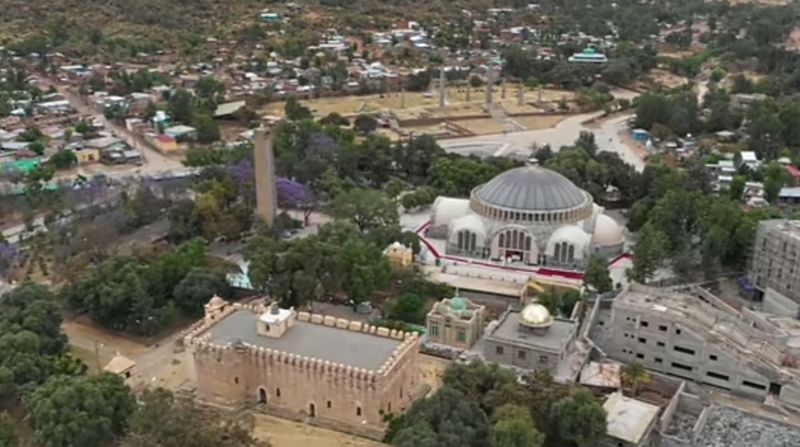
Long before Europe dominated global trade, the Kingdom of Aksum sat at one of the ancient world’s busiest crossroads, connecting sub-Saharan Africa, Arabia, India, and the Mediterranean in a single trading network. Aksum, located in northern Ethiopia, served as this kingdom’s capital from roughly 100 to 940 AD.
At its peak it was considered one of the four great powers of the ancient world alongside Rome, Persia, and China.
The city’s most visually striking legacy is its field of giant carved obelisks, called stelae, some reaching over 24 meters tall. These towering stone monuments marked royal tombs and displayed the kingdom’s wealth and engineering skill.
One obelisk, looted by Italy during the fascist occupation in 1937, was finally returned to Ethiopia in 2008 after decades of diplomatic effort.
Aksum was also one of the earliest kingdoms to adopt Christianity as a state religion, doing so in the 4th century AD. The city is considered sacred by Ethiopian Orthodox Christians, who believe the Church of Our Lady Mary of Zion houses the original Ark of the Covenant.
Whether that claim is true or not, Aksum’s historical importance is beyond question. The ruins became a UNESCO World Heritage Site in 1980 and continue revealing new discoveries to archaeologists today.
Ani — Türkiye
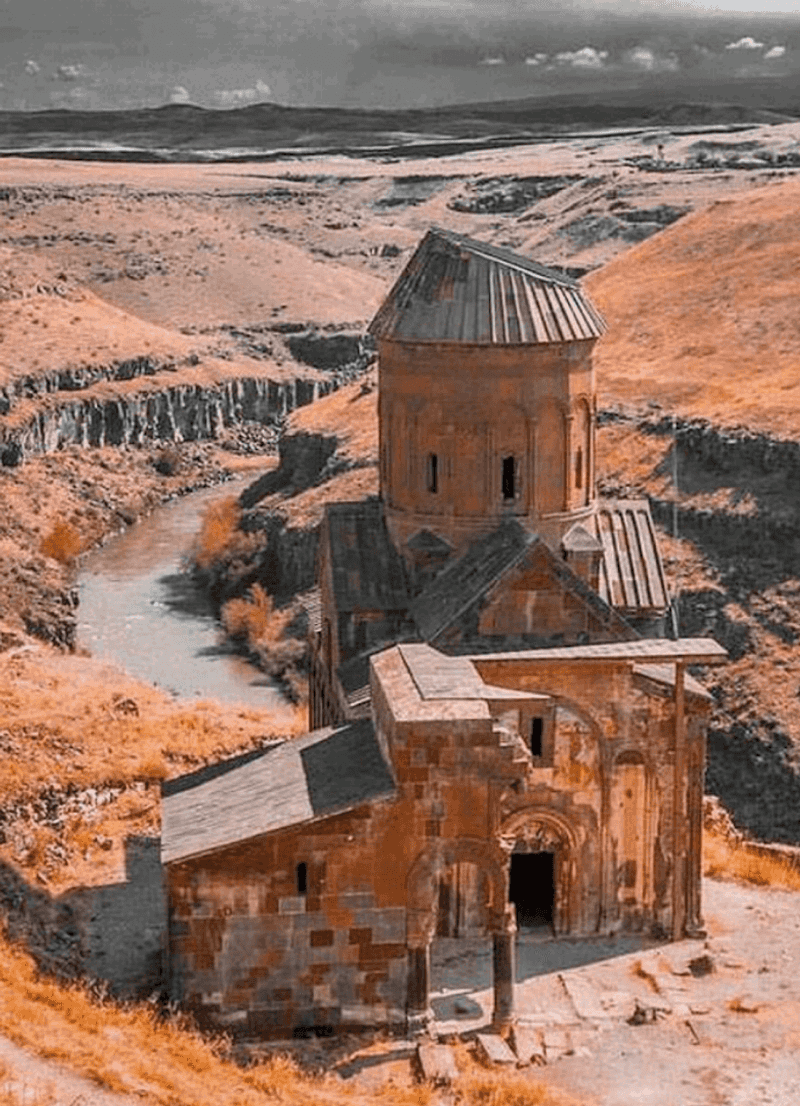
Perched on a windswept plateau above a dramatic canyon, the ghost city of Ani looks like it was designed specifically to break your heart. Once called the City of 1,001 Churches, Ani served as the glittering capital of the Bagratid Armenian Kingdom between 961 and 1064 AD.
At its height it was home to around 100,000 people and rivaled Constantinople and Baghdad as one of the medieval world’s great urban centers.
The city’s skyline was dominated by magnificent churches, palaces, and caravansaries that reflected Armenian, Byzantine, and Persian architectural styles. The Cathedral of Ani, completed around 1001 AD, features elegant stone carvings and graceful arched windows that still stand despite centuries of earthquakes, invasions, and neglect.
Walking through the ruins today, you can still trace the outlines of streets, workshops, and homes.
Ani was captured by the Seljuk Turks in 1064, devastated by a Mongol raid in 1236, and finally abandoned by the 17th century. Its location right on the Turkish-Armenian border added political sensitivity that slowed restoration efforts for decades.
The site became a UNESCO World Heritage Site in 2016. Standing at the canyon’s edge watching the wind sweep through empty doorways, it is genuinely hard to believe this place was once one of the world’s busiest cities.
Meroe — Sudan
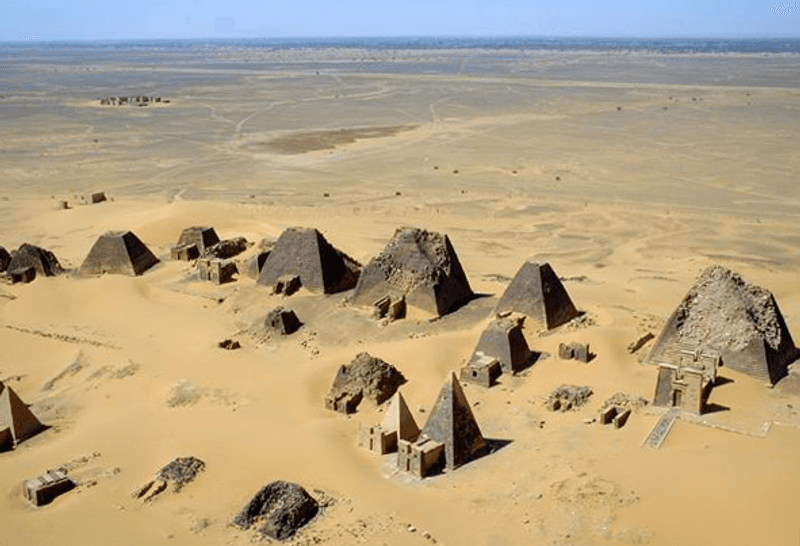
Egypt gets all the pyramid fame, but Sudan has more ancient pyramids than Egypt does, and Meroe is where most of them stand. After the city of Napata declined, Meroe became the capital of the Kingdom of Kush around 300 BC, and it remained a powerful center of civilization along the Nile for roughly 600 years.
Located in what is now northeastern Sudan, the city controlled lucrative trade in iron, gold, and exotic goods.
The pyramids at Meroe are steeper and narrower than their Egyptian cousins, giving them a distinctive silhouette that looks almost otherworldly rising from the flat desert. Over 200 royal pyramids and tombs have been identified in the area.
Unfortunately, a treasure-hungry Italian explorer named Giuseppe Ferlini blew the tops off dozens of them with explosives in 1834 searching for hidden gold, causing irreparable damage.
Meroe was also notable for its iron smelting industry, so advanced that slag heaps from ancient furnaces still dot the landscape today. The city’s rulers, including powerful queens called Kandakes, wielded real political and military authority.
Meroe became a UNESCO World Heritage Site in 2011. Visiting at sunrise, when the pyramid shadows stretch long across the sand, is one of those moments that makes ancient history feel completely, urgently alive.
Knossos — Crete, Greece
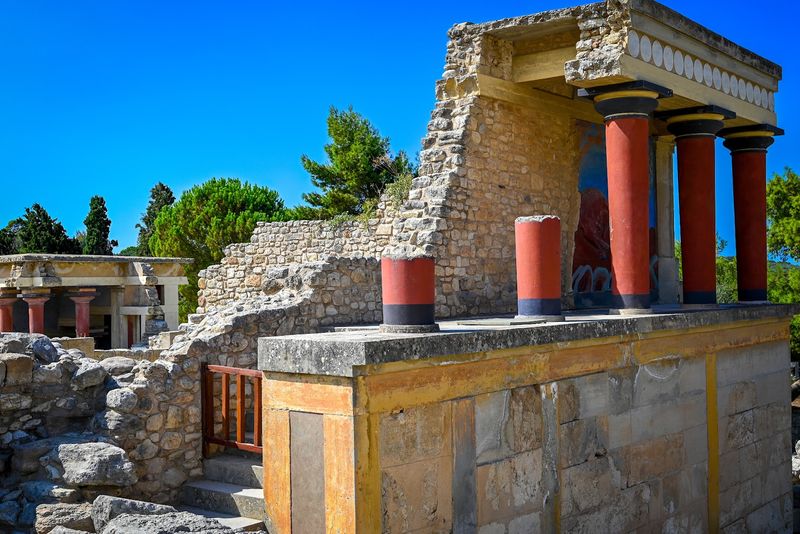
Somewhere beneath the olive groves of Crete lies a palace so complex and maze-like that it may have actually inspired the legend of the Minotaur. Knossos served as the administrative and ceremonial capital of Minoan civilization, Europe’s earliest advanced culture, flourishing between roughly 2000 and 1400 BC.
At its height the palace covered nearly 20,000 square meters and housed thousands of people across its many levels and courtyards.
British archaeologist Arthur Evans excavated Knossos beginning in 1900 and controversially reconstructed large sections using concrete and vivid paint. His restorations are debated by modern archaeologists, but they do make the site visually spectacular and easier for visitors to imagine how the palace once looked.
Colorful frescoes depicting bull-leaping athletes, dolphins, and processions of priestesses give a lively sense of Minoan culture.
The Minoans were seafarers and traders who influenced cultures across the Aegean. Their writing system, called Linear A, has never been fully deciphered, meaning many of their stories remain locked away.
Knossos declined sharply around 1450 BC, possibly due to volcanic eruptions, earthquakes, or invasion by Mycenaean Greeks. Today the site near the modern city of Heraklion is one of Greece’s most visited archaeological sites.
The palace’s twisting corridors still carry a faint mystery that no reconstruction can fully explain.
Ctesiphon — Iraq
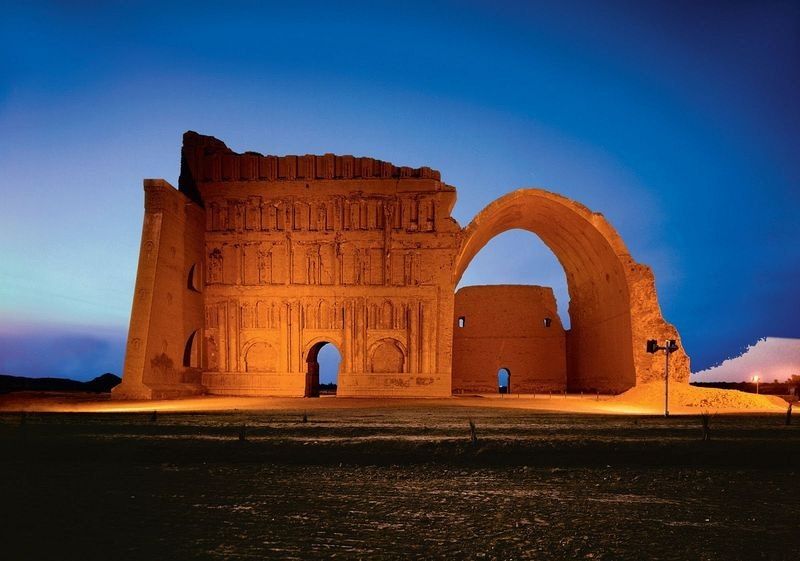
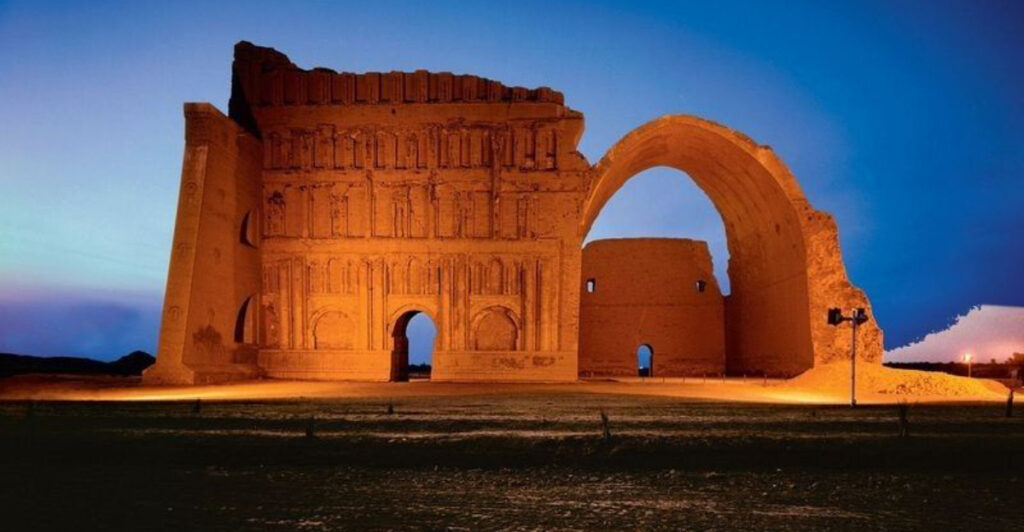
Imagine building the world’s largest brick arch without modern machinery, and then having it stand for over 1,500 years. That is exactly what the builders of Ctesiphon accomplished with the Taq Kasra, the colossal vaulted hall that still rises from the Iraqi plain near the Tigris River.
Ctesiphon served as the capital of both the Parthian and Sasanian Empires across several centuries, making it one of the ancient world’s most enduring political centers.
At its height around 570 AD, Ctesiphon was reportedly the largest city in the world, with a population estimated at half a million people. The city featured grand palaces, gardens, and monuments that dazzled visitors and ambassadors from distant lands.
Persian kings hosted spectacular feasts in the Taq Kasra’s enormous hall, which measured roughly 37 meters high and 26 meters wide.
Arab Muslim forces captured Ctesiphon in 637 AD during the rapid early expansion of Islam, and the city gradually declined as the new capital Baghdad rose nearby. Floods, erosion, and centuries of brick-robbing have reduced most of the ancient city to mounds of earth.
Only the Taq Kasra survives as a true standing structure, and even it has partially collapsed. It remains an extraordinary sight, a single giant arch standing alone in the flat landscape like a monument to human ambition.
Machu Picchu — Peru
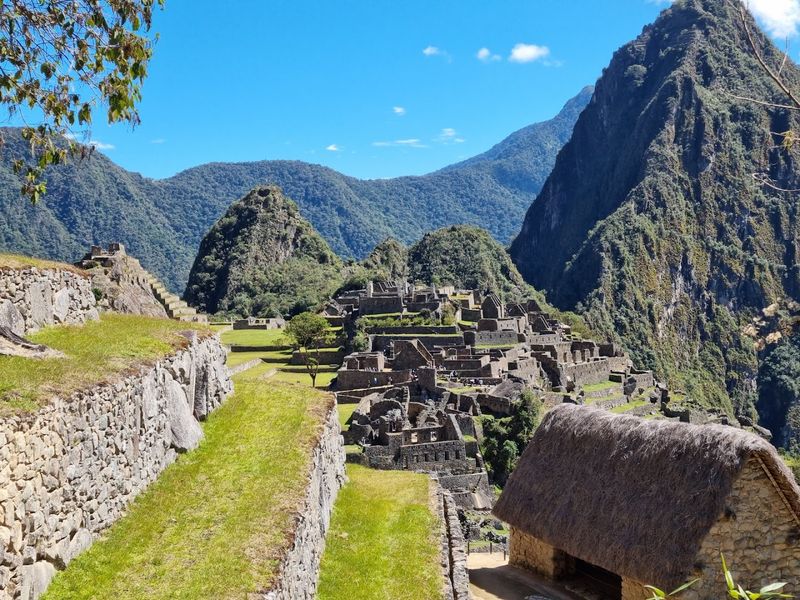
Perched at 2,430 meters above sea level, Machu Picchu manages to look both impossibly remote and architecturally perfect at the same time. Built by the Inca around 1450 AD, this extraordinary stone complex served as a royal estate and likely an important religious and administrative center for the Inca Empire.
Its exact purpose is still debated by scholars, which only adds to its mystique.
The Inca built Machu Picchu without wheeled carts, iron tools, or written plans, yet the stone blocks fit together so precisely that not even a credit card can slide between them. The site includes temples, terraced agricultural fields, residential quarters, and astronomical observation points aligned with solar and lunar events.
The Intihuatana stone, carved directly from bedrock, may have served as a ritual astronomical calendar.
When Spanish conquistadors swept through the Inca Empire in the 1530s, Machu Picchu was quietly abandoned and hidden from European knowledge for nearly 400 years. American historian Hiram Bingham brought it to international attention in 1911.
Today it attracts nearly a million visitors annually and became a UNESCO World Heritage Site in 1983. Standing on its terraces with clouds drifting through the peaks below you, it becomes very easy to understand why the Inca believed their emperor was descended from the sun.
Pataliputra — India
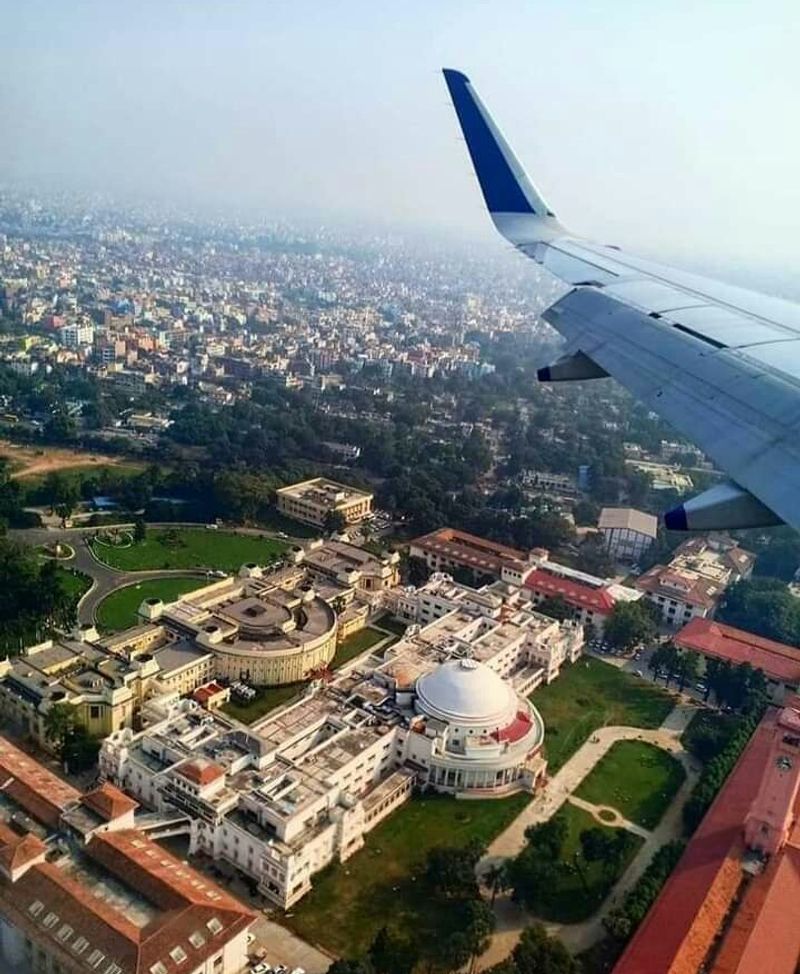
Beneath the busy streets of modern Patna, India, lies the ghost of one of the ancient world’s most powerful cities, and most people walk right over it every single day. Pataliputra served as the capital of both the Maurya Empire under Chandragupta and Ashoka, and later the Gupta Empire, spanning a period from roughly 320 BC to 550 AD.
Greek ambassador Megasthenes visited around 300 BC and described a city of breathtaking size and sophistication.
Megasthenes wrote that Pataliputra was surrounded by a massive wooden palisade with 570 towers and 64 gates, making it one of the most heavily fortified cities of its era. Excavations have actually confirmed sections of this ancient wooden wall, preserved in waterlogged soil for over 2,000 years.
The Maurya Empire under Ashoka stretched across most of the Indian subcontinent, and Pataliputra directed it all.
Emperor Ashoka, who converted to Buddhism after witnessing the devastating aftermath of a battle, used Pataliputra as his base for spreading Buddhist teachings across Asia. His stone pillars and edicts, found across India, remain some of history’s most remarkable examples of royal public messaging.
Today the Patna Museum houses many artifacts recovered from the ancient city. Though most of Pataliputra lies buried and unexcavated, what archaeologists have found keeps rewriting our understanding of ancient South Asian civilization.
Share this story