Around the world, people are living longer than ever before while birth rates continue to decline. The result is a growing number of aging societies where older adults make up a significant portion of the population.
In these countries, seniors play an increasingly important role in shaping everything from healthcare and housing to politics and the economy. Some of the numbers might just surprise you.
Japan

Nearly one in three people walking down a Japanese street is aged 65 or older, making Japan the undisputed champion of aging nations. That statistic alone has reshaped how the country thinks about everything from vending machines to retirement villages.
Japan’s senior population is not just large, it is growing fast.
Low birth rates have been a national conversation for decades, and the government has tried incentives, campaigns, and policies to encourage younger families. So far, none have dramatically reversed the trend.
Meanwhile, Japanese life expectancy consistently ranks among the highest on the planet.
Rural towns have felt this shift most sharply, with some villages made up almost entirely of elderly residents. Robotics and automation have stepped in to fill caregiving gaps, making Japan a global leader in elder-care technology.
The country is essentially writing the playbook that other aging nations will eventually need to follow.
Italy
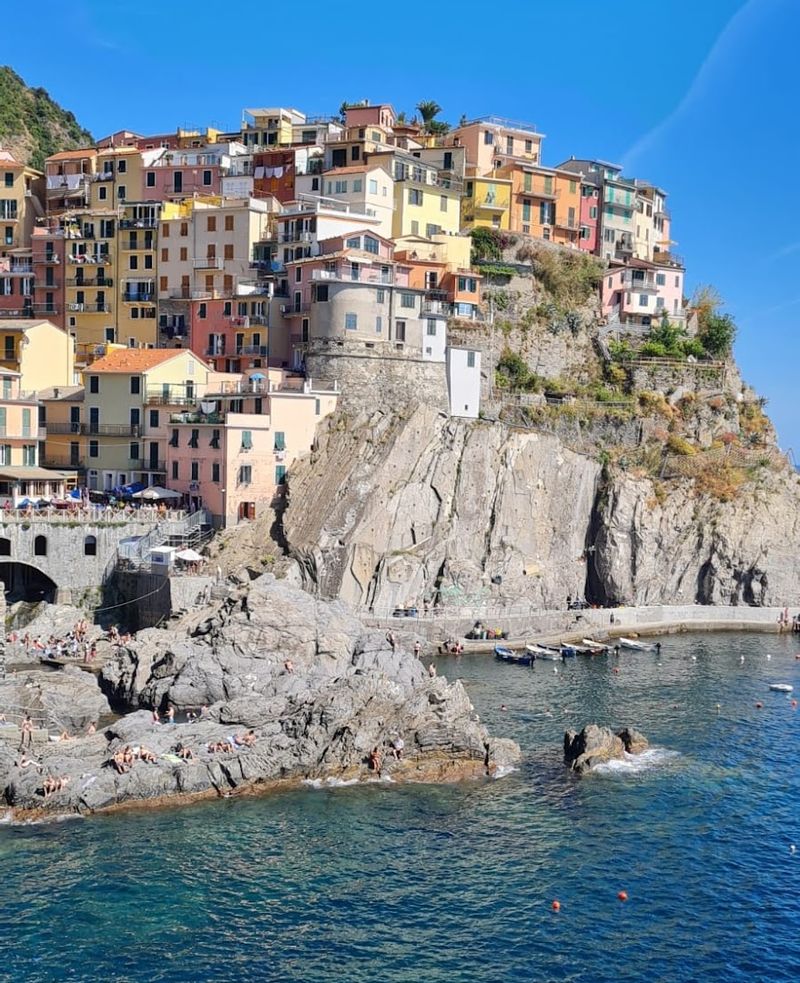
Walk through almost any small Italian village and you will notice something immediately: the faces are mostly older, and the streets are wonderfully quiet. Italy has one of the highest proportions of seniors in the world, with more than 23% of its population aged 65 or older.
Centenarians, people who have reached 100 years old, are increasingly common here.
The Mediterranean diet, strong family bonds, and a relaxed pace of life are often credited for those long lifespans. But the same low birth rates that keep Italian families small have left a demographic gap that younger generations simply cannot fill.
Southern regions have been hit especially hard by youth emigration.
Italy’s pension system faces serious financial pressure as a result, and healthcare demand continues to climb. Policymakers are working to balance the needs of a large elderly population against a shrinking workforce.
Despite the challenges, Italy remains a fascinating case study in how culture, cuisine, and longevity can collide in one extraordinary place.
Portugal
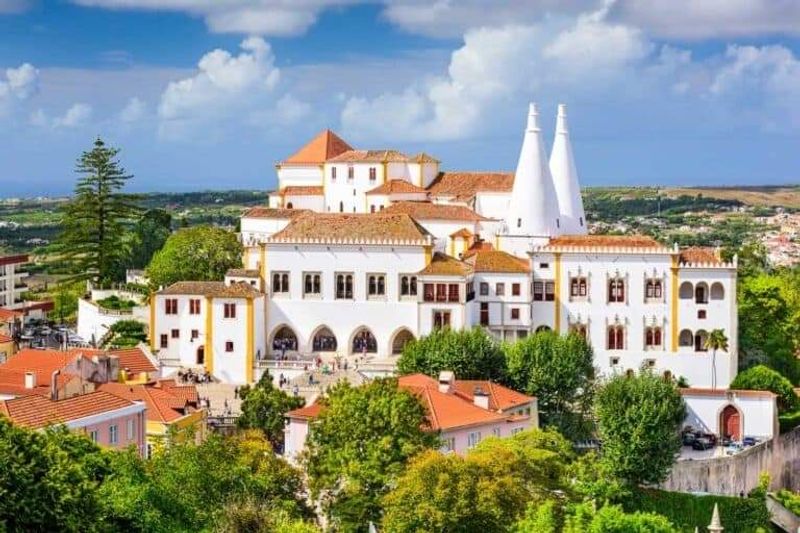
Portugal quietly holds one of the most striking aging statistics in Southern Europe, with roughly one in four residents now over the age of 65. The country’s warm climate and relatively affordable cost of living have made it a retirement destination not just for locals, but for expats from across Europe and beyond.
That influx adds even more seniors to an already older population.
Domestically, low birth rates and decades of emigration among working-age Portuguese have left many interior villages with very few young residents. Some rural communities have more empty homes than occupied ones, a visible sign of demographic decline.
The contrast with Lisbon’s buzzing tourist scene makes the divide feel even sharper.
Portugal’s healthcare system has improved significantly over the decades, contributing to longer lifespans across all regions. The government has launched programs to attract younger immigrants to offset population loss.
Still, managing the needs of a large and growing elderly population remains one of the country’s most pressing long-term challenges. Portugal is aging gracefully, but not without effort.
Greece
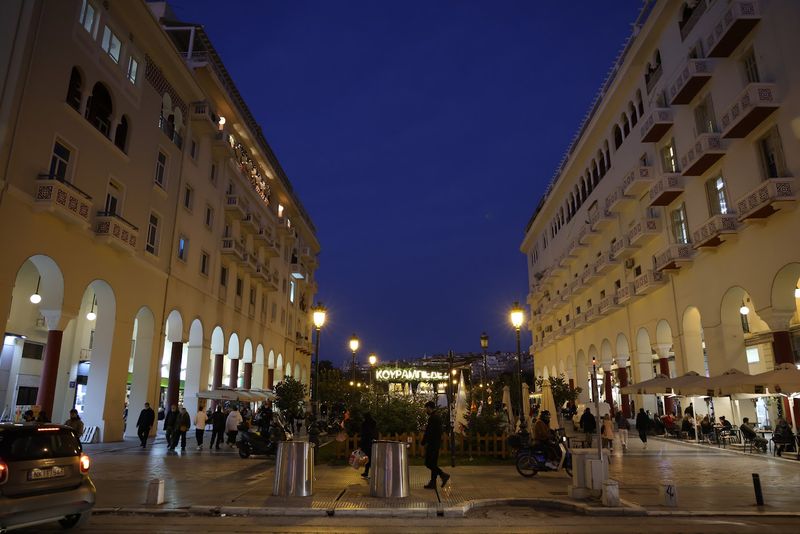
Greece has one of Europe’s highest concentrations of senior citizens, shaped by a combination of long lifespans and a steady outflow of young people seeking better opportunities abroad. The economic crisis that gripped the country in the 2010s accelerated that youth exodus dramatically, leaving behind an older, slower-growing population.
The demographic math has not been kind.
Greek life expectancy is impressive, often attributed to the Mediterranean lifestyle, strong social networks, and a culture that genuinely respects and includes older generations. Grandparents in Greece are not tucked away in care facilities but remain central figures in family life.
That cultural closeness has real health benefits.
Island communities have felt the aging shift most acutely. Some Aegean and Ionian islands now have populations that skew heavily toward residents over 60, with schools closing and young faces becoming rare sights.
The Greek government is grappling with pension costs and healthcare funding in ways that will define the country’s economic future. Greece is beautiful and ancient, and right now, its population reflects both of those qualities.
Finland
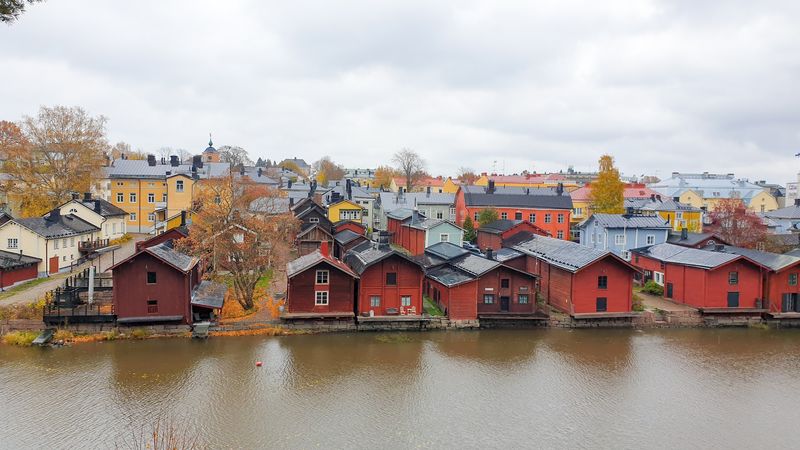
Finland might be world-famous for saunas and stunning lakes, but it has another notable distinction: a rapidly aging population that now makes up nearly a quarter of the country’s total residents. Decades of excellent healthcare have pushed life expectancy higher, while birth rates have trended downward.
The combination has shifted Finland’s age pyramid in a significant way.
Finnish seniors tend to be active, healthy, and well-supported by one of Europe’s most comprehensive welfare systems. Retirement benefits are strong, and elder care services are widely available.
But funding all of that becomes harder as the working-age population shrinks relative to retirees.
Rural Finland faces particular challenges, with many remote communities seeing younger residents move to cities like Helsinki and Tampere. That internal migration leaves small towns and villages with aging populations and fewer services.
Finland is investing heavily in technology and innovation to address these gaps, including digital health platforms designed specifically for older users. The country’s approach to aging is thoughtful and forward-looking, even as the demographic challenge grows more complex each passing year.
Germany
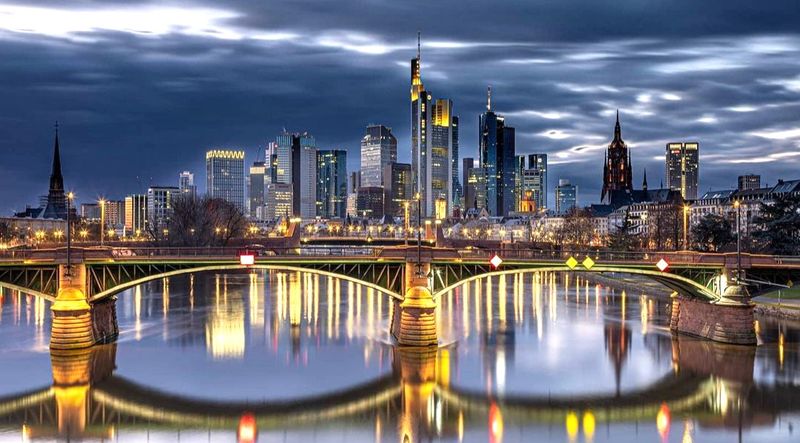
Germany is Europe’s largest economy and, by many measures, one of its oldest societies. More than 23% of the German population is aged 65 or older, a figure that has been climbing steadily for decades.
Policymakers, economists, and urban planners are all adjusting strategies around this reality.
The postwar baby boom that reshaped German society in the 1950s and 1960s has now produced a massive wave of retirees. Pension sustainability is a hot-button political issue, and debates over retirement age and contribution rates appear regularly in German headlines.
Labor shortages in key industries are already being felt.
Germany has responded by actively recruiting skilled workers from abroad, making immigration policy a central part of its demographic strategy. Cities like Frankfurt and Munich are also redesigning public spaces to be more accessible and senior-friendly.
German engineering, it turns out, applies to social systems as much as to cars. The country is approaching its aging challenge with characteristic precision, though whether that will be enough remains an open and genuinely fascinating question for the decades ahead.
Croatia
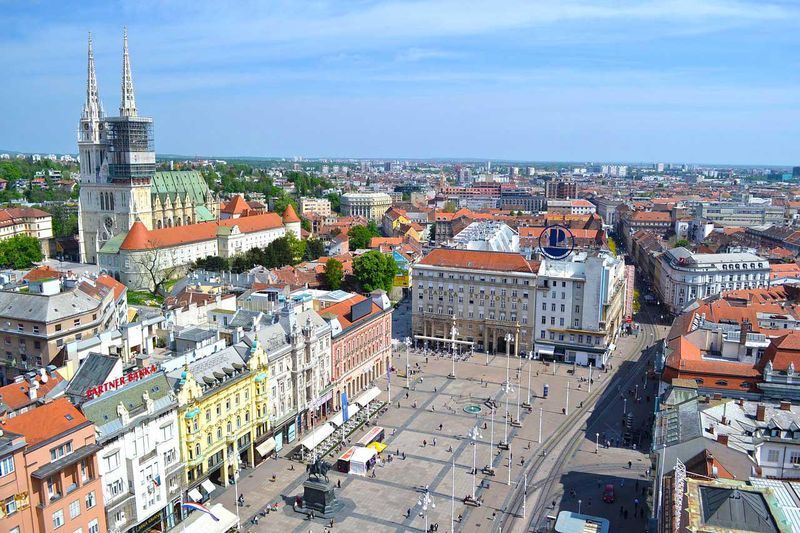
Croatia does not always make global headlines, but its demographic story is one of the most dramatic in Europe. A shrinking population, driven by low birth rates and significant emigration following Croatia’s entry into the European Union in 2013, has left the country with one of the continent’s highest shares of older residents.
Young Croatians have moved to Germany, Ireland, and beyond in large numbers.
That brain drain and workforce departure has accelerated aging in ways that statistics alone cannot fully capture. Villages in the interior have hollowed out, while coastal tourist towns attract seasonal workers but retain few permanent young families.
The contrast between summer bustle and winter quiet tells the story well.
Croatia’s healthcare system is working to keep pace with growing elder-care demand, though resources remain stretched in rural areas. The government has introduced programs to encourage return migration and boost birth rates, with limited success so far.
Croatian seniors, for their part, often remain deeply embedded in community and family life, providing a social fabric that helps hold communities together. The challenge is ensuring that fabric does not fray as the demographic gap widens further.
Serbia
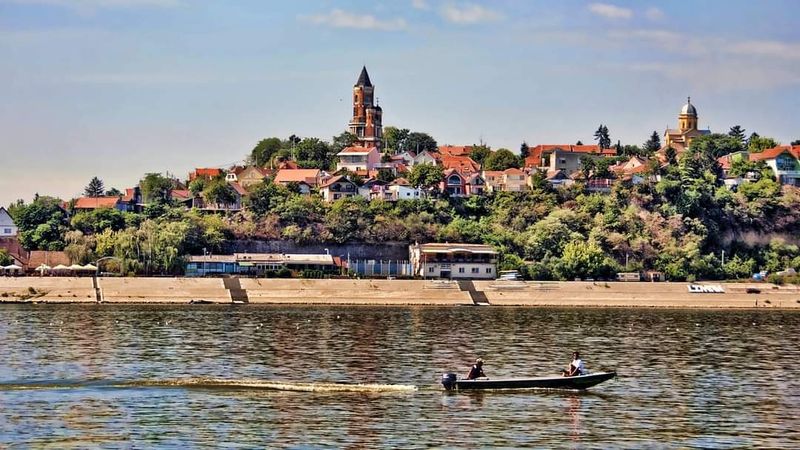
Serbia carries a demographic weight that is hard to ignore: fertility rates well below the replacement level of 2.1 children per woman, combined with rising life expectancy, have steadily pushed the country toward an older population profile. Today, Serbia ranks among Europe’s oldest nations by population structure, a trend that shows no signs of reversing soon.
Economic instability and limited job opportunities have pushed many younger Serbians to seek their futures in Western Europe. That emigration has drained communities of working-age adults and left a proportionally larger share of elderly residents behind.
Small villages in central and southern Serbia have been especially affected.
Serbia’s pension and healthcare systems are under strain, and the government is aware that long-term economic growth depends heavily on addressing the workforce gap. Discussions about immigration policy, incentives for young families, and digital modernization of social services are all part of the national conversation.
Serbian seniors, however, are not a passive group. Many remain active in agriculture, local trade, and community leadership, contributing meaningfully to the social and economic fabric of their communities well into their seventies and eighties.
Bulgaria
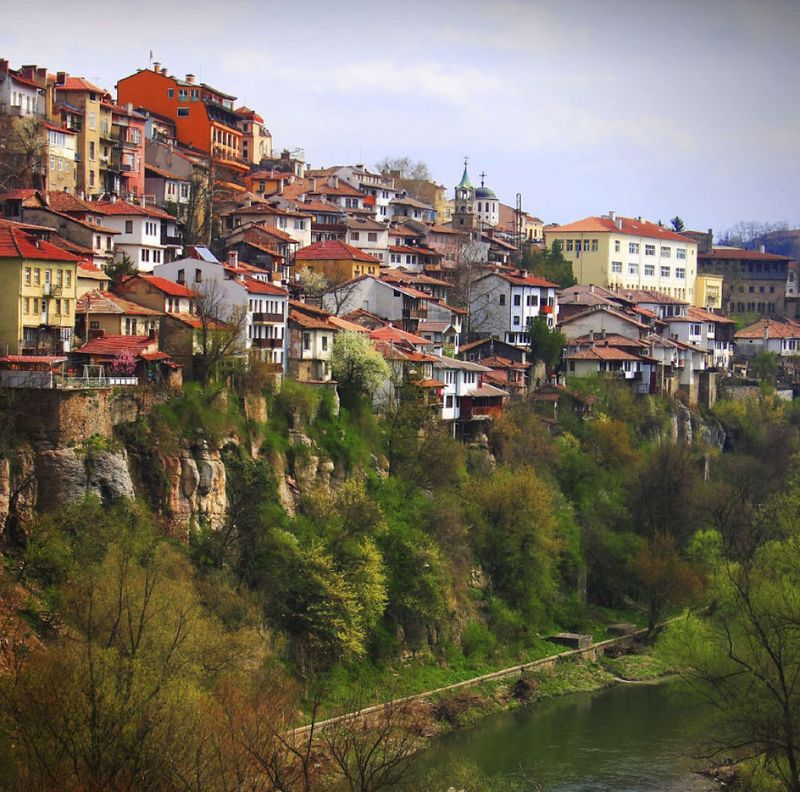
Bulgaria holds a record most countries would rather avoid: one of the fastest-shrinking and most rapidly aging populations in the entire world. The country has lost a significant portion of its total population since the 1990s, and the share of residents aged 65 and older has climbed sharply as a result.
Demographic decline has become a defining national issue.
Emigration is a central driver of the story. Millions of Bulgarians, particularly young and educated workers, have left for Western Europe since the fall of communism and, later, after EU accession in 2007.
The people who stayed behind are, on average, significantly older. Some Bulgarian villages now exist almost entirely of pensioners.
The economic consequences are serious. A shrinking tax base, rising pension costs, and healthcare demand from an older population create a challenging fiscal picture.
Bulgaria has some of the lowest pension payments in the EU, leaving many seniors in genuine financial hardship. Yet community resilience is remarkable, with older Bulgarians often maintaining gardens, livestock, and local traditions that keep rural culture alive in the face of serious demographic headwinds.
The spirit endures, even as the numbers shrink.
France
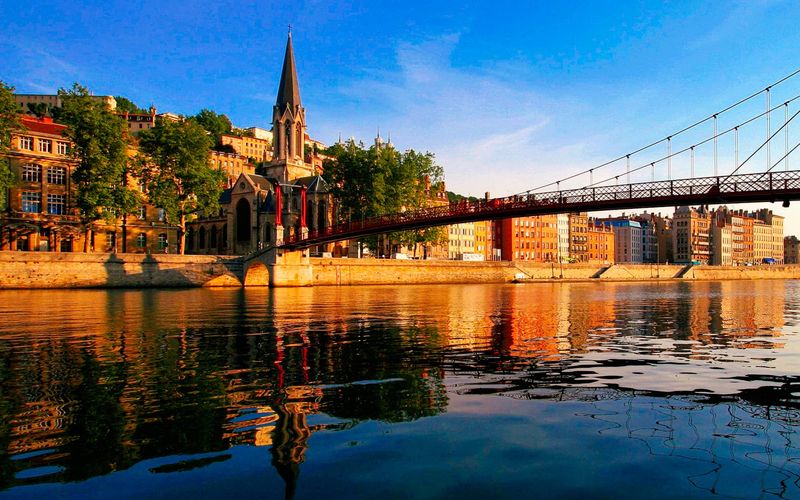
France ages more slowly than many of its European neighbors, thanks in part to one of the continent’s higher birth rates and a long-standing tradition of family support policies. Still, seniors represent more than one-fifth of the French population, and that share is growing as baby boomers move through their retirement years.
The French have a phrase for the good life in older age, and they seem to mean it.
Life expectancy in France is among the highest in Europe, particularly for women. The country’s healthcare system, widely regarded as one of the best in the world, plays a significant role in keeping people healthy and active well into their eighties.
French seniors are often visible participants in public life, from markets to museums.
Pension reform has been one of the most politically charged issues in France in recent years, with major street protests erupting over proposed changes to retirement age. The debate reflects real tension between fiscal sustainability and deeply held expectations about retirement security.
France is navigating the aging challenge with characteristic passion, spirited debate, excellent cheese, and a stubborn refusal to make getting older look anything less than stylish.
Netherlands
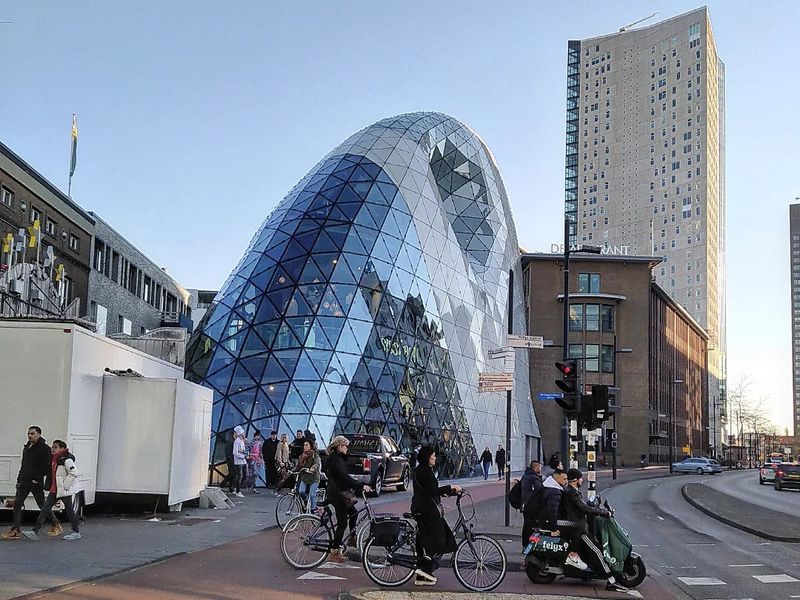
The Netherlands has long been associated with bicycles, tulips, and a practical approach to life. Add to that list a steadily aging population, as the postwar baby boom generation has rolled into retirement in large numbers over the past decade.
The Dutch senior population is growing, and the country is adapting with its trademark efficiency.
Dutch life expectancy is high, and the country’s healthcare system is consistently ranked among Europe’s best. Older adults in the Netherlands tend to be active, well-supported, and engaged in community life.
Cycling, famously, does not stop at 65 in this country. Plenty of riders well into their eighties can be spotted on the bike lanes of Amsterdam and Utrecht.
Housing has become a key issue as the senior population grows. Demand for accessible, age-friendly homes has outpaced supply in many cities, pushing urban planners to rethink how residential areas are designed.
The Dutch government has also expanded home-care programs to allow seniors to stay in their own communities rather than moving to care facilities. Practicality and compassion, two traits the Netherlands does rather well, are guiding the country’s response to its demographic shift.
Belgium
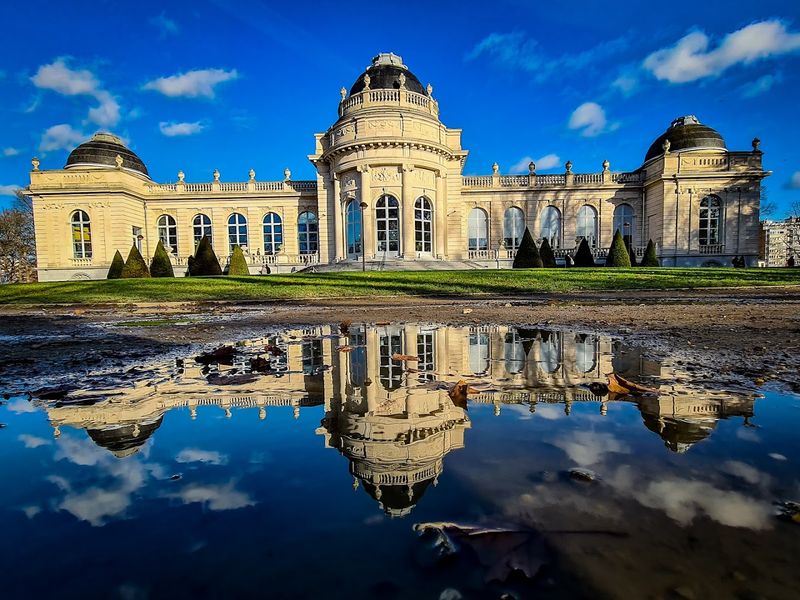
Belgium may be small in size, but its demographic trends mirror those of its larger Western European neighbors almost perfectly. Older adults now account for more than one-fifth of the Belgian population, and that proportion is expected to keep rising through the 2030s.
The country is compact, multilingual, and quietly grappling with the same aging pressures felt across the continent.
Belgium’s strong social welfare system provides extensive support for elderly residents, including pension benefits, home care services, and subsidized medical treatment. That safety net is a point of national pride.
But it also comes at a cost, and financing it becomes increasingly complex as the ratio of workers to retirees shifts.
Regional differences add an extra layer of complexity to Belgium’s aging story. Flanders in the north, Wallonia in the south, and the bilingual capital Brussels each have distinct demographic profiles and separate administrative responsibilities for elder care.
Coordinating policy across those regions is a real challenge. Belgium has always been good at finding workable compromises between competing interests, and that skill may prove just as useful in navigating demographic change as it has been in managing its famously complicated political landscape.
Austria
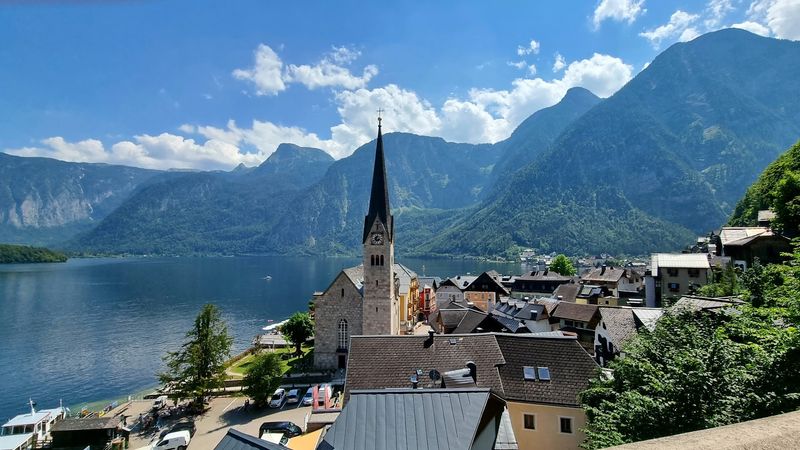
Austria sits in the heart of Europe with a population that skews noticeably older each passing decade. High life expectancy and relatively low birth rates have combined to create a society where seniors make up a significant and growing share of residents.
Alpine villages and small rural towns tend to have the oldest populations, as younger Austrians gravitate toward Vienna and other urban centers.
Austrian seniors benefit from one of Europe’s more generous pension systems, and the country’s healthcare quality is excellent across most regions. Older adults are active participants in civic and cultural life, with strong traditions of community involvement, choral groups, and local festivals that span generations.
Aging in Austria has a certain charm to it.
That said, the financial sustainability of Austria’s pension system is a growing concern. The government has been gradually adjusting retirement age policies and exploring ways to extend working life for those who are healthy and willing.
Immigration has also helped offset some workforce shortages, though integration remains an ongoing social conversation. Austria is a country that takes quality of life seriously at every age, and that commitment shapes how it approaches the very real challenges of an older population.
Latvia
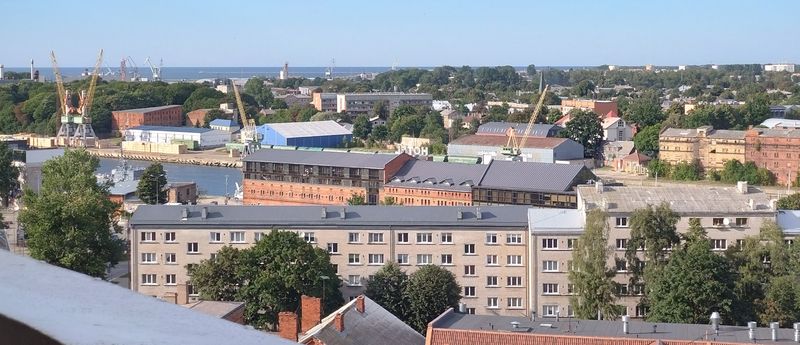
Latvia’s population story is one of Europe’s most striking and sobering. Decades of emigration, low birth rates, and rising life expectancy have left the country with one of the highest proportions of older residents on the continent.
Since independence in 1991, Latvia has lost a substantial portion of its population, and those who remain are, on average, considerably older than a generation ago.
The pull of higher wages in Germany, the United Kingdom, and Scandinavia has drawn hundreds of thousands of working-age Latvians abroad. Many cities and rural areas have felt the emptying out in very visible ways, from closed schools to quiet town squares.
Riga, the capital, retains more vitality, but even there the demographic pressure is felt.
Latvia’s government has introduced various measures to encourage return migration and support families with children, though reversing decades of demographic decline takes time. Elder-care services have been expanding, and digital health solutions are helping reach seniors in remote areas.
Latvian seniors often carry a quiet resilience shaped by decades of political and economic upheaval. That toughness, built through history, is a real and underappreciated part of the country’s character and its response to a challenging demographic future.
Monaco

Monaco is barely larger than a few city blocks, but it punches far above its weight when it comes to aging demographics. The tiny principality has the highest share of seniors in the world, a distinction that flows directly from its extraordinary appeal to affluent retirees.
When you offer zero income tax, stunning Mediterranean scenery, and world-class healthcare, older wealthy residents tend to stay a very long time.
Life expectancy in Monaco is among the highest ever recorded anywhere on Earth, regularly exceeding 85 years. The combination of excellent medical care, financial comfort, low stress, and a warm climate creates conditions that seem almost purpose-built for longevity.
Monaco is essentially a living laboratory for what happens when you optimize a society for long life.
The principality’s tiny size means its demographic statistics are shaped dramatically by even small shifts in resident composition. A few hundred wealthy retirees choosing Monaco as their home can meaningfully move the numbers.
While most nations on this list face the challenges of aging populations reluctantly, Monaco has somewhat leaned into its identity as a senior-friendly haven. It is a unique and genuinely fascinating outlier in the global conversation about aging populations and what they mean for society.
Share this story