Many countries trace their roots back thousands of years, but the nations we know today are often much younger than their cultures, languages, or peoples. Some states gained independence only recently, while others were created through political unions, peaceful separations, or the collapse of empires.
These countries may be young by historical standards, but they have quickly established distinct identities on the world stage. Get ready to meet ten nations that prove you don’t need centuries of statehood to make a serious mark on the map.
South Sudan
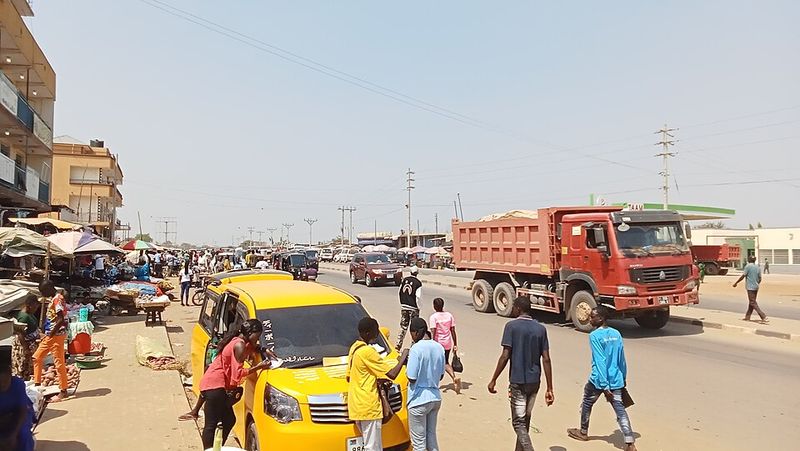
The world’s youngest country was born not with a whisper, but with a roar of celebration. On July 9, 2011, South Sudan officially became an independent nation after a referendum in which nearly 99% of voters chose freedom from Sudan.
Streets flooded with dancing, singing, and tears of joy across the new capital, Juba.
South Sudan is home to over 60 ethnic groups and dozens of languages, making it one of the most culturally rich nations on Earth despite its short official history. The Nile River flows through its heart, and vast stretches of savanna support some of Africa’s most spectacular wildlife migrations.
Few places on the planet pack that much natural drama into one young country.
The road since independence has been rocky. Civil conflict and economic struggles have tested the resilience of the South Sudanese people enormously.
But international organizations and local leaders continue working toward stability, and the country’s enormous oil reserves offer real hope for future development and prosperity.
Timor-Leste
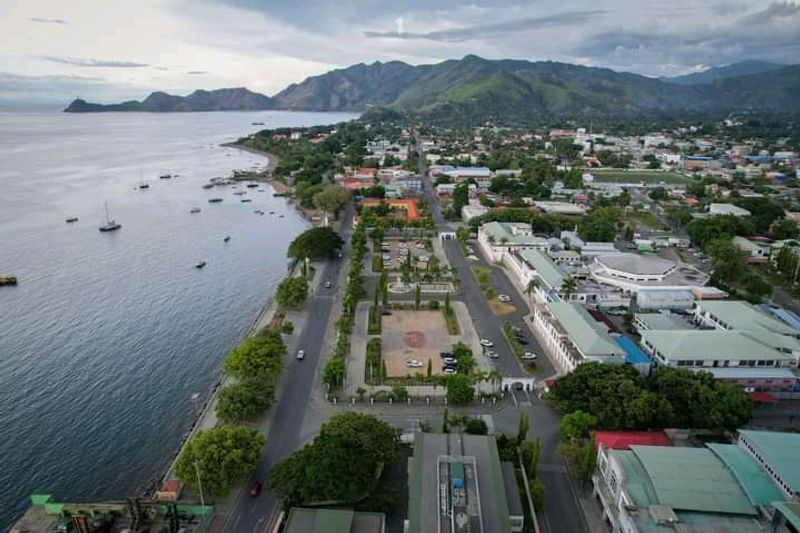
Sandwiched between Indonesia and Australia, Timor-Leste is a tiny nation with an enormous story. After surviving centuries of Portuguese colonization and then a brutal Indonesian occupation that began in 1975, the Timorese people finally won their freedom in 2002, making it one of Asia’s youngest sovereign states.
The path to independence was painful. Roughly a third of the population died during the Indonesian occupation through violence, famine, and disease.
The United Nations stepped in to help administer the territory after a 1999 independence referendum, and the rebuilding process was slow but determined.
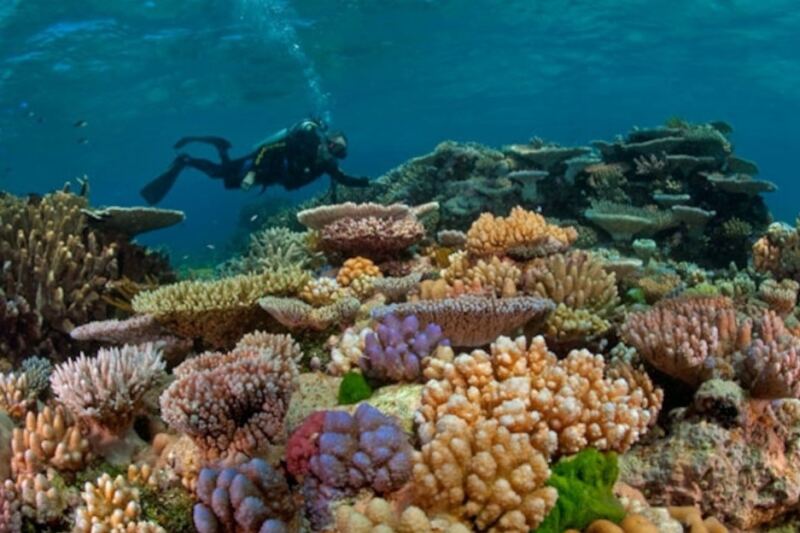
Today, Timor-Leste charms visitors with stunning coral reefs, Portuguese-influenced architecture, and a spirit of resilience that feels almost tangible. The capital, Dili, sits along a gorgeous bay where the mountains seem to tumble straight into the sea.
Coffee grown in the highlands is considered among the finest in Asia, and the country is quietly building a tourism industry around its extraordinary natural beauty. Small in size, yes, but absolutely mighty in character.
Montenegro
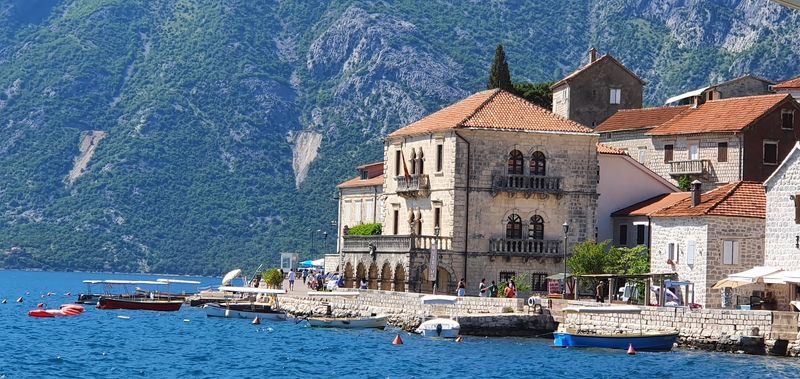
Picture a country where medieval walled cities sit at the edge of a glittering Adriatic bay while snow-capped mountains loom just behind them. That is Montenegro in a single scene.
The name literally means “Black Mountain” in Italian, and the dramatic landscape absolutely earns that moody title.
Montenegro declared independence from its union with Serbia in June 2006 after a close but decisive referendum. Roughly 55% of voters chose independence, clearing the minimum threshold required and launching Europe’s newest nation at the time.
The separation was peaceful, orderly, and almost suspiciously civilized compared to many historical breakups between nations.
Despite being one of Europe’s smallest countries, Montenegro punches well above its weight in natural attractions. The Bay of Kotor is a UNESCO World Heritage Site, and Durmitor National Park offers hiking, rafting, and skiing all within the same compact territory.
The country joined NATO in 2017 and has been working steadily toward European Union membership. For a nation barely two decades old, Montenegro has wasted absolutely no time building its reputation as a premier destination.
Kosovo
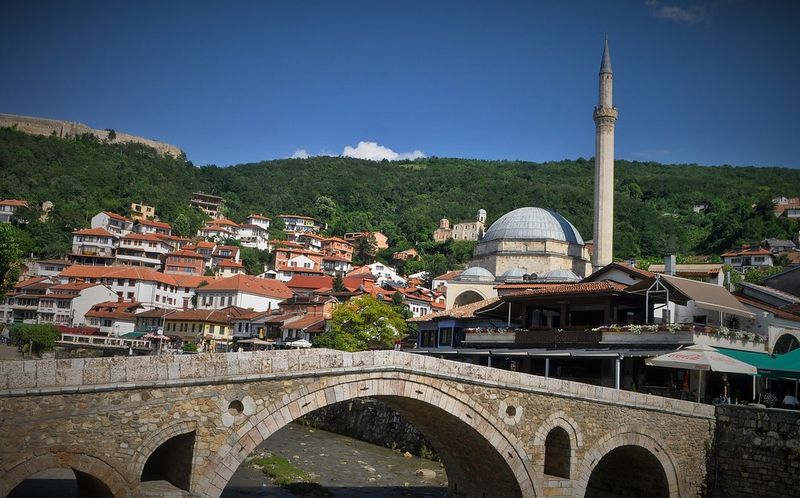
On February 17, 2008, Kosovo made history by declaring independence from Serbia, becoming one of the most debated new nations of the 21st century. More than 100 United Nations member states recognize Kosovo as independent, though the situation remains politically complicated, with Serbia and several other countries still disputing its status.
Kosovo is tiny, roughly the size of the state of Connecticut, but it has a rich cultural heritage tied to Albanian, Serbian, and Ottoman influences. The capital, Pristina, is one of Europe’s youngest and most energetic cities, filled with cafes, murals, and a population where the median age hovers around 30 years old.
The famous “Newborn” monument, unveiled on independence day, has become a symbol of the country’s forward-looking spirit.
The economy is still developing, and Kosovo faces real challenges around employment and infrastructure. However, its young population is entrepreneurial and increasingly connected to European markets.
Kosovo also boasts beautiful landscapes, including the Rugova Canyon and the historic Decani Monastery, a UNESCO-listed site. For such a young nation, its blend of history and ambition is genuinely striking.
Czech Republic
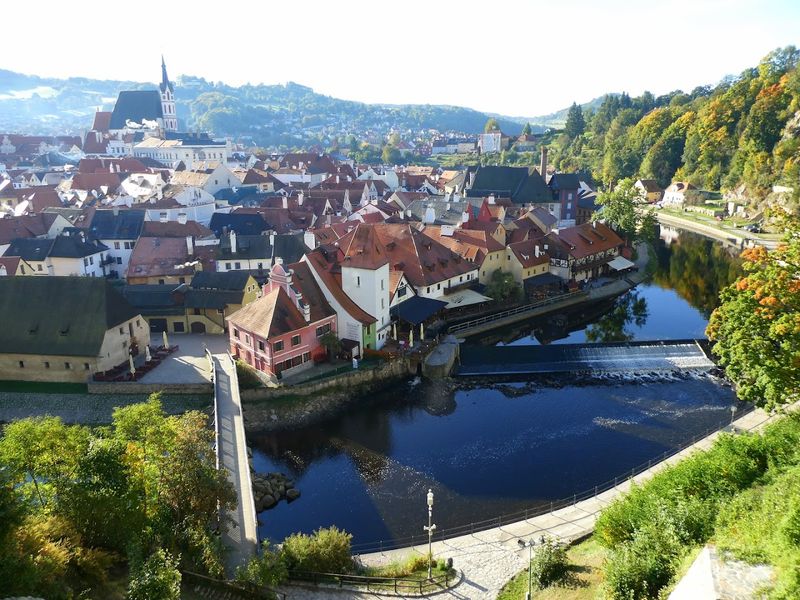
Few national breakups in history have been as polite as the one that created the Czech Republic. On January 1, 1993, Czechoslovakia peacefully split into two separate countries in what became known as the “Velvet Divorce,” a nod to the earlier “Velvet Revolution” that had ended communist rule without a single shot fired.
The Czech Republic, officially renamed Czechia in 2016, inherited the stunning capital of Prague, one of the best-preserved medieval cities in all of Europe. Millions of tourists visit annually to walk across the famous Charles Bridge, explore Prague Castle, and sample the country’s world-famous beer culture.
Czech beer has been brewed using traditional methods for over 700 years, which feels slightly ironic for a nation barely 30 years old.
Beyond tourism, the Czech Republic has built a strong, export-driven economy and joined the European Union in 2004. It is known for precision engineering, automotive manufacturing, and a thriving tech sector.
The country blends its long Bohemian and Moravian cultural heritage with a modern, outward-looking national identity. Young country, ancient soul, and a seriously impressive amount accomplished in three decades.
Slovakia
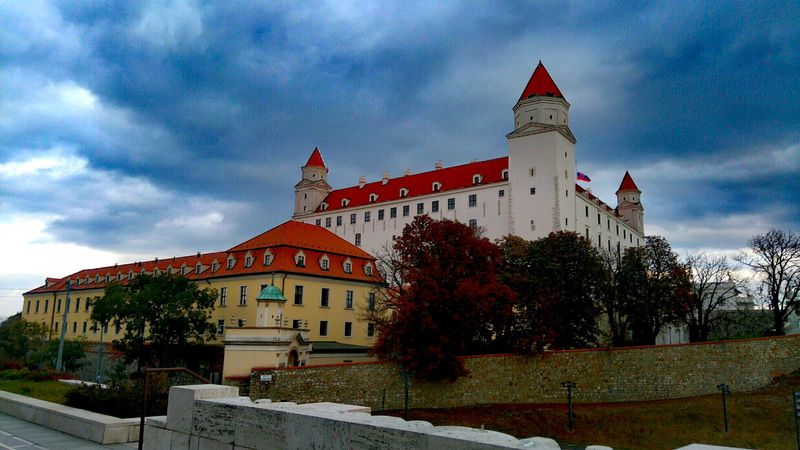
Slovakia and the Czech Republic share a birthday, both born on January 1, 1993, from the peaceful split of Czechoslovakia. But Slovakia is very much its own story, a landlocked Central European nation that has grown confidently into its own identity over the past three decades.
The capital, Bratislava, sits right on the Danube River and is one of the few capitals in the world that borders two other countries, Austria and Hungary, within just a few kilometers. That geographic quirk makes Bratislava a uniquely international city where you can literally walk across a bridge into another country before finishing your morning coffee.
Slovakia joined the European Union in 2004 and adopted the euro in 2009, becoming one of the faster-growing economies in the eurozone for several years. The country is a major car manufacturing hub, producing more vehicles per capita than almost any other nation on Earth.
Slovakia also offers travelers a surprising variety of experiences, from the fairy-tale castles of Spiš to the dramatic peaks of the High Tatras mountains. Short history, long list of achievements.
Eritrea
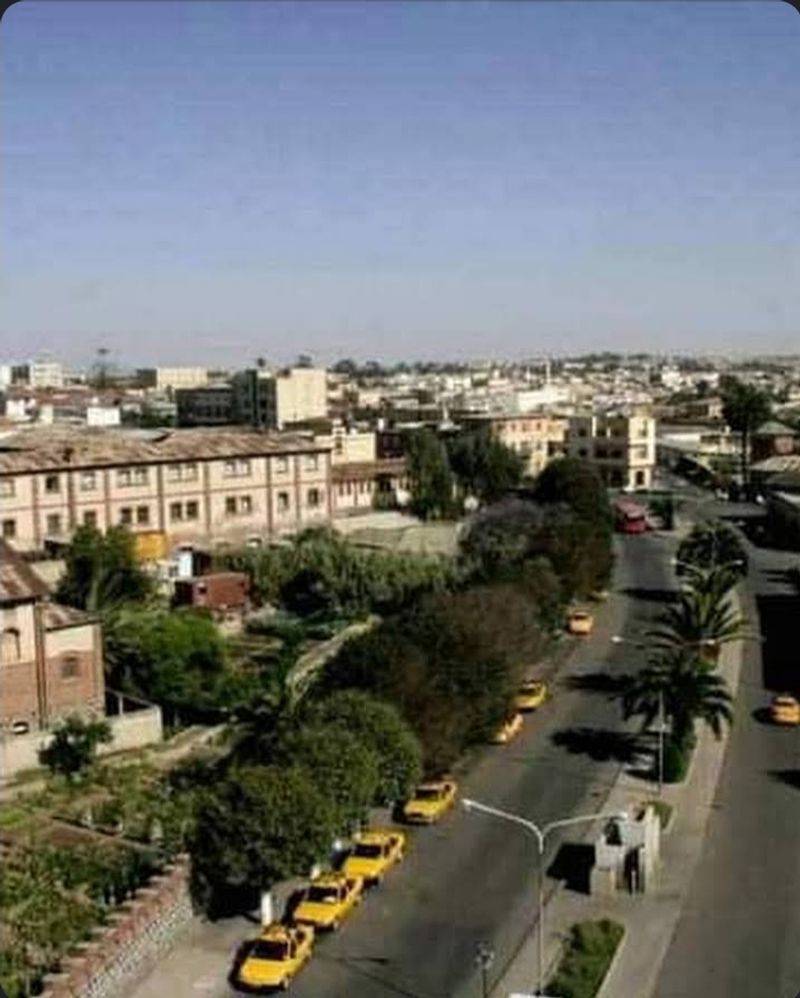
Eritrea holds the unusual distinction of being one of Africa’s youngest nations and also one of its most architecturally surprising. The capital, Asmara, is packed with Italian Art Deco buildings left over from the colonial era, earning it a UNESCO World Heritage listing and the nickname “Africa’s Rome.” Not bad for a city most people haven’t heard of.
The road to independence was anything but easy. Eritrea fought a 30-year war for independence from Ethiopia before finally winning a UN-supervised referendum in 1993.
The conflict was one of the longest and most devastating in African history, and the scars of that struggle still shape the country’s cautious, self-reliant national character today.
Eritrea stretches along the Red Sea coast, giving it a strategically valuable position in the Horn of Africa. The country has a diverse population made up of nine recognized ethnic groups and is home to ancient archaeological sites that date back thousands of years before modern statehood.
Despite ongoing political challenges and international tensions, Eritrea’s culture, cuisine, and coastline remain genuinely fascinating for those curious enough to look closer.
Namibia
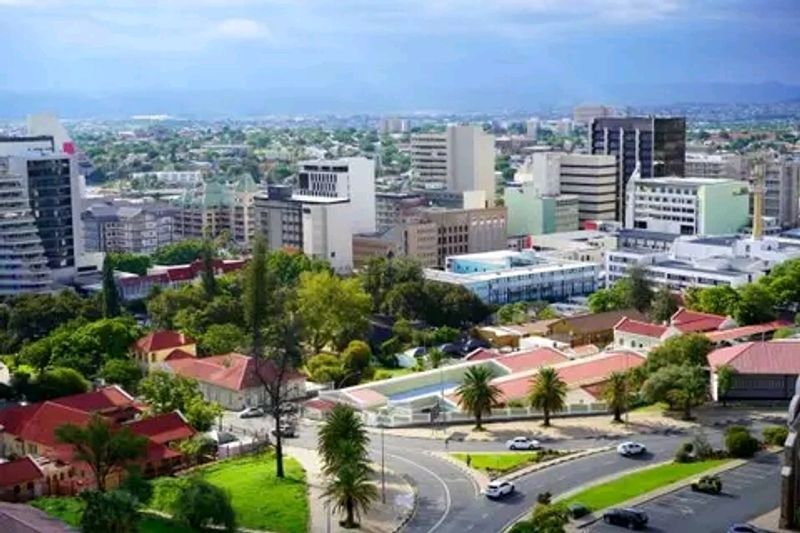
Namibia is home to one of the oldest deserts on the planet, the Namib, which has existed for at least 55 million years. The modern nation, however, is just over 30 years old, gaining independence from South African administration on March 21, 1990, after decades of occupation and a long armed liberation struggle led by SWAPO.
Before independence, Namibia was known as South West Africa and was controlled by South Africa, which applied its apartheid policies across the territory. The transition to independence was internationally celebrated, and Namibia quickly gained a reputation for political stability and democratic governance, which remains relatively rare in the region.
The country is one of the least densely populated in the world, with vast open landscapes that feel almost otherworldly. Sossusvlei’s towering red dunes, Etosha National Park’s salt pans filled with elephants and lions, and the Skeleton Coast’s haunting shipwreck-lined shores all make Namibia a bucket-list destination.
Windhoek, the capital, is clean, organized, and surprisingly cosmopolitan. A young nation built on ancient land, Namibia balances its natural heritage with a forward-thinking approach to conservation and tourism.
Bangladesh
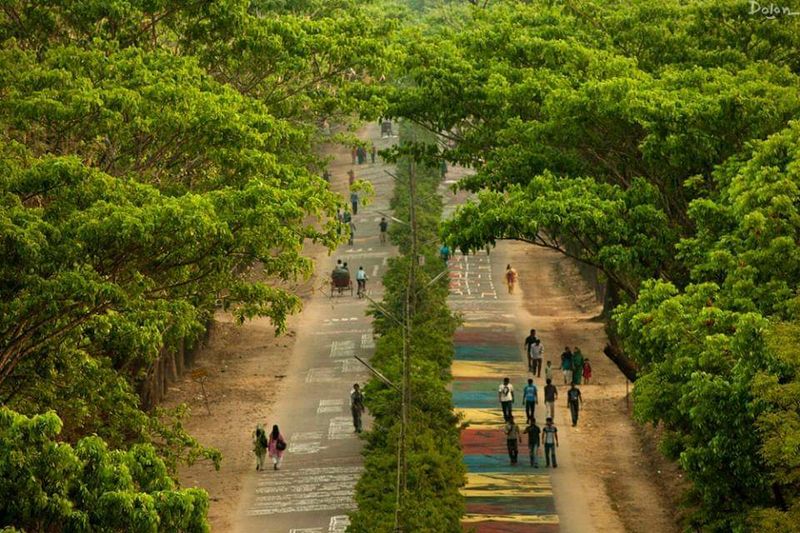
Bangladesh came into existence through one of the most intense and heartbreaking conflicts of the 20th century. In 1971, after a brutal nine-month war against Pakistani forces, the nation declared independence with the help of India, becoming a sovereign state on December 16, 1971, a date now celebrated as Victory Day.
The Liberation War resulted in enormous human suffering, with estimates of civilian casualties ranging into the hundreds of thousands. Despite that devastating beginning, Bangladesh has shown a level of economic and social resilience that regularly surprises outside observers.
Over the past few decades, it has become one of the world’s largest garment exporters and has made remarkable progress in reducing poverty and improving healthcare access.
Bangladesh is one of the most densely populated countries on Earth, with over 170 million people living in a territory roughly the size of Greece. The Sundarbans, a massive mangrove forest shared with India, is home to the Bengal tiger and is a UNESCO World Heritage Site.
The country faces serious challenges from climate change and flooding, but its people have consistently shown an extraordinary capacity for adaptation and innovation. Young nation, unstoppable people.
Norway
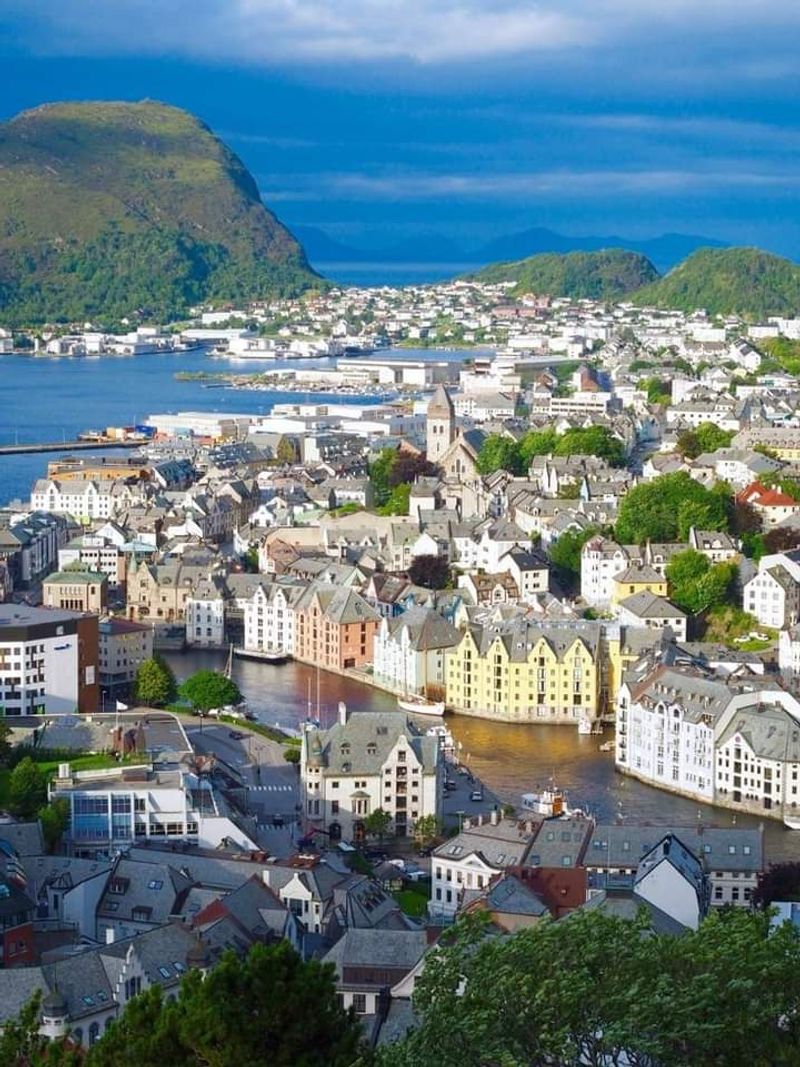
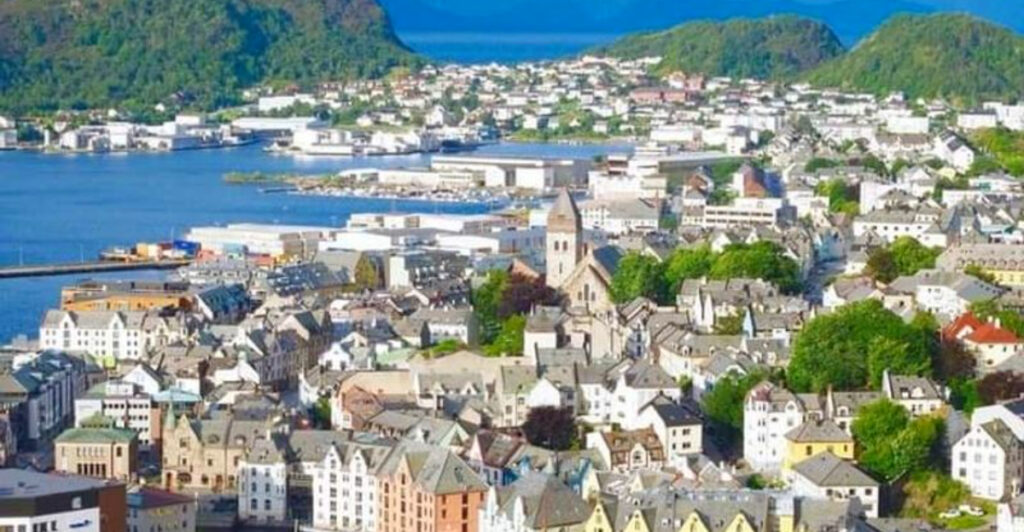
Norway might seem like an odd entry on a list of recently born nations, since Vikings were sailing from its shores over a thousand years ago. But Norway’s modern independence only dates to 1905, when it peacefully dissolved its union with Sweden after nearly a century of shared governance.
The separation was so calm it almost seems boring, which is very on-brand for Scandinavia.
The union with Sweden had begun in 1814, itself a complicated year when Norway briefly declared independence before being forced into the arrangement. By the early 1900s, growing Norwegian nationalism and economic friction made the partnership unsustainable, and a referendum showed that over 99% of Norwegian voters wanted out.
Sweden accepted the result, and a new sovereign kingdom was born without a single battle.
Today, Norway consistently ranks among the happiest, wealthiest, and most well-governed countries in the world. Its sovereign wealth fund, built on North Sea oil revenues, is the largest of its kind on Earth.
The fjords, the Northern Lights, and the midnight sun draw visitors from every corner of the globe. For a nation that only fully stood on its own just over a century ago, Norway has had a remarkable run.
Share this story