There is a place in Rockford, Illinois, where the city noise fades out within minutes and the only sounds you catch are birdsong and wind moving through tall trees. It covers 155 acres, welcomes dogs on its paved paths, and somehow stays under the radar for most people outside the region.
I had driven past the signs more than once before finally turning in, and I am genuinely glad I stopped overthinking it. What I found was one of the most rewarding outdoor experiences I have had in Illinois, packed with labeled plant collections, a children’s water area, seasonal events, and wooded trails that feel nothing like a city park.
Where You Will Find It: Address, Location, and First Impressions
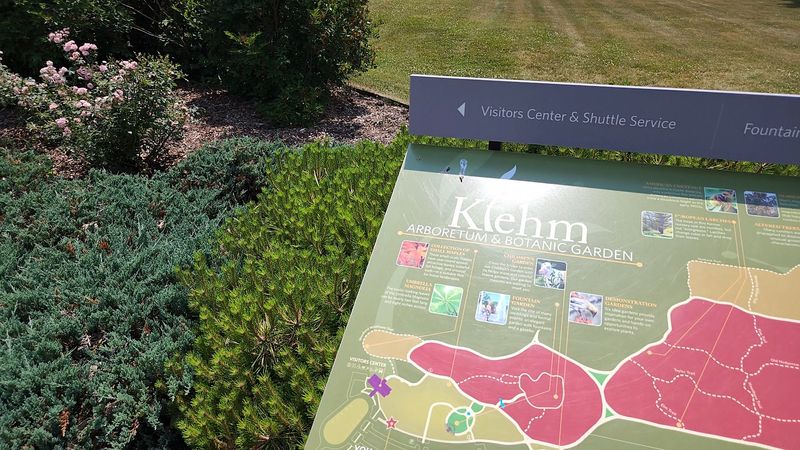
The welcome sign at 2715 S Main St, Rockford, IL 61102, carries the name of the Forest Preserves of Winnebago County, and it sets a calm, unhurried tone before you even park the car. The parking lot is spacious and completely free, which already puts this place ahead of plenty of comparable destinations.
Rockford sits in northern Illinois, about 90 miles northwest of Chicago, and the arboretum occupies the southern part of the city. It does not feel tucked away, but it also does not announce itself loudly, which is part of its quiet appeal.
The visitor center greets you near the entrance with friendly staff, clean restrooms, and a simple map of the grounds. That map becomes your best companion for the next couple of hours.
The property is well-signed throughout, so getting turned around is unlikely even on your first visit. First impressions here are genuinely warm, and the grounds look cared for in a way that tells you someone takes real pride in maintaining this place every single day.
155 Acres of Grounds That Reward Every Type of Visitor
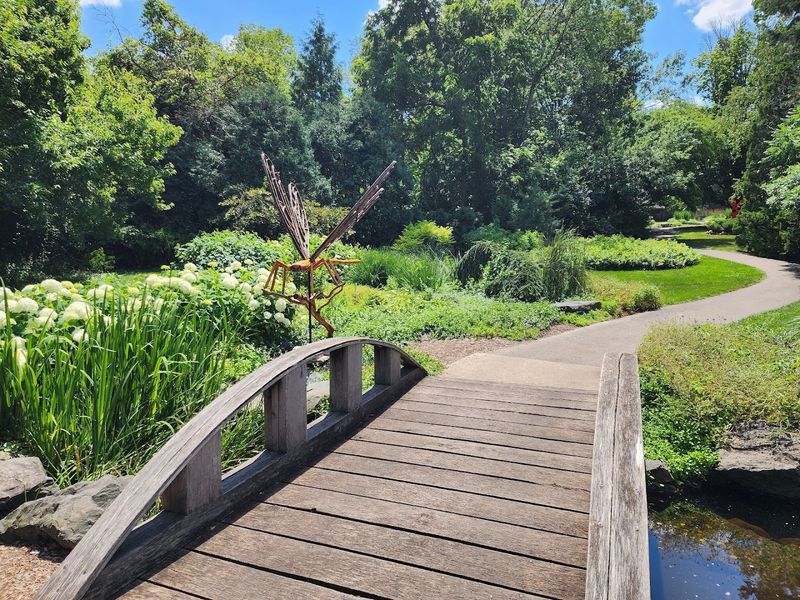
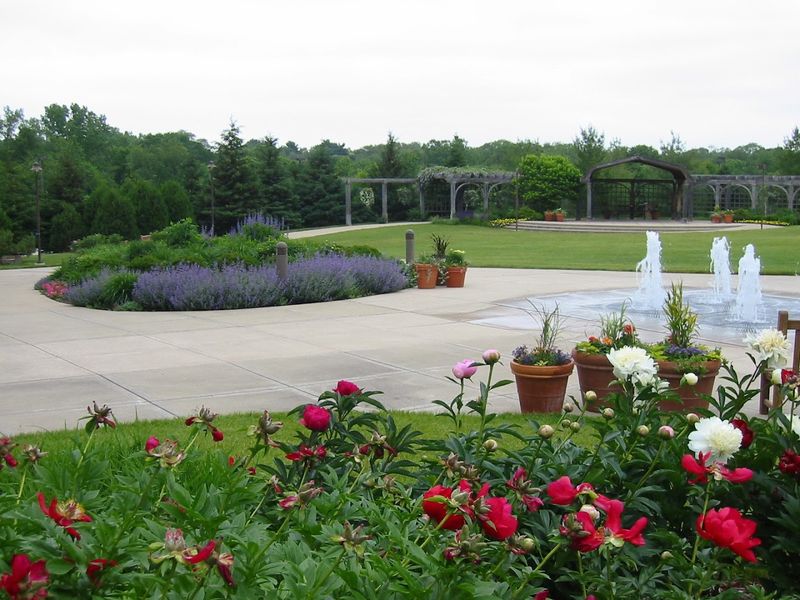
One hundred and fifty-five acres sounds like a number until you start walking and realize you genuinely cannot cover all of it in a single afternoon. The property mixes open garden beds, manicured lawns, dense wooded sections, and creek corridors in a way that keeps the scenery shifting as you move through it.
Paved paths loop through the more cultivated areas, making them accessible for strollers, wheelchairs, and anyone who prefers a smooth surface underfoot. For visitors who want something rawer, unpaved wooded trails branch off into sections where the canopy closes overhead and the city disappears completely.
Several benches are placed along the routes, so there is no pressure to keep moving at any particular pace. The grounds are open every day of the week from 9 AM to 4 PM, giving you a solid window to explore at a comfortable rhythm.
Whether you spend 45 minutes on the paved loop or two full hours on the back trails, the property has enough variety to make every minute feel worthwhile. The scale of this place is genuinely surprising for a mid-size Midwest city.
The Children’s Garden and Water Features That Kids Absolutely Love
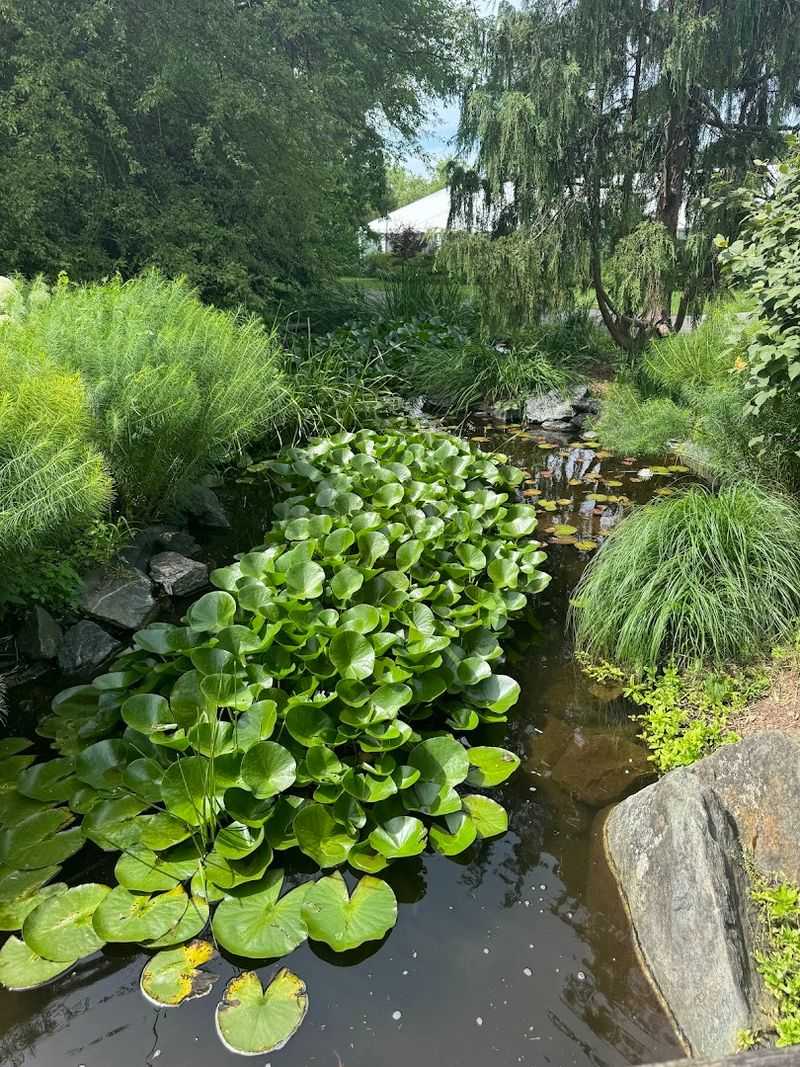
Bring a change of clothes for the kids. That is not a suggestion so much as a practical warning, because the Children’s Garden includes a water play area with a shallow creek that young visitors treat like a personal adventure zone the moment they spot it.
The splash pad and running water features are a genuine highlight for families, and the surrounding garden is designed with younger visitors in mind, offering low-sightline plantings, interactive elements, and enough open space for kids to move freely without adults feeling anxious about the layout.
A covered gazebo with picnic tables sits nearby, giving parents a shaded spot to watch the action and eat lunch. The whole children’s section is clean and well-maintained, which matters when you are chasing a six-year-old through a water feature.
Families with grandchildren in tow consistently find this section to be the biggest crowd-pleaser on the property. Packing a swimsuit and a small towel turns a pleasant walk into a full afternoon outing that kids will ask to repeat.
Labeled Trees and Plants That Turn a Walk Into a Learning Experience
Most parks let you admire trees without ever knowing what you are looking at. Klehm takes a different approach, and a surprisingly satisfying one.
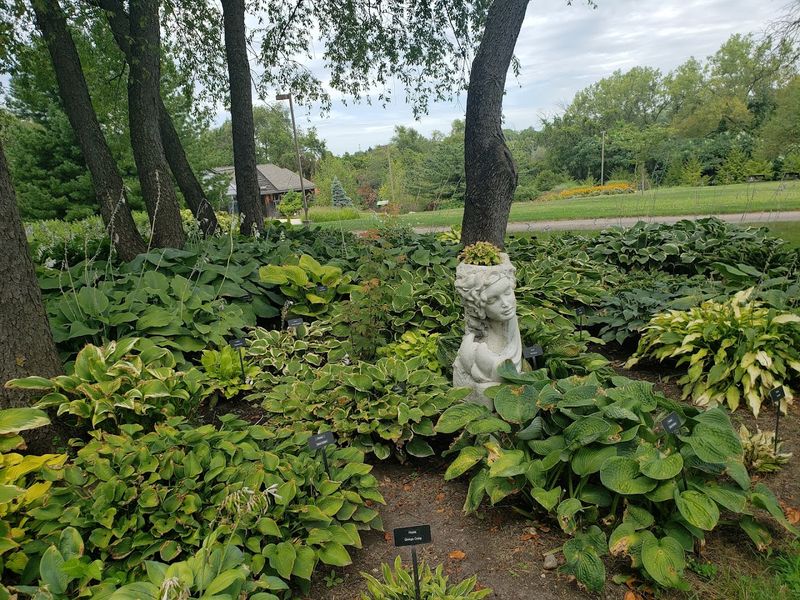
A large number of the trees and flowering plants throughout the grounds are clearly labeled with their common and scientific names, turning a casual stroll into something closer to an outdoor classroom.
Tree enthusiasts and curious first-timers alike find this feature genuinely useful. You can wander a trail, spot an unfamiliar bark pattern or leaf shape, glance at the label, and walk away knowing something you did not know before.
The horticulture library on the property adds another layer for anyone who wants to dig deeper into plant identification or garden science.
Educational programming runs throughout the year, covering topics from leaf anatomy to seasonal gardening techniques. A past class on leaf vocabulary drew families who ended up staying well past the scheduled session because the kids wanted to keep exploring.
That kind of organic learning moment is hard to engineer, and Klehm manages to create the conditions for it without making the experience feel like homework.
Seasonal Beauty That Changes the Whole Character of the Garden
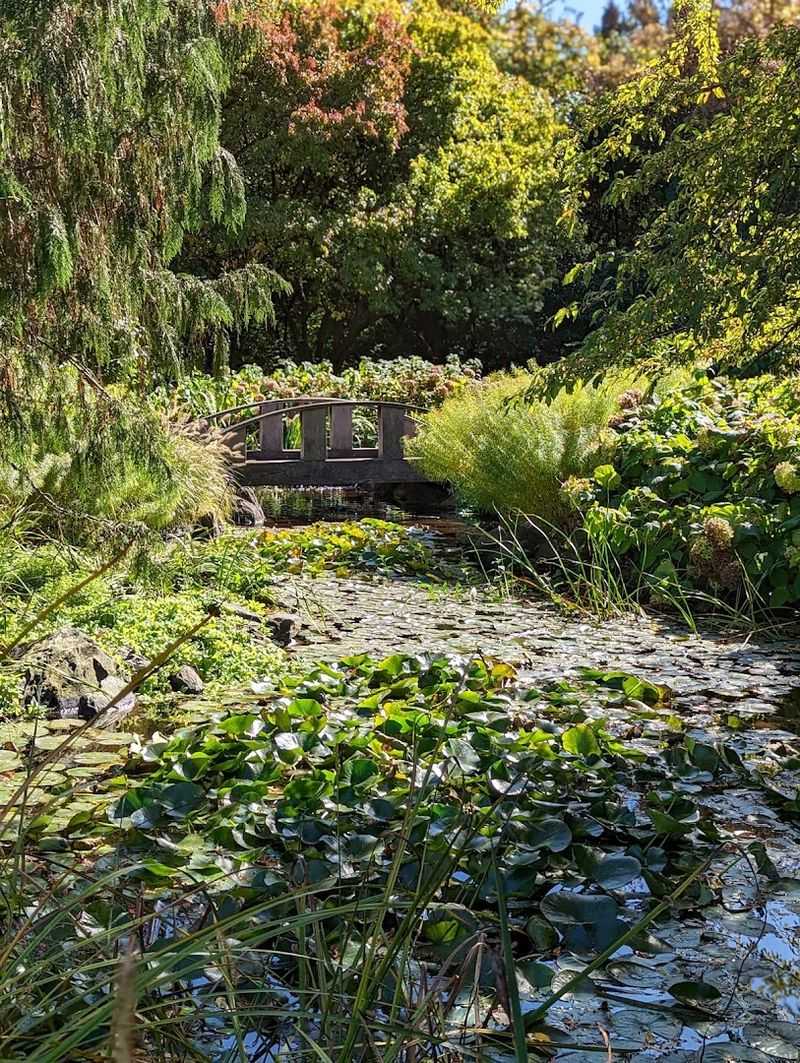
Spring and fall are the seasons that draw the most enthusiastic repeat visitors to this property, and for good reason. Spring brings waves of flowering trees and early perennials that make the garden feel freshly painted, while fall delivers a full canopy transformation that turns the wooded trails into corridors of orange, red, and gold.
Summer has its own appeal, especially for families drawn to the water features and the full lushness of the planted beds. Winter visits are quieter but still offer the clean structure of bare trees and the occasional frost-covered path that looks almost too good to photograph.
Seasonal decorations add an extra dimension to timed visits. The Halloween setup, with carved pumpkins and themed lighting, has become a popular draw for families who want a festive outdoor experience without the usual crowded-venue stress.
The artistry in those carved pumpkins is detailed enough to stop adults in their tracks. No matter which month you choose to visit, the property has something visually distinct to offer, and many regulars make a point of returning in different seasons just to see how the place has transformed.
Rotating Art Installations and Themed Exhibits That Keep Things Fresh
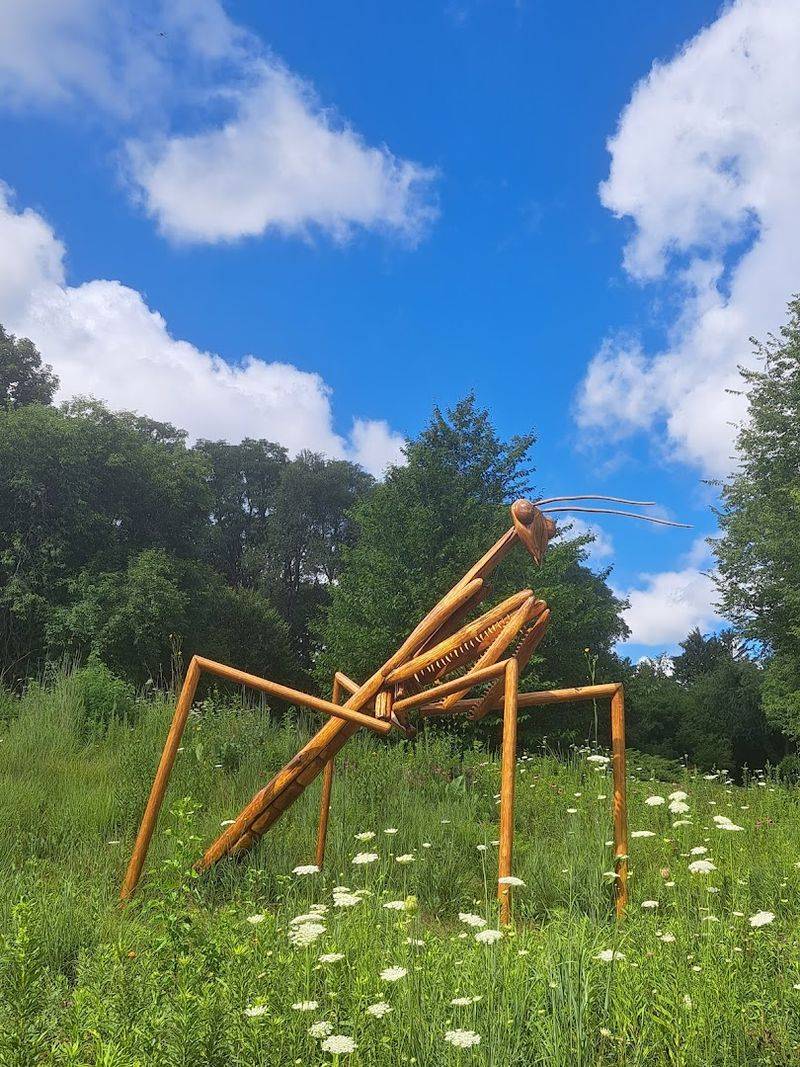
A botanical garden that stays exactly the same every year is a botanical garden you visit once. Klehm seems to understand this, and the rotating exhibits and themed installations are a big part of why so many visitors come back multiple times.
Past themes have included oversized bug sculptures placed throughout the grounds, which turned a standard walk into something that felt more like a scavenger hunt. The sculptures were large enough to be genuinely impressive and detailed enough to spark conversations about the real insects they represented.
A prehistoric garden section with large creature displays has also drawn attention, particularly from younger visitors who arrive with a specific mission in mind.
Sculpture displays across the property change on a seasonal or annual basis, so a visit in one year genuinely looks different from a visit the year before. This curatorial approach keeps the grounds feeling current and gives longtime members a reason to keep renewing.
The combination of living plant collections and rotating art gives Klehm a dual identity that most outdoor spaces in the region simply do not offer. It rewards loyal visitors without ever making first-timers feel like they missed something essential.
Wildlife, Atmosphere, and the Quiet Miracle of Forgetting the City
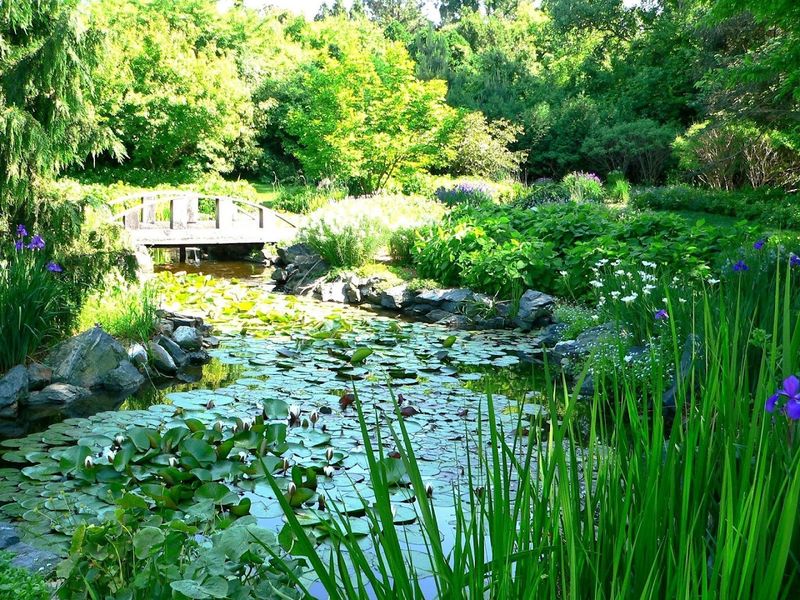
There is a particular stretch of the wooded trails at Klehm where the tree canopy is thick enough that city sounds stop reaching you. No traffic hum, no distant sirens, just the rhythm of your own footsteps and whatever birds happen to be overhead at that moment.
Rockford is a city of more than 100,000 people, which makes this kind of sensory quiet genuinely remarkable. The creeks running through the property attract a range of wildlife, from songbirds and woodpeckers to the occasional heron working the shallows.
Photographers find the grounds consistently productive because the variety of habitats concentrates wildlife in predictable spots without requiring a long hike to reach them.
The trails are long enough that two hours of walking will not necessarily cover the full property. That kind of scale is rare in an urban arboretum, and it makes the experience feel less like a curated garden tour and more like a genuine woodland outing.
Regulars describe a mental reset that kicks in somewhere around the first bend of the back trail, and that description matches my own experience of the place almost exactly. The trees do something to your nervous system that is hard to explain but easy to feel.
Events, Weddings, and the Garden as a Celebration Venue
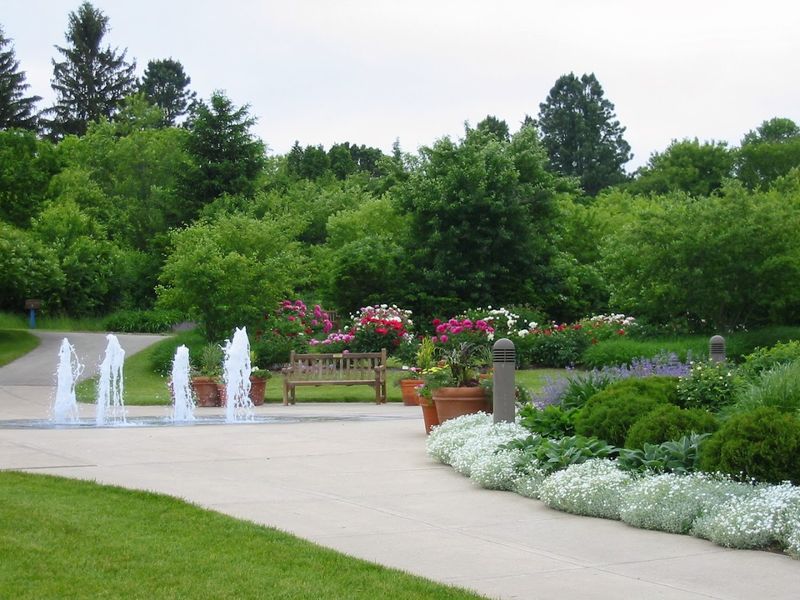
Beyond the trails and the plant collections, Klehm operates as a full event venue, and the grounds make a compelling case for outdoor celebrations of any scale. Wedding ceremonies have been held here in multiple garden settings, with photography backdrops that change depending on the season and the specific area of the property chosen for the event.
A building on the property provides space for bridal parties to prepare, which removes one of the classic logistical headaches of outdoor weddings. Catering partnerships with local vendors handle the food side of things, and the kitchen setup has managed full hot meals for groups of more than 100 guests without the usual banquet-hall chaos.
Beyond weddings, the garden hosts educational classes, seasonal festivals, and community programming that bring in visitors who might not otherwise think of it as a destination. The Halloween pumpkin event draws families from across the region, and spring plant sales attract serious gardeners who treat the occasion as a social event as much as a shopping trip.
The range of programming means Klehm functions as a community hub rather than just a passive green space, and that distinction matters for a place trying to stay relevant year-round.
Practical Tips, Hours, Membership, and How to Make the Most of Your Visit
The garden is open every day of the week from 9 AM to 4 PM, which gives you a consistent and reliable window no matter which day you plan to visit. Weekday mornings tend to be the quietest, and arriving close to opening means you have the paved paths largely to yourself for the first hour.
Dogs are welcome on the paved paths, so leashed pets are a common sight and add a friendly, neighborhood-park energy to the experience. Mosquito repellent is worth packing if you plan to spend time on the wooded trails during summer months, particularly in the denser forested sections where standing water can gather after rain.
A membership option is available for frequent visitors, and given the rotating exhibits and seasonal programming, it pays off quickly for anyone who plans to return more than twice a year. The visitor center phone number is +1 815-965-8146, and the website at klehm.org carries event schedules and class listings.
Admission is reasonably priced, restrooms are clean and well-placed across the property, and the overall experience delivers far more than the entry cost suggests. This is a place worth building into a regular routine rather than treating as a one-time outing.
Share this story