There is a stretch of coastline along North Carolina’s Outer Banks where the ocean has swallowed hundreds of ships over the past four centuries. The waters are treacherous, the currents unpredictable, and the stories behind every sunken vessel are nothing short of extraordinary.
One museum on Hatteras Island has made it its mission to preserve every legend, artifact, and survivor account from this watery chapter of American history. From Civil War ironclads to pirate ships and World War II submarines, the collection here is the kind that keeps you reading every single placard twice.
Where the Museum Calls Home
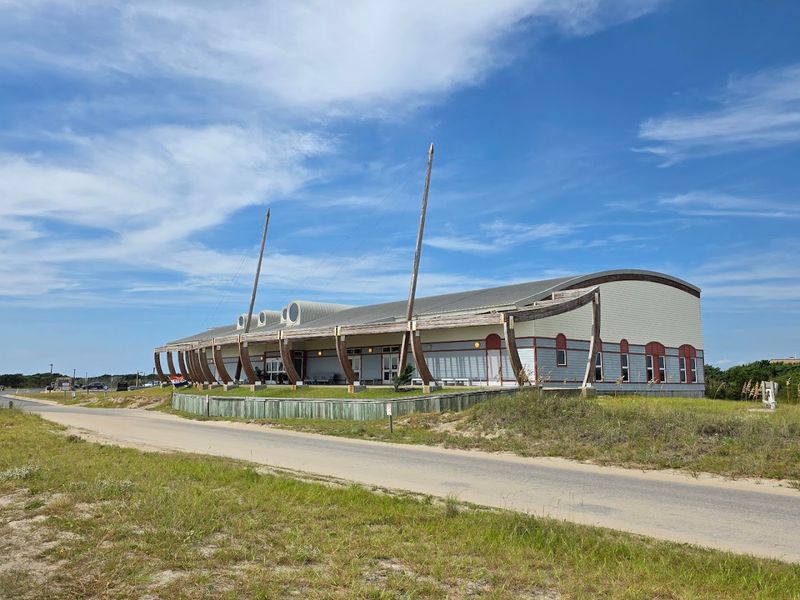
The address is 59200 Museum Dr, Hatteras, NC 27943, and getting there already feels like part of the adventure. The drive down Highway 12 through the Outer Banks is scenic in that raw, wind-swept way that makes you feel like you are at the edge of the world, because honestly, you kind of are.
Hatteras Village sits at the southern tip of Hatteras Island, and the museum is right there near the ferry terminal, making it an easy stop whether you are arriving or heading out. The building itself is modern and well-maintained, with a clean architectural style that fits the coastal surroundings without trying too hard to look dramatic.
The museum is open Tuesday through Saturday from 10 AM to 5 PM and is closed on Sundays and Mondays. Admission is completely free, though donation boxes are available throughout the building.
The phone number is +1 252-986-0720, and the official website is https://graveyardoftheatlantic.nc.gov/ for anyone who wants to plan ahead.
Why This Stretch of Coast Earned Its Ominous Name
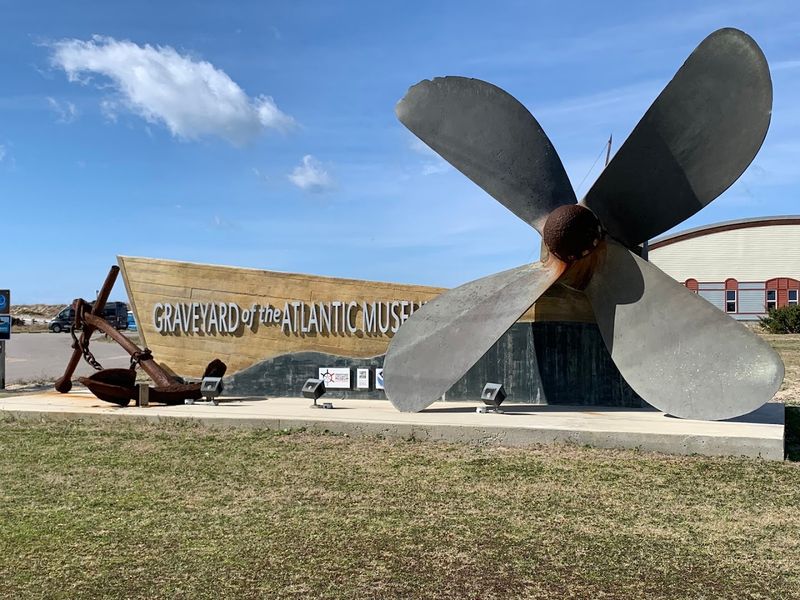
The name alone is enough to send a chill down your spine, and the history behind it absolutely earns that reputation. The waters off Cape Hatteras are where two powerful ocean currents collide: the cold Labrador Current flowing south and the warm Gulf Stream moving north.
That collision creates unpredictable waves, shifting sandbars, and foggy conditions that have confused and trapped sailors for centuries.
More than 5,000 ships are believed to have sunk in these waters since Europeans first began sailing the Atlantic coast. That number is staggering when you stand in the museum and look at the interactive map showing wreck locations clustered so densely near the cape that they practically overlap.
It puts the ocean’s power into a perspective that no textbook ever quite manages.
The museum frames this geography as the central character of its entire story, which is a smart move. Understanding why so many ships went down here makes every artifact and every survivor account feel more meaningful.
The sea did not discriminate by era, nationality, or ship size, and the exhibits make that very clear.
A Renovation That Changed Everything
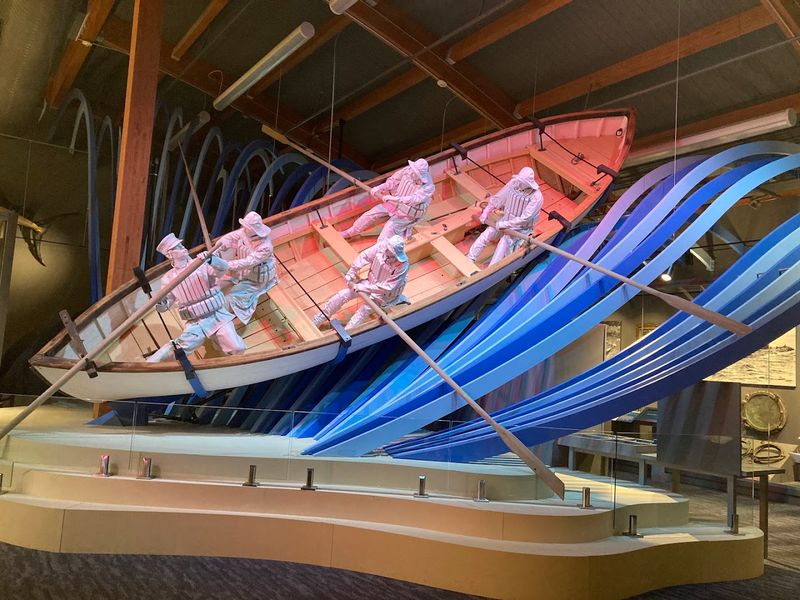
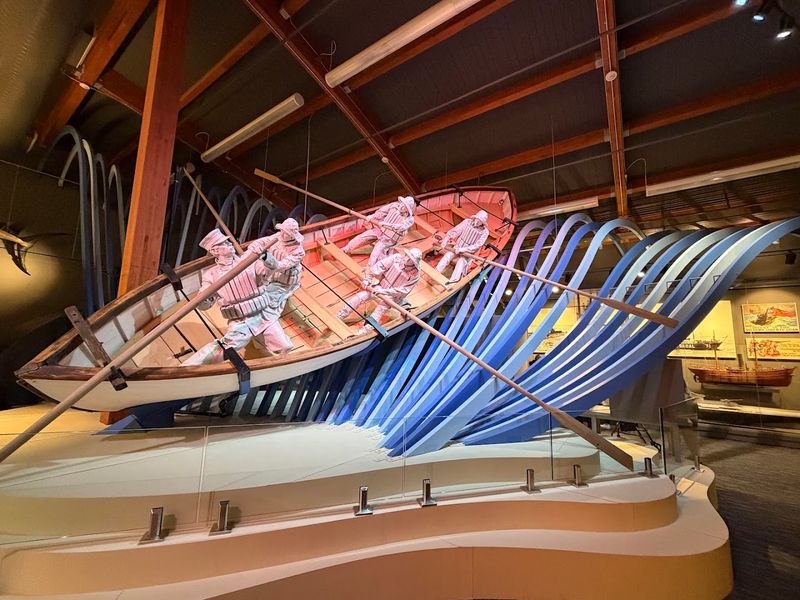
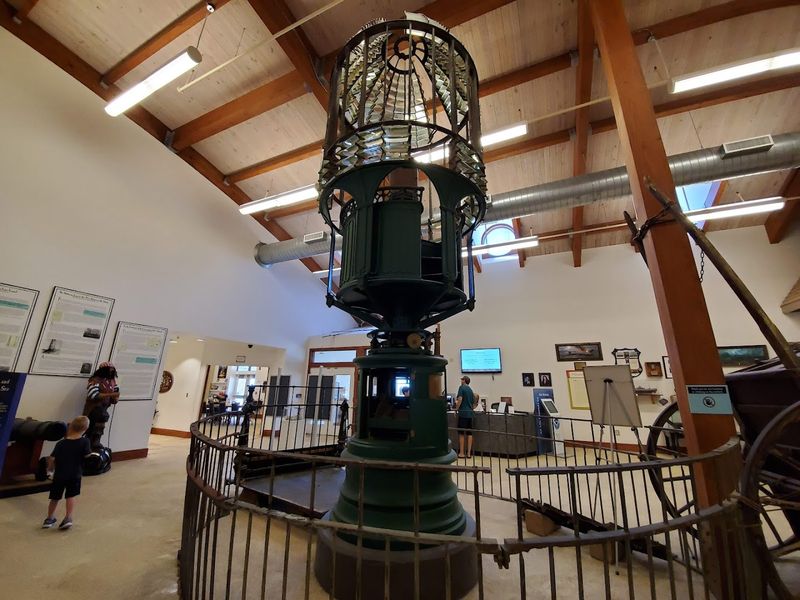
The museum recently completed a significant renovation, and the difference is noticeable the moment you walk through the door. The displays are cleaner, the lighting is better, and the overall flow of the space guides you naturally from one era of maritime history to the next without feeling rushed or jumbled.
Before the renovation, the museum had a more traditional feel with static displays and older signage. The updated version leans into interactive technology in a way that genuinely enhances the experience rather than just adding screens for the sake of it.
Touchscreen tablets, on-demand video stations, and audio accounts from survivors are now woven throughout the exhibits.
The renovation also improved the physical comfort of the space, with better restroom facilities and a refreshed gift shop. One quirky side effect of the metal construction used throughout the building is that cell phone signals disappear almost entirely inside, which means visitors are naturally more present and focused on what is around them.
Whether that was intentional or just a happy accident, it works remarkably well in favor of the experience.
The Interactive Map That Stops Everyone in Their Tracks
Out of everything in the museum, the interactive touchscreen map tends to be the exhibit that generates the most genuine reactions. It shows the locations of documented shipwrecks along the North Carolina coast, and the sheer density of markers near Cape Hatteras is visually overwhelming in the best possible way.
Each marker on the map can be tapped to pull up information about a specific vessel, including its name, the year it went down, what it was carrying, and any known details about the crew. Some entries are brief, reflecting how little historical record survived along with the ships.
Others are detailed accounts that read almost like short stories.
Spending time at this map alone could easily fill thirty minutes, especially if you have curious kids with you who want to tap every single dot. The exhibit does an excellent job of turning raw data into something emotionally resonant.
When you realize that many of those markers represent vessels that sank within sight of shore, the tragedy of each one becomes much harder to brush off as just an old statistic.
Artifacts That Survived the Deep
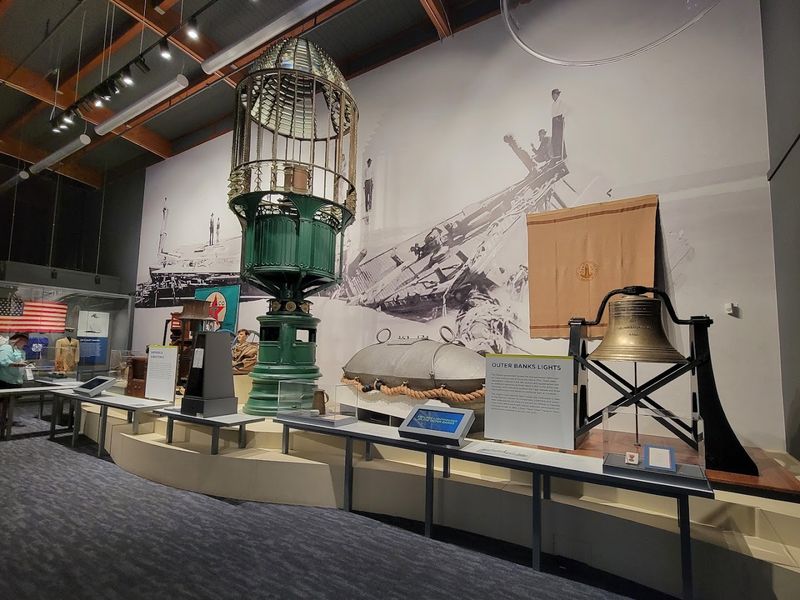
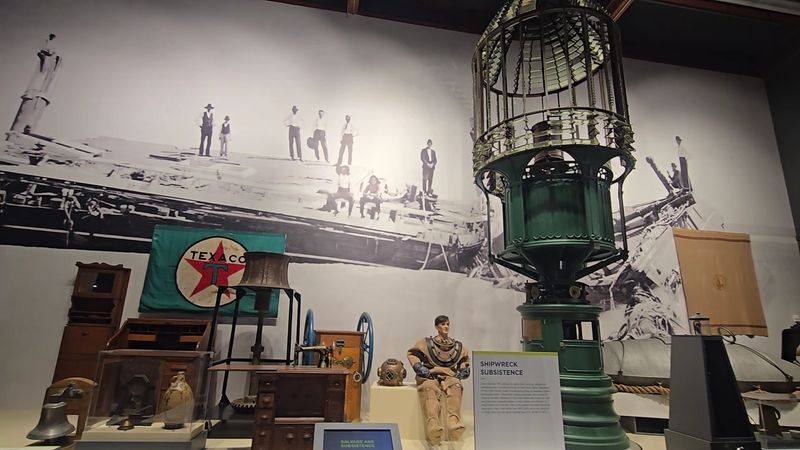
The physical artifacts in the collection range from large salvaged ship components to small personal items that somehow survived centuries underwater. There are navigational instruments, ship bells, cannons, and pieces of hull that have been carefully preserved and labeled.
Each one carries that particular weight that only genuinely old objects seem to have.
Some of the most compelling pieces in the collection are the smaller, more personal items: a pocket watch, a pair of boots, tools that a sailor would have used every day. These objects close the distance between the present and the past in a way that large structural pieces simply cannot.
You find yourself wondering about the person who last held that compass before the ship went under.
The museum staff clearly put serious thought into how artifacts are displayed, with context panels that explain not just what each item is but where it came from and how it was recovered. For anyone with an interest in maritime archaeology or simply in the craftsmanship of earlier centuries, this section of the museum is worth slowing down for considerably.
Every case has something worth a closer look.
Stories of Survival and Courage
One of the most powerful aspects of the museum is its commitment to telling the human side of these maritime events. Audio stations throughout the building let visitors hear accounts from survivors, rescuers, and witnesses, and the voices give those stories a texture that reading alone cannot fully deliver.
The U.S. Life-Saving Service gets significant attention here, and rightfully so.
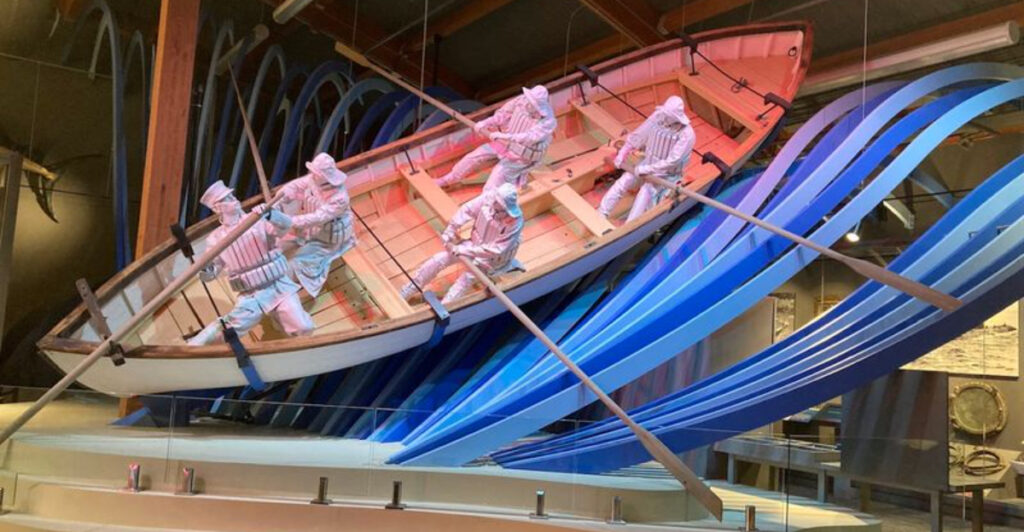
The men who staffed the stations along the Outer Banks regularly launched boats into brutal surf conditions to pull sailors off wrecked ships, often at tremendous personal risk. Their bravery is documented with photographs, personal letters, and equipment from the era that show just how physically demanding and dangerous the work was.
There is something quietly moving about standing in front of a photograph of a life-saving crew and realizing that these were ordinary men from small coastal communities who simply chose to show up when ships were going down offshore. The museum treats their legacy with genuine respect rather than turning it into spectacle.
That restraint makes the stories land harder, and you leave with a real appreciation for what those crews accomplished without fanfare or recognition.
Civil War and World War II at Sea
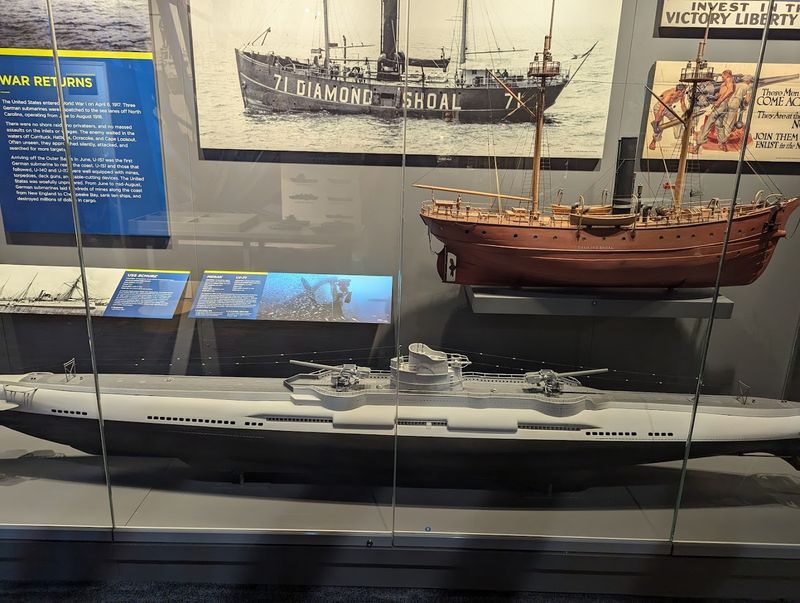
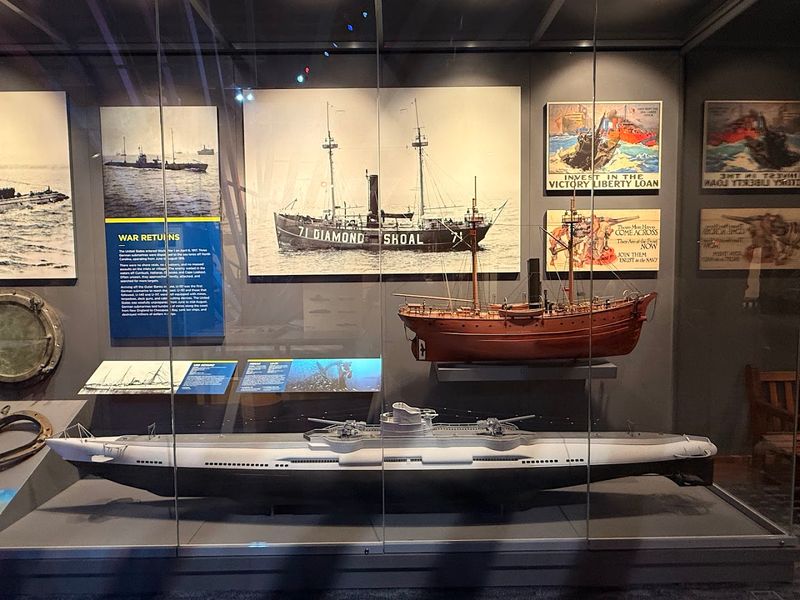
The museum does not limit itself to peacetime maritime history. Two significant military chapters get dedicated exhibit space: the Civil War and World War II, both of which left lasting marks on these waters and on the communities that lived along the Outer Banks during those years.
The USS Monitor, the famous Union ironclad that fought the CSS Virginia in 1862, sank off Cape Hatteras later that same year while being towed south. The museum covers this event with artifacts and explanations that connect the broader Civil War narrative to this specific stretch of coastline in a way that feels genuinely illuminating rather than like a detour from the main theme.
World War II brought a different kind of threat to these waters, as German submarines targeted Allied shipping along the East Coast in a campaign that sent dozens of vessels to the bottom in a matter of months. The museum refers to this period as the second Battle of the Atlantic, and the exhibits covering it are among the most detailed in the building.
Wreck accounts, crew records, and recovered items from that era fill this section with a sobering kind of urgency that stays with you long after you leave.
Blackbeard and the Age of Pirates
No maritime museum on the North Carolina coast would be complete without addressing the most famous outlaw sailor these waters ever knew. Blackbeard, the pirate whose real name was Edward Teach, operated extensively in this region during the early 1700s and met his end near Ocracoke Island, just up the coast from Hatteras.
The museum covers the Golden Age of Piracy with exhibits that balance the romanticized popular image of pirates with the more complicated historical reality. Blackbeard was a skilled navigator and a shrewd tactician who used his fearsome reputation as a strategic tool.
The exhibits explain how piracy fit into the broader economic and political landscape of the colonial Atlantic world, which adds real depth to what could easily have been a superficial crowd-pleaser section.
Artifacts and replica items related to the pirate era are displayed alongside historical maps and documents that trace the routes these ships traveled. For younger visitors especially, this part of the museum tends to generate the most excitement, and the staff is clearly comfortable fielding enthusiastic questions about Blackbeard from kids who have already decided he is the best part of the whole building.
Kid-Friendly Features That Actually Work
Bringing children to a history museum can go one of two ways, and this one lands firmly in the good category. The staff here runs a scavenger hunt program designed specifically to keep younger visitors engaged with the exhibits rather than simply waiting for the adults to finish reading everything.
The scavenger hunt is well-designed in that it actually requires kids to look carefully at the exhibits rather than just running through the space looking for obvious markers. Parents have noted that their children came away with a genuine understanding of what they had seen, which is a harder outcome to achieve than it sounds in a museum setting.
There is also a dedicated play area for the youngest visitors, which gives families with toddlers a place to decompress without disrupting the flow of the main exhibits. The overall atmosphere is welcoming and unhurried, with staff members who are genuinely happy to answer questions and point out things visitors might otherwise miss.
One family who arrived with only thirty minutes before closing still left feeling like the visit had been worthwhile, largely because the staff made sure every minute counted for the kids.
Planning Your Visit: What to Know Before You Go
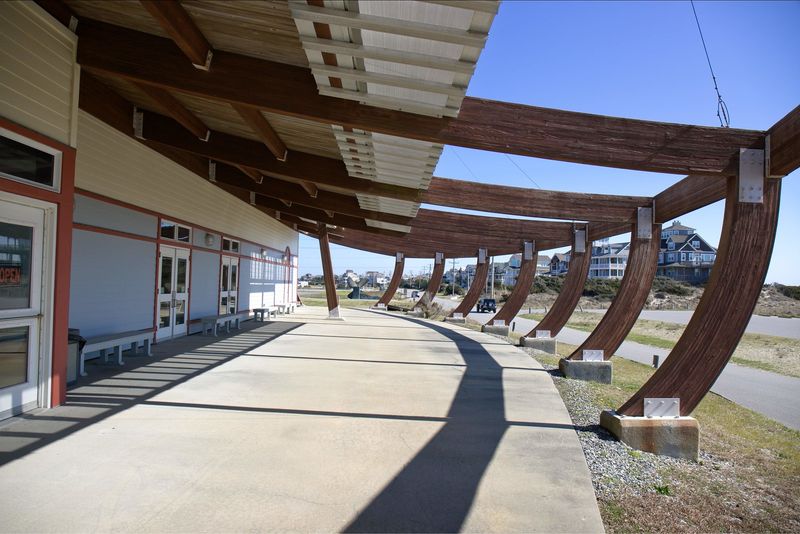
A few practical details can make the difference between a smooth visit and a frustrating one. The museum is open Tuesday through Friday and on Saturdays from 10 AM to 5 PM, but it is closed on Sundays and Mondays.
If your Outer Banks trip falls on a weekend, Saturday is your only option, so plan accordingly and arrive early to give yourself enough time.
Most visitors find that the museum takes between one and one and a half hours to explore thoroughly, though people who engage with every video and audio station can easily stretch that to two hours. The admission is free, but the donation boxes and QR codes posted throughout the space make it easy to contribute something if you feel the museum has earned it, and it usually has.
The gift shop is worth a browse before you leave, with a solid selection of books, nautical items, and locally themed souvenirs that support the museum’s operations. The beach access across the street from the museum is also worth noting for anyone who wants to combine a cultural visit with some time on the water.
The whole experience pairs well with a ferry ride or a walk through Hatteras Village, making it a natural anchor for a full afternoon on the southern end of the island.
Share this story