Few attractions let visitors experience history as directly as this one. In Scranton, Pennsylvania, guests can descend 300 feet underground into a former coal mine and explore the tunnels where generations of miners spent their working lives.
What makes the experience stand out is its authenticity. The mine operated for more than a century before becoming a museum, and many tours are led by former miners or people with deep family ties to the industry.
More than a history lesson, it offers a firsthand look at the work, challenges, and communities that helped shape northeastern Pennsylvania.
Where the Tour Begins: Address, Setting, and First Impressions
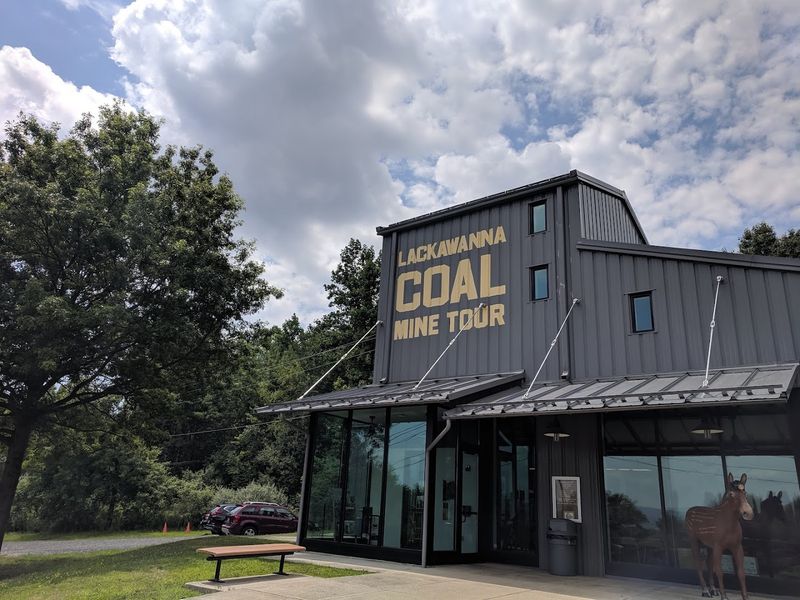
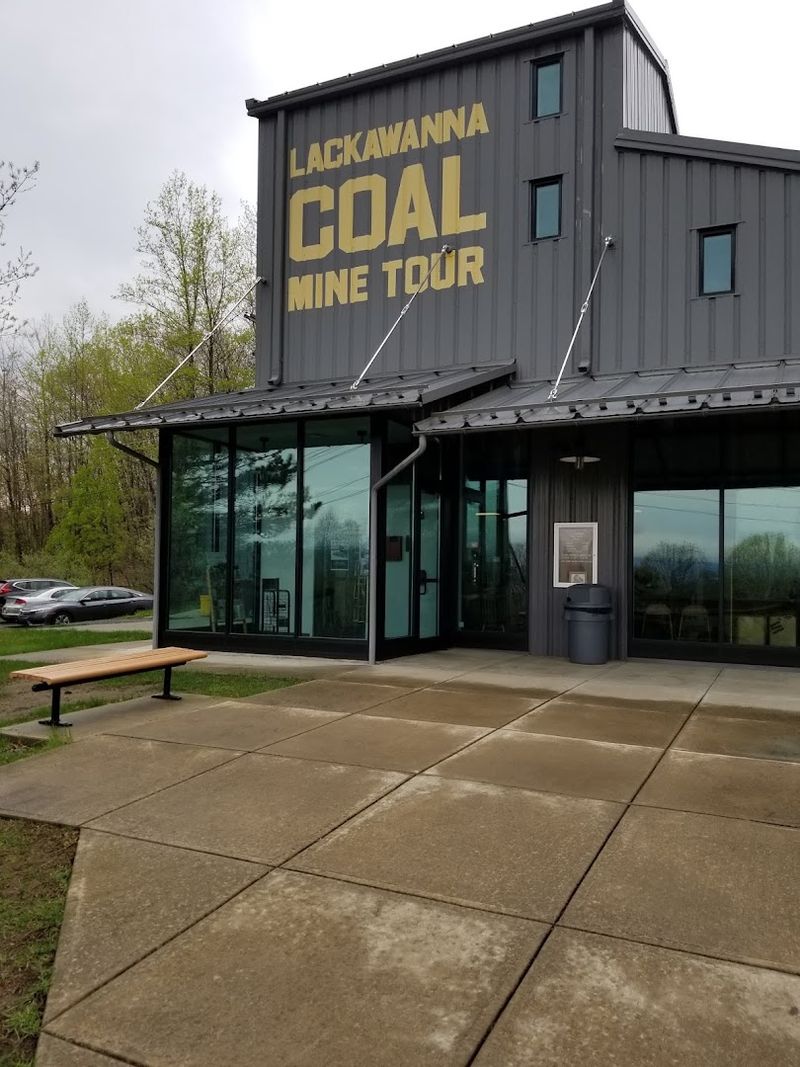
McDade Park in Scranton, Pennsylvania, is not the kind of place you stumble upon by accident. You drive through a stretch of green parkland on Bald Mountain Road and eventually arrive at 1 Bald Mountain Road, S Abington Township, PA 18411, where the Lackawanna Coal Mine Tour welcomes visitors with a modest but purposeful setup.
The main building holds the ticket counter, a gift shop, a small snack bar, and a theater where you can watch a short introduction before heading underground. Hard hats are handed out near the loading area, and the observation deck gives you your first real look at the mine shaft entrance.
The whole scene feels grounded and honest rather than flashy. There are no giant signs or carnival-style decorations.
What you get instead is a sense that this place takes its history seriously, and that sets the tone perfectly for everything that follows underground.
A Mine That Ran for Over a Century Before Becoming a Museum
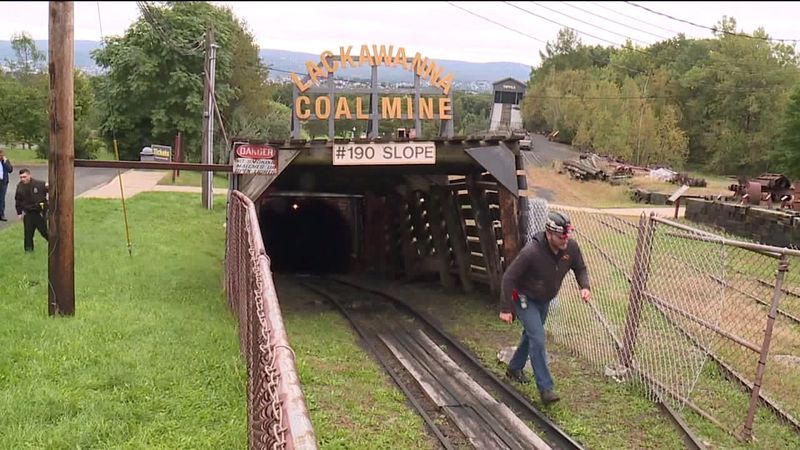
The story behind this mine stretches back to 1860, when the Continental Coal Company opened what was known as Slope Number 190. Anthracite coal was in high demand across the country, and the Lackawanna Valley sat on some of the richest deposits in the world.
The mine kept operating for over a hundred years, finally closing in 1966. It sat abandoned for more than a decade before federal funding helped rehabilitate it between 1977 and 1978.
By 1985, it had reopened as an educational attraction, giving the public access to a piece of industrial history that might otherwise have been forgotten entirely.
That timeline matters because it means the mine itself is authentic. The tunnels, the coal veins, and the equipment are not reconstructed for tourist appeal.
They carry the actual weight of generations of labor, and that authenticity is what makes the experience hit differently from any standard museum visit.
Riding the Mantrip Car Down Into the Earth
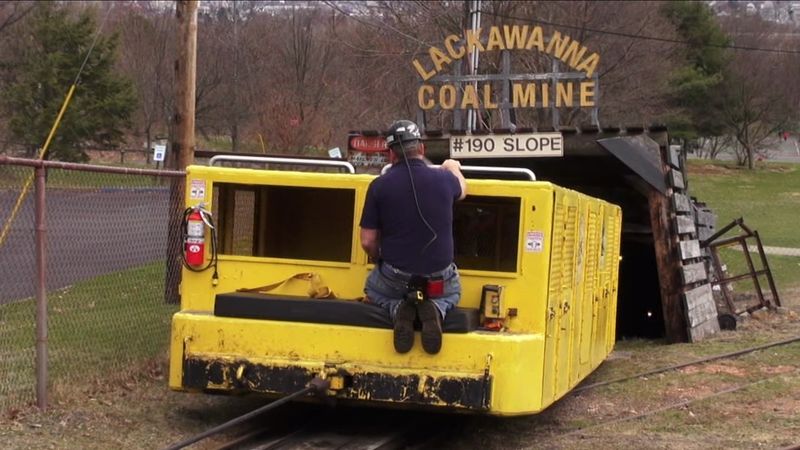
The Mantrip car is the moment the tour stops feeling like a field trip and starts feeling like an adventure. You settle into the narrow personnel carrier, the guide gives a brief rundown of what to expect, and then the car begins its slow descent into the mine shaft.
The ride down covers approximately 250 to 300 feet below the surface. As the daylight fades behind you and the tunnel walls close in on either side, the temperature drops noticeably, and the air takes on a cool, damp quality that stays with you for the entire tour.
First-time riders often grip the sides a little tighter than they planned to. The car moves at a steady, deliberate pace, and the guides tend to keep the mood light with a well-timed comment or two.
By the time you reach the bottom, the surface world feels genuinely far away, which is exactly the point of the whole experience.
What the Underground Walk Actually Looks Like
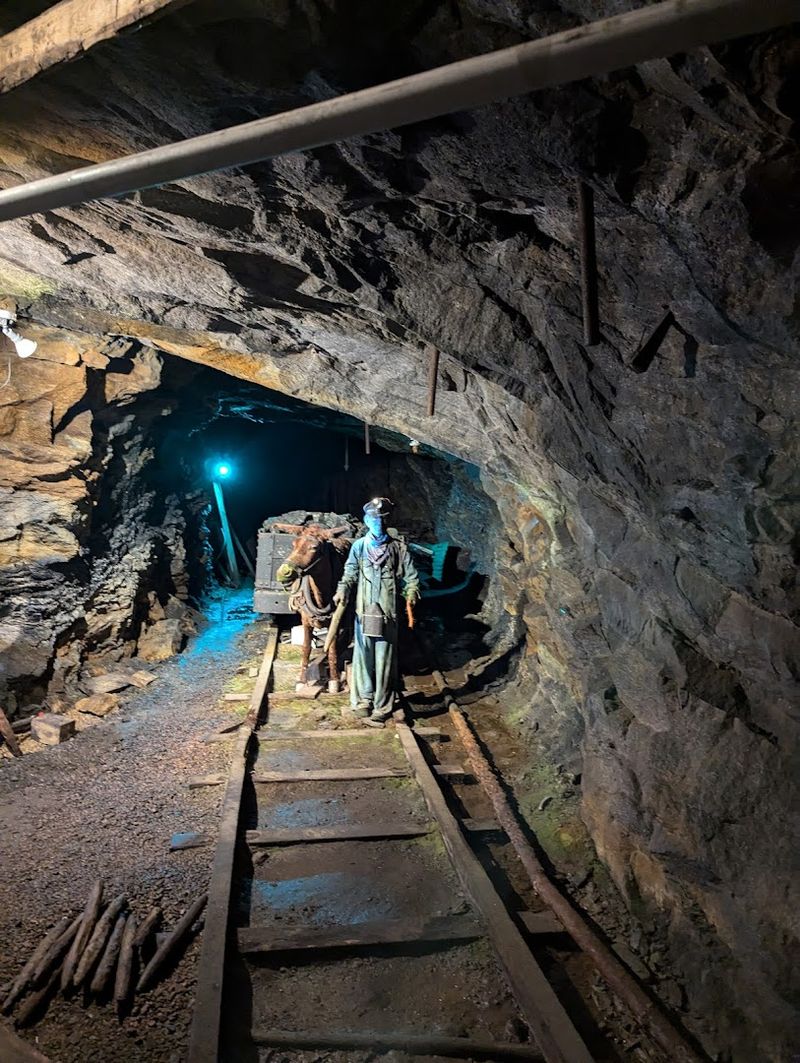
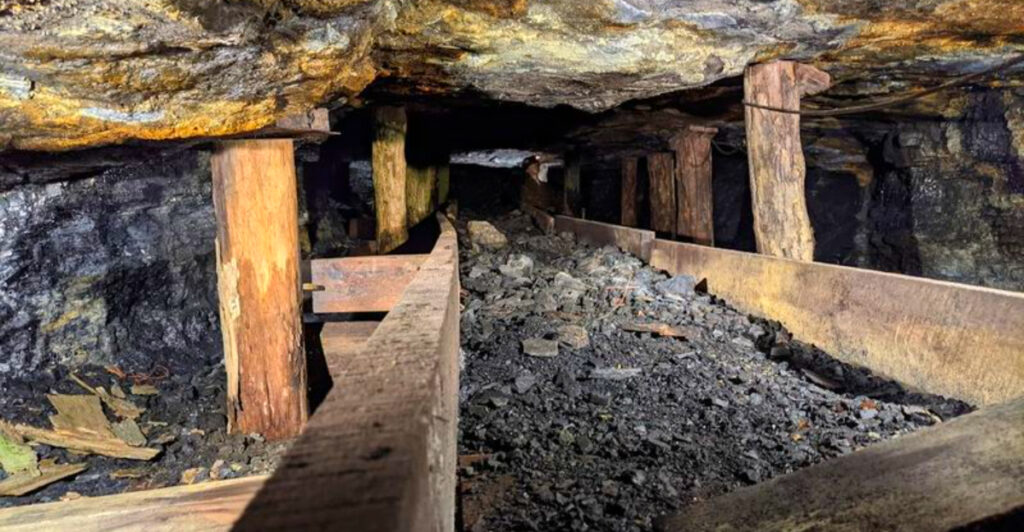
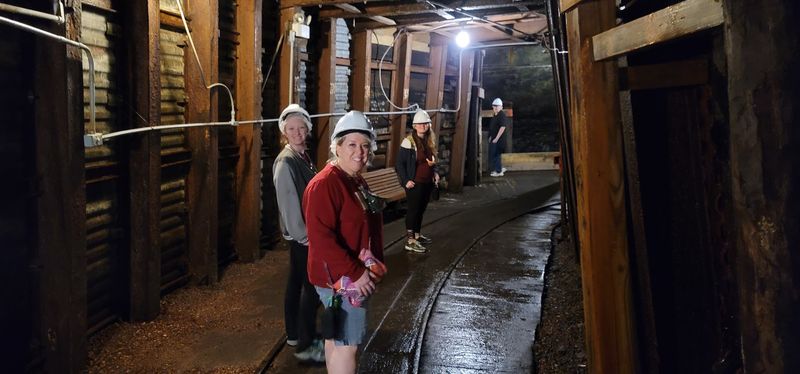
Once the Mantrip car reaches the bottom, the walking portion of the tour begins, covering about half a mile through a network of tunnels, gangways, and rock passageways. The route takes roughly one hour to complete, though guides often extend that when questions start flowing.
The tunnels vary in height and width as you move through them. Some sections feel surprisingly open, while others require you to stay aware of the ceiling above you.
The ground is uneven and can be slippery in places, so the advice to wear closed-toe shoes with good grip is genuinely useful rather than just a formality.
Three different coal veins are visible along the route, and the guide points out each one, explaining how miners identified them and what tools they used to work each type of seam. The rock formations alone are worth the trip, but the equipment on display at various stations along the walk adds a layer of hands-on context that keeps everyone engaged.
The Guides Who Bring the History to Life
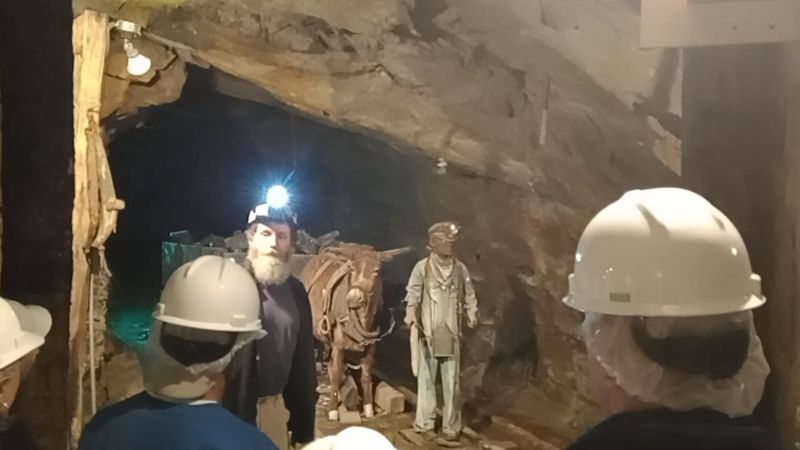
The quality of any tour depends heavily on the person leading it, and the guides at this mine carry a credential that no training manual can replicate. Many of them are former miners or the children and grandchildren of miners who worked these exact tunnels.
That personal connection changes the texture of everything they say. When a guide describes the daily routine of a miner in the early 1900s, or explains what it felt like to work a double shift without seeing daylight, the words carry a weight that comes from lived family memory rather than rehearsed script.
The guides also know how to read a crowd. With younger visitors, they lean into the more dramatic moments, like the demonstrations involving mining tools and the displays of early equipment.
With adults, they tend to go deeper into the economics and labor history of the region. Either way, you leave the tour knowing considerably more than you arrived with.
Mannequins, Mule Boys, and the Human Cost of Coal
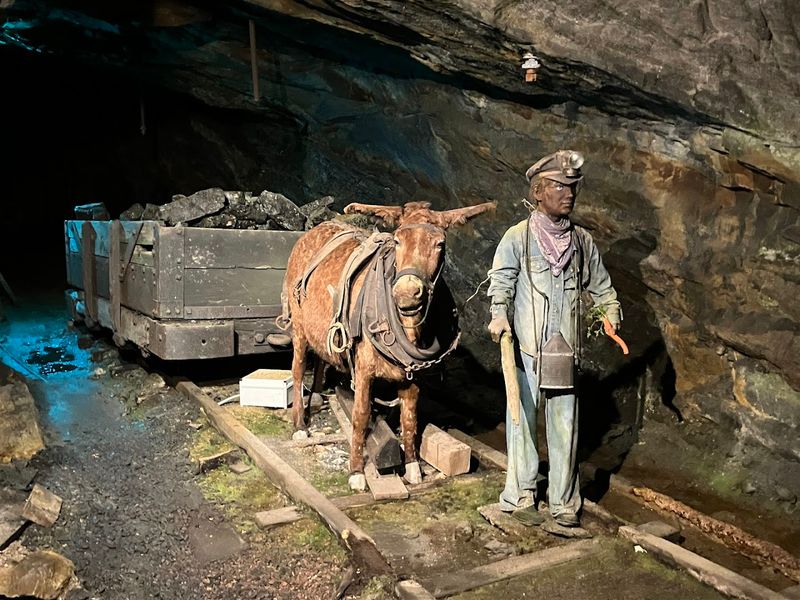
One of the more striking features of the underground walk is the series of mannequin displays positioned throughout the tunnels. These figures are dressed in period-accurate clothing and posed to show specific roles within the mining operation, from experienced miners working the coal face to the much younger workers known as mule boys and nippers.
Mule boys, often children as young as nine or ten years old, were responsible for guiding mules that hauled coal cars through the tunnels. Nippers operated the ventilation doors that controlled airflow underground.
These were not adult jobs handed to children out of convenience. They were considered entry-level positions in a system where entire families depended on every wage earner contributing as early as possible.
Seeing those mannequins in context, surrounded by the actual rock and darkness of the mine, makes the labor history feel immediate in a way that a photograph or a paragraph in a book simply cannot. The guides make sure that point lands before moving on.
Dangerous Conditions Miners Faced Every Single Day
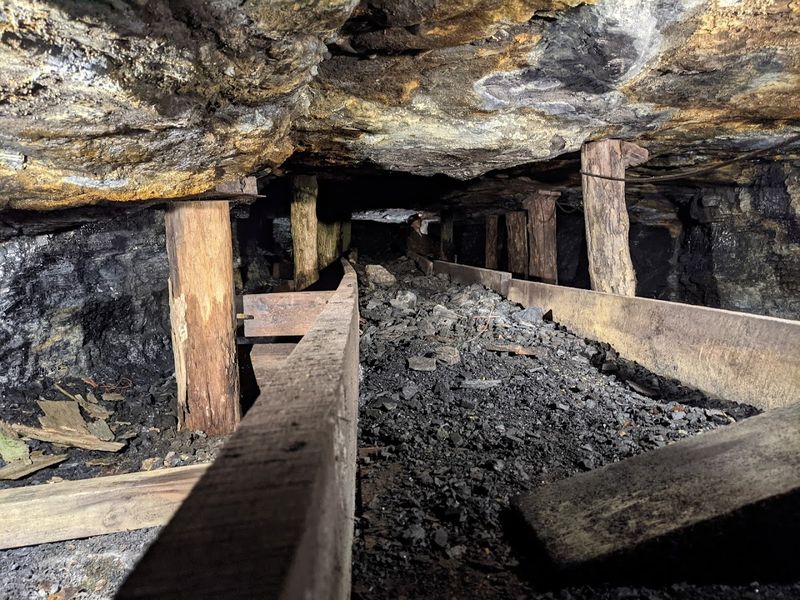
The tour does not soften the reality of what coal mining meant for the people who did it. Guides walk visitors through the major hazards that miners faced on a daily basis, and the list is sobering.
Cave-ins were a constant threat in tunnels supported primarily by wooden beams that could shift or splinter without warning.
Explosions from coal dust and methane gas were another danger that miners lived with throughout their careers. Then there was a gas called black damp, a mixture of carbon dioxide and nitrogen that could build up in poorly ventilated sections and render a tunnel unbreathable within minutes.
The guides explain how miners detected these gases before modern equipment existed, including the use of canaries, whose sensitivity to toxic air gave workers an early warning system. Hearing those details while standing in the actual environment where they played out gives the information a gravity that sticks with you long after you return to the surface.
The Air Shaft Moment That Surprises Every Visitor
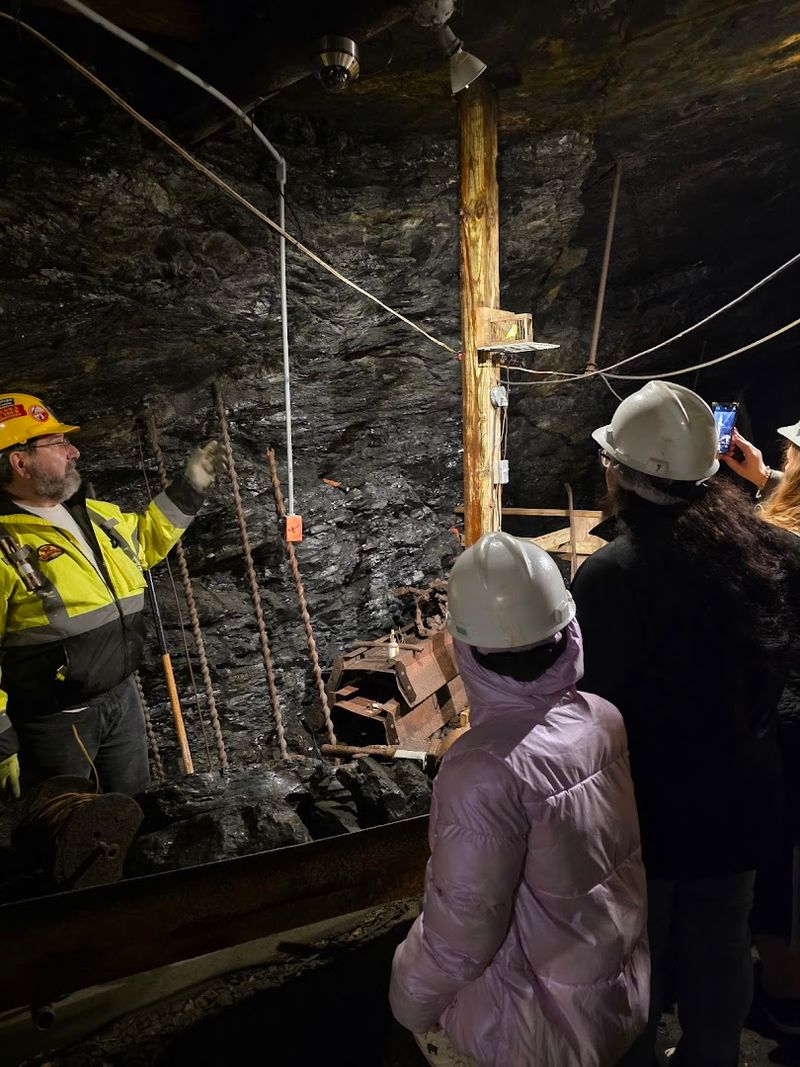
At one point during the underground walk, the guide directs visitors to stand on a metal grate positioned over an air shaft. The mine’s ventilation system pushes air upward through this shaft, and the effect is immediate and genuinely unexpected the first time you experience it.
Anyone with long hair will find it lifting straight up from the force of the moving air. Kids tend to go absolutely wide-eyed at this point, and adults are not far behind.
It is one of those small, tactile moments that transforms a history lesson into a physical memory.
Beyond the fun of it, the guide uses the air shaft demonstration to explain how ventilation kept miners alive underground by cycling out toxic gases and bringing in fresh air from the surface. The engineering behind early mine ventilation systems was surprisingly sophisticated for its era, and this one moment makes that whole concept click in a way that a diagram never could.
What to Wear and How to Prepare Before You Go
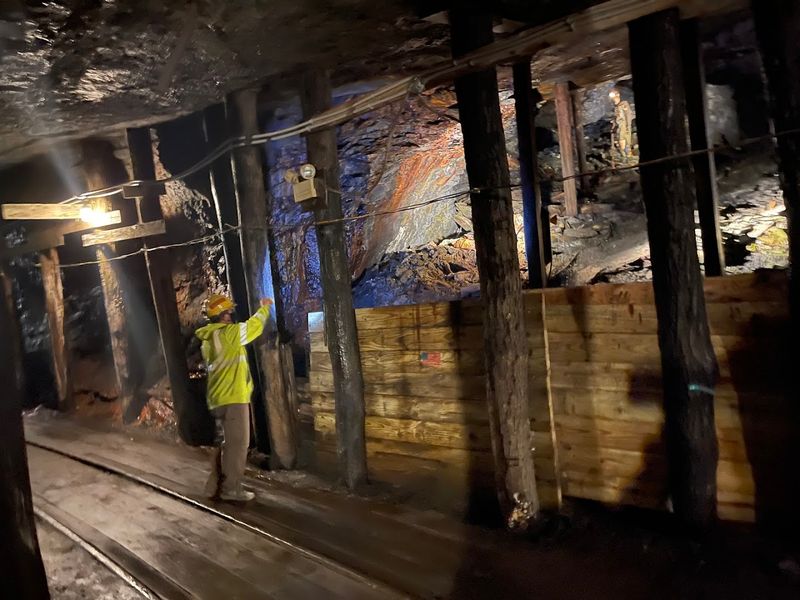
The underground environment at this mine stays at a consistent 50 to 54 degrees Fahrenheit year-round, regardless of what the weather is doing on the surface. That might not sound extreme, but an hour of walking in damp, cool air without the right layers will make the experience noticeably less comfortable than it needs to be.
A light jacket or a long-sleeved layer is the single most practical thing you can bring. The tunnel floor is uneven and can be wet in sections, so closed-toe shoes with decent grip are strongly recommended.
Sandals and open-toed footwear are not permitted on the tour, and that rule exists for good reason.
Beyond clothing, it helps to use the restroom facilities in the main building before boarding the Mantrip car, since there are no facilities 300 feet underground. Arriving a few minutes early also gives you time to pick up your hard hat, browse the small pre-tour museum near the loading area, and settle in before the group heads down.
Ticket Prices, Hours, and Planning Your Visit
At roughly ten dollars per adult, the Lackawanna Coal Mine Tour ranks among the better value experiences in the entire northeastern United States. An hour-long guided tour through a real anthracite mine, led by someone who genuinely knows the subject, for the price of a fast food meal is a deal that is hard to argue with.
The tour operates seasonally from April through November. Current hours run from 10 AM to 4 PM on Monday, Thursday, Friday, Saturday, and Sunday.
The mine is closed on Tuesdays and Wednesdays, so checking the schedule before making the drive is worth the thirty seconds it takes.
Tours can fill up during peak summer weekends, and some visitors have noted waiting around 45 minutes between their arrival and their tour time. Calling ahead at 570-963-6463 or checking the official Lackawanna County website helps you plan your timing and avoid any surprises at the ticket counter.
The Gift Shop, Snack Bar, and the Free Piece of Coal
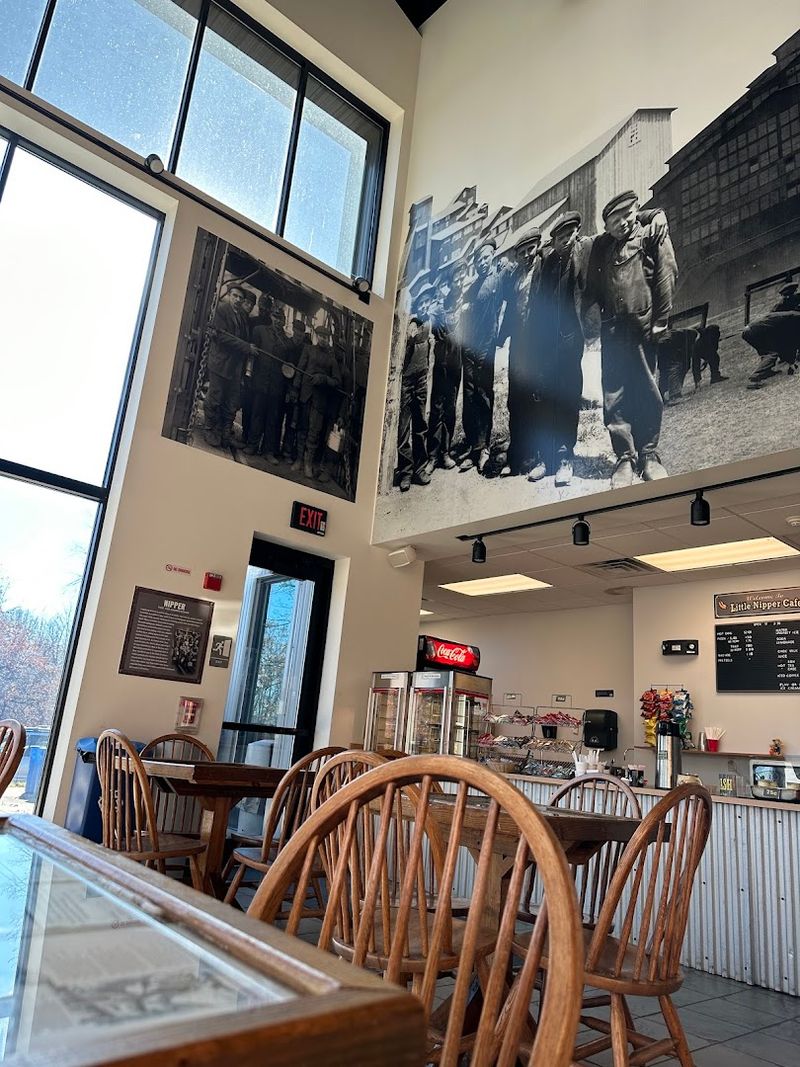
Before or after the tour, the main building offers more than just a place to wait. The gift shop stocks a solid selection of history-related books, regional souvenirs, and coal-themed keepsakes that go well beyond the usual tourist fare.
Every visitor also receives a small piece of actual coal to take home, which turns out to be a surprisingly satisfying little memento.
The snack bar is a practical bonus, especially for families with kids who arrive hungry or need a break after the underground walk. The cafeteria staff have a reputation for being warm and accommodating, which adds to the overall feeling that this is a place run by people who genuinely enjoy having visitors around.
The theater in the main building shows a short introductory film that provides useful context before the tour, and the small museum near the loading area fills in additional background on the mining industry and the Lackawanna Valley region. The whole facility feels well-maintained and thoughtfully organized from start to finish.
Why This Tour Earns Its National Recognition
The Lackawanna Coal Mine Tour holds national award recognition as a history attraction, and it has appeared on USA Today’s list of best underground attractions in the country. It was also featured on NBC’s long-running series The Office, which was set in Scranton, giving it a layer of pop culture recognition on top of its historical significance.
That combination of genuine educational value, authentic setting, and broad appeal is exactly why the tour maintains a 4.7-star rating across hundreds of visitor reviews. Families with children as young as eight or nine find it engaging.
History enthusiasts find it substantive. People who just want an unusual afternoon out find it genuinely entertaining.
The Pennsylvania Anthracite Heritage Museum sits adjacent to the mine within McDade Park, offering extended exhibits on the region’s industrial and immigrant history for visitors who want to spend a full day exploring the subject. Together, the two attractions make a compelling case for Scranton as a destination worth the trip on its own terms.
Share this story