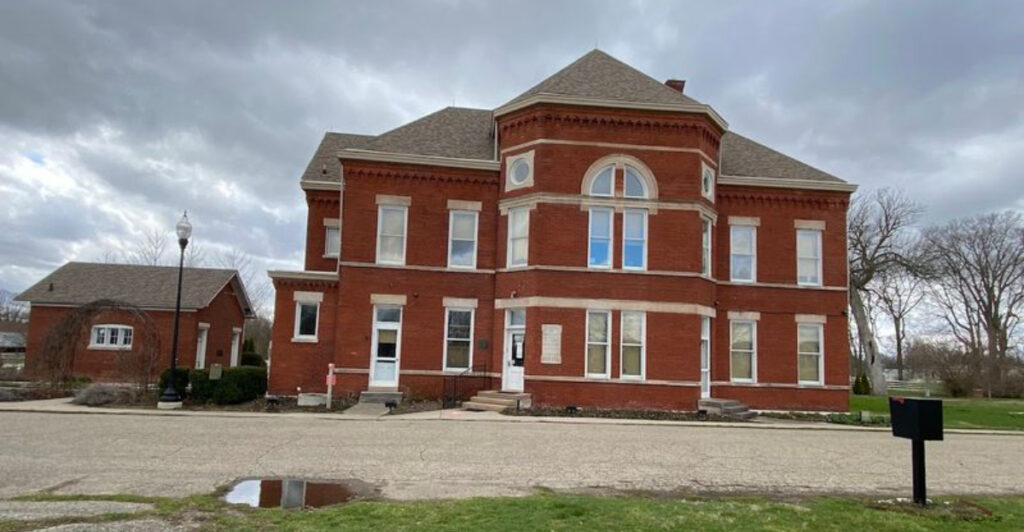
Tucked away on the grounds of what was once a major psychiatric hospital in Indianapolis, there is a building that has stood virtually unchanged since the 1890s. It holds original equipment, preserved specimens, and the kind of medical history that most people never get a chance to see up close.
This is not a recreation or a replica. The Indiana Medical History Museum is the real thing, and it sits at a crossroads between science, mental health history, and architecture that has somehow survived more than a century in near-perfect condition.
Tours run on a schedule, tickets sell out fast, and the experience tends to leave people talking long after they have left the building. Whether someone is a medical professional or just curious about how doctors worked before modern technology, this place delivers a genuinely rare look at American medical history.
A Building That Time Forgot to Change
Most historic buildings get renovated, updated, or partially demolished over the decades. This one did not.
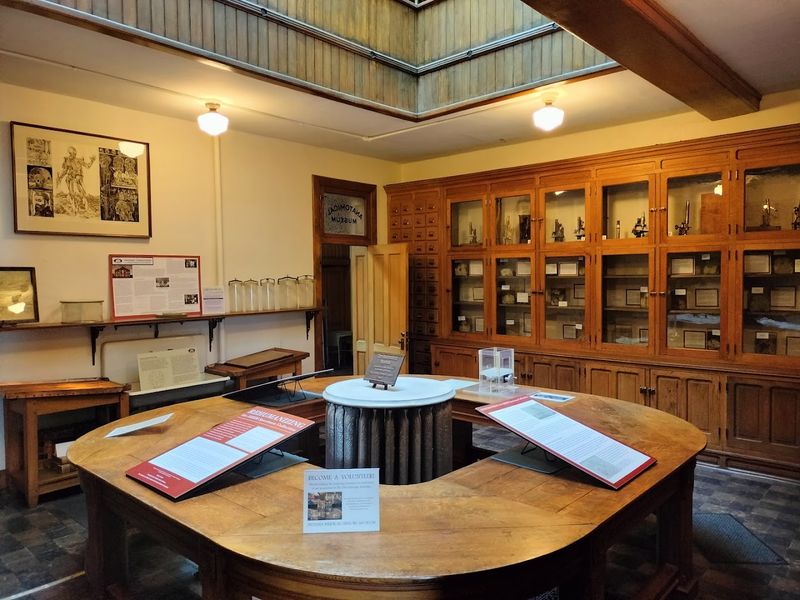
The interior of the pathology building at the Indiana Medical History Museum has remained remarkably intact, with original wood and tile cabinets, vintage flooring, and equipment that has not been swapped out for modern replacements.
That level of preservation is what makes this place genuinely unusual. A lot of museums display artifacts behind glass in rooms that were built last year.
Here, the artifacts are still in the rooms where they were actually used more than a hundred years ago.
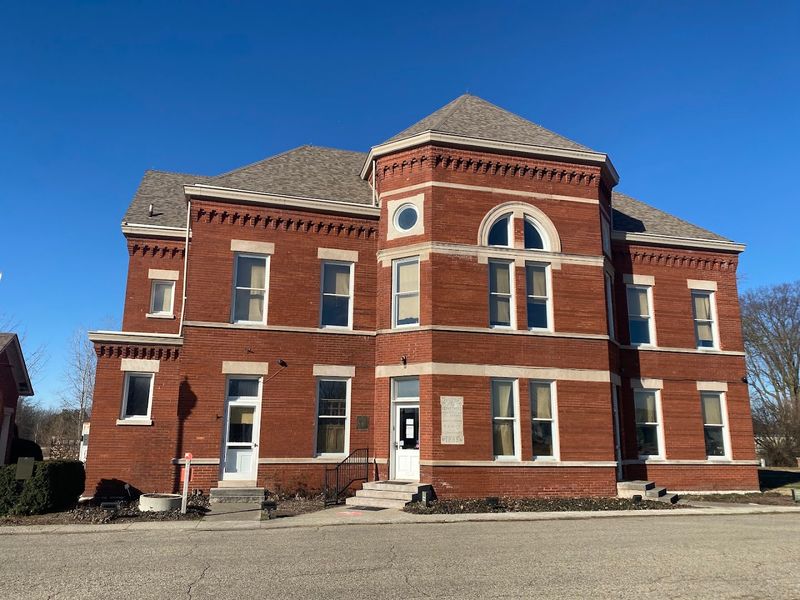
The architectural style reflects the late Victorian era, with functional design choices that were ahead of their time. Staff members explain the reasoning behind the building’s layout during tours, which adds a layer of context that makes the physical space feel meaningful rather than just old.
Every corner of the building tells part of a larger story about how medicine and science evolved in America.
Booking a Tour Before You Show Up
One of the most consistent pieces of advice from people who have visited the Indiana Medical History Museum is simple: book your tickets before you arrive. Tours are guided, timed, and limited in size, which means walk-ins are rarely accommodated and spots fill up quickly.
Tickets become available on the first of each month for tours happening within that same month. That release schedule moves fast, especially for weekend slots.
Planning ahead is not optional here. It is the difference between getting inside and standing in the garden wondering what you missed.
The museum is open Wednesday through Saturday from 10 AM to 4 PM, and it is closed Sunday through Tuesday. Tours run on the hour during operating hours, so there are multiple slots available on each open day.
The admission price has historically been around ten dollars per adult, which is a reasonable cost for a one-of-a-kind experience that most people describe as unlike anything they have done before.
The Pathology Collection That Defines the Museum
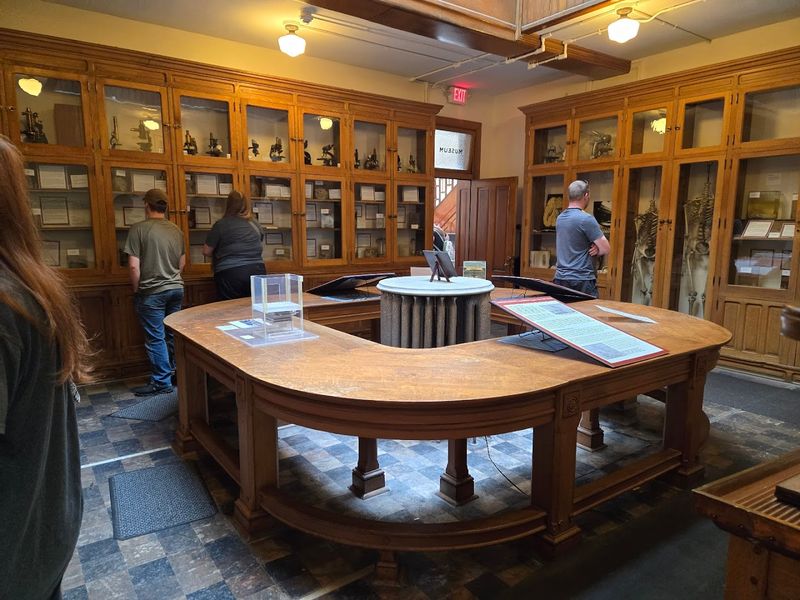
The specimen collection at the Indiana Medical History Museum is one of the most talked-about aspects of any visit. Preserved brain specimens, cross-sections showing various conditions, and accompanying case histories are displayed throughout the building in their original cabinetry.
Each specimen comes with context. Labels and records describe the conditions being studied, the circumstances of the case, and what doctors were trying to understand at the time.
That combination of physical specimen and historical documentation is what separates this collection from a simple display of curiosities.
The collection was assembled during the late 1800s and early 1900s as part of a genuine scientific effort to understand whether mental illness had identifiable physical causes in the brain. For its era, that was a serious and ambitious research program.
Some of the material is not for everyone, and the museum is upfront about that. But for those with an interest in medical science or history, the collection offers a level of depth that is genuinely hard to find anywhere else in the country.
The Lecture Theater That Still Looks Ready for Class
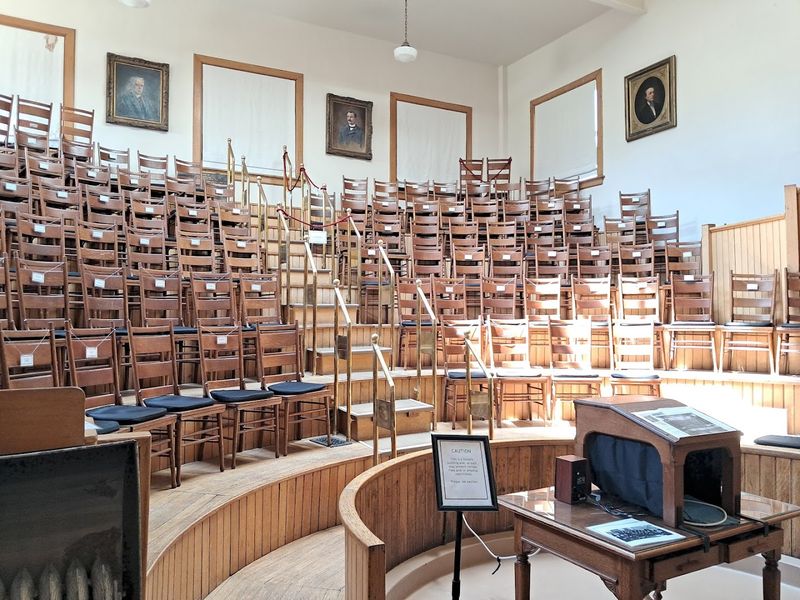
One of the most striking rooms in the building is the lecture theater, a tiered wooden amphitheater where medical students and staff once gathered to observe procedures and hear presentations. The room has been preserved in its original condition, and it still looks like a class could start at any moment.
The design reflects the teaching methods of the era, with a central demonstration area and elevated seating arranged so that everyone in the room had a clear line of sight. It was a practical solution to a practical problem, and the craftsmanship of the woodwork has held up remarkably well.
Tour guides use the space to explain how medical education worked in the late 1800s, including the role that pathology played in training doctors to think more scientifically about the causes of illness.
Sitting in the original seats while hearing that history explained in real time is one of those experiences that makes the past feel genuinely close rather than distant.
The Autopsy Room and Its Original Equipment
The autopsy room at the Indiana Medical History Museum is one of the most memorable stops on the tour. The original examination table is still in place, along with other equipment and fixtures that date back to the building’s active years.
What makes this room particularly compelling is the context that guides provide around it. Rather than simply pointing out old tools, they explain the procedures that took place there and how those procedures contributed to a broader understanding of disease and mental illness at a time when very little was known about either.
The room is small, which adds to the sense that this was a working space rather than a showpiece. Everything in it was meant to be used, and the layout reflects that functional purpose.
Doctors and nurses who have visited the museum often note that many of the basic principles behind the procedures conducted in this room are still in use today, even though the technology has changed almost beyond recognition.
Central State Hospital and the Bigger Story Behind the Building
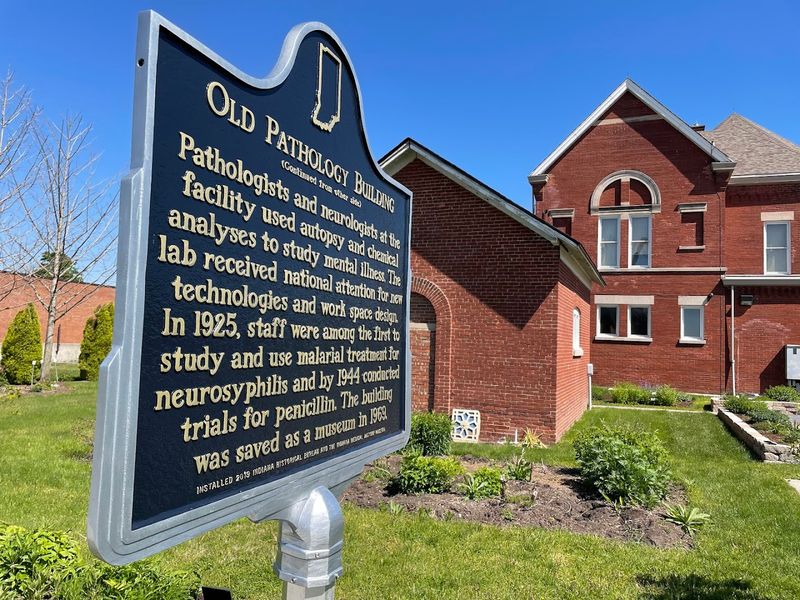
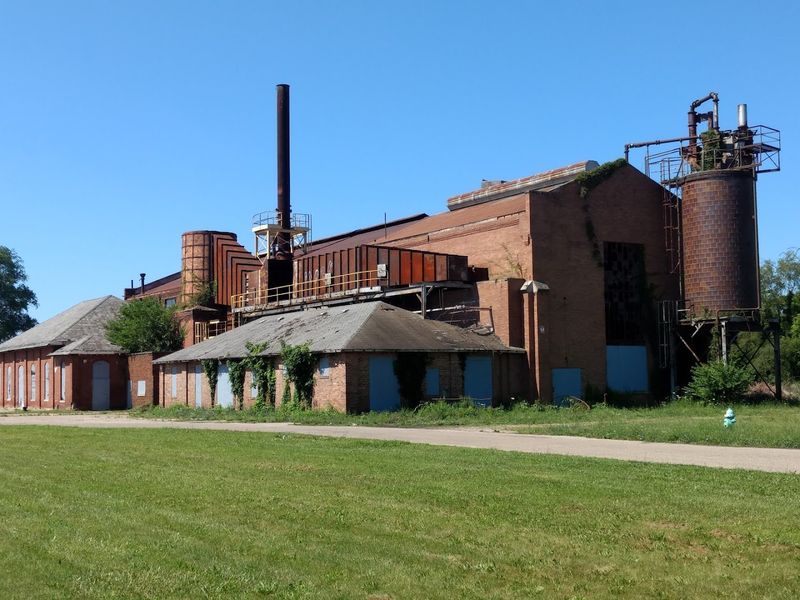
The pathology building did not exist in isolation. It was constructed as part of Central State Hospital, which opened in Indianapolis in 1848 and operated for nearly 150 years as a major institution for people with mental illness.
At its peak, Central State housed thousands of patients and employed a large staff of doctors, nurses, and administrators. The pathology department was established as part of a broader effort to apply scientific methods to the treatment and diagnosis of mental illness, which was a relatively new idea in American medicine at the time.
The hospital itself closed in 1994, and most of its buildings have since been demolished or repurposed. The pathology building survived because of preservation efforts that recognized its historical and scientific significance.
Understanding that backstory adds real weight to a tour of the museum. The building is not just old.
It represents a specific chapter in the history of how society thought about mental health and how medicine tried to respond to it.
The Medicinal Garden Outside the Building
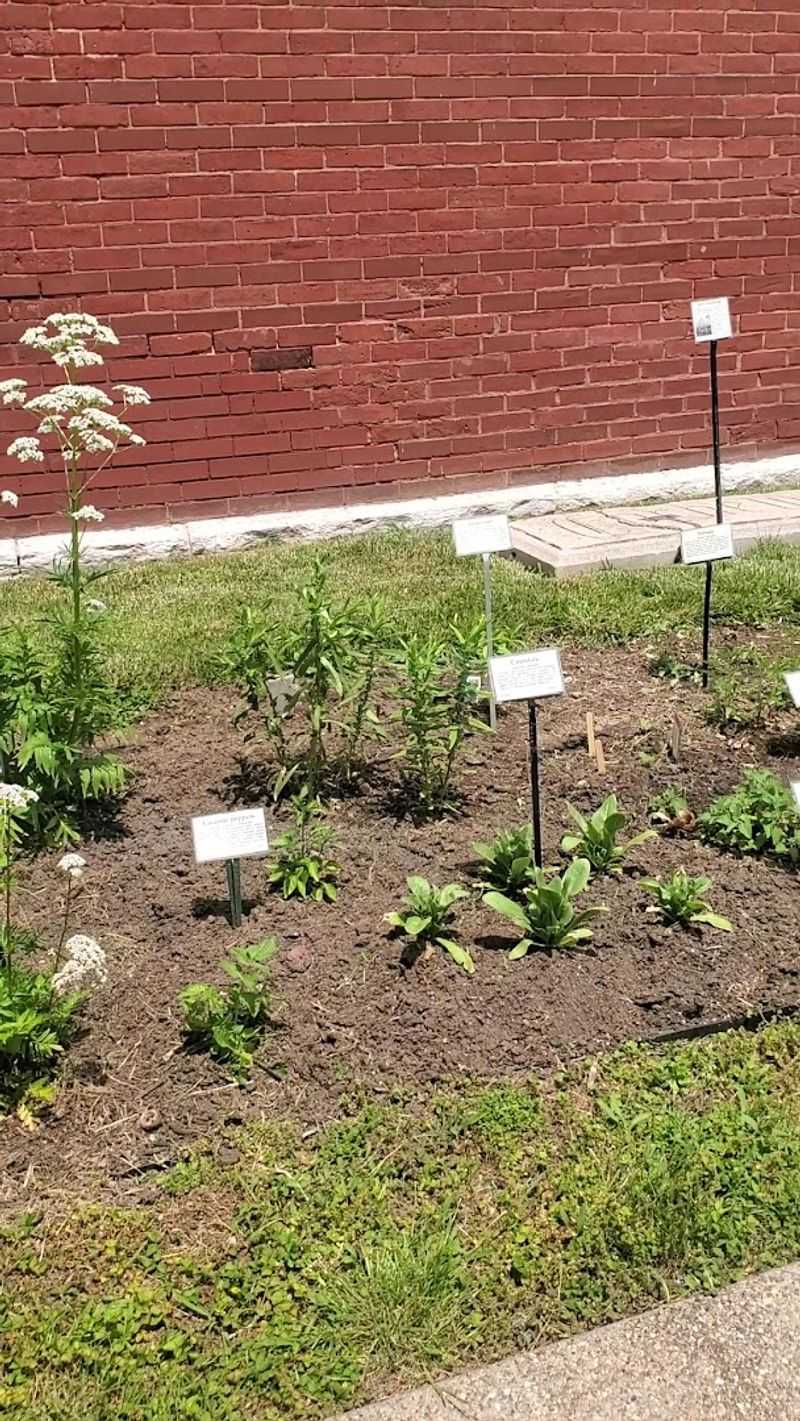
Not everything worth seeing at the Indiana Medical History Museum is inside the building. The grounds include a medicinal garden that features a wide variety of plants historically used for therapeutic purposes, each labeled with information about its traditional medical applications.
The garden is organized into sections based on the body systems the plants were used to treat, including areas focused on respiratory health and cardiovascular conditions. The signage is detailed enough that spending a significant amount of time reading through it is easy to do without feeling like you are rushing.
For people who arrive early or who want to spend time outside after the tour, the garden offers a genuinely interesting extension of the museum’s themes. The connection between botanical knowledge and early medicine is a thread that runs through a lot of what the museum covers indoors.
The garden is accessible without a ticket, which makes it a worthwhile stop even for those who have not booked a tour inside the building yet.
Original Books, Records, and Equipment on Display
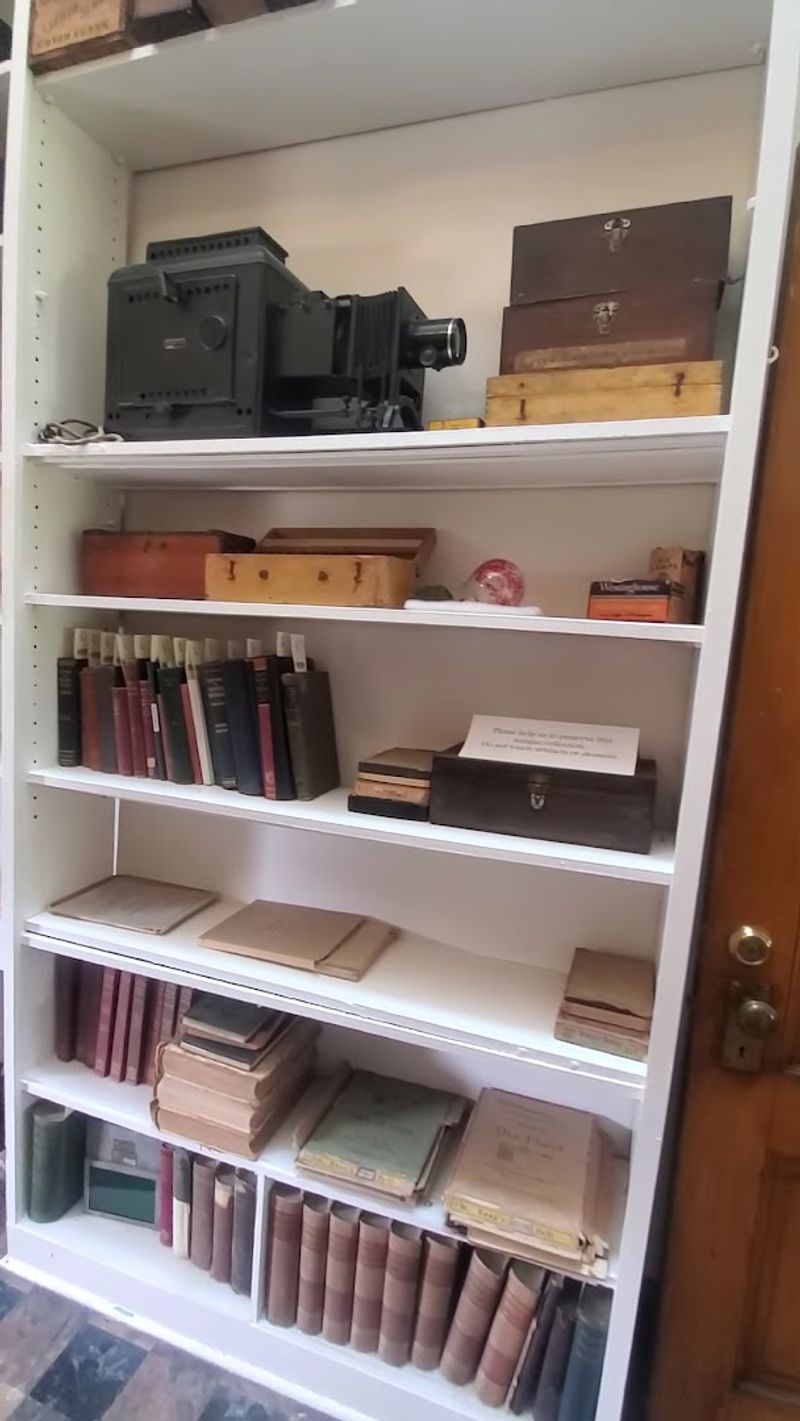
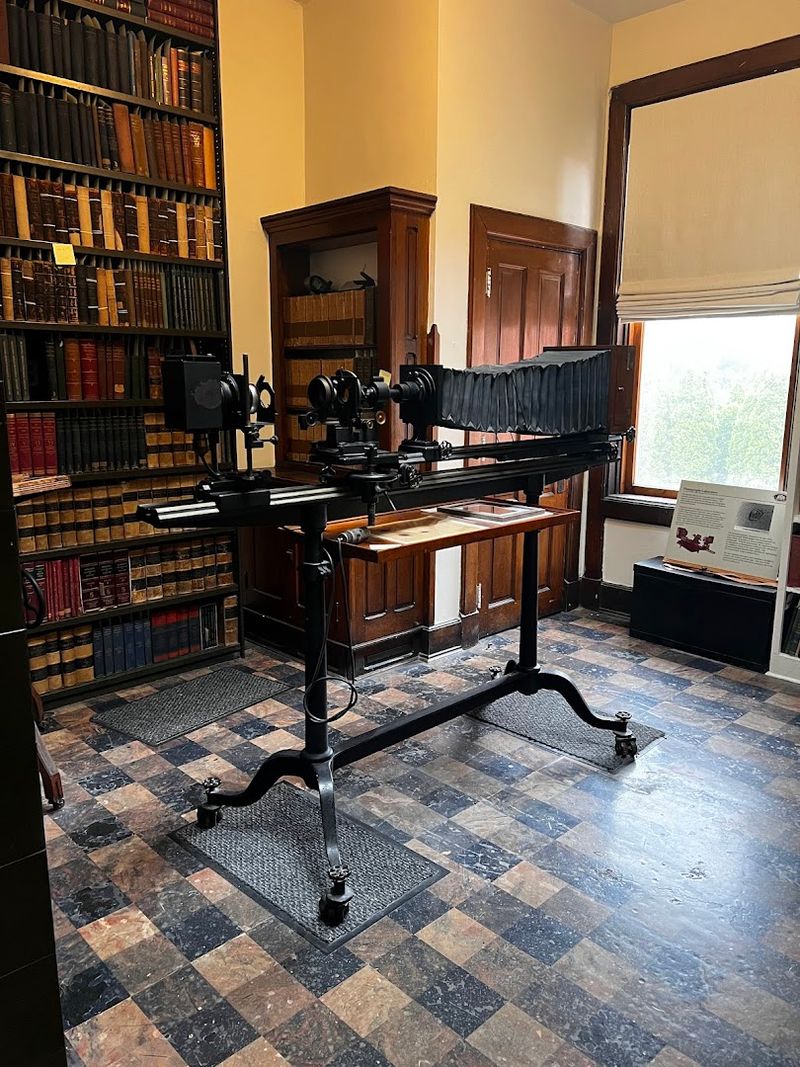
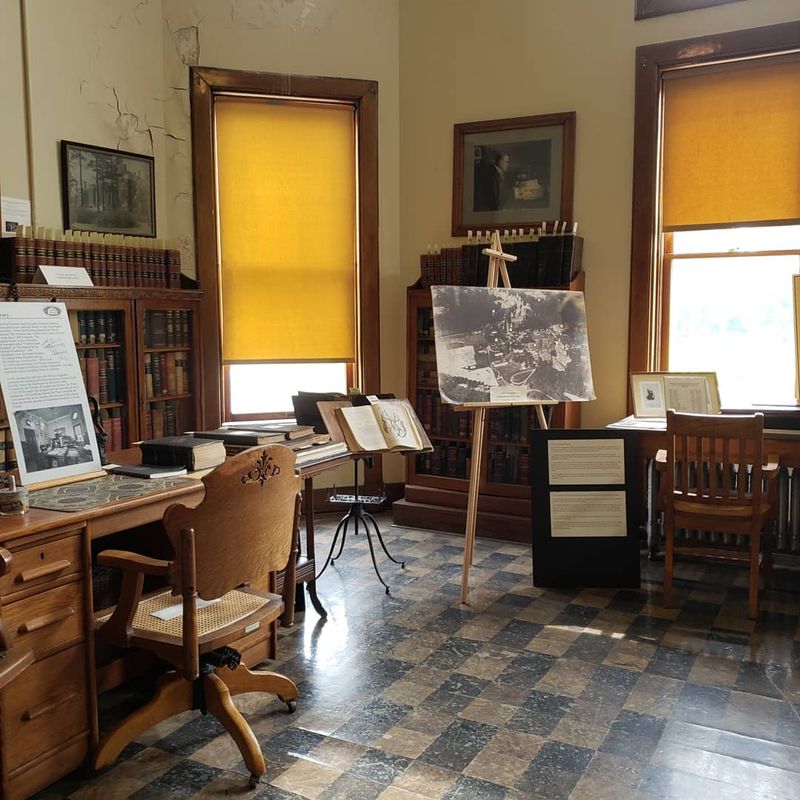
Beyond the specimen collection, the Indiana Medical History Museum holds an extensive array of original books, records, and scientific equipment from the late 1800s and early 1900s. These materials were used by the doctors and researchers who worked in the building during its active years.
The books alone represent a fascinating window into how medical knowledge was organized and communicated before the internet, before photocopiers, and before most of the diagnostic tools that modern medicine takes for granted. Many of the volumes are still on the shelves where they were originally kept.
Original chemical production equipment is also on display, reflecting the fact that the department produced many of its own compounds on-site. That level of self-sufficiency was common for large institutions of the era and speaks to how differently medical facilities operated a century ago.
The density of original material throughout the building is part of what makes the tour feel so different from a typical museum experience. Very little here is a reproduction.
Who Should Visit and What to Expect
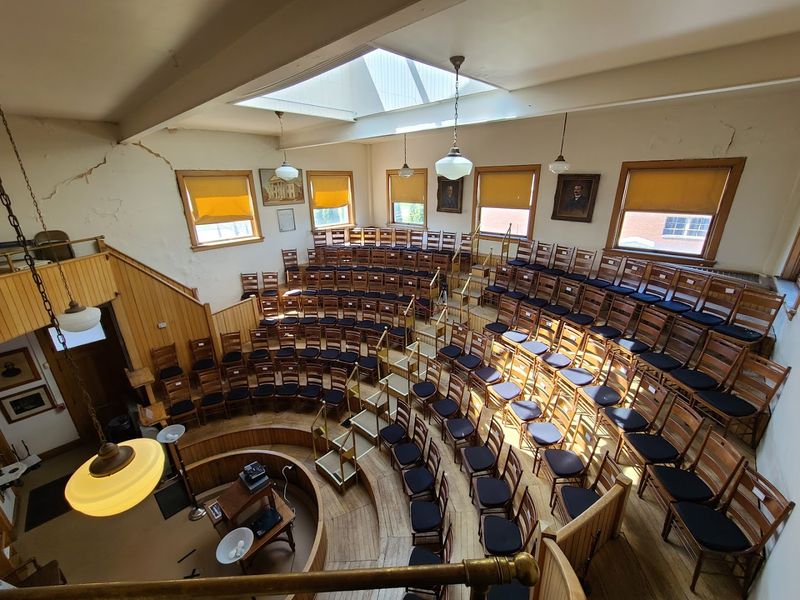
The Indiana Medical History Museum draws a wide range of people. Medical professionals, history enthusiasts, students, and curious travelers have all found the experience worthwhile, and the museum does not require any background knowledge to appreciate.
That said, some of the content is not suitable for very young children. The specimen collection and the nature of the historical material covered during the tour are better suited to older teens and adults.
The museum is transparent about this, and it is worth keeping in mind when planning a visit.
The building has a flight of original stairs with at least one sharp turn, which means it may not be fully accessible for people with mobility limitations. Checking with the museum in advance about accessibility is a good idea for anyone who needs to know before booking.
Groups that arrive together but are too large for a single tour slot may be divided, so coordinating timing when booking for multiple people is worth doing carefully to avoid any scheduling complications.
The Tour Guides Who Bring It All to Life
A tour of the Indiana Medical History Museum is only as good as the person leading it, and by most accounts, the guides at this museum are a genuine strength of the experience. They bring deep knowledge of the building’s history, the science behind the collections, and the stories of the people connected to the facility.
Questions are welcomed and encouraged throughout the tour, and guides typically take the time to give thorough answers rather than rushing past complicated topics. That responsiveness makes the hour feel collaborative rather than like a scripted presentation.
The guides are a mix of staff members and board members, many of whom have developed their expertise over years of working with the museum’s archives and collections. That depth of familiarity with the material shows in how they navigate the rooms and connect different parts of the building’s story.
For a lot of people, the guide ends up being the thing they remember most vividly when they think back on their visit.
Photography Rules and Practical Tips for Your Visit
Photography is allowed inside the Indiana Medical History Museum, which is good news for anyone who wants to document the original artifacts, architecture, and specimen displays. However, video recording and audio recording are not permitted during tours, so a camera or phone set to photo-only mode is the right approach.
Arriving just before the scheduled tour time is the right move. The museum does not allow early entry, so getting there significantly ahead of the start time means waiting outside.
The small parking lot northwest of the building has enough space for a reasonable number of vehicles, and the lot is easy to find.
The museum accepts credit cards, which is convenient for those who do not carry cash. Tours tend to move at a pace that feels brisk given the volume of material covered, so paying attention throughout rather than getting absorbed in one display is a practical strategy.
Coming prepared with questions in mind helps make the most of the guided format and the hour available.
Why This Museum Deserves a Place on Any Indianapolis Itinerary
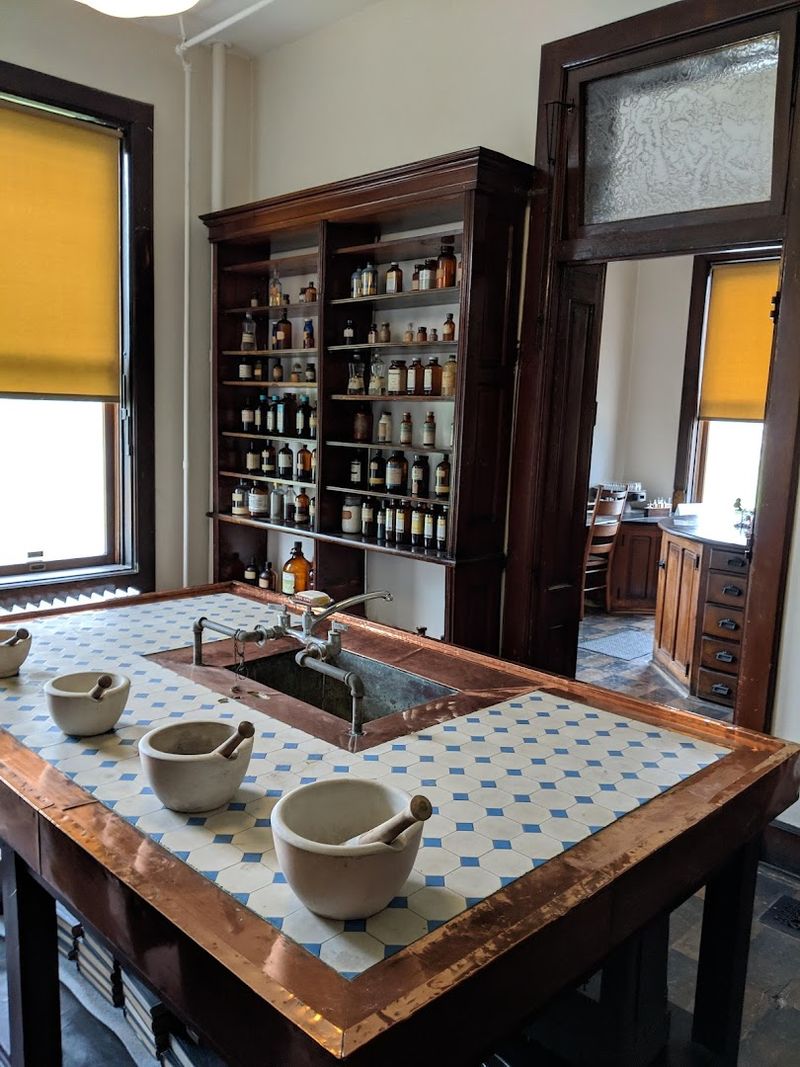
There are plenty of things to do in Indianapolis, but very few of them offer the kind of experience that the Indiana Medical History Museum provides. The combination of an intact historic building, original artifacts, a strong educational framework, and knowledgeable guides adds up to something that stands apart from standard museum visits.
The museum is small in footprint but large in content. An hour inside the building covers a remarkable amount of ground, from the basics of late 19th-century pathology to the broader history of psychiatric care in Indiana.
That concentration of information in a single well-preserved space is part of what makes it so memorable.
For travelers passing through Indianapolis, it is the kind of stop that ends up being the highlight of the trip rather than a secondary attraction. For locals, it is the kind of place that surprises even longtime residents who had no idea it existed.
Booking early, arriving on time, and keeping curiosity front of mind will make any visit to this remarkable place well worth the effort.
Where History and Science Meet in Indianapolis
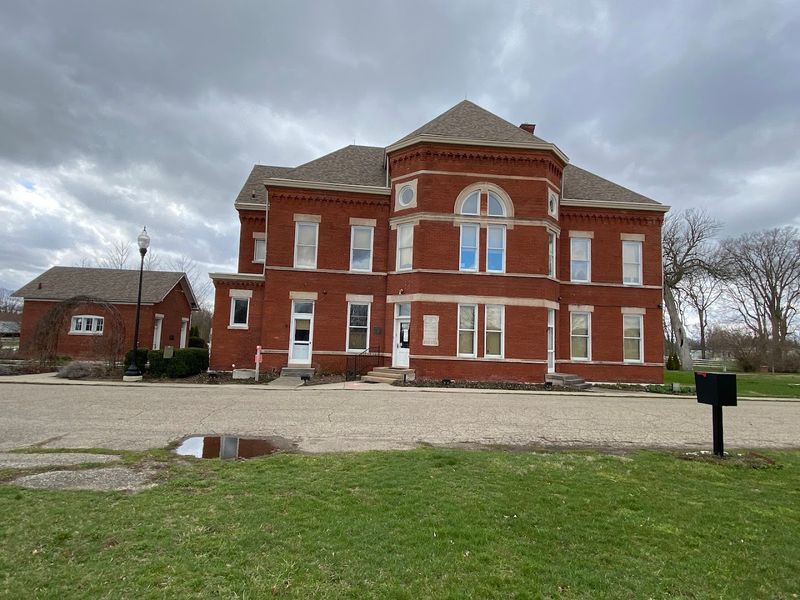
The Indiana Medical History Museum is located at 3270 Kirkbride Way, Indianapolis, IN 46222, on the former grounds of Central State Hospital, which was once one of the largest psychiatric institutions in the state.
The building itself dates back to 1896, making it the oldest surviving pathology facility in the United States. That title is not just a marketing claim.
The structure has retained most of its original layout, fixtures, and equipment, which is extraordinarily rare for a building of this age and purpose.
Central State Hospital operated for over a century, and the pathology department was built to help doctors better understand the medical causes behind mental illness. That was a forward-thinking idea for its time, and the building reflects a serious commitment to science.
Getting there is straightforward, with parking available in a small lot near the building. The surrounding grounds give the site a quiet, campus-like quality that sets the tone before the tour even begins.
Share this story