There is a small town in central Massachusetts that once supplied the world with eyeglasses, precision lenses, and optical instruments that changed the course of science and medicine. Southbridge earned the nickname “Eye of the Commonwealth” not by accident, but through more than a century of manufacturing innovation driven by a single remarkable company.
The story of that company, American Optical, and the town it shaped is preserved in a museum that most people have never heard of. This museum holds artifacts, instruments, and displays that trace the full arc of optical history in America, from handcrafted spectacles of the 1700s to the fiber optics that made modern communication possible.
For history buffs, science enthusiasts, and anyone curious about how a small New England mill town helped change the way the world sees, this place is worth the trip.
The Origin Story of American Optical
Every great institution starts somewhere, and for American Optical, it started with a jeweler who believed he could do better. William Beecher, trained in jewelry-making, recognized that the craft skills required for fine metalwork translated naturally into the production of eyeglass frames.
In 1833, he set up shop in Southbridge and began manufacturing spectacles at a time when most Americans had limited access to corrective eyewear. What began as a small operation grew steadily through the 19th century, absorbing new technologies and expanding its product lines with each passing decade.
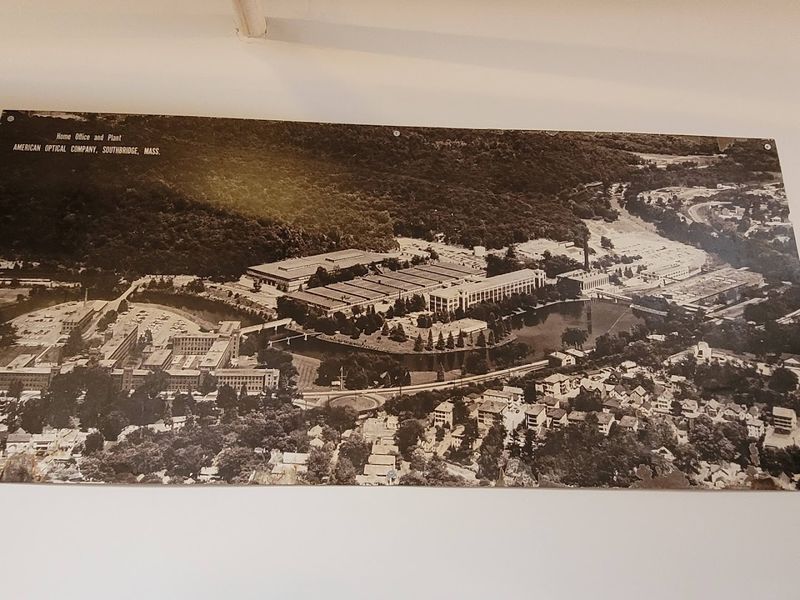
By the early 20th century, American Optical had become a manufacturing giant, employing thousands of Southbridge residents and producing everything from standard eyeglass frames to highly specialized scientific instruments. The Optical Heritage Museum documents this entire arc, tracing the company’s rise from a craftsman’s workshop to a global leader in optical technology, with original artifacts at every step of the story.
What the Museum Actually Holds
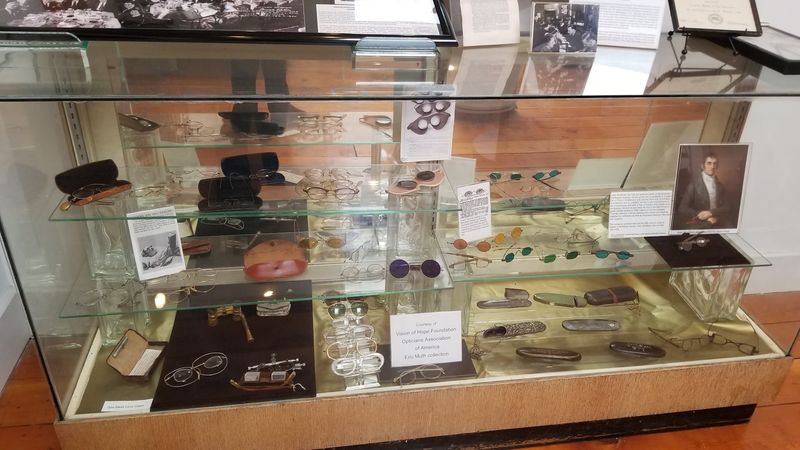
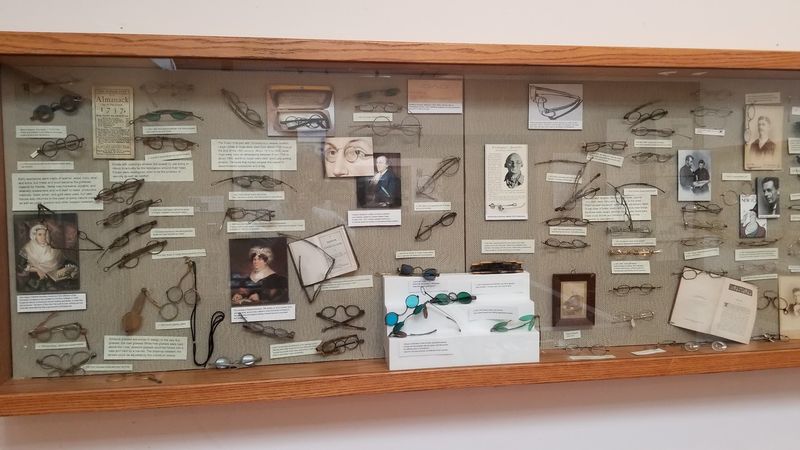
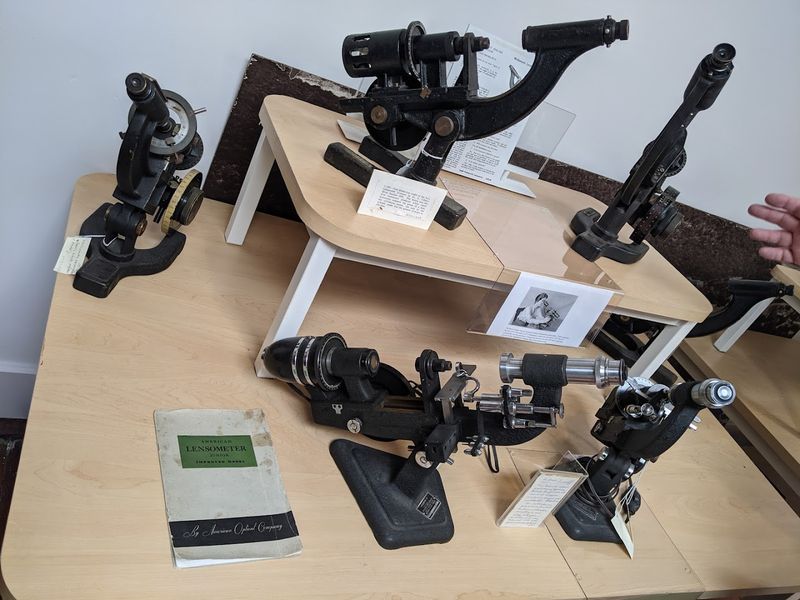
The collection at the Optical Heritage Museum covers more than 100 years of optical history, and the range of objects on display is genuinely surprising. Eyeglasses dating back to the 1700s sit alongside precision instruments that once belonged in research laboratories and eye doctors’ offices.
The exhibits include manufacturing equipment used to grind and shape lenses, measurement tools designed to determine optical prescriptions with scientific accuracy, and display cases filled with frames that document the evolution of eyewear design across multiple centuries. There are also artifacts tied to American Optical’s contributions to radar development, laser technology, and fiber optics.
What makes the collection feel distinct is the depth of curation behind it. Each object connects to a broader story about industrial innovation, scientific progress, and the specific role Southbridge played in advancing optical technology.
The museum does not just display objects; it contextualizes them within a history that stretched far beyond the borders of a small Massachusetts town.
Planning Your Visit: Hours and Logistics
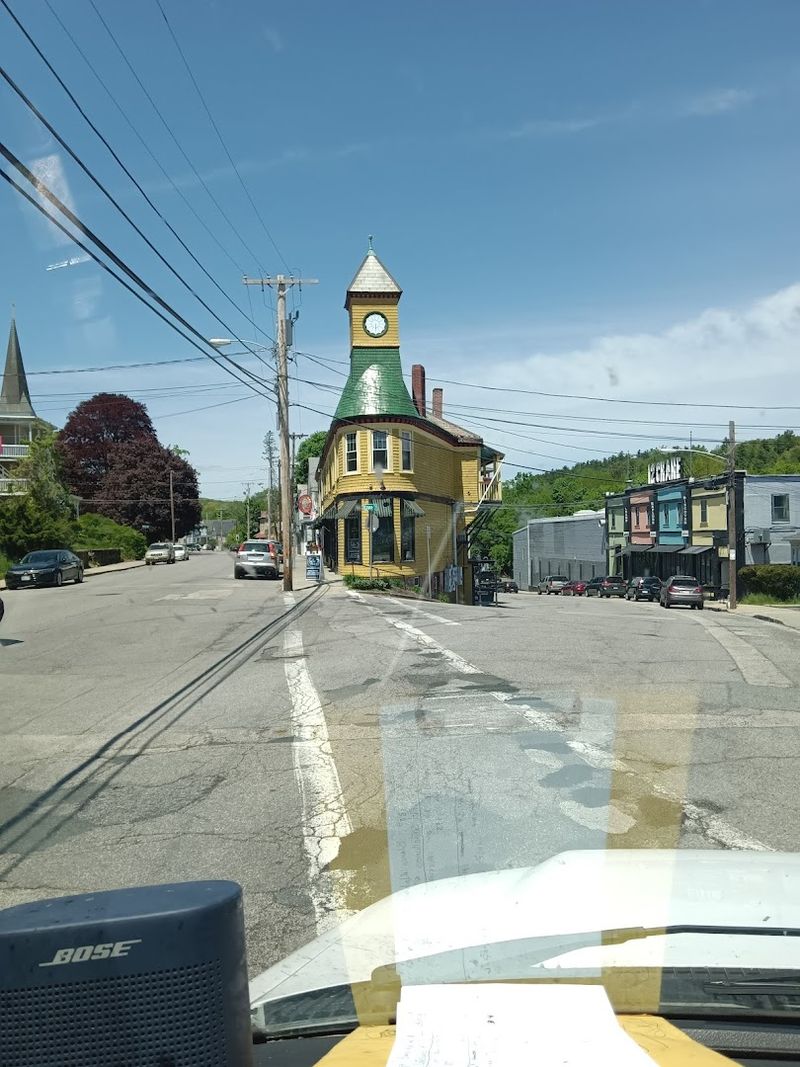
The Optical Heritage Museum operates on a limited schedule, which is worth knowing before making the trip. Current hours are Thursdays, Fridays, and Wednesdays from 10 AM to 4 PM.
The museum is closed on Saturdays, Sundays, Mondays, and Tuesdays.
Because the museum is primarily volunteer-operated, calling ahead before a visit is strongly recommended. An appointment ensures that a knowledgeable guide will be available to walk through the collection and answer questions, which makes a significant difference in the overall experience.
Drop-in visits are possible on open days, but the guided tour adds a layer of context that is difficult to replicate on a self-guided walk-through.
The museum is located at 12 Crane St in Southbridge, and its website at opticalheritagemuseum.com provides additional information about scheduling and group visits. Educational programs for schools and community organizations are also available by arrangement, making it a practical resource for teachers looking for a hands-on history experience in central Massachusetts.
The Guided Tour Experience
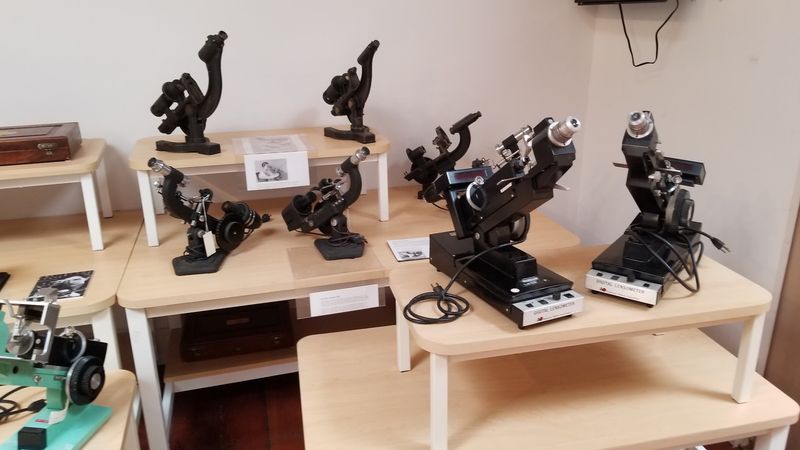
A guided tour of the Optical Heritage Museum is not a passive experience. The guides, including longtime volunteers with deep personal connections to the American Optical Company, bring the collection to life in a way that printed labels simply cannot match.
Tours typically begin with an overview of the museum’s mission and the history of American Optical, before moving through the exhibits in a sequence that follows the company’s development over time. Guides field questions throughout, and the informal atmosphere of a small museum means conversations can go in directions that a scripted tour at a larger institution would never allow.
For those with a specific interest in lens technology, manufacturing history, or the science of optics, the depth of knowledge available during a tour is remarkable. The guides have worked directly in the industry, and their explanations of how particular instruments functioned or why certain innovations mattered carry the weight of lived professional experience rather than secondhand research.
Eyeglasses Through the Centuries
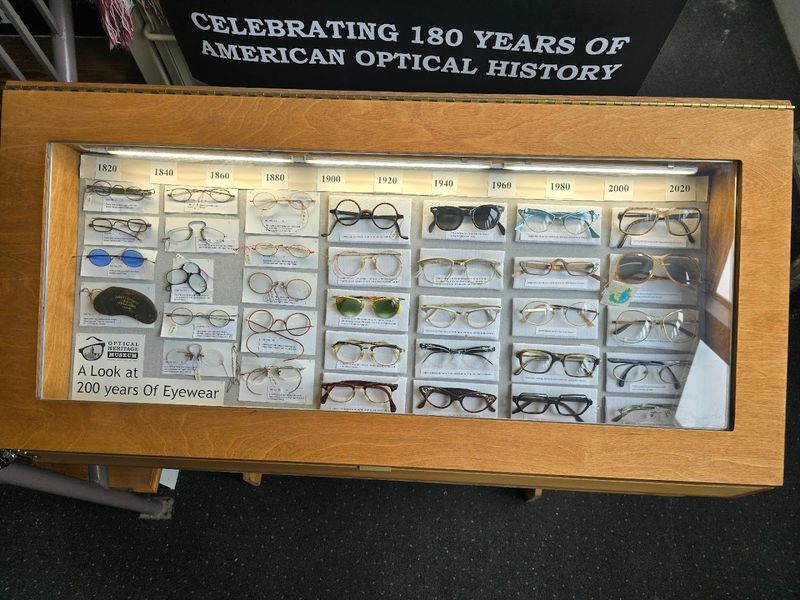
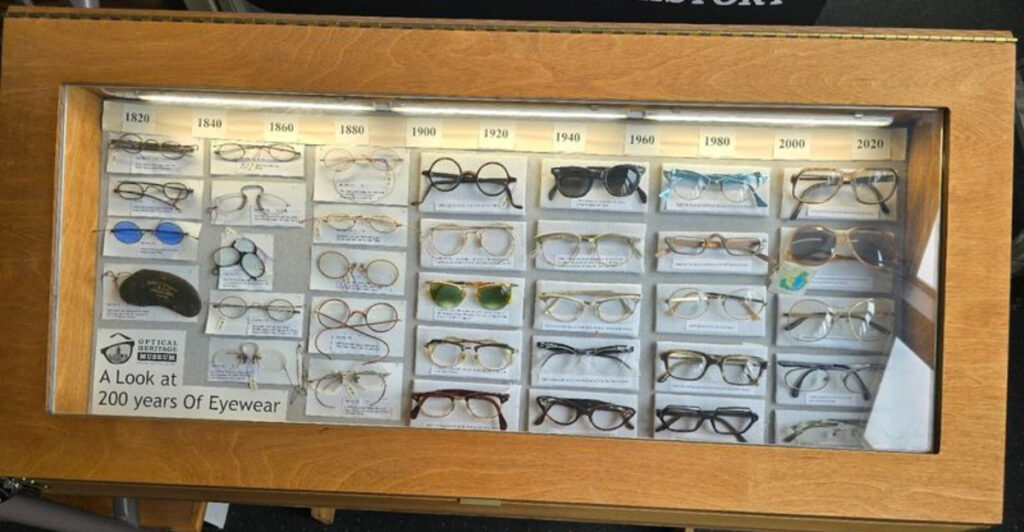
One of the most striking sections of the Optical Heritage Museum is its display of eyeglasses spanning several centuries. Frames from the 1700s and early 1800s look almost unrecognizable compared to modern eyewear, reflecting both the materials available at the time and the aesthetic preferences of different eras.
The progression from early wire-rimmed spectacles to the more refined frames of the late 19th and early 20th centuries tells a story about manufacturing precision, material science, and changing ideas about vision correction. American Optical played a central role in standardizing eyeglass production in the United States, moving the industry from artisan craft toward repeatable, scalable manufacturing.
Seeing that progression laid out in a single display makes the history of corrective eyewear tangible in a way that reading about it never quite achieves. The objects themselves carry the weight of the story, and the museum’s careful organization ensures that each piece contributes to a coherent historical narrative rather than appearing as a random collection of old frames.
American Optical and World War II
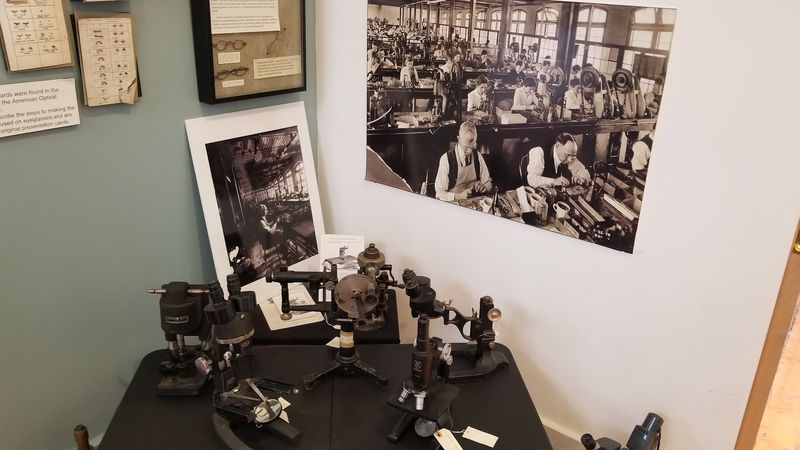
During World War II, American Optical redirected much of its manufacturing capacity toward the war effort, producing optical components for military use. The company’s expertise in precision lens manufacturing made it a natural contributor to the production of instruments that required exact optical specifications.
The museum documents this chapter of the company’s history with artifacts and displays that connect Southbridge’s industrial output to the broader context of wartime production in the United States. It is a reminder that the optical industry was not separate from the major events of the 20th century but was actively involved in shaping their outcomes.
This section of the museum tends to resonate with visitors who have a background in military history or manufacturing, but the story is presented accessibly enough that no specialist knowledge is required. The connection between a small Massachusetts town and a global conflict becomes surprisingly clear when the physical evidence is right in front of you, organized with care and explained with context.
The Wellsworth Hotel Connection
The Optical Heritage Museum does not exist in isolation. It is part of a broader story about Southbridge’s effort to preserve and celebrate its industrial heritage, and a visit to the museum pairs naturally with a stop at the Wellsworth Hotel nearby.
The Wellsworth Hotel occupies one of the restored mill buildings that once formed part of the American Optical industrial complex. The building’s conversion into a hotel represents a broader pattern of adaptive reuse that has given new life to structures that might otherwise have been lost.
Staying or visiting there adds a physical dimension to the history the museum documents, allowing guests to occupy the same spaces where optical workers once spent their days.
Together, the museum and the hotel offer a layered experience of Southbridge’s past and present. The mill town history is not just preserved in glass cases; it is embedded in the architecture of the town itself, making the entire area a kind of open-air complement to the museum’s indoor collection.
Educational Programs and Group Visits
The Optical Heritage Museum actively engages with schools and community organizations through educational programs that can be arranged either in person or through online presentations. These programs are designed to connect the history of American Optical and optical technology to broader themes in science, manufacturing, and local history.
For teachers looking to bring history and science together in a single field trip, the museum offers a setting where students can engage directly with original artifacts rather than replicas. The guides’ firsthand knowledge of the optical industry adds a professional dimension to the educational experience that textbooks cannot replicate.
Group visits can be arranged by contacting the museum in advance, and the staff are accommodating when it comes to tailoring the experience to the age group and interests of the visiting group. The museum’s commitment to education reflects a broader mission: ensuring that the history of optical innovation in Southbridge is not forgotten as the generations who lived it gradually step back from public life.
Why This Museum Deserves More Attention
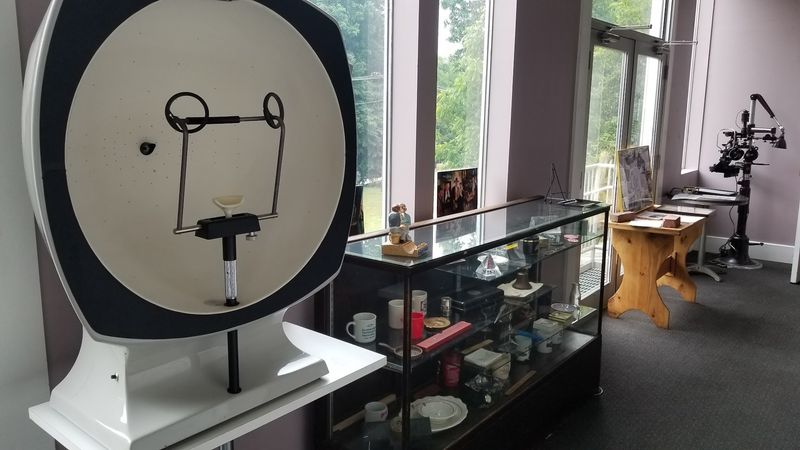
The Optical Heritage Museum in Southbridge is genuinely one of the more underappreciated history destinations in Massachusetts. It holds a world-class collection of optical artifacts, is staffed by people with direct professional ties to the industry it documents, and tells a story that connects a single New England town to global developments in science and technology.
The museum’s limited hours and volunteer-driven model mean it operates without the marketing budget or foot traffic of larger institutions. But that same intimacy is part of what makes a visit worthwhile.
There are no crowds, no rushed tours, and no sense that the experience has been packaged for mass consumption.
What the Optical Heritage Museum offers instead is rare: direct access to a carefully preserved collection, guided by people who genuinely care about the subject. For anyone passing through central Massachusetts with an interest in history, science, or the industrial story of New England, this is a stop that consistently delivers more than it promises on first glance.
A Town That Shaped How the World Sees
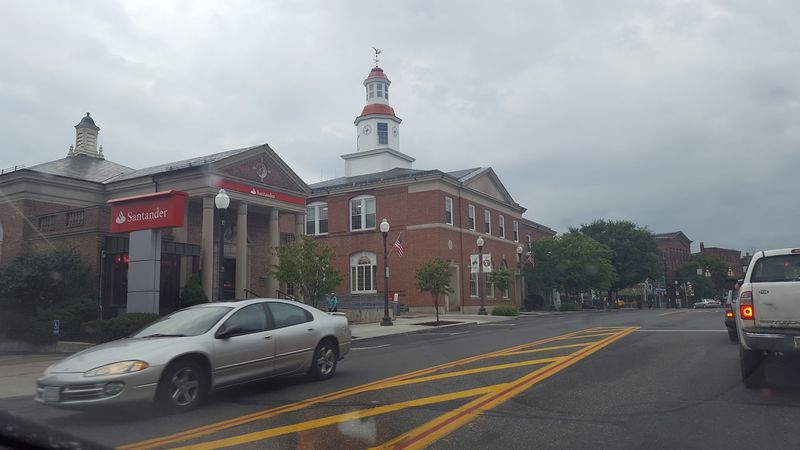
Long before fiber optics became a household term, Southbridge, Massachusetts was already doing the quiet, precise work that would eventually power the modern world. The town sits in Worcester County in central Massachusetts, and for well over a century it was synonymous with one industry above all others: optics.
The nickname “Eye of the Commonwealth” was not a marketing slogan. It reflected the reality that Southbridge produced a significant share of the eyeglasses, lenses, and optical instruments used across the United States and beyond.
The American Optical Company, founded in 1833, grew from a small workshop into one of the largest optical manufacturers in the world, and Southbridge grew with it.
That history is now preserved and celebrated at the Optical Heritage Museum, located at 12 Crane St, Southbridge, MA 01550. The museum stands as a direct tribute to the industrial ambition and scientific achievement that once defined this corner of New England.
Share this story