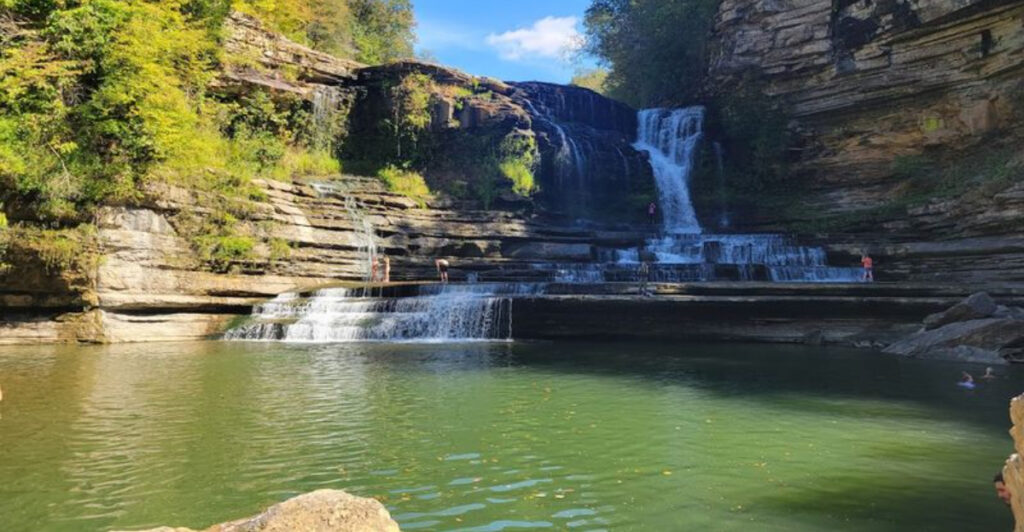
Tennessee has no shortage of natural wonders, but there is one waterfall in Cookeville that keeps pulling people back year after year. A 75-foot curtain of water crashes into a wide, clear swimming pool carved right into the rock, and the whole thing sits inside a gorge that feels completely separate from the rest of the world.
The hike to get there involves wading through a creek, hopping across wet rocks, and earning every single step. That combination of effort and reward is exactly what makes this place so hard to forget, and once you see the falls up close, the drive to Cookeville suddenly makes perfect sense.
The 75-Foot Waterfall That Started It All
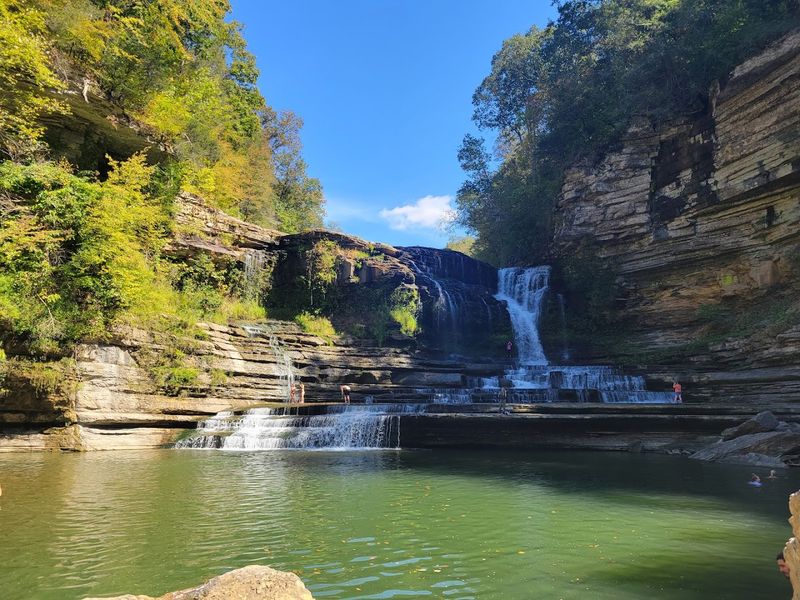
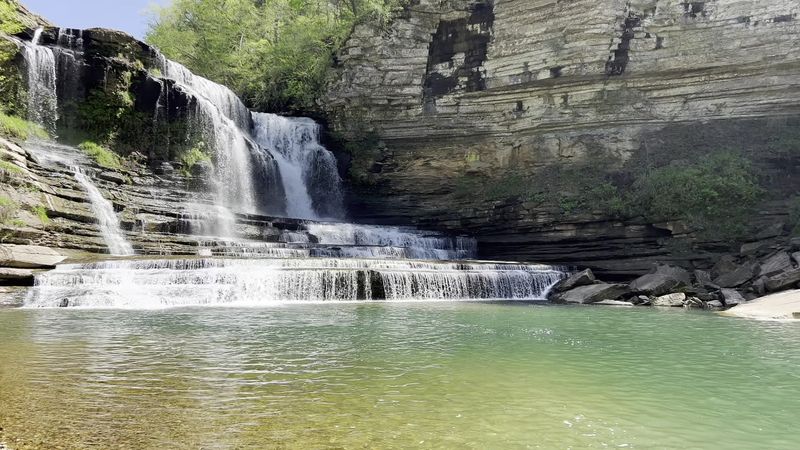
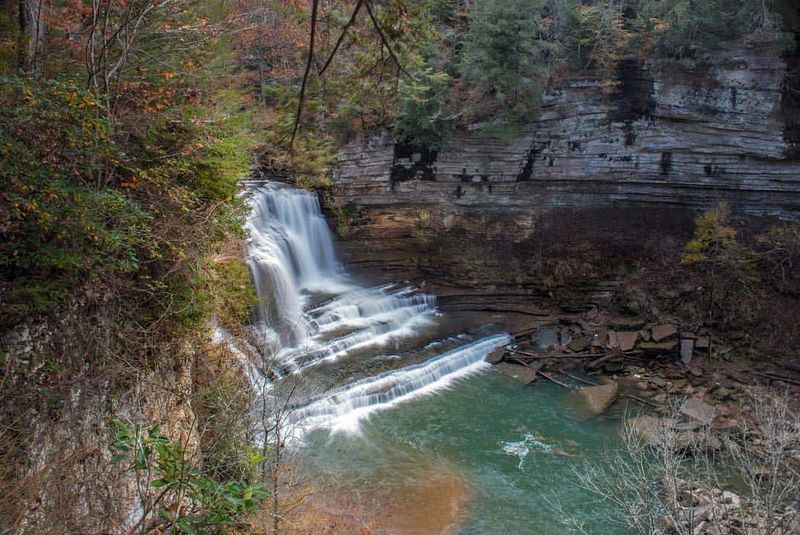
The centerpiece of the entire park is the waterfall itself, which drops approximately 75 feet into a wide natural pool at the base of the gorge. The falls are fed by Blackburn Fork State Scenic River, and the volume of water changes depending on recent rainfall, which means no two visits look exactly the same.
What makes this waterfall different from many others in Tennessee is the accessibility of the base. With the right permit and appropriate footwear, people can actually stand at the edge of the pool and feel the full force of the falling water nearby.
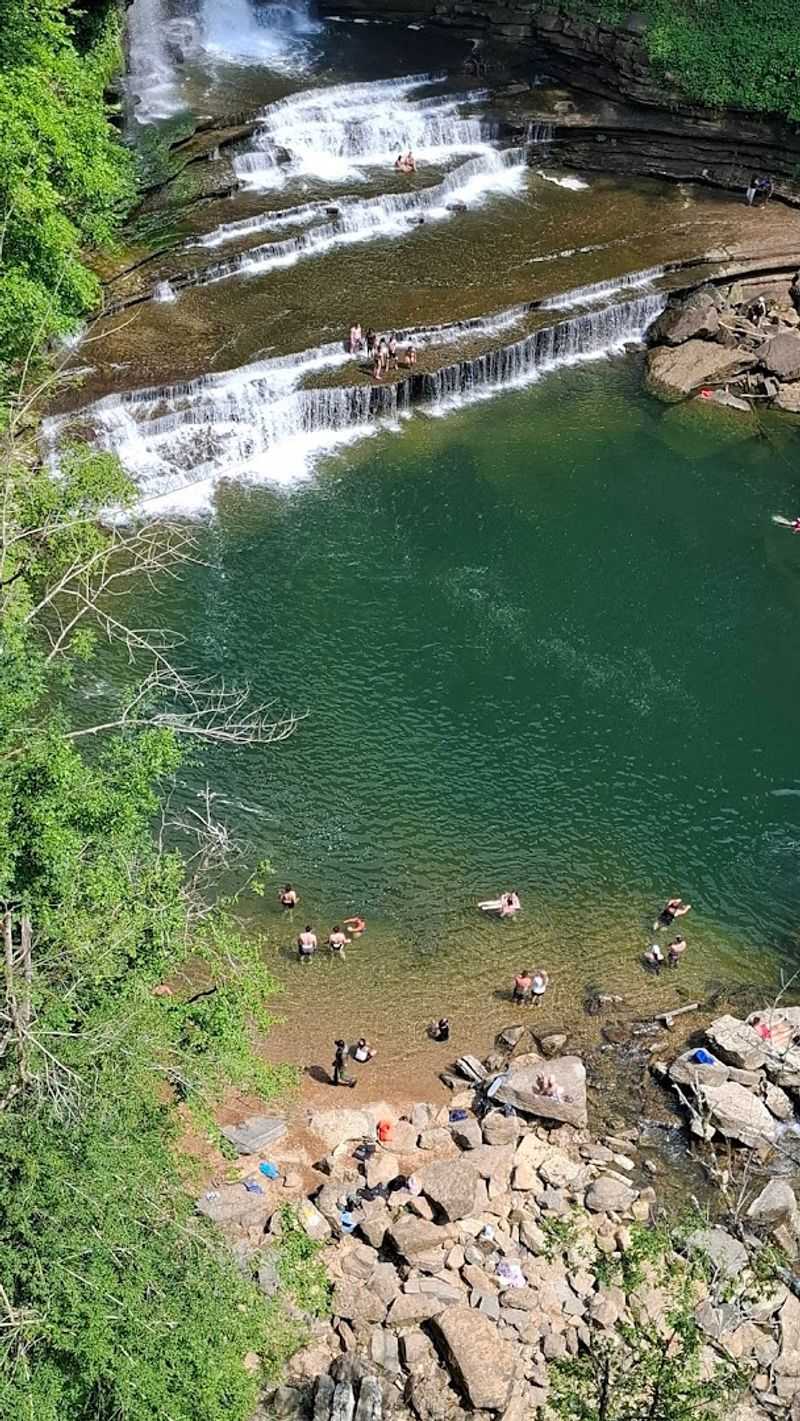
The rock ledges around the pool offer flat spots to rest, and the pool itself is deep enough for swimming in multiple areas.
Life jackets in various sizes are available at the falls for those who want an extra layer of safety while in the water. The park takes the experience seriously and works hard to keep it both accessible and well-managed.
Two Trails, Two Very Different Experiences
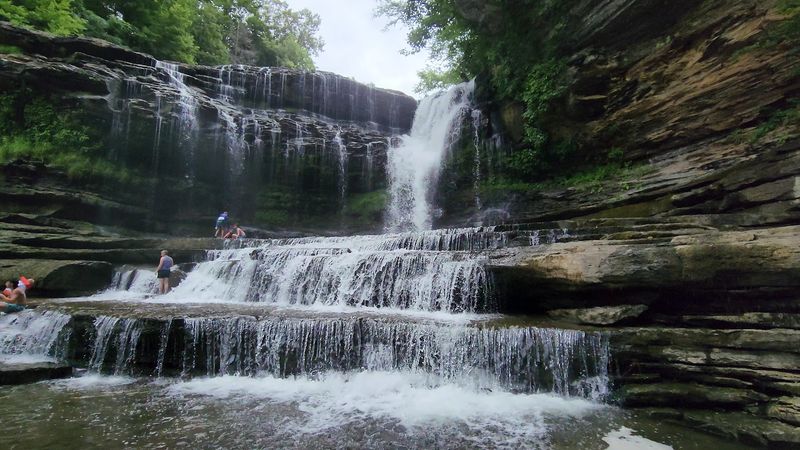
There are two main ways to experience Cummins Falls, and they appeal to very different types of outdoor enthusiasts. The Falls Overlook Trail is short, relatively flat, and ends at a concrete platform with a clear view of the waterfall from above.
The round trip is about half a mile and takes most people under 30 minutes.
The Gorge Trail is a completely different story. This route requires a permit, involves wading through sections of Blackburn Fork, and includes stretches where the only path forward is through the creek itself.
The terrain is rocky, occasionally slippery, and physically demanding in spots, particularly on the return trip when the switchback climb tests the legs.
Both trails have real value, and the choice usually comes down to time and physical readiness. The overlook gives a great bird’s-eye perspective, while the gorge trail puts visitors right at the base of the falls where the full scale of the drop becomes clear.
The Permit System and Why It Matters
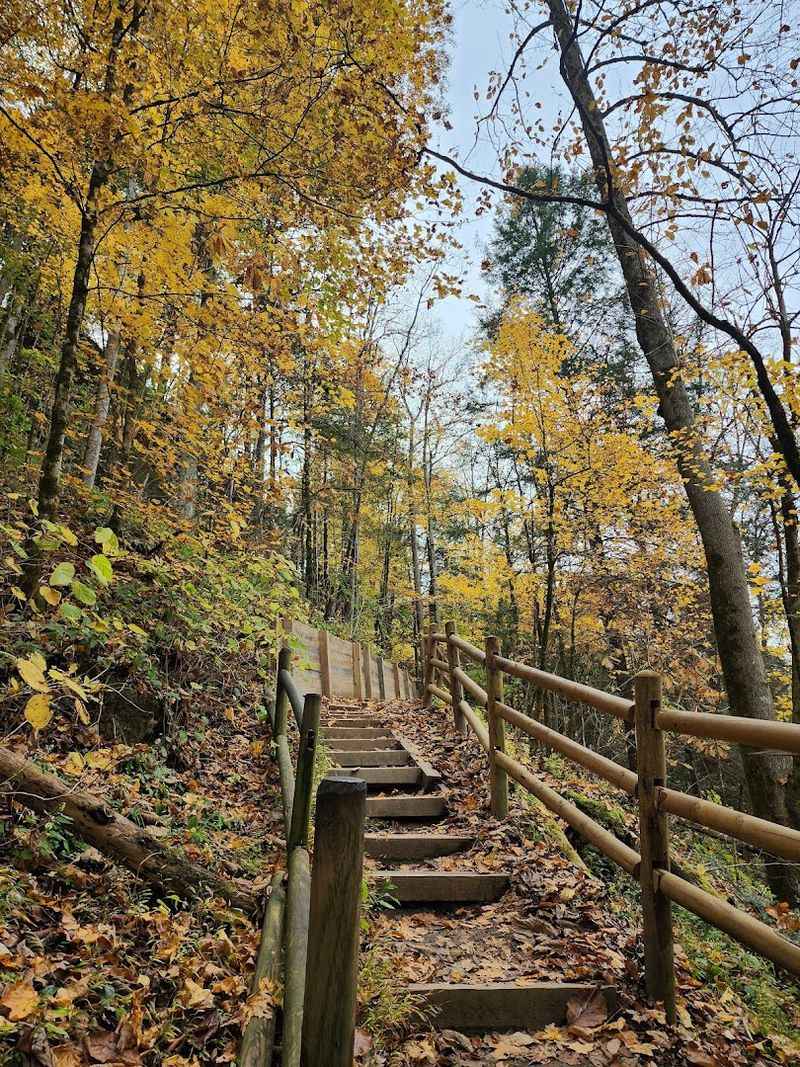
Entering the gorge at Cummins Falls requires a permit, and that requirement is not just a formality. The gorge terrain is genuinely challenging, and the permit system helps the park manage the number of people on the trail at any given time, keeping the experience safer and less crowded for everyone.
Permits are available at the park office near the entrance, and rangers walk visitors through what to expect before heading down. The process is straightforward and does not take long, but it does give first-timers a chance to ask questions and get honest advice about the trail conditions that day.
The permit also comes with a small entry fee that goes directly toward maintaining the park, keeping the trails clear, and funding the safety equipment available at the waterfall. Paying that fee is a direct investment in the quality of the experience, and most people who visit feel the trade-off is more than fair given what the park delivers in return.
The Natural Swimming Pool at the Base
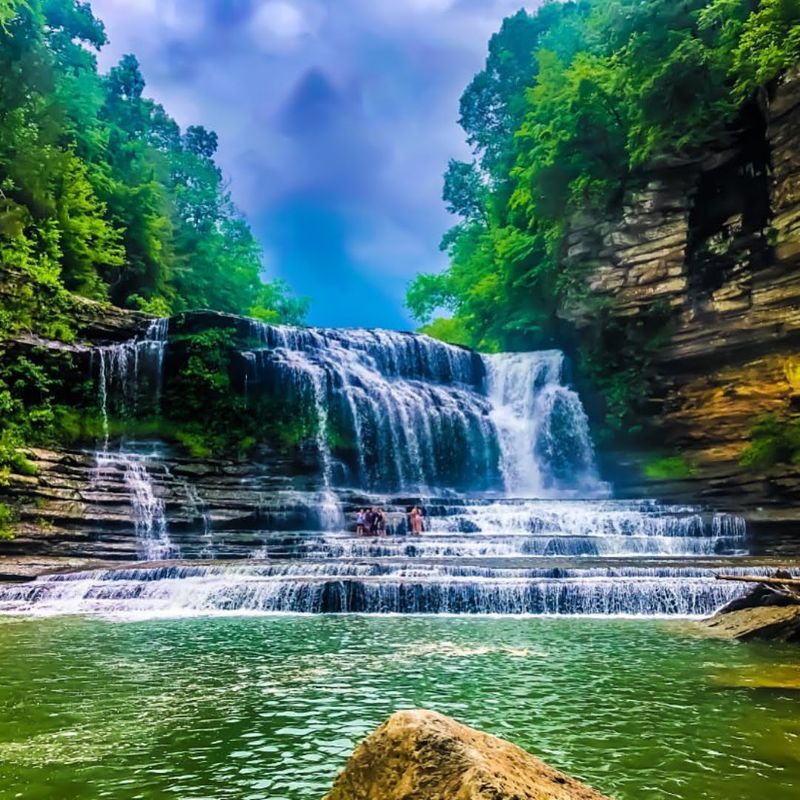
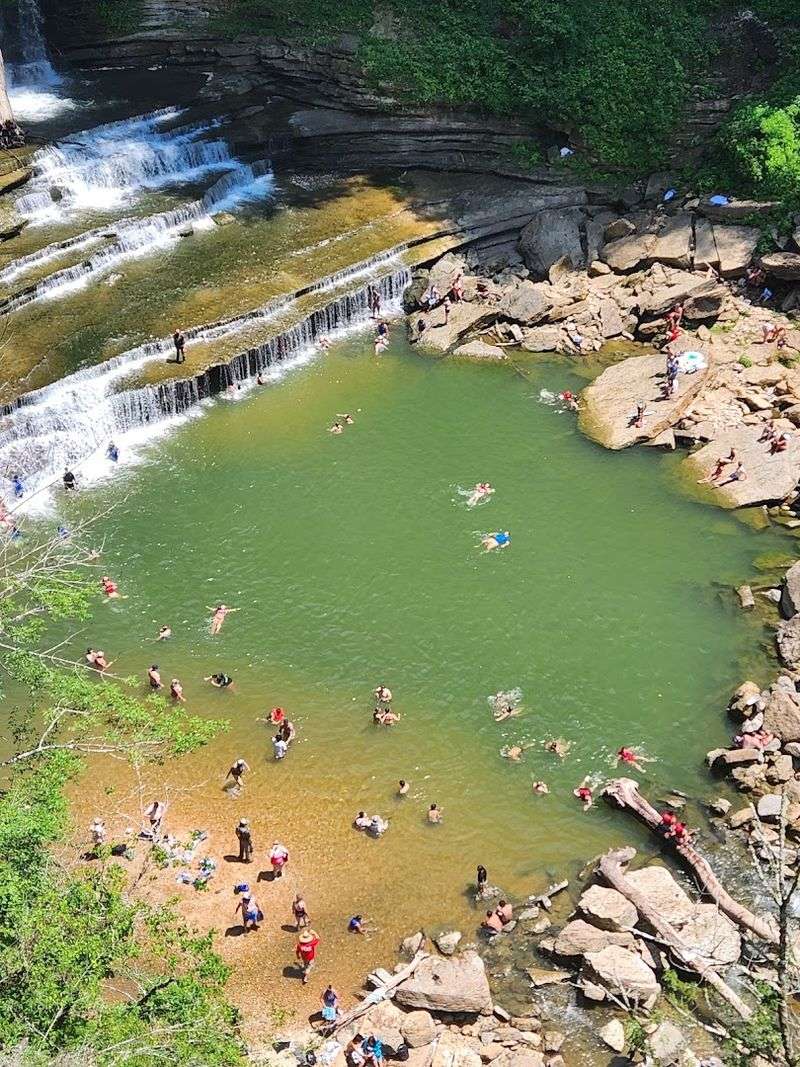
The pool at the bottom of the falls is one of the main reasons people make the permit-required hike down into the gorge. Fed directly by the waterfall, the water is clear and cold, and the pool is large enough to accommodate a group comfortably without feeling crowded when the park is not at peak capacity.
Fish are visible in the water, including in the swimming area itself, which adds an unexpected layer of interest to the whole experience. The gorge is part of the Blackburn Fork State Scenic River corridor, and the water quality reflects that protected status.
Life jackets are available at the falls for free use, which makes the swimming area accessible to a wider range of people regardless of swimming ability. Flat rocks around the pool serve as natural resting spots where visitors can sit and take in the view between swims.
The combination of cold water, towering rock walls, and the constant sound of the falls creates an atmosphere that is hard to replicate anywhere else in Tennessee.
The Overlook Trail for a Quick Visit
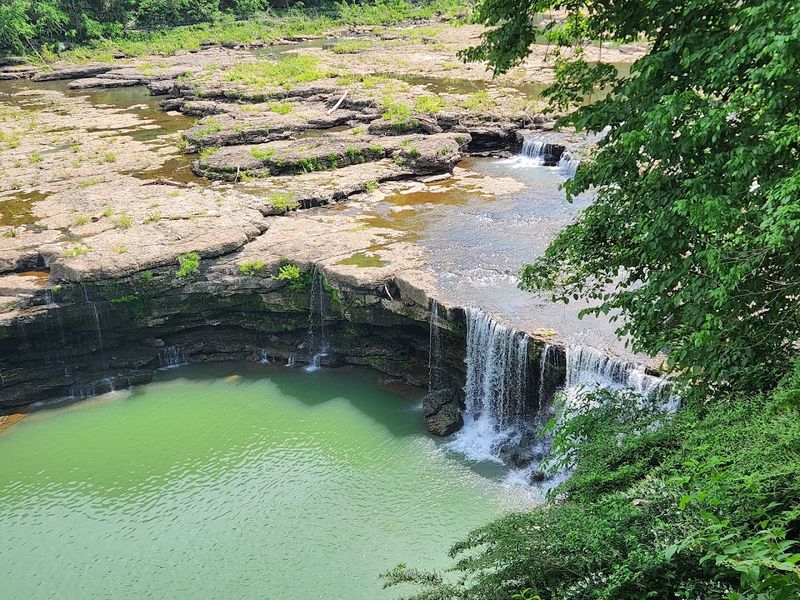
Not every visit to Cummins Falls needs to be a full gorge adventure. The Falls Overlook Trail offers a completely satisfying experience for people with limited time, those traveling with young children, or anyone who prefers a gentler outing.
The trail is roughly half a mile round trip and ends at a paved overlook with a clear, elevated view of the waterfall below.
The overlook area includes picnic tables where visitors can sit, eat, and take in the view without rushing. The perspective from above gives a strong sense of the waterfall’s height and the depth of the gorge, which is genuinely striking even from a distance.
The path to the overlook is mostly smooth and relatively flat, though some natural surface irregularities are present along the way. Wheelchair-accessible parking is available near the overlook, and the paved viewing platform itself is designed to accommodate mobility devices.
The whole walk takes about 30 minutes at a relaxed pace, making it a perfect add-on for anyone passing through Cookeville with an hour to spare.
History of the Site and Its Former Mills
Before Cummins Falls became a state park, the site had a working history tied to the land and the water that runs through it. The area was once home to two mills that used the power of Blackburn Fork to operate, and the park’s official description notes that the historic mill site is part of what gives the location its layered character.
The mills are long gone, but the creek and gorge that made them viable are still very much present. Water-powered mills were common in this part of Tennessee during the 18th and 19th centuries, and the geography of the Cummins Falls gorge made it a practical and productive location for that kind of operation.
The transition from industrial site to protected state park reflects a broader shift in how Tennessee has approached its natural resources over the past several decades. The park was officially established in 2012, which makes it one of the newer additions to the Tennessee State Parks system, even though the land itself has a much longer and more layered story behind it.
Park Hours, Fees, and Planning Your Visit
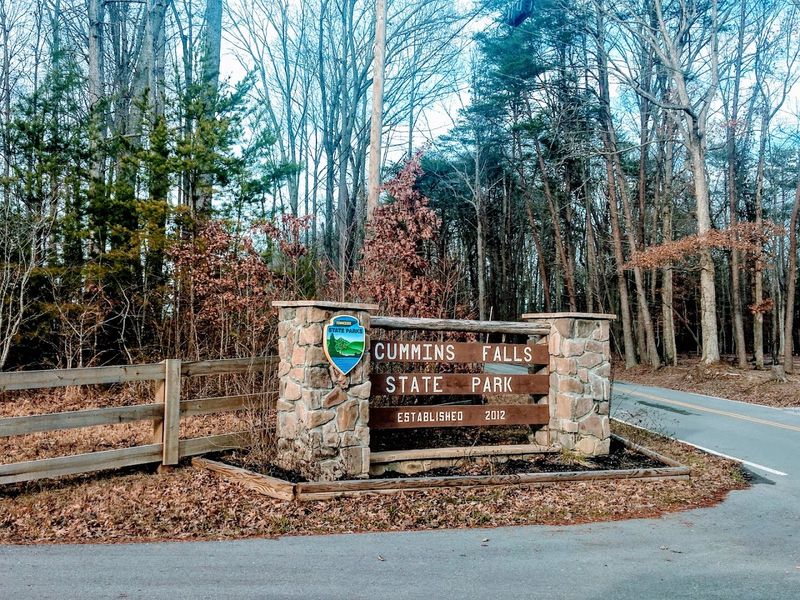
Cummins Falls State Park is open every day of the week from 8 AM to 6 PM. That consistent schedule makes it easy to plan a visit without worrying about seasonal closures or irregular hours, though arriving earlier in the day is always a smart move during warmer months when the park draws larger crowds.
There is a fee associated with the gorge permit, and the park office handles all permit sales on-site. The overlook trail does not require a permit and is accessible to anyone who shows up during park hours.
Both options are worth considering depending on the time available and the physical readiness of the group.
The park has a large parking lot near the entrance, which helps manage the flow of vehicles on busy weekends. A gift shop is located at the park office and carries a small selection of souvenirs along with basic supplies.
Free Wi-Fi is available at the gift shop, which is a convenient bonus for visitors who need to check trail conditions or share photos before heading back out.
A Dog-Friendly Destination Worth Knowing About
Cummins Falls State Park is a pet-friendly destination, and that detail matters a lot to people who prefer not to leave their dogs behind on outdoor adventures. The overlook trail is a comfortable option for dogs of most sizes and fitness levels, and the natural terrain of the gorge trail appeals to dogs that enjoy water and rugged surfaces.
The park tends to attract other dog owners, so canine social skills are worth keeping in mind before heading out. On busy days, the trails and overlook area can have multiple dogs present at the same time, which is great for sociable pets but can be overstimulating for dogs that prefer quieter environments.
Leashes are required throughout the park, and owners are expected to clean up after their pets on all trails. Checking the park website before visiting is recommended for the most current information on where dogs are and are not permitted, particularly around the swimming area at the base of the falls, where policies can vary.
Safety on the Gorge Trail
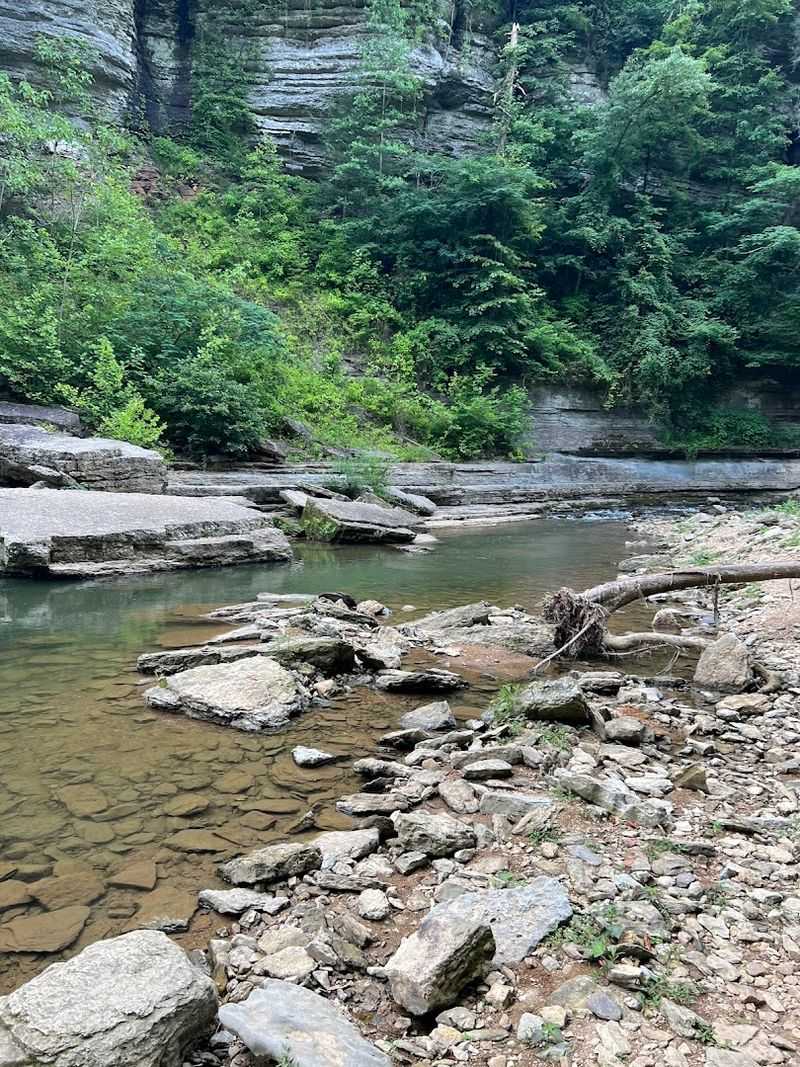
The gorge trail at Cummins Falls is not technically difficult by backcountry standards, but it does carry real physical demands that should not be underestimated. The creek crossing sections involve stepping on wet, uneven rocks that can be slippery, and the water level varies based on recent rainfall, which changes the difficulty of the crossing from visit to visit.
Taking small, deliberate steps rather than rushing through the rocky sections significantly reduces the chance of a slip. Trekking poles are not required but can provide useful stability on the uneven creek bed, particularly for anyone with knee or ankle concerns.
Park rangers are trained to respond quickly to emergencies anywhere in the park, including deep in the gorge, which is reassuring given how remote the terrain can feel once you are down there. That said, the best safety strategy is preparation: proper footwear, awareness of trail conditions, and a pace that matches the terrain rather than the clock.
The gorge rewards patience far more than speed.
Best Times of Year to Make the Trip
Late spring through early fall is the most popular window for visiting Cummins Falls, and the warmer months make the swimming hole at the base of the falls especially appealing. Summer weekends draw the largest crowds, so arriving right at the 8 AM opening time on a Saturday or Sunday gives a noticeably quieter experience before the parking lot fills up.
Fall brings a different kind of appeal. The foliage along the gorge trail and overlook path shifts into oranges, yellows, and deep reds from October into November, and the cooler air makes the hike itself more comfortable.
The swimming area is less crowded in fall, though the water temperature drops significantly by late October.
Winter visits are possible and offer a completely different look at the falls, particularly after cold snaps when ice forms along the rock faces near the waterfall. Spring is another strong option, as higher water levels from seasonal rain increase the volume and power of the falls, making the drop look especially dramatic from both the overlook and the gorge floor.
Why Cummins Falls Keeps Drawing People Back
Some parks get one visit and a check on a bucket list. Cummins Falls tends to generate repeat trips, and the reasons for that are easy to understand once you have been there.
The combination of a genuinely impressive waterfall, a swimmable natural pool, manageable trails, and a well-run park operation is not something that turns up at every Tennessee state park.
The park also scales well for different types of groups. Families with young children can enjoy the overlook without any strenuous effort.
Outdoor enthusiasts looking for a physical challenge get it on the gorge trail. People who want to swim in a natural setting that does not feel like a tourist trap find exactly that at the base of the falls.
Cummins Falls State Park in Cookeville, Tennessee earns its reputation not through hype but through consistent delivery on what it promises. The waterfall is real, the swimming hole is cold and clear, and the trails are worth every step.
That straightforward quality is ultimately what keeps people coming back, and what makes it worth the drive from wherever you are starting.
Where Exactly This Park Is Located
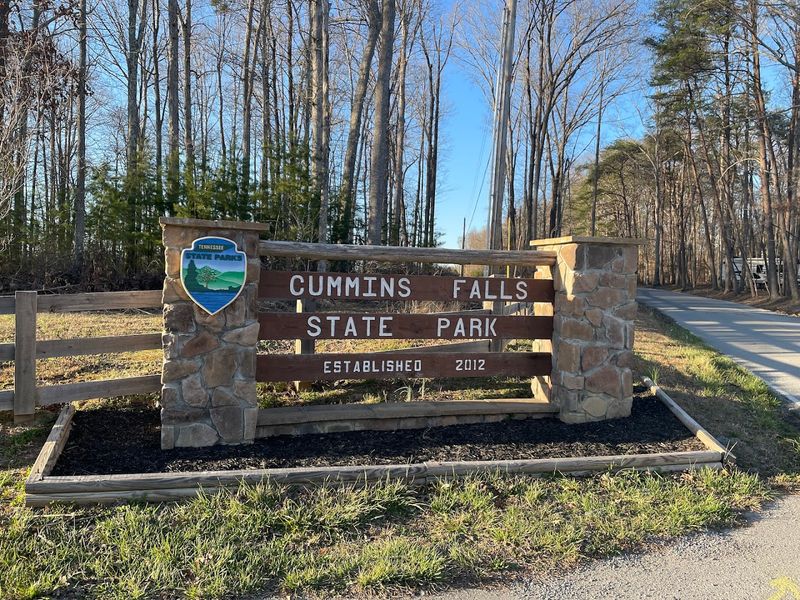
Cummins Falls State Park sits at 390 Cummins Falls Lane, Cookeville, Tennessee 38501, tucked into the Upper Cumberland region of the state. The park is not hard to find, but the winding road leading to the entrance gives a preview of the natural terrain waiting inside.
Cookeville is the county seat of Putnam County and sits roughly halfway between Nashville and Knoxville along Interstate 40, making the park reachable from either direction without a long detour. The surrounding area is rural and green, with rolling hills and creek valleys that set the tone before you even park the car.
The park office is right at the entrance and serves as the first stop for permits, trail maps, and a small selection of souvenirs. Rangers are on hand daily and are known for being approachable and genuinely helpful to first-time visitors trying to figure out which trail matches their fitness level.
Share this story