There is a spot in Cambridge, Massachusetts, that started with nothing more than a food truck and a big idea, and somehow turned vegetarian fast food into something the Boston area cannot stop talking about. No meat, no gimmicks, just locally sourced ingredients prepared with real care and a rotating menu that keeps regulars coming back week after week.
The place has built a loyal following that stretches well beyond the MIT and Harvard crowds, attracting anyone who wants a fast, affordable, and genuinely satisfying meal. This is the story of a restaurant, a Cambridge original that proved plant-based fast food could be just as craveable as anything else on the block.
The Cambridge Street Location Worth Knowing About
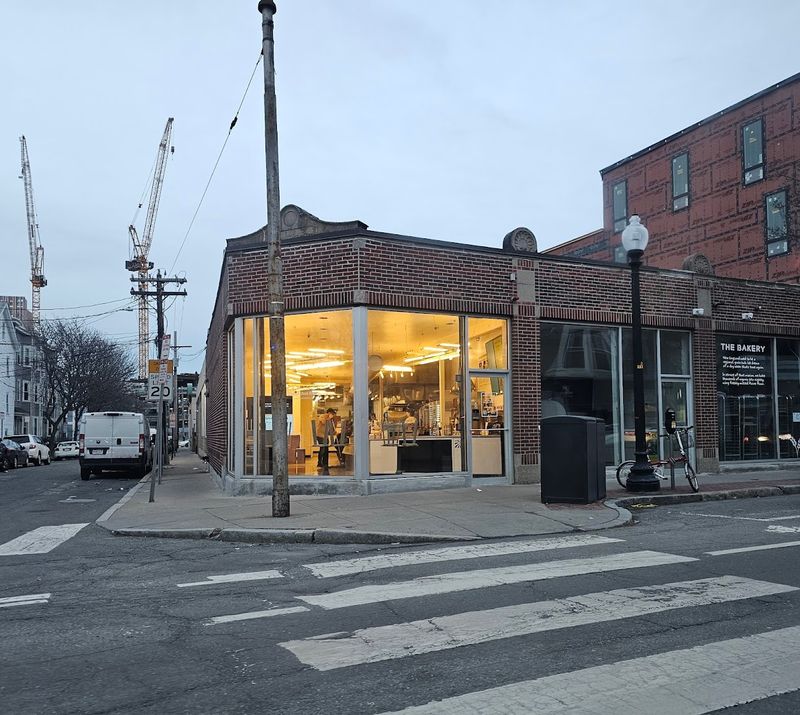
The Clover Hub at 1075 Cambridge St, Cambridge, MA 02139 sits in the East Cambridge neighborhood, a part of the city that blends residential blocks with local businesses and a steady foot traffic of students, professionals, and longtime residents. Street parking is available on most days, making it reasonably accessible even for those who are not arriving on foot or by transit.
The location operates Monday through Friday from 7 AM to 6 PM and is closed on weekends, so planning ahead is worth the effort. A breakfast menu runs until 11 AM, after which the regular lunch and dinner options take over for the rest of the day.
East Cambridge is not the most tourist-heavy part of the city, which actually works in the restaurant’s favor. The crowd here tends to be local and loyal, giving the location a neighborhood feel that is harder to find at spots closer to the tourist trail.
A Menu That Moves With the Seasons
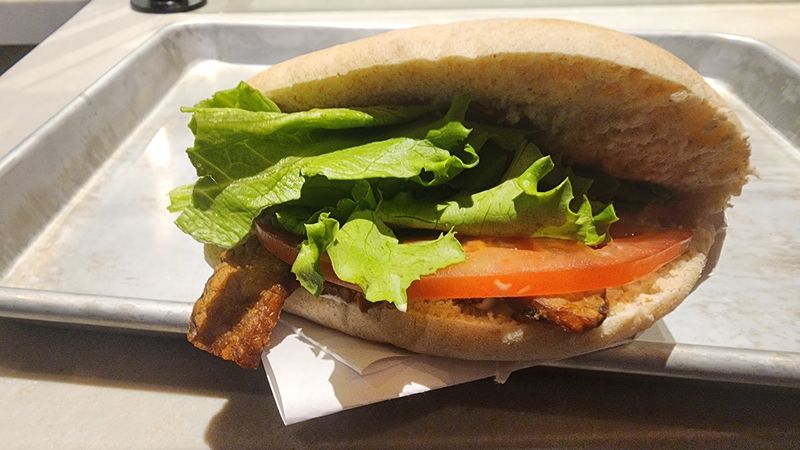
One of the things that keeps Clover from feeling predictable is the way its menu shifts with the seasons. Rather than locking in a static list of items year-round, the kitchen regularly introduces new options tied to what is fresh and locally available, which means the menu in October looks noticeably different from the one in June.
Seasonal sandwiches have become something of a calling card for the brand. Certain items, like a Japanese sweet potato sandwich in the fall or a heirloom tomato sandwich in summer, appear for only a few weeks at a time, creating a natural urgency that keeps regulars checking back often.
This approach is not just about variety for its own sake. It reflects a genuine commitment to sourcing ingredients at their peak, which has a direct impact on the quality of every plate that goes out.
The menu rewards curiosity, and that is part of its appeal.
Locally Sourced and Proud of It
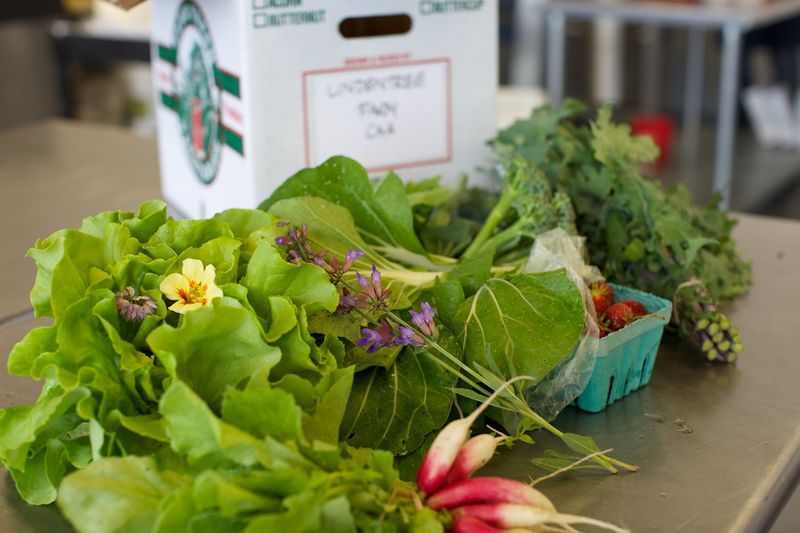
Clover has made local sourcing a core part of its identity, and that commitment shows up in specific, verifiable ways. Ingredients are traced back to regional farms and producers, and the brand has been transparent about where things come from.
The Grafton 1 Year Aged Cheddar used in certain sandwiches, for example, comes from a named producer, and tomatoes for seasonal items have been sourced from farms in western Massachusetts.
This level of specificity is unusual for a fast food operation, where supply chains are typically opaque and ingredient quality is rarely a selling point. At Clover, it is central to the pitch, and longtime customers have come to expect that transparency as part of the experience.
Sourcing locally also means the menu responds to what is actually growing in New England at any given time, which keeps the food grounded in the region rather than feeling like it could exist anywhere. That regional identity matters here.
What Makes the Chickpea Fritter Such a Big Deal
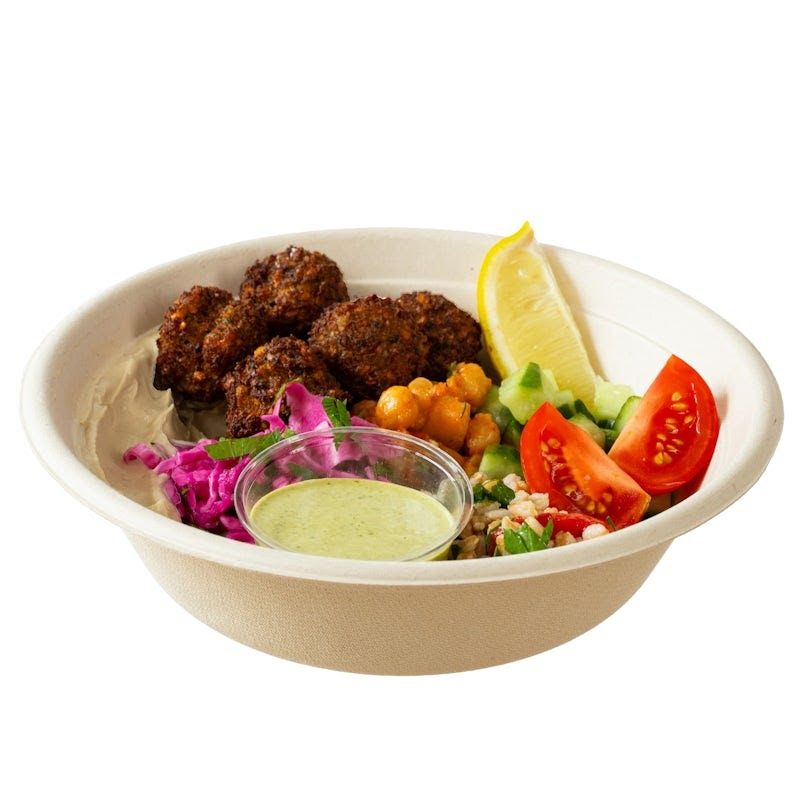
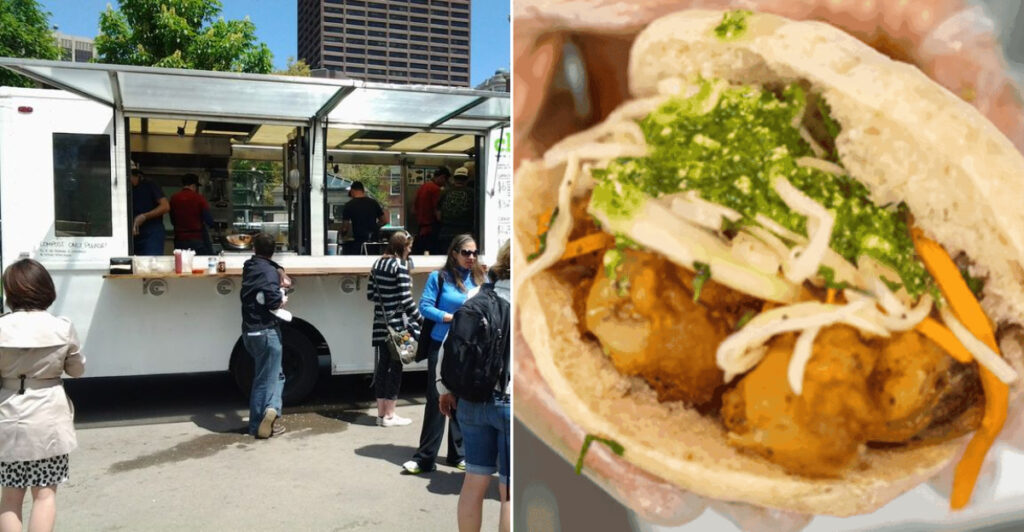
Ask almost anyone who has been to Clover more than once, and the chickpea fritter will come up within the first few seconds. It is the kind of menu item that earns genuine loyalty, the sort of thing people recommend to friends visiting for the first time and order themselves every single visit without a second thought.
The fritter is available in multiple formats, including as part of a platter or tucked into a warm pita, and it has appeared on the menu consistently enough to become a signature item. For customers who have been coming for years, it represents the reliable core of what Clover does well.
It has also served as a gateway for people trying plant-based food for the first time. More than a few first-time customers have walked in skeptical and walked out converted, largely because of this one item.
A single dish doing that much work for a brand is no small thing.
Fast Food Speed Without the Usual Trade-Offs
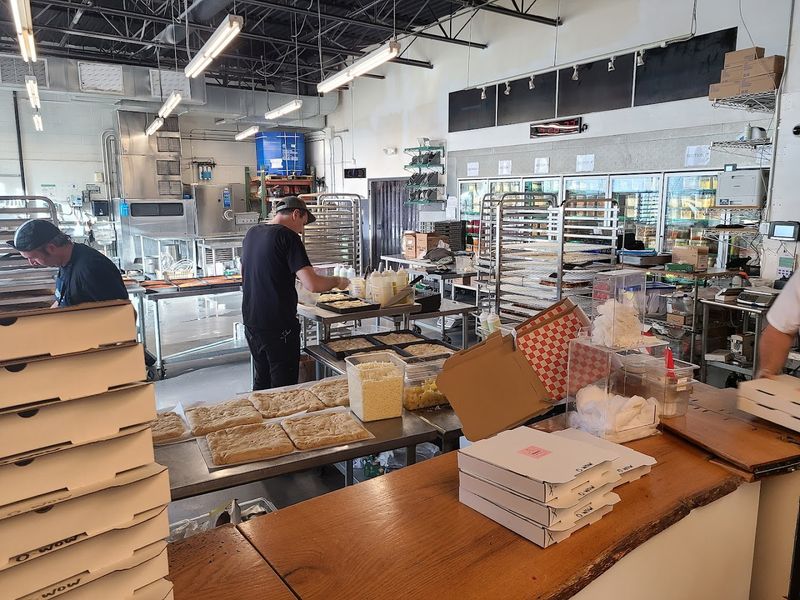
Speed is one of the things Clover takes seriously, and it shows in how the operation runs. Orders are typically ready within minutes, which matters a great deal to the lunchtime crowd that does not have the luxury of a long break.
The Cambridge Street location has a reputation for running efficiently, even during busy periods.
What makes this impressive is that the food being prepared is not simple. Seasonal ingredients, made-to-order components, and menu items that change regularly all add complexity to the kitchen workflow.
Maintaining fast turnaround under those conditions requires consistent organization and well-trained staff.
The speed also reflects a broader philosophy: that eating well should not require a lot of time or effort on the customer’s part. Fast food built its entire reputation on convenience, and Clover has chosen to compete on that same ground while refusing to compromise on the quality of what goes into each order.
That combination is harder to pull off than it sounds.
The Rewards Program and Why It Is Worth Signing Up
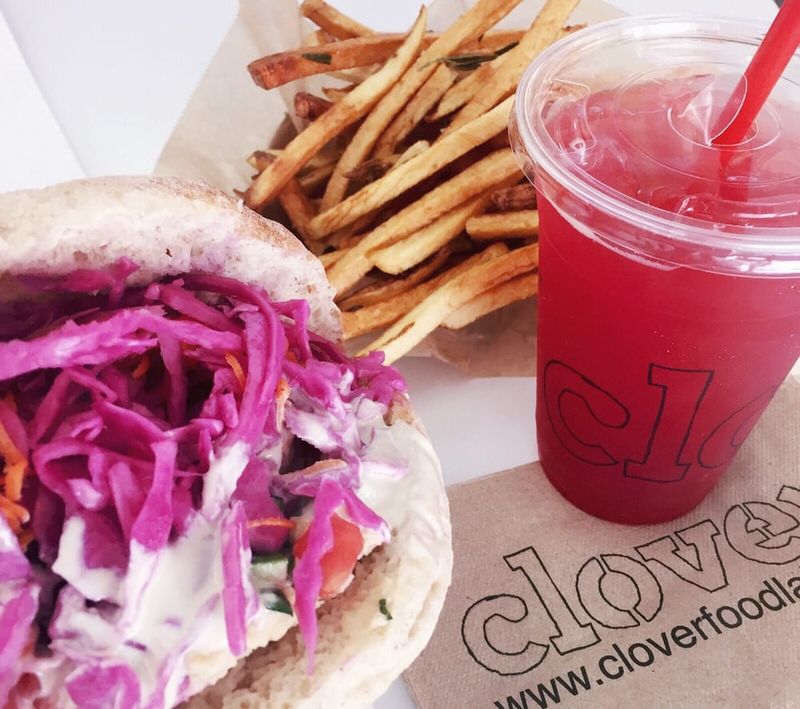
Clover runs a rewards program that gives regular customers a reason to keep coming back beyond the food itself. Signing up earns perks like free fries, which is a straightforward incentive that loyal customers have pointed out as a genuine benefit worth taking advantage of, especially given that the menu is priced at a slight premium compared to conventional fast food.
The pricing at Clover lands in a middle range that reflects the quality of ingredients and the care that goes into preparation. For some customers, the cost feels entirely justified.
For others, it takes a little adjustment, particularly when comparing it to cheaper fast food alternatives nearby.
The rewards program helps soften that perception by giving frequent visitors tangible value over time. It also reinforces the brand’s interest in building long-term relationships with its customer base rather than relying purely on foot traffic and new customers to keep the business running.
Loyalty, in this case, gets rewarded.
A Brand That Listens and Responds
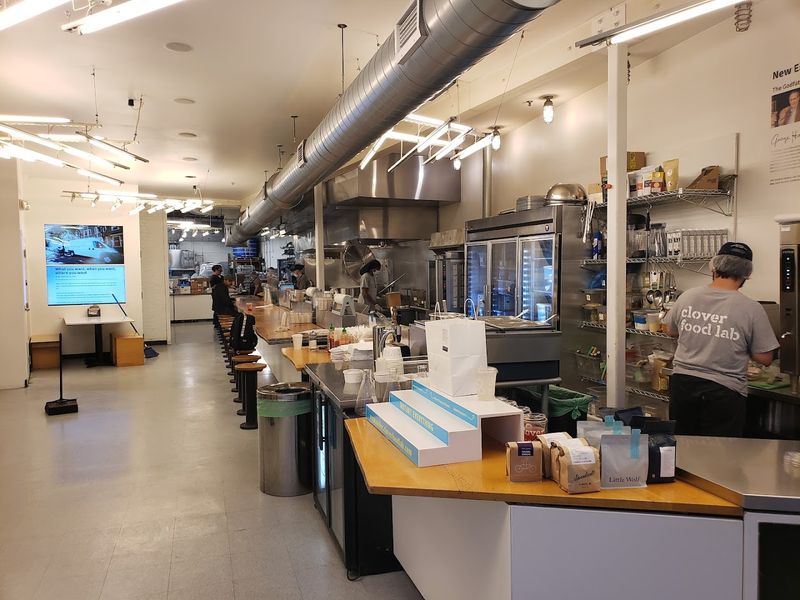
Clover has developed a notable reputation for taking customer feedback seriously, and the evidence of that is visible in how the brand communicates. The feedback team, which has responded to customer comments publicly for years, regularly addresses concerns, acknowledges mistakes, and follows up with solutions that go beyond a standard apology.
When an order goes wrong, the response tends to be direct and constructive rather than defensive. When a menu item becomes unexpectedly popular, the brand has shown a willingness to keep it around, adjusting plans based on what customers actually want rather than sticking rigidly to a predetermined lineup.
The brand also hosts Thank You Breakfasts, periodic events where staff cook for customers who have shared feedback, both positive and critical. It is an unusual approach for any food business, and it signals that Clover treats the relationship between the kitchen and the customer as an ongoing conversation rather than a one-way transaction.
How the Impossible Meatball Sandwich Ended Up Staying
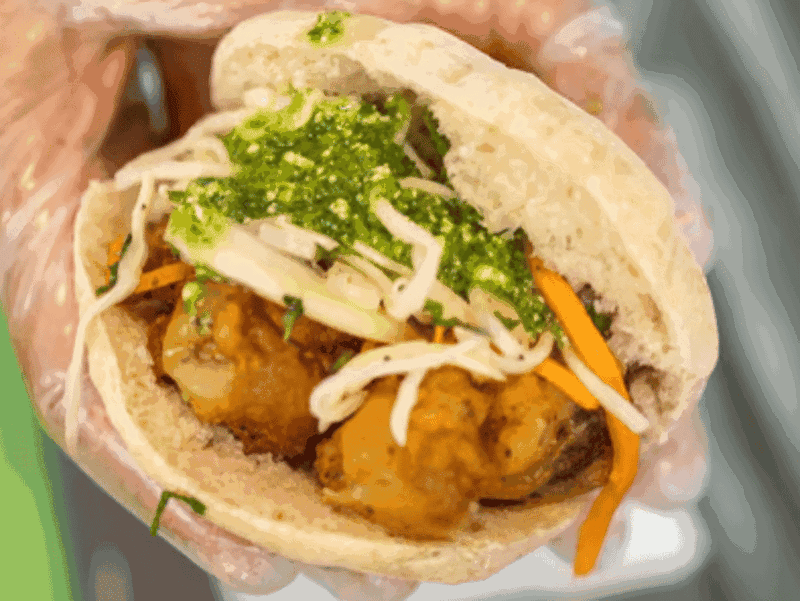
There is an interesting backstory behind one of Clover’s most talked-about sandwiches. The Impossible Meatball Sandwich was originally introduced as a temporary item when Impossible Foods approached Clover to help launch the Impossible Meat product in the Northeast.
The plan was for it to be a limited run, a brief promotional moment rather than a permanent addition.
What happened instead was that the sandwich became a hit. Customer enthusiasm was strong enough that Clover kept it on the menu well beyond its intended run, and it remained a fixture for years.
It is a clear example of the brand letting real-world response shape its decisions rather than sticking to a fixed plan regardless of what customers are actually responding to.
The story also says something about Clover’s position in the plant-based food space. Being chosen as a launch partner for a major product rollout reflects the brand’s standing as a credible, respected player in vegetarian fast food, not just a regional curiosity.
Why the Rotating Menu Keeps People Talking
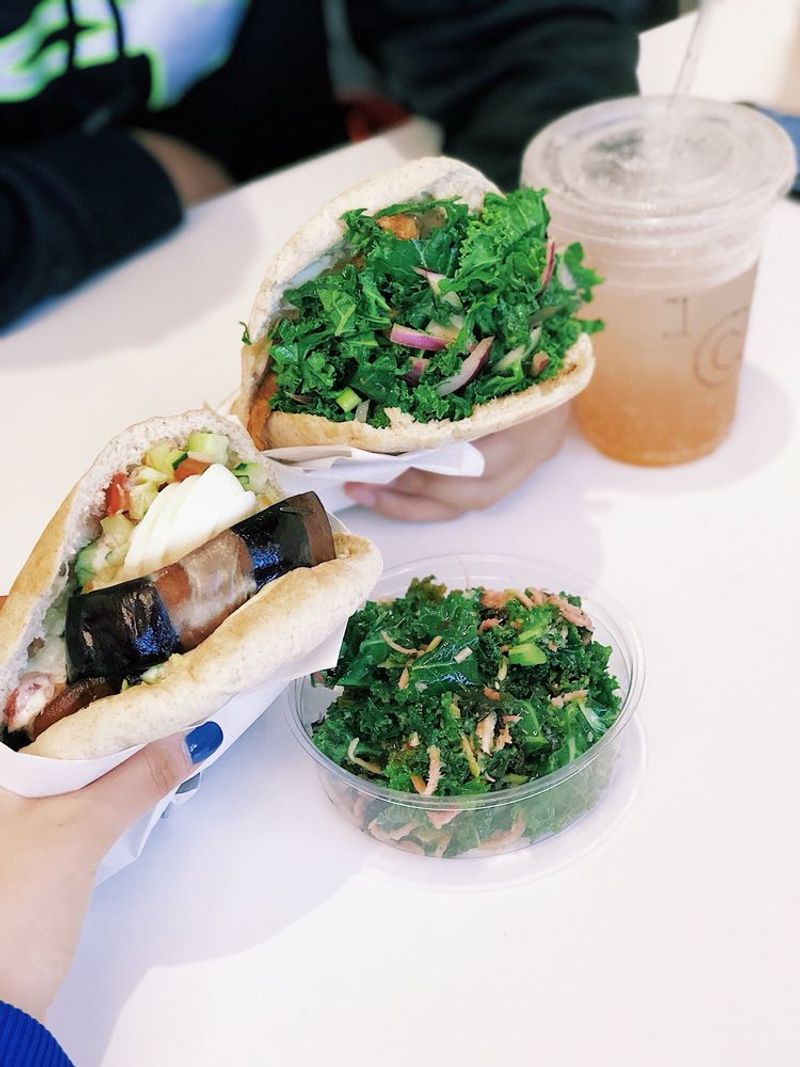
A menu that never changes is easy to memorize and easy to forget. Clover has deliberately avoided that trap by building a rotation of seasonal and limited-time items that give regulars a reason to pay attention even after years of visits.
The result is a customer base that follows menu updates the way others might follow a favorite restaurant’s specials board.
This approach creates a kind of shared experience among loyal customers. People who have been coming since the food truck days have a mental catalog of items that have cycled in and out over the years, and those memories become part of the brand’s identity in a way that a static menu never could.
It also keeps the kitchen engaged and creative, which tends to show up in the quality of what gets served. A team that is regularly working with new ingredients and new combinations is less likely to fall into the kind of routine that makes food feel tired and uninspired.
What to Know Before Your First Visit
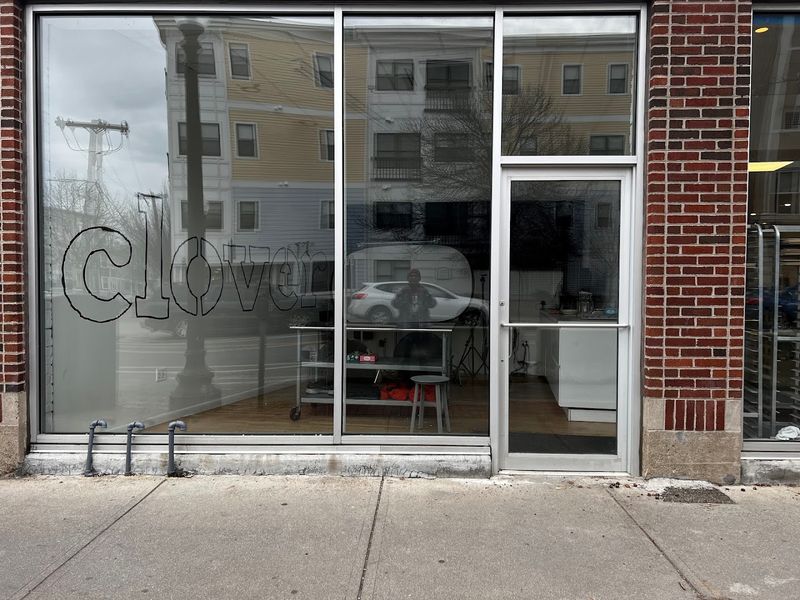
A few things are worth knowing before showing up at the Cambridge Street location for the first time. The restaurant is open Monday through Friday, 7 AM to 6 PM, and closed on weekends, so timing matters.
Street parking is generally available in the area, and the location is accessible by public transit for those coming from other parts of the city.
Ordering through the Clover app or website is an option and can speed things up during busy lunch hours. Signing up for the rewards program before ordering is also a smart move, since it unlocks perks from the very first visit rather than requiring a waiting period.
The menu can feel unfamiliar to first-timers who are not used to plant-based fast food, so asking the staff for recommendations is a reasonable approach. The team at the Cambridge Street location has a reputation for being knowledgeable and genuinely helpful when it comes to navigating the options.
From Food Truck to Fast Food Institution
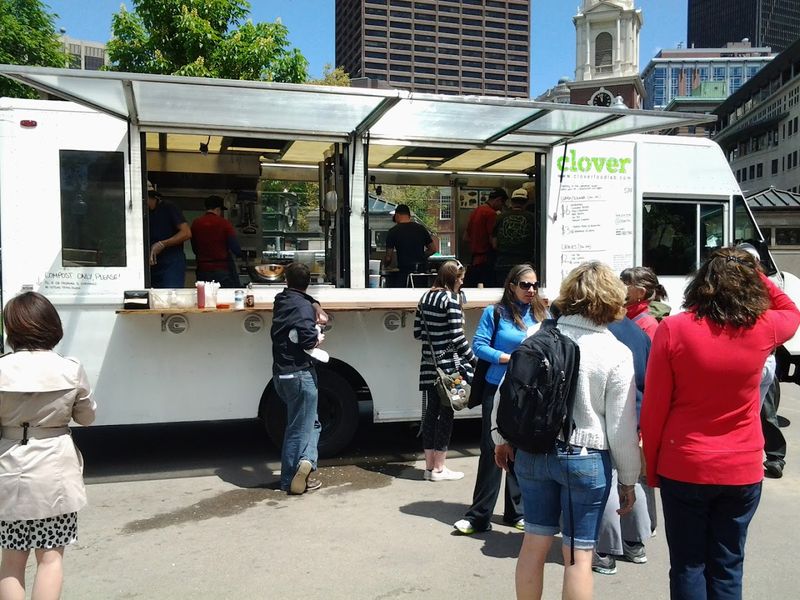
Not every great restaurant starts with four walls and a kitchen. Clover’s origin story begins on the streets of Cambridge, where a single food truck became the unlikely foundation of a fast food brand that would eventually redefine what plant-based eating could look like in a city obsessed with convenience.
The concept was straightforward but bold: serve gourmet vegetarian food at fast food speed without cutting corners on quality. Locally sourced ingredients, a rotating seasonal menu, and a no-meat philosophy set Clover apart from the moment it launched.
What started as an experiment grew into a full chain with multiple locations across the Boston area, each one carrying the same commitment to fresh, thoughtfully prepared food. The Cambridge Hub location on Cambridge Street became one of the brand’s most recognized spots, anchoring the brand’s identity in a neighborhood that values both innovation and community.
Few food trucks can claim that kind of trajectory.
Share this story