Nature has produced some animals with abilities that seem impossible at first glance. From creatures that can survive being frozen solid to organisms that endure the vacuum of space, these remarkable adaptations challenge our understanding of what life can do.
The animals on this list are not the stuff of legend – they are real, and their extraordinary abilities are backed by science. Some have puzzled researchers for decades, while others continue to reveal new secrets.
Whether you’re a wildlife enthusiast or simply curious about the natural world, these incredible creatures are sure to leave a lasting impression.
1. Tardigrades Can Survive Outer Space
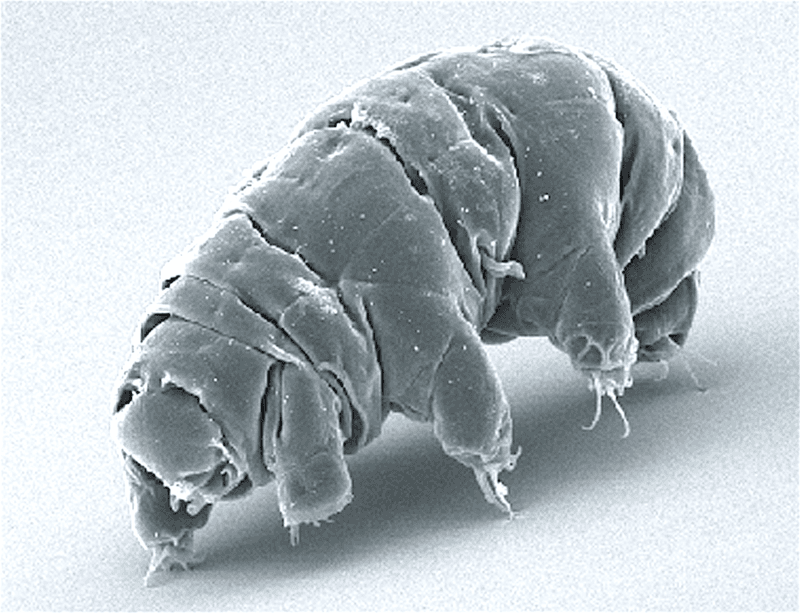
Forget astronauts needing spacesuits. The tardigrade, a microscopic animal barely visible to the naked eye, has already conquered outer space without any equipment at all.
These eight-legged creatures, nicknamed “water bears,” can survive temperatures close to absolute zero and above 140 degrees Celsius. They handle radiation doses 1,000 times higher than what would be lethal to a human.
Their secret weapon is a process called cryptobiosis. When conditions turn hostile, a tardigrade essentially shuts itself down, shrinking to one-third its size and dropping its metabolism to nearly zero.
In this state, they can go without water for over 100 years and survive the vacuum of open space. Scientists have confirmed this by sending them on actual space missions.
No other animal on Earth comes close to matching their overall toughness across so many different categories of extreme conditions.
2. Immortal Jellyfish Can Reverse Aging
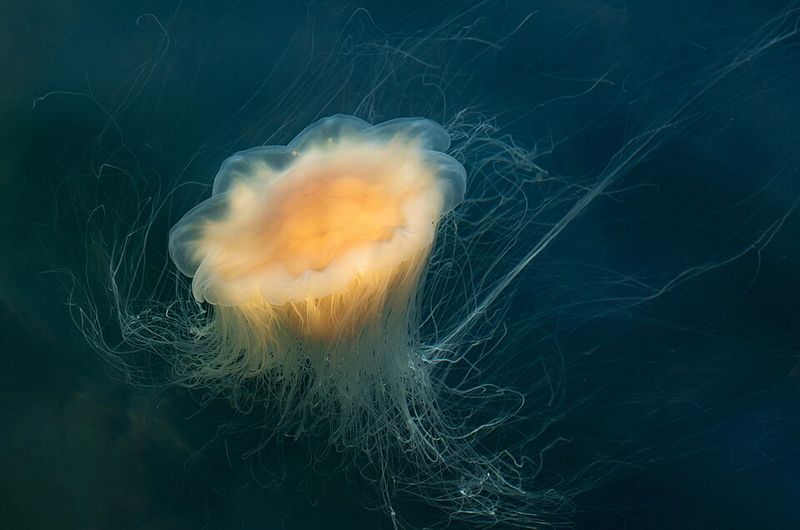
Getting older is something every living thing deals with. Except, apparently, one particular jellyfish that did not get that memo.
Turritopsis dohrnii, commonly called the immortal jellyfish, can reverse its own life cycle when it becomes injured or stressed. Instead of aging forward, it reverts from its fully grown adult form back to its juvenile polyp stage, essentially starting over from scratch.
Biologists call this process transdifferentiation, where mature cells convert into entirely different cell types. It is the closest thing to biological immortality that scientists have ever documented in an animal.
In theory, this cycle could repeat indefinitely, making the jellyfish a permanent resident of the ocean. Researchers are studying this ability closely, hoping it might offer clues about aging in other species.
The jellyfish itself, meanwhile, seems completely unbothered by the whole situation, just quietly cheating time in the Mediterranean Sea.
3. Wood Frogs Freeze Solid and Come Back to Life
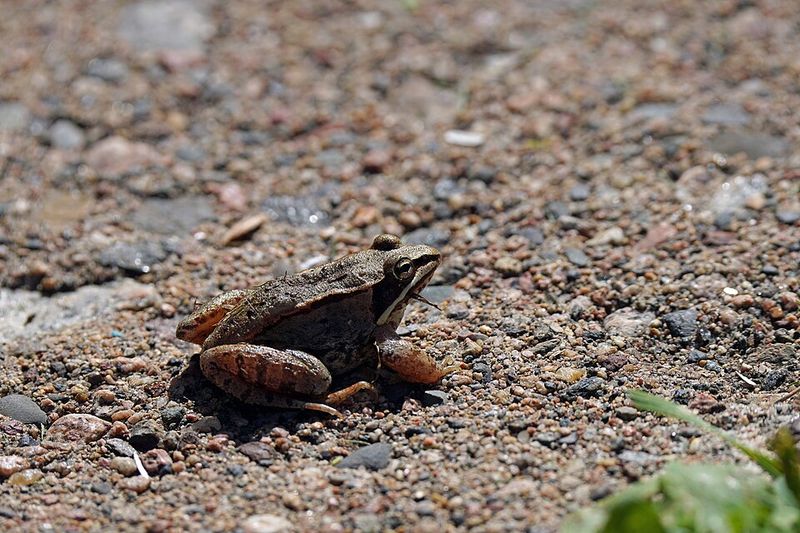
Every autumn, wood frogs across North America do something that looks, by all scientific logic, like it should be permanent. They freeze solid.
Up to 70 percent of a wood frog’s body can turn to ice during winter. The heart stops beating completely.
Breathing shuts down. Brain activity flatlines.
To any outside observer, the frog appears completely gone.
What saves them is a remarkable internal chemistry trick. Their bodies flood with glucose and urea, natural compounds that prevent ice crystals from forming inside individual cells.
Ice forms around the cells rather than through them, protecting the delicate internal structures.
When spring temperatures return, the frog thaws out in a matter of hours and hops off like nothing unusual happened. Alaskan wood frogs are particularly impressive, enduring some of the longest and coldest freeze cycles recorded.
Scientists continue studying them for potential applications in organ preservation technology.
4. Axolotls Regrow Entire Limbs
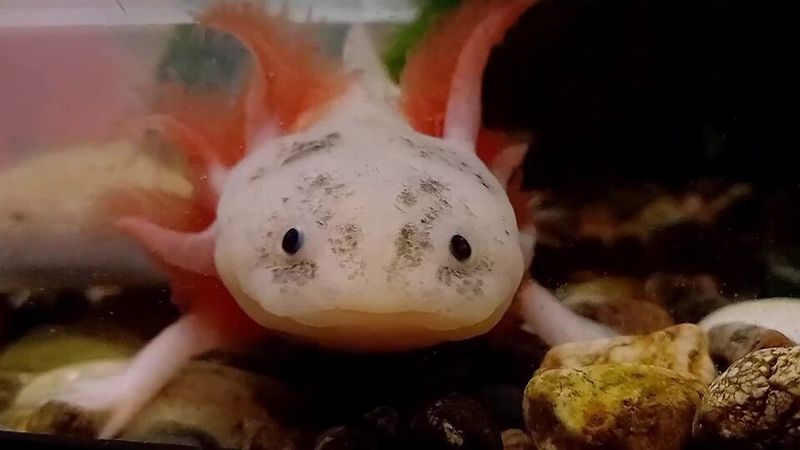
Most animals can heal a cut. The axolotl, a freshwater salamander native to Mexico, can regrow an entire arm, and that is just the beginning of its abilities.
Axolotls can regenerate legs, tails, sections of their hearts, parts of their spinal cords, and even portions of their brains. The process is driven by specialized cells called the blastema, which gather at the site of an injury and rebuild the missing structure from scratch.
What makes this especially remarkable is that the regrown tissue is not just a rough patch job. It restores normal architecture without any scar formation, which is almost unheard of among vertebrates.
Researchers at universities worldwide are actively studying axolotl biology, hoping to understand how their regenerative signals work. The goal is to eventually apply those findings to human medicine.
For now, the axolotl remains the undisputed champion of biological self-repair in the vertebrate world.
5. Bombardier Beetles Create Explosions
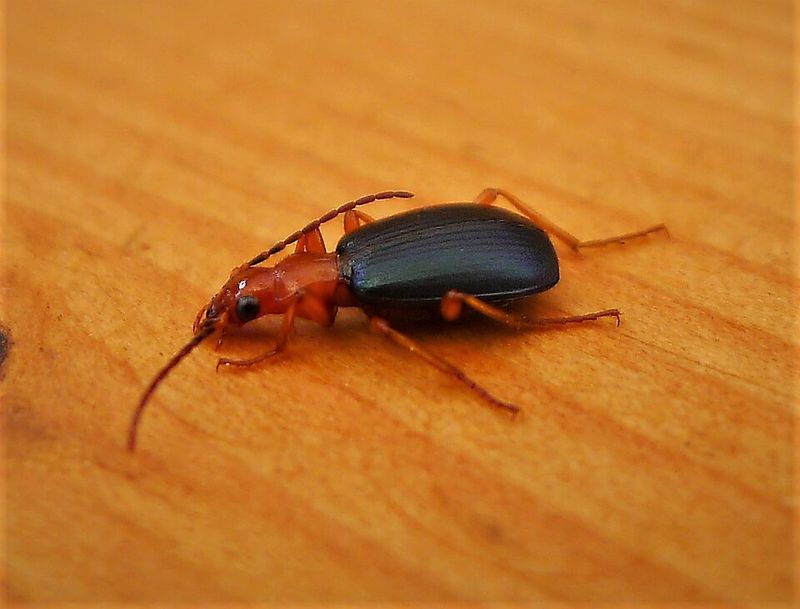
Some animals run from predators. The bombardier beetle builds a chemical weapon inside its own body and fires it on command.
When threatened, the beetle mixes two stored compounds, hydroquinone and hydrogen peroxide, inside specialized chambers in its abdomen. A catalyzed reaction occurs almost instantly, generating a spray that reaches approximately 100 degrees Celsius, which is the boiling point of water.
The blast comes with an audible popping sound and is released in rapid pulses rather than one continuous stream. This pulsing action actually makes the spray more effective at deterring predators than a single burst would be.
The beetle can rotate the tip of its abdomen in nearly any direction, allowing it to aim the spray with impressive accuracy. Scientists initially struggled to explain how the beetle avoids burning itself in the process.
The answer lies in the precise timing of the reaction, which limits heat exposure to the external discharge chamber only.
6. Arctic Ground Squirrels Survive Extreme Freezing
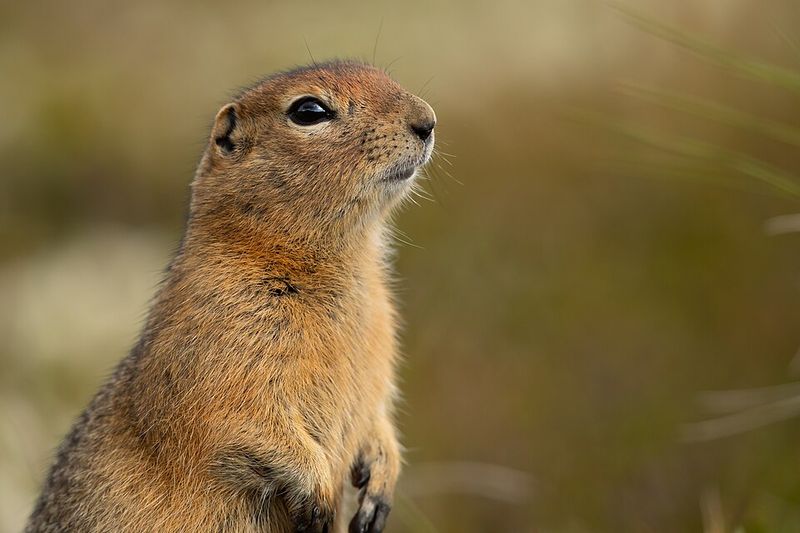
Hibernation is common in the animal world, but Arctic ground squirrels take it to a level that puzzles scientists every time they look at the data.
During their hibernation period, these squirrels drop their body temperature below freezing, reaching around negative three degrees Celsius. For most mammals, that would cause catastrophic cellular damage.
For Arctic ground squirrels, it is just a regular Tuesday in January.
Their blood contains compounds that prevent ice crystal formation inside tissues, allowing supercooling without cellular destruction. The squirrels spend up to eight months in this state, barely breathing, with heart rates as low as one beat per minute.
What baffles researchers most is how the brain survives intact. Neurons in other mammals would be permanently damaged under similar conditions.
When spring arrives, the squirrel rewarns itself using stored body fat and wakes up ready to forage. Neuroscientists study them for insights into protecting human brain tissue during medical procedures.
7. Mimic Octopuses Become Other Animals
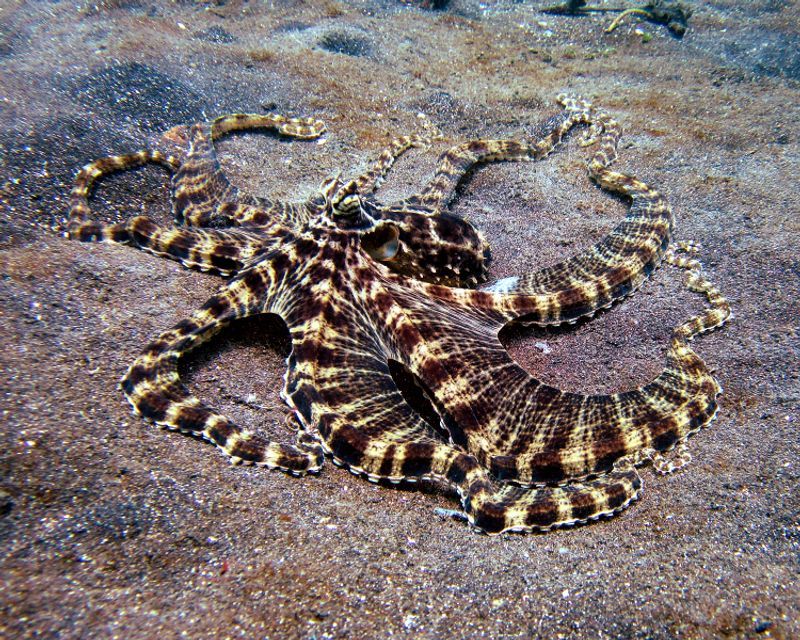
Changing color is impressive. Changing your entire body shape to convincingly impersonate a completely different species is on another level entirely.
The mimic octopus, discovered in Indonesian waters in 1998, is the only known animal that actively impersonates multiple other species as a defense strategy. It can flatten its body and spread its arms to replicate the silhouette of a venomous lionfish.
It can trail six arms behind it while two remain hidden to mimic a banded sea snake.
Researchers believe the octopus selects which animal to mimic based on what predator is threatening it at a given moment, showing a level of situational decision-making that surprised marine biologists significantly.
Unlike other octopuses that simply blend into backgrounds, the mimic octopus actively performs. It adopts postures and movement patterns specific to each target species.
This combination of physical transformation and behavioral accuracy makes it one of the most sophisticated defensive strategies ever documented in the animal kingdom.
8. Lyrebirds Can Copy Almost Any Sound
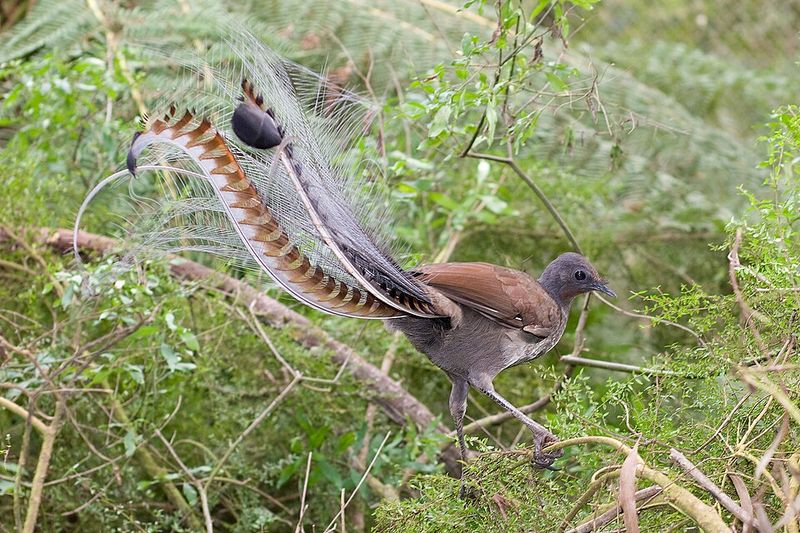
Most birds can sing. Australia’s superb lyrebird can perform an entire soundtrack, complete with chainsaws, camera shutters, car alarms, crying babies, and the calls of over 20 other bird species.
The lyrebird’s vocal organ, called the syrinx, is structured differently from most other birds, giving it an extraordinary range of sound production. Males use their mimicry skills primarily to attract mates, incorporating sounds into complex songs that can last for extended periods.
What makes the behavior particularly fascinating is that lyrebirds learn their repertoire from their environment. Birds living near logging areas have incorporated chainsaw sounds into their songs for generations, passing them down to younger birds through social learning.
Females actually evaluate males partly based on the variety and accuracy of their mimicry, making vocal skill a direct factor in reproductive success. Scientists studying lyrebird cognition have found that the learning process behind their mimicry is more complex than previously assumed, involving active memory and deliberate practice.
9. Pistol Shrimp Create Shockwaves
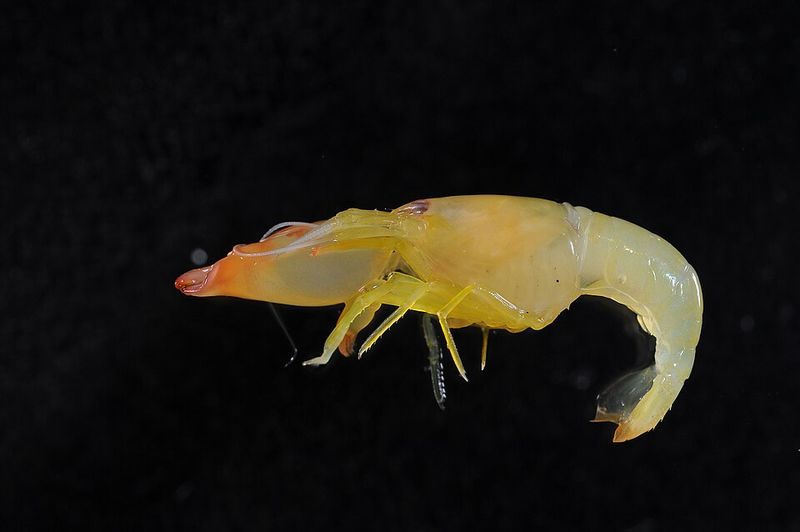
A shrimp that can briefly generate temperatures comparable to the surface of the sun sounds like a bad joke. It is not.
The pistol shrimp snaps its oversized claw so rapidly that it creates a fast-moving jet of water. This jet generates a cavitation bubble, a pocket of near-vacuum that collapses almost instantly.
The collapse releases a shockwave and produces a flash of light, along with temperatures that scientists have measured at approximately 8,000 degrees Fahrenheit for a fraction of a second.
The snap itself registers around 218 decibels, making it one of the loudest sounds produced by any living creature relative to its size. The resulting shockwave stuns or eliminates small prey animals instantly.
Groups of pistol shrimp snapping simultaneously can actually interfere with submarine sonar equipment, which gives some idea of the cumulative acoustic power these tiny crustaceans generate. They are, without question, the most underestimated animals on the reef.
10. Hagfish Escape by Producing Slime
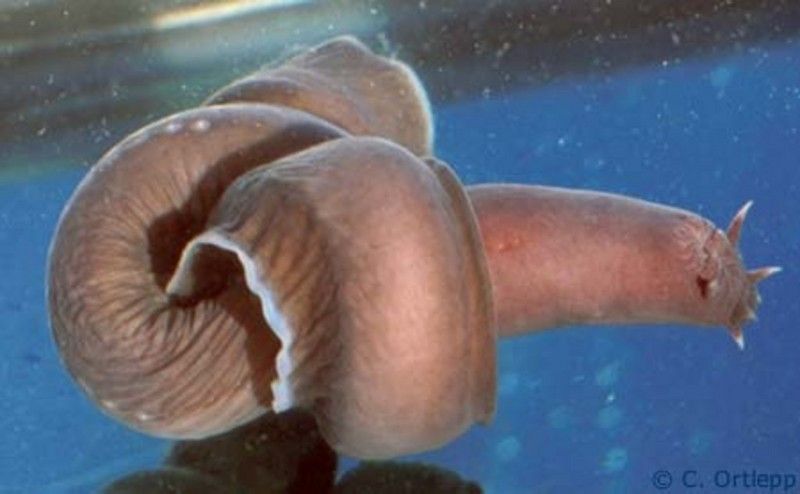
Few survival strategies in nature are as immediately effective or as deeply unpleasant as the hagfish’s primary defense mechanism.
When a predator grabs a hagfish, the hagfish releases a concentrated protein-based slime from glands along its body. The slime expands dramatically on contact with seawater, turning into a thick, sticky mass within milliseconds.
A single hagfish can produce enough slime to fill a standard bucket in seconds.
The slime is not just unpleasant. It actively clogs the gills of fish predators, forcing them to release the hagfish and retreat to clear their airways.
The hagfish itself can escape the slime by tying its own body into a knot and sliding through it.
11. Alpine Ibex Scale Near-Vertical Cliffs
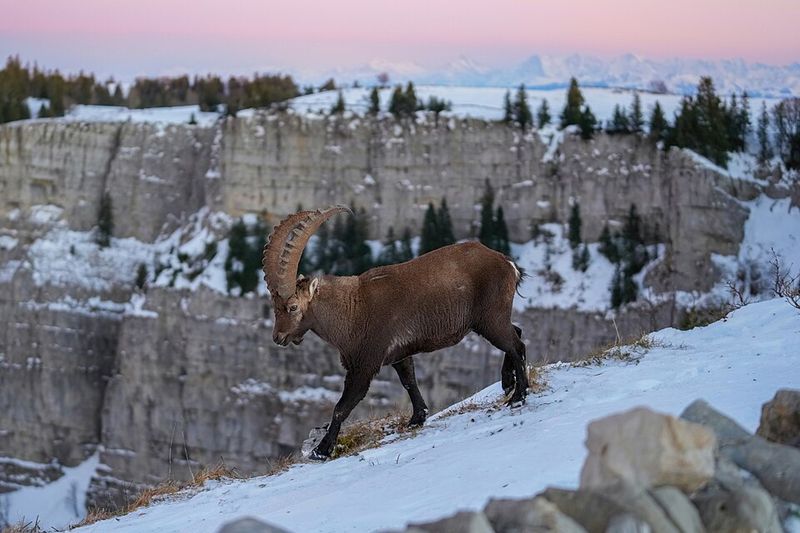
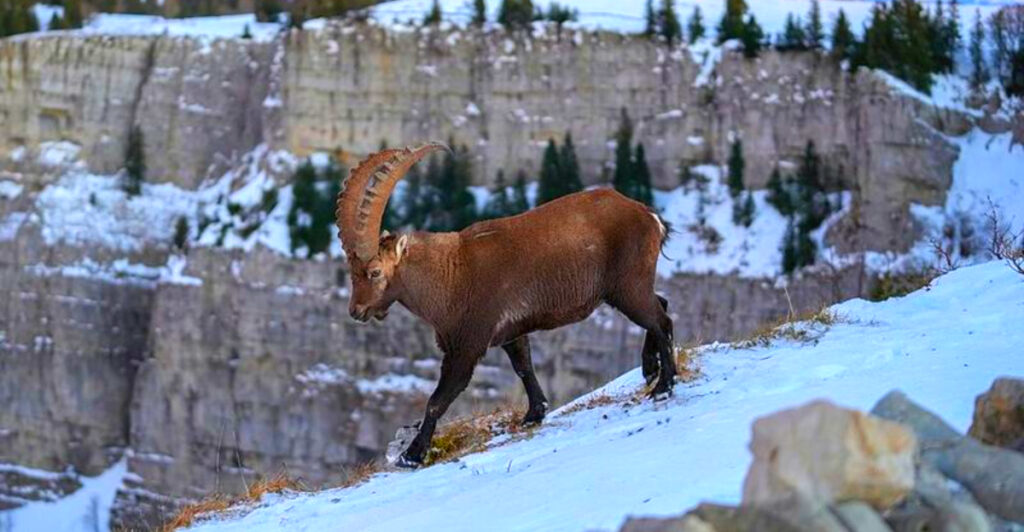
There is a dam in the Italian Alps where mountain goats routinely walk up a nearly vertical stone wall, and photographs of it look completely doctored. They are not.
Alpine ibex seek out the mineral-rich surfaces of dam walls, particularly in early spring when their bodies need calcium and other nutrients. Their hooves are specially designed for this kind of terrain, with hard outer edges for gripping ledges and soft inner pads that create friction against smooth surfaces.
The Cingino Dam in Italy is perhaps the most famous example, where ibex have been photographed clinging to angles that would send most creatures plummeting. They move across these surfaces with calm, deliberate steps that suggest complete confidence.
Beyond dam walls, alpine ibex regularly navigate cliff faces that predators cannot follow, making vertical terrain their primary safety strategy. Their skeletal structure and muscle arrangement allow them to distribute weight in ways that maximize stability on the smallest possible footholds.
12. Peacock Mantis Shrimp Deliver Bullet-Like Punches
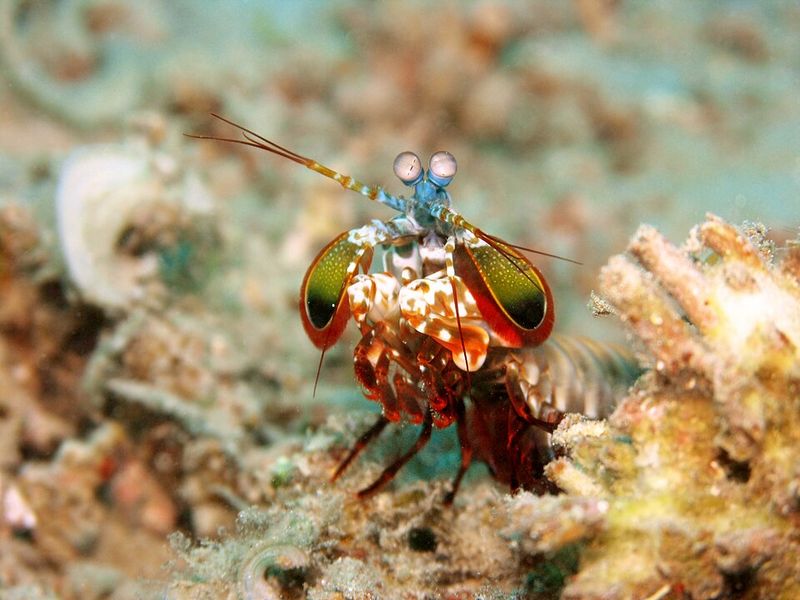
The peacock mantis shrimp looks like it was designed by someone who wanted to combine a boxing champion with a fireworks display, and in terms of raw striking power, the boxing champion part is no exaggeration.
Its club-like appendages accelerate at 10,000 times the force of gravity, reaching speeds of about 23 meters per second. The initial impact alone can crack crab shells and shatter aquarium glass.
But the punch delivers two hits, not one.
The first is the direct physical strike. The second comes from a cavitation bubble generated by the movement, which collapses against the target a fraction of a second later, delivering a secondary shockwave.
Prey effectively gets hit twice from a single swing.
Aquarium owners have learned the hard way that standard glass tanks cannot contain a determined mantis shrimp. Facilities that house them use specially reinforced enclosures.
Scientists study the geometry of their clubs for applications in lightweight impact-resistant materials.
13. Desert Ants Navigate Without Trails
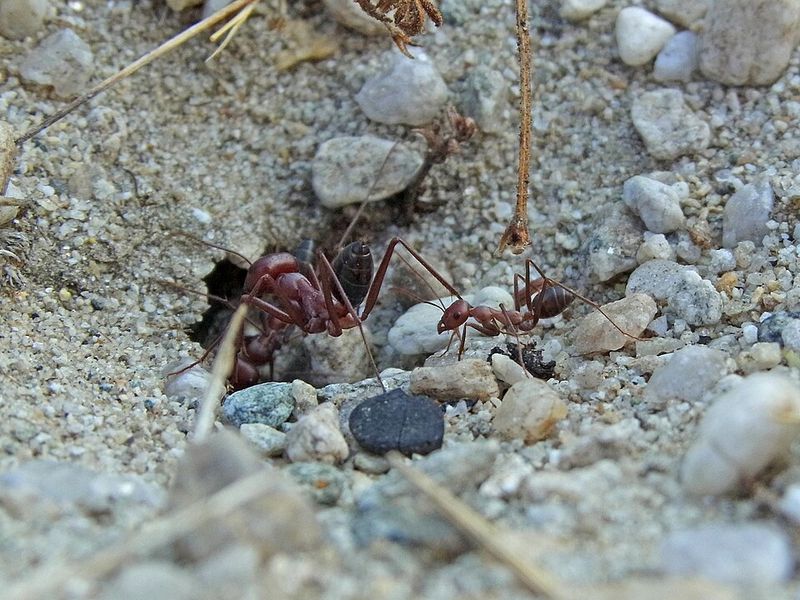
Most navigating animals rely on landmarks, scent trails, or magnetic fields. Saharan desert ants use a built-in odometer and a solar compass, and they do not leave any trail behind them at all.
These ants travel hundreds of meters from their nest across featureless desert terrain in temperatures that reach 70 degrees Celsius at ground level. When they find food, they calculate the most direct route home without retracing their outbound path.
Researchers discovered that the ants count their own steps to measure distance, a process called path integration. They also track the sun’s position continuously to maintain directional accuracy.
When scientists altered the leg length of ants in experiments, the ants miscalculated their return distance proportionally, confirming the step-counting mechanism.
14. African Lungfish Can Survive Years Without Water
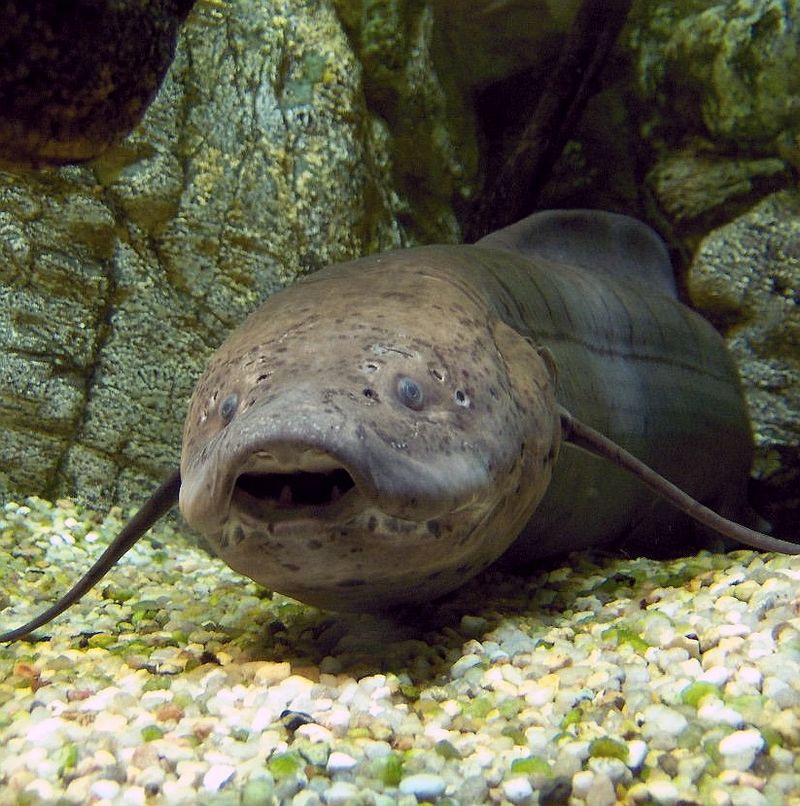
Most fish out of water have a very limited amount of time before things go badly for them. The African lungfish has been documented surviving without water for up to four years, which puts it in a category basically by itself.
When drought conditions drain their freshwater habitat, African lungfish burrow deep into the mud before it hardens completely. They then secrete a thick mucus cocoon around their body that seals in moisture and prevents dehydration.
A small breathing tube connects through the mud to the surface.
Inside the cocoon, their metabolism drops to roughly two percent of normal activity. They break down their own muscle tissue for energy, carefully preserving organ function throughout the dormancy period.
Share this story