One of the greatest pleasures of visiting Italy is leaving the car behind and simply wandering. In many of the country’s most beautiful coastal towns, narrow lanes, seaside promenades, historic centers, beaches, restaurants, and viewpoints are all just a short stroll apart.
Whether you are a first-time visitor or a seasoned traveler, these walkable gems offer a slower, richer way to experience la dolce vita. Pack comfortable shoes and get ready to fall in love with Italy one cobblestone at a time.
Cefalù, Sicily
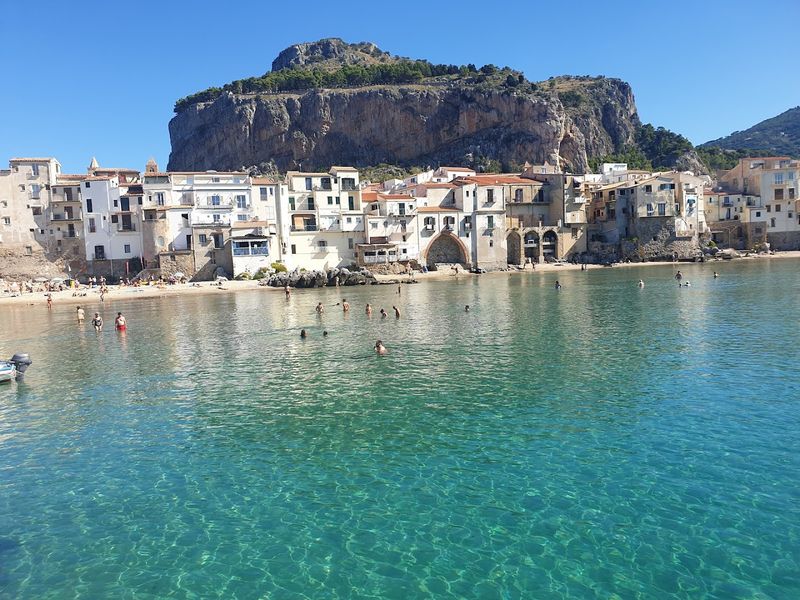
Imagine waking up, walking two minutes, and landing on one of Sicily’s best beaches. That is exactly the kind of morning Cefalù delivers without apology.
This compact Norman-era town sits snugly between a dramatic rocky headland and a sparkling stretch of sandy shore.
The magnificent Duomo di Cefalù, built in the 12th century, towers over the town center and is easily reached on foot from almost anywhere in the old quarter. Wandering the medieval lanes, you will stumble upon tiny trattorias, ceramic shops, and breezy piazzas that feel completely unhurried.
Locals here take their afternoon passeggiata seriously, and visitors quickly catch the habit.
Climbing up to La Rocca fortress rewards you with sweeping views over the rooftops and sea below. The whole ascent takes about 30 minutes and costs very little effort.
Cefalù’s beauty lies in how effortlessly everything connects, beach, cathedral, hilltop, and harbor all within a leisurely morning stroll.
Positano, Campania
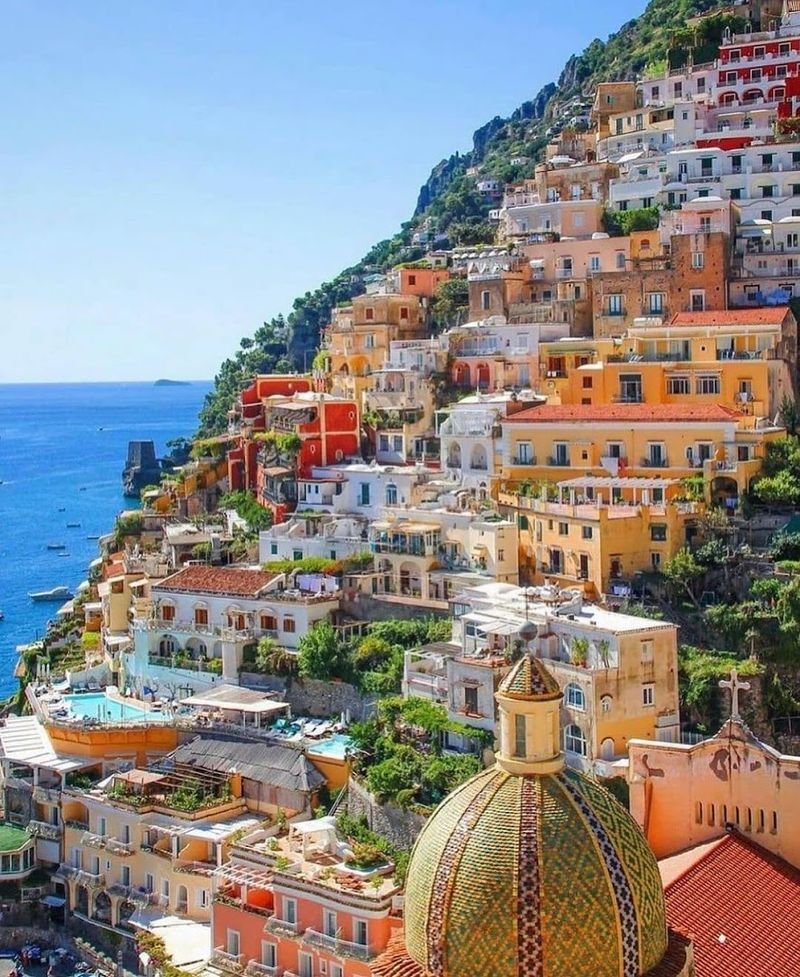
Positano does not have traffic jams. It has staircase jams, and honestly, nobody seems to mind.
The entire town tumbles down a steep hillside toward the Tyrrhenian Sea in a riot of pink, yellow, and terracotta buildings draped in bougainvillea.
Getting around means climbing or descending the town’s famous pedestrian stairways, which connect boutiques, cafés, viewpoints, and the pebbly Spiaggia Grande beach. Your legs will get a workout, but every turn rewards you with a postcard-worthy view.
Locals joke that Positano has only two directions: up and down.
The town center is small enough that you can walk from one end to the other in about 20 minutes. Restaurants, gelato stands, and lemon-scented shops line the narrow lanes.
Visiting during shoulder season, like May or September, means fewer crowds and a more relaxed pace that lets you actually enjoy the strolling. Positano is proof that the best journeys sometimes happen entirely on foot and entirely uphill.
Camogli, Liguria
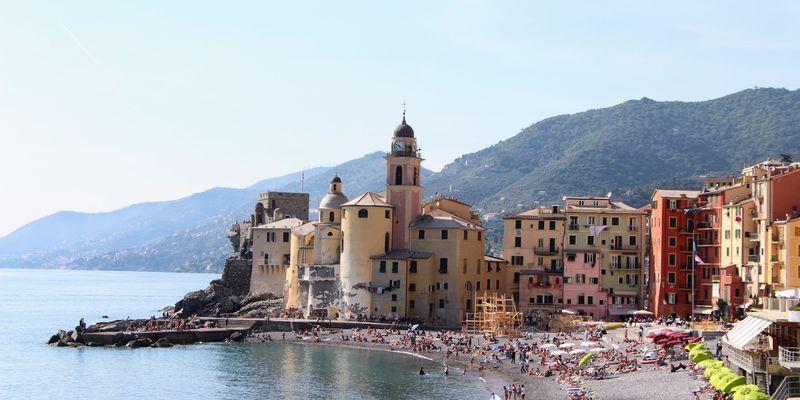
Camogli looks like someone painted a seaside village straight from imagination. Tall, narrow buildings in shades of burnt orange, deep red, and golden yellow line the harbor, their painted facades reflected in the calm Ligurian water below.
The town is wonderfully compact. You can walk from the pebble beach to the fish market, along the seafront promenade, and up into the historic center without breaking a sweat or checking a map.
The Basilica di Santa Maria Assunta sits right above the waterfront, offering gorgeous sea views from its terrace. Camogli is less famous than nearby Portofino, which means fewer tour buses and more breathing room.
Locals here are proud of their fishing heritage, and the town celebrates it every May with the famous Sagra del Pesce, a festival where thousands of fish are fried in a giant pan on the beach. Even outside festival season, fresh seafood is everywhere and incredibly affordable.
Camogli rewards slow walkers who pause to notice the details, a painted doorway, a cat napping on warm stone, a fisherman mending nets at dusk.
Vernazza, Liguria
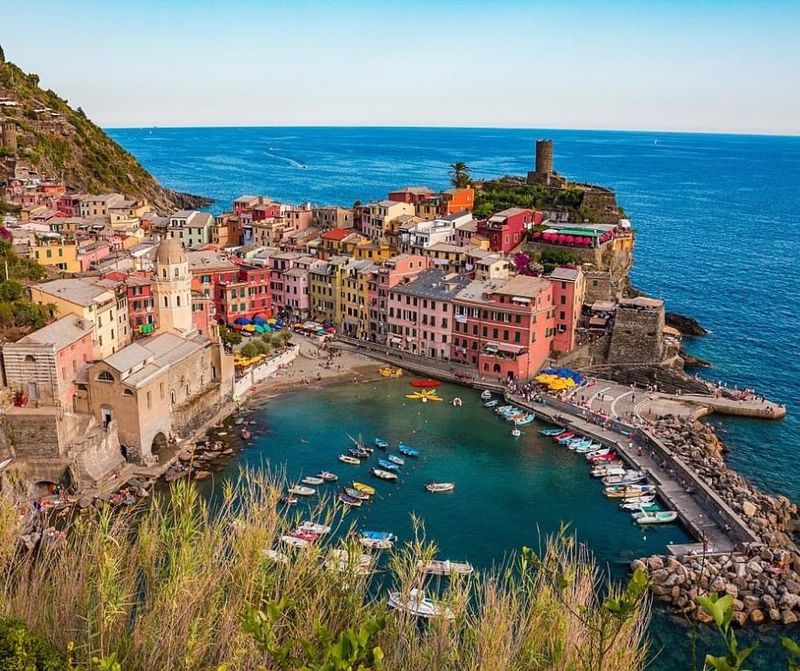
Out of all five villages in Cinque Terre, Vernazza has a reputation for being the one that stops people in their tracks. Arriving by train, you step out and immediately face a perfect little harbor framed by colorful buildings and a medieval watchtower.
Almost the entire village is pedestrian-only. Narrow caruggi, the local word for alleyways, wind upward from the waterfront past flower-draped balconies and family-run restaurants.
Climbing to the Doria Castle tower takes about ten minutes and delivers a panoramic view that regularly appears on travel magazine covers. It costs just two euros and is absolutely worth every cent.
The small beach near the harbor is perfect for a quick swim before lunch. Vernazza’s cafés and wine bars cluster around the piazza overlooking the sea, making it easy to spend hours simply watching the world drift by.
Because the village is small, you can genuinely explore every corner in a single day. Tip: arrive early in the morning before the day-trippers show up and you will feel like you have this magical place almost entirely to yourself.
Polignano a Mare, Puglia
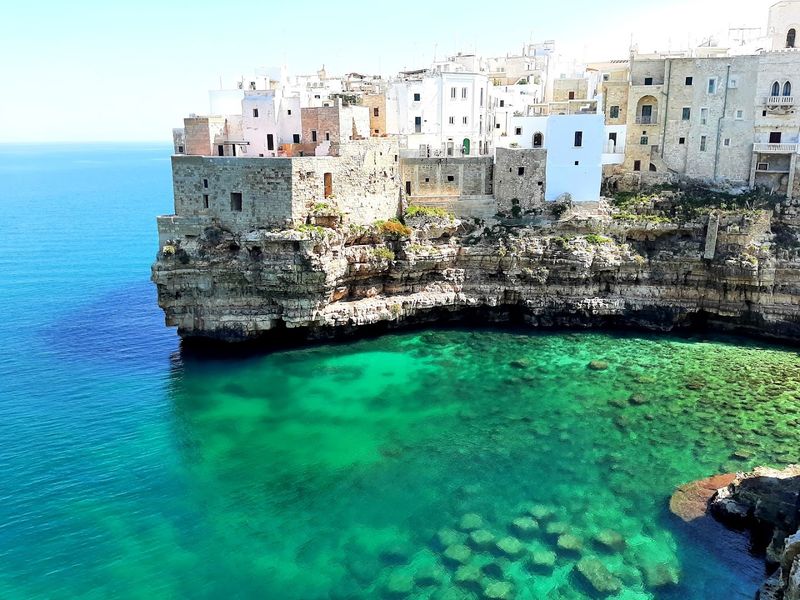
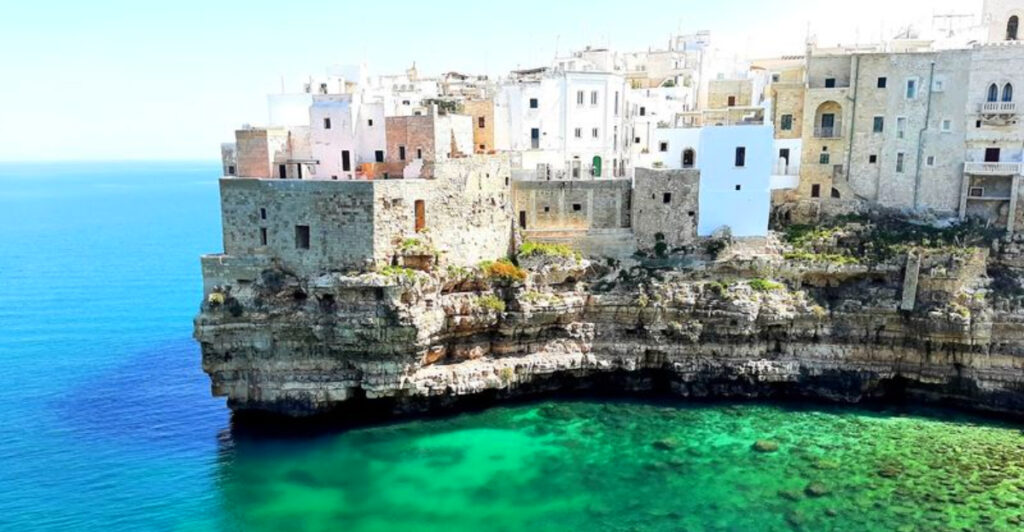
Perched on limestone cliffs above the Adriatic, Polignano a Mare has the kind of dramatic scenery that makes people stop mid-bite at their seaside restaurant table to just stare. The town’s whitewashed historic center sits right on the cliff edge, and the views are genuinely jaw-dropping.
Walking through the old town takes no more than 20 minutes end to end, but nobody actually manages that in 20 minutes because there are too many terraces, viewpoints, and gelato stops along the way. The famous Lama Monachile beach sits in a narrow cove directly below the town center, accessible by a short stairway.
It is small, dramatic, and completely unforgettable.
Polignano is also the birthplace of legendary Italian singer Domenico Modugno, who wrote Volare. A bronze statue of him stands with arms outstretched near the cliff edge, as if about to take flight.
The town has excellent masserie-style restaurants tucked into the old lanes. Visiting in the evening when the golden light hits the white buildings is a sensory experience that no photograph ever fully captures.
Come hungry, curious, and ready to wander slowly.
Sanremo, Liguria
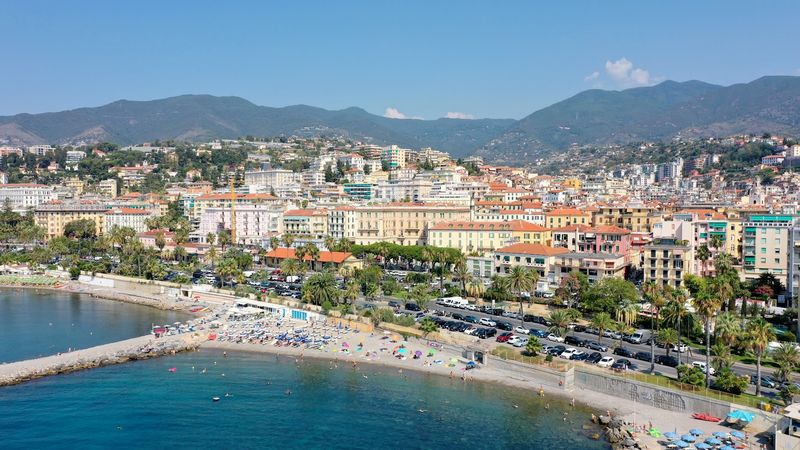
Most people know Sanremo as the home of Italy’s famous annual music festival, but the town itself deserves its own standing ovation. This elegant Ligurian city blends a glamorous seafront with a fascinatingly labyrinthine medieval quarter called La Pigna perched on the hill above.
The seafront Corso Imperatrice is one of the most beautiful promenades on the Italian Riviera, lined with swaying palm trees, Art Nouveau villas, and a Russian Orthodox church that seems to have wandered in from another continent entirely. Walking its length takes about 15 relaxed minutes, with the sea glittering on one side and grand architecture on the other.
La Pigna is a maze of steep alleys, arched passageways, and tiny squares that reward explorers willing to wander without a plan. The Casino di Sanremo, a stunning Belle Epoque building, sits right in the town center and is worth visiting even if gambling is not your thing.
The flower market, held several mornings a week, fills the air with an almost overwhelming floral perfume. Sanremo fits a surprising amount of personality into a very walkable package.
Procida, Campania
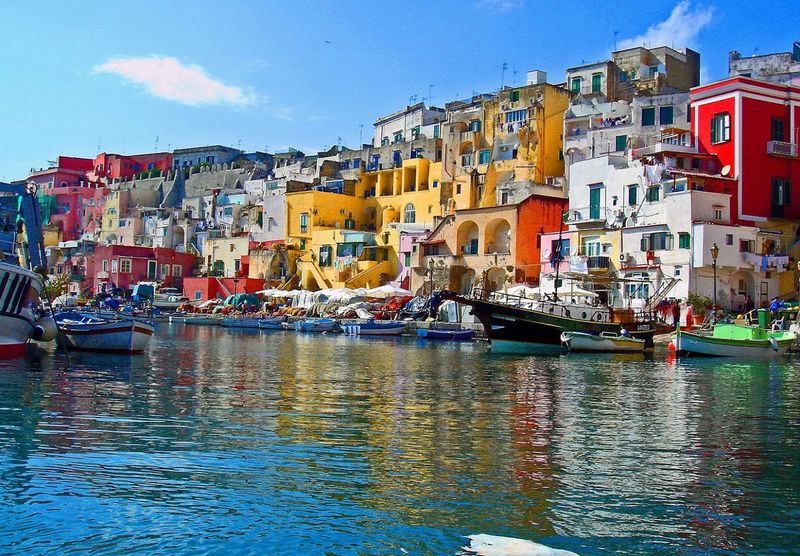
Procida is the island that locals have been trying to keep secret for decades. Smaller and quieter than Capri or Ischia, this tiny volcanic island near Naples bursts with personality through its candy-colored harbor buildings, peeling painted walls, and genuinely warm residents.
The island is only about four square kilometers, making it perfectly suited to exploring entirely on foot. Marina Corricella, the oldest fishing harbor, looks like a film set with its stacked pastel houses and wooden fishing boats bobbing gently in the water.
Getting there from the main ferry port takes about 15 minutes on foot through winding streets full of surprises.
Procida served as the filming location for the beloved 1994 film Il Postino, and you can still feel that quiet, poetic atmosphere lingering in the lanes. The island became Italy’s Capital of Culture in 2022, which brought some new attention but thankfully not too much chaos.
Beaches here are uncrowded, seafood is fresh and affordable, and the pace of life feels blissfully unhurried. Procida does not need to shout to impress you.
It simply lets you arrive, slow down, and fall quietly under its spell.
Vietri sul Mare, Campania
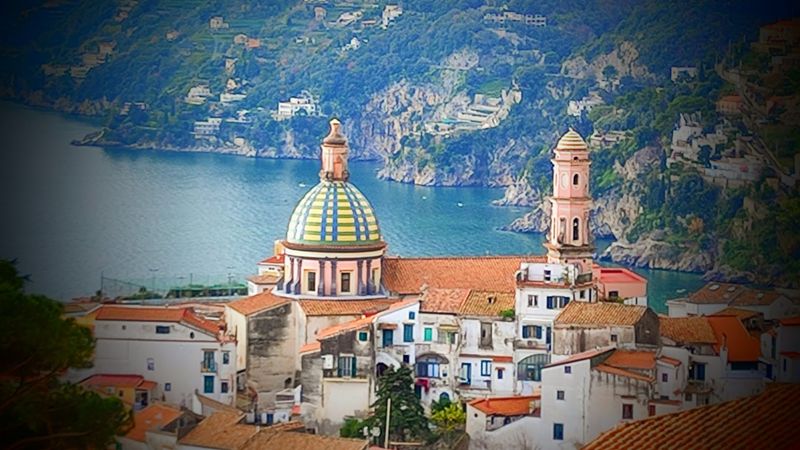
Every surface in Vietri sul Mare seems to be celebrating. Ceramic tiles in brilliant blues, yellows, and greens cover church domes, decorate doorways, and spill out of shop fronts in a visual feast that starts the moment you step off the bus or park your car at the edge of town.
Sitting at the western gateway to the Amalfi Coast, Vietri is the kind of town where you can spend an entire morning just browsing ceramic workshops and studios without ever feeling rushed. The historic center is flat enough to be genuinely easy walking, which is a refreshing change from the dramatic stairways of its Amalfi neighbors.
The beach below town is long, sandy, and far less crowded than more famous stretches nearby.
Vietri has been producing its distinctive handcrafted ceramics since the 16th century, and many family-run studios still fire their pieces in traditional kilns. Watching an artisan paint a plate by hand is one of those quietly mesmerizing experiences that stays with you.
The town also has an excellent ceramic museum housed in a beautiful villa. Shopping here is genuinely fun, and shipping your purchases home is easier than you might expect.
Tellaro, Liguria
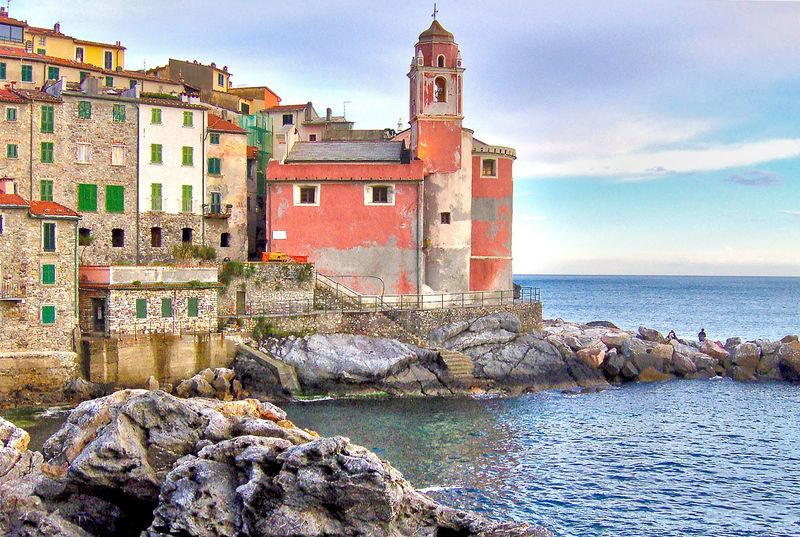
Tellaro is so small that it barely appears on most maps, and that is precisely the point. Tucked along the rocky Ligurian coast near Lerici, this tiny medieval fishing village is the kind of place that makes you want to cancel your onward plans and simply stay.
The entire village can be walked in about ten minutes, but nobody manages it that quickly because every corner reveals something worth pausing for. A church perched directly above the sea, a cat asleep in a sunny doorway, a fishing boat tied to a weathered iron ring.
The lanes are so narrow that two people can barely pass each other, which somehow makes it feel even more intimate.
Local legend claims that in the 18th century, an octopus saved the village from a pirate raid by ringing the church bells. Whether you believe the story or not, it perfectly captures Tellaro’s character: slightly eccentric, deeply charming, and completely unforgettable.
There are a handful of excellent restaurants serving fresh Ligurian seafood, and the swimming off the rocks is superb. Tellaro asks almost nothing of its visitors except that they slow down, look closely, and enjoy the extraordinary simplicity of a place that time forgot.
Sperlonga, Lazio
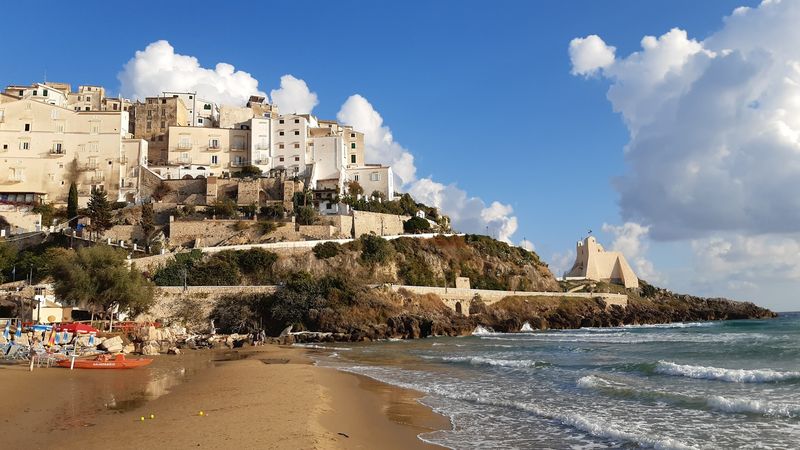
Sperlonga looks like someone transplanted a Greek island village to the coast of Lazio and forgot to tell anyone. The town’s dazzling whitewashed buildings and tangled maze of alleys sit on a promontory between two magnificent sandy beaches, creating a setting almost too picturesque to be real.
The historic center is entirely traffic-free, which means wandering its narrow lanes feels genuinely peaceful. Flower pots hang from balconies, cats stretch out on sun-warmed steps, and the sea glints below at every turn.
Walking from one end of the old town to the other takes about 15 minutes, but the winding route means you will probably take twice as long and enjoy every extra minute.
Below the hilltop town, the beaches stretch for several kilometers in both directions and are among the finest on the Tyrrhenian coast. Emperor Tiberius reportedly loved this stretch of coastline so much that he built a grand villa here, and you can visit the remains of its spectacular grotto today.
The Museo Nazionale Archeologico di Sperlonga, located right next to the grotto, houses impressive Roman sculptures recovered from the site. Sperlonga is one of those rare places that genuinely rewards the curious traveler at every level.
Share this story