Most people passing through Minneapolis think of the Mississippi River, the Mall of America, or the skyway system. Very few expect to turn a corner downtown and find themselves face-to-face with a church so grand it stops you cold.
The Basilica of Saint Mary is that rare kind of place that makes you question why it isn’t on every travel list in the country. With soaring ceilings, jaw-dropping stained glass, and a history that stretches back to 1914, this church earned a title that no other American church can claim.
It was the first basilica ever designated in the United States, and walking through its doors feels less like a tourist stop and more like stepping into a living work of art. Keep reading, because this place deserves far more than a quick glance.
America’s First Basilica: A Title That Belongs to Minnesota
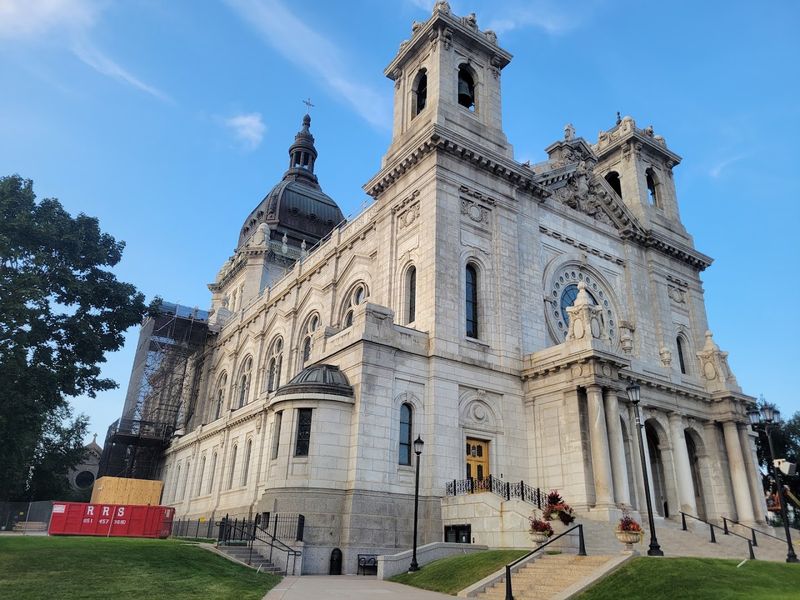
Not many states can claim a genuine American first, but Minnesota holds one that most people have never heard of. The Basilica of Saint Mary was officially designated as the first basilica in the United States in 1926, a distinction granted by Pope Pius XI that set this Minneapolis church apart from every other Catholic church in the country.
That title is not just a ceremonial label. A basilica designation recognizes a church of exceptional historical, architectural, and spiritual importance, and the Basilica of Saint Mary earned it on all three counts.
The church opened in 1914 and was designed by Emmanuel Louis Masqueray, the same architect behind the Cathedral of Saint Paul. What you see today is the result of over a century of careful craftsmanship, devotion, and ongoing restoration that keeps this landmark as breathtaking as the day it first opened its doors.
Where to Find It and What to Expect When You Arrive
The Basilica of Saint Mary sits at 88 N 17th St, Minneapolis, MN 55403, right in the heart of the city near Loring Park and just a short walk from downtown. The address is easy to find, but the building itself does all the announcing before you even check the map.
The massive dome rises above the rooftops and pulls your eye toward it from several blocks away. Parking is available across the street, and visitors can use a scannable barcode to pay online, which keeps things relatively straightforward even on busy days.
The basilica is open Monday through Friday from 9 AM to 5 PM, Saturday from 9 AM to 6 PM, and Sunday from 9 AM to 6:30 PM. Entry is free for general visits, which makes it one of the most accessible and rewarding stops in all of Minneapolis for curious travelers and locals alike.
The Architect Behind the Grandeur
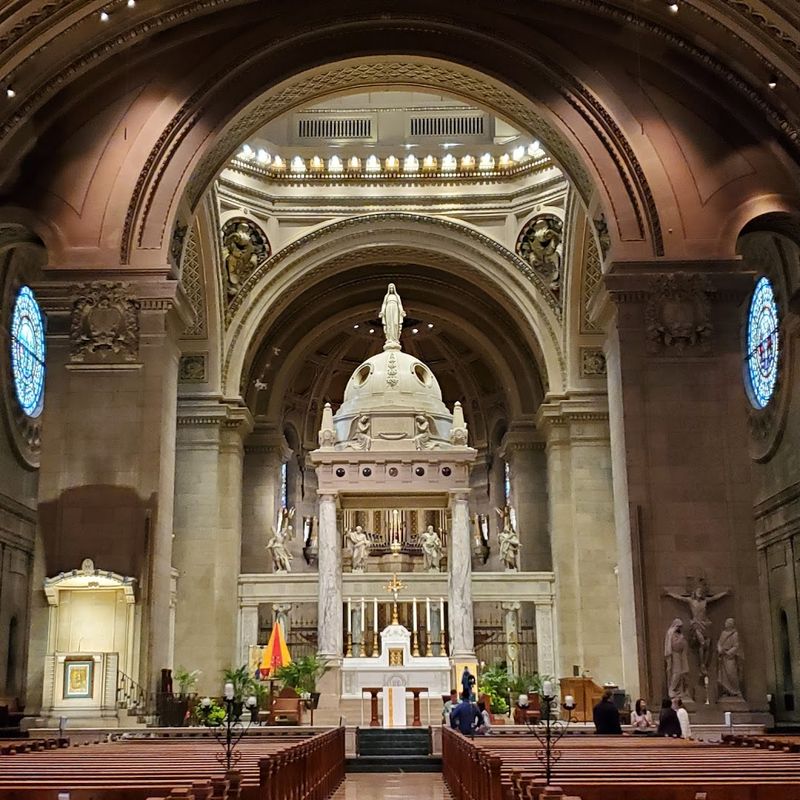
Emmanuel Louis Masqueray was already a celebrated name in American religious architecture when he took on the Basilica of Saint Mary, and the finished building proves exactly why he was chosen. His design pulls from the Beaux-Arts tradition, blending French classical influence with the kind of scale and ambition rarely seen outside of European cathedrals.
The proportions alone are staggering. The nave stretches wide and tall, creating a sense of openness that feels almost impossible once you realize you are inside a single building in a midwestern city.
Masqueray passed away in 1917 before seeing the full completion of his vision, but his blueprint guided every detail that followed. His work at both the Basilica of Saint Mary and the Cathedral of Saint Paul gives the Twin Cities a pair of landmark churches that rival anything found along the East Coast, and that is not an overstatement by any stretch.
Stained Glass That Tells a Story in Light
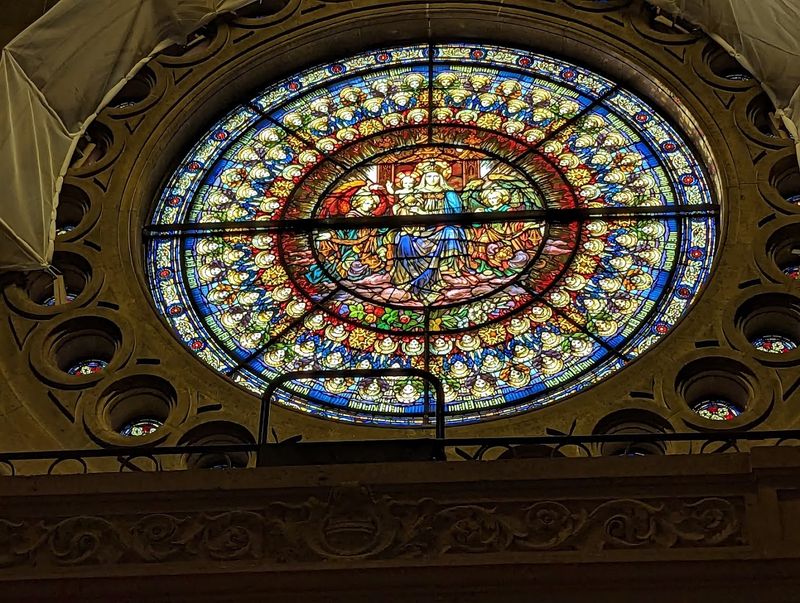
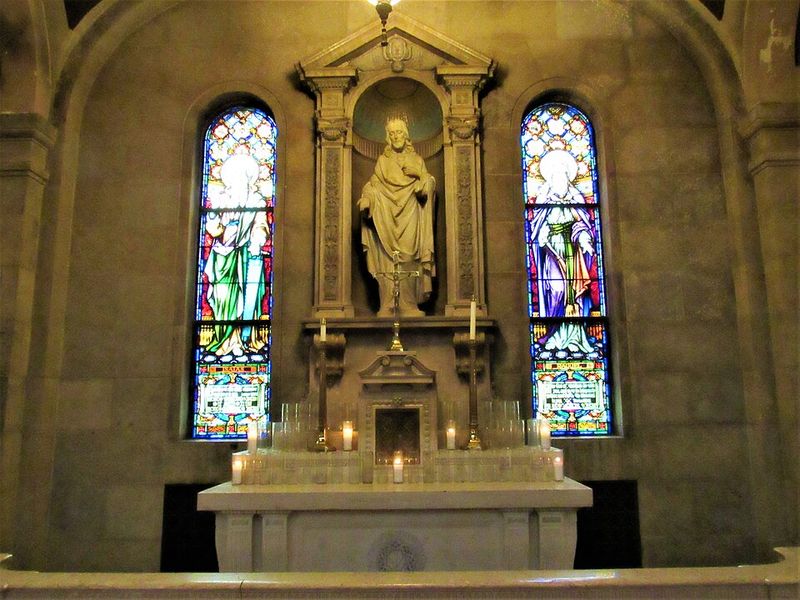
Few things in a church command attention the way great stained glass does, and the Basilica of Saint Mary has some of the finest examples anywhere in the Midwest. The windows line the nave in rich jewel tones, casting colored light across the stone floors and wooden pews in a way that changes with the time of day.
Each window tells a piece of a larger story, drawing from scripture and the lives of saints with a visual language that anyone can appreciate, regardless of their faith background. The craftsmanship involved in creating and maintaining these windows spans generations.
On a bright afternoon, the interior glows with color in a way that feels almost theatrical, and yet the atmosphere remains deeply peaceful. Visitors who come in during a quiet weekday often find themselves lingering far longer than planned, simply because the light keeps shifting and revealing something new with every passing minute.
Shrines, Statues, and Sacred Spaces Throughout the Building
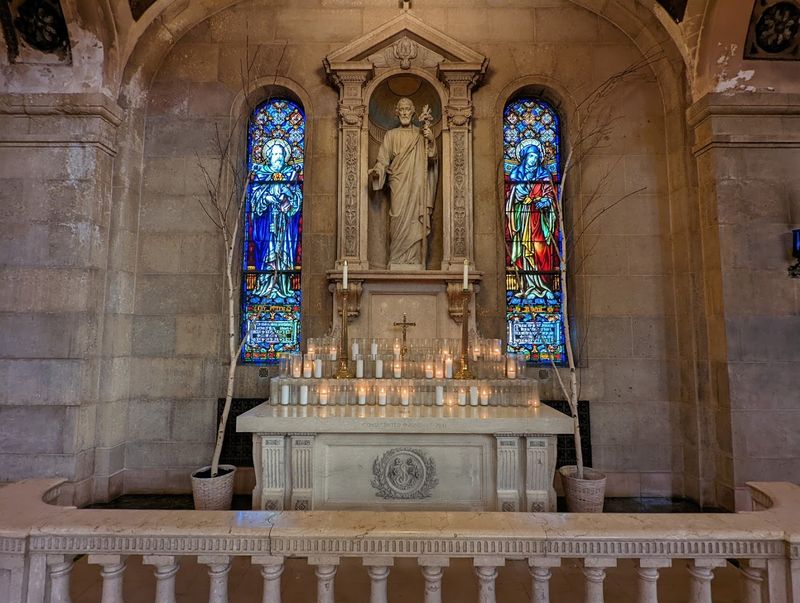
Beyond the main nave, the Basilica of Saint Mary is filled with smaller chapels, shrines, and devotional spaces that reward slow, careful exploration. Statues of saints line the walls, each one carved with an attention to detail that speaks to the pride and skill of the craftsmen who created them.
Latin inscriptions run along the upper walls, adding a layer of historical weight to every corner of the building. The shrines tucked into alcoves invite quiet reflection, and many visitors use these spaces for personal prayer or simply to sit and absorb the atmosphere.
There is also a Holy Door, a feature found in only a small number of churches worldwide, which adds another layer of significance to an already remarkable place. Every turn inside this basilica offers something new to notice, whether you are a devoted visitor or someone who simply appreciates extraordinary religious art and architecture at its most sincere.
The Luminescence Light Show: A Seasonal Spectacle
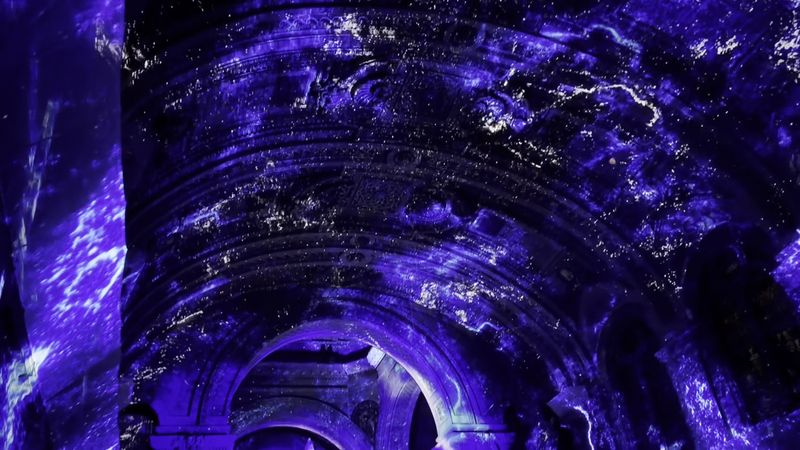
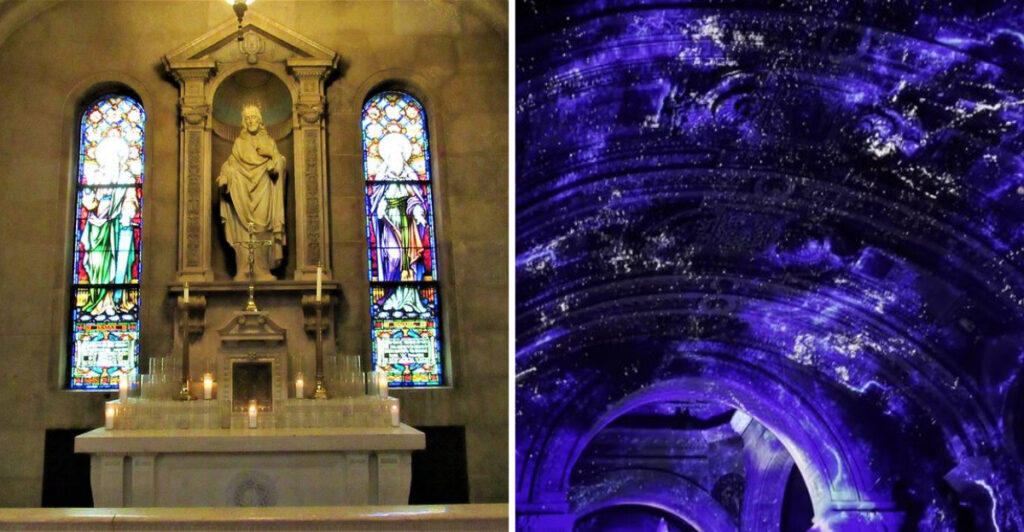
During the winter months, the Basilica of Saint Mary transforms into something that feels entirely different from a typical church visit. The Luminescence event wraps the interior in projected light and sound, turning the architecture into a canvas for a full multimedia experience that has drawn crowds from across the region.
The show highlights the building’s architectural details in ways that daylight simply cannot match. Columns, arches, and the great dome all become part of the display, with the scale of the space making the projections feel genuinely immersive rather than gimmicky.
Tickets are required and typically run around fifty dollars, with proceeds supporting ongoing restoration efforts at the basilica. The event runs through the winter season, so checking the official website at mary.org before planning a visit is the best way to confirm current dates and availability.
For many attendees, it ranks among the most memorable evenings they have spent in Minneapolis.
A Century of Restoration and Ongoing Care
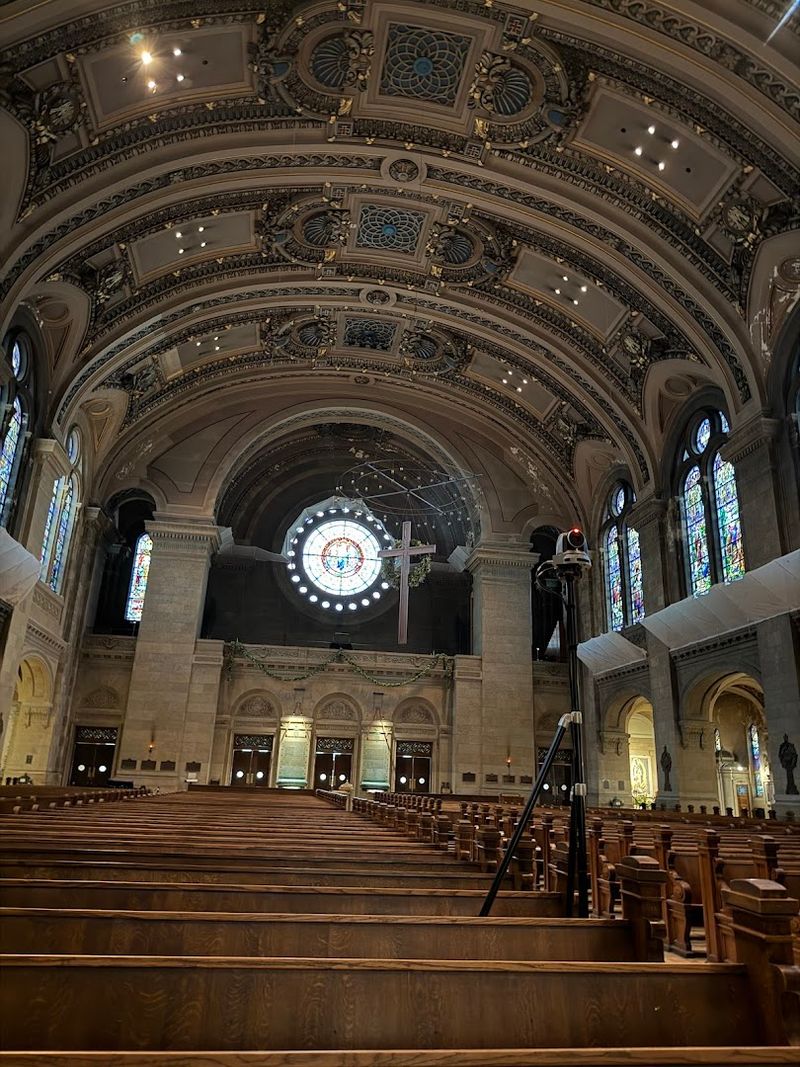
Maintaining a building of this age and complexity is a constant, expensive, and deeply committed effort. The Basilica of Saint Mary has been undergoing phases of restoration for years, with crews working to refresh walls, repaint ceilings, and preserve the original decorative details that make the interior so visually rich.
Even with scaffolding visible in some sections, the ongoing work does not diminish the experience of visiting. If anything, seeing the care being poured into the building gives visitors a deeper appreciation for what it takes to keep a century-old masterpiece standing and thriving in a modern city.
Fundraising events like Luminescence exist specifically to support this restoration work, turning a night out into a contribution to something lasting. The basilica community has shown remarkable dedication to ensuring that future generations inherit a building in even better condition than the one that has served Minneapolis for over a hundred years.
The Basement Museum and Its Hidden Treasures
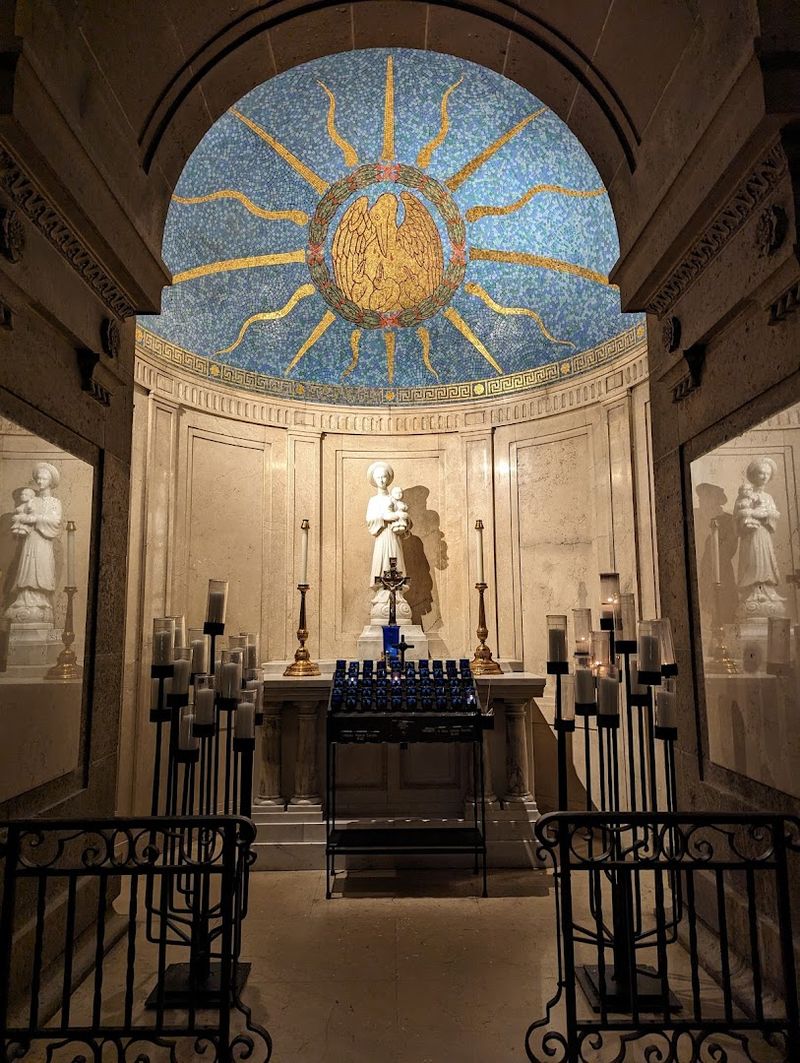
Not everyone knows that beneath the main floor of the Basilica of Saint Mary, there is a small museum worth seeking out. The basement space houses a collection of wooden religious artwork, along with artifacts gathered from various parts of the world over the church’s long history.
The pieces range from intricately carved devotional objects to items that reflect the global reach of the Catholic faith. The collection is modest in size but surprisingly rich in variety, offering a quieter and more intimate counterpoint to the grandeur of the church above.
For visitors who enjoy history and religious art, the basement museum adds genuine depth to a visit that might otherwise focus entirely on the main nave and chapels. It is the kind of discovery that feels like a reward for taking the time to look beyond the obvious, and it gives the basilica yet another reason to earn a second visit from anyone who passes through Minneapolis.
Attending Mass and Experiencing the Choir
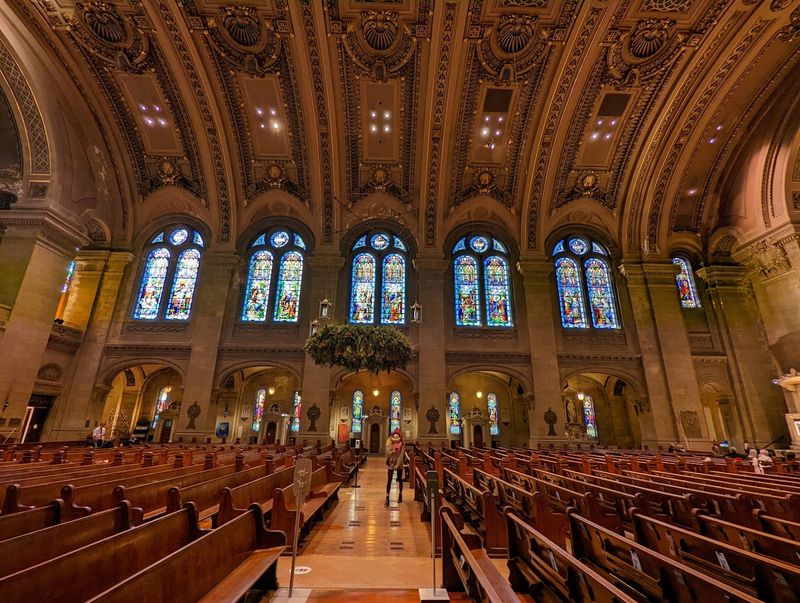
Visiting the Basilica of Saint Mary during a scheduled Mass is an experience that goes well beyond sightseeing. The choir fills the enormous space with voices that seem to multiply as they echo off the stone walls and high ceilings, creating a sound that wraps around you from every direction.
The acoustic quality of the building was clearly part of its original design, and it rewards musical performance in ways that smaller churches simply cannot. Even visitors who do not practice the Catholic faith often find themselves moved by the combination of music, architecture, and atmosphere that a Mass at this basilica provides.
Guided tours are sometimes available after services, offering a brief but informative look at the history of the building and the chapels inside it. Checking the basilica’s website ahead of time helps visitors plan around service schedules and any special events that might be taking place during their visit.
Why This Church Deserves a Spot on Every Minnesota Itinerary
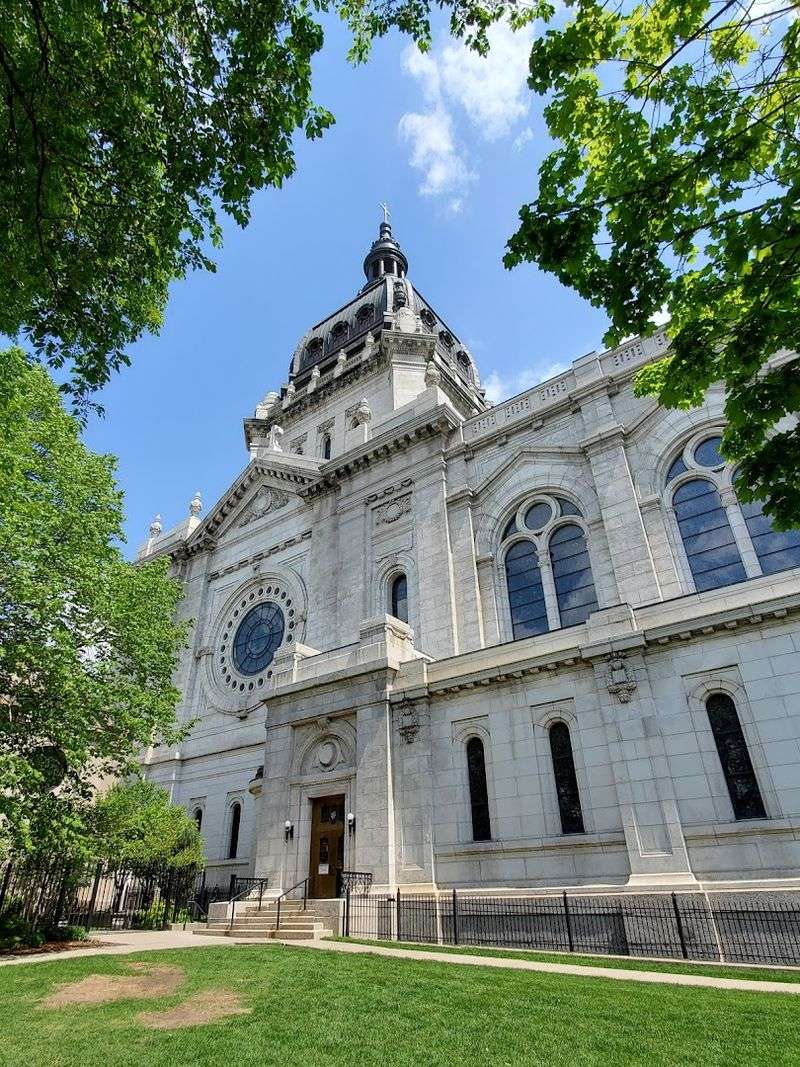
There are plenty of reasons to visit Minneapolis, but few attractions in the city combine history, art, architecture, and spiritual atmosphere the way the Basilica of Saint Mary does. The building is free to enter, open most days of the week, and located close enough to downtown that adding it to any itinerary requires almost no extra effort.
Photography enthusiasts will find both the exterior and interior endlessly rewarding, with details worth capturing in every direction. Travelers interested in American religious history will appreciate the significance of visiting the country’s very first designated basilica on its home turf.
Whether you come for a quiet hour of reflection, a guided look at the art and architecture, or a seasonal event like Luminescence, the Basilica of Saint Mary delivers something that very few buildings in the entire country can offer. Minnesota has a genuine architectural and spiritual landmark here, and it is long past time for the rest of the world to notice it.
Share this story