History is full of moments where fate could have turned out very differently. Some of the world’s most influential leaders, thinkers, and revolutionaries came terrifyingly close to losing their lives before they ever got the chance to leave their mark.
From assassination attempts to battlefield wounds, these close calls make you wonder how different our world might look today. Read on to discover 14 remarkable historical figures who cheated death and went on to shape the course of history.
1. Theodore Roosevelt
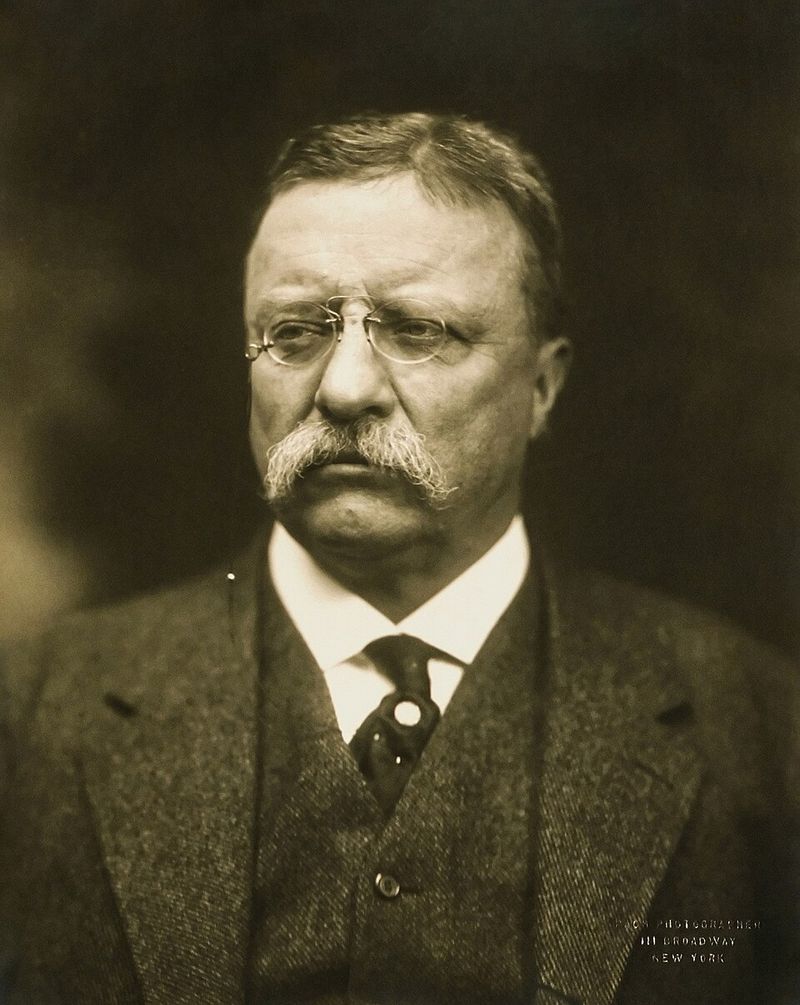
Most politicians would head straight to the hospital after being shot. Not Theodore Roosevelt.
In 1912, while campaigning in Milwaukee, a gunman fired a bullet directly into his chest. By a stroke of extraordinary luck, the bullet passed through a folded 50-page speech and his metal eyeglass case before entering his body.
Roosevelt calmly told the crowd he had been shot before delivering a 90-minute speech. The bullet remained lodged near his ribcage for the rest of his life.
Doctors decided removing it was more dangerous than leaving it in place.
After surviving that harrowing night, Roosevelt continued his political career and remained one of America’s most beloved and energetic leaders. His conservation work, trust-busting policies, and foreign diplomacy left a permanent stamp on the United States.
Few leaders in history have shown that kind of raw, unstoppable determination under pressure.
2. Winston Churchill
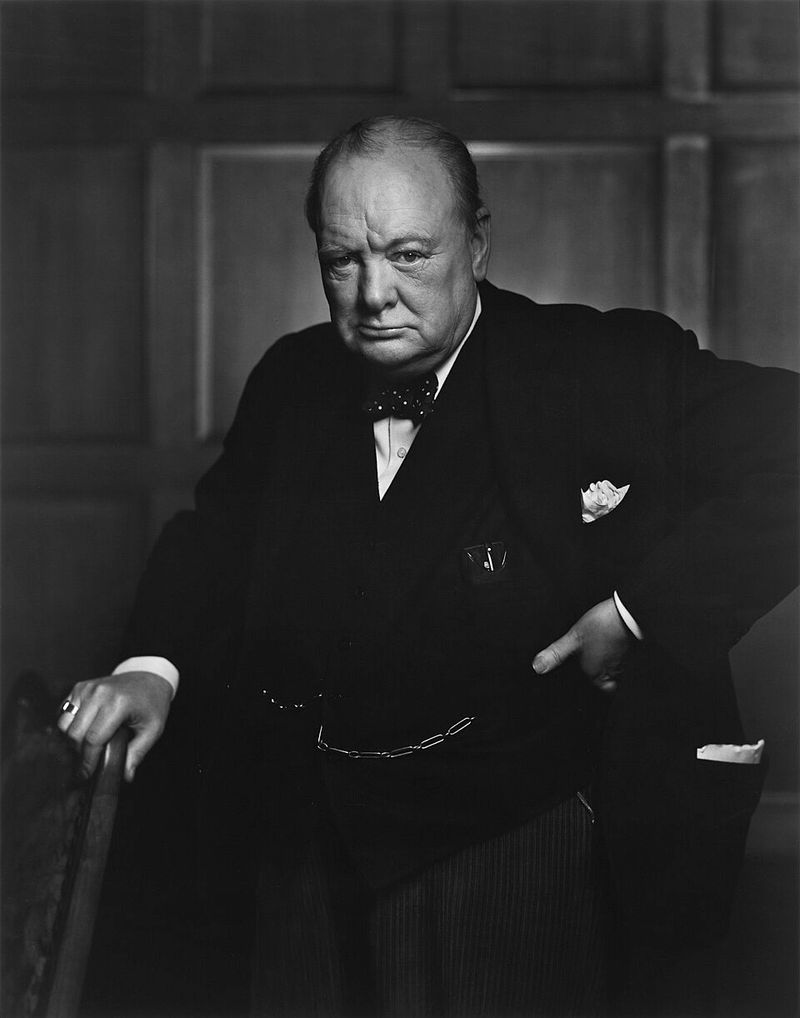
Long before he became the voice of British defiance during World War II, a young Winston Churchill had his own brush with capture and possible death. During the Second Boer War in 1899, Churchill was working as a war correspondent when his armored train was ambushed.
He was taken prisoner by Boer forces and held in a prisoner-of-war camp in Pretoria.
Rather than accept his fate, Churchill scaled the camp wall and slipped away into the night. He traveled nearly 300 miles through enemy territory, hiding in mine shafts and relying on the help of strangers to survive.
His daring escape made headlines worldwide and launched his political career. Had he been recaptured or killed, Britain might never have had the fierce, unyielding wartime leader who rallied an entire nation against Nazi Germany.
Churchill’s escape was arguably one of history’s most consequential jailbreaks.
3. Franklin D. Roosevelt
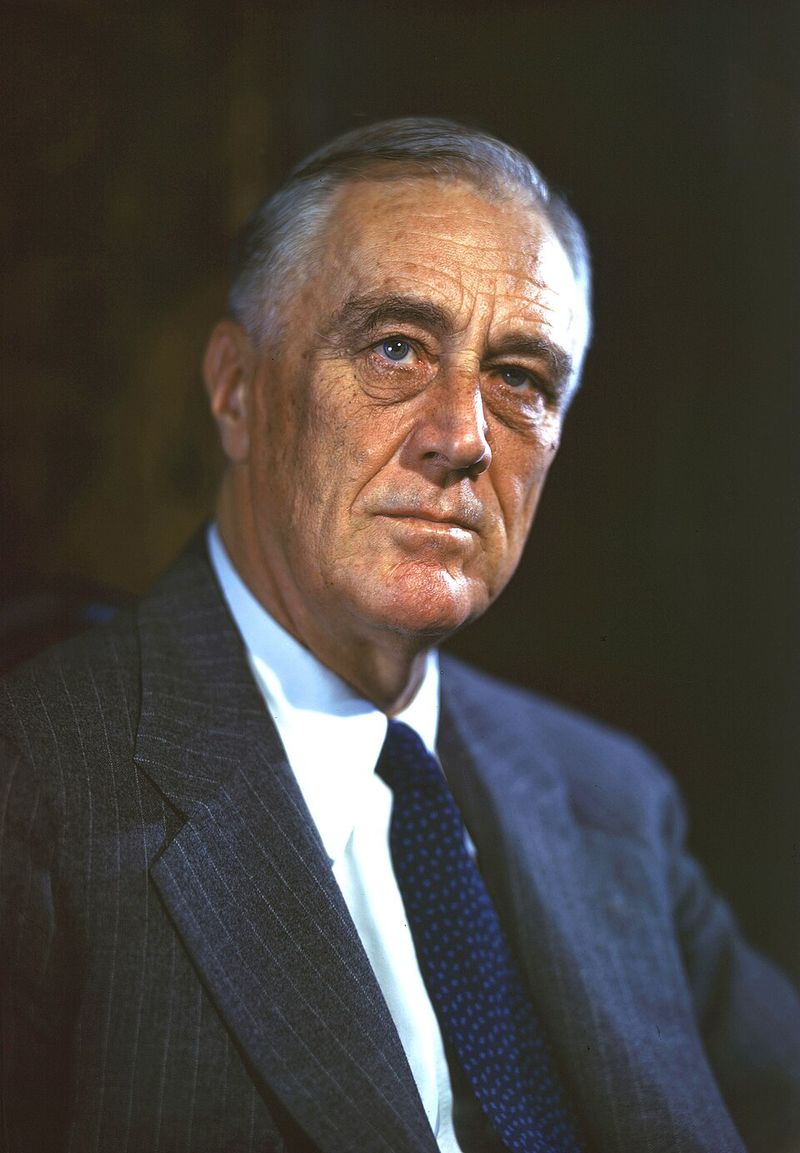
Just weeks before Franklin D. Roosevelt was set to take office as the 32nd President of the United States, a gunman tried to change history.
On February 15, 1933, Giuseppe Zangara fired five shots at Roosevelt’s open car during a public event in Miami’s Bayfront Park. None of the bullets struck Roosevelt directly.
Tragically, Chicago Mayor Anton Cermak, who was standing nearby, was fatally wounded in the attack. Quick-thinking bystanders tackled Zangara before he could fire again.
Roosevelt reportedly remained composed throughout the chaotic scene, which only added to his growing reputation as a steady, unshakeable leader.
Had the bullets found their target that evening, the United States might have faced the Great Depression and World War II without the president who created the New Deal and led the Allied powers to victory. That near-miss in Miami quietly changed the fate of millions of people around the world.
4. Ronald Reagan
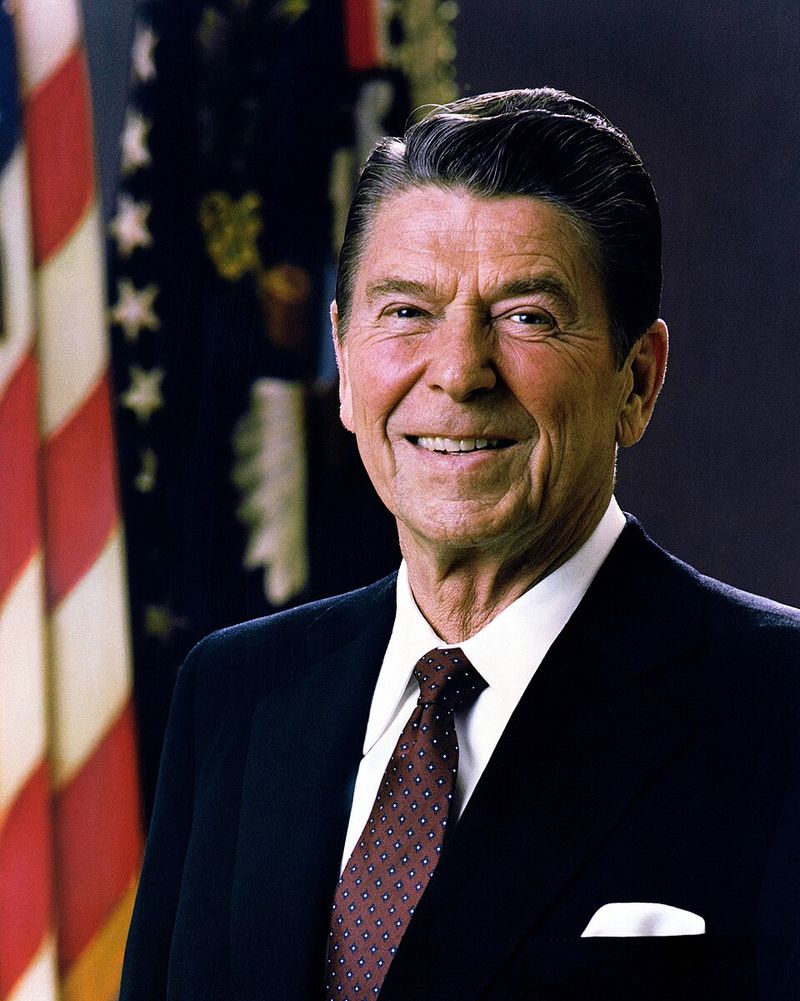
On March 30, 1981, just 69 days into his presidency, Ronald Reagan walked out of the Washington Hilton Hotel and into an ambush. John Hinckley Jr. fired six shots at the president, and one bullet ricocheted off the presidential limousine and pierced Reagan’s lung, stopping less than an inch from his heart.
Reagan was rushed into emergency surgery, cracking jokes with doctors even as his condition was dangerously critical. His lighthearted courage under pressure became legendary.
He reportedly told his wife Nancy, “Honey, I forgot to duck.”
Reagan’s recovery was remarkable, and he returned to office stronger in public approval than before the shooting. He went on to reshape American economic policy, rebuild military strength, and play a pivotal role in ending the Cold War.
His survival that afternoon kept one of the most consequential presidencies of the 20th century on track.
5. Pope John Paul II
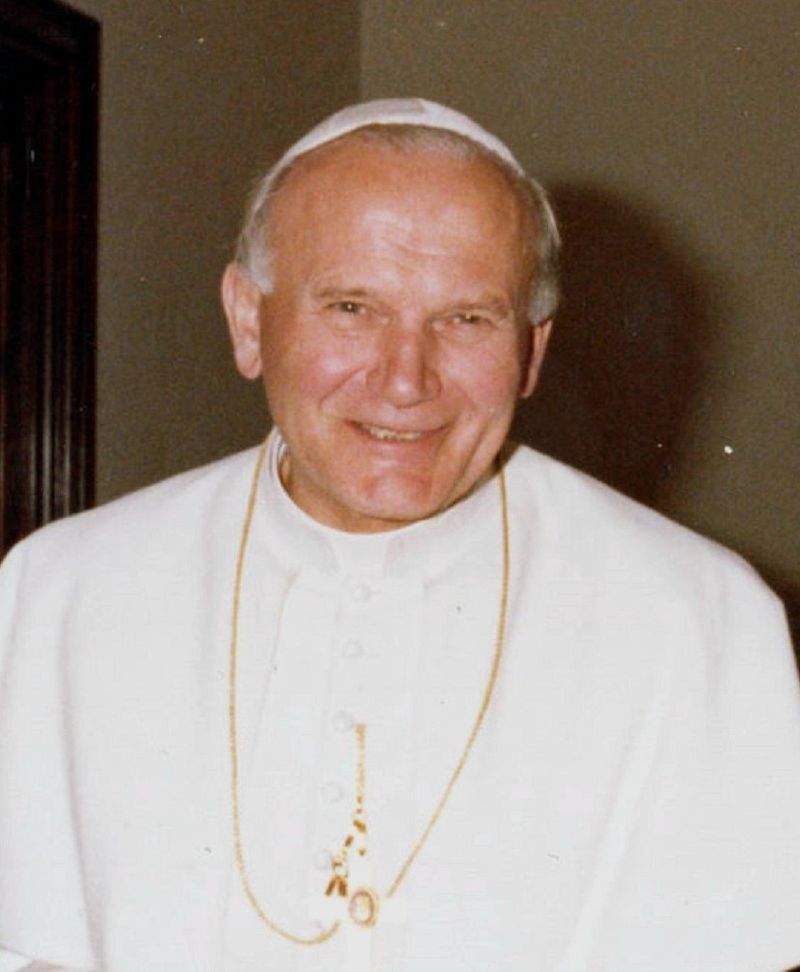
May 13, 1981 began like any other Wednesday audience in St. Peter’s Square. Pope John Paul II was riding through the crowd in his open vehicle when Mehmet Ali Agca fired four shots at close range.
Two bullets struck the pope, one passing through his abdomen and narrowly missing his central aorta. He lost nearly three-quarters of his blood volume.
Surgeons worked for five hours to save his life, and the pope spent months recovering. What happened next surprised the world: John Paul II personally visited his attacker in prison and forgave him.
That act of forgiveness became one of the most talked-about moments of his papacy.
He lived and led the Catholic Church for nearly 24 more years after the shooting. His influence on global politics, particularly in supporting Poland’s Solidarity movement, helped accelerate the peaceful collapse of communism in Eastern Europe.
His survival mattered far beyond the Vatican walls.
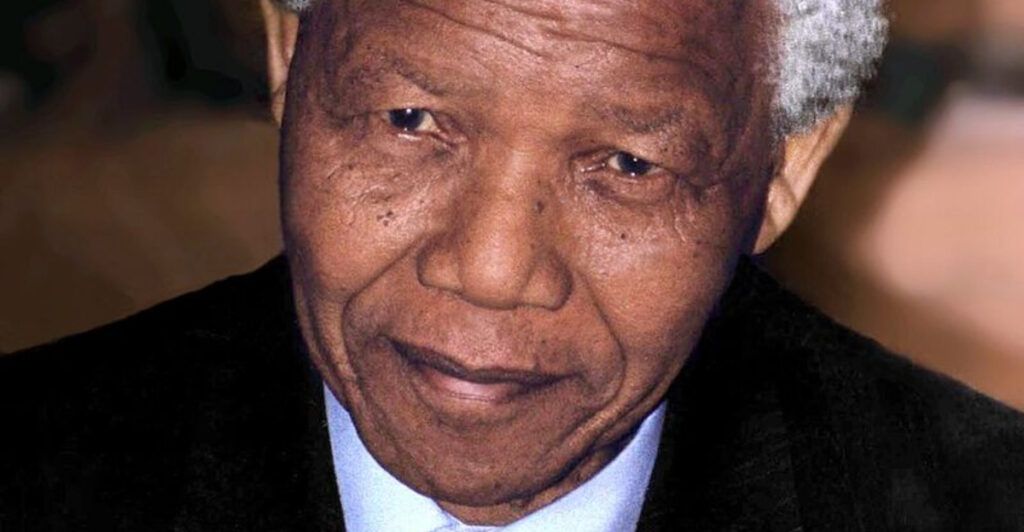
6. Nelson Mandela
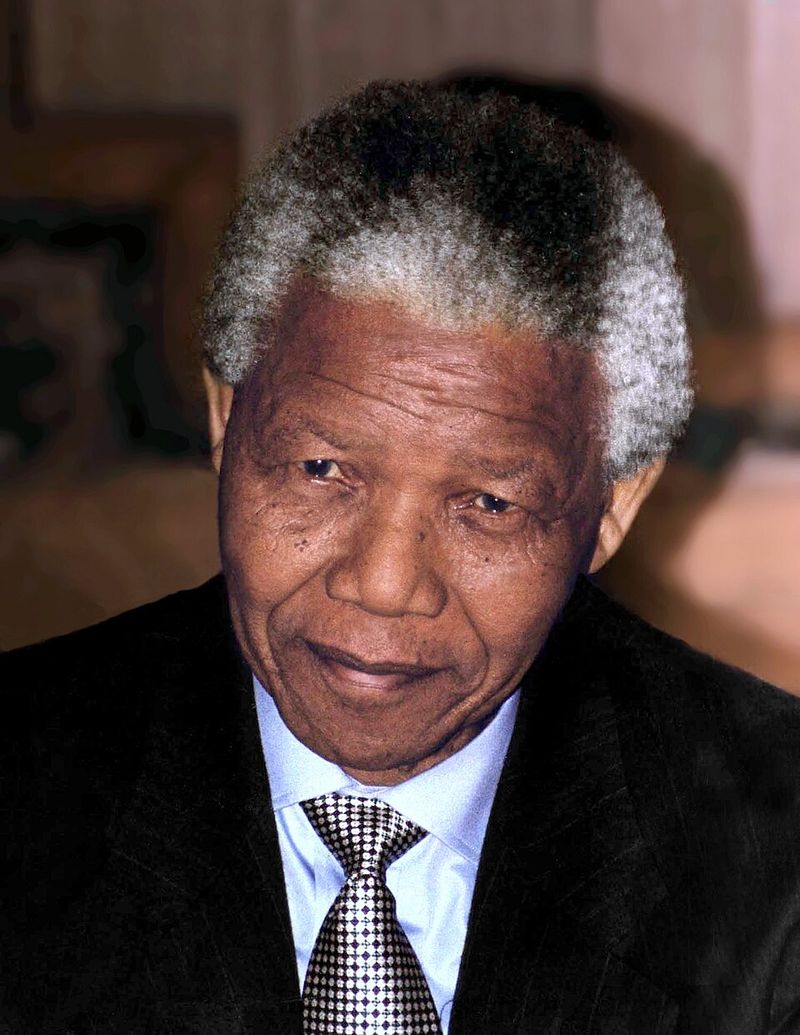
When Nelson Mandela stood in a South African courtroom during the Rivonia Trial in 1963, the prosecutor was pushing for the death penalty. Mandela and his fellow activists had been accused of sabotage and conspiracy against the apartheid government.
The charges carried the possibility of execution, and the world held its breath.
Instead, Mandela was sentenced to life imprisonment on Robben Island, where he would spend 27 years. Rather than breaking him, those years sharpened his resolve and deepened his moral authority.
His famous courtroom statement, that he was prepared to die for a democratic South Africa, became one of history’s most powerful speeches.
When Mandela finally walked free in 1990, he emerged not bitter but committed to reconciliation. He became South Africa’s first democratically elected Black president in 1994 and helped guide a deeply divided nation toward peaceful transition.
The world is genuinely better because he lived.
7. Queen Elizabeth I
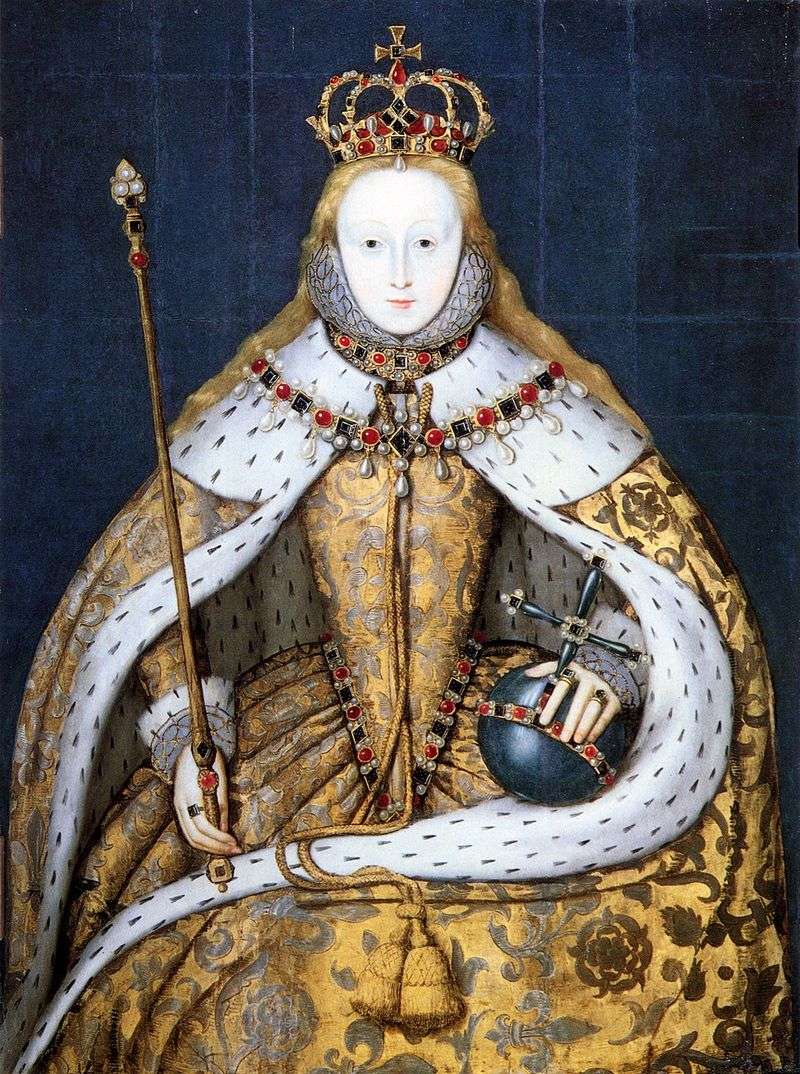
Before Elizabeth Tudor became one of England’s greatest monarchs, she lived under the very real threat of execution. In 1554, during her half-sister Queen Mary I’s reign, Elizabeth was locked in the Tower of London on suspicion of involvement in Wyatt’s Rebellion against the crown.
Many people expected her to be beheaded, just as her mother Anne Boleyn had been.
Elizabeth maintained her innocence with remarkable composure, and no solid evidence linking her to the rebellion was ever produced. After two months, she was released and placed under house arrest at Woodstock.
Her survival was far from guaranteed, and it required both luck and extraordinary political intelligence.
When she finally took the throne in 1558, Elizabeth went on to preside over a golden age of English culture, exploration, and naval power. Her 45-year reign transformed England into a major world power.
Without that narrow escape from the Tower, the Elizabethan Era might never have happened.
8. Martin Luther King Jr.
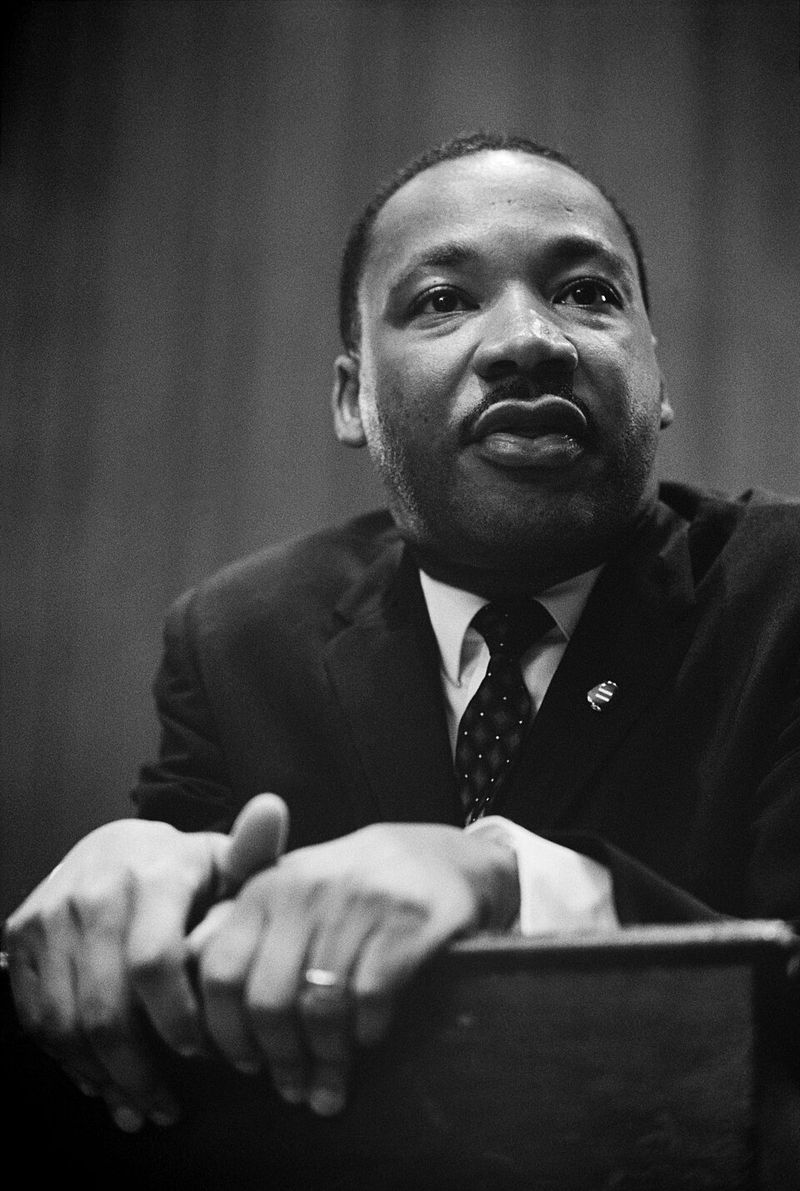
A decade before James Earl Ray took his life on a Memphis motel balcony, Martin Luther King Jr. came heartbreakingly close to death in a Harlem department store. In September 1958, a woman named Izola Curry walked up to King while he was signing copies of his book and plunged a letter opener deep into his chest.
The blade came to rest right next to his aorta.
Surgeons later told King that a simple sneeze could have caused the blade to rupture that major artery, killing him instantly. The delicate operation to remove it took several hours.
King spent weeks recovering in the hospital.
Those extra ten years of life that followed gave the world the March on Washington, the “I Have a Dream” speech, the Civil Rights Act of 1964, and the Voting Rights Act of 1965. One woman’s act of violence nearly erased one of history’s most transformative voices before he fully found it.
9. George Washington
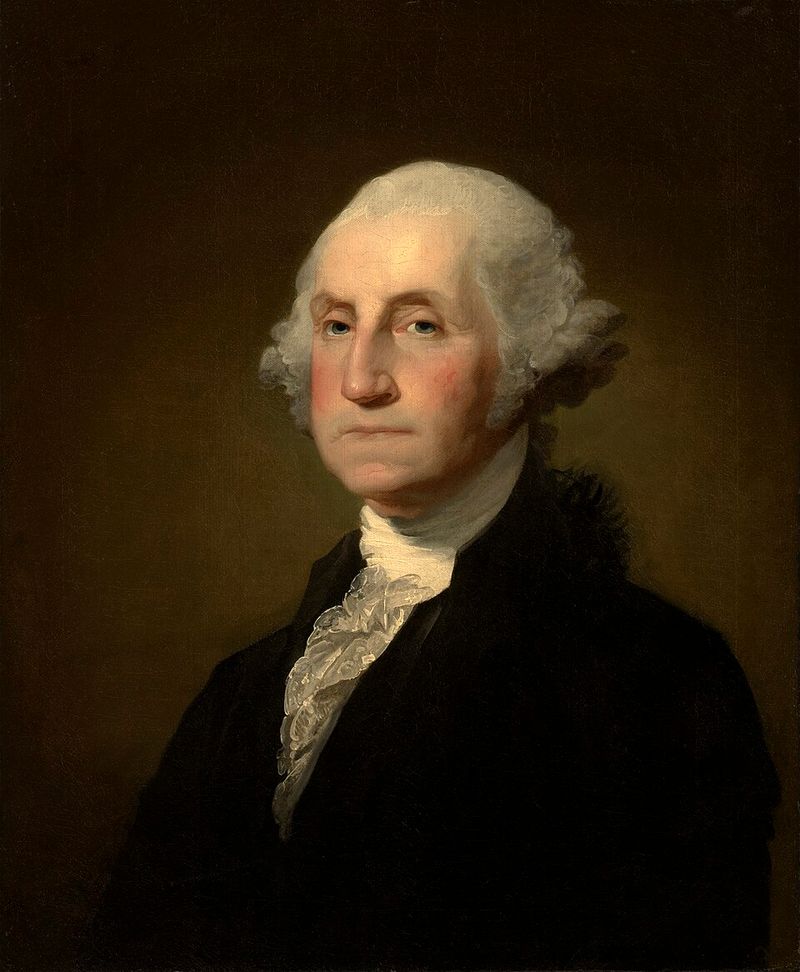
Long before he became the father of a nation, George Washington survived a battle that should have killed him several times over. At the Battle of Monongahela in 1755 during the French and Indian War, Washington rode back and forth through a storm of musket fire to rally retreating troops.
Two horses were shot out from under him. Four bullets tore through his coat without touching his skin.
Native American warriors who fought on the opposing side reportedly told their leaders afterward that Washington seemed protected by a higher power, as no bullet seemed able to find him. Washington himself wrote to his brother that he had been saved by the “all-powerful dispensation of Providence.”
That battlefield experience forged the military confidence Washington would later carry through the Revolutionary War. Without his survival that day, the American Revolution might have lacked its most essential commander and the United States a founding father.
10. Napoleon Bonaparte
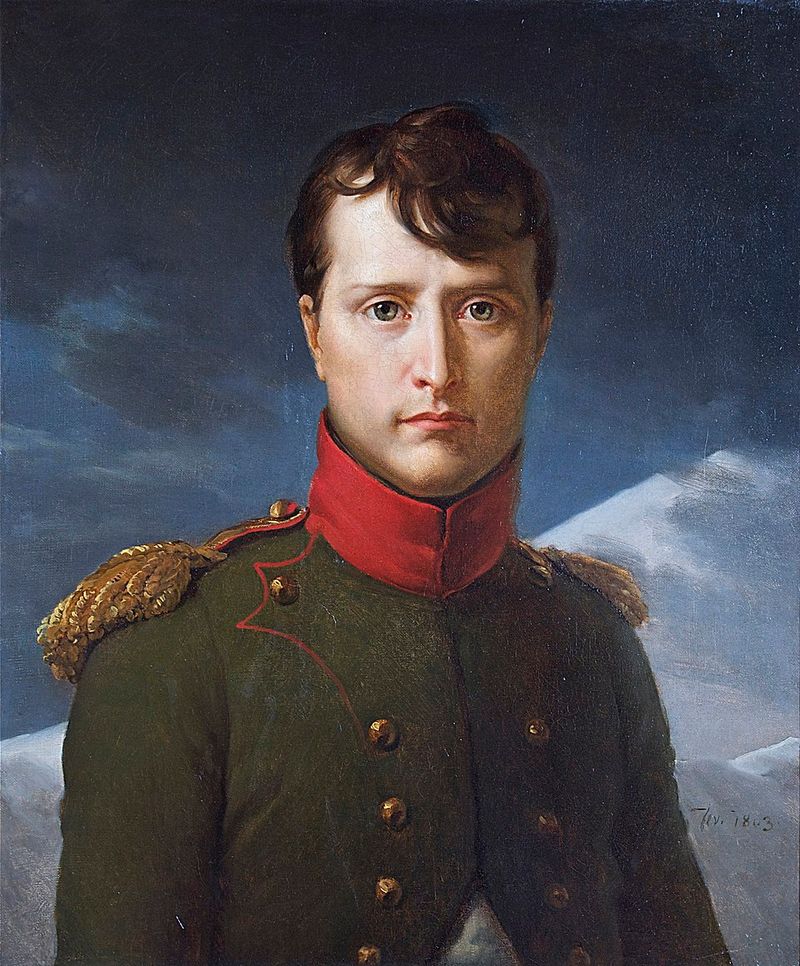
On Christmas Eve 1800, Napoleon Bonaparte narrowly avoided being blown to pieces on a Paris street. Royalist conspirators had packed a cart with explosives, a device the press called the “Infernal Machine,” and positioned it along the route Napoleon’s carriage would travel to the opera.
The bomb exploded just seconds after his carriage passed.
The blast killed at least 22 people and injured dozens more. Napoleon escaped without a scratch, reportedly because his coachman had been driving unusually fast that evening.
Some historians note that Napoleon had also been dozing in the carriage, which may have delayed his usual instructions to slow down.
Rather than intimidating him, the attack hardened Napoleon’s grip on power. He used the incident to crack down on political opponents and consolidate his authority.
Within four years, he crowned himself Emperor of France. That lucky Christmas Eve kept one of history’s most consequential military minds alive to reshape an entire continent.
11. Julius Caesar
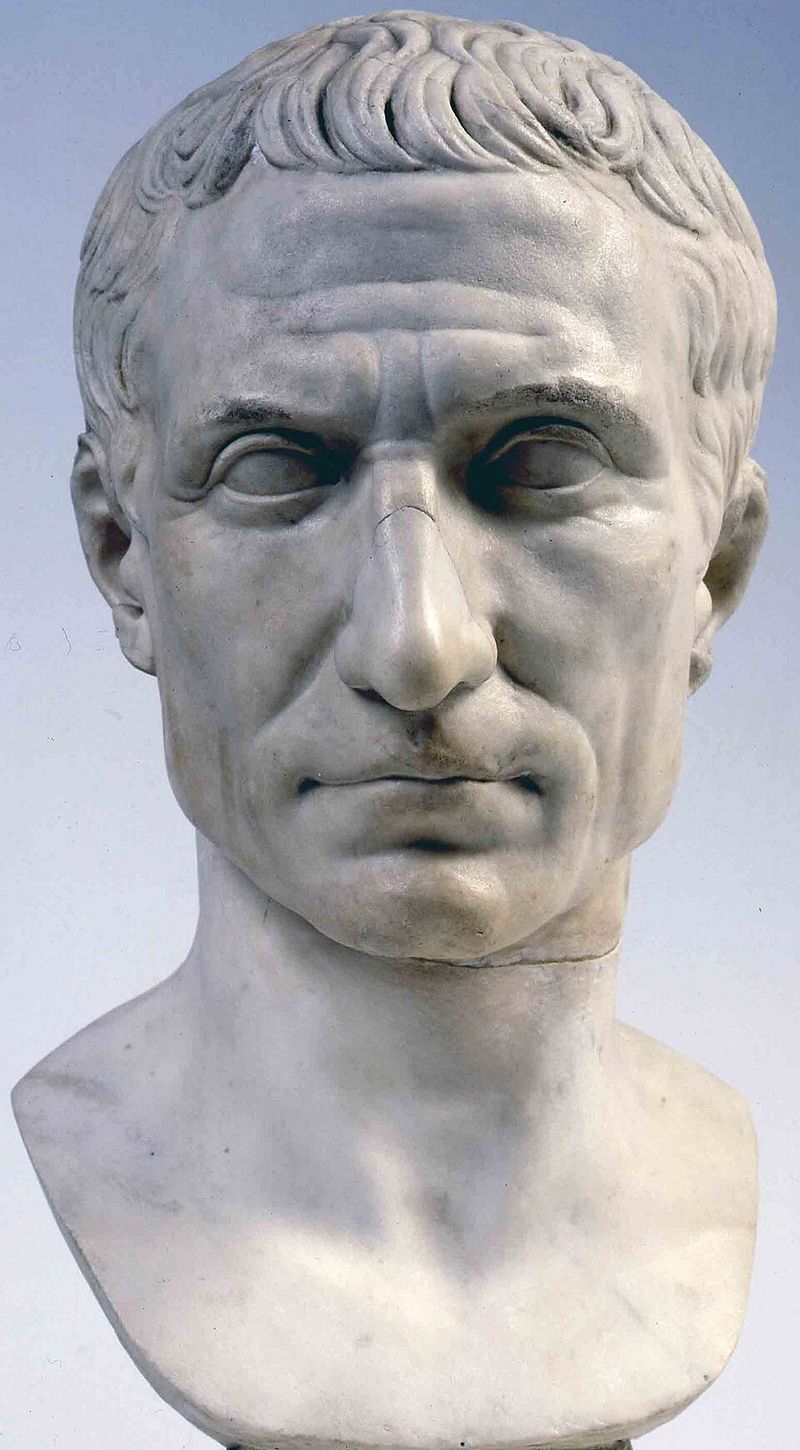
Before Julius Caesar conquered Gaul or crossed the Rubicon, he was a young Roman nobleman with a lot of nerve and very bad luck at sea. Around 75 BC, Cilician pirates captured his ship in the Aegean Sea and held him for ransom.
Rather than cowering, Caesar reportedly laughed at the ransom amount they demanded, calling it too low for a man of his importance.
He spent roughly 38 days on the pirate island, exercising, writing poetry, and bossing his captors around like they were his servants. He even jokingly told them he would return to crucify them all after his release.
They thought he was joking. He was not.
Once freed, Caesar immediately organized a fleet, tracked the pirates down, recovered his ransom money, and had them crucified. That episode revealed the razor-sharp confidence and ruthless follow-through that would define his entire career as Rome’s most powerful leader.
12. Alexander the Great
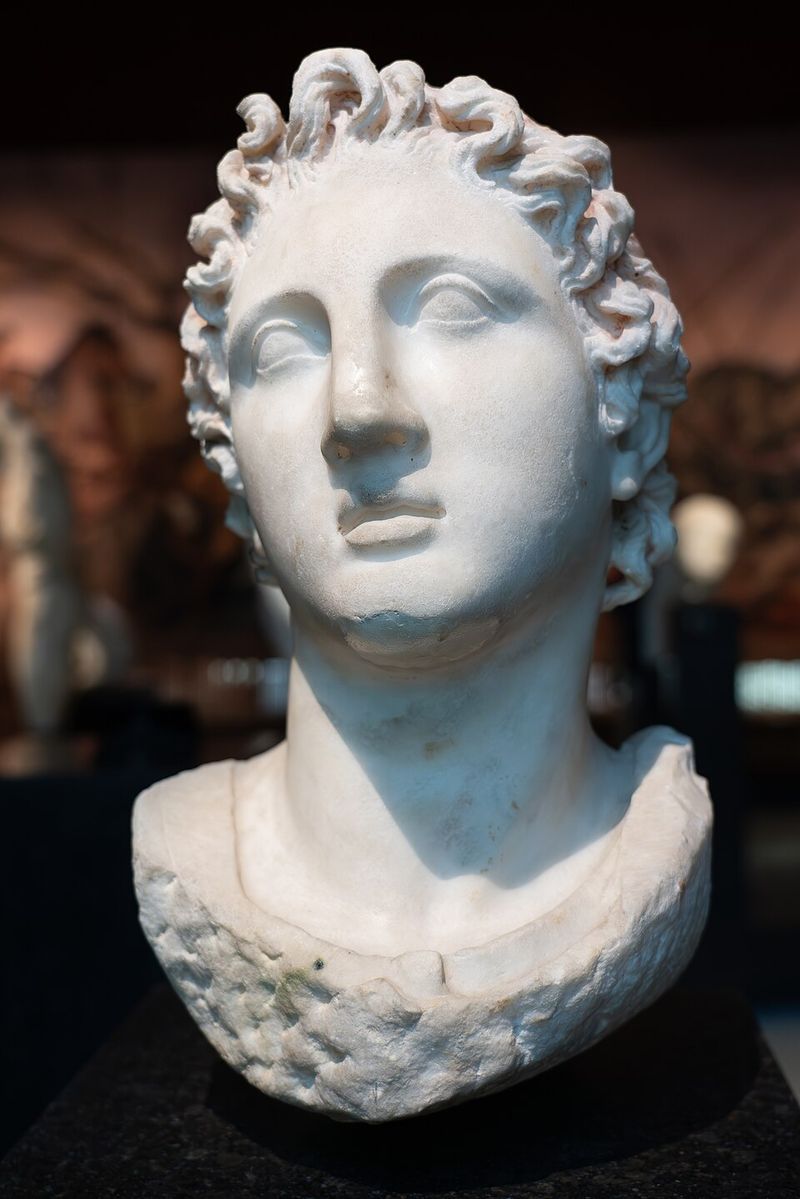
By 326 BC, Alexander the Great had conquered much of the known world, but a siege against the Mallian people in modern-day Pakistan nearly ended everything. During the assault on a fortified city, Alexander leaped over the walls alone ahead of his troops, an impulsive act of heroism that left him dangerously isolated.
An arrow pierced his chest, puncturing a lung.
He collapsed inside the city walls while his panicked soldiers fought desperately to reach him. Ancient sources describe the wound as life-threatening, with one account noting that air escaped from the wound along with blood, a sign of a collapsed lung.
His survival was considered miraculous by those who witnessed it.
Alexander recovered enough to continue commanding, though his health never fully stabilized afterward. He died just three years later at only 32.
Yet those final years still shaped the cultural blending of Greek and Eastern civilizations, a legacy historians call Hellenism that echoes through art, science, and philosophy to this day.
13. Mahatma Gandhi
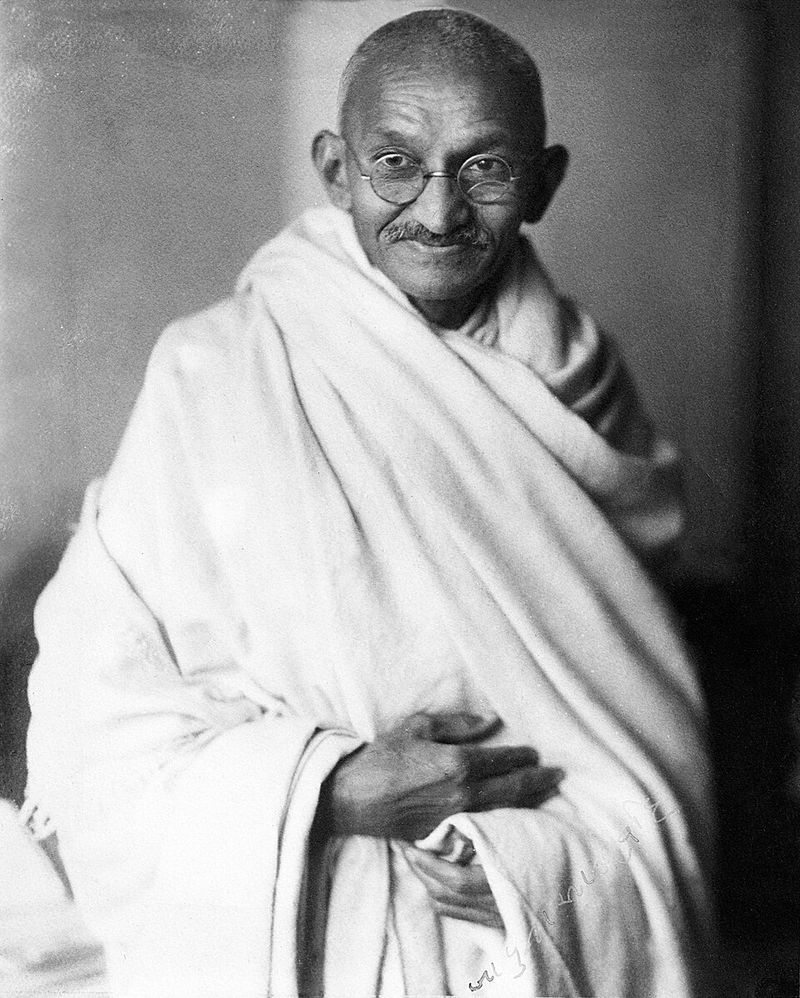
Nathuram Godse’s bullets ended Mahatma Gandhi’s life on January 30, 1948, but that was not the first time someone had tried to kill him. Gandhi survived multiple earlier assassination attempts that could have silenced India’s independence movement years before it reached its goal.
One of the most notable came just ten days before his death, when a bomb exploded at a prayer meeting he was attending in New Delhi.
Gandhi was unhurt in that attack, and he reportedly showed no outward fear. He continued holding public prayer meetings even after being warned of additional threats, refusing to let violence alter his routine or his message of nonviolent resistance.
Those extra years Gandhi gained by surviving earlier attempts allowed him to guide India through its final push for independence from British rule in 1947. His philosophy of peaceful protest inspired civil rights leaders around the world, including Martin Luther King Jr. His survival, however temporary, shaped the moral language of an entire century.
14. Charles de Gaulle
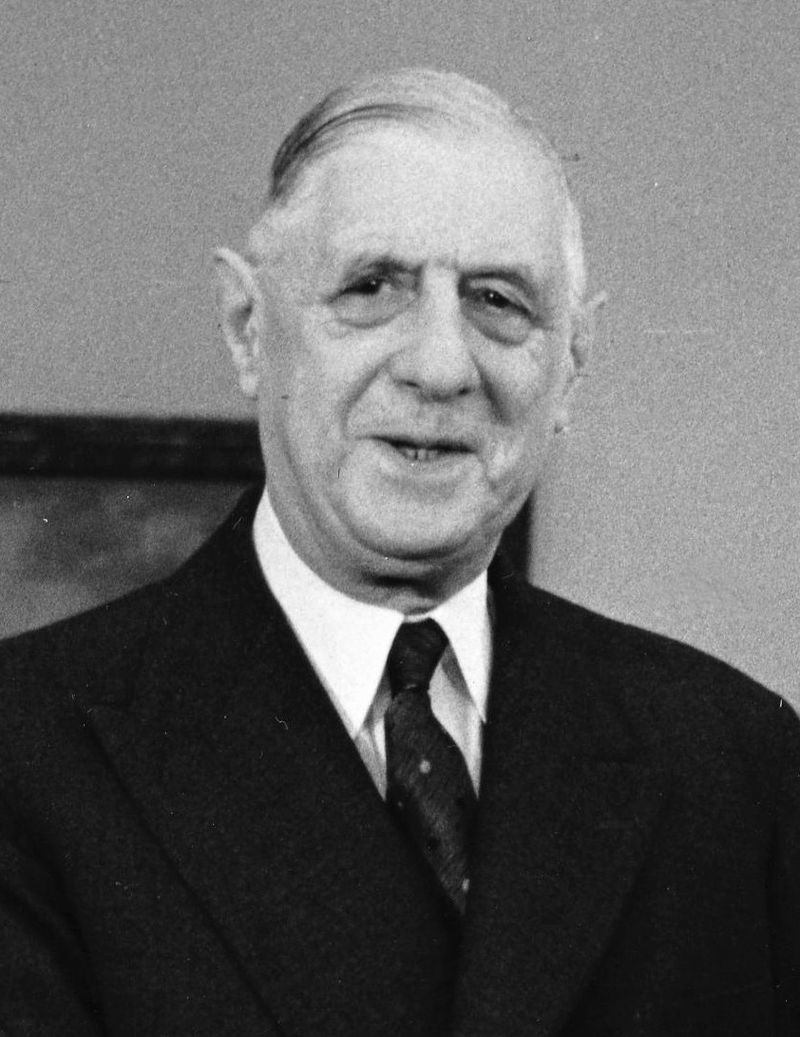
Charles de Gaulle survived more than 30 assassination attempts during his life, a record that is almost as remarkable as his political career. The most dramatic came on August 22, 1962, near the Paris suburb of Petit-Clamart.
Members of a far-right military organization opened fire on his motorcade with automatic weapons, firing more than 140 bullets at his car. Twelve bullets hit the vehicle.
De Gaulle and his wife walked away unharmed.
De Gaulle reportedly stepped out of the riddled car, brushed glass off his jacket, and commented dryly on the poor aim of his attackers. His composure became the stuff of legend in France.
The attack was so dramatic it later inspired Frederick Forsyth’s famous 1971 novel, “The Day of the Jackal.”
After surviving that night, de Gaulle continued reshaping modern France, guiding it through Algerian independence and establishing the strong presidential system that still governs the country today. His survival was France’s good fortune.
Share this story