Idaho is known for its rugged mountains, vast wilderness, and wide-open skies, but there is another side to the Gem State that most travel guides leave out. Behind the scenic beauty lies a collection of places so unsettling that even the most skeptical visitors have left with goosebumps and unanswered questions.
From crumbling ghost towns frozen in time to caves that seem to swallow light whole, Idaho has more than its fair share of locations that make the hair on the back of your neck stand up. Some of these spots have documented histories of strange events reported by multiple witnesses over many decades.
Others carry legends so old they have become part of the local culture. Whether you are a hardcore paranormal enthusiast or just someone who enjoys a good spine-tingling story, this list has something to make you think twice before turning off the lights.
Keep reading, because some of these places are far stranger than anything you could make up.
1. Old Idaho Penitentiary, Boise, Idaho
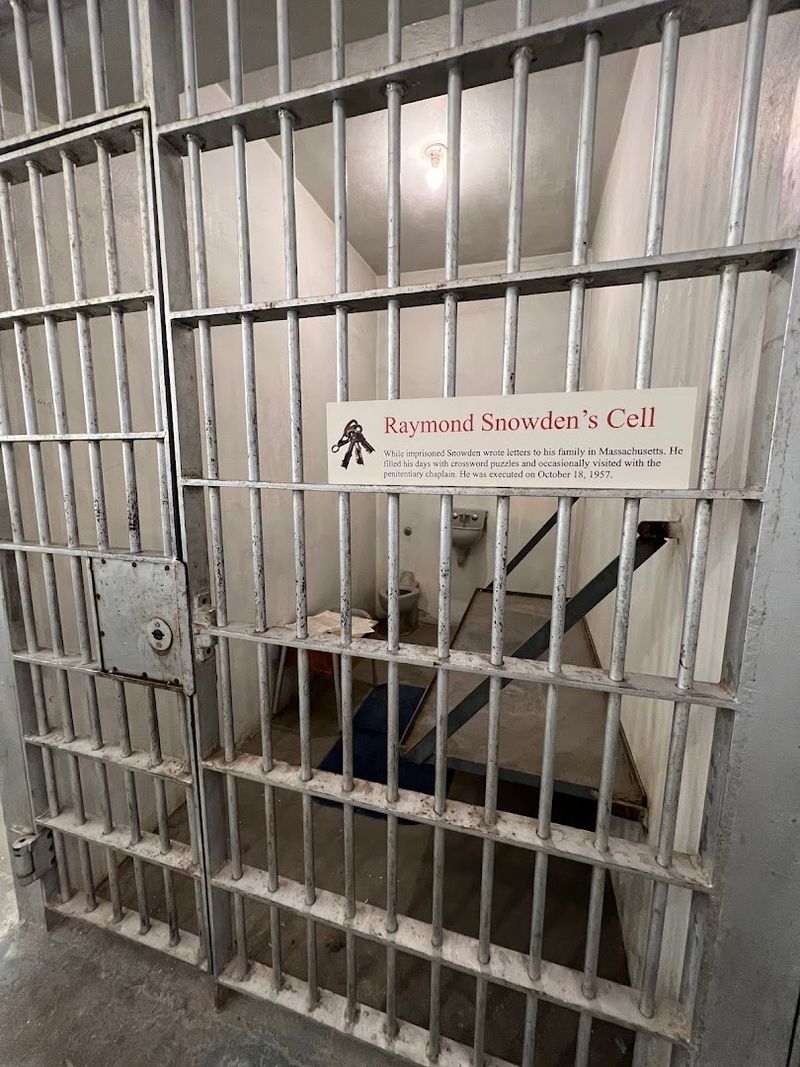
Over 10,000 convicts passed through these sandstone walls during the prison’s 101 years of operation, and according to many visitors, not all of them left.
The Old Idaho Penitentiary opened in 1872 and closed in 1973 after a series of violent riots, largely fueled by brutal living conditions that included extreme temperatures and no indoor plumbing.
Today it operates as a historic site open to the public, but the tours are anything but ordinary.
Raymond Allen Snowden, nicknamed “Idaho’s Jack the Ripper,” was executed here in 1957, and staff members have long reported strange activity near “5 House,” where he was held.
Visitors have described phantom footsteps echoing through empty cellblocks, unexplained physical sensations, and shadowy figures appearing in areas that should be completely empty.
The solitary confinement section, known as Siberia, is widely considered the most unsettling part of the entire complex.
More than 100 people lost their lives within these walls, and the weight of that history is something most visitors say they can feel the moment they walk through the gate.
2. Shoshone Ice Caves, Shoshone, Idaho
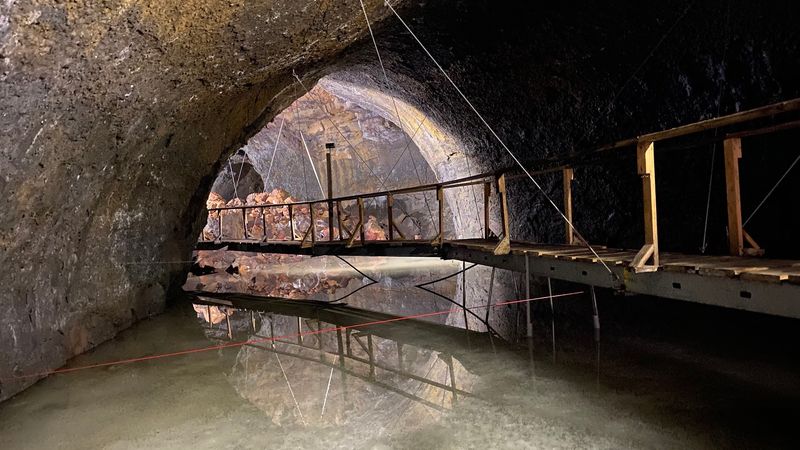
Beneath the sun-baked surface of southern Idaho, a lava tube sits frozen in a permanent deep chill, even when summer temperatures outside climb well above 90 degrees.
The Shoshone Ice Caves formed thousands of years ago through volcanic activity, and the unique structure of the tube traps cold air in a way that keeps ice intact year-round.
That geological quirk is impressive on its own, but the legends surrounding the cave push it into genuinely unsettling territory.
Local lore tells of a Shoshone princess named Edahow who was buried within the ice, and some say her spirit still wanders the cave searching for peace.
Visitors have reported unusual sounds and sightings of what they describe as shadow figures moving through the darker sections of the passage.
A walkway bridge collapse in 2025 added a fresh chapter to the cave’s already complicated reputation.
For anyone who visits, the combination of ancient legend, geological strangeness, and near-total darkness in certain sections makes the Shoshone Ice Caves one of Idaho’s most genuinely memorable and unsettling natural attractions.
3. Haunted Mansions of Albion, Albion, Idaho
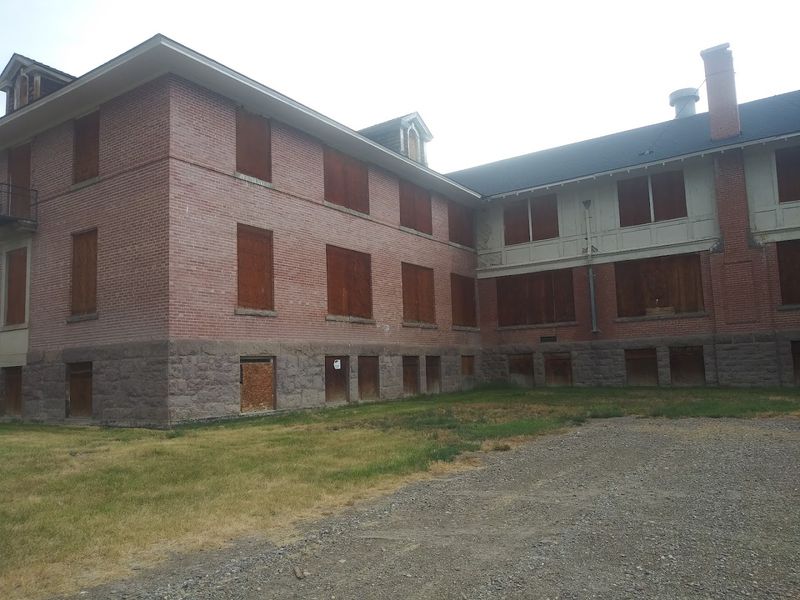
Kamish Hall’s broken windows have been described by more than one visitor as looking like dark, hollow eyes staring blankly across an empty campus.
The Albion State Normal School operated as a teacher training college from 1893 until 1951, when it closed and was largely left to deteriorate.
The buildings that remain have developed a reputation for paranormal activity that goes well beyond seasonal haunted house territory.
Reports of footsteps echoing through empty hallways and doors slamming shut on their own have circulated for years among people who have explored the campus.
Each fall, the site hosts the Haunted Mansions of Albion, a large-scale haunted attraction that uses the real buildings as its backdrop, which means the line between staged scares and actual strangeness gets blurry fast.
Many visitors claim the atmosphere of the campus is unsettling even before any theatrical elements are added.
The aging architecture, the long history of the institution, and the isolated location in small-town Albion all combine to create a place that feels genuinely heavy with the past, not just decorated to look that way.
4. Idaho Hotel, Silver City, Idaho
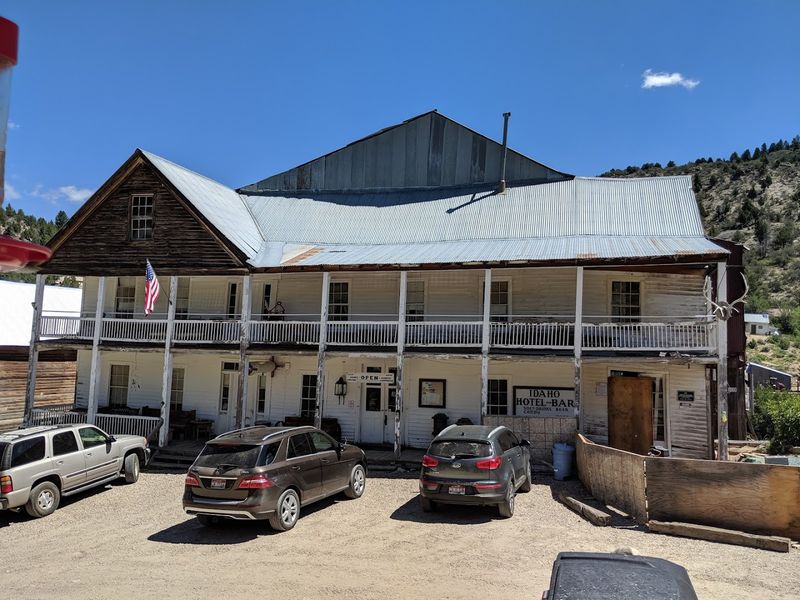
Silver City is one of those places that makes you wonder if time actually stopped rather than just moved on.
Perched in the Owyhee Mountains and accessible only by unpaved road, this ghost town was once a thriving mining hub in the 1860s and 1870s, complete with hotels, newspapers, and a population that had big ambitions.
The Idaho Hotel is the crown jewel of the town’s surviving structures, still operating as a place for guests to spend the night in a setting that has changed remarkably little over the past century.
The floors creak, the walls hold decades of mining-era history, and the remote location means that once night falls, the silence is total.
Photographers who have visited Silver City have mentioned the unsettling feeling of being watched from the upper windows of the hotel, even when no one else is around.
In winter, the roads into Silver City become impassable, and the town sits completely empty for months at a time.
That level of isolation, combined with the preserved frontier-era buildings, gives the Idaho Hotel a character that is equal parts fascinating and deeply eerie.
5. The Brig at Farragut State Park, Bayview, Idaho
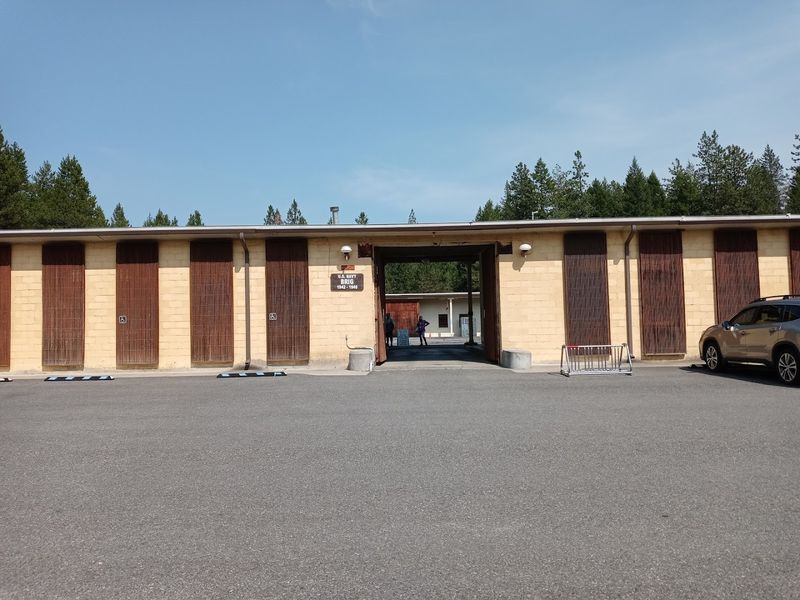
Most people visit Farragut State Park for hiking and lake views, but tucked within the park is a building with a far grimmer backstory than its scenic surroundings suggest.
During World War II, Farragut was home to one of the largest naval training stations in the United States, housing tens of thousands of recruits at its peak.
The Brig served as the station’s military jail, and its stark concrete corridors have a coldness that has nothing to do with temperature.
After the war, the station was decommissioned and much of it was dismantled, but the Brig survived and is now part of the park’s historic attractions.
Visitors who have explored the building describe a persistent sense of unease that is hard to shake, even knowing the facility has been inactive for decades.
Tales of unexplained activity within the structure have circulated among paranormal enthusiasts who specifically seek it out.
The contrast between the natural beauty of Farragut State Park and the heavy, institutional feel of the Brig makes the building stand out in a way that is difficult to ignore once you know it is there.
6. Egyptian Theatre, Boise, Idaho
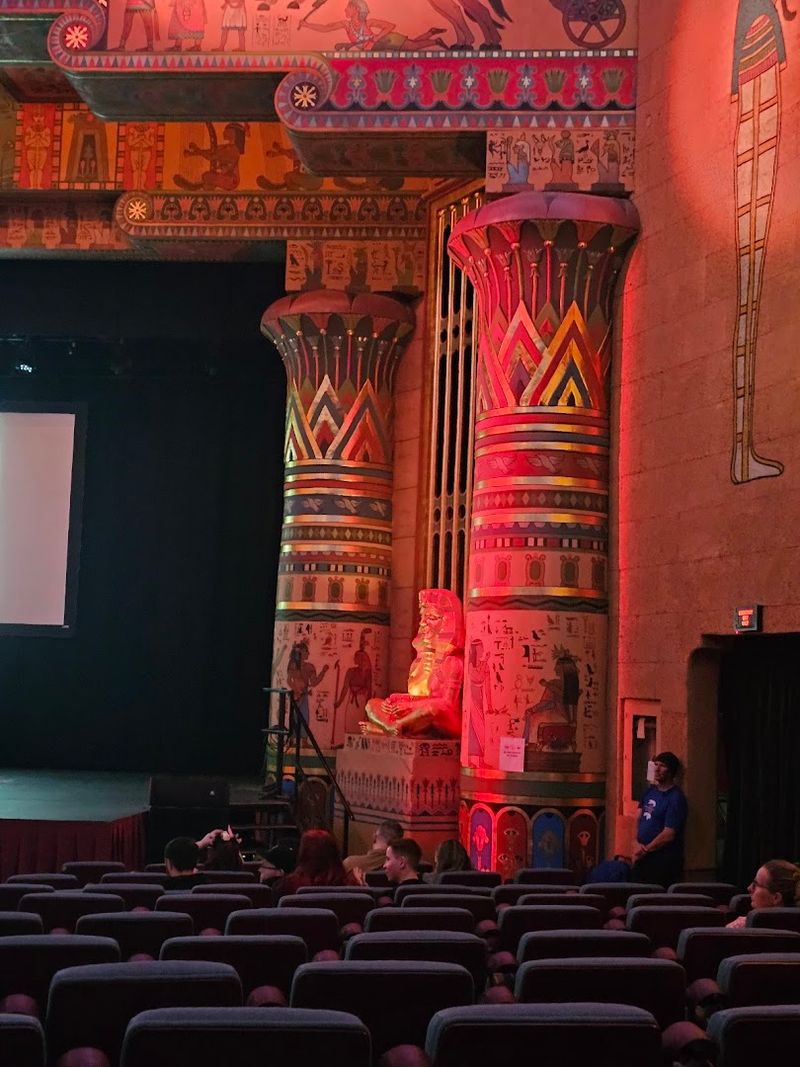
Boise’s Egyptian Theatre is one of the most visually striking buildings in the entire state, but the stories that circulate among its staff involve things that no architect planned for.
Built in 1927, the theater was designed in the Egyptian Revival style that became briefly fashionable after the discovery of Tutankhamun’s tomb in 1922, and the ornate interior has been carefully restored over the years.
The architecture alone is worth the visit, but the theater has accumulated a parallel reputation for unexplained occurrences that has nothing to do with its decor.
Staff members have reported hearing unexplained noises when the building is empty and seeing shadowy figures in areas that should have no one in them.
These reports have come from multiple people across different periods of time, which makes them harder to dismiss as simple overactive imagination.
The Egyptian Theatre continues to operate as a functioning venue for films and live events, which means the reported strangeness coexists with regular public programming.
That combination of active cultural venue and persistent ghost stories gives the Egyptian Theatre a dual identity that Boise locals have largely embraced with curious enthusiasm.
7. Burke Ghost Town, Burke, Idaho
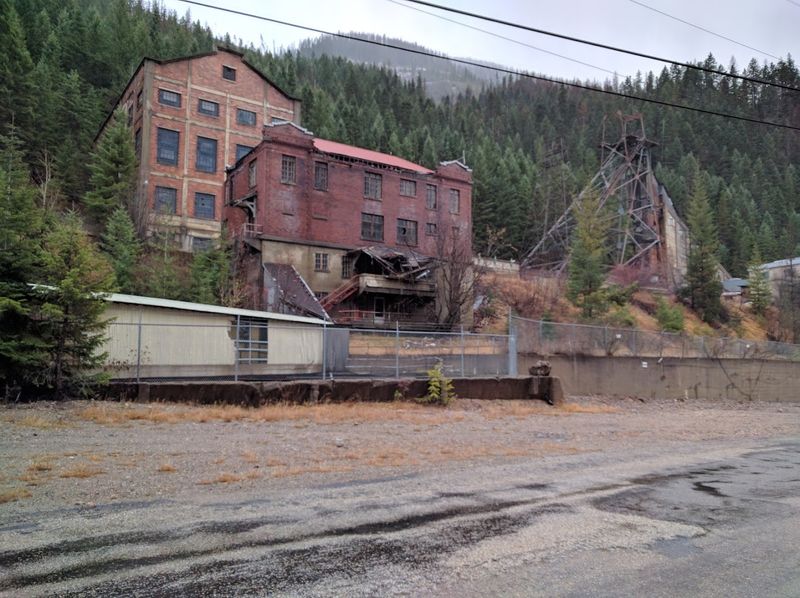
Burke is the kind of ghost town that geography made strange long before it became abandoned.
The town was built inside a canyon so narrow that the main street, the creek, the railroad tracks, and the buildings all had to share essentially the same strip of land, with structures stacked practically on top of one another.
At its peak in the late 1800s and early 1900s, Burke was a productive silver mining community with thousands of residents and a busy commercial district crammed into that tight canyon space.
Today, weathered remnants of that era cling to the canyon walls in various states of collapse, creating a landscape that feels genuinely frozen mid-story.
The near-total absence of people combined with the density of old structures makes Burke one of the more atmospheric ghost towns in the Pacific Northwest.
Visitors often describe the experience of wandering through Burke as deeply disorienting, because the canyon’s narrow shape means there is no wide view, just close walls and old wood on all sides.
That enclosed, claustrophobic quality gives the town an edge that more open ghost towns simply do not have.
8. Kuna Caves, Kuna, Idaho
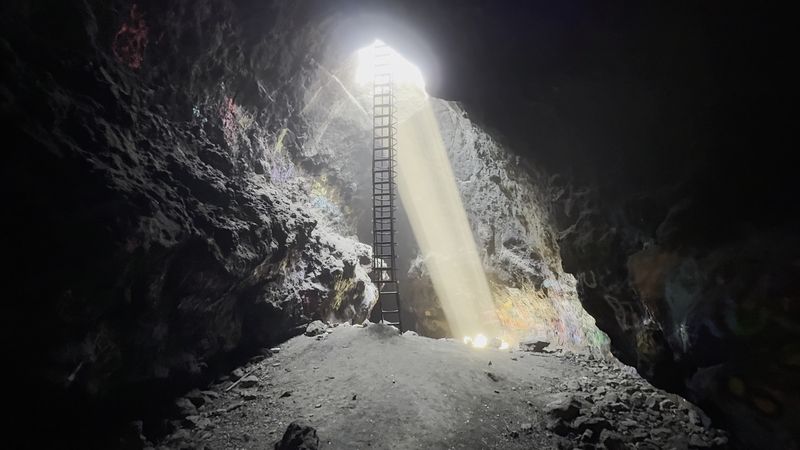
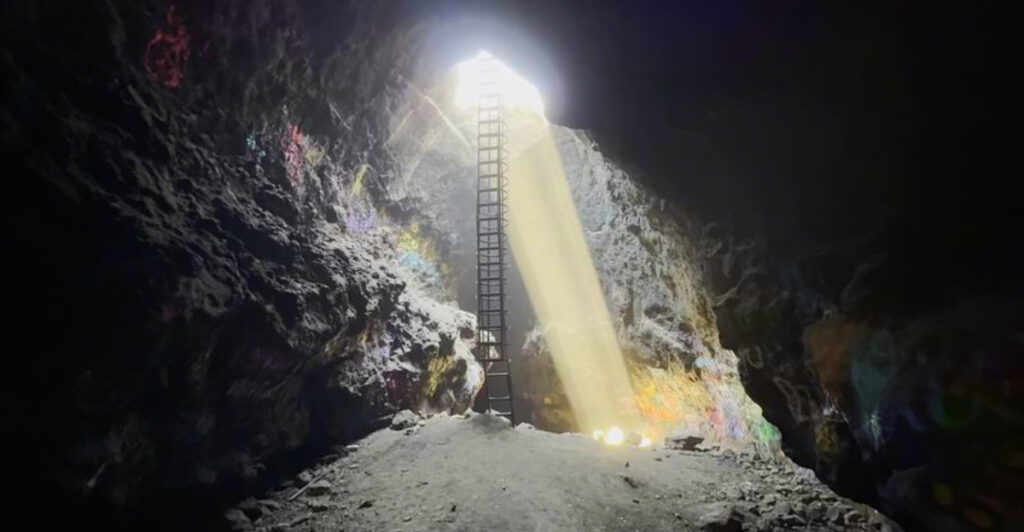
Right on the edge of a quiet Idaho town, a hole in the ground drops into a lava tube that stretches far enough into the dark that a flashlight becomes non-negotiable.
Kuna Caves is a publicly accessible lava tube that formed during ancient volcanic activity, and it sits in stark contrast to the flat, dry landscape surrounding it.
The cave itself is not commercialized or heavily managed, which means visitors largely experience it on their own terms, without guided tours or installed lighting to soften the edges.
That raw, unmanaged quality is part of what makes Kuna Caves stand out among Idaho’s underground attractions.
The passage extends deep enough that the entrance light disappears entirely, leaving explorers in complete darkness if their light source fails.
Rough volcanic walls and the cave’s irregular shape make navigation genuinely challenging in spots, adding a physical element to the psychological unease of being underground.
Local visitors have used the cave for decades, and its reputation as an accessible but genuinely adventurous spot has made it a consistent draw for curious residents and tourists who want something a little more off the beaten path than a standard scenic overlook.
9. Wilson Butte Cave, Jerome County, Idaho
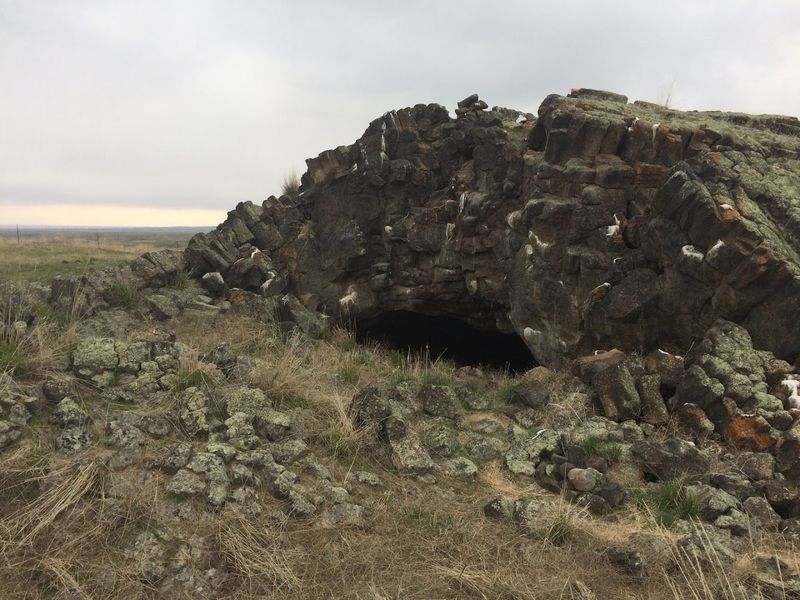
Archaeologists working at Wilson Butte Cave uncovered evidence of human presence dating back at least 14,500 years, making it one of the oldest documented human occupation sites in the entire Pacific Northwest.
The cave sits in Jerome County, rising from a flat basalt landscape that stretches in every direction with very little to interrupt it, which gives the site a stark, isolated quality that is hard to describe without experiencing it.
It was excavated in the 1950s by archaeologist Ruth Gruhn, whose findings helped reshape understanding of how early people moved through the region.
The artifacts recovered included animal bones and stone tools that told a story of survival in a landscape that was very different from what exists there today.
Visiting Wilson Butte Cave now means standing at a site where humans have stood for thousands of generations, which is the kind of fact that tends to make the surrounding silence feel heavier than usual.
The cave is not a major tourist destination, and that low-key status actually adds to its appeal for people drawn to places with genuine historical weight.
Few spots in Idaho carry the kind of deep, layered history that Wilson Butte Cave holds in its ancient walls.
10. Niter Ice Cave, Grace, Idaho
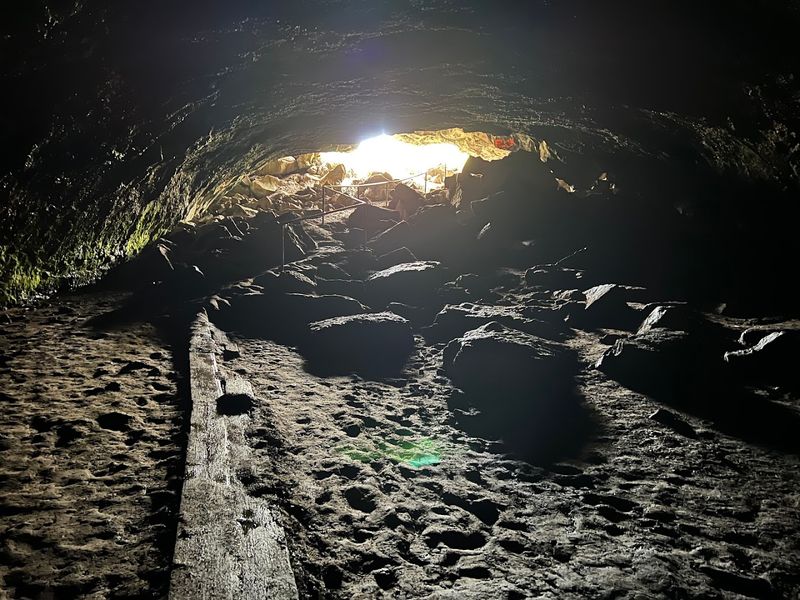
Early settlers in southeastern Idaho knew exactly what Niter Ice Cave was good for: free refrigeration in a region where keeping food cold was a serious practical challenge.
Located near the town of Grace, this natural cave maintains temperatures cold enough to preserve ice year-round, thanks to the same kind of cold-air trapping geology found in other Idaho lava formations.
Settlers harvested ice from the cave during warmer months, hauling it out for use in homes and businesses before modern refrigeration made that practice unnecessary.
Today the cave is open to visitors, and the experience of descending into its cold, dark interior during a hot summer day is genuinely striking.
The shadowy depths of the cave and the unusual silence that fills the passage give it an atmosphere that lingers in the memory long after you have returned to the surface.
Unlike some of Idaho’s more famous caves, Niter Ice Cave draws a quieter crowd, which means visits here tend to feel more personal and less like a group attraction.
That quietness, combined with the cave’s history and its year-round chill, makes it one of the more understated but genuinely memorable stops on any Idaho oddities itinerary.
Share this story