Prison has often been intended to break people, yet some of history’s most influential figures produced their most important work while behind bars. From powerful letters and political writings to ideas that reshaped nations, imprisonment sometimes became an unlikely stage for lasting impact.
The individuals on this list include activists, writers, leaders, and thinkers who refused to let confinement define them. Their stories reveal how resilience, conviction, and creativity can endure even under the harshest circumstances – and how influence can extend far beyond prison walls.
1. Nelson Mandela, Robben Island, Pollsmoor & Victor Verster Prisons, South Africa
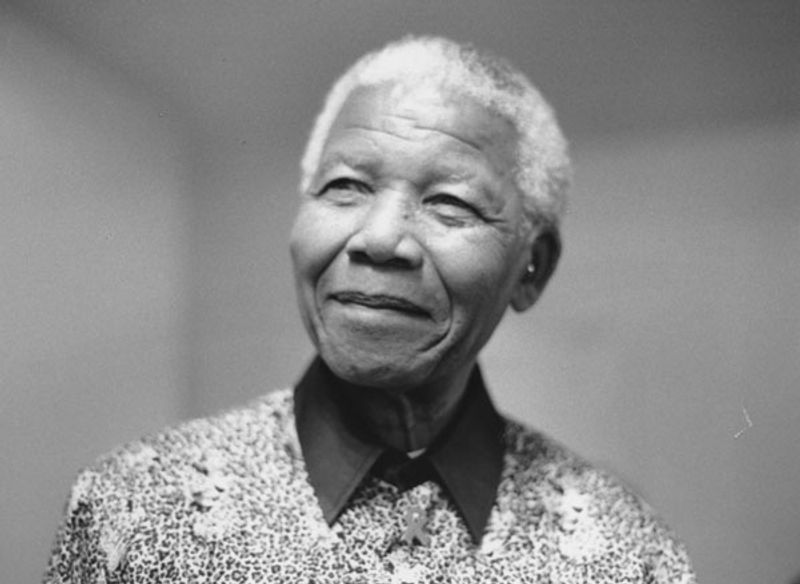
Few people in modern history managed to grow more powerful the longer they were kept away from public life. Nelson Mandela entered Robben Island in 1964 as a convicted anti-apartheid activist and emerged in 1990 as the undisputed moral leader of a global movement.
During 27 years of confinement, Mandela refused to compromise his political principles, even when the apartheid government offered him conditional release in exchange for renouncing armed resistance. He declined.
That refusal became a defining act that elevated his status far beyond South Africa’s borders.
International pressure to free him grew steadily through the 1970s and 1980s, with governments, universities, and artists worldwide rallying around his name. By the time he walked free in February 1990, he commanded more political authority than many elected heads of state.
He won the Nobel Peace Prize in 1993 and became South Africa’s first democratically elected president in 1994.
2. Martin Luther King Jr., Birmingham Jail, Alabama, United States
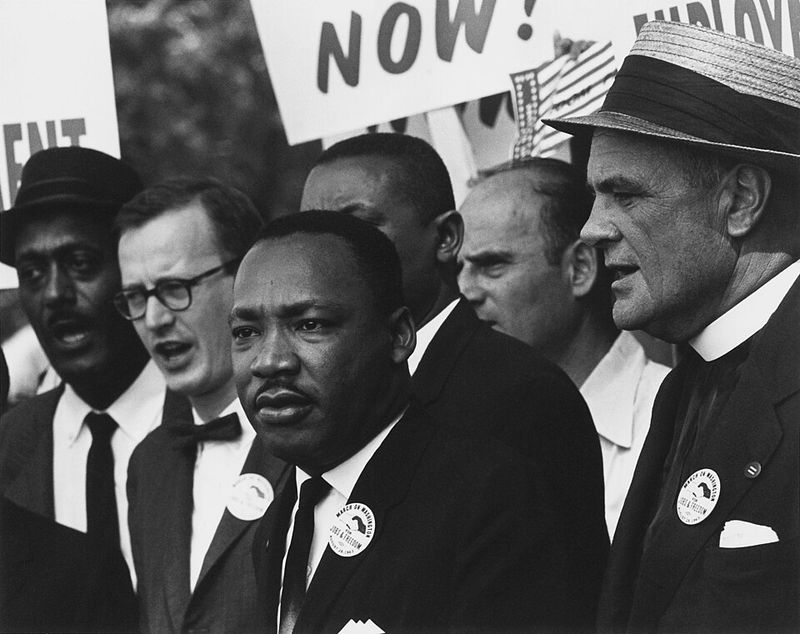
What began as a routine arrest during a 1963 civil rights march in Birmingham, Alabama, turned into one of the most consequential moments in American political writing. Authorities expected confinement to quiet King.
Instead, it gave him time to write.
King composed his now-famous Letter from Birmingham Jail on scraps of newspaper and toilet paper, responding directly to white clergymen who had urged him to slow the movement. The letter made a clear, methodical case for nonviolent direct action and the moral urgency of civil rights reform.
Published widely in newspapers and pamphlets, the letter reached millions of readers across the country and abroad. It shifted public opinion at a critical moment in the Civil Rights Movement.
King’s arrest, rather than undermining his credibility, demonstrated his willingness to accept personal consequences for his convictions. His national profile expanded significantly in the months that followed, building momentum toward the March on Washington later that same year.
3. Antonio Gramsci, Turi Prison, Italy
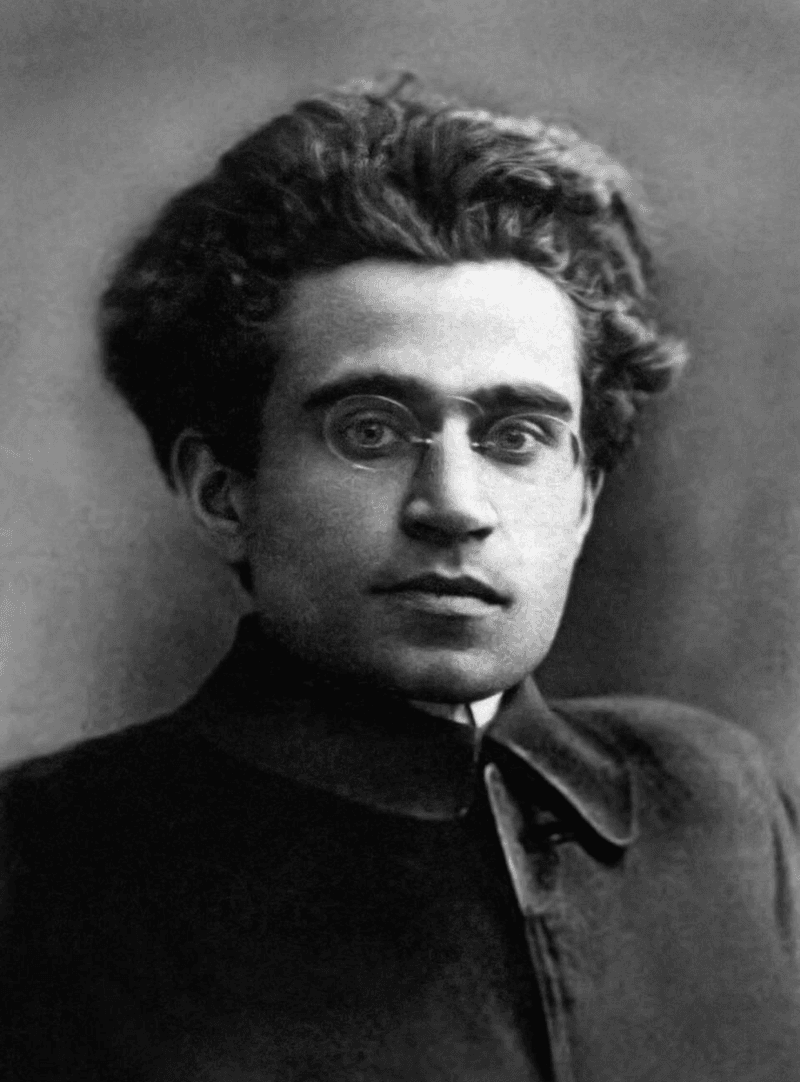
Mussolini’s fascist regime sent Antonio Gramsci to prison in 1926 with a prosecutor reportedly declaring the goal was to stop his brain from functioning for twenty years. The plan failed spectacularly.
Gramsci spent the following decade writing what would become the Prison Notebooks, a collection of over 3,000 pages of political theory, cultural analysis, and historical observation. He developed foundational concepts including cultural hegemony, the role of intellectuals in society, and the relationship between civil society and state power.
His health deteriorated significantly behind bars, but his output did not. The notebooks were smuggled out of prison and eventually published after his passing, reaching scholars across Europe, Latin America, and beyond.
By the mid-20th century, Gramsci’s ideas had become central to political science, sociology, and cultural studies curricula worldwide. His influence on left-wing political thought rivals that of far more prominent historical figures, making his imprisonment one of the most intellectually productive periods of the 20th century.
4. Václav Havel, Various Prisons, Czechoslovakia
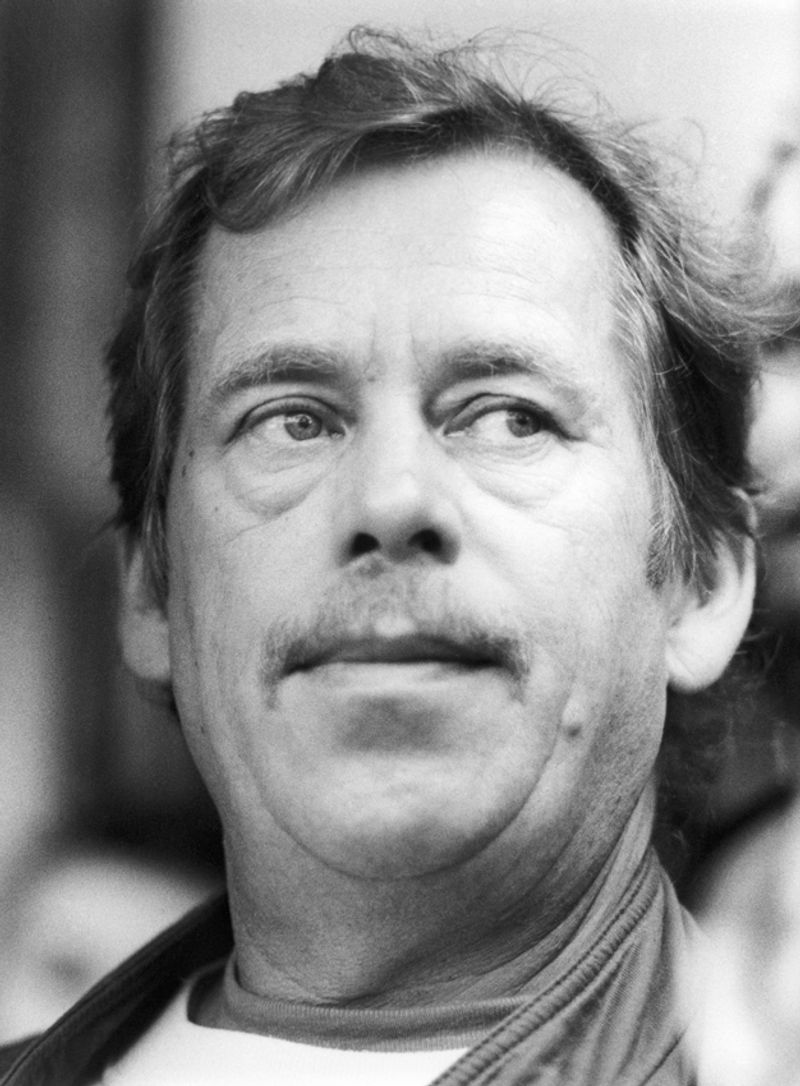
Playwright, essayist, and political dissident Václav Havel spent a combined total of nearly five years in Czechoslovak prisons during the 1970s and 1980s, primarily for his opposition to the communist government. Each period of detention added to his reputation rather than diminishing it.
Havel had co-founded Charter 77, a human rights declaration signed by hundreds of Czech and Slovak intellectuals, and the authorities viewed him as a persistent threat. His essays written before and during imprisonment, particularly The Power of the Powerless from 1978, circulated widely through underground networks and were read across Eastern Europe and the West.
His writings argued that ordinary citizens had the power to resist authoritarian systems by simply refusing to participate in official lies. When the communist government collapsed during the Velvet Revolution of 1989, Havel’s moral authority was so firmly established that he was elected president of Czechoslovakia within weeks.
Prison had made him the most credible democratic voice in the country.
5. Mahatma Gandhi, Yerwada Central Jail & Other Prisons, India
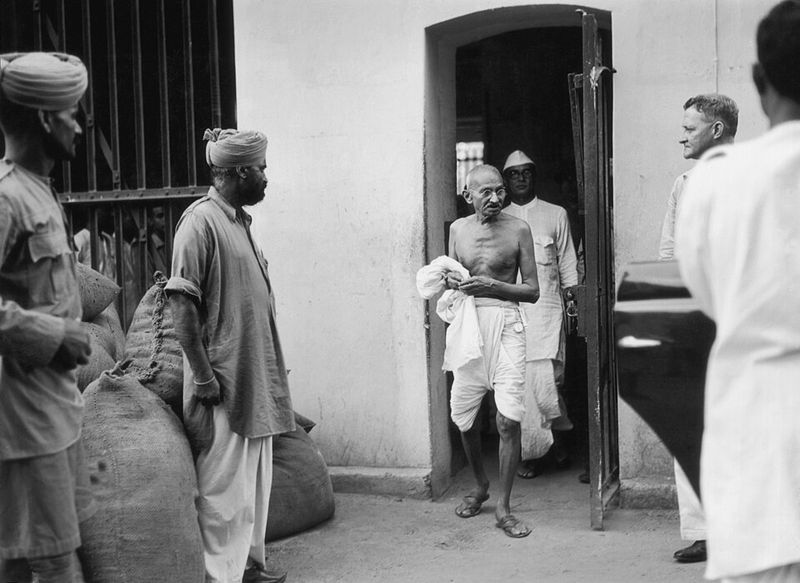
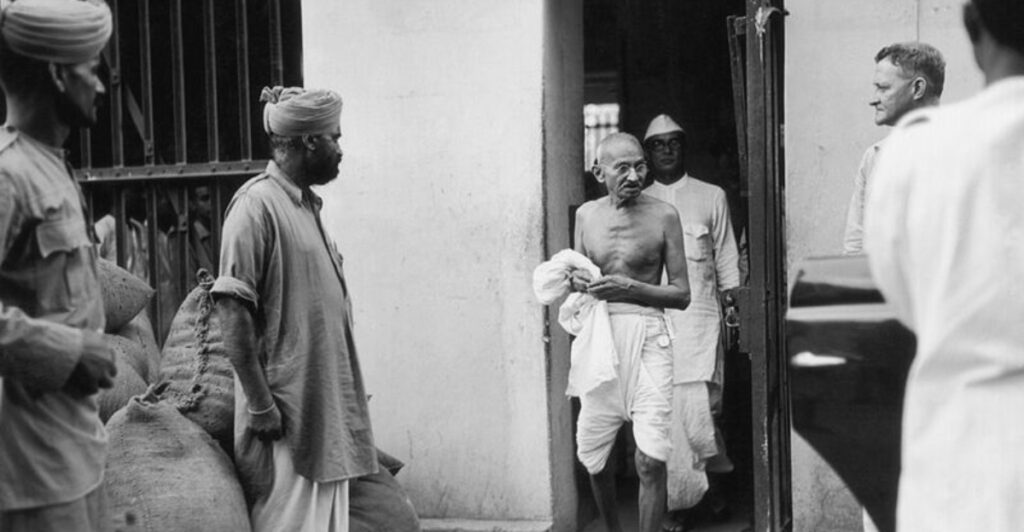
Gandhi spent a total of about six years across multiple British colonial prisons in India and South Africa over the course of his political career, and each imprisonment strengthened rather than weakened the independence movement he led.
Colonial authorities repeatedly hoped that removing Gandhi from public life would disrupt the momentum of the Indian National Congress. The opposite occurred.
Each arrest generated international press coverage, drew sympathy from British citizens and politicians, and inspired larger demonstrations across India.
His 1930 Salt March and subsequent arrest at Yerwada Central Jail became a global news event, with foreign journalists documenting the British government’s response to peaceful protest. The imagery of a slight, nonviolent man being imprisoned for opposing salt taxes proved deeply damaging to Britain’s colonial image worldwide.
Gandhi used his prison time to fast, write, and reflect, emerging each time with renewed public support. His repeated imprisonments became a core part of the strategy that ultimately led to Indian independence in 1947.
6. Lech Wałęsa, Internment During Martial Law, Poland
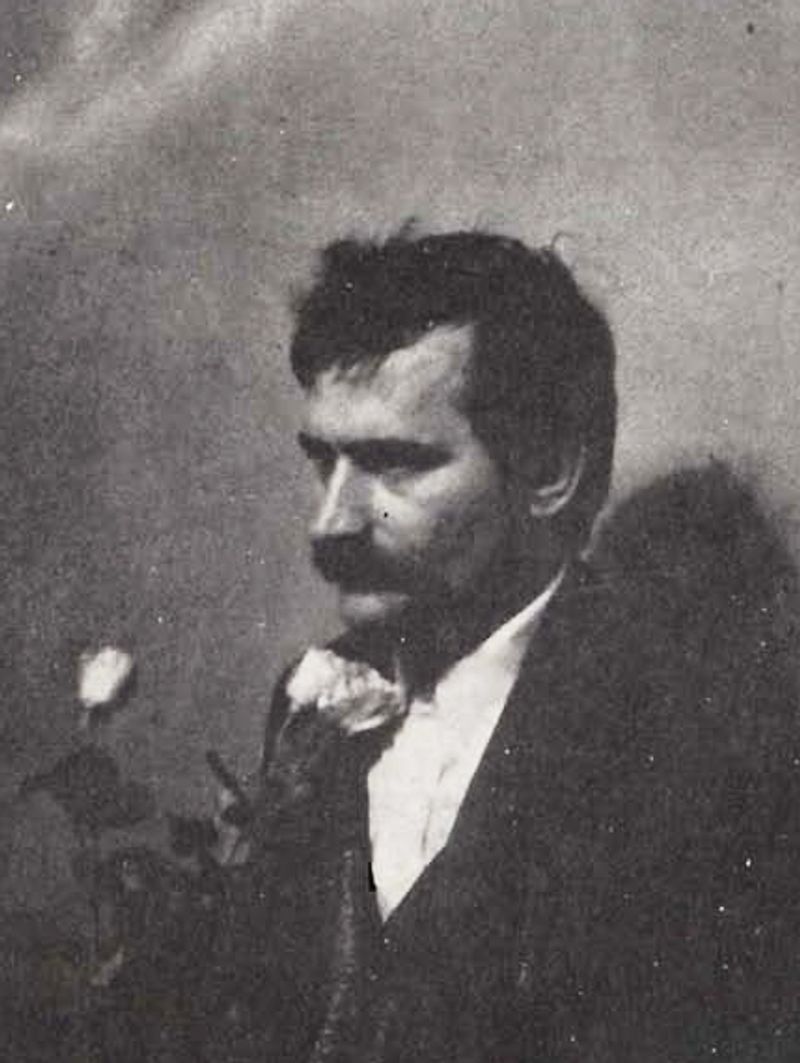
When Polish authorities declared martial law in December 1981 and detained Solidarity trade union leader Lech Walesa, they were attempting to contain a labor movement that had gathered ten million members in just over a year. Detaining its most visible figure only amplified the movement’s international profile.
Walesa was held for nearly eleven months without formal charges. During that period, Solidarity’s underground networks continued to operate, and Western governments and labor organizations increased their support for the movement.
Walesa became a symbol of peaceful resistance to Soviet-backed authoritarianism across Europe and North America.
He was awarded the Nobel Peace Prize in 1983 while still living under government surveillance and travel restrictions. Rather than accepting defeat, Walesa continued organizing after his release, and Solidarity’s persistence eventually contributed to the negotiated political transition of 1989.
Walesa was elected president of Poland in 1990, completing a journey that began not in a government office but in a Gdansk shipyard and a detention cell.
7. Malcolm X, Clinton Correctional Facility, New York, United States
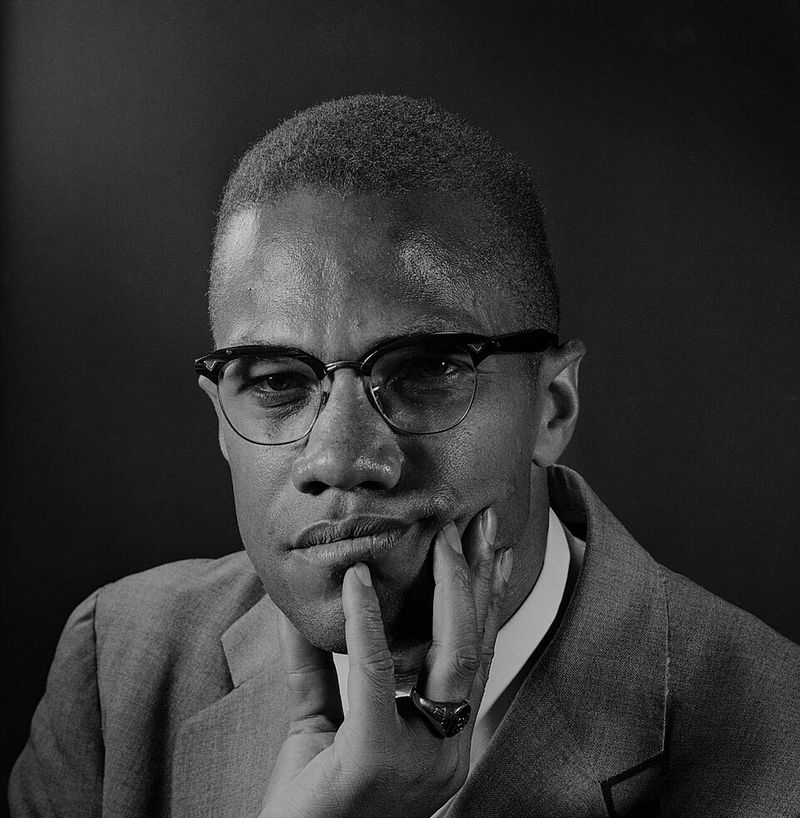
Malcolm Little entered the Massachusetts prison system in 1946 convicted of burglary. He left in 1952 as Malcolm X, a disciplined, self-educated orator with a clear political framework and a national organization waiting to amplify his voice.
During his six years of imprisonment, he worked through the prison library systematically, reading history, philosophy, and religion. He began corresponding with Elijah Muhammad, the leader of the Nation of Islam, and converted to the organization’s teachings.
He also practiced debating skills in prison discussion groups, developing the sharp rhetorical style that would later make him one of the most quoted figures of the 20th century.
By the time he was released, Malcolm X had a formed ideology, a religious community, and a personal transformation that gave his public speaking an authenticity that few could match. His rise within the Nation of Islam was rapid, and by the early 1960s he was recognized nationally as one of the most influential Black leaders in the United States.
Prison had functioned, in his own words, as his university.
8. Bobby Sands, Maze Prison, Northern Ireland
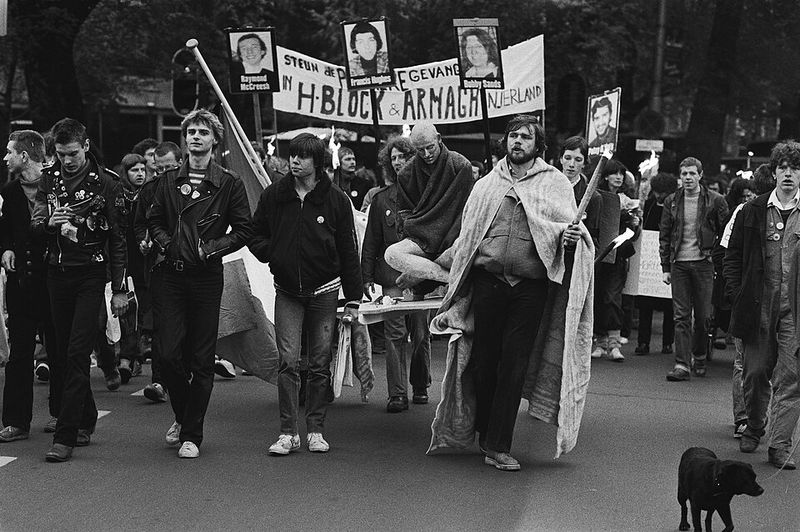
In March 1981, Bobby Sands began a hunger strike inside Maze Prison in Northern Ireland, demanding that Irish republican prisoners be recognized as political detainees rather than criminals. What followed was one of the most politically charged events in modern Irish history.
While on hunger strike, Sands stood for election in a by-election for the British Parliament in April 1981 and won, defeating the Ulster Unionist candidate with over 30,000 votes. He became a Member of Parliament while confined to a prison cell, an outcome that stunned the British government and drew global media attention.
His election demonstrated that Irish republican sentiment had a significant electoral base, a fact that directly influenced the political strategy of Sinn Fein in subsequent years. Sands passed away 66 days into the hunger strike, but his political impact outlasted his imprisonment.
His story contributed to a shift in Irish republican politics toward electoral participation alongside other forms of resistance, reshaping the movement’s direction for decades.
9. Thomas More, Tower of London, England
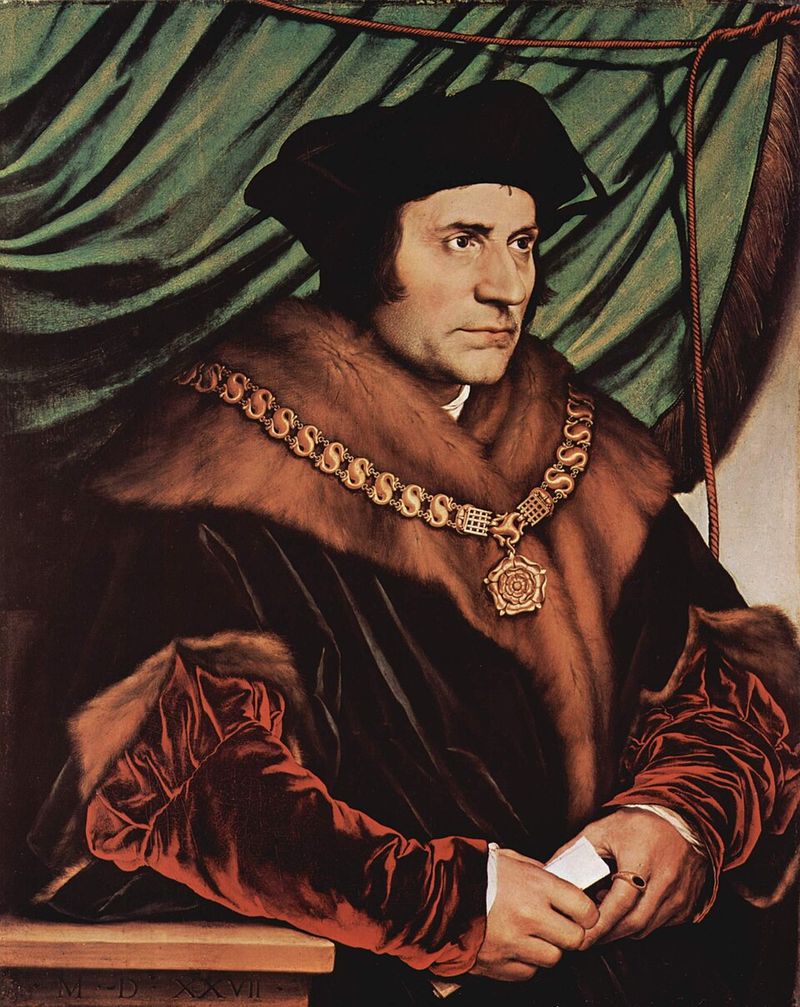
Thomas More had served as Lord Chancellor of England, one of the most powerful legal positions in the kingdom, before his refusal to endorse King Henry VIII’s break with the Catholic Church landed him in the Tower of London in 1534.
More declined to sign the Oath of Supremacy, which would have acknowledged Henry as the head of the Church of England. His silence on the matter was strategic and legally careful, but the king’s government found a way to charge him with treason regardless.
He was held in the Tower for over a year before his trial and execution in 1535.
More’s principled stand made him an immediate symbol of conscience over political convenience across Catholic Europe. He was canonized by the Catholic Church in 1935, exactly four centuries after his execution.
Today he is recognized as the patron saint of lawyers and politicians. His imprisonment transformed him from a powerful official into an enduring figure of moral authority whose influence has far outlasted the reign of the king who imprisoned him.
10. Kim Dae-jung, Various Prisons, South Korea
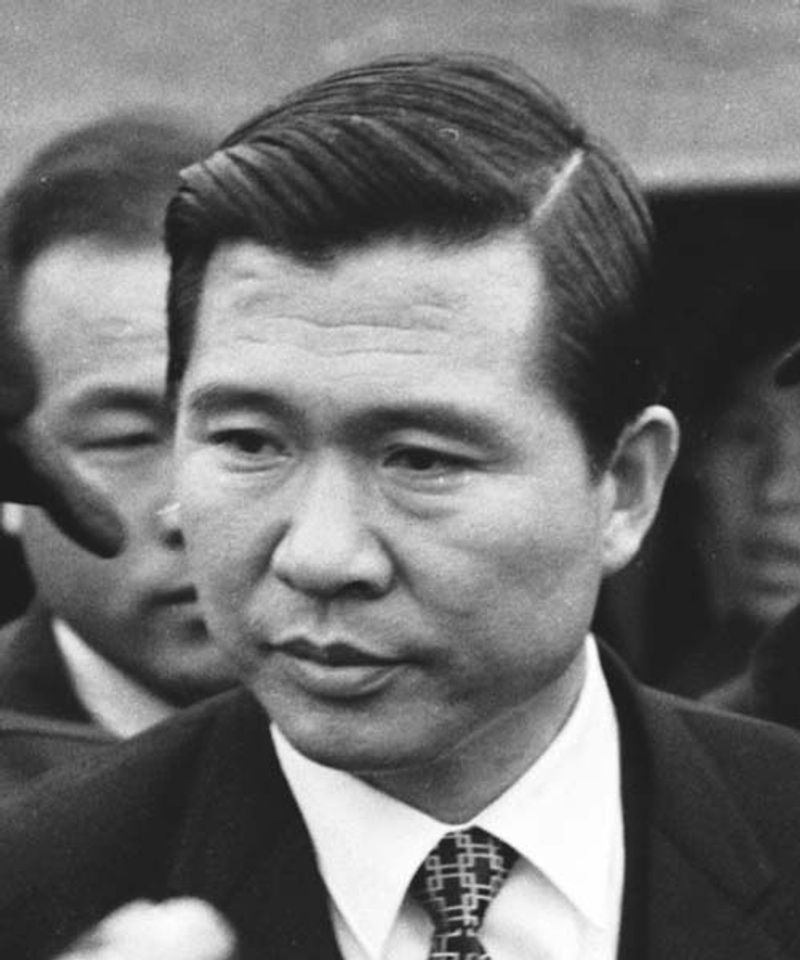
South Korea’s authoritarian governments during the 1970s and 1980s repeatedly imprisoned Kim Dae-jung, viewing him as the most dangerous voice of democratic opposition in the country. Each period of detention increased his credibility with the Korean public and with international human rights organizations.
Kim survived a kidnapping attempt by South Korean intelligence agents in Tokyo in 1973, spent years under house arrest, and faced a death sentence in 1980 that was later commuted following international pressure from the United States and others. The pattern of persecution over decades built an image of a man who refused to abandon democratic principles regardless of personal cost.
He ran for president three times before finally winning in 1997, becoming the first opposition candidate to win a presidential election in South Korean history. In 2000, he received the Nobel Peace Prize for his efforts toward democracy and reconciliation with North Korea.
His story is a clear example of how sustained political persecution, rather than eliminating a figure, can steadily build their long-term authority and public trust.
11. José Rizal, Fort Santiago, Philippines
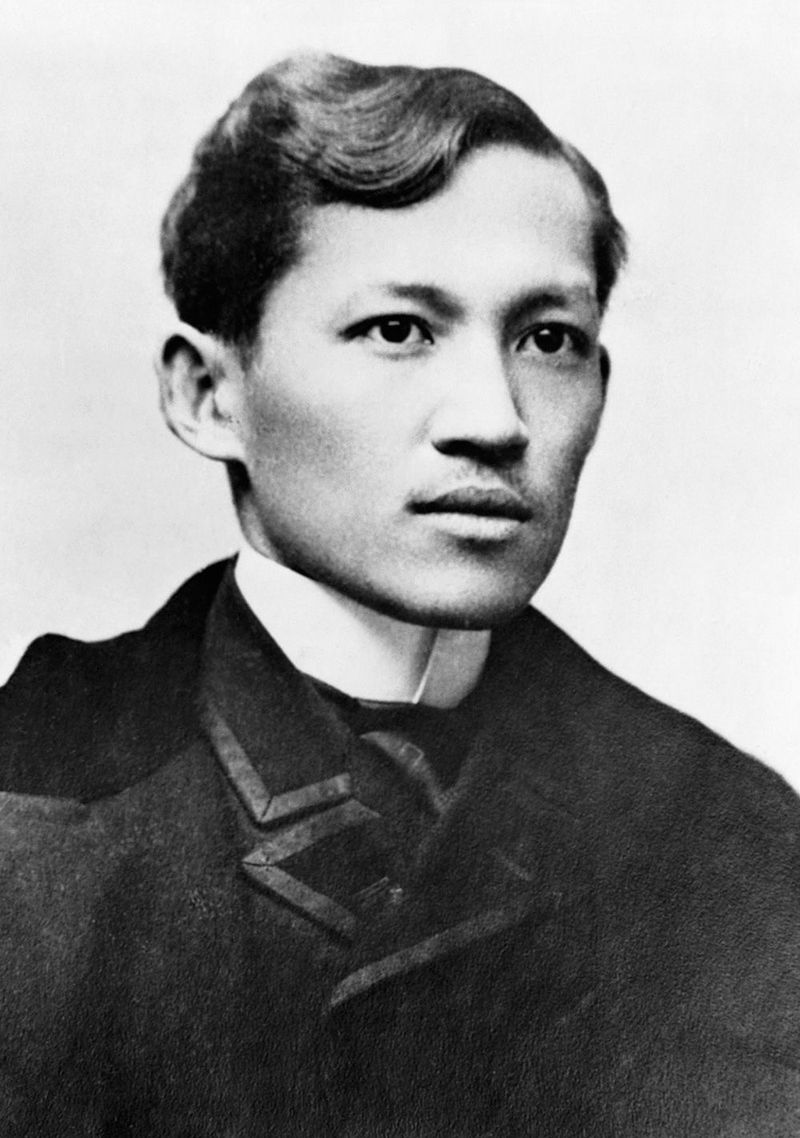
Spanish colonial authorities arrested José Rizal in 1896, accusing him of inspiring the Philippine revolution through his novels, essays, and correspondence. He had actually counseled against armed uprising at that stage, but his writings had already ignited a national consciousness that the colonial government could not contain.
Rizal was held at Fort Santiago in Manila before being tried by a military court and sentenced to execution. During his final days of confinement, he wrote Mi Ultimo Adios, a farewell poem that circulated widely after his passing and became one of the most celebrated pieces of Philippine literature.
His execution in December 1896 transformed him immediately into a national martyr. Rather than discouraging the independence movement, his imprisonment and subsequent fate accelerated it.
Rizal is now recognized as the national hero of the Philippines, with December 30 designated as Rizal Day. His cell at Fort Santiago has been preserved as a historical site, and his legacy continues to shape Philippine national identity more than a century later.
12. Jawaharlal Nehru, Ahmednagar Fort Prison, India
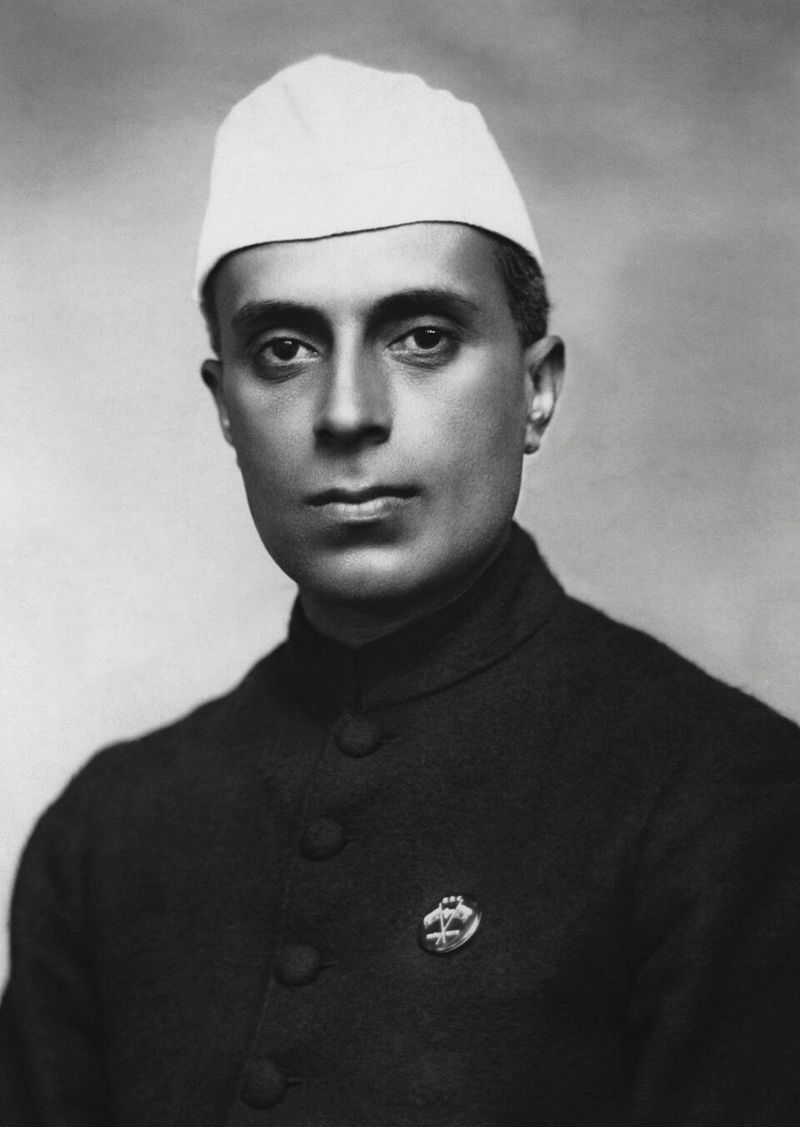
Jawaharlal Nehru spent nearly nine years total in British colonial prisons across multiple incarcerations, with his longest and most productive stretch occurring at Ahmednagar Fort between 1942 and 1945 following the Quit India Movement.
During those three years at Ahmednagar, Nehru wrote The Discovery of India, a sweeping work of historical and cultural analysis that traced Indian civilization from ancient times through the colonial period. The book became a foundational text in understanding Indian national identity and was later adapted into a major television series decades after independence.
Nehru’s repeated imprisonments reinforced his standing within the Indian National Congress and among the broader independence movement. His intellectual output during confinement demonstrated both his commitment to the cause and his vision for post-independence India.
When Britain granted independence in August 1947, Nehru was the clear choice to serve as the country’s first Prime Minister. His years in prison had not sidelined him; they had defined the philosophical framework he would carry into government.
Share this story