Food doesn’t always come from the country where it ends up on your plate. Some nations import massive amounts of food to feed their populations, while others grow so much that they could share with the world.
Understanding which countries fall into each category tells us a lot about land, climate, resources, and how connected our world really is. Get ready for a fascinating tour of the globe’s biggest food buyers and its most impressive agricultural self-starters.
China: The World’s Biggest Food Shopper

Every year, China spends more money on imported food than any other country on Earth. With over 1.4 billion mouths to feed, even the world’s largest farming sector can’t handle everything.
Soybeans alone make up a staggering share of China’s food imports, mostly used to produce animal feed as meat consumption keeps rising.
Brazil and the United States are China’s top suppliers, sending massive shiploads of grain and oilseeds across the Pacific regularly. China’s middle class has grown quickly, and with more income comes more demand for beef, pork, dairy, and exotic foods.
That shift in diet has turbocharged import numbers over the past two decades.
Climate pressures, shrinking farmland, and water shortages all add stress to domestic production. China actively buys farmland overseas and invests in agricultural projects in Africa and South America to secure future food supplies.
Its food import strategy is one of the most closely watched topics in global trade policy today.
United States: Big Farmer, Bigger Appetite

You might expect the country that exports more corn and soybeans than almost anyone else to be self-sufficient, but the United States still ranks among the world’s top food importers. Americans love shrimp, coffee, avocados, and bananas, and very little of that comes from domestic soil.
Seafood imports alone are worth tens of billions of dollars annually.
Canada and Mexico are the closest and most important food trade partners for the U.S., but products also arrive from countries as far away as Thailand, Indonesia, and Peru. Specialty items, out-of-season produce, and cost-competitive goods all drive import demand.
The American food system runs on global connections whether consumers realize it or not.
Food safety regulations, labeling laws, and trade agreements all shape what arrives at U.S. ports. The country imports roughly 15 percent of its total food supply, which sounds small until you realize how enormous that market actually is.
For some food categories like fresh fish, the import share jumps above 80 percent.
Germany: Europe’s Hungry Trade Hub

Germany has one of the strongest economies in the world, and its citizens expect food variety to match. Coffee, cocoa, tropical fruits, and out-of-season vegetables flood into German ports year-round from every continent.
The country’s large food-processing industry also needs raw agricultural ingredients that domestic farms simply cannot supply in sufficient quantities.
Hamburg is one of Europe’s busiest ports, and a large portion of the goods moving through it are food products destined for German shelves or processing plants. Germany imports from over 100 countries, making its food supply chain genuinely global.
Neighboring countries like the Netherlands, France, and Spain also supply significant volumes of fresh produce.
Consumer preferences play a major role in pushing import numbers higher. Germans have developed strong tastes for Italian pasta, Spanish olive oil, French cheese, and Asian specialty foods.
Organic food imports have also surged in recent years as health-conscious shoppers seek certified products from specific regions. Germany’s food import bill regularly ranks among the top five globally, reflecting both its wealth and its appetite for variety.
Japan: An Island Nation With a Big Food Bill

Mountains cover about 70 percent of Japan’s land surface, leaving precious little room for large-scale farming. That geographic reality has made Japan one of the most food-import-dependent developed nations in the world.
The country’s food self-sufficiency rate hovers around just 38 percent when measured by calories, one of the lowest figures among wealthy nations.
Wheat, soybeans, corn, and animal feed arrive in enormous quantities from the United States, Australia, and Canada. Japan’s famous food culture, which prizes quality and variety, also drives demand for imported cheeses, wines, tropical fruits, and specialty meats.
Even seafood, a Japanese staple, is increasingly sourced from overseas as domestic fishing stocks face pressure.
The Japanese government has long worried about food security, especially given the country’s reliance on stable international shipping routes. Efforts to boost domestic production through technology and vertical farming have gained momentum in recent years.
Still, Japan’s geography and population density make full self-sufficiency a distant goal. Food imports are simply built into the structure of the Japanese economy and culture at a very deep level.
United Kingdom: Shopping the World Since Brexit

The United Kingdom imports nearly half of all the food its population consumes, a figure that regularly sparks political debate. Fresh fruits and vegetables lead the list, since the British climate is not exactly famous for year-round growing conditions.
Spain, the Netherlands, and France are among the top suppliers, sending salad greens, tomatoes, and peppers across the Channel constantly.
Brexit added new layers of complexity to UK food imports by introducing customs checks and paperwork that had not existed during EU membership. Costs rose, some supply chains were disrupted, and grocery prices climbed in ways that hit consumers directly.
The conversation about food security became much louder as a result.
Beyond fresh produce, the UK imports massive quantities of processed foods, beverages, and specialty items from around the world. Coffee, olive oil, pasta, and wine all arrive from European neighbors, while seafood and tropical goods come from further afield.
British supermarkets stock products from dozens of countries simultaneously. Feeding 67 million people with limited farmland and a challenging climate makes international trade not just convenient but absolutely essential to daily life.
Netherlands: The Gateway That Also Imports
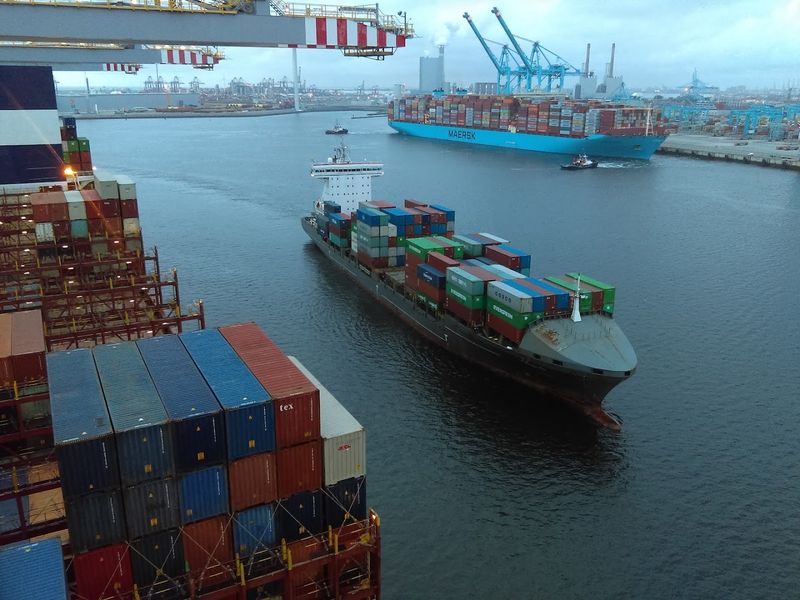
Rotterdam is the busiest port in Europe, and a remarkable share of the goods flowing through it are food products. The Netherlands has built its economy partly on being the continent’s agricultural trading hub, both exporting Dutch-grown products and importing goods destined for re-export or domestic use.
That dual role makes the Netherlands one of the largest food importers in the world despite its small size.
The country is famous for its greenhouses, tulips, and dairy products, yet it also brings in huge volumes of tropical fruits, coffee, cocoa, and soybeans. Some of these are processed and then shipped onward to other European markets.
Dutch food companies are global players, and they need raw materials from every corner of the planet to keep their operations running.
Consumer demand within the Netherlands also drives imports of products that cannot be grown locally. Avocados, mangoes, and citrus fruits fill Dutch supermarket shelves alongside locally produced vegetables.
The country’s logistics infrastructure is so advanced that it can move perishable goods from ports to store shelves faster than almost anywhere else in Europe. That efficiency keeps the food import machine running smoothly year after year.
France: Bon Appetit Needs Global Ingredients

France produces magnificent food. Wine, cheese, bread, pastries, and gourmet specialties have made French cuisine legendary worldwide.
Yet even this culinary powerhouse imports billions of dollars worth of food every year, because the French appetite for variety and quality extends well beyond what domestic farms can provide.
Coffee is the obvious example since France produces none of its own yet consumes enormous quantities. Cocoa, tropical fruits, spices, and out-of-season vegetables arrive regularly from Africa, South America, and Southeast Asia.
France’s large food-processing industry also pulls in agricultural raw materials that require global sourcing.
French consumers have strong opinions about food quality and origin, which sometimes creates tension between preference for local products and the reality of global supply chains. Organic and fair-trade imports have grown significantly as shoppers seek ethical sourcing.
Meanwhile, French supermarkets stock products from dozens of countries to satisfy a population that genuinely loves exploring flavors from around the world. France’s role as a major European economy with high consumer spending power means its food import numbers stay consistently high regardless of how much the country’s farms produce in any given season.
Italy: Pasta, Pizza, and a Global Shopping List

Few countries are as associated with food culture as Italy, yet the birthplace of pasta and pizza relies on global imports more than most people realize. Coffee is perhaps the starkest example since Italy has no coffee-growing regions yet consumes espresso with near-religious devotion.
Virtually every shot pulled in an Italian cafe starts its journey in Ethiopia, Brazil, or Colombia.
Italy’s food-processing industry is one of the largest in Europe, and it requires enormous quantities of imported raw materials. Grains, oilseeds, cocoa, and tropical ingredients flow into Italian factories that transform them into exported products sold worldwide.
The country’s famous olive oil industry even supplements domestic olive production with imported olives and oil during harvest shortfalls.
Italian consumers also enjoy imported seafood, tropical fruits, and international cuisine as tastes have diversified over recent decades. Sushi restaurants in Rome and Thai food spots in Milan are no longer unusual.
The Italian food import market reflects a country balancing fierce pride in its own culinary traditions with an increasingly global palate. Keeping that balance means shopping the world while still insisting on quality at every step of the process.
South Korea: Mountains Make Imports Necessary
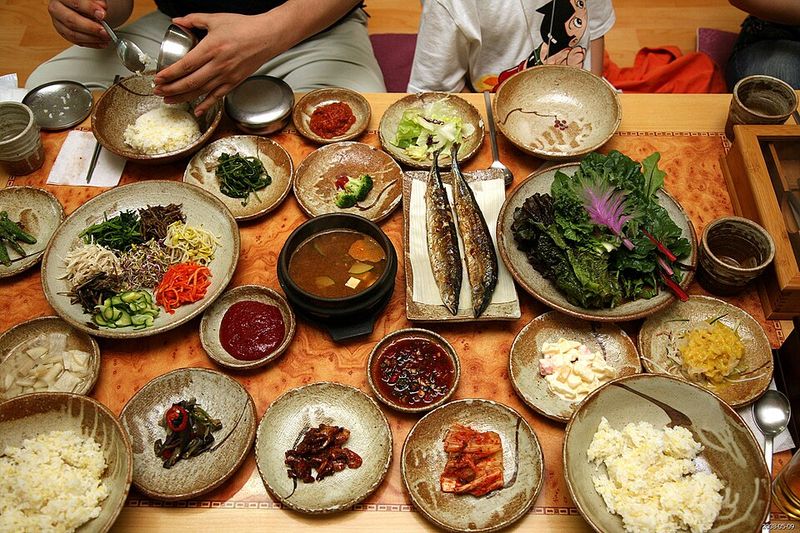
About 70 percent of South Korea is covered by mountains and forests, which leaves a surprisingly small fraction of land suitable for farming. That geographical reality means South Korea must import a large portion of the food it consumes, particularly grains and animal feed that require wide, flat agricultural land to produce at scale.
Corn and wheat arrive mostly from the United States and Australia.
South Korean consumers have also developed strong tastes for international foods over recent decades. American beef became a cultural flashpoint when import policies were debated in the 2000s, but today imported meats, dairy products, and processed foods are widely accepted and popular.
K-food culture is famous globally, but feeding Koreans at home requires a very international supply chain.
The country’s food self-sufficiency rate for grains sits well below 30 percent, which raises genuine food security concerns among policymakers. South Korea has responded by investing in overseas agricultural projects and securing long-term supply contracts with major exporting nations.
Technology-driven urban farming is also gaining traction as a way to reduce dependence on imports for certain fresh vegetables. Still, mountains don’t move, and neither does South Korea’s need for international food trade.
Spain: Sun, Olives, and a Surprising Import Bill
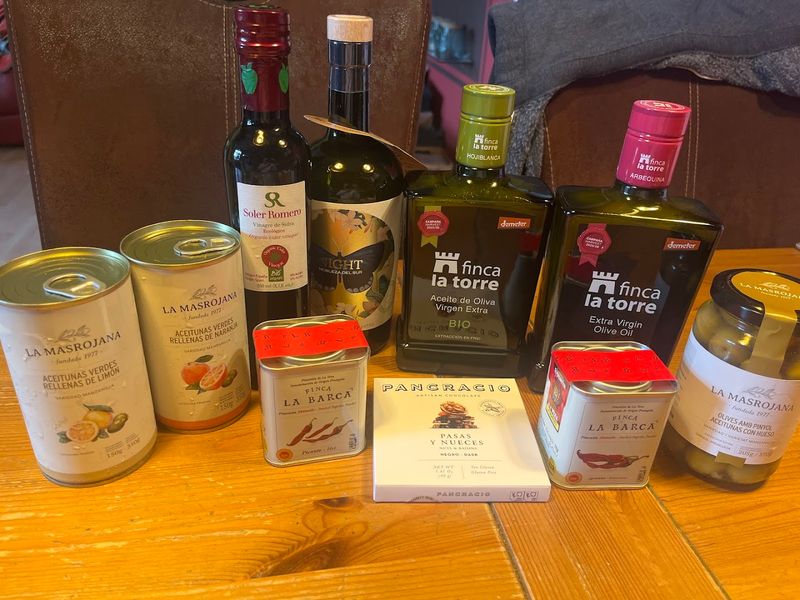
Spain enjoys a Mediterranean climate that makes it one of Europe’s most productive farming nations. Olive oil, tomatoes, citrus fruits, and wine pour out of Spanish farms and into markets across the continent.
Yet Spain also runs a hefty food import tab, because producing food for export and satisfying domestic demand at the same time requires global sourcing.
Grains and animal feed make up a large share of Spanish food imports since the country’s livestock sector is enormous and cannot be fed entirely by domestic crop production. Fish and seafood imports have also grown as Spanish consumers maintain one of Europe’s highest per-capita seafood consumption rates while domestic fish stocks face sustainability pressures.
Tourism adds another layer of import demand. Spain welcomes tens of millions of visitors each year, and hotels, restaurants, and resorts need ingredients that go far beyond what local farms produce.
International tourists expect familiar foods from home, which pushes import variety even higher. Spain’s food-processing industry, one of the largest in Europe, also requires raw materials sourced globally.
The result is a country that simultaneously ranks as a major food exporter and a significant food importer, a balancing act it manages with impressive agricultural efficiency.
Belgium: Small Country, Massive Food Flows

Belgium is one of Europe’s smallest countries but one of its most important food trade nodes. Antwerp, Belgium’s main port, ranks among the top cargo ports in the world and handles staggering volumes of agricultural goods flowing in and out of Europe.
For a nation of just 11 million people, Belgium’s food import figures are genuinely impressive.
The country’s advanced food-processing industry is a major driver of imports. Belgian chocolate companies, for example, import cocoa from West Africa to produce the famous bars and pralines that are exported worldwide.
Similar patterns play out across meat processing, brewing, and packaged food manufacturing. Raw materials come in, finished products go out.
Belgian consumers also enjoy one of Europe’s most diverse food cultures. Restaurants serving cuisine from every corner of the globe are packed nightly in Brussels, and supermarkets stock products from dozens of countries.
Domestic Belgian agriculture produces quality goods, but it cannot satisfy the full range of what shoppers and food manufacturers demand. Belgium’s strategic location at the crossroads of Europe makes it a natural entry point for global food products, ensuring that import volumes stay high regardless of what local farms produce in any given year.
India: A Billion-Plus Appetites Need Global Help
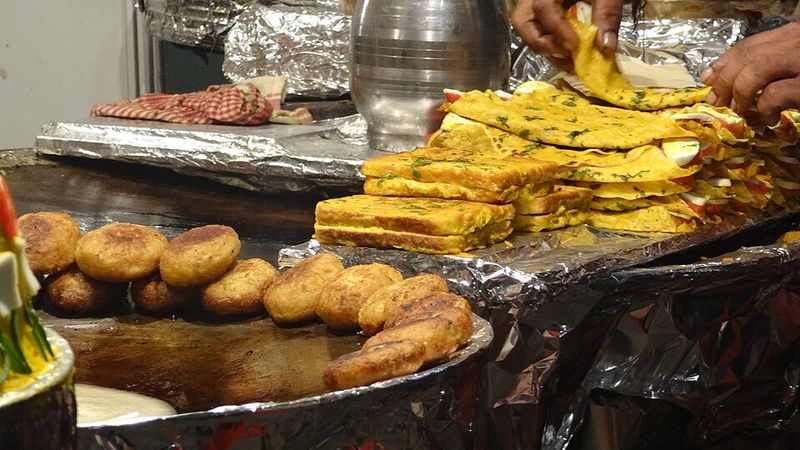
India is the second most populous country on Earth and one of the world’s biggest agricultural producers, yet it still imports significant quantities of food every year. Edible oils are the standout category.
India imports massive amounts of palm oil from Indonesia and Malaysia because domestic oilseed production simply cannot keep pace with the cooking needs of 1.4 billion people.
Pulses, specialty grains, and certain fruits also arrive from overseas markets when domestic harvests fall short or when prices make imports more practical than local sourcing. India’s food import bill has grown substantially over the past decade, partly because rising incomes have shifted dietary habits toward products that require more agricultural inputs to produce.
The Indian government closely monitors food imports because they can affect domestic farmers who depend on stable prices for their crops. Import duties, quotas, and trade agreements are regularly adjusted to balance consumer needs with farmer protection.
Despite these complexities, India’s sheer population size guarantees that some level of food importing will always be necessary. No matter how productive Indian farms become, feeding over a billion people with diverse regional tastes requires drawing on global agricultural resources at regular intervals throughout the year.
Mexico: Feeding Millions While Exporting Avocados
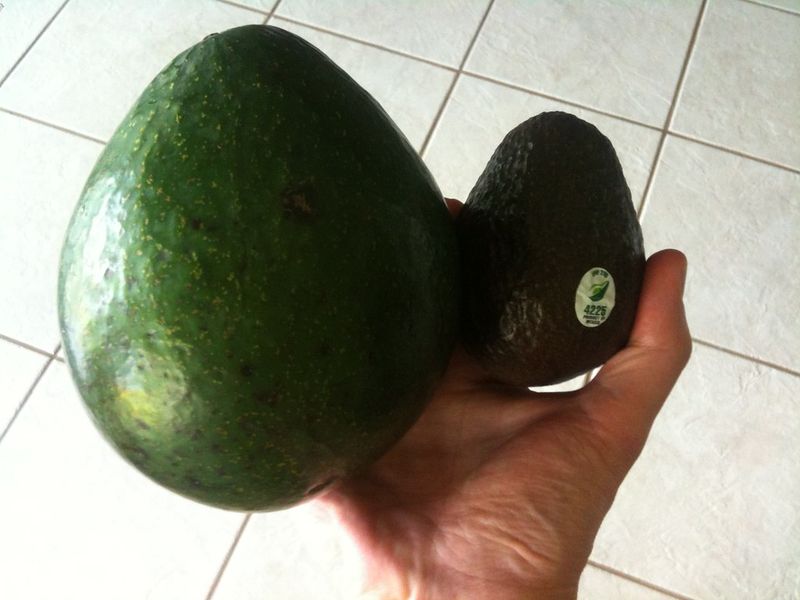
Mexico sends avocados, tomatoes, and berries north to the United States in vast quantities, yet it also runs a significant food import tab of its own. Corn is the ironic centerpiece of this story.
Mexico, the birthplace of corn, now imports large volumes of yellow corn from the United States, mainly for animal feed as the livestock industry has expanded rapidly.
Wheat, soybeans, and processed food products also arrive in large quantities from American suppliers thanks to the tight trade integration created by NAFTA and its successor agreement USMCA. The U.S.-Mexico food trade relationship is one of the most closely intertwined in the world, with goods flowing heavily in both directions across the shared border every single day.
Mexico’s growing urban population and expanding middle class have fueled demand for processed and packaged foods that were once considered luxury items. Fast food chains, convenience stores, and modern supermarkets now serve millions of consumers who want products that domestic agriculture alone cannot supply.
Meanwhile, Mexican farmers continue producing world-class exports. This dual reality of significant imports alongside booming exports makes Mexico one of the most interesting case studies in global agricultural trade today.
Saudi Arabia: Feeding a Desert Kingdom

Growing food in one of the world’s most arid environments presents obvious challenges. Saudi Arabia receives almost no rainfall across most of its territory, and summer temperatures regularly exceed 45 degrees Celsius.
Those conditions make large-scale domestic food production extremely difficult, pushing the kingdom to import the vast majority of what its population eats every day.
Wheat, rice, barley, and other grains arrive from major exporting nations including the United States, Australia, and Ukraine. Meat, poultry, dairy, and fresh produce are also sourced globally, with suppliers across Europe, Asia, and South America competing for contracts in this wealthy market.
Saudi Arabia’s high per-capita income means it can afford to buy premium food products from anywhere in the world.
The government has long recognized food security as a strategic priority. Saudi Arabia once grew its own wheat using deep aquifer water, but abandoned the program when it became clear that the water source was being depleted at an unsustainable rate.
Today the kingdom invests in agricultural projects overseas, particularly in Africa and Southeast Asia, to secure reliable food sources. The goal is reducing vulnerability to global supply disruptions without exhausting the kingdom’s precious limited water resources.
United Arab Emirates: Importing Everything, Flawlessly

The United Arab Emirates imports approximately 90 percent of its food supply, making it one of the most import-dependent countries on the planet. Desert conditions, scorching heat, and minimal freshwater resources make large-scale domestic farming almost impossible.
What little local agriculture exists relies heavily on desalinated water and advanced greenhouse technology, both of which are expensive to operate at scale.
Dubai and Abu Dhabi have built world-class logistics infrastructure specifically to handle the massive volumes of food arriving from every corner of the globe. Refrigerated cargo terminals, advanced customs clearance systems, and sophisticated cold-chain networks keep perishables fresh from port to supermarket.
The UAE’s location between Europe, Asia, and Africa makes it a natural regional food distribution hub as well.
Residents of the UAE come from over 200 nationalities, which creates extraordinary demand for food variety. Supermarkets in Dubai stock products from dozens of countries simultaneously, catering to tastes ranging from South Asian street food staples to European gourmet cheeses.
The government has invested in food security reserves and hydroponic farming projects to reduce vulnerability, but the fundamental reality remains unchanged. Feeding a fast-growing, diverse population in a desert requires buying food from the rest of the world on a massive and continuous basis.
Guyana: The World’s Most Food Self-Sufficient Nation
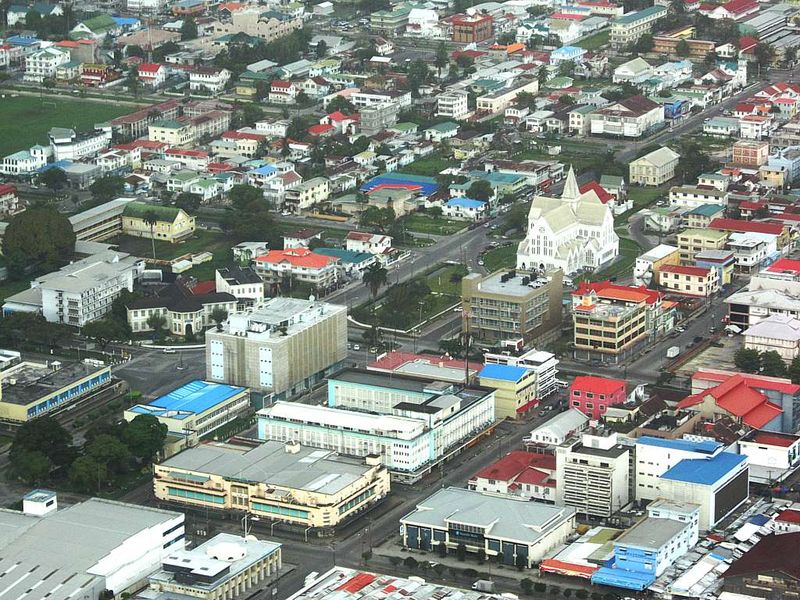
Tucked along the northern coast of South America, Guyana holds a title most people would never guess it could claim. According to a comprehensive study analyzing food production across 186 countries and seven major food groups, Guyana is the only nation capable of meeting domestic demand in all seven categories.
That makes it the most food self-sufficient country in the world.
Rich soil, abundant rainfall, and a relatively small population of under 800,000 people create ideal conditions for this achievement. Guyana produces rice, sugar, beef, poultry, fish, vegetables, and fruits in quantities that comfortably exceed what residents need.
The agricultural sector is a cornerstone of the national economy, and the country exports significant surpluses to Caribbean neighbors and beyond.
Oil discoveries in recent years have transformed Guyana’s economy and attracted global attention, but agriculture remains deeply embedded in the national identity. Farmers work fertile coastal plains and interior regions that benefit from one of the most favorable climates in the hemisphere for year-round growing.
Guyana’s self-sufficiency story is remarkable not because of advanced technology or massive investment but because of geography, climate, and a long tradition of farming that dates back centuries to the country’s earliest communities.
Vietnam: Almost Perfect Agricultural Self-Reliance
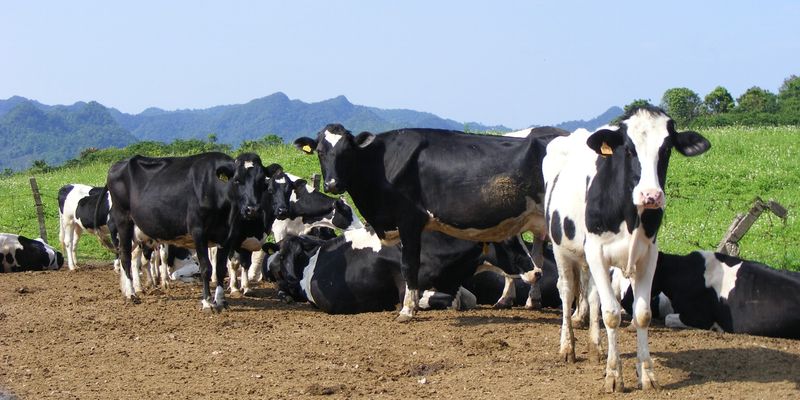
Rice is the heartbeat of Vietnamese agriculture, and the Mekong Delta produces it in such staggering quantities that Vietnam ranks among the world’s top rice exporters. That agricultural firepower extends across multiple food categories, and a major international study found that Vietnam can meet domestic demand in six of the seven major food groups analyzed.
Only one gap keeps it from matching Guyana’s perfect score.
Fisheries add another layer of strength to Vietnam’s food production story. The country’s long coastline and extensive river systems support a thriving seafood industry that feeds millions of Vietnamese while generating billions in export revenue.
Vegetables, fruits, poultry, and pork production have all grown significantly alongside the country’s rapid economic development over the past three decades.
Vietnam’s agricultural success story is particularly impressive given that it emerged from devastating wartime destruction in the 1970s with a severely damaged farming sector. Land reforms, investment in irrigation, and adoption of improved crop varieties transformed the country from a food-deficit nation into a major agricultural exporter within a generation.
Today Vietnamese farmers produce enough food to feed the country’s 97 million people and still have substantial surpluses left over for export to markets across Asia, Europe, and beyond.
China: Massive Importer and Surprising Self-Feeder
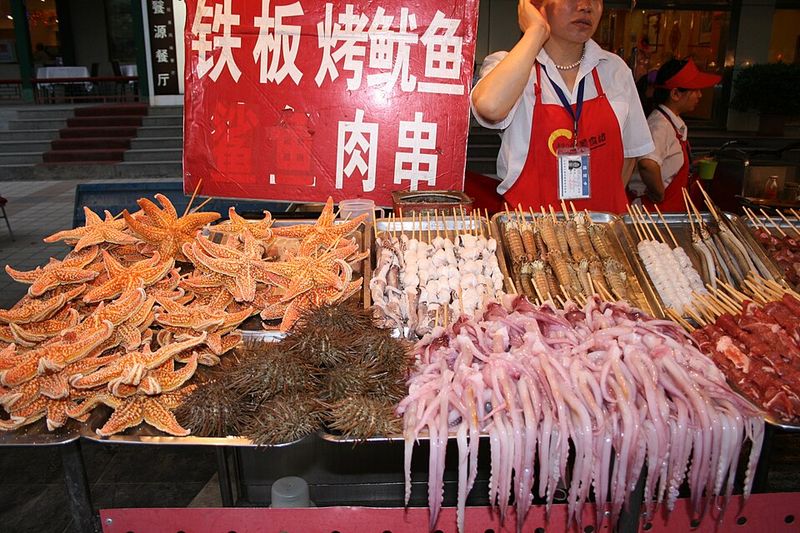
China’s appearance on both sides of this list might seem contradictory, but it actually makes perfect sense once you understand the scale of Chinese agriculture. The country feeds roughly 20 percent of the world’s population using only about 9 percent of the world’s arable land, a feat that required centuries of intensive farming tradition and decades of modern agricultural investment.
Research analyzing food production across major food groups found that China meets domestic demand in six of the seven categories studied, placing it among the world’s most agriculturally capable nations overall. Rice, wheat, pork, vegetables, and eggs are produced at volumes that dwarf what most countries can imagine.
China’s vegetable production alone accounts for roughly half of global output.
The imports come in because of specific gaps and the relentless pressure of feeding 1.4 billion increasingly affluent consumers. Soybeans are the main story since China’s demand for animal feed and cooking oil simply outpaces what domestic farmland can supply.
But zoom out and look at the full picture, and China’s agricultural achievement is genuinely extraordinary. It is simultaneously one of the world’s biggest food buyers and one of its most productive food-growing nations, a combination that no other country on Earth can quite match.
Australia: A Continent That Grows More Than It Eats
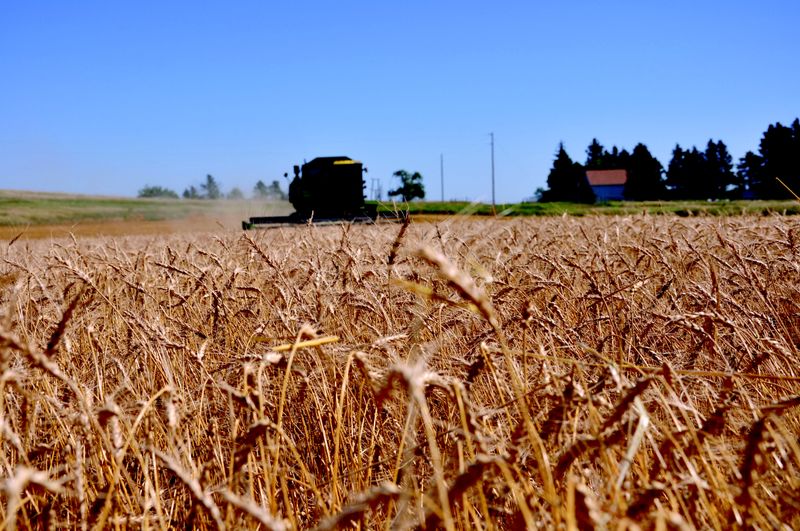
Australia grows enough food to feed approximately 75 million people, yet only about 26 million people actually live there. That surplus is not an accident.
The country’s vast interior plains, favorable climate zones along its coasts, and long tradition of commercial agriculture have made Australia one of the world’s great food-exporting nations. Wheat, beef, lamb, dairy, and wine all flow outward to markets across Asia and beyond.
Cattle stations in the Northern Territory and Queensland cover areas larger than some European countries. Wheat farms in Western Australia stretch to the horizon in every direction.
Sugar cane fields in Queensland produce sweetness that ends up in products sold across Southeast Asia. The sheer geographic scale of Australian agriculture is almost impossible to fully visualize from the outside.
Water security is Australia’s most significant agricultural challenge given the continent’s dry interior and periodic droughts. Climate change has made rainfall patterns less predictable, and some farming regions have faced serious water stress in recent decades.
Despite these pressures, Australia’s food production capacity remains enormous relative to its population. The country is a reliable supplier to food-import-dependent nations across the Asia-Pacific region, and its agricultural exports play a meaningful role in global food security calculations every single year.
Argentina: The Pampas Feed the Planet

Few landscapes on Earth are as naturally suited to large-scale farming as the Argentine Pampas. Stretching across hundreds of thousands of square kilometers, this fertile grassland region produces soybeans, corn, wheat, and sunflower oil in quantities that make Argentina one of the world’s top agricultural exporters.
The country feeds its own 45 million people with enormous ease and still has massive surpluses left over for global markets.
Argentine beef has a global reputation built over more than a century of cattle ranching on those same rich grasslands. Grass-fed cattle raised on Pampas pastures produce meat that commands premium prices in European and Asian markets.
Wine from Mendoza, lemons from Tucuman, and blueberries from Patagonia add further diversity to an export portfolio that touches kitchens across the planet.
Economic instability has sometimes limited Argentina’s ability to fully capitalize on its agricultural wealth, with export taxes and currency controls creating friction between farmers and government policy. Despite those challenges, the fundamental productive capacity of Argentine agriculture remains extraordinary.
The Pampas are among the most fertile soils on Earth, and the farming communities that work them have developed expertise across generations that cannot easily be replicated elsewhere. Argentina’s ability to feed itself and much of the world beyond is one of South America’s most impressive and underappreciated stories.
Share this story