There is a state park in northern Illinois where you can stand just a few feet from living, breathing American bison, watch them graze, and feel the ground subtly shift as they move. Most people drive right past it on their way to the more famous parks nearby, never realizing what they are missing.
Buffalo Rock State Park sits on a sandstone bluff above the Illinois River, covering 290 acres of trails, open meadows, and dramatic river views. I visited on a cool autumn morning, and by the time I left, I was already planning my next trip back.
Where Buffalo Rock State Park Actually Is
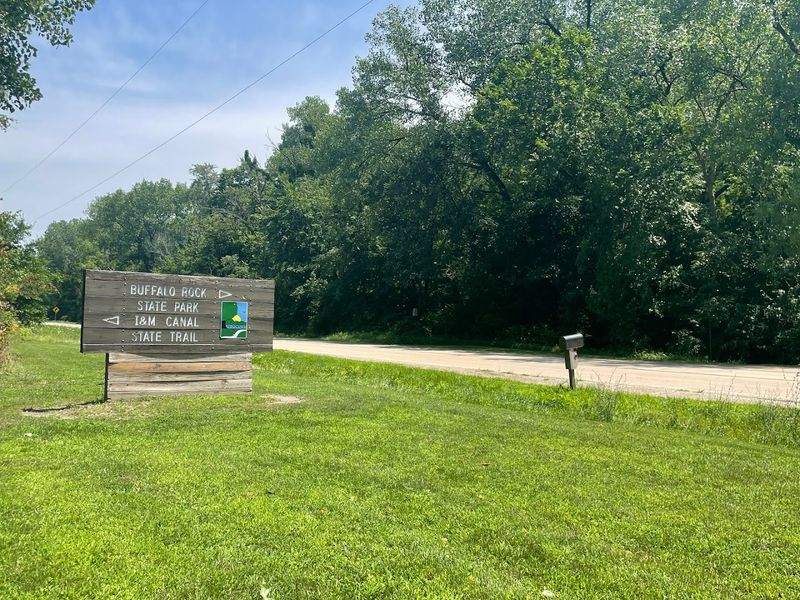
Buffalo Rock State Park sits at 1300 N 27th Rd, Ottawa, IL 61350, right along the north bank of the Illinois River in LaSalle County. It is close to both Starved Rock and Matthiessen State Parks, but it draws far fewer crowds, which makes it feel like a quiet reward for those who seek it out.
The park covers about 290 acres of bluffs, meadows, and riverfront landscape. From the parking area, you get your bearings quickly since the park is compact and manageable for visitors of all ages and fitness levels.
The drive to the park itself is worth mentioning. Sandstone bluffs line the road as you curve toward the entrance, giving you a preview of the scenery waiting inside.
The park is open daily from 8 AM to 7 PM, so you have plenty of daylight hours to explore. You can reach the park by phone at +1 815-433-2220 or visit the Illinois DNR website for current conditions before heading out.
The American Bison You Can See Up Close
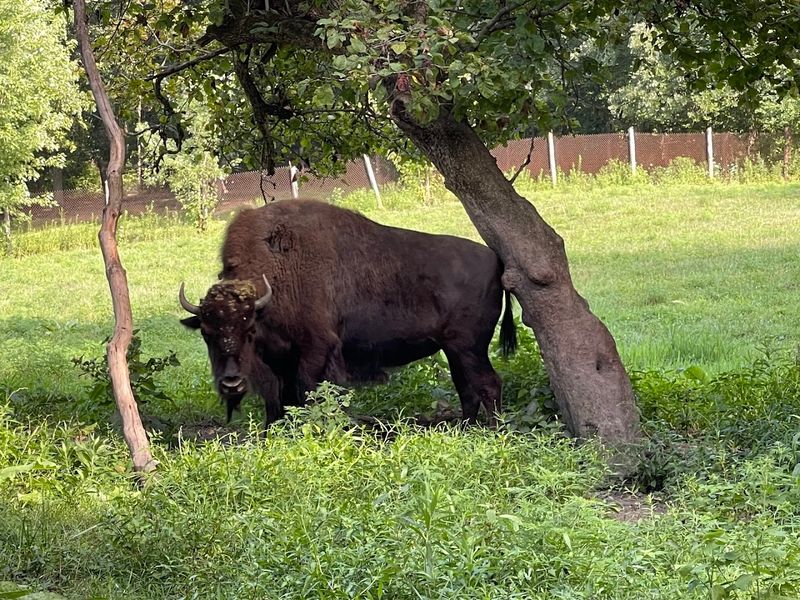
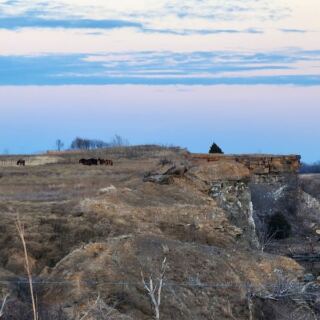
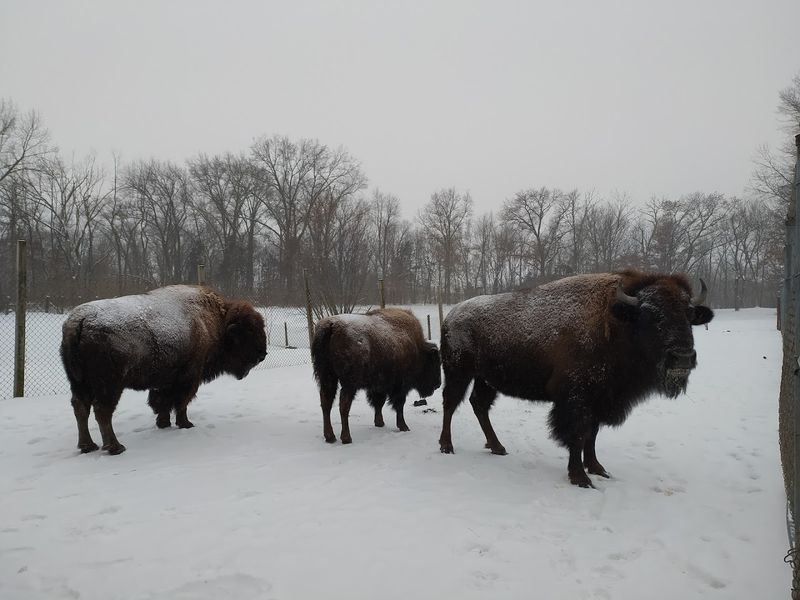
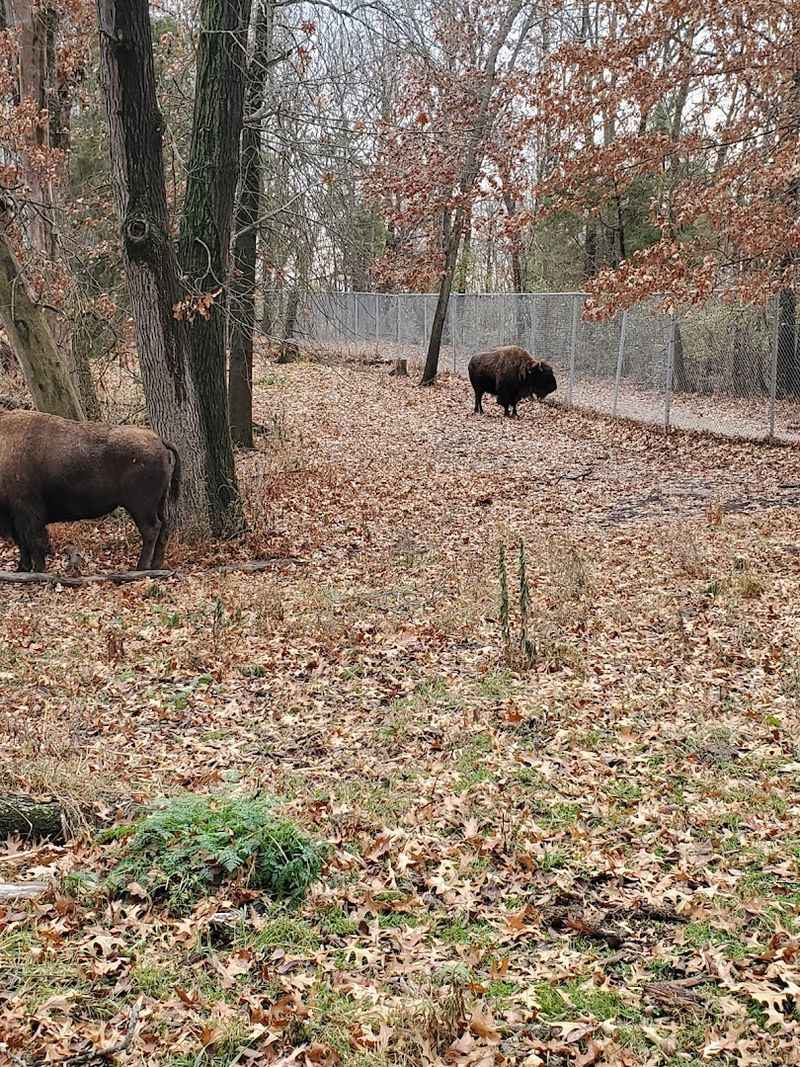
The park’s most talked-about feature is its small herd of American bison, and seeing them in person is genuinely striking. These are massive animals, and standing near the fence of their enclosure gives you an immediate sense of just how powerful they are.
The bison are kept in a fenced area within the park, and on most visits, at least one or two are visible from the viewing area.
Historically, bison roamed Illinois in enormous numbers before disappearing from the state entirely. Having even a small group present at Buffalo Rock is a meaningful nod to that natural history.
The park has housed bison for many years, and they have become the signature attraction that draws families and curious travelers alike.
The best time to spot them active is during the cooler parts of the day, typically in the morning or late afternoon. On warm days, they tend to rest in the shade.
Bring a camera with a zoom lens if you want a close-up shot without pressing against the fence. Watching a bison simply exist in the open air is a surprisingly moving experience that most visitors do not expect.
The River Bluff Trail and Its Stunning Views
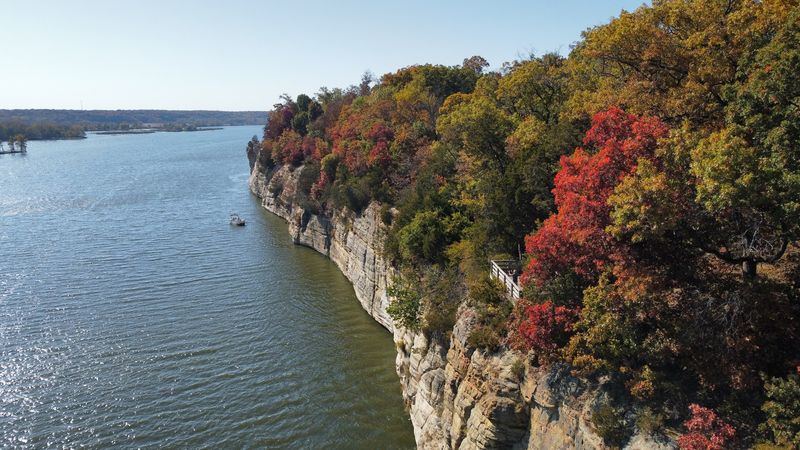
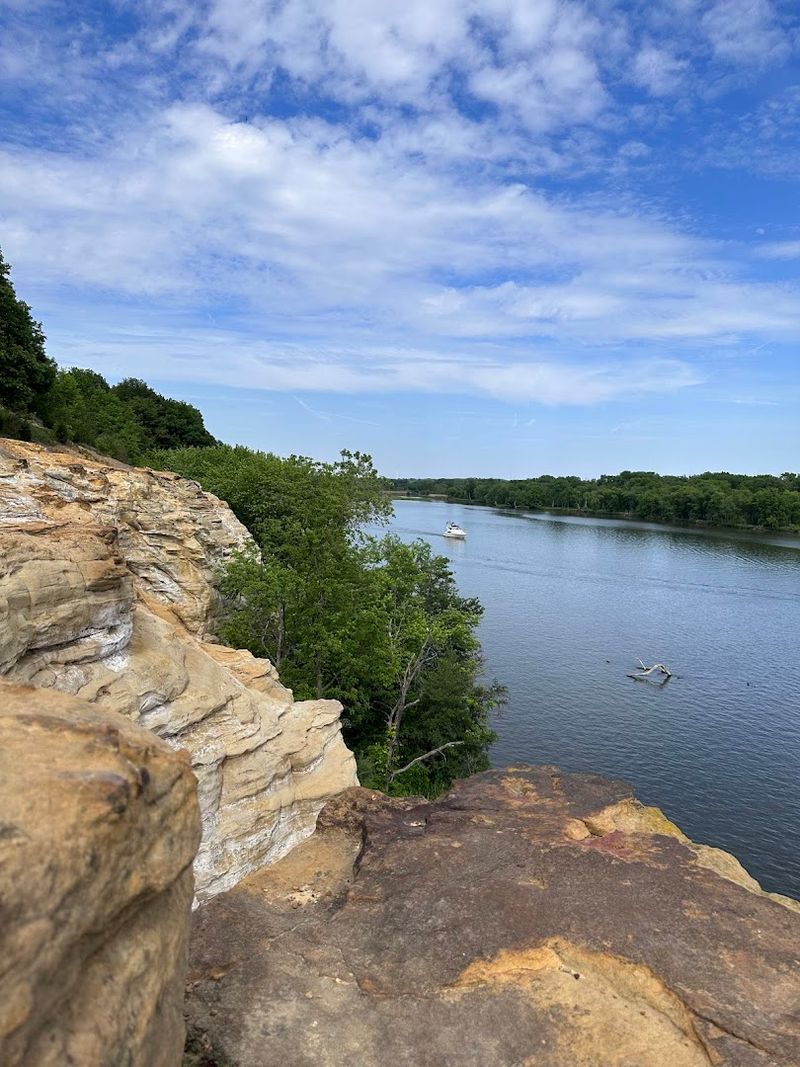
The River Bluff Trail is the crown jewel of the trail system here, and it earns that title without any exaggeration. The path winds along the top of sandstone bluffs that drop dramatically toward the Illinois River below, offering wide, open views across the water that feel completely out of place for a state park this size.
The trail itself is not especially long, but it packs in a satisfying variety of scenery. You move through wooded sections, then open areas where the bluffs jut out and give you unobstructed sightlines across the river valley.
The stone cliff face is particularly striking, and first-time visitors often stop there longer than they planned.
One section of the bluff requires a bit of careful footing to reach the best viewpoint, so wearing proper shoes and bringing a walking stick is a smart move. The reward at the bottom of that descent is a close-up look at the sandstone walls that tower above you.
On a clear morning, with the river reflecting the sky and the bluffs glowing in the light, this trail delivers the kind of view that stays with you long after you have driven home.
The Effigy Tumuli: Earthen Art on a Grand Scale
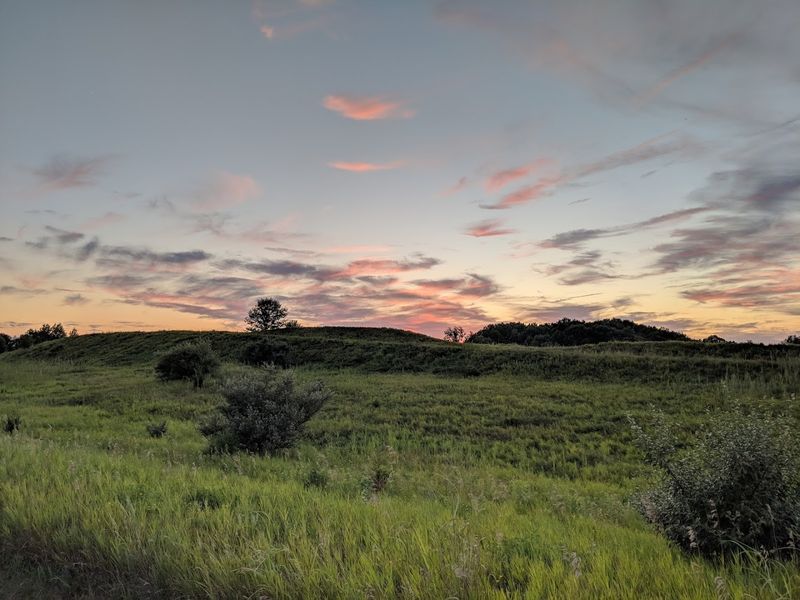
One of the most unusual features at Buffalo Rock is the Effigy Tumuli, a series of large earthen sculptures built into the landscape itself. These are not ancient Native American burial mounds, though they are easy to mistake for them at first glance.
They were actually created in the 1980s as a land reclamation art project on a former strip-mined area of the park.
Artist Michael Heizer designed five massive earth sculptures in the shapes of native animals, including a catfish, a water strider, a turtle, a frog, and a snake. Each one is enormous, stretching hundreds of feet in length, and they are best appreciated from above since the forms are subtle when you are walking on or near them.
From ground level, they look like gently rolling hills of grass.
The effigy trail that passes by these sculptures is flat and easy to walk, making it a good option for families with younger children or visitors who prefer a gentler route. Informational signs explaining the artwork have been missing in some areas, so doing a quick read-up before your visit helps you fully appreciate what you are looking at.
The concept is genuinely creative, and the scale is quietly impressive once it clicks.
Wildlife Beyond the Bison
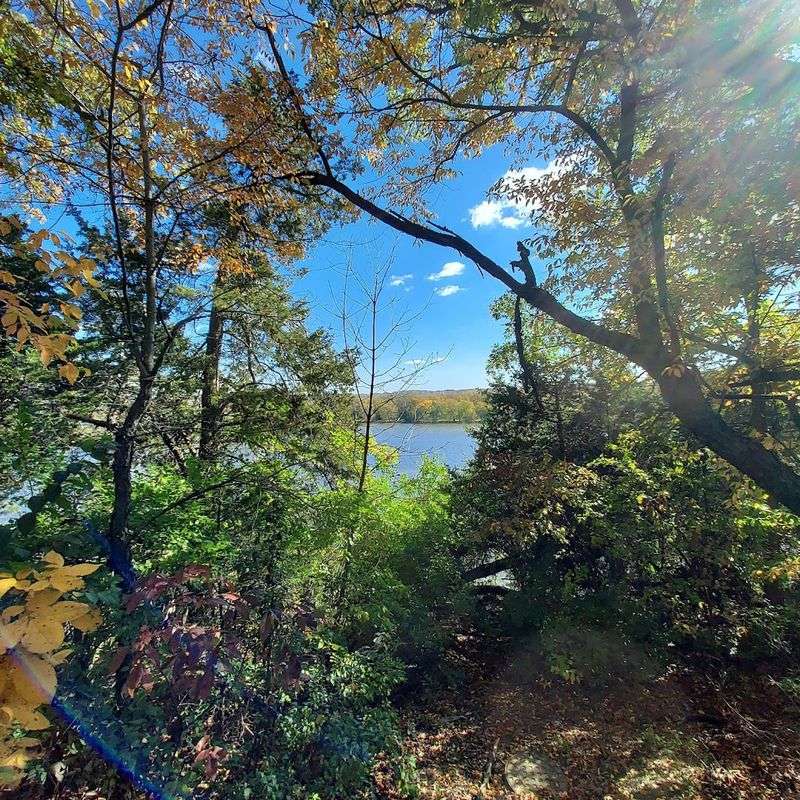
Buffalo Rock is not just about the bison. The park hosts a surprisingly rich variety of wildlife that rewards patient and attentive visitors.
Birdwatchers in particular find the park rewarding, with multiple species visible throughout the year depending on the season.
Bald eagles are spotted here with some regularity, especially during cooler months when they hunt along the Illinois River. Seeing one glide over the bluffs is one of those moments that makes you put your phone away and just watch.
White-tailed deer move through the meadow areas, and various songbirds fill the tree canopy along the wooded sections of the trail.
The park’s mix of habitats, including open grassland, river bluff forest, and the river corridor itself, creates conditions where a wide range of species can thrive. Early morning visits tend to produce the best wildlife sightings, before other visitors arrive and noise levels increase.
A pair of binoculars is worth tossing in your bag before the drive out. The combination of large mammals, raptors, and smaller woodland species makes Buffalo Rock one of those parks where the wildlife is genuinely the highlight, not just an afterthought.
Picnic Areas and Family-Friendly Amenities
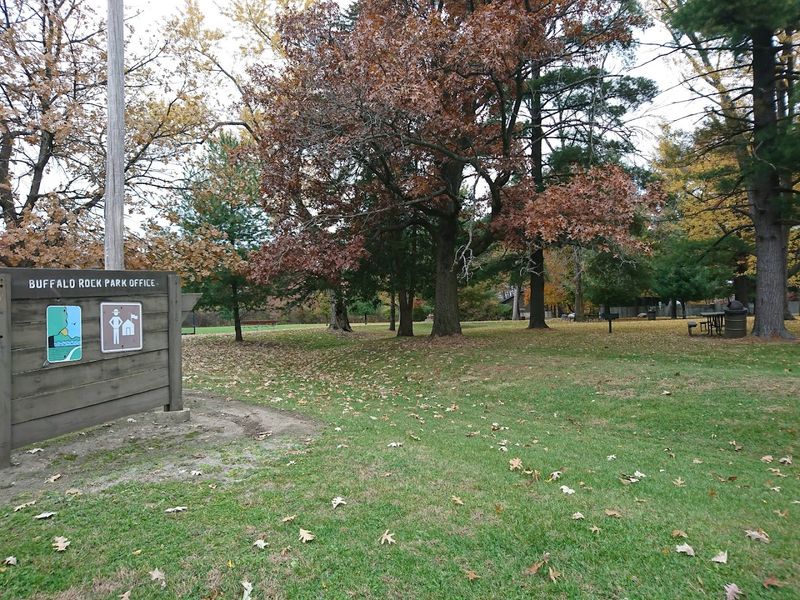
Beyond the trails and wildlife, Buffalo Rock is a genuinely comfortable place to spend a few hours with family. The park has multiple picnic areas spread across its grounds, with plenty of shaded tables and open green space for kids to run around.
One picnic shelter even features a fireplace, which makes it a surprisingly appealing option for cooler-weather gatherings.
There is also a baseball field and a playground on the property, which gives the park a community feel that larger, more rugged state parks sometimes lack. Restrooms are available, and during warmer months, the facilities are kept reasonably clean.
Outhouses are also on-site for when the main facilities are closed during colder seasons.
Parking is spacious and can accommodate larger vehicles, including RVs, without any issue. The park does not charge an entry fee, which makes it an easy choice for a spontaneous outing.
Families traveling between destinations often use it as a perfect midway stop to stretch their legs, let the kids burn off some energy, and enjoy a meal outdoors. The combination of trails, open space, and basic amenities covers all the bases for a relaxed, low-key outdoor day.
The Best Times to Visit and What to Expect
The park is open every day of the week from 8 AM to 7 PM, which gives you a solid window to plan a visit without rushing. Each season brings something different, and honestly, no single time of year is a bad choice for a trip out here.
Spring brings fresh green growth and active wildlife, making it a great season for birdwatching and spotting deer in the meadows. Summer is warm and busy, though Buffalo Rock never gets as packed as Starved Rock just across the river.
Fall is arguably the most beautiful season here, when the foliage along the bluffs turns orange and gold and the river views take on a softer, more dramatic quality.
Winter visits are quieter and have their own appeal, especially for those who enjoy solitude on the trail. One thing to keep in mind during fall and winter is that deer hunting season runs from October through January, and the effigy trail may be marked with caution notices during that period.
Weekday visits tend to be much quieter than weekends. Arriving in the morning gives you the best chance of spotting wildlife before the trails fill up and the bison settle into their midday rest.
How Buffalo Rock Compares to Nearby Parks
Ottawa, Illinois, sits in one of the most park-rich corridors in the entire state. Starved Rock State Park and Matthiessen State Park are both within a short drive, and they draw massive crowds, especially on weekends and holidays.
Buffalo Rock offers a genuinely different experience that complements both of those parks without trying to compete with them.
Where Starved Rock is known for its deep canyons and waterfalls and Matthiessen for its dramatic gorges, Buffalo Rock trades in open bluff views, flat prairie trails, and the singular draw of its resident bison. The trails here are shorter and less strenuous, which makes the park a natural choice for visitors who want scenic outdoor time without a demanding hike.
Many people pair all three parks into a single weekend trip, using Buffalo Rock as the easygoing counterpart to the more physically challenging terrain nearby. The park’s location directly across the river from Starved Rock also means you get a different perspective on the same river valley, which is worth experiencing on its own.
If the crowds at the bigger parks have ever frustrated you, Buffalo Rock is the quieter, unhurried alternative that still delivers real natural beauty.
Trail Tips and Practical Advice for First-Timers
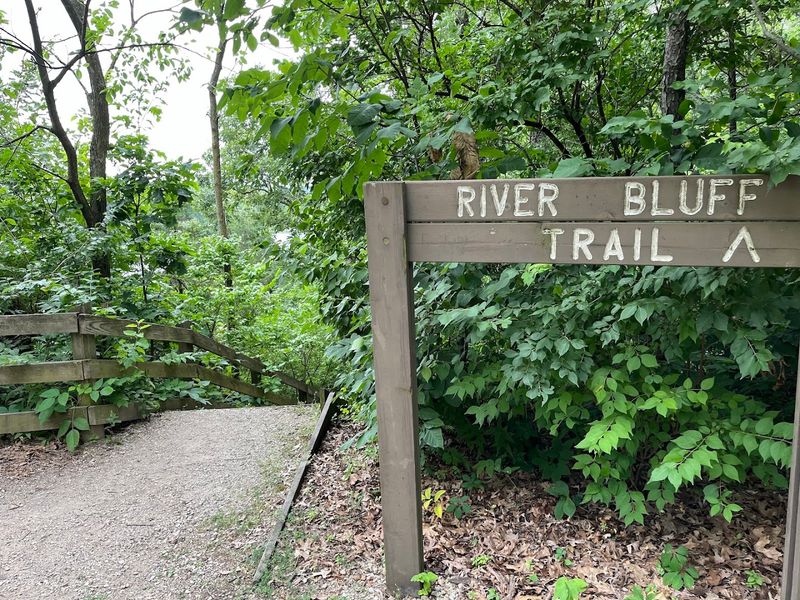
A few practical notes can make your visit to Buffalo Rock go a lot smoother. The trail signage has been inconsistently maintained, and some directional markers are missing entirely, which can make navigation a bit confusing on your first visit.
Downloading a trail map from the Illinois DNR website before you arrive is a smart move that saves frustration on the ground.
The River Bluff Trail has one section near the stone cliff where the footing gets uneven, and a walking stick or trekking pole is genuinely useful there. Proper footwear matters more here than the park’s modest reputation might suggest.
Comfortable sneakers work fine for the flat effigy trail, but the bluff section benefits from shoes with real grip.
Cell service is limited in parts of the park, so do not rely on your phone for navigation once you are on the trail. The park does not have a full visitor center, so any questions are best directed to the phone number or website before your trip.
Bringing water and a snack is always a good idea since there are no concessions on-site. With a little preparation, the visit runs smoothly and the trails reward you with views that feel well worth the modest effort.
Why Buffalo Rock Stays With You Long After You Leave
There is something quietly memorable about Buffalo Rock that is hard to pin down at first. It is not the biggest park, not the most dramatic, and not the most polished.
But it has a particular combination of things that adds up to more than the sum of its parts.
Standing at the edge of the sandstone bluff with the Illinois River stretched out below you, the wind moving through the trees, and the distant sound of the bison shifting in their enclosure nearby creates a moment that feels genuinely rare. Not many places in Illinois offer that specific blend of natural history, landscape, and living wildlife in one compact visit.
The park’s 4.4-star rating across hundreds of reviews reflects the fact that most people leave feeling glad they stopped. It is the kind of place that gets recommended quietly, passed along between friends who value a good outdoor experience without the fanfare.
Whether you are a seasoned hiker looking for a relaxed half-day outing or a family road-tripping through the Midwest, Buffalo Rock State Park earns a spot on the itinerary. Once you have watched a bison stand calmly at dusk on an Illinois bluff, that image tends to stick around for a while.
Share this story