Some men seem to have been born with looks that belong on a movie screen or a painted canvas. Throughout history, certain actors, models, and performers have left the world genuinely stunned by their appearance.
From golden Hollywood eras to modern red carpets, these men redefined what it meant to be considered truly handsome. Here is a look at 15 men whose looks were almost too good to be real.
1. Paul Newman
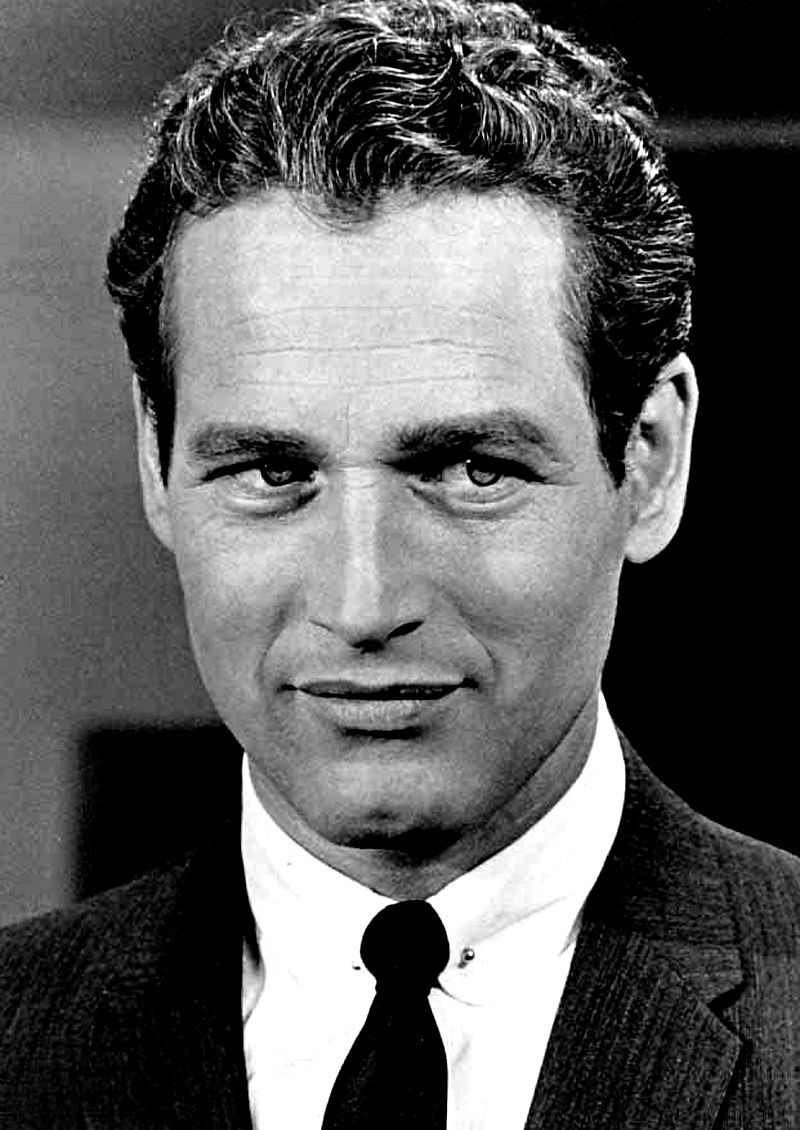
Nobody in Hollywood history has been talked about quite like Paul Newman when the subject turns to eyes. Those famously electric blue eyes were so striking that even fellow actors admitted they were difficult to look away from.
Newman carried himself with a quiet confidence that made his looks feel effortless rather than rehearsed.
Born in 1925 in Ohio, Newman became one of the most celebrated actors of his generation, earning praise for films like Cool Hand Luke and Butch Cassidy and the Sundance Kid. His appeal was not just physical.
He combined rugged masculinity with genuine warmth and intelligence.
Newman remained remarkably handsome well into his later decades, proving that his appeal was never just about youth. He was also a devoted philanthropist, donating hundreds of millions to charity through his food brand.
Few men have managed to be both this good-looking and this genuinely admirable.
2. Alain Delon
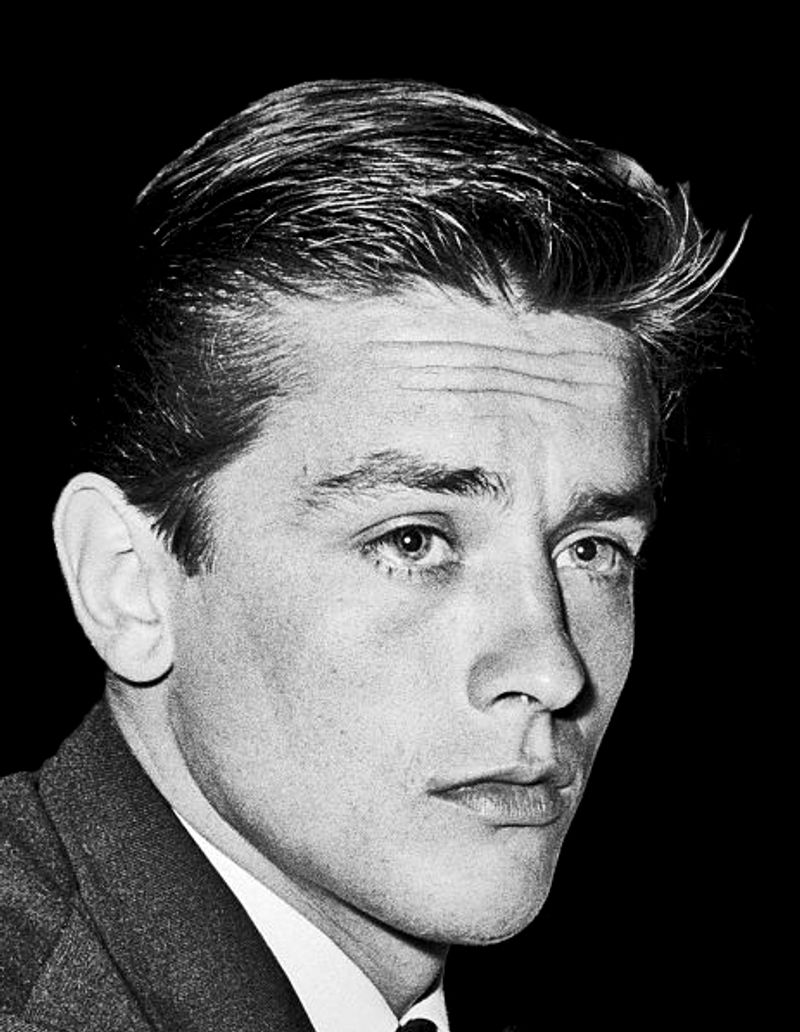
Alain Delon was so strikingly handsome that even legendary filmmaker Luchino Visconti once described him as the most beautiful man he had ever seen. Born in France in 1935, Delon rose to international fame during the 1960s, becoming the face of a certain kind of cool European masculinity that had never quite existed on screen before.
His features were almost unnervingly symmetrical, with sharp cheekbones, dark intense eyes, and a jawline that looked carved rather than natural. Films like Purple Noon and Le Samourai turned him into a global icon almost overnight.
Beyond his looks, Delon had a magnetic screen presence that made audiences feel both drawn in and slightly unsettled. He was the kind of handsome that felt almost unfair to everyone around him.
Even in his eighties, photographs of his younger self continued to circulate widely on social media as timeless examples of male beauty.
3. Marlon Brando
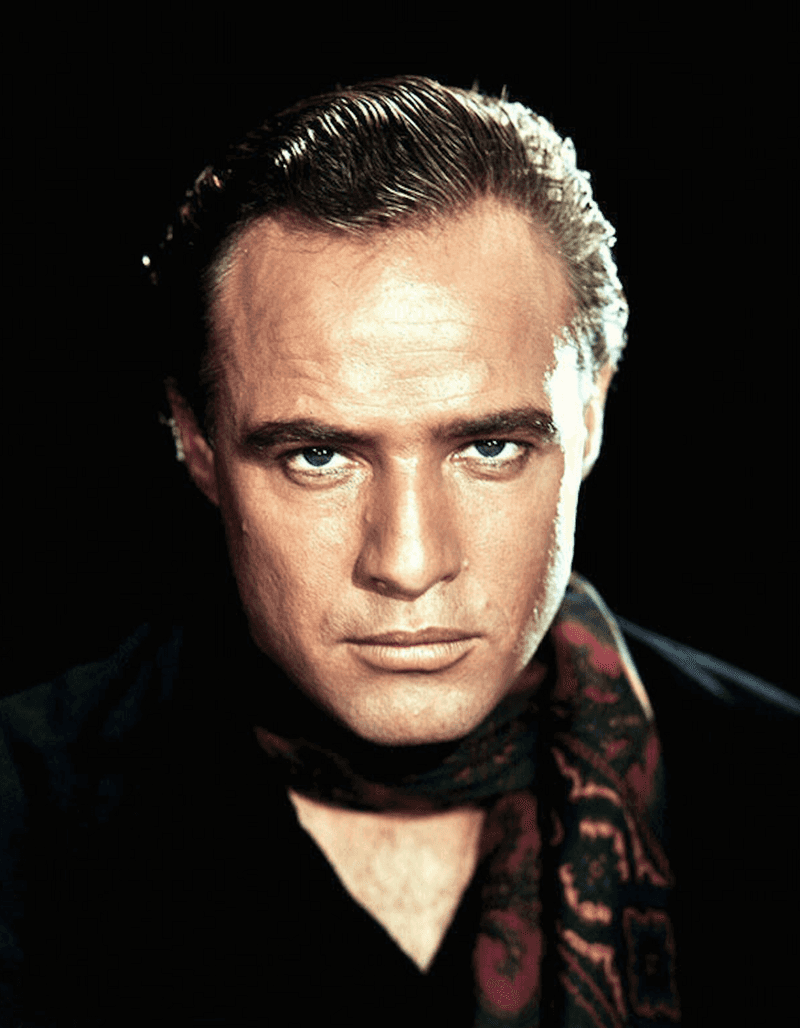
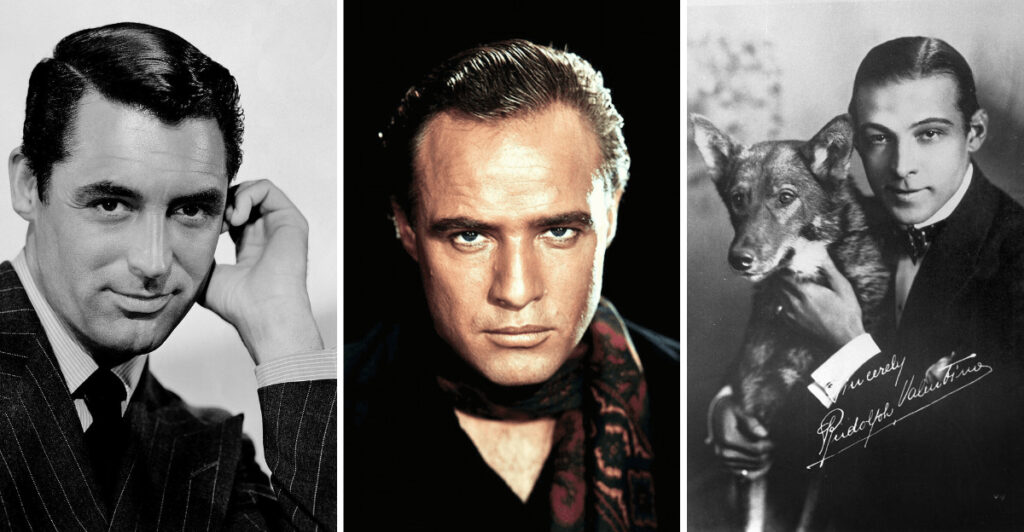
Before the world knew Marlon Brando as one of the greatest actors who ever lived, it was completely distracted by how he looked. In the early 1950s, when A Streetcar Named Desire hit theaters, audiences were not prepared for someone who combined raw physical magnetism with that level of emotional intensity.
He was unlike anything Hollywood had produced before.
Brando had a brooding, almost rebellious quality that made traditional leading-man handsomeness look boring by comparison. His dark eyes, strong build, and slightly disheveled energy created a new template for what attractive could mean on screen.
Directors, costars, and critics all noted how difficult it was to focus on anything else when Brando appeared in a scene. His looks were not polished or groomed in the classic sense, which somehow made them more powerful.
He essentially invented the modern concept of the smoldering leading man that Hollywood has been trying to replicate ever since.
4. Cary Grant
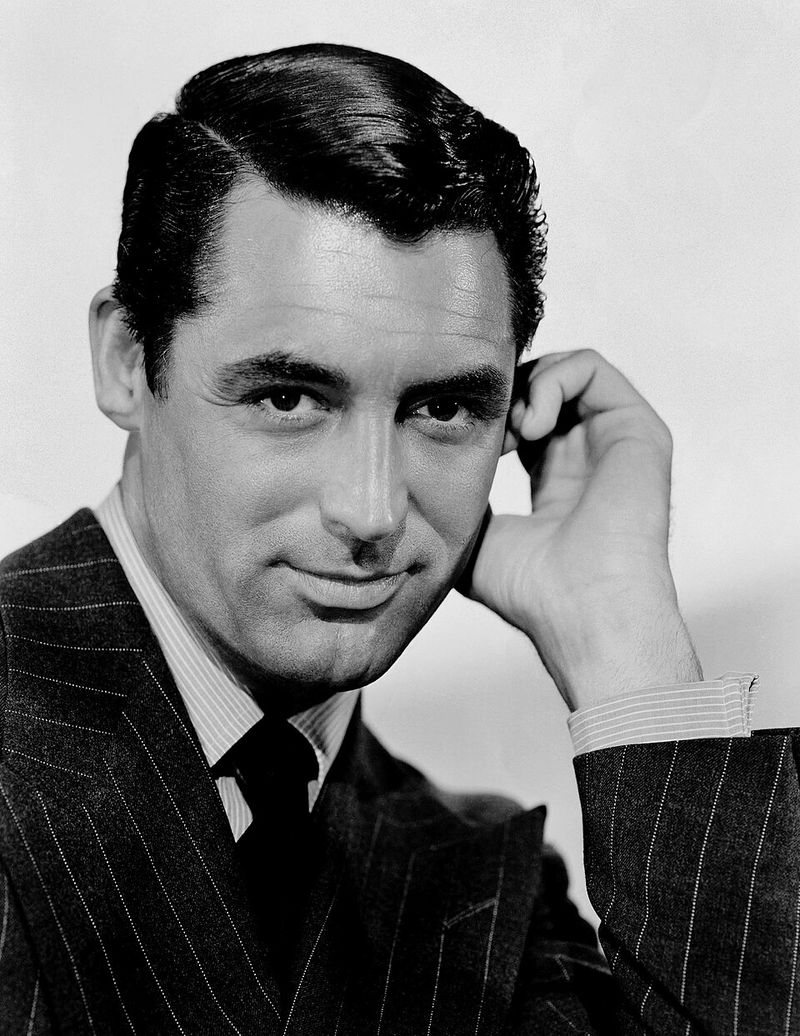
Cary Grant may be the closest thing cinema ever produced to a universally agreed-upon standard of masculine elegance. Born Archibald Leach in Bristol, England, in 1904, he reinvented himself as the effortlessly suave leading man that every studio in Hollywood wanted.
His look was polished, composed, and somehow completely natural at the same time.
What set Grant apart from other handsome men of his era was how he wore his attractiveness. There was never anything forced or self-conscious about it.
He moved through scenes with a relaxed confidence that made audiences feel like they were watching someone genuinely at ease in their own skin.
Even fellow actors acknowledged his looks with a kind of good-humored awe. The quote often attributed to various admirers was simply, “Everybody wants to be Cary Grant.” His films remain classics today, and his image still appears regularly in discussions about timeless male style and screen presence.
5. Rock Hudson
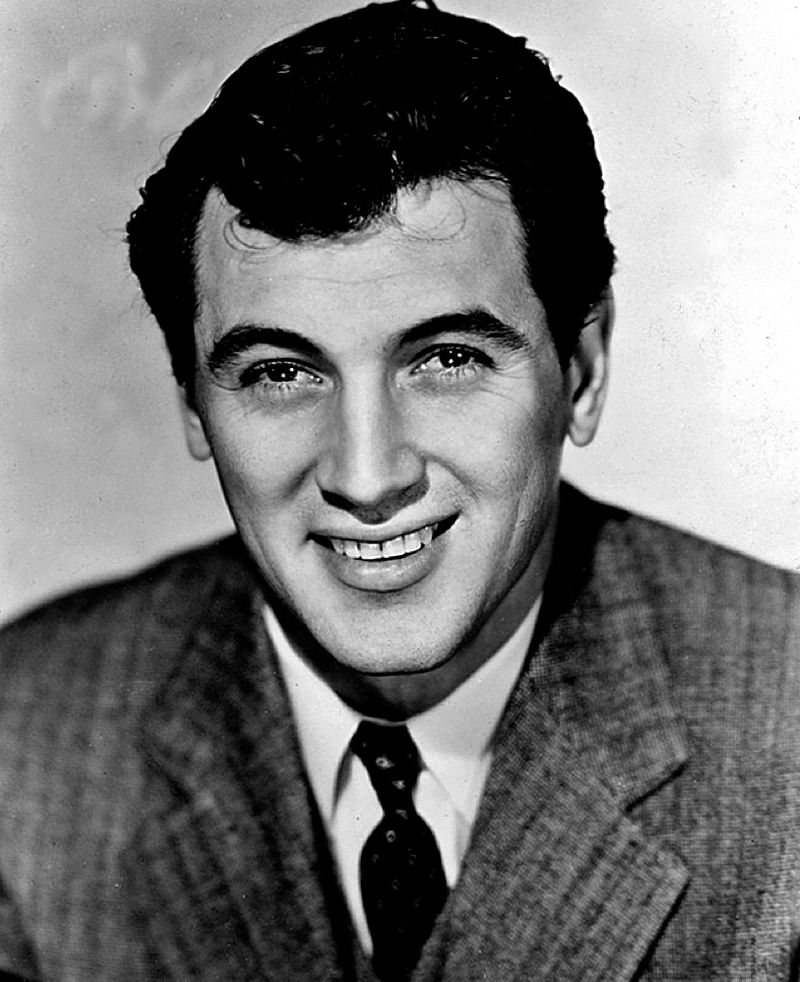
Standing over six feet tall with a wide smile and dark wavy hair, Rock Hudson was exactly what 1950s Hollywood imagined the ideal leading man should look like. Studios were almost too excited about him, rushing to place him in romantic comedies and dramas where his physical presence could do a great deal of the storytelling on its own.
Born Roy Harold Scherer Jr. in 1925, Hudson became one of the biggest box office draws of his era. His chemistry with Doris Day in films like Pillow Talk made him a household name across America and beyond.
Women adored him, and men wanted to project the same effortless confidence he seemed to carry naturally.
Hudson’s story is also one of quiet personal struggle beneath a very public image. Regardless of the complicated layers of his life, his physical appeal during his peak years remains one of Hollywood’s most discussed and documented examples of genuine movie-star looks.
6. Omar Sharif
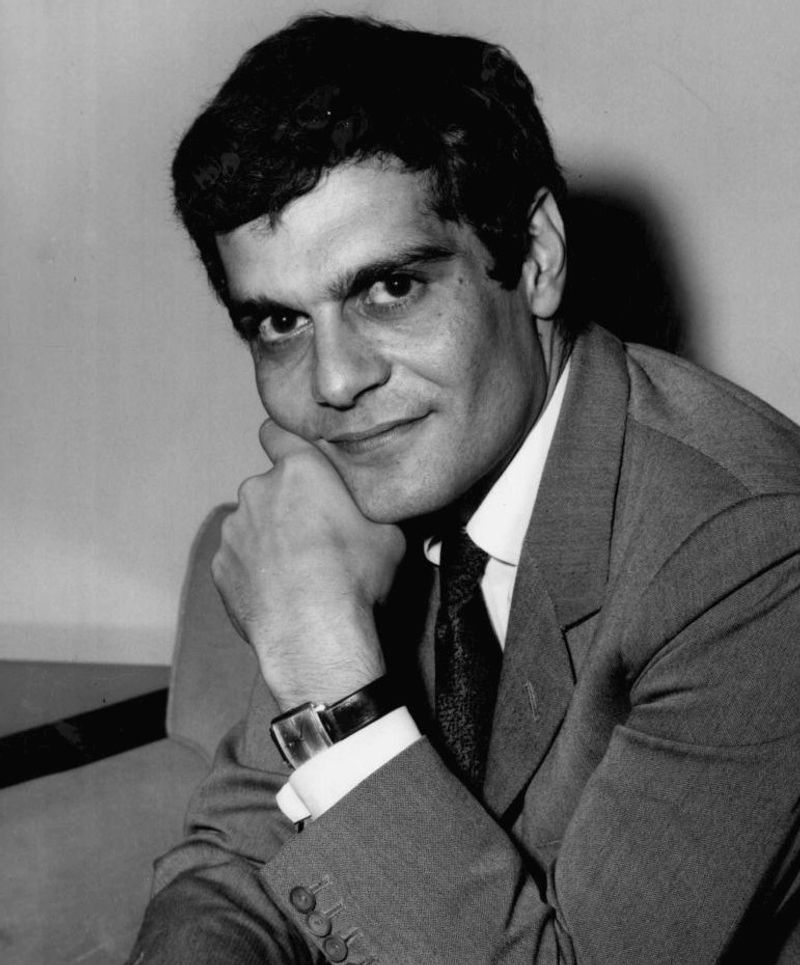
When Doctor Zhivago was released in 1965, audiences around the world were introduced to Omar Sharif in a way that felt almost cinematic in itself. The camera seemed genuinely in love with his face, lingering on those deep, liquid brown eyes that carried entire emotional scenes without a single word of dialogue.
He was a revelation in every sense.
Born in Egypt in 1932, Sharif brought a warmth and depth to his screen presence that separated him from the cooler, more detached handsomeness of many of his contemporaries. His features were distinguished and expressive, combining classical structure with an unmistakable soulfulness.
Sharif became one of the few actors of his era to achieve genuine international stardom across multiple continents. His appeal crossed cultural boundaries in a way that few performers managed during that period.
Even decades later, film historians and fans consistently rank him among the most visually compelling actors ever to appear on screen.
7. Robert Redford
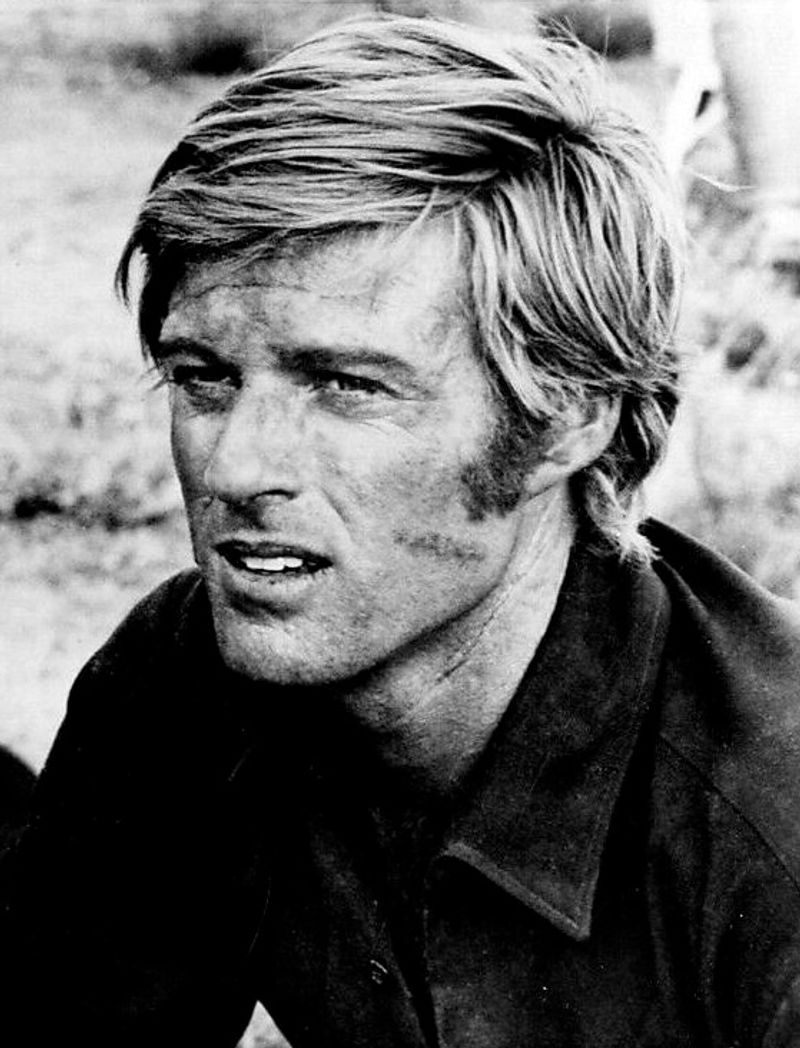
Robert Redford had the kind of looks that seemed borrowed from a California sunset. The golden hair, the blue eyes, the easy tan, and the relaxed smile all combined into something that felt both completely natural and almost impossibly photogenic.
He did not look like he was trying to be handsome, which somehow made it worse for everyone else.
Born in 1936 in Santa Monica, Redford became one of the defining faces of 1970s American cinema. Films like The Sting and Butch Cassidy and the Sundance Kid showcased a charismatic ease that matched his physical appeal perfectly.
His chemistry with Paul Newman in those films remains one of cinema’s most celebrated screen partnerships.
Redford also founded the Sundance Institute, which grew into one of the most respected independent film organizations in the world. He proved that extraordinary looks and serious artistic ambition were not mutually exclusive qualities, leaving a legacy that goes well beyond his famous cheekbones.
8. George Clooney
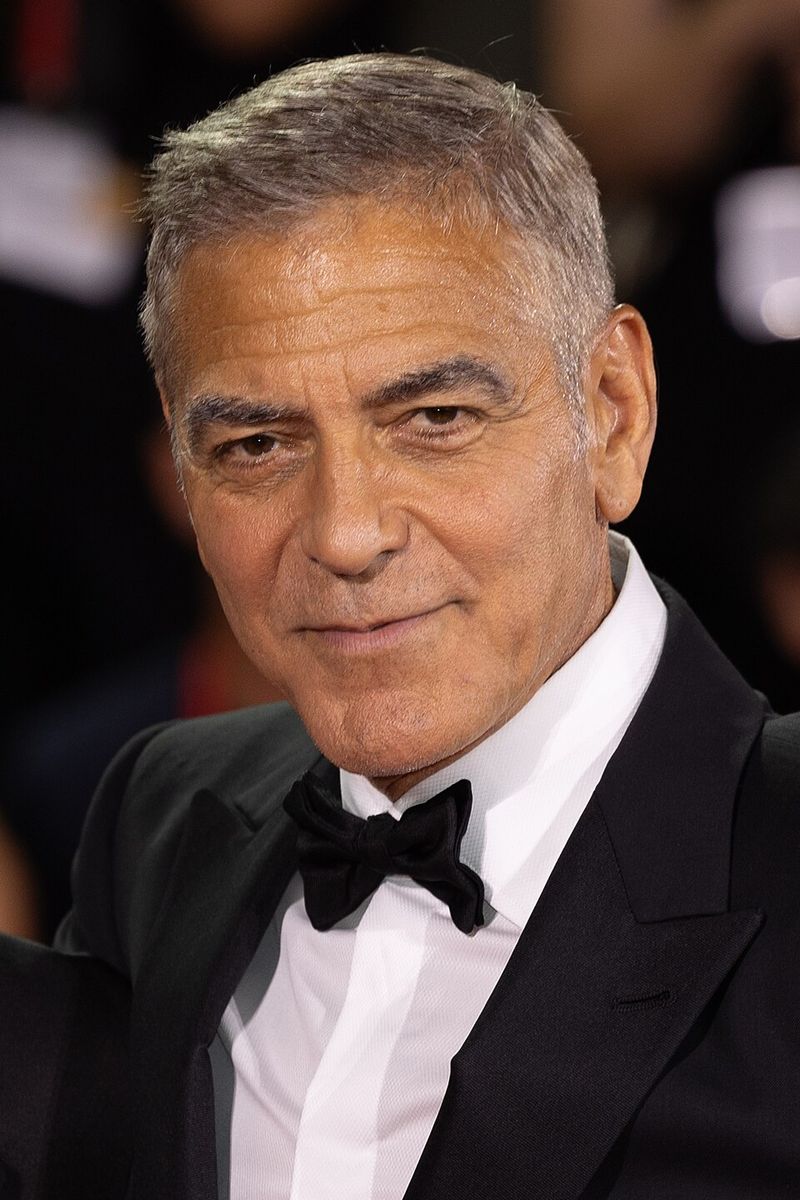
George Clooney is one of those rare cases where getting older seemed to make someone even more attractive. When he first appeared on ER in the early 1990s, he was undeniably good-looking.
But as his hair turned silver and his features settled into something more defined, the world collectively agreed that he had somehow improved with age.
Born in 1961 in Kentucky, Clooney built a career on a combination of sharp wit, strong screen presence, and an almost architectural jawline. He carries himself with the kind of relaxed confidence that reads as genuine rather than performed, which amplifies his appeal considerably.
Beyond acting, Clooney became a respected director and producer, as well as a prominent humanitarian. People magazine named him the Sexiest Man Alive not once but twice, in 1997 and 2006, a distinction that reflects both his sustained appeal and his ability to remain culturally relevant across multiple decades of Hollywood history.
9. Brad Pitt
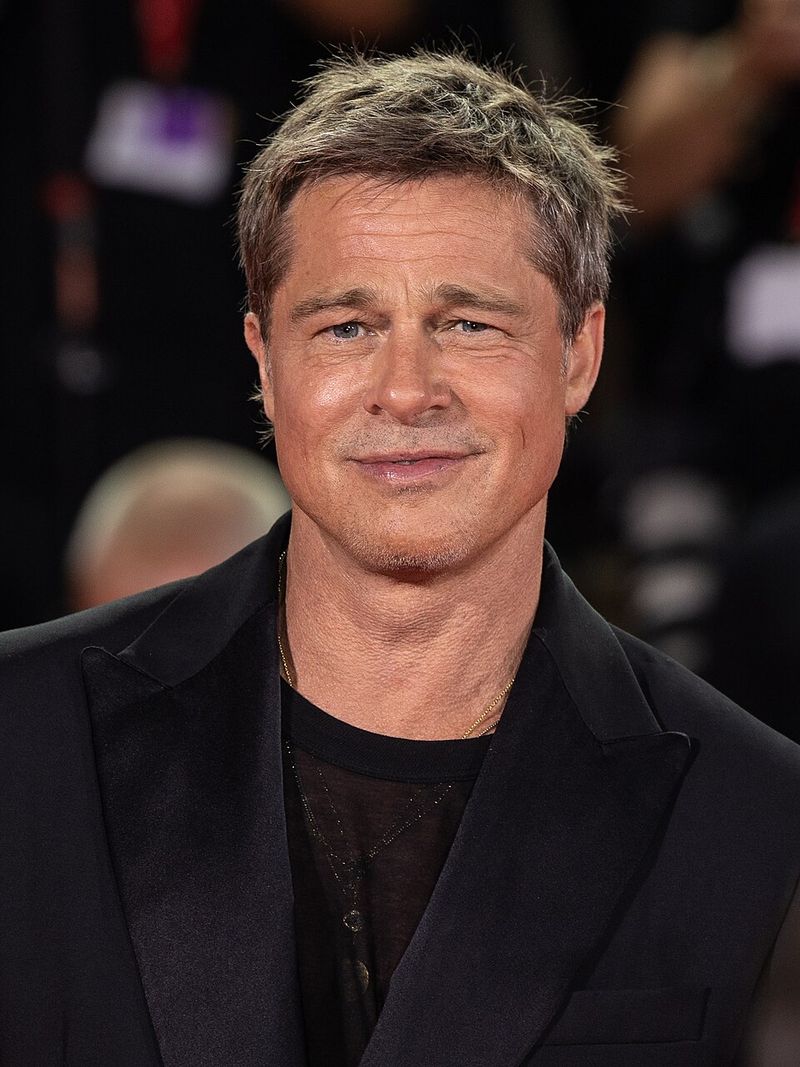
Few names trigger the phrase “most handsome man in the world” as reliably as Brad Pitt. When he appeared in Thelma and Louise in 1991, audiences reacted with a kind of collective surprise, as if they had not expected someone to be quite that attractive.
His combination of angular features, easy smile, and effortless physicality created an immediate cultural moment.
Born in 1963 in Oklahoma, Pitt went on to build one of the most impressive acting careers of his generation, collecting an Oscar and dozens of nominations along the way. His looks evolved gracefully from the sun-bleached California charm of his early career into something more rugged and distinguished in later years.
What makes Pitt’s appeal particularly durable is its versatility. He has looked equally convincing as a romantic lead, an action hero, and a dramatic character actor.
His face seems to shift slightly depending on the role, yet remains unmistakably and almost frustratingly good-looking throughout every phase of his career.
10. David Gandy
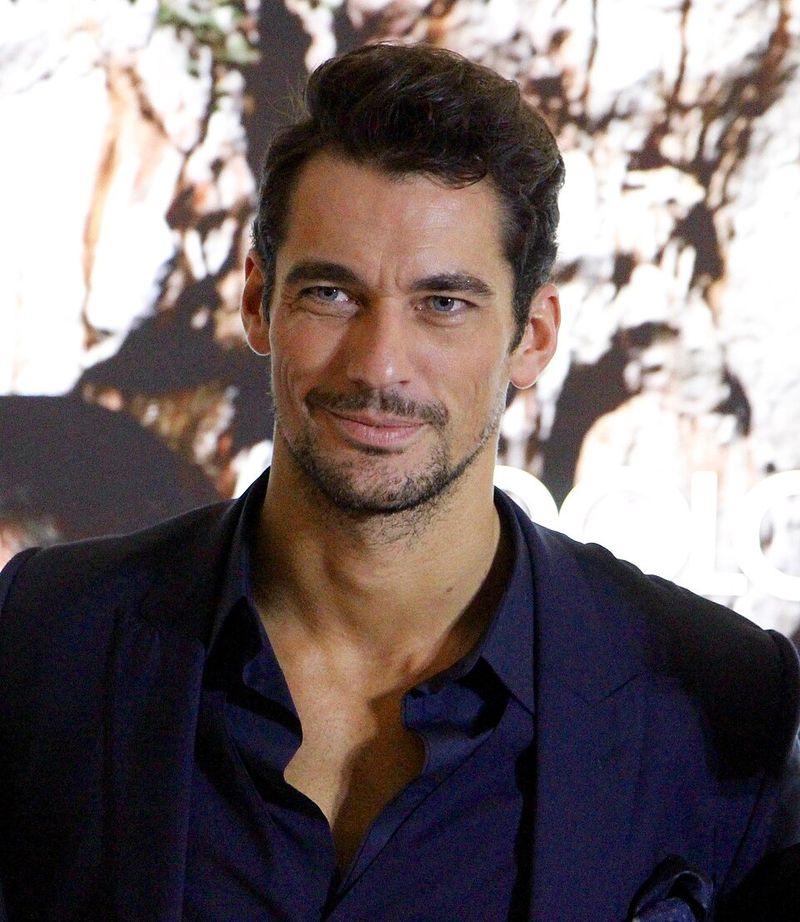
David Gandy arrived in the modeling world at a moment when the industry had been leaning heavily toward androgynous, slender male figures. His appearance was almost a correction, a reminder that classic masculine structure still had enormous power and commercial appeal.
When Dolce and Gabbana cast him in their Light Blue fragrance campaign in 2006, the response was immediate and global.
Born in Essex, England, in 1980, Gandy became the rare male model whose name was recognized by the general public rather than just fashion insiders. His features are strong and symmetrical, with a jawline and brow structure that photographers consistently describe as unusually easy to light.
Gandy has spoken openly about building his career on professionalism and preparation rather than relying solely on his appearance. He expanded into fashion design and brand partnerships, establishing himself as a business figure in the industry.
His career helped reignite mainstream interest in the classic, tailored masculine aesthetic that had somewhat faded during the 1990s.
11. Rudolph Valentino
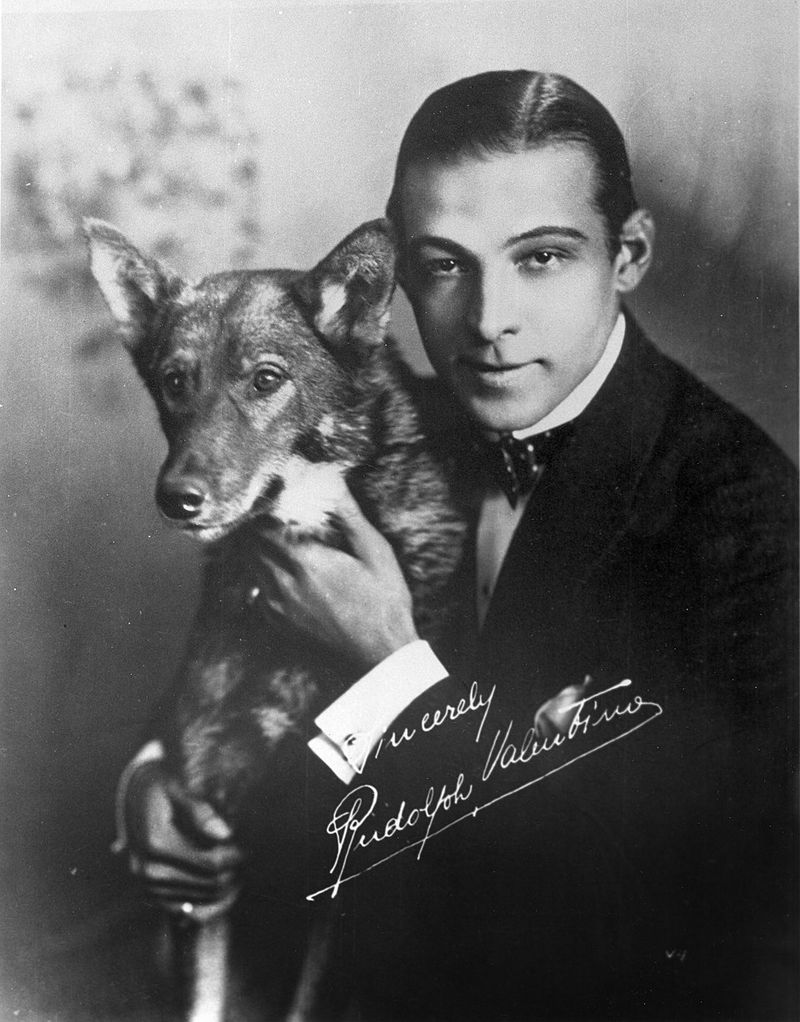
Long before the concept of a global celebrity heartthrob existed, Rudolph Valentino essentially invented it. When The Sheik was released in 1921, women lined up around theater blocks and reportedly fainted during screenings.
This was not a publicity stunt. The reaction to Valentino was genuine, overwhelming, and unlike anything the entertainment world had witnessed before.
Born in Italy in 1895, Valentino emigrated to the United States and eventually found his way into silent film, where his expressive dark eyes and exotic features translated perfectly onto the screen. He embodied a romantic intensity that felt both dangerous and irresistible to 1920s audiences.
When Valentino died suddenly in 1926 at just 31 years old, the public mourning was extraordinary. Thousands gathered outside the funeral home, and several reported suicides were linked to grief over his passing.
His brief career left a permanent mark on how popular culture thinks about male beauty, desire, and the power of screen charisma.
12. Tyrone Power
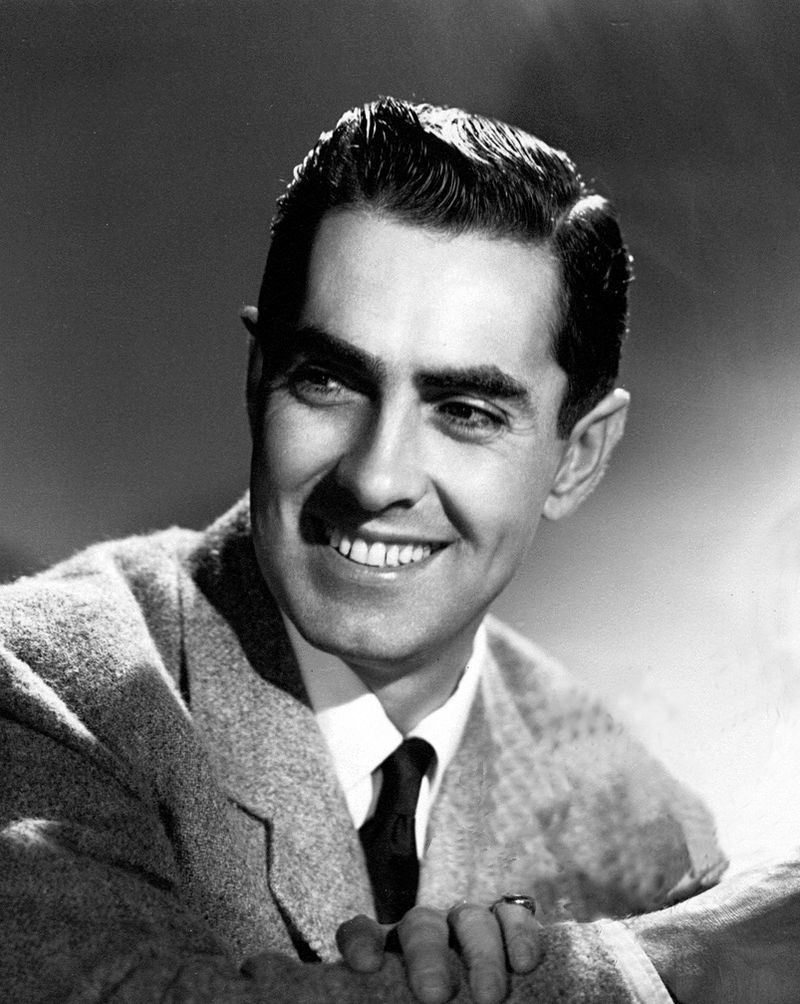
Tyrone Power was so extraordinarily handsome that studio executives at 20th Century Fox initially worried audiences might not take him seriously as an actor. They were wrong, but the concern itself says something about just how striking his appearance was.
His features were almost geometrically perfect, with dark eyes, a strong jaw, and a smile that could carry an entire poster on its own.
Born in Cincinnati in 1914 into an acting family, Power took to the screen naturally and quickly became one of Hollywood’s top box office draws during the late 1930s and 1940s. Films like The Mark of Zorro and Blood and Sand made him a genuine international star.
Power served in the Marine Corps during World War II, which only added to his appeal when he returned to acting. Colleagues consistently described him as warm, unpretentious, and remarkably unaffected by his own extraordinary looks.
He died in 1958 at just 44, leaving behind a filmography that still holds up beautifully today.
13. Henry Cavill
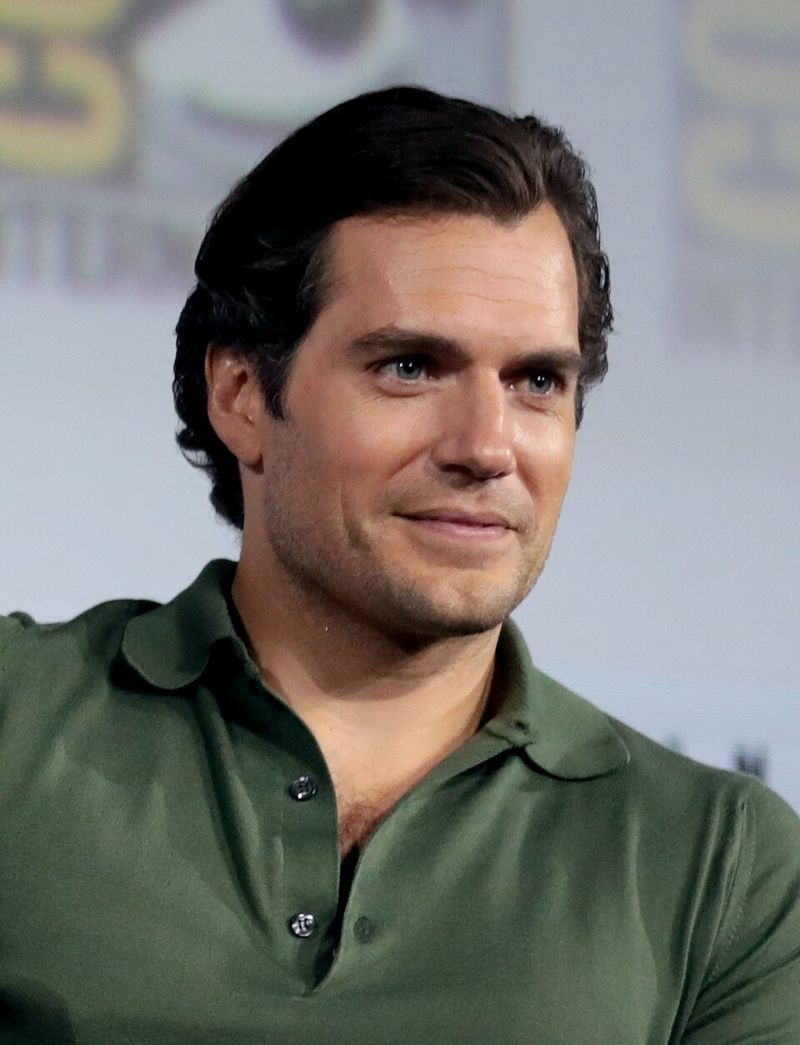
Henry Cavill looks like someone described a comic book superhero to a sculptor and the sculptor took the assignment extremely seriously. When he was cast as Superman in Man of Steel in 2013, the reaction was less surprise and more acknowledgment that the right person had finally been found.
His physical proportions and facial structure genuinely seemed designed for the role.
Born in Jersey in the Channel Islands in 1983, Cavill worked steadily in British television and film before his breakthrough. He came close to landing major roles like James Bond and Batman before Superman arrived, and it is hard to imagine any of those outcomes going poorly from a visual standpoint.
What makes Cavill particularly interesting is that he is openly enthusiastic about fitness, gaming, and Warhammer, interests that make him feel surprisingly approachable despite his almost implausible appearance. His combination of classical leading-man looks and genuine personality has earned him a devoted global following that extends well beyond superhero film audiences.
14. Jon-Erik Hexum
Jon-Erik Hexum was the kind of person who walked into a room and made everyone momentarily forget what they had been talking about. Born in New Jersey in 1957, he combined the build of a professional athlete with facial features that modeling agencies and casting directors described as once-in-a-generation material.
He was discovered almost by accident while studying acting in New York.
Hexum landed the lead in the CBS adventure series Voyagers in 1982 and quickly became one of the most talked-about new faces on American television. Magazines ran features on him regularly, and his career trajectory looked genuinely limitless.
Tragically, Hexum died in 1984 at just 26 following an accident on set. The loss cut short what many in the industry believed would have been one of the most remarkable careers of his generation.
His brief time in the spotlight left a lasting impression, and he remains a poignant example of extraordinary promise that the world never got to see fully realized.
15. Gregory Peck
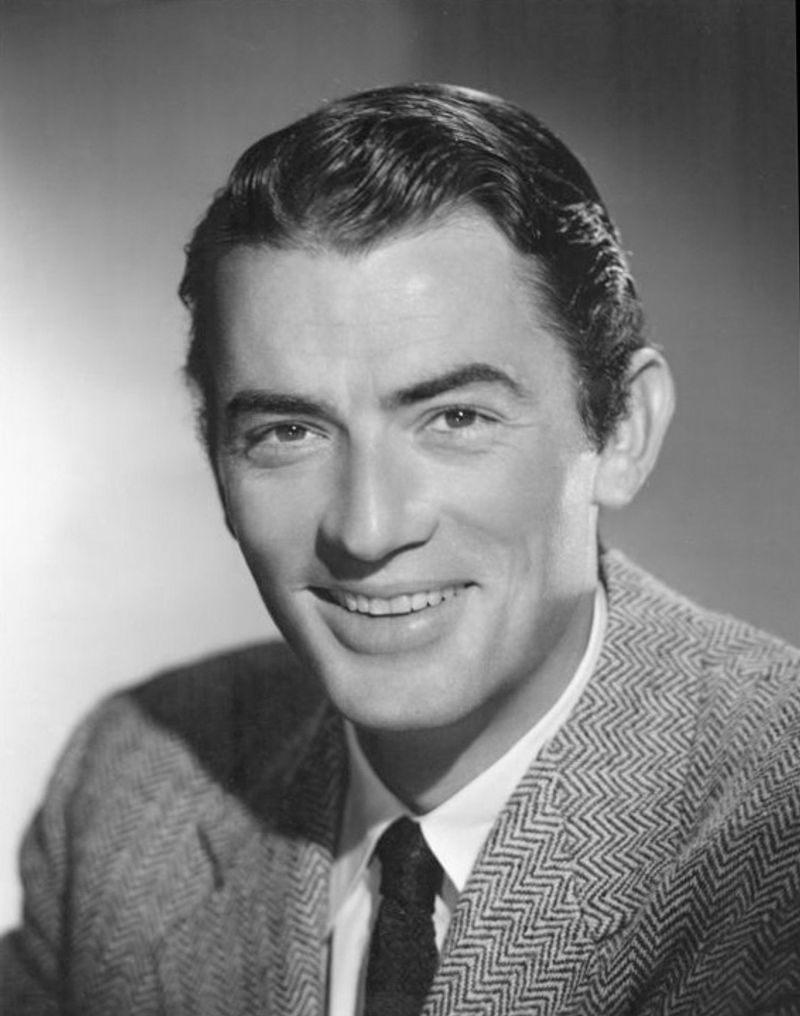
Ava Gardner, who worked with some of the most attractive men in Hollywood history, reportedly named Gregory Peck as her favorite leading man. Coming from someone with her experience and standards, that was not a casual compliment.
Peck had the kind of presence that went beyond simple good looks into something more commanding and enduring.
Born in La Jolla, California, in 1916, Peck stood well over six feet tall with a jawline that seemed specifically designed to project authority and integrity on screen. His deep voice added another dimension to an already formidable physical package.
Films like Roman Holiday and To Kill a Mockingbird cemented his status as one of cinema’s most respected figures.
What distinguished Peck from many of his equally handsome contemporaries was a moral seriousness that came through in virtually every role he played. He was not just attractive.
He was convincingly decent, which made audiences trust and admire him in ways that pure physical beauty alone rarely achieves. His legacy remains remarkably strong decades after his passing in 2003.
Share this story