Most people hear “Mediterranean” and immediately think Santorini selfies, Amalfi Coast traffic jams, and Barcelona crowds. But the Mediterranean has a secret side, full of stunning places that most tourists simply scroll past.
I stumbled onto this world by accident when I missed a ferry to Mykonos and ended up somewhere far more interesting. These 13 destinations prove that the best Mediterranean experiences are often the ones nobody warned you about.
Alonissos, Greece
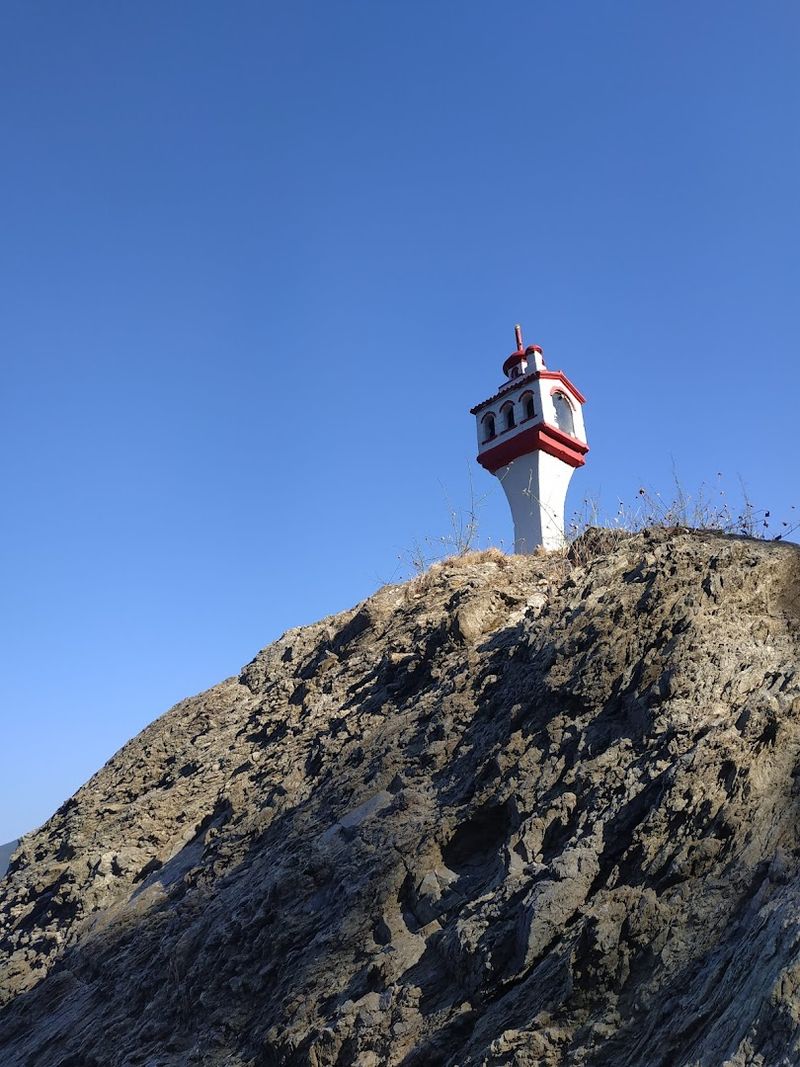
Europe has a marine protected area so clean that monk seals actually live there, and most travelers have never heard of it. Welcome to Alonissos, the quiet achiever of the Sporades island group.
While half the world queues for a Santorini sunset photo, this island is busy being genuinely spectacular.
The old village of Hora sits perched on a hill, full of restored stone houses and zero souvenir shops selling plastic gods. Hiking trails cut through pine forests and drop you onto beaches where the only footprints are yours.
Snorkeling here feels like cheating because the water is that clear.
Ferries run from Volos and Skiathos, so getting here is easier than its reputation suggests. Stay in a small guesthouse, eat grilled octopus by the harbor, and wonder why you ever bothered with the crowded islands.
Alonissos rewards the curious traveler handsomely.
Favignana, Italy
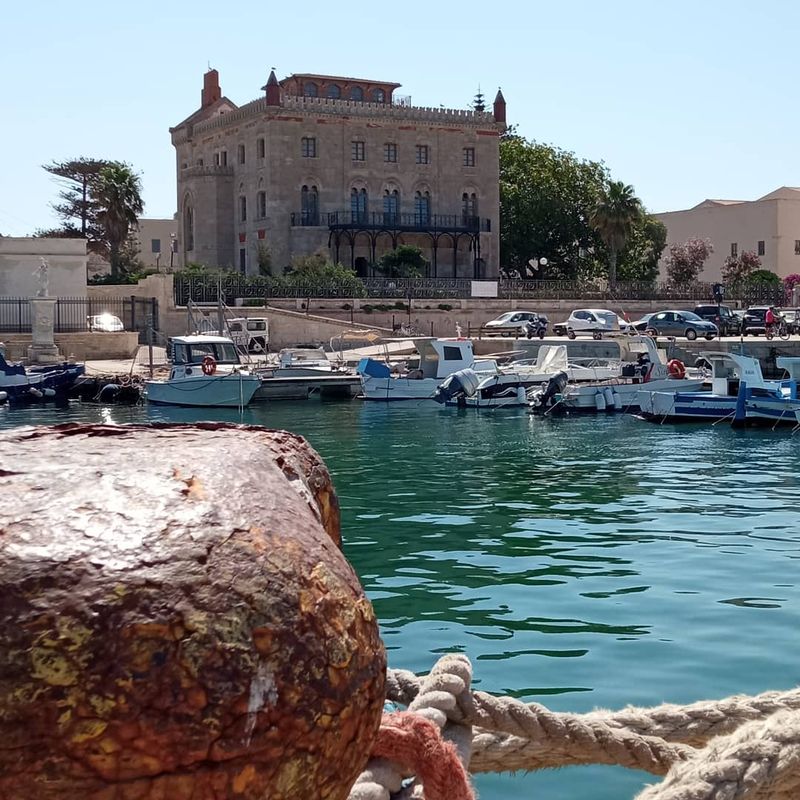
Cala Rossa might be the most photogenic cove in all of Italy, yet somehow Favignana keeps flying under the radar. This butterfly-shaped island sits just off Sicily’s western coast, and yes, its shape on a map really does look like a butterfly.
That quirky fact alone makes it worth mentioning at dinner parties.
The island built its entire identity around tuna fishing, and the old tonnara, a historic tuna processing plant, now operates as a fascinating museum. Limestone was quarried here for centuries, leaving behind strange geometric pools that fill with seawater and turn an impossible shade of blue.
Rent a bicycle because the island is flat and small enough to circle in a morning.
Most visitors day-trip from Trapani, but staying overnight changes everything. The evening streets are quiet, the seafood is extraordinary, and Favignana feels entirely yours after the ferries leave.
Gozo, Malta
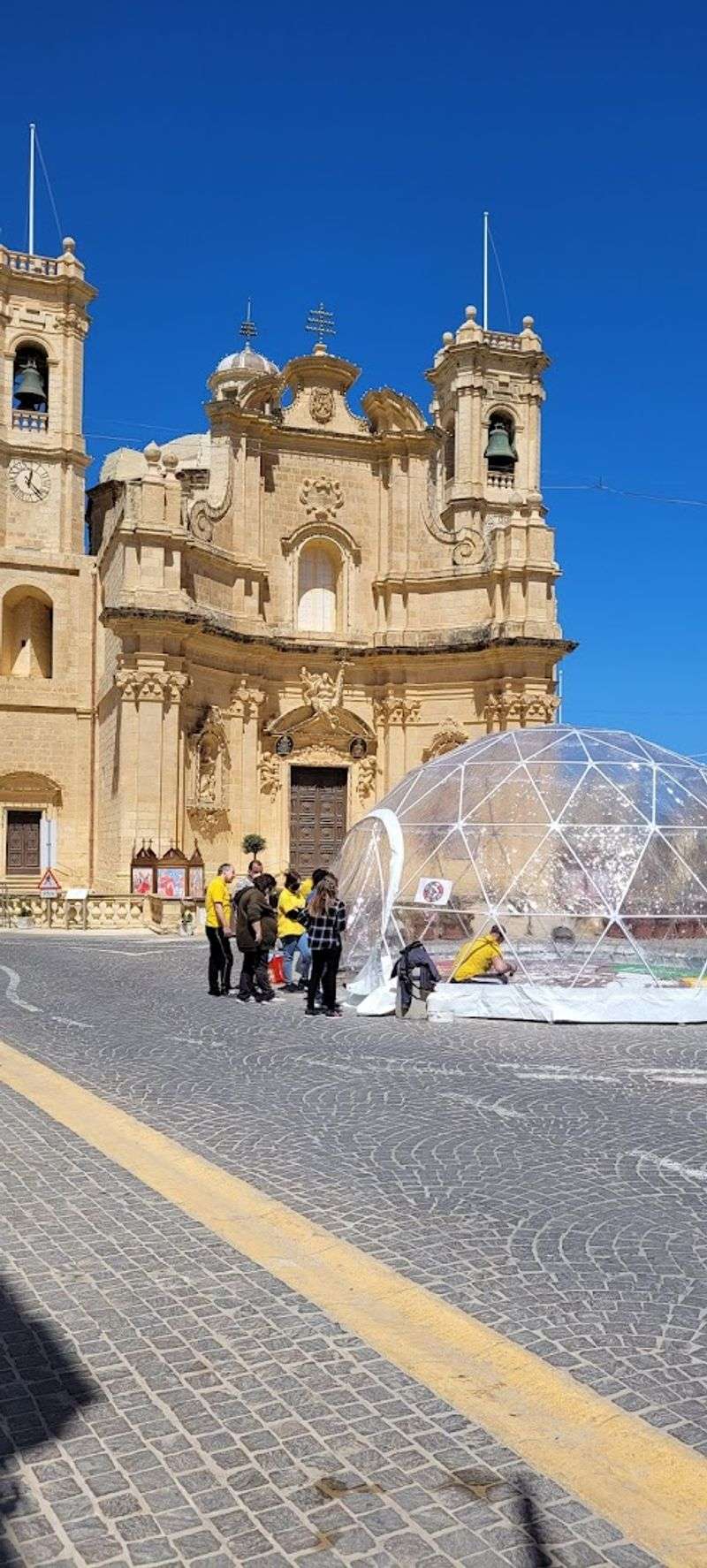
Malta gets all the attention, but its smaller sibling Gozo has been quietly perfecting the Mediterranean island experience for centuries. Fewer than 37,000 people live here, yet the island packs in prehistoric temples older than Stonehenge, dramatic sea cliffs, and some of the Mediterranean’s best dive sites.
That is a lot of content for one small island.
The Azure Window famously collapsed in 2017, but Gozo’s coastline remains spectacular. Inland, the capital Victoria sits on a hilltop with a citadel that has been fortified since the Bronze Age.
Villages here have a genuine lived-in quality, with feast decorations left up long after the party ends because nobody is in a rush.
The ferry from Malta takes just 25 minutes, making Gozo an easy addition to any Malta trip. Rent a car, get properly lost on the narrow lanes, and stumble onto views that will completely rearrange your travel priorities.
Cilento Coast, Italy
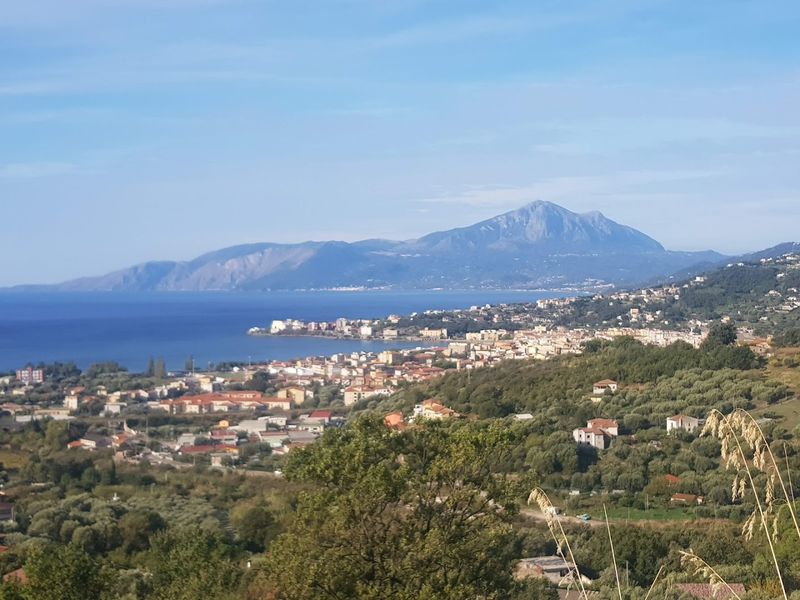
The Amalfi Coast charges premium prices for premium crowds, but Cilento, just a short drive south, delivers similar beauty with none of the chaos. This UNESCO-recognized region stretches along the southern Campania coastline, and I spent a week there eating the best buffalo mozzarella of my life without a tourist bus in sight.
Medieval hilltop villages like Castellabate and Acciaroli look like film sets but function as real communities where people actually live and argue about football. The beaches are long, clean, and rarely packed.
Greek temples at Paestum sit just inland, three of them, remarkably intact and completely awe-inspiring.
Family-run trattorias serve dishes rooted in the Mediterranean diet, which was literally studied and named here in the 1950s by American scientist Ancel Keys. That means the food is not just delicious but historically significant.
Cilento is the rare place where eating lunch counts as cultural research.
Kotor, Montenegro
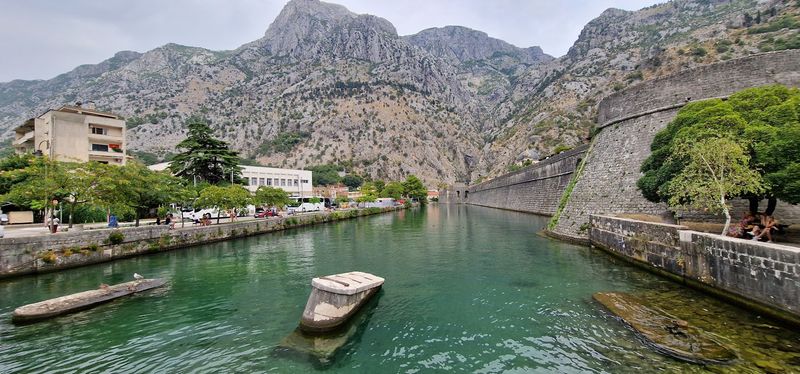
Kotor’s bay is so dramatic that first-time visitors sometimes pull over just to check that it is real. Mountains drop almost vertically into the water, medieval walls climb impossibly steep hillsides, and a perfectly preserved old town sits at the base of all this geological theater.
Montenegro as a whole remains one of Europe’s least-visited countries, which seems like a collective oversight.
The old town is genuinely small enough to explore in a few hours, but the surrounding area rewards extra time. Hike the fortress walls above the city for views that justify every sweaty step.
The nearby village of Perast has just two churches on small islands in the bay, and boat taxis will take you out to them for a few euros.
Cruise ships do dock here, but their passengers tend to cluster near the main gate. Walk ten minutes in any direction and the crowds thin dramatically.
Kotor rewards those who wander.
Lefkada, Greece
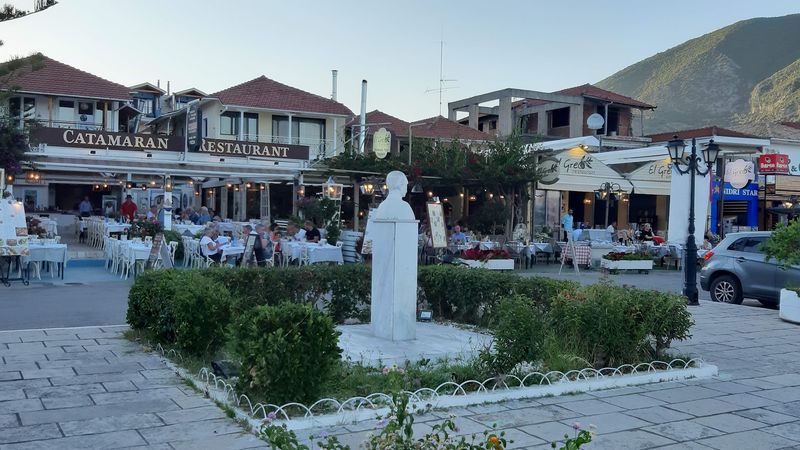
Porto Katsiki consistently ranks among the most beautiful beaches in Europe, and yet Lefkada remains refreshingly free of the chaos that plagues Greece’s most famous islands. The secret is partly logistical: Lefkada connects to the mainland by a short causeway and swing bridge, making it the only Greek island you can drive to.
No ferry queues, no overpriced tickets.
The west coast beaches are the main event, with white cliffs dropping into water so blue it looks digitally enhanced. Egremni Beach requires a long staircase descent that filters out anyone who forgot to stretch first.
The eastern side of the island is calmer, with shallow lagoons popular with windsurfers and sailors.
Lefkada Town itself has a distinctive architectural style, with upper floors clad in colorful corrugated metal, a quirky earthquake-proofing technique from the 19th century. Tavernas along the marina serve fresh fish at prices that feel almost apologetic compared to Mykonos.
Tinos, Greece
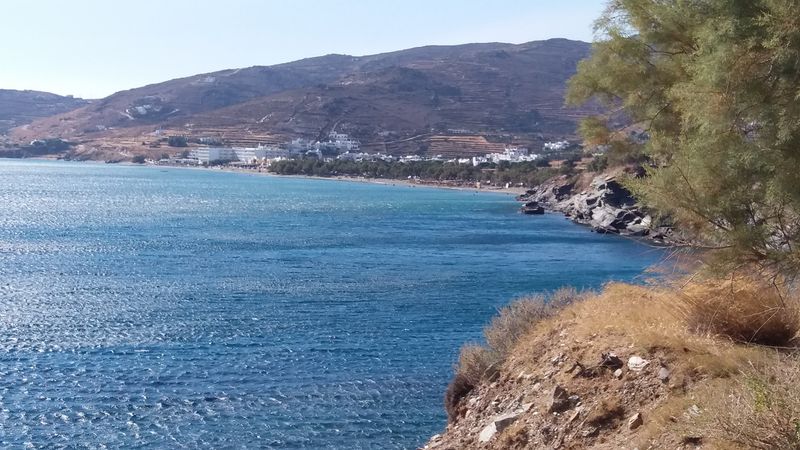
Mykonos gets the parties, but Tinos gets the marble, the food, and the soul. These two islands are practically neighbors in the Cyclades, yet they could not feel more different.
Tinos has been a center of Greek Orthodox pilgrimage for nearly two centuries, which gives it a spiritual gravity that party islands simply cannot replicate.
The island is famous for its marble craftsmanship, and villages like Pyrgos are essentially open-air sculpture schools where artisans still work traditional techniques. Dovecotes, the ornate stone towers that dot the hillsides, are a Tinos trademark and look like something from a very elegant fairy tale.
There are over 1,000 of them scattered across the island.
The food scene is quietly exceptional. Tinos produces its own cheeses, cured meats, and artisan products that chefs across Greece seek out.
A farmers market in Tinos Town on weekends turns grocery shopping into a genuinely memorable experience.
Andros, Greece
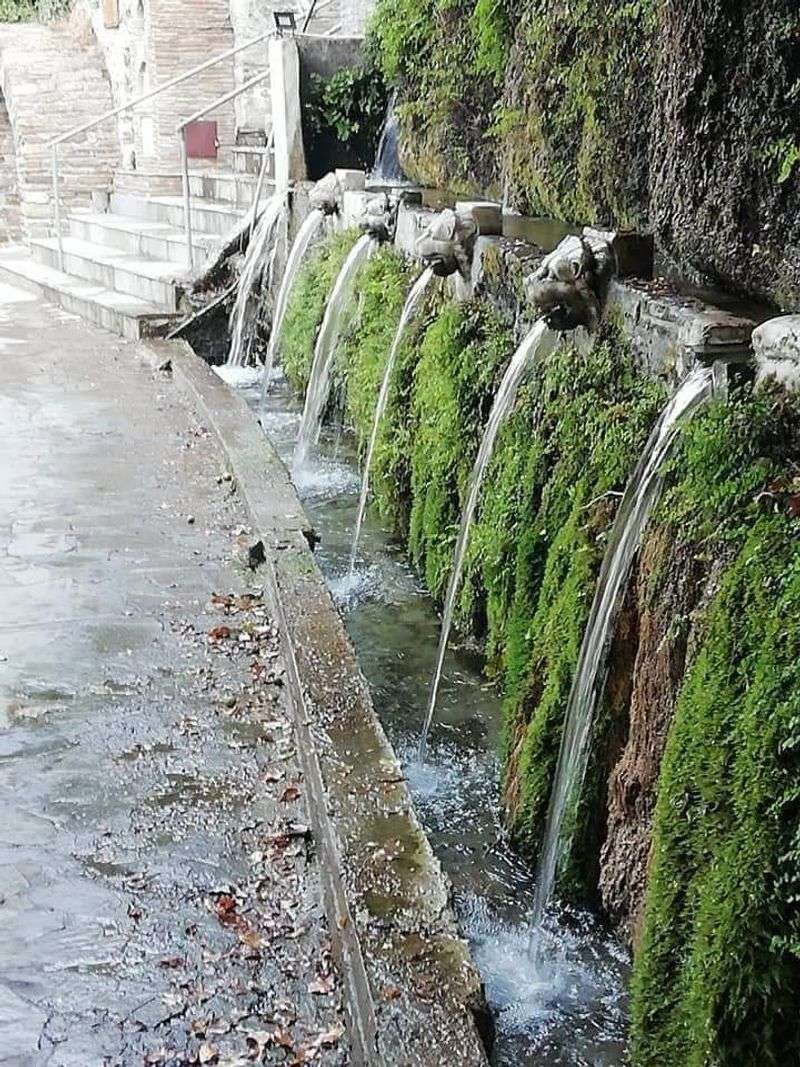
Calling Andros the green island of the Cyclades feels like an understatement when you are standing next to an actual waterfall on what is supposedly a dry Aegean island. The island receives more rainfall than its neighbors, which means springs, streams, and vegetation that surprises every first-time visitor expecting bare rock and white walls.
Hiking trails here are well-marked and genuinely rewarding, passing through terraced farmland, medieval towers, and historic monasteries. The Andros Route is a long-distance walking network that links villages across the island and attracts serious trekkers who tend to keep their discovery quiet.
Chora, the capital, is one of the most architecturally elegant towns in the Cyclades.
Andros is a favorite weekend escape for wealthy Athenians, which means the restaurants and accommodation punch above the island’s tourist profile. Despite being just two hours from Athens by ferry, it has somehow avoided mass tourism.
Honestly, let us all agree to keep it that way.
Bale, Croatia
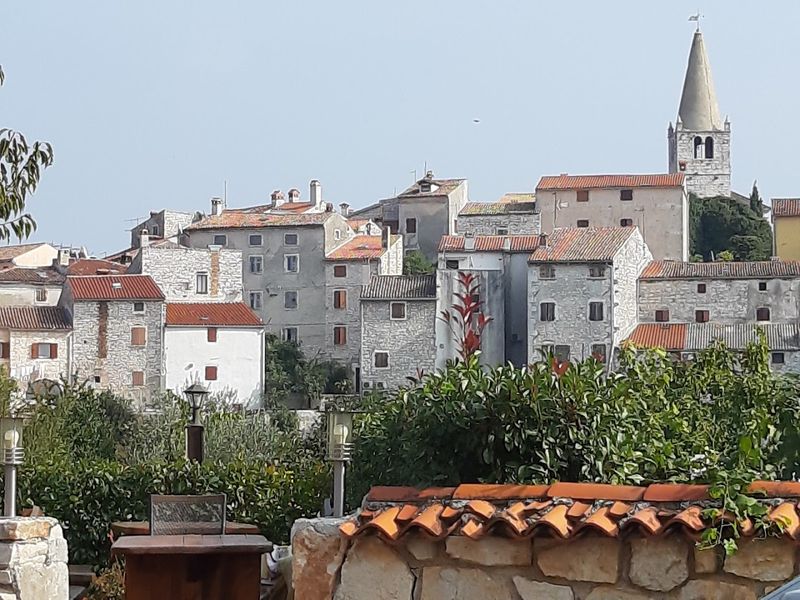
Croatia’s coastline gets mobbed every summer, but head inland on the Istrian Peninsula and you find a completely different country. Bale is a medieval stone town sitting on a low hill surrounded by vines and olives, and it has the kind of quiet confidence that comes from being beautiful without needing anyone to notice.
The town’s centerpiece is the Soardo-Bembo Castle, a Renaissance-era building that now houses a small museum and occasionally hosts jazz concerts in its courtyard. The surrounding countryside produces excellent Istrian wine and olive oil, and local producers are happy to let you taste both, sometimes at the same time.
Hidden beaches along the nearby coast require a short drive and a willingness to walk a dirt path.
Rovinj gets all the Instagram posts, but Bale is where you actually want to spend a slow afternoon. Fewer tourists, better prices, and a local vibe that feels completely unperformed.
This is real Istria.
Marettimo, Italy
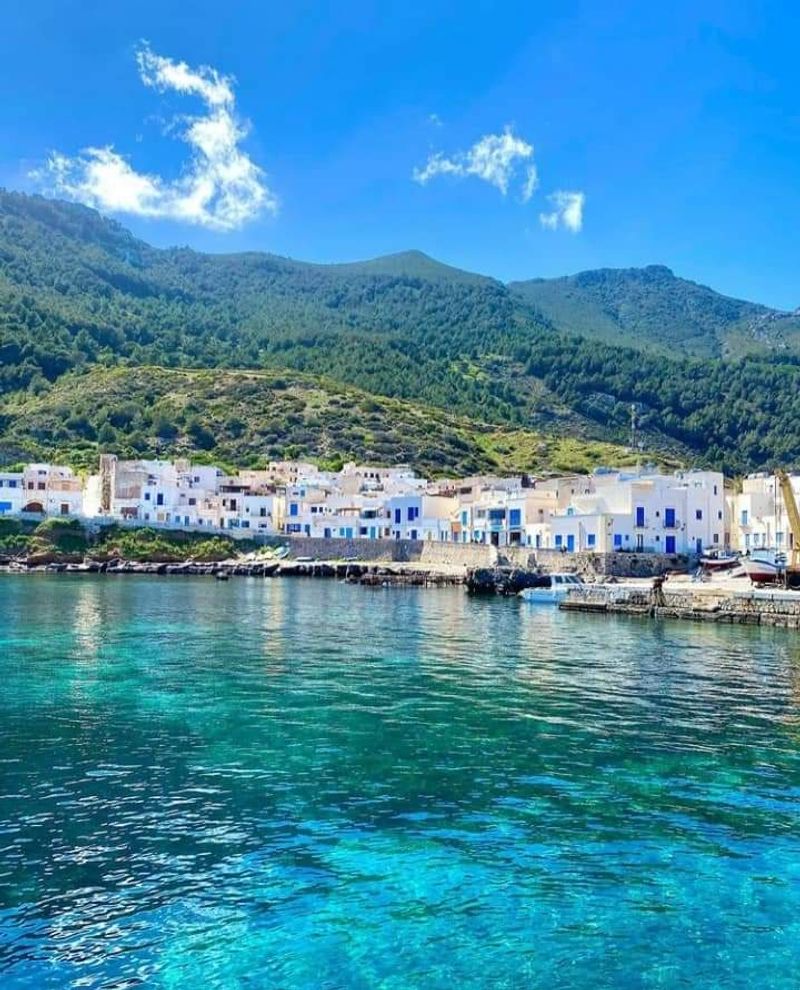
Getting to Marettimo requires a ferry from Trapani and a genuine commitment to doing nothing at a very high level. This is the most remote of Sicily’s Egadi Islands, with a population of around 700 people and a development philosophy that seems to be: less is significantly more.
The island has no cars to speak of, which immediately sets the mood. Hiking trails cut across dramatic terrain, passing Roman ruins, Byzantine chapels, and coastal caves that can only be accessed by boat.
The diving and snorkeling are exceptional, with visibility so good that it feels like the sea is showing off.
Marettimo played a historically significant role as the site of the Battle of the Egadi in 241 BC, the naval battle that effectively ended the First Punic War. Roman warship rams have been recovered from the seabed nearby.
So the history is literally underwater, which is a compelling reason to get your snorkel out.
Calabria, Italy
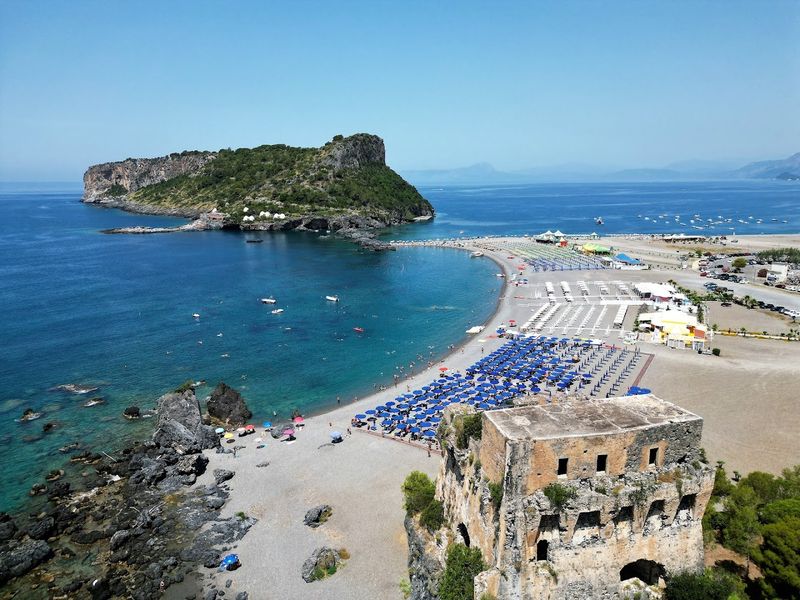
Calabria occupies the toe of Italy’s boot and has been kicking back against its underrated reputation for years. This is one of Italy’s poorest regions economically, but in terms of beaches, ancient history, and food culture, it is extraordinarily rich.
The problem is that most tourists stop at Naples and never look further south.
The coastline here is genuinely spectacular. The Tropea area features dramatic cliffs with white sandy beaches at their base, and a town literally built on top of a sea cliff that looks structurally ambitious.
Inland, the Aspromonte mountains harbor ancient villages and the last communities of Calabrian Greeks, descendants of Byzantine settlers who still speak a form of ancient Greek.
The food deserves its own article. Calabrian chili, nduja spreadable salami, and swordfish prepared seventeen different ways are just the beginning.
Budget travelers especially benefit here because prices remain well below northern Italian standards. Calabria is Italy before Italy got expensive.
Syros, Greece
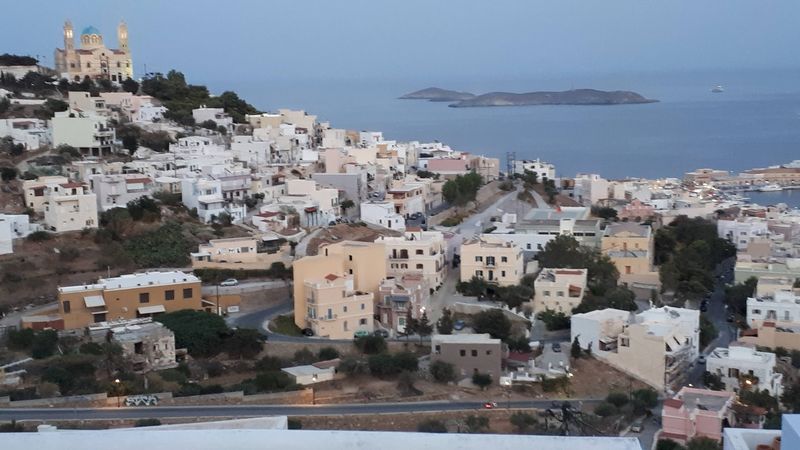
Most Cycladic islands shut down between October and April, but Syros keeps going because it has something the others lack: actual residents with actual lives. As the administrative capital of the Cyclades, Syros functions as a real city year-round, and that makes it feel completely different from the seasonal resort islands surrounding it.
Ermoupoli, the capital, was the most important port in Greece during the 19th century, and the neoclassical architecture from that era still lines the harbor in impressive rows. The Apollo Theatre, a scaled-down version of Milan’s La Scala opera house, sits in the main square and still hosts performances.
Two hilltop neighborhoods, one Catholic and one Orthodox, reflect the island’s unusual religious history.
Local loukoumades, Greek honey donuts, have been made here since the 1800s and are taken very seriously. Syros also produces a distinctive nougat called pasteli that locals will press upon you with the enthusiasm of proud parents.
It is worth every calorie.
Bozcaada, Turkey
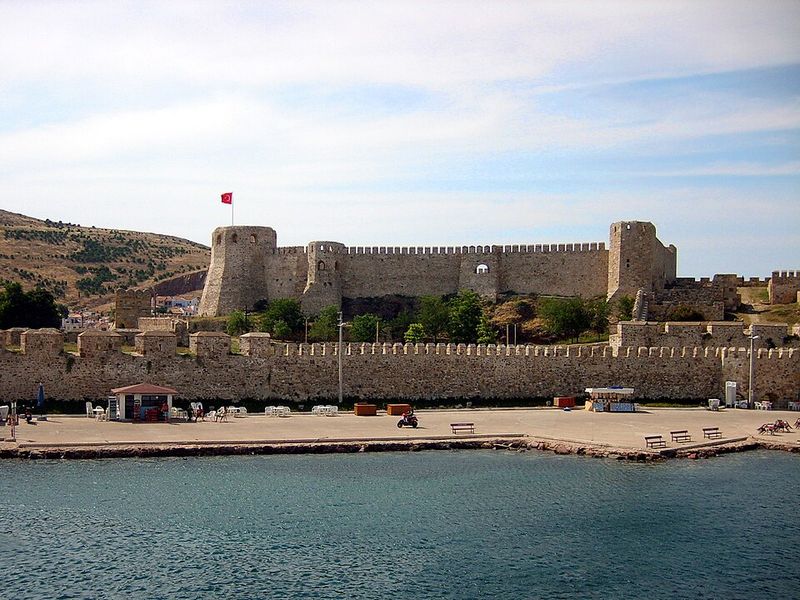
Turkey has a Greek-style island that most people outside of Turkey have never heard of, and that is a genuine shame. Bozcaada sits in the northeastern Aegean, close enough to the Dardanelles to have witnessed some seriously significant history, including the ancient city of Troy just across the water on the mainland.
The island grows grapes and has been doing so since antiquity. Local wineries produce bottles that rarely leave the island, which is either a frustrating distribution problem or a very good reason to visit in person.
The castle at the harbor entrance was built by Venetians, expanded by Genoese, and then significantly upgraded by the Ottomans, which gives it the architectural personality of a very well-traveled building.
Summer brings Turkish tourists who have known about this place for generations, but the crowds stay manageable compared to the Aegean’s more famous destinations. September is the sweet spot: harvest season, warm water, and a pace of life so relaxed it should come with a prescription.
Share this story