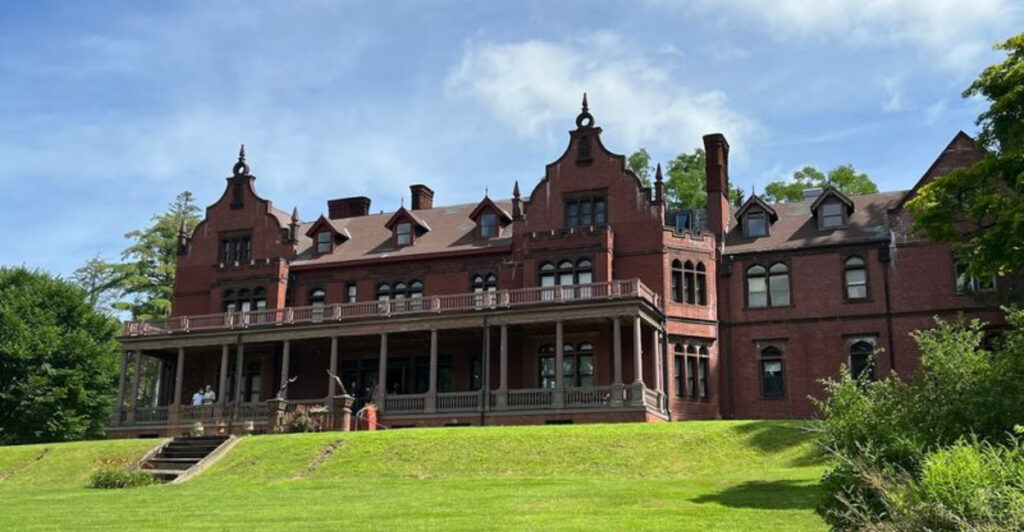
In the Berkshires of western Massachusetts, there is a 28,000-square-foot brick mansion that the locals once called a “cottage.” That word alone tells you everything about the era it came from. Built in 1893 for the sister of J.P.
Morgan, this Jacobean Revival estate in Lenox sat neglected for decades, falling into such disrepair that rainwater pooled on the grand hallway floor every winter. Today, it is very much alive again, welcoming curious travelers who want to see the Gilded Age not as a finished museum exhibit, but as an active, ongoing story.
The restoration work is visible, deliberate, and genuinely fascinating. This is not a place where everything is polished and perfect.
It is a place where history is being rescued in real time, and that makes every room worth exploring.
The Morgan Connection That Started It All
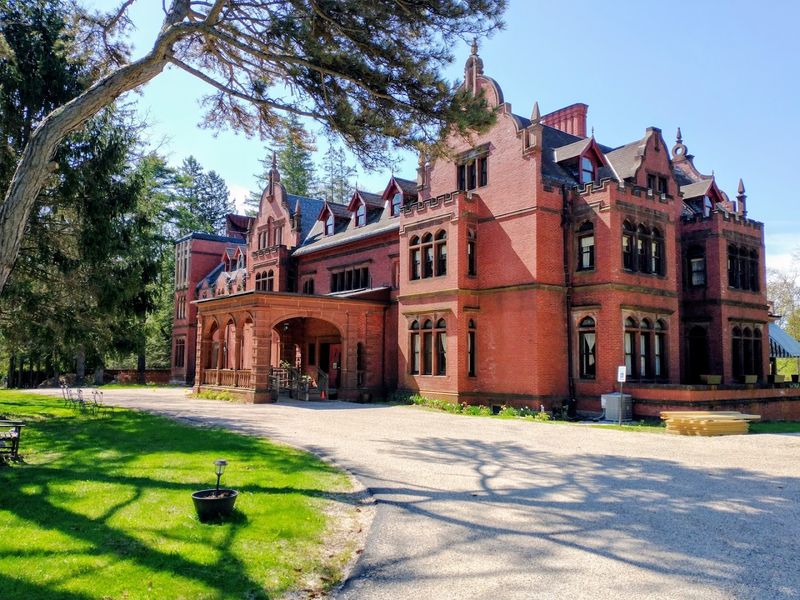
The story of this mansion begins with one of the most powerful financial names in American history. Ventfort Hall was built for Sarah Morgan, the sister of banking titan J.P.
Morgan, and her husband George Morgan. The couple commissioned the estate as their summer retreat, joining a wave of ultra-wealthy families who descended on the Berkshires each season.
The Morgan name carried enormous weight during the Gilded Age, and the construction of Ventfort Hall reflected that status. The architecture, the scale, and the craftsmanship all signaled wealth and cultural ambition.
It was not built to blend in.
While most of the original Morgan furnishings were sold off or lost over the decades, a small number of items connected to the family have been donated back to the museum. These pieces carry particular significance, offering a direct link to the people who first called this enormous house their summer home.
What Jacobean Revival Actually Looks Like
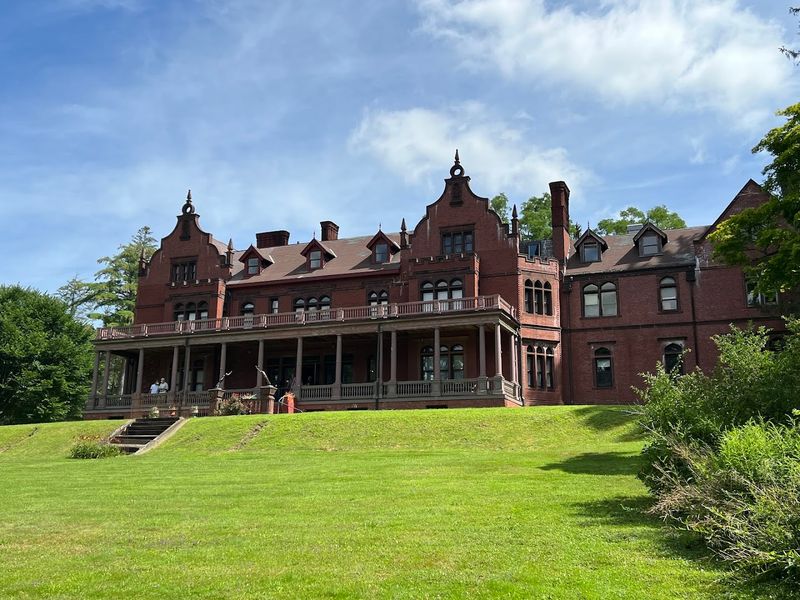
Not every historic mansion looks the same, and Ventfort Hall has a very specific architectural personality. The Jacobean Revival style draws from English design traditions of the early 17th century, favoring red brick exteriors, decorative stonework, tall chimneys, and elaborate gabled rooflines.
The result is something that looks more like a British manor than a typical American country house.
The building was designed to project permanence and prestige. Every exterior detail, from the arched entryways to the carved stone accents, was chosen with intention.
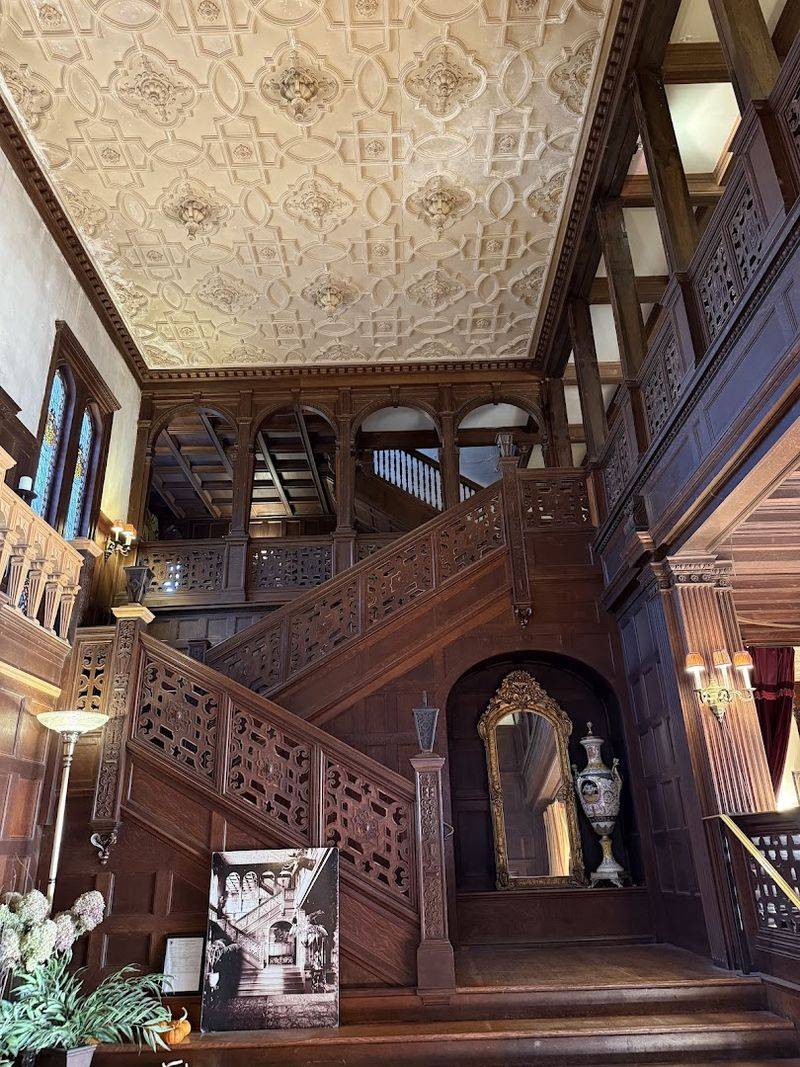
Inside, the original woodwork is among the most striking features still visible today, with dark-paneled walls and ornate millwork that speak to the craftsmanship of the era.
Plaster ceilings in several rooms have been carefully restored, and original fireplaces remain in place throughout the house. For anyone interested in architectural history, walking through Ventfort Hall is a detailed lesson delivered room by room.
A Rescue Story Decades in the Making
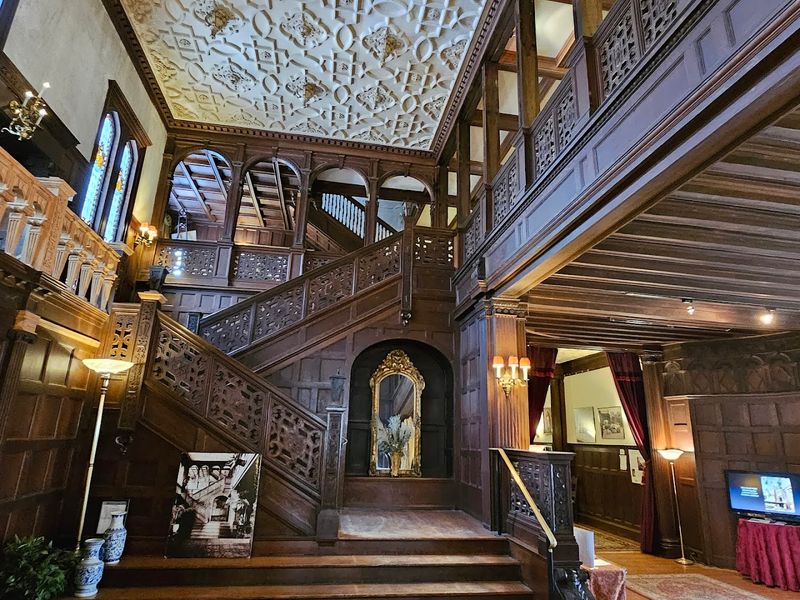
For much of the 20th century, Ventfort Hall had a very different story to tell. After the Morgan family era ended, the property changed hands multiple times and was used for various purposes, none of which kept the building in good condition.
By the time preservation efforts began, the mansion had suffered significant structural and cosmetic damage.
The deterioration reached a point where the roof leaked so severely that water collected on the main hallway floor during winter months. The building that had once hosted Gilded Age society gatherings was, for a period, genuinely at risk of being lost entirely.
A developer’s plan to tear it down nearly succeeded.
A dedicated group of preservationists stepped in, and the slow, costly work of saving Ventfort Hall began. The rescue effort continues today, with admission fees and donations directly funding ongoing restoration.
The mansion’s survival is not a given, which makes the progress made so far all the more meaningful.
Touring a House That Is Still Being Healed
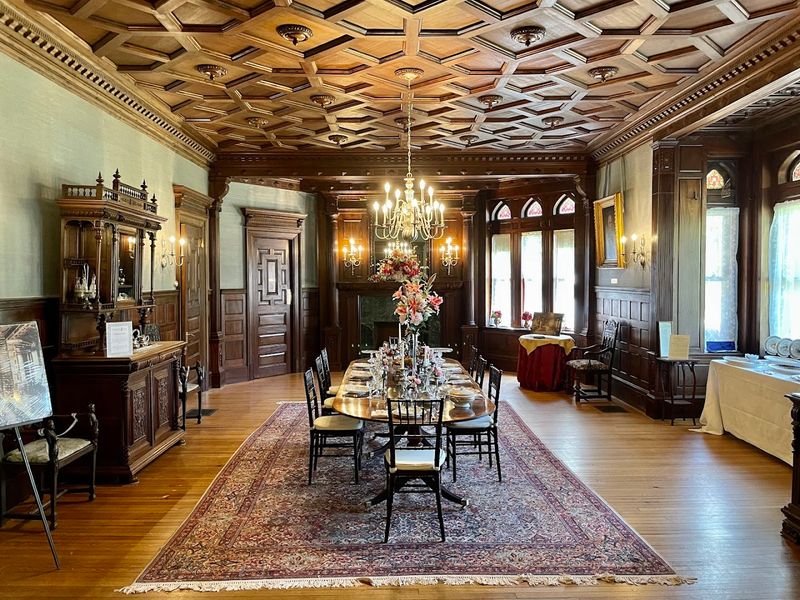
Most historic house museums present a finished version of the past. Ventfort Hall does something different.
Because the restoration is still underway, touring the mansion means moving through rooms at various stages of recovery. Some spaces are fully restored and carefully furnished with period-appropriate pieces.
Others show the work still ahead.
That transparency is actually one of the most compelling things about a visit here. Guests can see original stained glass windows alongside walls that still need attention.
The audio tour, available via a scannable code on a personal device, provides context for what each space once looked like and what it is becoming.
Guided tours are also available and run roughly 90 minutes to two hours, led by staff who know the building’s history in considerable depth. Self-guided visits take about an hour if the audio stops are followed carefully.
Either way, the experience rewards patience and curiosity in equal measure.
The Library and Its First-Edition Collection
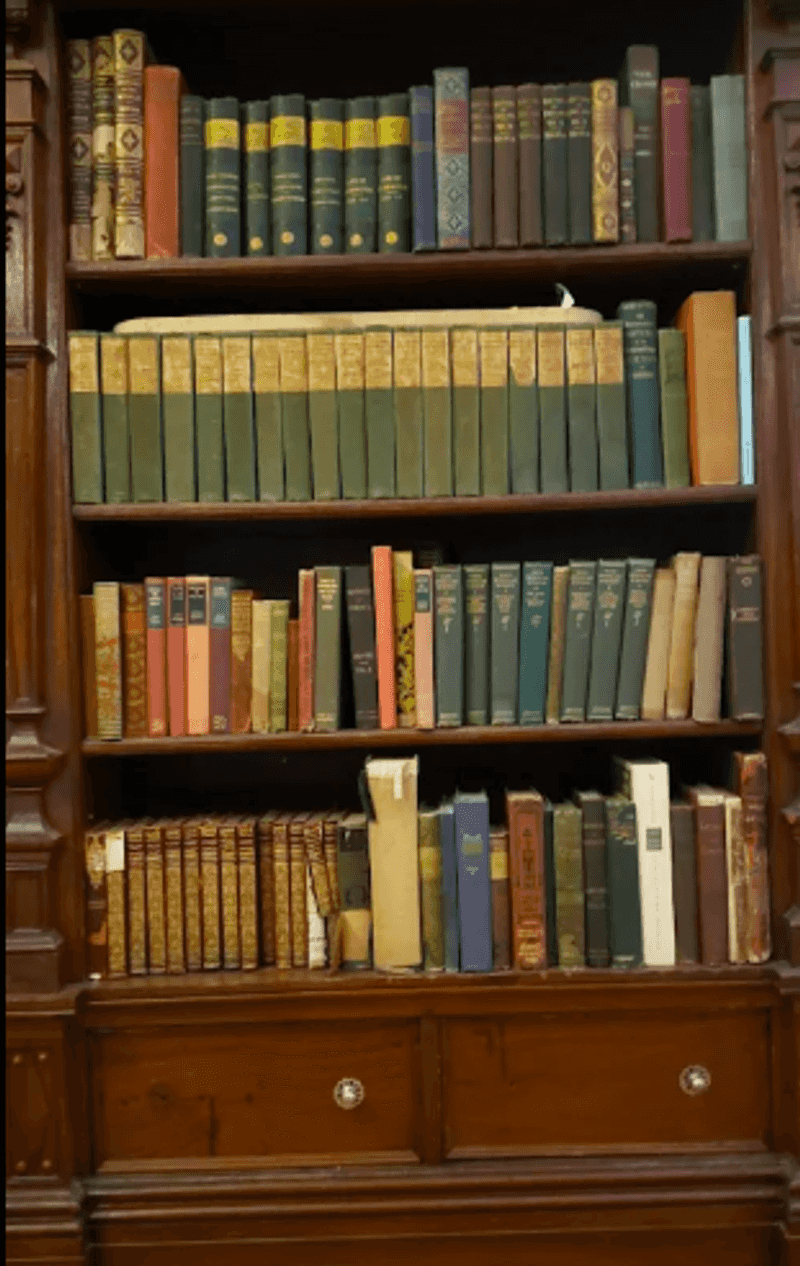
Among the rooms that draw particular attention from those who tour the mansion, the library stands out as a favorite. The space houses a collection of first-edition classic books, which adds a layer of intellectual history to the architectural and social history found throughout the rest of the house.
The Gilded Age was not only about wealth and display. Many of the families who built these estates were also serious collectors of art, literature, and fine objects.
The library at Ventfort Hall reflects that dimension of the era, offering a quieter, more contemplative counterpoint to the grand public rooms.
Period furnishings throughout the mansion were carefully selected to represent the style and taste of the late 19th century, even when original pieces were no longer available. The goal has always been historical accuracy rather than decoration for its own sake, and the library captures that commitment particularly well.
The Grand Piano and What It Represents
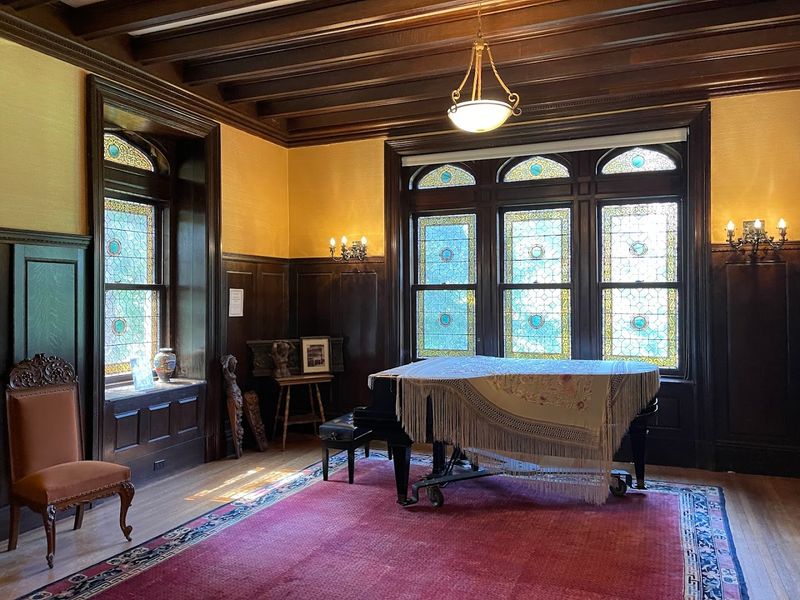
One of the most talked-about objects inside Ventfort Hall is the piano in the grand room. Unlike most of the furnishings, which are period-appropriate pieces gathered over time, this instrument is believed to be the original piano that was part of the Morgan household during the late 1800s.
That distinction makes it something worth pausing over.
Musical instruments carried social significance in Gilded Age homes. A grand piano in the main reception room signaled cultivation, taste, and a certain kind of domestic refinement that wealthy families valued alongside their financial power.
The piano at Ventfort Hall is not just a decorative object. It is a surviving artifact from the family that built the place.
Seeing an original piece in a house that lost most of its contents over the decades gives the room a different weight. It connects the present-day visitor directly to the people who once lived here, without any reconstruction required.
Stained Glass, Fireplaces, and Surviving Originals
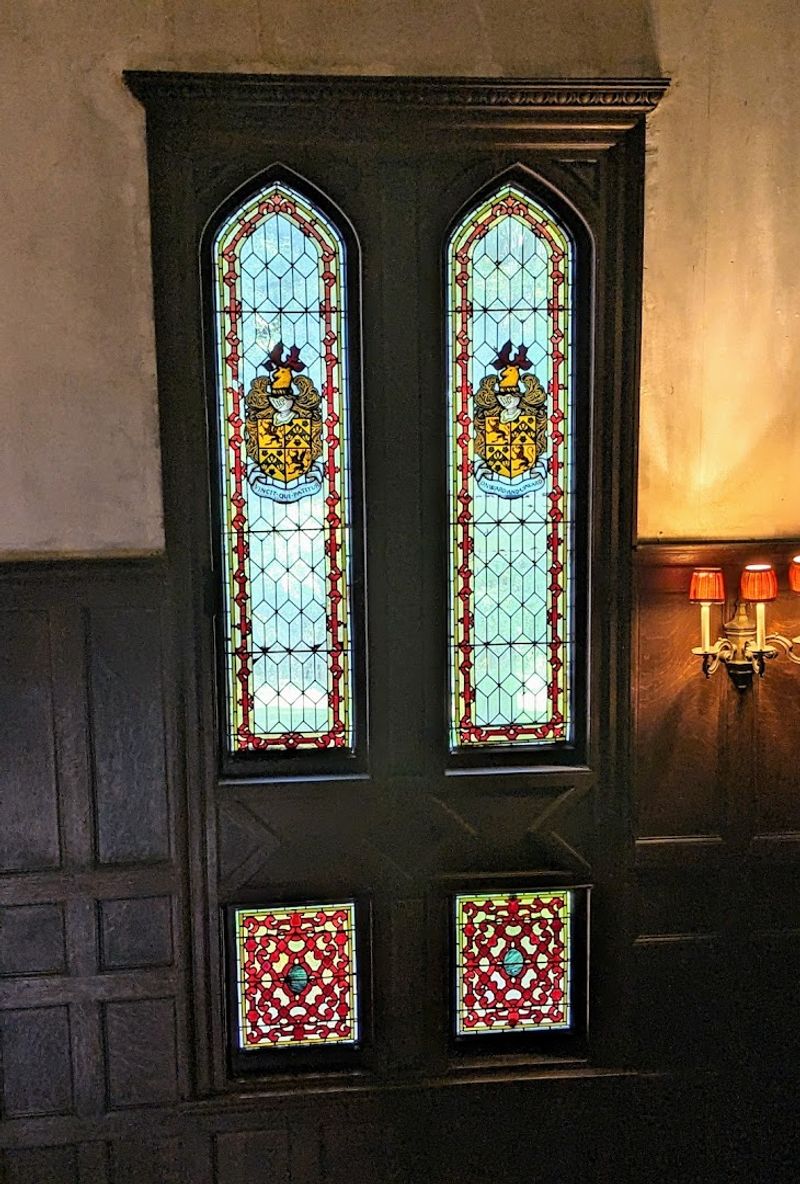
Not everything at Ventfort Hall was lost during the long years of neglect. Several original architectural features survived intact and remain visible today, giving the building an authenticity that no amount of reproduction work could fully replicate.
The original stained glass windows are among the most striking of these survivors. Their colored light patterns move across the floors and walls throughout the day, and they offer a direct visual connection to the craftspeople who installed them over 130 years ago.
Original fireplaces also remain in multiple rooms, their carved mantels still intact and serving as focal points in the spaces around them.
The restoration team has worked to ensure that original elements are preserved rather than replaced wherever possible. That philosophy shapes the entire experience of the house.
When something is genuinely original, it is labeled and explained, so the distinction between surviving historic fabric and restored or replicated material is always clear to the visitor.
On Screen: The Cider House Rules Connection
For film enthusiasts, Ventfort Hall holds a specific kind of appeal. The mansion served as a filming location for the 1999 movie “The Cider House Rules,” the Academy Award-winning adaptation of John Irving’s novel.
The building’s grand exterior and period interiors made it a natural fit for a story set in an earlier era of American life.
Being used as a film location brought a different kind of attention to the property, and many visitors arrive already familiar with the building’s appearance without realizing they have seen it before. The connection to a well-known film adds an accessible entry point for people who might not arrive with a deep interest in architectural history or the Gilded Age specifically.
The mansion’s appearance in a major Hollywood production also helped raise its profile at a critical time in its preservation history, drawing broader public awareness to a building that had spent too many years being overlooked.
Events, Lectures, and Paranormal Nights
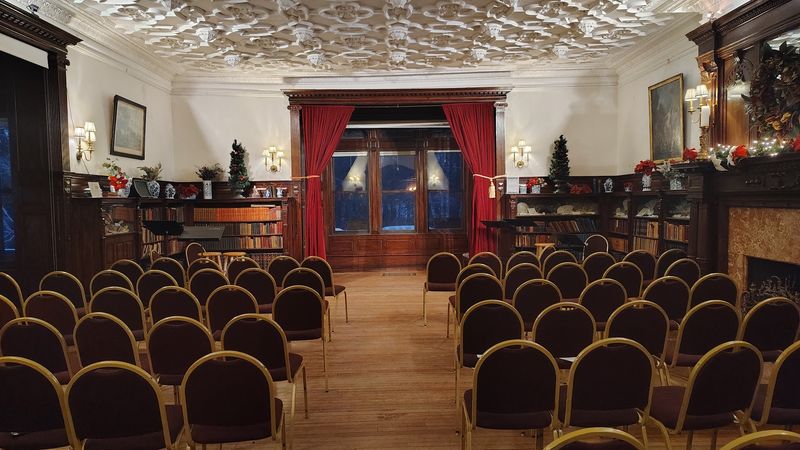
Ventfort Hall is not only a daytime museum. The property hosts a diverse calendar of events throughout the year, ranging from scholarly lectures to themed evening gatherings.
The Tea and Talk Lecture series is a popular recurring program that fills up quickly, so advance ticket purchases are strongly recommended for those events.
The mansion also hosts paranormal tours, which have developed a following of their own. Whether or not guests arrive as believers, the tours are consistently described as entertaining and well-organized, with guides who balance historical storytelling with the more theatrical elements of the evening.
There have also been masquerade-style evening events that use the mansion’s dramatic architecture to full effect.
The variety of programming reflects a deliberate effort to make the mansion accessible to different kinds of visitors. History enthusiasts, architecture fans, and people simply looking for an unusual evening out can all find something at Ventfort Hall that speaks to their particular curiosity.
Why the Admission Fee Is Worth Every Dollar
At around $18 to $20 per adult, with discounts available for seniors, teachers, and families, the admission fee at Ventfort Hall is directly tied to the ongoing restoration work. Every dollar collected goes toward keeping the project moving forward, which gives the ticket purchase a different character than paying to enter a fully finished museum.
The audio tour is available online and free to access, so bringing a charged phone and a pair of headphones enhances the self-guided experience without any additional cost. For those who prefer a guide, the staff are consistently noted for their depth of knowledge and genuine enthusiasm for the building’s history.
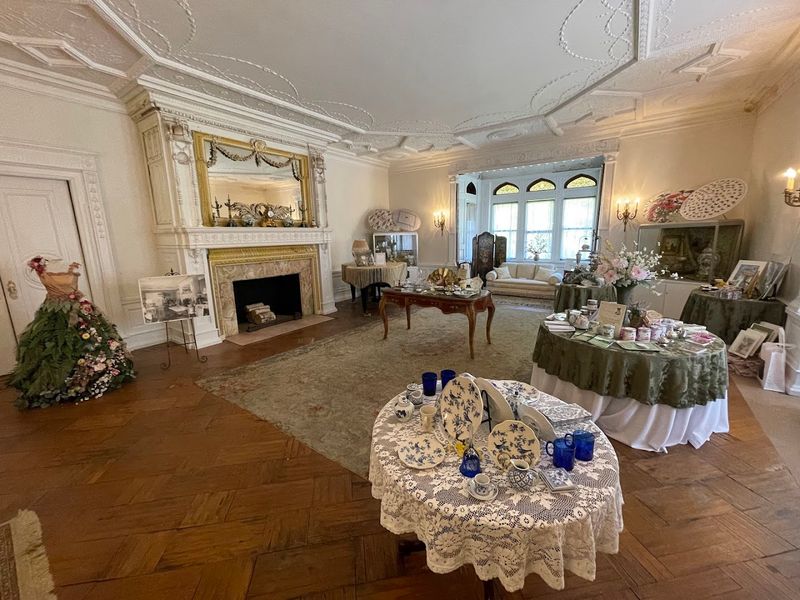
A gift shop on-site offers books, prints, and other items related to the Gilded Age and the mansion’s history. Family memberships are also available for those who plan to return, which many do once they realize how much the building changes as each new phase of restoration is completed.
Where History and Address Meet
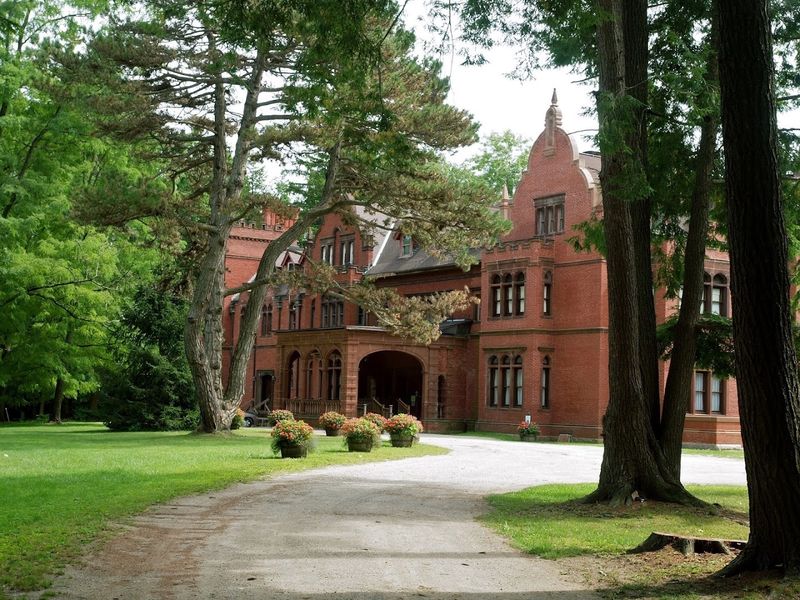
Ventfort Hall Gilded Age Mansion and Museum sits at 104 Walker Street in Lenox, Massachusetts 01240, right in the heart of the Berkshires. The building is a Jacobean Revival structure built in 1893, and at 28,000 square feet, it is one of the most substantial surviving examples of the grand summer estates that once defined this part of New England.
Lenox itself was a fashionable retreat for wealthy American families during the late 1800s and early 1900s. The town drew some of the most prominent names in finance, industry, and society, who built sprawling estates they casually referred to as “cottages.” Ventfort Hall was among the finest of these.
The museum is open daily from 10 AM to 4 PM, making it an accessible stop for anyone exploring the region. Parking is available on-site, and the surrounding grounds offer a quiet look at what the estate once looked like in its prime.
Share this story