New Hampshire’s only botanical state park is home to one of the largest and most remarkable wild rhododendron displays in New England. Each summer, thousands of blooms transform this 16-acre grove into a destination that attracts nature lovers, photographers, and day-trippers from across the region.
What makes the park especially unique is its history. Protected for more than a century and designated a National Natural Landmark in 1982, the grove survives today thanks to early conservation efforts that preserved it from logging and development.
Visitors can explore easy walking trails beneath towering rhododendrons, learn about the area’s ecology, and experience a landscape unlike anywhere else in the state. For many first-time visitors, the scale of the bloom and the story behind its preservation are the biggest surprises of all.
Where Exactly This Floral Wonderland Lives
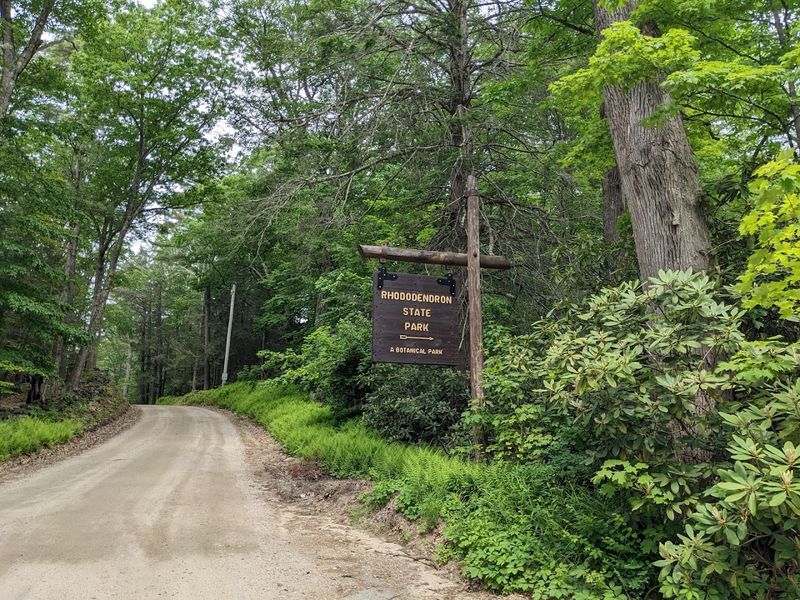
Not every remarkable natural destination announces itself with fanfare, and this one is no exception. Rhododendron State Park sits on Rhododendron Road in Fitzwilliam, New Hampshire 03447, a small town tucked into the southwestern corner of the state near the Massachusetts border.
The park is part of the Monadnock Region, a stretch of rolling hills and forested terrain that draws hikers and nature lovers throughout the year. Fitzwilliam itself is a classic New England town with a historic town common and a relaxed, unhurried pace that feels like stepping back a few decades.
The park’s phone number is listed as 603-532-8862, and more details can be found through the New Hampshire State Parks website. It is open 24 hours a day, every day of the week, making it easy to plan a visit at your own convenience.
The drive in from the town center is short and scenic, setting the mood perfectly before you even step out of the car.
The Conservation Story Behind the Blooms
Back in 1901, a woman named Mary Lee Ware looked at this grove of wild rhododendrons and made a decision that would echo for more than a century. She purchased the land specifically to keep loggers away from it, recognizing that what grew here was something worth protecting at almost any cost.
Two years later, in 1903, she donated the property to the Appalachian Mountain Club with a firm and non-negotiable condition: the grove must remain protected and open to the public forever. That kind of forward thinking was genuinely rare for the era, and her foresight is the reason visitors can still walk beneath those blossoming canopies today.
The New Hampshire Division of Parks and Recreation took over management of the site in 1946, and the park has been carefully maintained ever since. There is something quietly moving about knowing that every bloom you see exists because one person cared enough to act.
That backstory adds a whole new layer to every visit.
Mid-July: The Magic Window You Cannot Miss
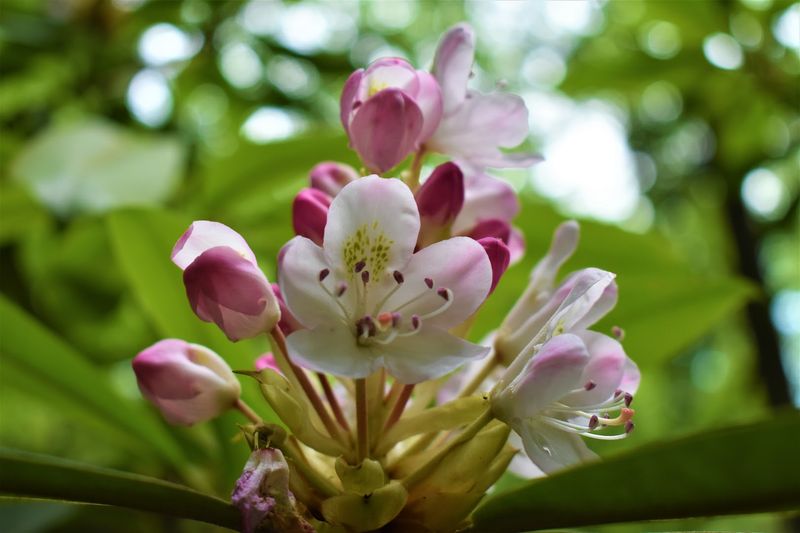
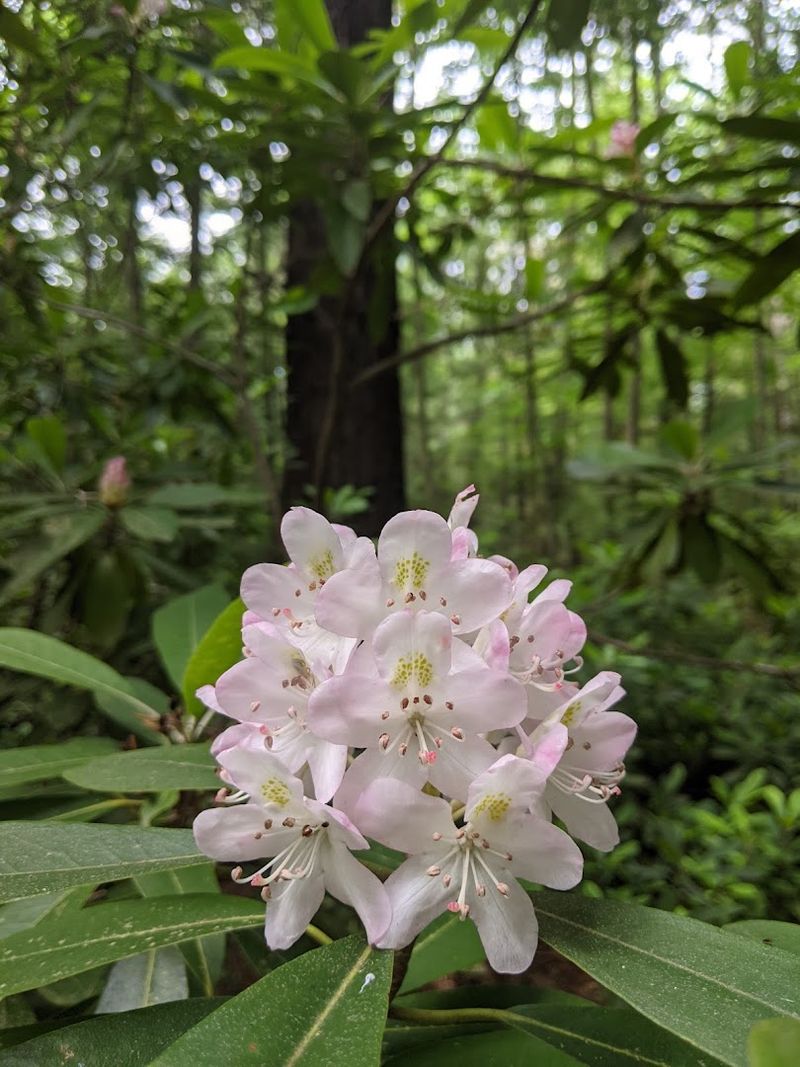
Timing really is everything at this park, and mid-July is the sweet spot that experienced visitors circle on their calendars months in advance. That is when the Rhododendron maximum plants reach what regulars call peak bloom, a period when the entire grove is draped in clusters of pink and white flowers that can last for several weeks under the right conditions.
Arriving too early means green foliage but no flowers. Arriving too late means catching the tail end of the show, which is still pleasant but nowhere near as dramatic.
The park does not send out personal invitations, so keeping an eye on local nature blogs or the New Hampshire State Parks social media pages in early July is a smart move.
On a warm morning near 90 degrees, the shade provided by the dense canopy makes the trail surprisingly comfortable even during a heat wave. The grove essentially creates its own microclimate, and that cool, shaded corridor is one of the unexpected rewards of visiting at the height of summer.
What 16 Acres of Wild Rhododendrons Actually Looks Like
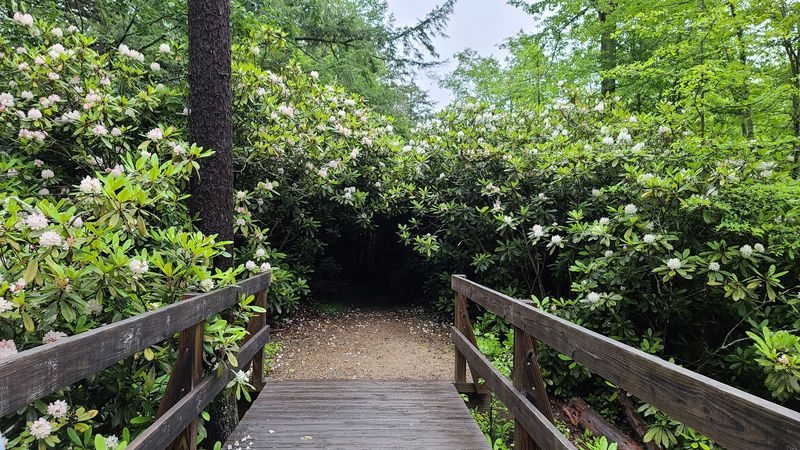
Sixteen acres might not sound enormous until you are standing in the middle of it, surrounded by shrubs that tower well above your head in every direction. The rhododendrons here are native Rhododendron maximum, a species that can grow up to 15 feet tall, and in this grove, many of them have been doing exactly that for decades.
The effect is something between a forest and a garden, except nothing here was planted by human hands in any ornamental sense. These plants established themselves naturally and have been spreading, growing, and thriving on their own schedule ever since.
During peak bloom in mid-July, the canopy of pink and white clusters is so thick that the grove takes on an almost surreal quality. The fragrance is subtle but real, drifting through the air on warm mornings in a way that feels like the forest itself is exhaling.
No photograph fully captures the scale of it, which is reason enough to see it in person.
The Trail That Puts You Right Inside the Grove
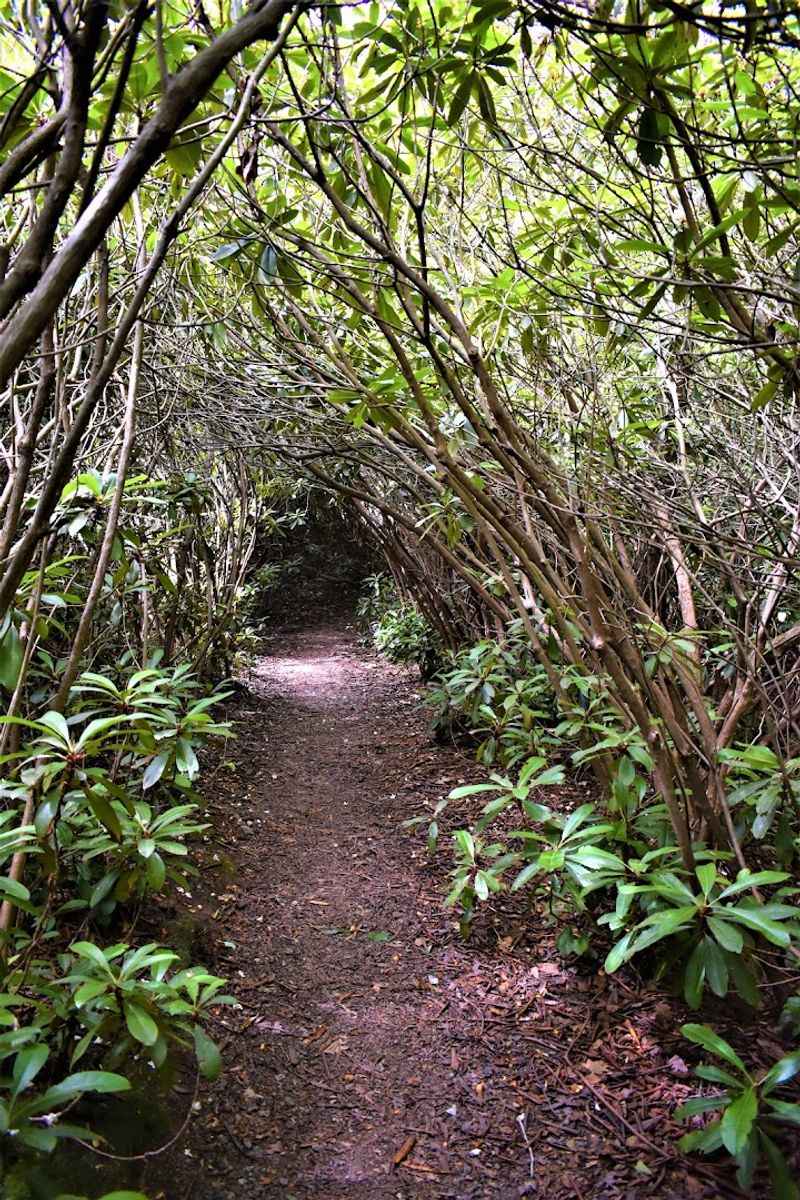
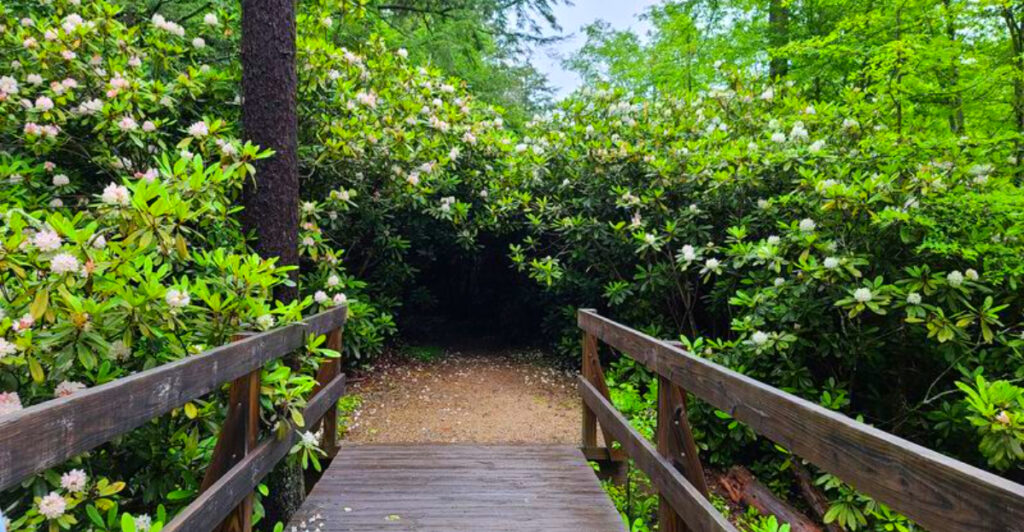
The main attraction here is the 0.6-mile Rhododendron Trail loop, and it earns its reputation with almost every step. The path is flat, well-maintained, and covered with gravel, making it accessible to a wide range of visitors including young children and those with mobility considerations.
What sets this trail apart from a typical nature walk is the way the rhododendrons arch overhead in certain sections, forming natural green and flowering tunnels that feel genuinely immersive. You are not looking at the plants from a distance.
You are inside them, surrounded on all sides, with branches close enough to touch.
The loop is short enough that a leisurely stroll takes maybe 20 to 30 minutes, but most visitors end up slowing down considerably once they enter the grove. There are benches placed along the way for those who want to sit and absorb the atmosphere without rushing.
The trail is so approachable that five-year-olds have reportedly walked the whole thing and asked to keep going afterward.
A National Natural Landmark With a Story Worth Knowing
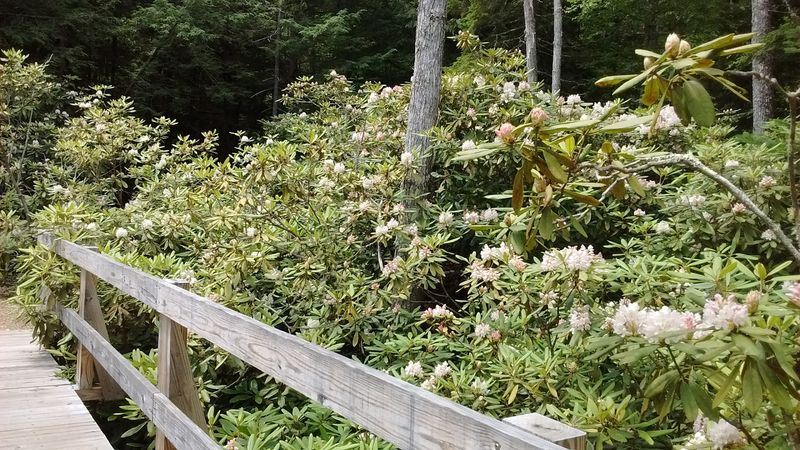
In 1982, the federal government officially designated this grove a National Natural Landmark, a recognition reserved for places with exceptional ecological significance or outstanding natural features. It is a title shared with some of the most impressive natural sites in the entire country, and this grove earned it specifically because of the sheer scale and ecological uniqueness of the Rhododendron maximum stand.
New Hampshire’s only botanical state park holding that kind of designation is not a small distinction. It places this grove in a category that goes well beyond a pretty place to take photos, though it absolutely qualifies on those terms too.
The ecological story here involves the particular combination of soil conditions, moisture levels, and forest cover that allowed these plants to thrive and spread across such a large area over so many generations. Scientists and botanists have studied the grove for that reason, and the findings continue to inform conservation efforts across the region.
Visiting a National Natural Landmark feels different once you understand what that label actually means.
Beyond the Grove: Trails That Lead to Real Views
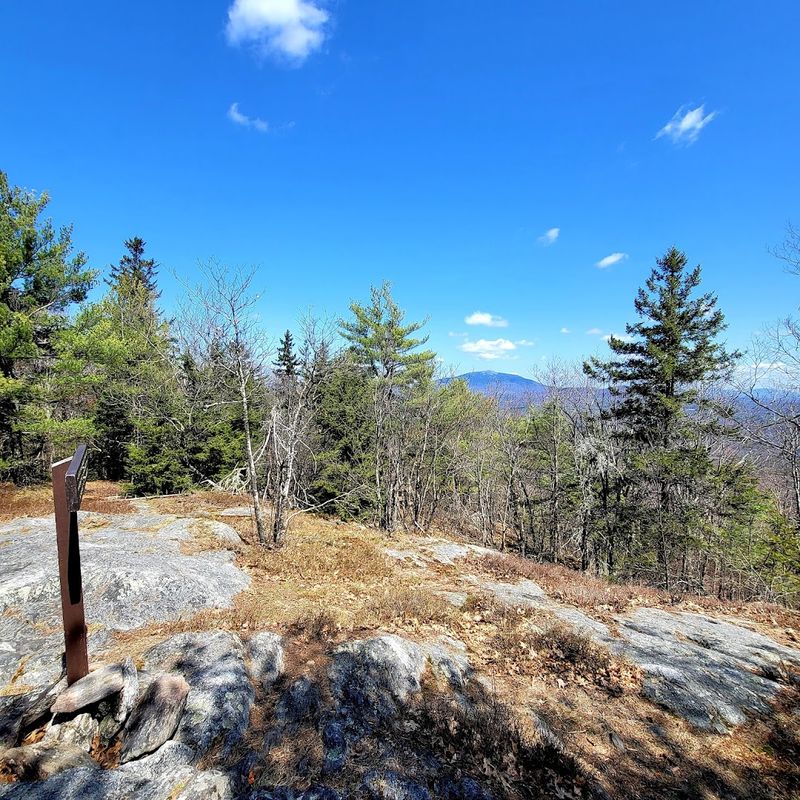
The rhododendron loop gets most of the attention, but the park connects to a broader trail network that rewards those willing to put in a bit more effort. A trail leading to Little Mount Monadnock is accessible from the park, and the summit offers views of the larger Mount Monadnock that make the climb genuinely worthwhile.
The hike up to Little Monadnock is more rugged than the flat botanical loop, with rocky terrain and steeper sections that require a bit more footwear consideration. That said, the trail has been completed by visitors as young as five years old, so the challenge is real but not extreme for reasonably active hikers.
The longer trails through the surrounding forest stretch to about two miles total, giving visitors the option to extend their trip well beyond the botanical highlights. In the fall, the same trails offer a completely different visual experience as the deciduous trees surrounding the rhododendrons turn color.
The rhododendrons themselves stay green year-round, providing a striking contrast against autumn foliage.
What to Know About Wildlife, Bugs, and Practical Realities
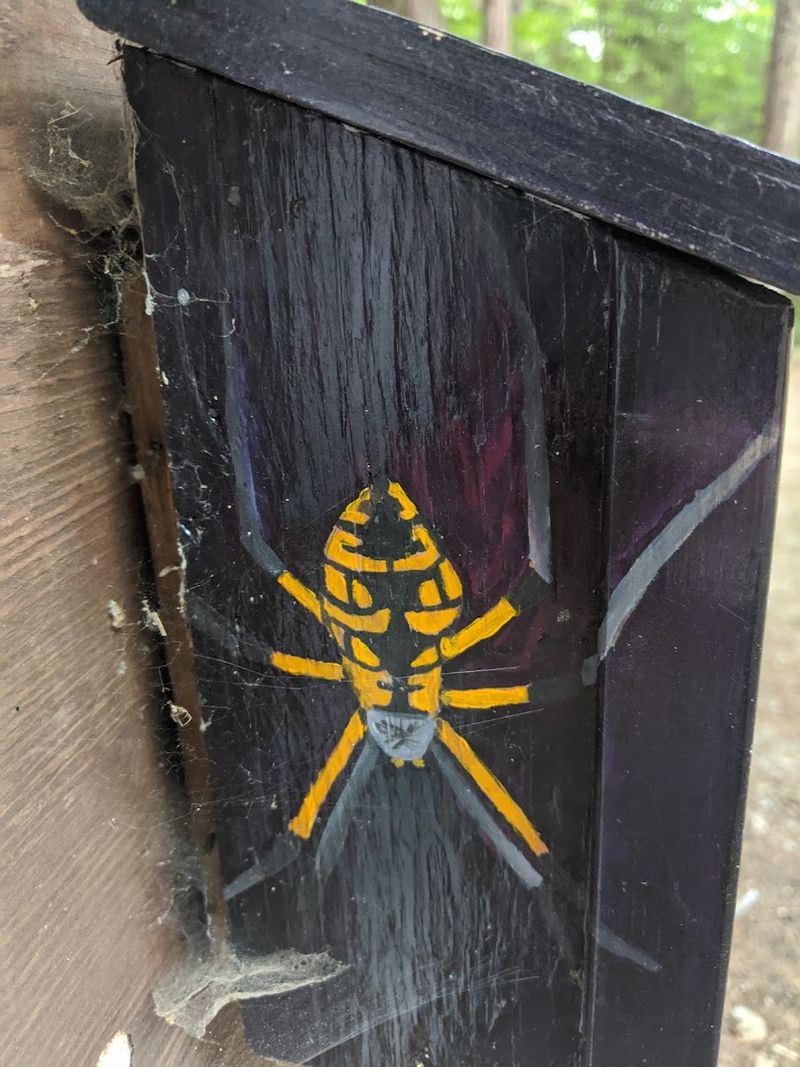
Any honest account of a summer visit to this park has to acknowledge the insects. Mosquitoes and deer flies are present, particularly in late June and early July when the moisture levels in the grove are higher.
The good news is that keeping a steady pace on the trail significantly reduces how much attention you attract from both.
Bug spray is a reasonable addition to your pack, though the park’s natural setting means being thoughtful about what you use and how much. Lightweight long sleeves are another option that many regular visitors prefer, especially on overcast mornings when insects tend to be more active.
On the wildlife side, the park and its surrounding trails offer decent birdwatching opportunities, particularly in the fall when late-season species pass through the area. The dense rhododendron foliage provides excellent cover and nesting habitat, so birders with a sharp eye and a bit of patience often come away pleased.
Deer are also spotted in the area from time to time, typically at dawn or dusk near the forest edges.
Parking, Facilities, and Everything You Need Before You Go
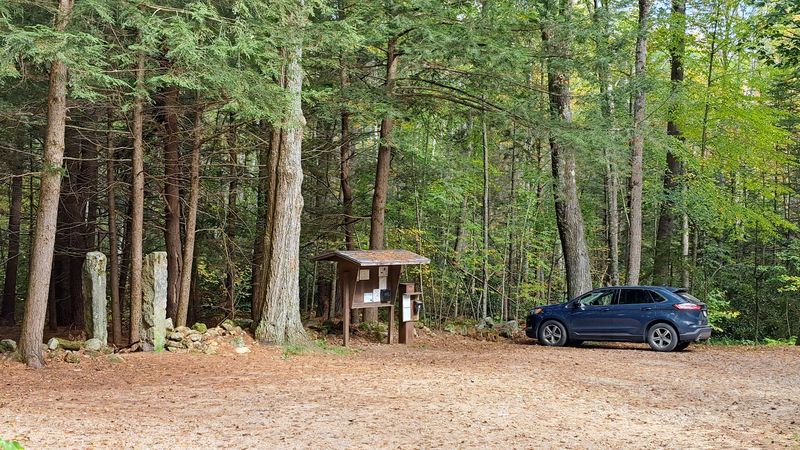
The parking situation at this park is straightforward but worth planning around. The lot is small, holding roughly 15 or more cars, and during peak bloom weekends in mid-July it fills up faster than most visitors expect.
Arriving early in the morning is the most reliable way to secure a spot and enjoy the trail before crowds build.
There are restroom facilities on site, though they are pit toilets rather than flush facilities. They are functional but basic, so managing expectations there is fair advice for first-time visitors, especially those bringing young children.
The park is open 24 hours a day, seven days a week, which offers flexibility for those who want to visit at unusual hours. There are a few picnic benches near the grove, making a simple packed lunch a pleasant option after the trail.
One important note for pet owners: the park is not pet-friendly, so leave the dog at home for this particular outing. That detail catches some visitors off guard, so it is worth knowing in advance.
Why This Park Is Perfect for Families With Young Kids
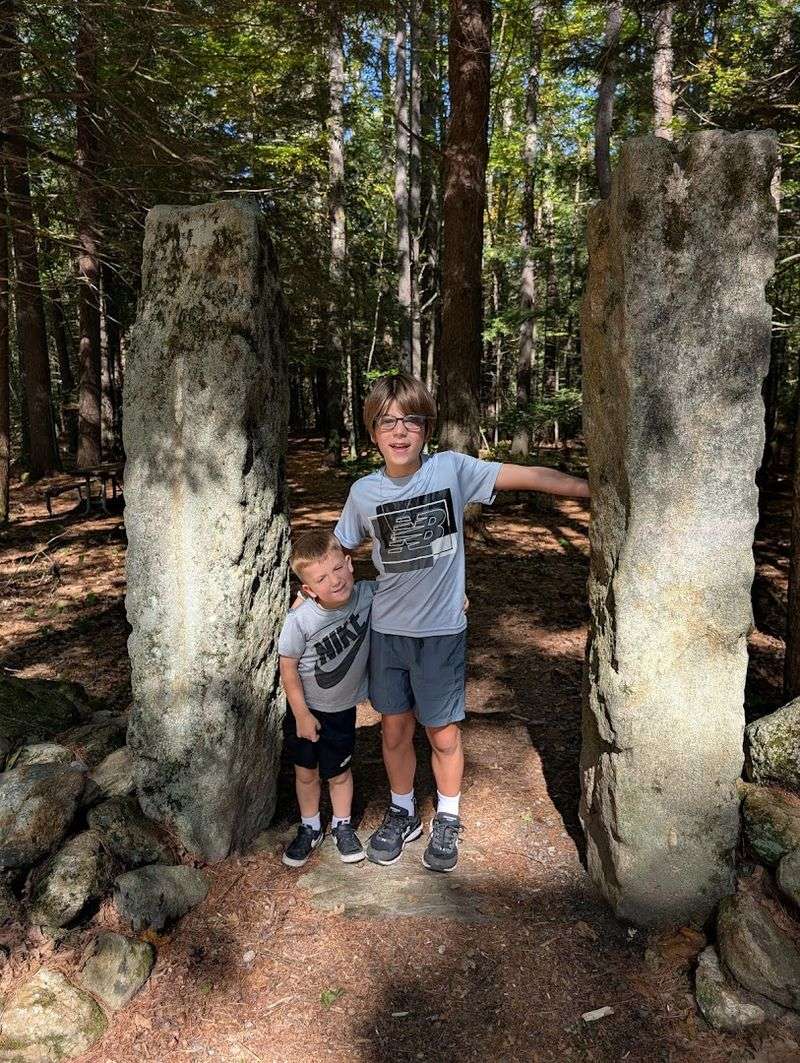
Few natural attractions in New Hampshire check as many boxes for a family outing as this one. The main trail is completely flat, covered in gravel, and just 0.6 miles long, which means even very young children can complete it without being carried or coaxed.
That combination of accessibility and visual reward is genuinely hard to find.
The rhododendron tunnels are a particular hit with kids, who tend to experience the enclosed, leafy corridors as something closer to an adventure than a nature walk. There is something about being surrounded by plants taller than the adults in the group that shifts a child’s perspective in a memorable way.
For families wanting a slightly longer outing, the trail to Little Monadnock provides a more challenging option that older children and active younger ones can tackle with some encouragement. The combination of an easy botanical loop and an optional rugged hike means the park can satisfy different energy levels within the same group.
That kind of flexibility makes it a destination worth returning to across different ages and seasons.
Off-Season Visits and What the Grove Offers Year-Round
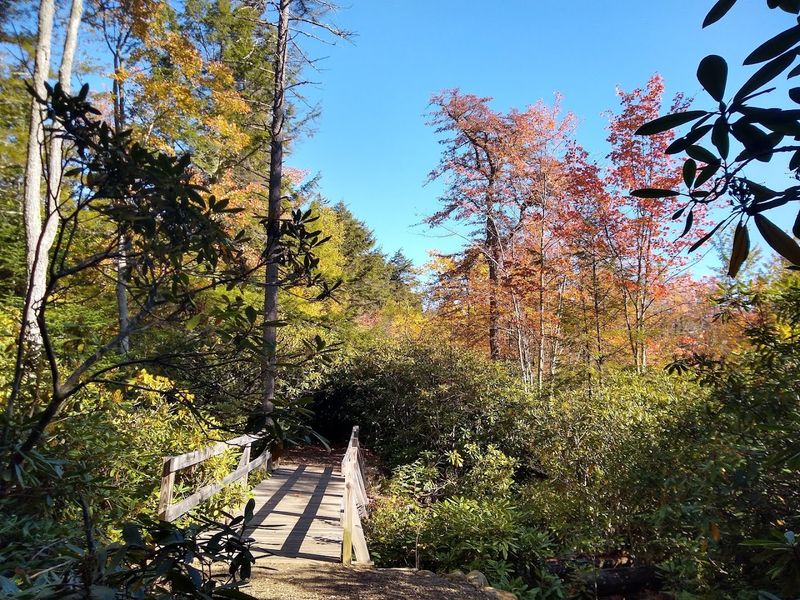
Mid-July gets all the glory, but this park holds its own across every season in ways that surprise first-time off-season visitors. The rhododendrons are evergreen, meaning the grove stays lush and green through fall, winter, and spring while the surrounding deciduous trees go through their seasonal changes.
In October, the contrast between the deep green rhododendron canopy and the orange and red foliage of the surrounding forest creates a visual dynamic that is completely different from the summer bloom but equally worth seeing. Late-season birdwatching also picks up in the fall as migratory species move through the area.
Winter visits are quiet and peaceful in a way that summer simply cannot offer, with snow occasionally settling on the broad rhododendron leaves in patterns that feel almost architectural. Spring brings its own anticipation as visitors watch for the first signs of bud development on the plants.
Every season at this park tells a different story, and the grove is always the main character regardless of what month you arrive.
Share this story