Some of the world’s most beautiful landscapes are easy to miss, especially when they lie beyond the usual tourist routes. River valleys often receive less attention than famous mountains or coastlines, yet they offer stunning scenery, peaceful surroundings, and a deeper connection to the natural world.
Tucked between hills, mountains, and farmland, these valleys feature winding rivers, open vistas, and a sense of tranquility that is increasingly hard to find. Whether you’re planning a road trip or looking for an unforgettable getaway, these twelve river valleys prove that some of the best destinations are also the most overlooked.
1. Methow Valley, Winthrop, Washington
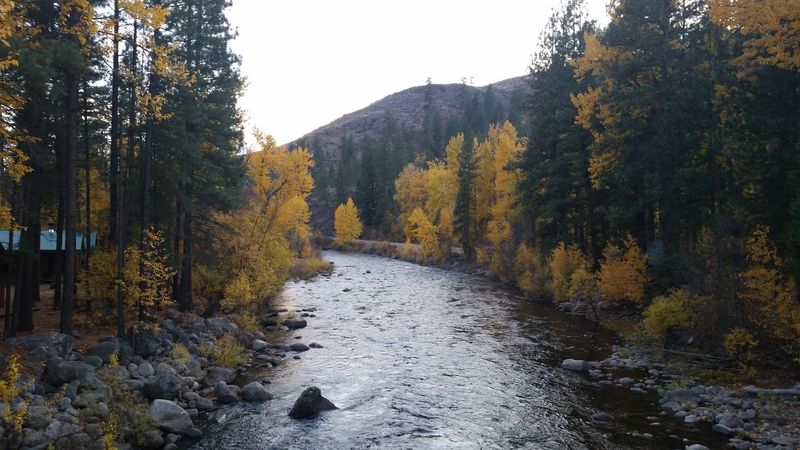
Few places in Washington State can match the sheer openness of the Methow Valley, where the sky feels twice as wide as anywhere else.
The Methow River runs through a landscape of dry grasslands, ponderosa pine forests, and cattle ranches, giving the area a western character that is both rugged and relaxed.
Winthrop, the main town, leans into its frontier personality with wooden boardwalks and old-fashioned storefronts that are genuinely fun to explore rather than just decorative.
The valley sits in a rain shadow east of the Cascades, which means it gets far more sunshine than Seattle and far fewer tourists than the Olympic Peninsula.
Come winter, it transforms into a cross-country skiing destination with one of the largest groomed trail networks in the country. Come summer, hiking trails and mountain biking routes take over.
The night skies here are remarkably clear, making stargazing a legitimate reason to visit all on its own.
2. Housatonic River Valley, Great Barrington, Massachusetts
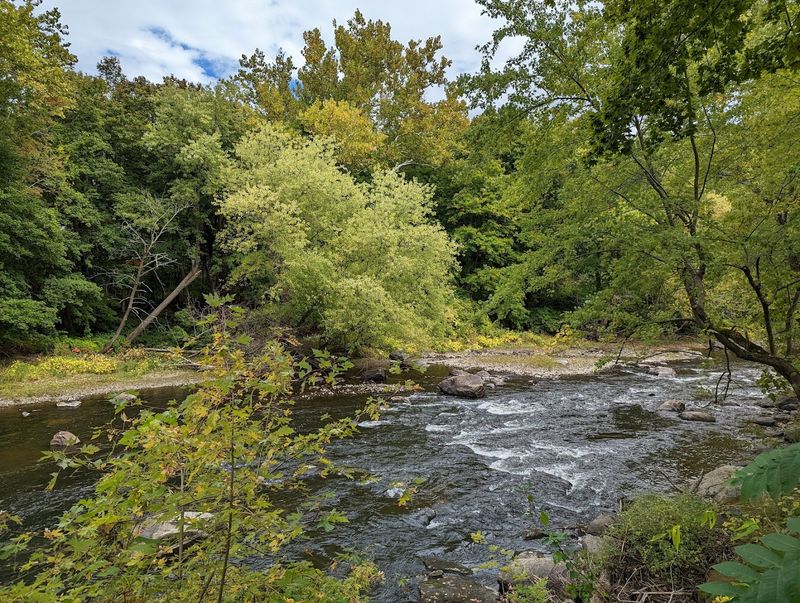
New England has a habit of looking like a painting in October, and the Housatonic River Valley takes that habit to a whole new level.
The Housatonic River moves quietly through a corridor of small towns, working farms, and tree-covered hills that have changed very little in the past century.
Great Barrington serves as the cultural hub of the valley, offering independent bookshops, farm-to-table restaurants, and a lively arts scene that punches well above its small-town weight.
The region is home to several historic covered bridges that are genuinely worth pulling over to photograph rather than just admiring from the car window.
Tanglewood, the famous summer music venue, sits just up the road in Lenox, adding a surprising layer of cultural prestige to this already appealing area. Fall foliage here rivals the more famous routes farther north, but without the bumper-to-bumper traffic.
Plan a slow weekend drive and let the valley set its own pace.
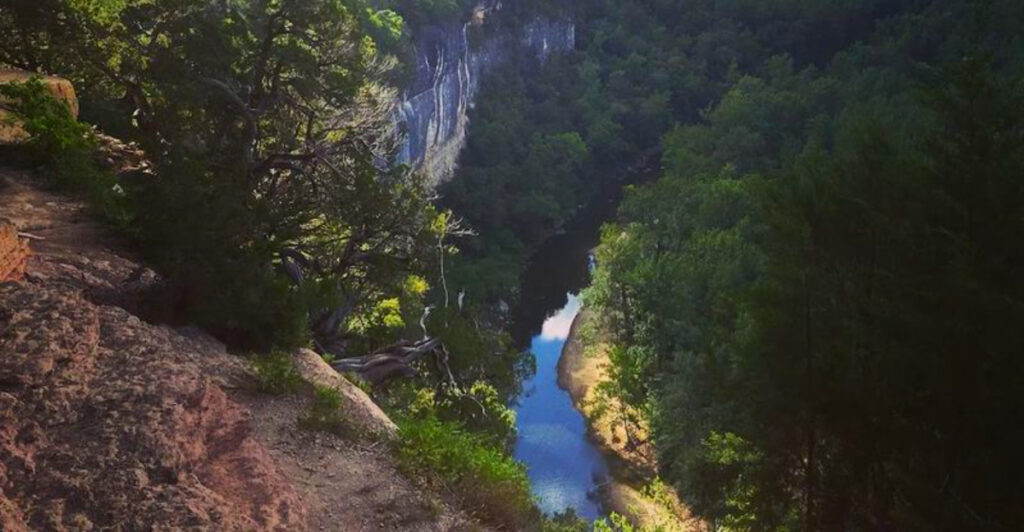
3. Buffalo National River Valley, Ponca, Arkansas
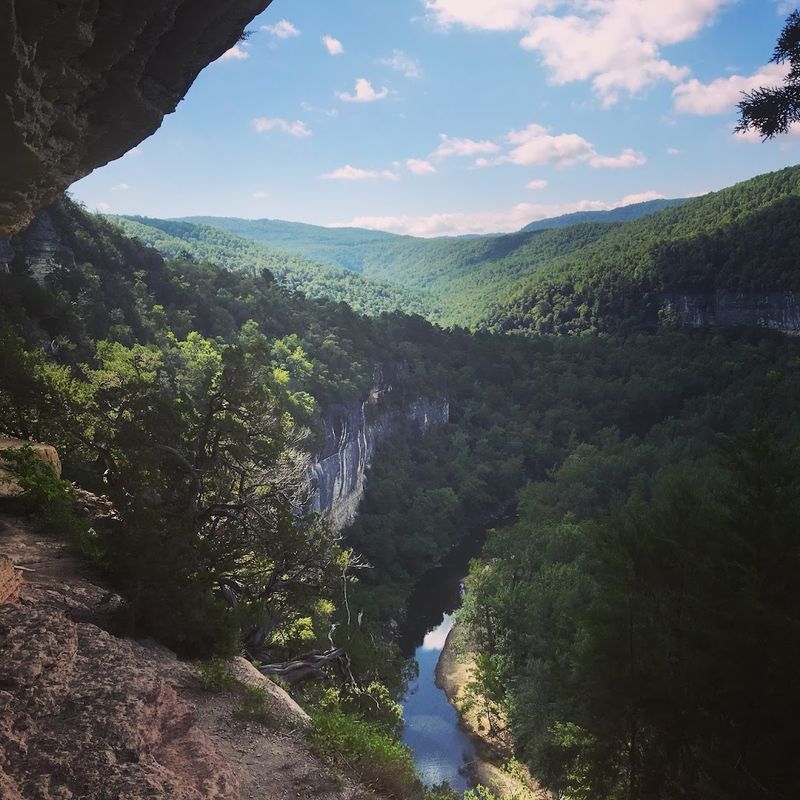
Arkansas does not always top the bucket list, but the Buffalo National River Valley has a quiet way of making people rethink that oversight.
The Buffalo River was the first nationally protected river in the United States, earning that designation back in 1972, and the valley around it has remained remarkably wild ever since.
Towering limestone bluffs rise up to five hundred feet above the river in some stretches, creating dramatic backdrops for canoe trips and riverside hikes that feel genuinely adventurous.
Elk were reintroduced to the Ozarks in the 1980s, and the herd near Boxley Valley has grown large enough that early morning wildlife sightings are now practically routine for visitors who know where to look.
The town of Ponca serves as a convenient base for exploring the upper river, with outfitters ready to set you up with canoes, kayaks, and local knowledge. Crowds are light compared to national parks of similar beauty.
That gap will not last forever.
4. Verde Valley, Cottonwood, Arizona
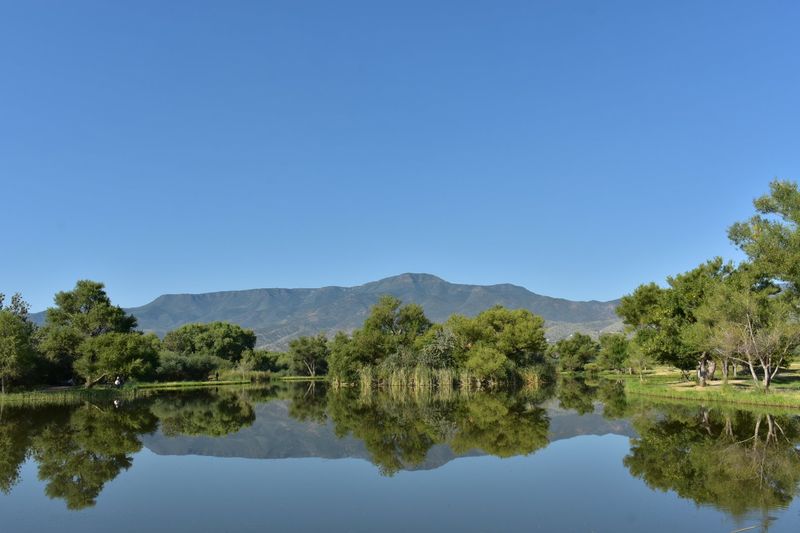
Arizona has a reputation for being all dust and cacti, but Verde Valley quietly proves that reputation wrong every single day.
The Verde River is one of the last free-flowing rivers in the state, and the ecosystem it supports stands in vivid contrast to the surrounding Sonoran Desert terrain.
Cottonwood trees line the riverbanks, creating corridors of green that attract birdwatchers from across the country, particularly during spring migration season when species counts can be genuinely impressive.
The valley also holds some of the Southwest’s most interesting history, including the ancient cliff dwellings at Montezuma Castle and the hilltop ruins at Tuzigoot, both of which are within easy driving distance.
Jerome, the former copper mining town perched dramatically on Mingus Mountain above the valley, adds a quirky, artistic detour to any itinerary. Verde Valley vineyards have also grown into a legitimate wine-producing region over the past two decades.
The combination of history, nature, and local culture makes this valley genuinely hard to leave.
5. Greenbrier River Valley, Lewisburg, West Virginia
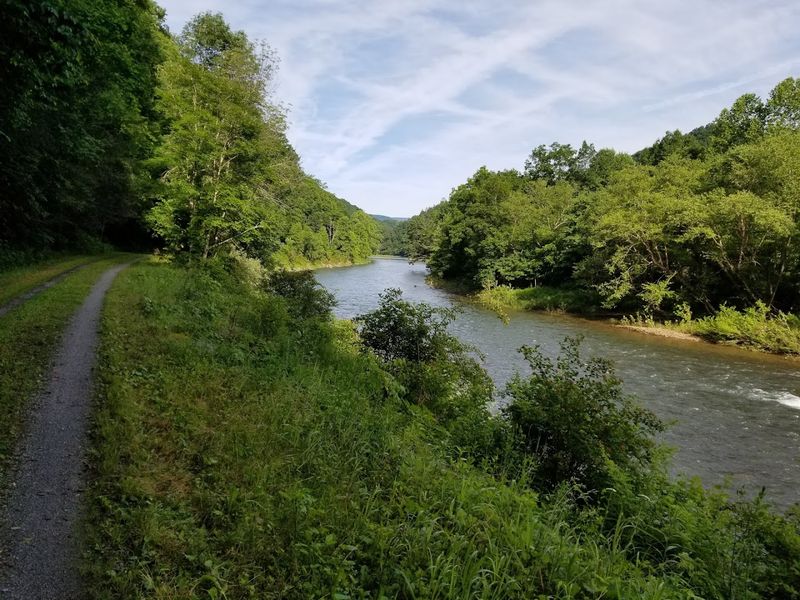
West Virginia has more covered bridges than most people realize, and the Greenbrier River Valley is one of the best places in the state to go find them.
The Greenbrier River Trail runs for roughly seventy-seven miles along an old railroad grade, making it one of the longest and flattest rail trails in the eastern United States.
Cyclists, hikers, and horseback riders all share the trail, and the pace of travel it encourages perfectly matches the relaxed personality of the valley itself.
Lewisburg, the valley’s main town, has a well-preserved historic district with architecture dating back to the 1700s and an independent bookshop that has earned a national reputation among book lovers.
The surrounding Appalachian hills are threaded with smaller roads that reward slow exploration, particularly in autumn when the hardwood forests put on a display that rivals more famous fall destinations. The Greenbrier resort nearby adds a touch of unexpected grandeur to the area.
But the real appeal here is the unhurried, uncomplicated character of everyday valley life.
6. Bitterroot Valley, Hamilton, Montana
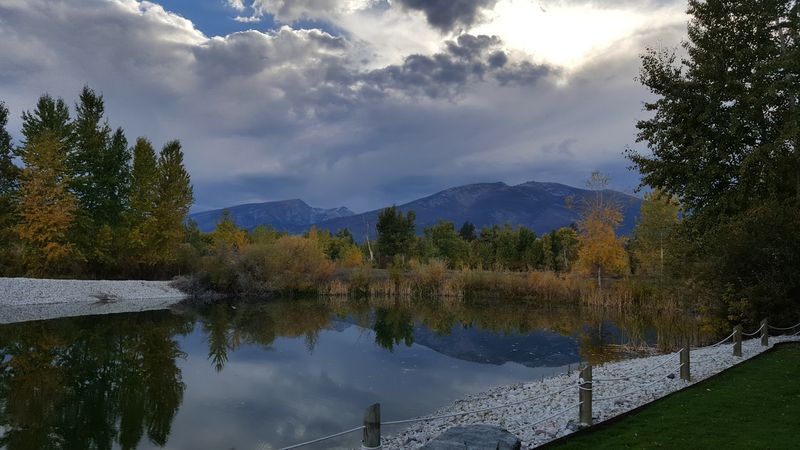
Montana has no shortage of impressive scenery, but the Bitterroot Valley manages to stand out even in a state where dramatic landscapes are practically the norm.
The valley stretches roughly one hundred miles between the Bitterroot Mountains to the west and the Sapphire Mountains to the east, creating a wide, open corridor that feels both grand and approachable.
The Bitterroot River is well known among fly fishing enthusiasts, who rate it among the finest trout streams in the American West for both the quality of fishing and the beauty of the surroundings.
Hamilton serves as the valley’s central town, with a compact downtown that includes a surprisingly good selection of local restaurants and the fascinating Daly Mansion, a 24,000-square-foot historic estate open for tours.
Wildlife is abundant throughout the valley, with white-tailed deer, osprey, and the occasional black bear making regular appearances for patient observers. Traffic and crowds are minimal compared to the Glacier National Park corridor just to the north.
That contrast makes the Bitterroot feel like a well-kept local secret.
7. Delaware Water Gap Valley, Delaware Water Gap, Pennsylvania
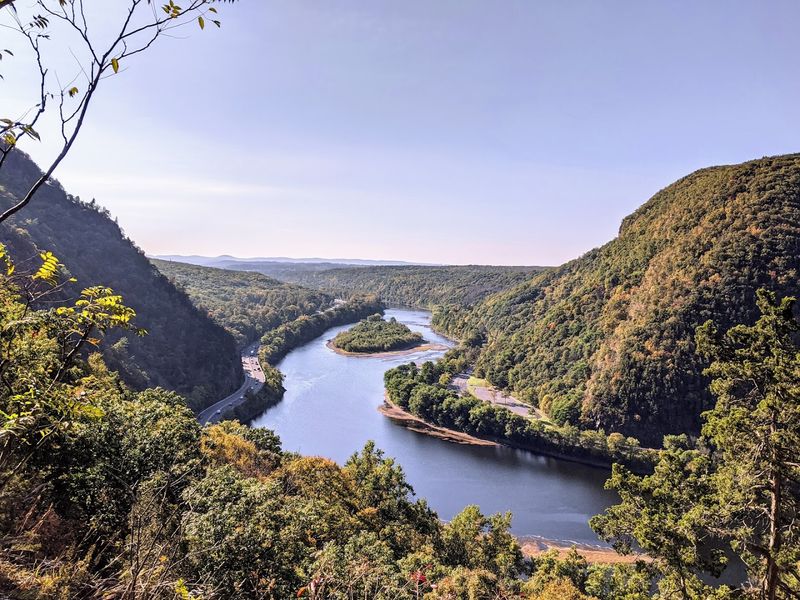
Just over an hour from New York City, the Delaware Water Gap Valley sits close enough to be a weekend escape but feels far enough removed to actually clear your head.
The Delaware River cuts through a ridge of the Kittatinny Mountains at this point, creating a natural gateway that has impressed travelers since the nineteenth century, when it was a fashionable resort destination for city dwellers.
Today the national recreation area surrounding the gap protects over seventy thousand acres of forests, waterfalls, and river corridors that most of the region’s residents have never fully explored.
Dingmans Falls, located within the park, is one of the tallest waterfalls in Pennsylvania, yet it receives a fraction of the attention it deserves compared to more publicized natural attractions in the Northeast.
The Appalachian Trail passes directly through the gap, giving hikers a chance to walk a legendary long-distance route without committing to the full two-thousand-mile journey. Canoe and kayak rentals are available at multiple access points along the river.
The valley rewards visitors who take the time to go beyond the main overlook.
8. Gunnison River Valley, Gunnison, Colorado
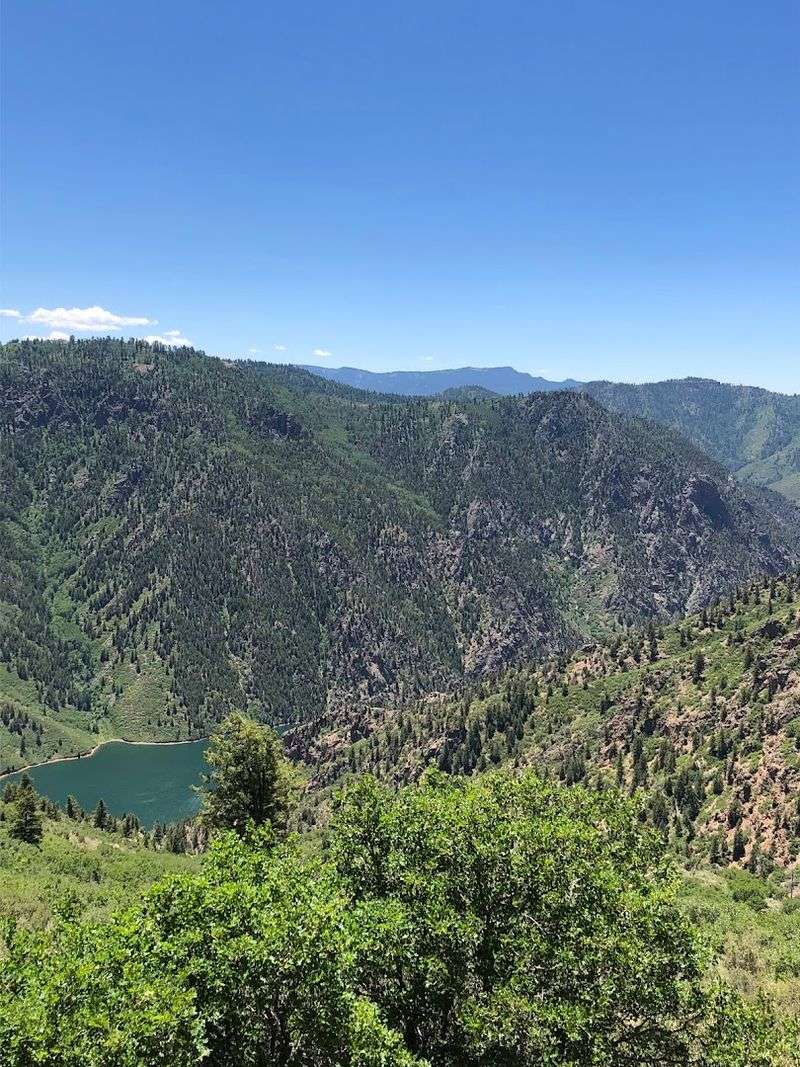
Colorado has so many famous mountain destinations that it is genuinely easy to overlook the Gunnison River Valley, which is a mistake that outdoor enthusiasts tend to regret once they finally visit.
The valley sits at roughly eight thousand feet in elevation, giving it a high-country character that distinguishes it from lower river valleys elsewhere in the state.
Black Canyon of the Gunnison National Park lies just to the north, where the river has carved one of the narrowest and deepest canyons in North America over millions of years of relentless erosion.
The town of Gunnison itself is a working ranching and university community rather than a polished resort town, which gives it a refreshingly authentic feel compared to some of its more famous Colorado neighbors.
Blue Mesa Reservoir, created by a dam on the Gunnison River, is the largest body of water in Colorado and offers boating, fishing, and camping opportunities that attract a fraction of the visitors who crowd into Rocky Mountain National Park. Crested Butte ski area is just thirty miles up the road.
The valley earns its place on any serious Colorado itinerary.
9. Rogue River Valley, Grants Pass, Oregon
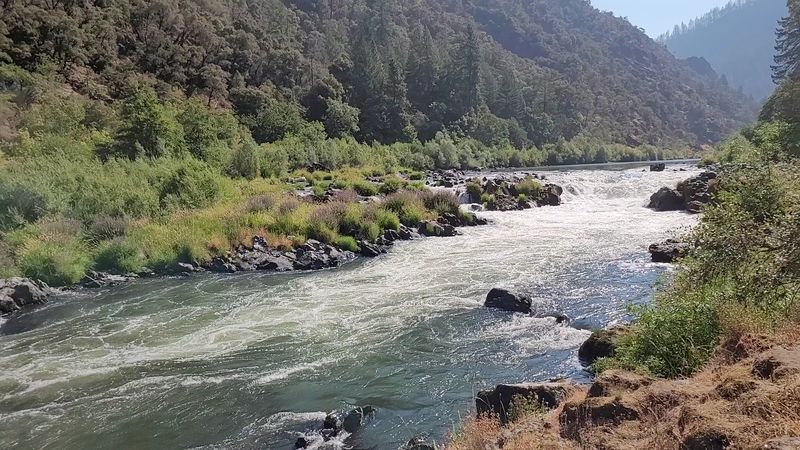
Southern Oregon tends to get overlooked in favor of the coast and Crater Lake, but the Rogue River Valley has been quietly winning over the travelers who do make the detour.
The Rogue River was one of the original rivers designated under the Wild and Scenic Rivers Act of 1968, a distinction that has helped preserve its remarkable canyon stretches from development.
Jet boat tours departing from Grants Pass carry passengers deep into the wild Rogue River Canyon, covering sections of the river that are otherwise accessible only on foot or by raft over multiple days.
The valley around Grants Pass enjoys a notably mild climate compared to much of Oregon, with warm, dry summers that make outdoor activities comfortable for a longer stretch of the year than most Pacific Northwest destinations.
Crater Lake is about ninety minutes away, making the Rogue Valley a practical base for combining two very different types of Oregon scenery in a single trip. Local orchards and farm stands add a pleasant agricultural dimension to valley exploration.
The variety of experiences available here is genuinely impressive for a region so few travelers prioritize.
10. Saint Croix River Valley, Stillwater, Minnesota
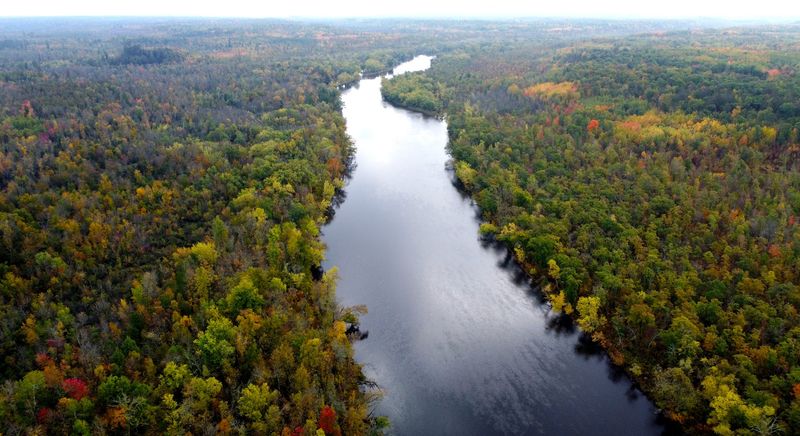
Stillwater, Minnesota, bills itself as the birthplace of the state, and the Saint Croix River Valley surrounding it has the kind of deep-rooted history that makes that claim feel entirely plausible.
The Saint Croix River forms the natural boundary between Minnesota and Wisconsin for much of its length, and the valley it has carved through the landscape is one of the most scenic stretches of the Upper Midwest.
Wooded bluffs rise above the river on both sides, creating a natural enclosure that makes the water feel more intimate than the wide-open rivers of the Great Plains.
Stillwater’s historic downtown has a well-preserved main street lined with independent shops and restaurants housed in nineteenth-century brick buildings that survived the town’s transition from a booming lumber hub to a popular weekend destination.
The river is calm enough for kayaking and canoeing in most stretches, yet interesting enough to keep paddlers engaged for a full day on the water. Interstate State Park on the Wisconsin side preserves remarkable geological formations created by ancient glacial floods.
Autumn transforms the entire valley into a color display that is one of the Midwest’s best-kept seasonal secrets.
11. Yakima River Valley, Yakima, Washington
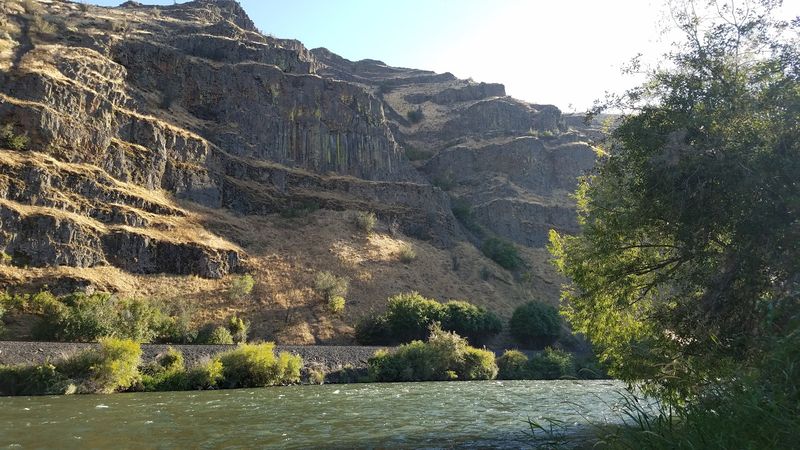
Washington State’s wine country sits not along the coast but in a sun-baked valley east of the Cascades where the Yakima River has been quietly building one of America’s most productive agricultural regions for generations.
The Yakima Valley produces roughly seventy-five percent of Washington’s total hop crop, making it arguably the most important valley in America for anyone who takes craft brewing seriously, even if the valley itself rarely gets credit for that contribution.
Beyond hops, the valley is home to hundreds of vineyards and wineries concentrated along a scenic stretch of highway known as the Rattlesnake Hills Wine Trail.
The Yakima River itself supports a healthy population of wild trout, and the canyon section south of Yakima is a well-regarded fly fishing destination among Pacific Northwest anglers who prefer their rivers uncrowded.
12. Shenandoah River Valley, Front Royal, Virginia
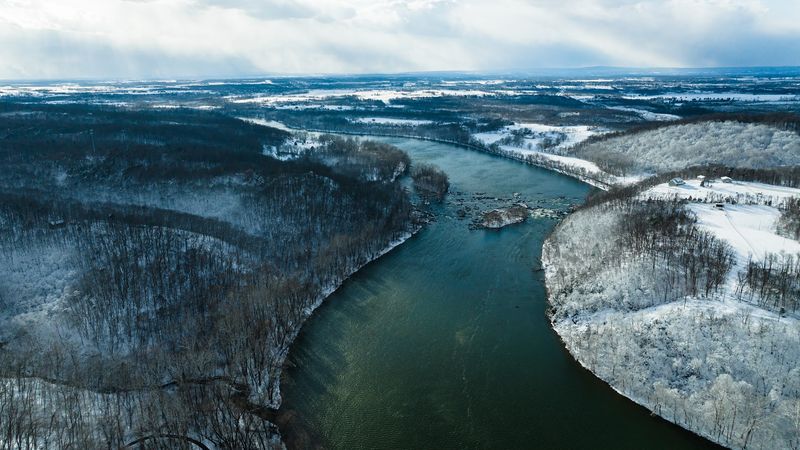
The Shenandoah Valley has been famous since the Civil War, but most visitors drive straight to Skyline Drive without ever spending real time in the valley itself, which is a genuine oversight.
Front Royal sits at the northern end of the valley where the North and South forks of the Shenandoah River join together, creating a natural gathering point that has been drawing travelers for centuries.
The river is calm and wide through much of this stretch, making it ideal for tubing and canoe trips that drift through farmland and beneath limestone bluffs at a pace that feels almost meditative.
Luray Caverns, located about thirty minutes south of Front Royal, is one of the largest cave systems in the eastern United States and draws visitors who are often surprised by both its scale and its remarkable formations.
Share this story