Summer heat is one thing, but summer heat plus humidity is a whole different beast. When moisture fills the air, your sweat cannot evaporate properly, making your body work overtime just to stay cool.
Some American cities are so humid that a simple walk to the mailbox can leave you feeling like you just stepped out of a swimming pool. From the Gulf Coast to the Southeast, these 20 cities are famous for turning up the discomfort dial every single summer.
New Orleans, Louisiana
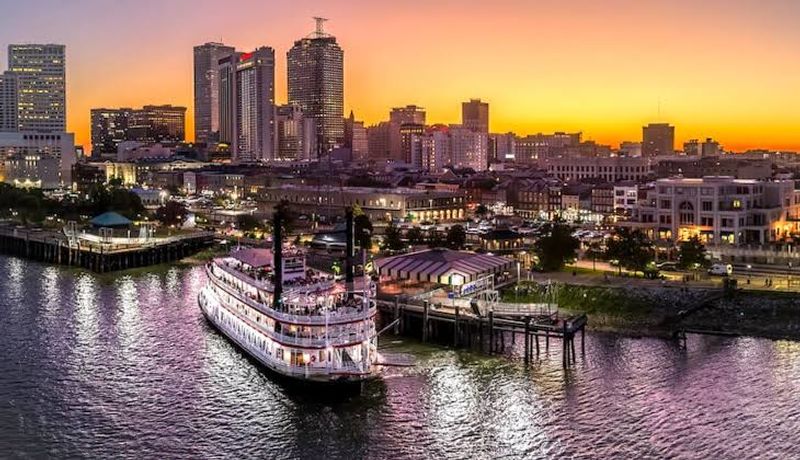
Walking outside in New Orleans in July feels less like stepping into fresh air and more like opening a dishwasher mid-cycle. The city sits at the edge of the Gulf of Mexico, surrounded by swamps, bayous, and the mighty Mississippi River, all of which constantly pump moisture into the atmosphere.
Dew points regularly climb above 75°F, which meteorologists consider downright oppressive.
Even nighttime offers little escape. Temperatures rarely drop below 80°F after dark, meaning the humidity just hangs there like a warm, wet blanket draped over the entire city.
Locals learn quickly to move slowly and stay hydrated.
New Orleans averages about 62 inches of rain per year, and summer thunderstorms are a near-daily event. All that rainfall keeps the ground soggy and the air loaded with moisture.
Visitors often joke that the city has two seasons: hot and humid, and slightly less hot but still very humid. Air conditioning is not just a luxury here; it is practically a survival tool.
The famous jazz and food scene makes it worth every sticky moment, though.
Lake Charles, Louisiana
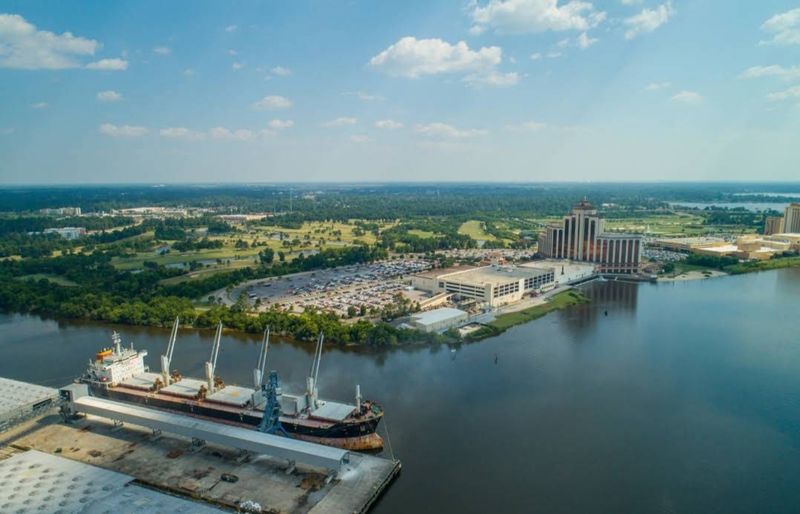
Locals in Lake Charles have a saying: if your glasses fog up the second you walk outside, it must be Tuesday. Situated close to the Gulf of Mexico and surrounded by marshlands and rice fields, this southwest Louisiana city is practically soaking in moisture year-round.
Summer humidity here is not just uncomfortable; it is a force of nature.
Morning hours are especially brutal. Humidity levels frequently top 90% before 9 a.m., making early jogs or outdoor errands feel like swimming through warm soup.
The dew point, which is the real measure of stickiness, routinely sits above 74°F throughout June, July, and August.
Lake Charles also sits in one of the most active thunderstorm corridors in the country. Storms roll through almost daily during summer, temporarily cooling things down before the sun comes back out and turns all that rain into more steam.
The Calcasieu River and surrounding wetlands act like giant humidifiers that never shut off. Despite the sweat-soaked summers, the city boasts a lively casino scene, great Cajun food, and a resilient community that has learned to embrace the heat with good humor and cold sweet tea.
Baton Rouge, Louisiana
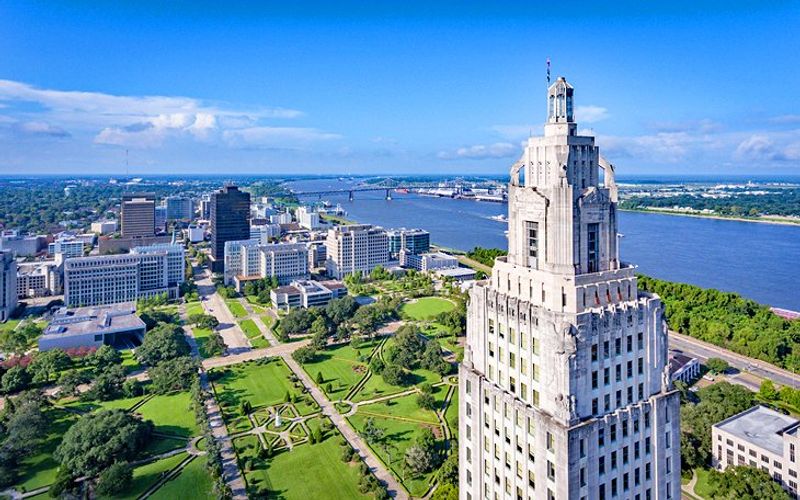
Baton Rouge sits at the intersection of two powerful humidity engines: the Mississippi River and the Gulf of Mexico. That combination creates summers so muggy that outdoor workers often describe the air as feeling thick enough to chew.
The state capital regularly records heat index values that soar 10 to 15 degrees above the actual temperature.
Bayous and wetlands surround the city on multiple sides, constantly releasing water vapor into an already saturated atmosphere. Summer afternoons bring frequent thunderstorms that drop inches of rain in minutes, only to have the sun return and bake all that moisture right back into the air.
The cycle repeats almost every day from June through September.
Louisiana State University students in Baton Rouge quickly learn that cotton clothing and reusable water bottles are non-negotiable survival gear. The city averages about 63 inches of rainfall annually, most of it falling during the sweltering summer months.
Despite the oppressive conditions, Baton Rouge has a thriving food culture, a passionate football fanbase, and a vibrant arts scene. Locals take pride in their toughness, knowing that surviving a Baton Rouge summer earns you serious bragging rights at any family cookout.
Houston, Texas
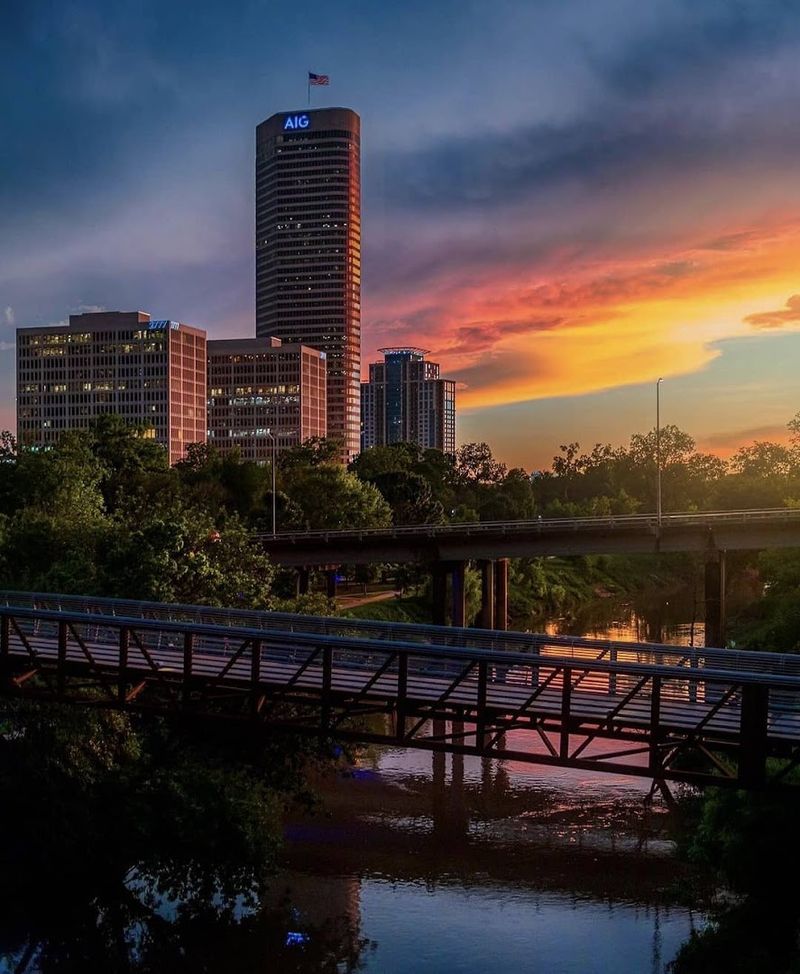
Houston is basically a city that was built inside a swamp and decided to stay there. Situated just 50 miles from the Gulf of Mexico, it combines relentless Gulf moisture with an enormous urban heat island effect to create some of the most punishing summer conditions in America.
The heat index regularly pushes past 105°F during peak afternoon hours.
The city’s network of bayous and retention ponds adds extra moisture to an already saturated atmosphere. Even a quick trip from the car to the grocery store can leave you visibly sweaty.
Houston’s hot season has also been growing longer in recent years, with oppressive heat arriving earlier in spring and lingering well into October.
Houstonians have adapted impressively. The city has developed an underground tunnel system downtown so workers can move between buildings without ever facing the outdoor steam bath.
Drive-throughs are wildly popular because nobody wants to stand outside waiting. Despite the brutal summers, Houston remains one of America’s fastest-growing cities, proof that great food, a booming economy, and genuine Southern hospitality can make even the sweatiest conditions feel worthwhile.
Just keep that cold water bottle handy at all times.
Port Arthur, Texas
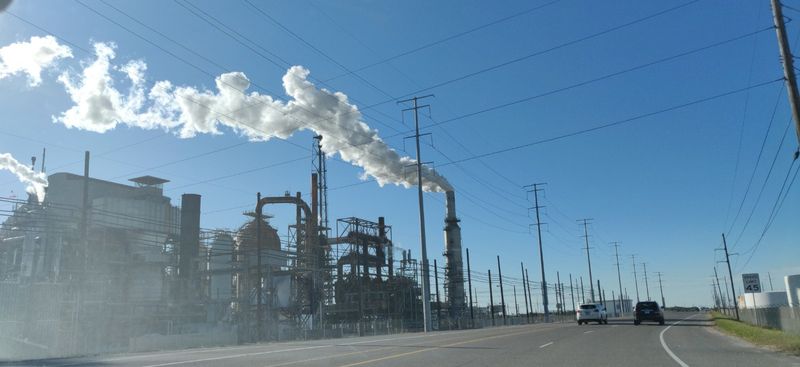
Port Arthur sits so close to the Gulf of Mexico that the city practically has salt water in its veins and humidity in its bones. This southeast Texas city consistently ranks among the most oppressively humid places in the entire country, with summer dew points that would make even seasoned Gulf Coast residents do a double take.
Stepping outside in July feels like walking into a warm, invisible fog.
The surrounding wetlands and Sabine Lake keep ground-level moisture extremely high throughout the summer. Relative humidity frequently stays above 85% well into the afternoon, long after most coastal cities have experienced at least a slight drying trend.
The heat index can easily reach 110°F on particularly brutal days.
Port Arthur is also no stranger to tropical weather, sitting directly in the path of Gulf hurricanes and tropical storms that bring even more moisture ashore. The petrochemical industry dominates the local economy, meaning many workers face outdoor conditions that require serious heat safety protocols.
Despite its industrial character, Port Arthur has deep roots in music history as the birthplace of Janis Joplin. Locals know how to keep their cool, both culturally and practically, even when the air seems determined to test their limits every single day.
Brownsville, Texas
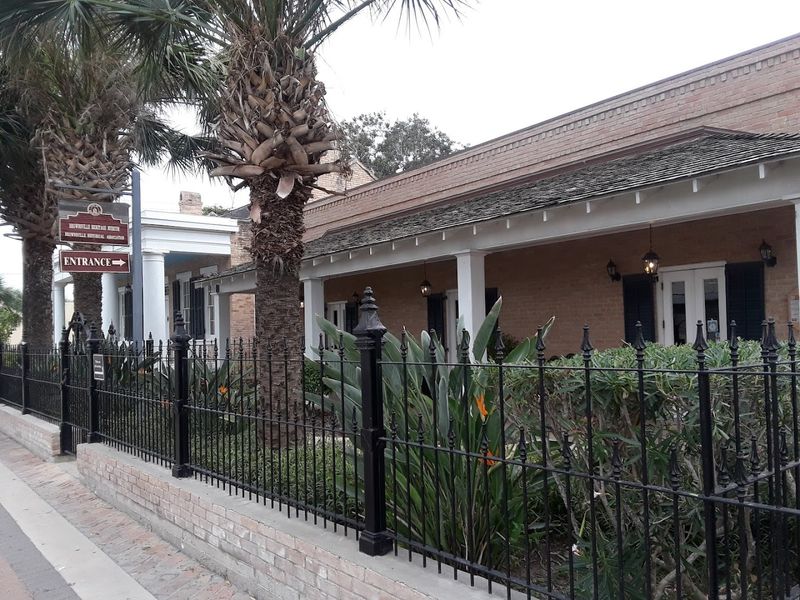
At the very southern tip of Texas, where the Rio Grande meets the Gulf of Mexico, Brownsville bakes under a tropical sun while simultaneously drowning in Gulf moisture. The city sits at roughly the same latitude as Miami, and its climate reflects that tropical character with relentless summer heat and humidity that rarely lets up from May through October.
Dew points in Brownsville regularly exceed 75°F during summer, which puts the city firmly in the miserable category by any meteorological standard. Sea breezes from the Gulf do roll in daily, but they carry so much moisture that they often make the air feel heavier rather than lighter.
The surrounding thorn scrub and coastal wetlands add to the overall mugginess.
Brownsville is also one of the warmest cities in the continental United States year-round, meaning residents get very little seasonal relief. Winters are mild and pleasant, but summer arrives early and overstays its welcome every year.
The local culture reflects a blend of Mexican and South Texas traditions, with outdoor markets, festivals, and community gatherings that somehow manage to thrive despite the heat. Locals simply schedule outdoor activities for early morning and leave the afternoons for air-conditioned relief and cold aguas frescas.
Corpus Christi, Texas
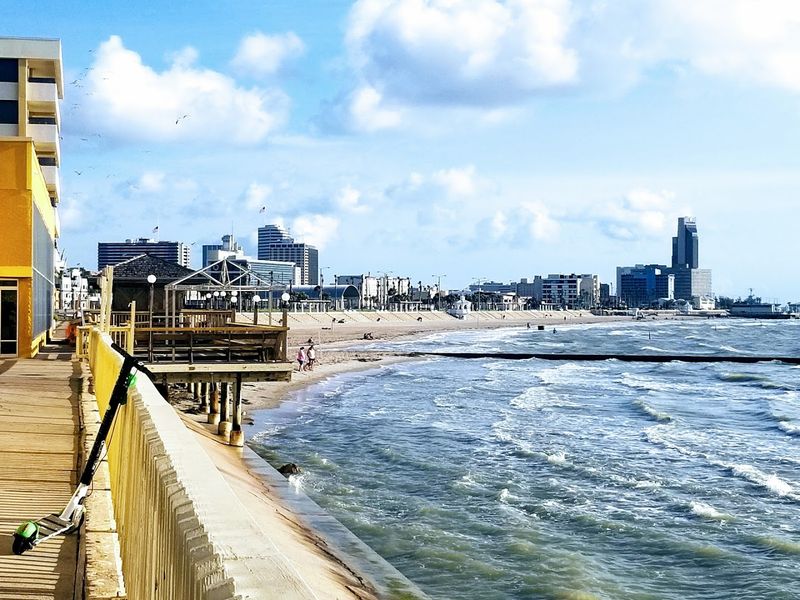
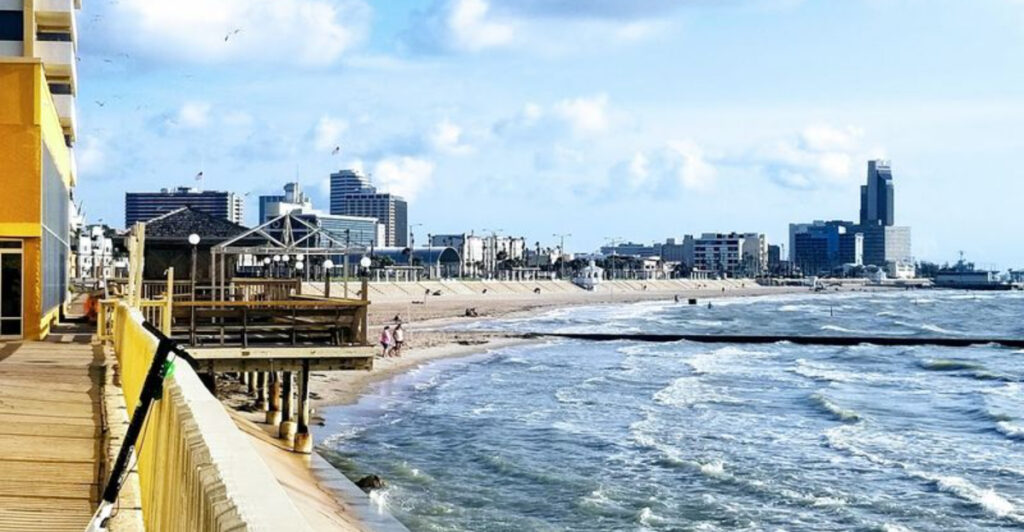
You might expect a coastal breeze to save you from the heat in Corpus Christi, and technically, the wind does blow. The problem is that it blows straight off the warm Gulf of Mexico, carrying enough moisture to make the air feel like a warm, salty sauna.
Sea breezes here are more of a warm hug than a cooling rescue mission.
Corpus Christi’s Coastal Bend location means it is surrounded by Corpus Christi Bay, the Laguna Madre, and the Gulf itself, all of which pump water vapor into the atmosphere continuously. Summer dew points frequently hover between 72°F and 76°F, pushing heat index values well above the actual temperature.
Even locals who grew up here admit that July afternoons are no joke.
The city does have one saving grace: the constant wind keeps mosquitoes at bay better than many other Gulf Coast cities. Still, outdoor activities like fishing, kayaking, and beach volleyball require careful timing and serious hydration.
North Padre Island, just across the causeway, draws visitors despite the heat because the scenery and wildlife are genuinely spectacular. Corpus Christi proves that a city can be beautiful, lively, and thoroughly, relentlessly humid all at the same time without anyone feeling the need to apologize for it.
Victoria, Texas
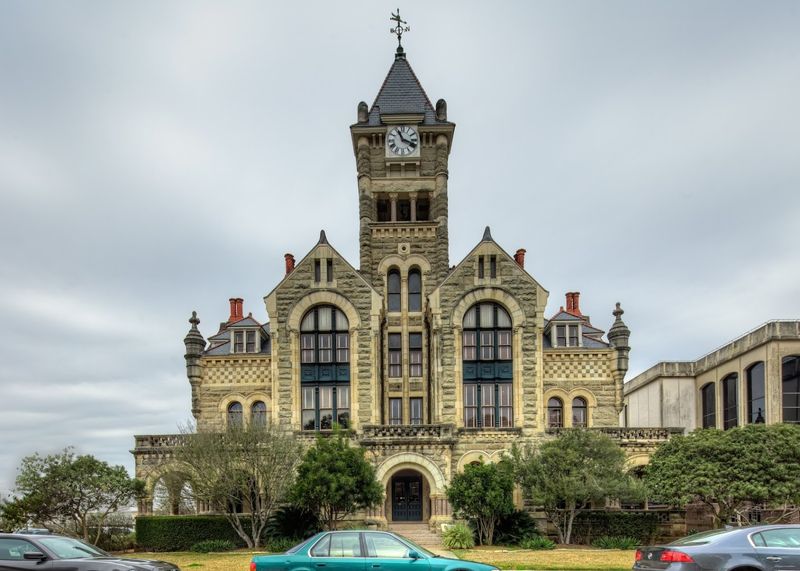
Wedged between Houston and Corpus Christi, Victoria is essentially caught in a geographic humidity trap with no escape route. Gulf air masses roll northward from the coast, while moisture from the Colorado and Guadalupe Rivers adds to the local stickiness.
The result is a city where summer heat indexes regularly run 10 to 15 degrees above the actual thermometer reading.
Victoria sits far enough inland to miss the cooling sea breezes but close enough to the coast to receive all of the Gulf’s moisture contributions. That unfortunate combination makes it one of the muggiest mid-sized cities in Texas.
Summer afternoons feel heavy and dense, with the kind of thick air that makes even shaded spots feel insufficiently refreshing.
Agriculture plays a big role in the local economy, which means many workers spend long hours outdoors during the hottest and most humid months of the year. Heat safety awareness is genuinely important here, not just a suggestion.
Victoria does have a charming historic downtown and a surprisingly active arts scene for a city its size. Residents have built a culture around adapting to the climate, from early morning outdoor events to shaded patios that make summer socializing at least somewhat bearable.
Cold drinks are never far from reach.
Mobile, Alabama
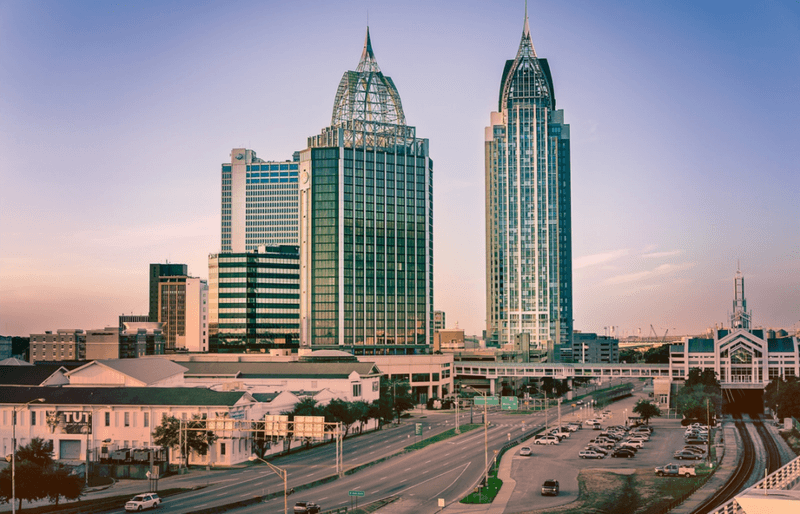
Mobile holds the distinction of being one of the wettest cities in the entire United States, averaging around 67 inches of rainfall per year. All that rain keeps the ground saturated and the air loaded with moisture from spring straight through to fall.
Combine that with Mobile Bay and Gulf of Mexico proximity, and you have a recipe for legendary summer humidity.
Summer afternoons in Mobile are a full sensory experience. The air feels warm and heavy the moment you step outside, and the smell of wet earth and salt water mingles with the heat in a way that is distinctly Southern.
Locals often describe the feeling as being wrapped in a warm, damp towel that you simply cannot remove.
Mobile is also one of the oldest cities in the Southeast, with a rich history dating back to French colonial settlement in the early 1700s. Its historic neighborhoods, beautiful azalea gardens, and vibrant Mardi Gras tradition make it a genuinely fascinating place to visit, even in summer.
Just pack light, breathable clothing and accept that your hair will do whatever it wants regardless of styling products. Humidity is the real boss in Mobile, and it has been running the show for centuries without any sign of slowing down.
Jackson, Mississippi
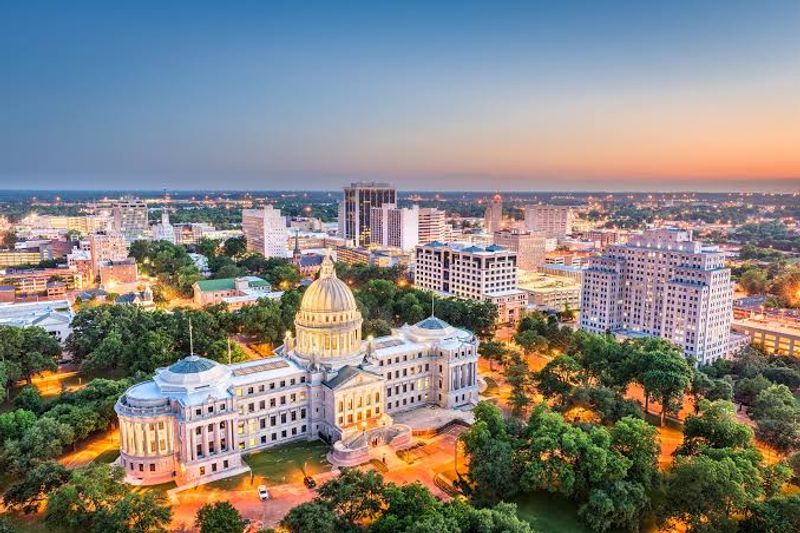
Jackson proves that you do not need to be on the coast to suffer serious summer humidity. Sitting roughly 200 miles north of the Gulf of Mexico, the Mississippi state capital still receives a steady stream of moist Gulf air that pushes dew points into uncomfortable territory throughout the summer months.
The Pearl River and surrounding lowlands add their own moisture contribution to the already soggy atmosphere.
July in Jackson is not for the faint of heart. Average high temperatures hover around 93°F, but the heat index frequently pushes conditions to feel like 105°F or more.
Outdoor activities require careful planning, early morning timing, and generous amounts of water and sunscreen. The city’s tree canopy provides some shade relief, but it also traps humidity close to the ground on still afternoons.
Jackson has a deep and important cultural history as a center of the Civil Rights Movement, and its food scene is genuinely underrated, featuring some of the best soul food restaurants in the South. The city is working hard on revitalization efforts that are bringing new energy to its neighborhoods.
Locals take the heat in stride, gathering on porches in the evening when temperatures finally begin to drop and the fireflies come out to make everything feel a little more magical.
Meridian, Mississippi
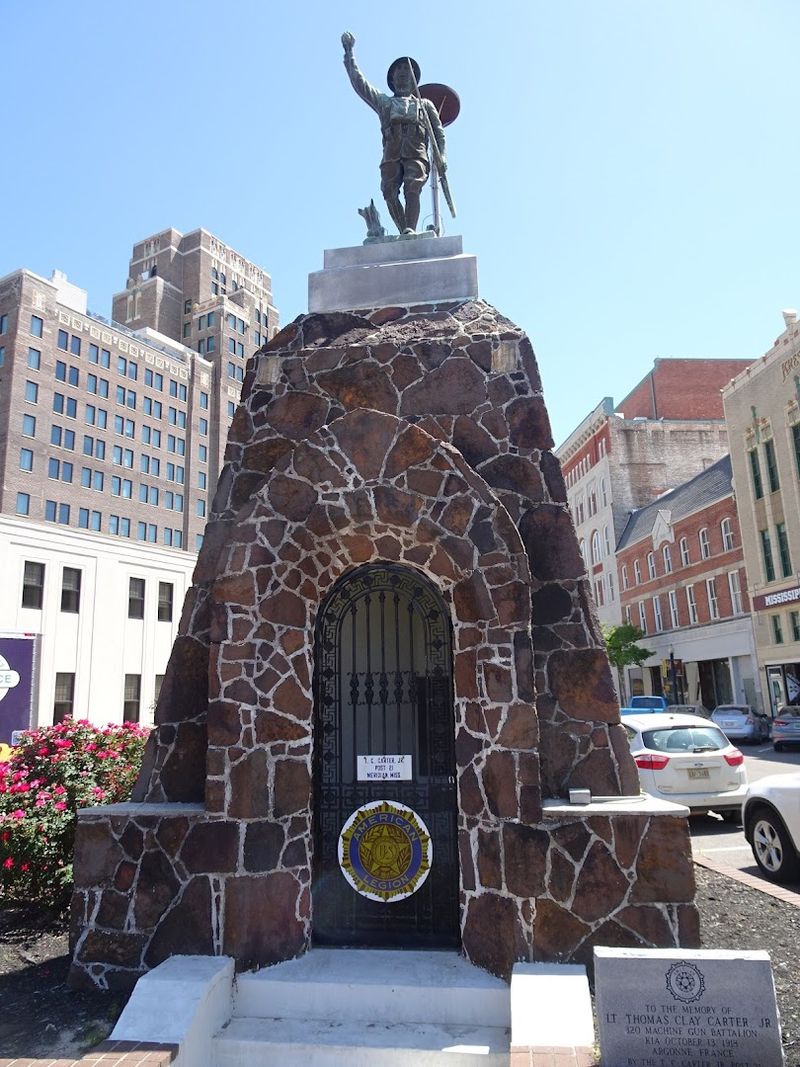
Surrounded by dense pine forests and rolling hills, Meridian might look like it would offer some relief from Gulf Coast humidity, but the air masses rolling up from the south do not care about geography. This east-central Mississippi city consistently ranks among the most humid places in the United States, with summer dew points that rival those of coastal cities twice its size.
The forests around Meridian actually make things worse in a way, since trees release water vapor through a process called transpiration, adding to the atmospheric moisture that already arrives courtesy of the Gulf. Afternoons in July and August are thick and heavy, with that particular brand of Southern heat that makes you want to move as little as possible until sundown.
Meridian has a surprisingly rich cultural history, including connections to the roots of American country music and blues. The city was an important railroad hub in the 19th century, and some of that historic character still shows in its architecture and community pride.
Residents are accustomed to the summer conditions and have developed a laid-back approach to outdoor life that involves plenty of shade-seeking, cold beverage consumption, and the understanding that nothing truly important happens between noon and 4 p.m. in July.
Miami, Florida
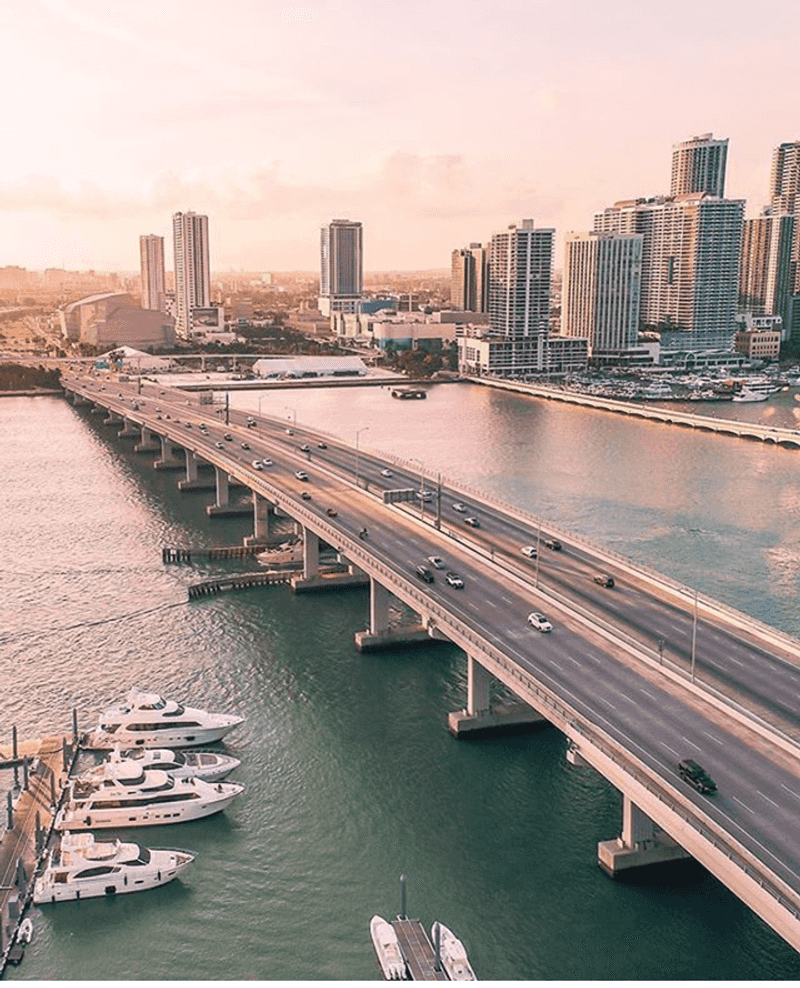
Miami does not just have summer; Miami IS summer, turned up to maximum intensity and set to a Latin soundtrack. Positioned between the Atlantic Ocean to the east and Biscayne Bay to the west, the city is essentially surrounded by warm water on multiple sides, guaranteeing that the air is loaded with moisture from June through September.
Tropical humidity here is not seasonal; it is a lifestyle.
Afternoon thunderstorms are a near-daily ritual in Miami during summer, rolling in like clockwork around 3 or 4 p.m. and dumping torrential rain before clearing just as quickly. Those storms do cool things off briefly, but within an hour, the sun returns and the pavement starts steaming.
Dew points regularly exceed 75°F, which puts Miami firmly in the tropical oppressive category.
Despite the relentless heat, Miami’s energy is electric. The beach culture, world-class restaurants, vibrant nightlife, and stunning Art Deco architecture draw millions of visitors every year, many of whom arrive in summer and immediately wonder why they did not pack lighter clothing.
Locals stay cool with frequent beach dips, rooftop bars, and an abundance of air conditioning everywhere from grocery stores to nightclubs. Miami makes suffering through humidity feel glamorous, which is quite an achievement.
Tampa, Florida
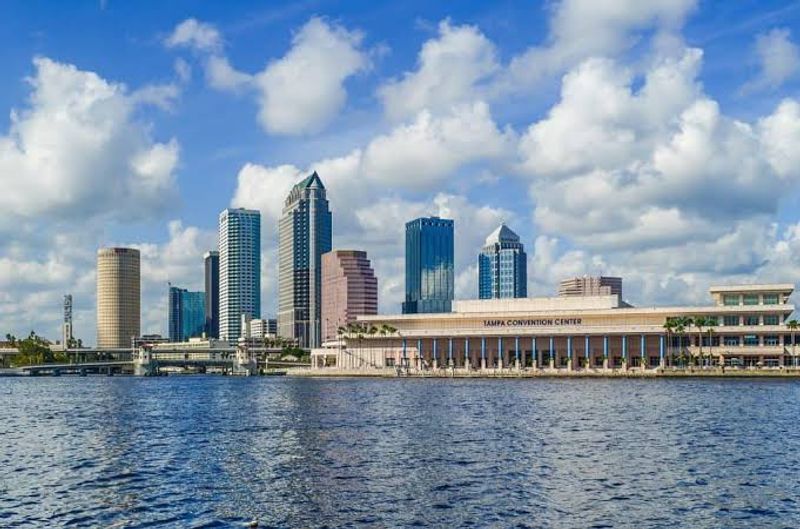
Tampa earns the nickname Lightning Capital of North America honestly, and the same weather system responsible for all those spectacular storms also makes the city extraordinarily humid. Warm Gulf of Mexico waters to the west and Tampa Bay to the east create a moisture-rich environment where summer dew points routinely sit between 72°F and 77°F.
The air here has a weight to it that newcomers notice immediately.
From June through September, Tampa experiences its rainy season, which brings daily afternoon thunderstorms that are as reliable as clockwork. The storms are impressive and sometimes dangerous, but they also serve as the city’s natural air conditioning system, providing a brief but welcome temperature drop before the humidity bounces right back.
Most locals have learned to carry an umbrella and accept that their afternoon plans may need to pause for 45 minutes.
Tampa has grown enormously in recent years, attracting new residents from cooler, drier parts of the country who sometimes underestimate what Florida summers actually feel like. The city’s waterfront parks, Riverwalk, and outdoor restaurant patios are wonderful, but they require serious heat preparation during peak summer months.
Misters, shade structures, and ice-cold drinks are standard equipment at any outdoor Tampa event from Memorial Day straight through to Halloween.
Orlando, Florida
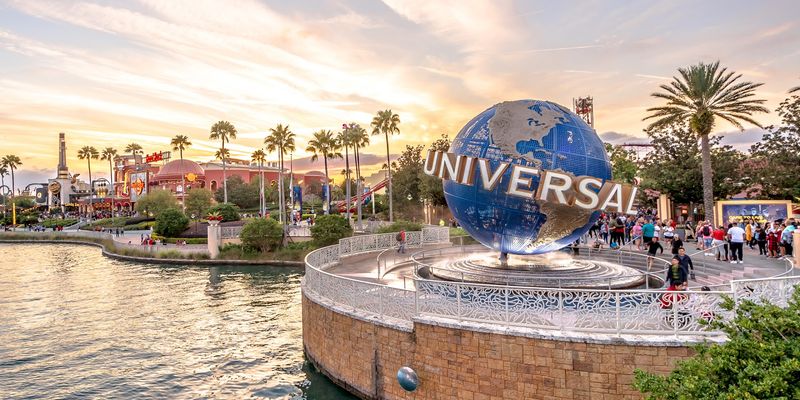
Millions of families choose Orlando for summer vacations every year, and many of them spend the first morning outside wondering if they accidentally walked into a greenhouse. Central Florida’s inland location does not spare it from Gulf moisture; instead, the region’s hundreds of lakes, wetlands, and the vast Everglades system to the south keep the atmosphere consistently saturated throughout the summer months.
Orlando’s subtropical climate means summer heat indexes frequently reach 105°F or higher during peak afternoon hours. Theme parks like Walt Disney World and Universal Studios have become experts at managing guest comfort, offering shaded queues, air-conditioned waiting areas, and water features strategically placed throughout their parks.
Still, walking from attraction to attraction in July is genuinely exhausting for anyone not accustomed to Florida humidity.
What makes Orlando particularly interesting is how the city has built an entire tourism infrastructure around making outdoor experiences tolerable in a climate that is actively working against you. Spray stations, frozen treat vendors, and cleverly designed shade structures are everywhere.
Locals know the real trick is hitting outdoor attractions early in the morning, retreating indoors during the worst afternoon heat, and coming back out in the evening when temperatures finally soften. It is a rhythm that takes some getting used to but eventually becomes second nature.
Jacksonville, Florida
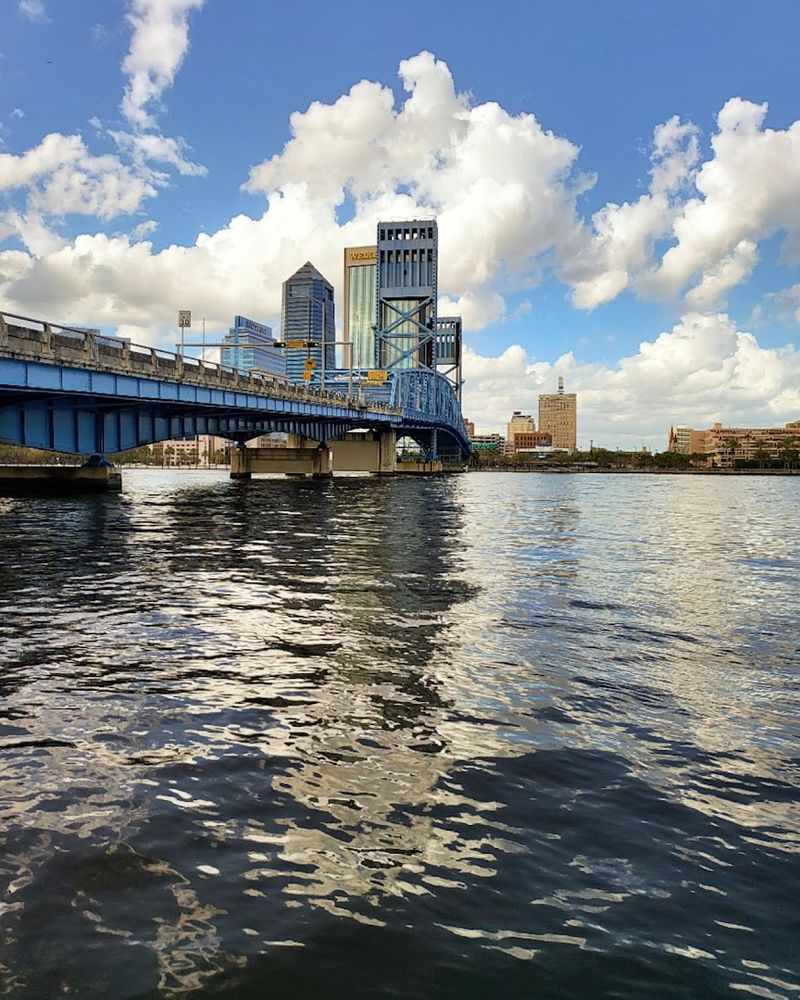
Jacksonville is the largest city by area in the continental United States, which means there is a lot of humid Florida real estate to cover. Sitting in the northeastern corner of the state where the Atlantic Ocean meets the St. Johns River, Jacksonville combines coastal moisture with a subtropical climate to produce summers that are long, hot, and thoroughly muggy.
The city averages about 52 inches of rain annually, most of it falling during the steamy summer months.
Residents who moved from drier parts of the country often describe their first Jacksonville summer as a wake-up call. The humidity does not just affect comfort; it affects everything from how quickly outdoor furniture deteriorates to how often you need to run the air conditioner.
HVAC systems in Jacksonville work overtime from May through October, and utility bills reflect that reality.
Jacksonville does have genuine advantages that keep people coming back and moving in despite the heat. Its beaches, particularly Jacksonville Beach and Neptune Beach, offer some of the most accessible coastline of any major Florida city.
The local food scene has expanded dramatically in recent years, and the arts community is thriving. Outdoor enthusiasts have simply learned to build their activities around the weather, embracing early morning runs and evening kayak trips as the smartest ways to enjoy the natural beauty without melting.
Gainesville, Florida
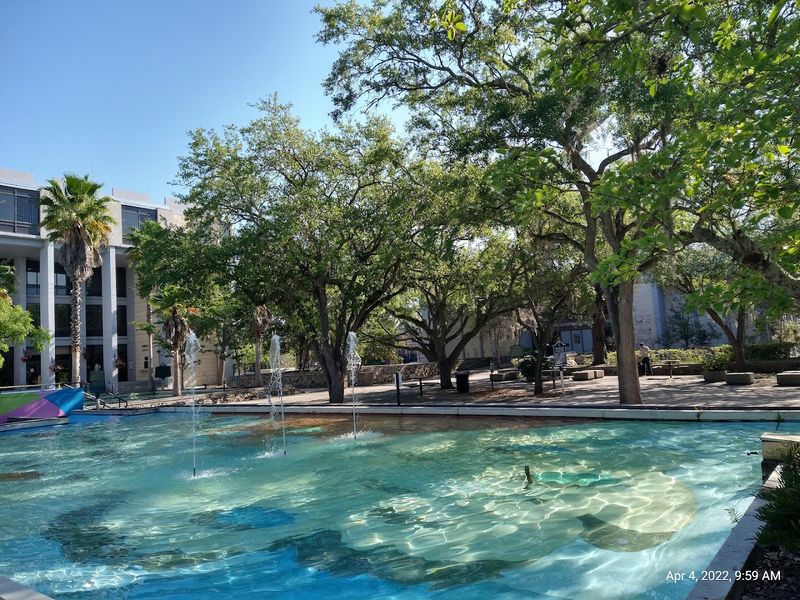
Home to the University of Florida and the famous Florida Gators, Gainesville has another identity that the tourism brochures tend to underplay: it is one of the most consistently humid cities in America. Surrounded by sinkholes, freshwater springs, and the vast wetland systems of north-central Florida, the city sits in a natural moisture trap that keeps summer conditions remarkably sticky year after year.
Paynes Prairie Preserve and numerous other wetland areas surrounding Gainesville release enormous amounts of water vapor into the atmosphere, particularly on calm summer mornings. Dew points regularly climb above 74°F, and the combination of heat and moisture makes outdoor activities genuinely challenging during peak summer hours.
New students arriving for fall semester in August often experience their first real taste of Florida humidity and it is memorable.
Gainesville has embraced its natural surroundings enthusiastically, with a strong cycling culture, extensive trail systems, and a community that values outdoor activity even in difficult conditions. The trick is timing.
Morning runs along Depot Park or Boulware Springs are popular precisely because early hours offer the most tolerable conditions before the full force of the subtropical sun takes over. The city’s vibrant college atmosphere, excellent restaurants, and live music scene provide plenty of indoor entertainment for the hottest parts of the day.
Fort Myers, Florida
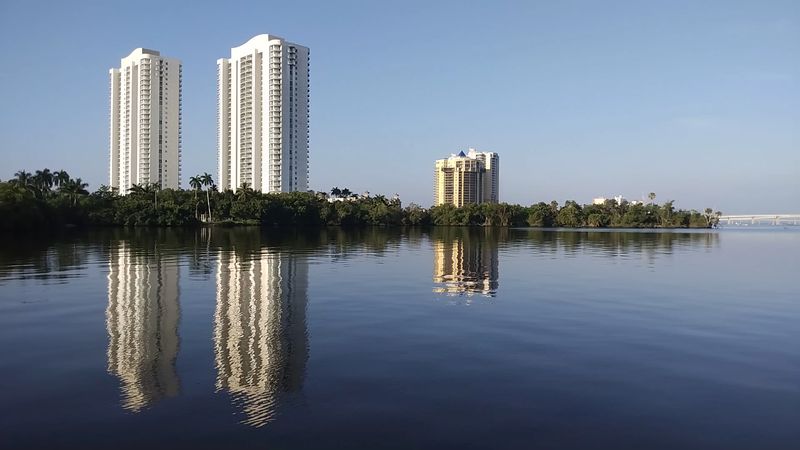
Fort Myers sits on the southwest Florida coast where the Caloosahatchee River meets the Gulf of Mexico, creating a geographic setup that basically guarantees maximum summer humidity. The surrounding Everglades ecosystem, just to the south, acts as one of the largest natural humidifiers on the continent, pushing warm, moist air northward into the region throughout the summer season.
Summer dew points in Fort Myers regularly exceed 75°F, and the heat index frequently makes 92°F feel like 108°F. Afternoon thunderstorms are nearly guaranteed from June through September, rolling in from the east as sea breezes from both coasts collide over the Florida peninsula.
The storms are dramatic and often beautiful from a safe indoor vantage point, featuring towering thunderheads and impressive lightning displays.
Fort Myers has become one of Florida’s fastest-growing cities, attracting retirees and remote workers who appreciate its waterfront lifestyle, boating access, and proximity to beaches like Fort Myers Beach and Sanibel Island. The summer months are actually the local slow season, when tourist traffic drops and residents reclaim their favorite spots.
Those who stay year-round develop a genuine appreciation for the dramatic summer weather, even if it means spending more time indoors between roughly 11 a.m. and 5 p.m. every single day from June through September.
West Palm Beach, Florida
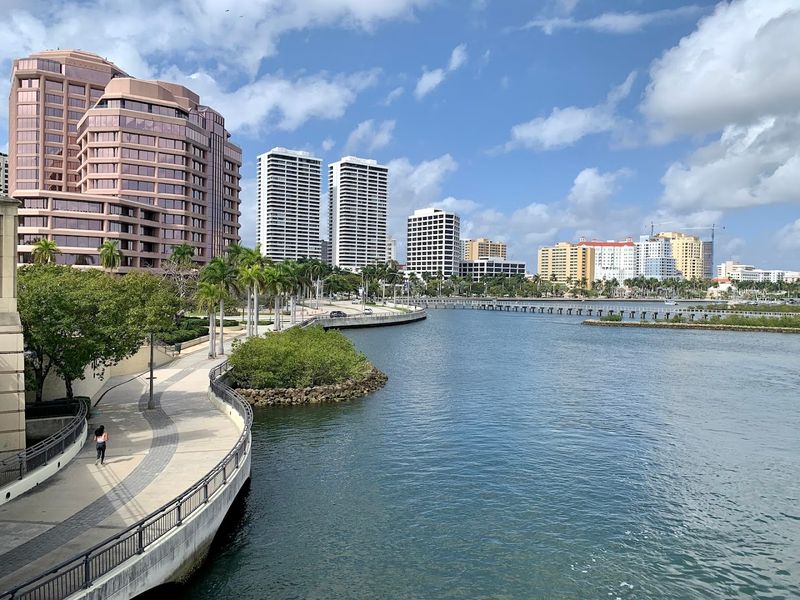
Recent climate analyses have placed West Palm Beach among the most heat-stressed cities in America, and the numbers back that up convincingly. Sitting on the Atlantic coast of South Florida with the Intracoastal Waterway running through the city and the Everglades just to the west, West Palm Beach is essentially surrounded by water sources that feed its notoriously high summer humidity levels.
Summer afternoons here combine high temperatures, intense sunshine, and dew points that regularly exceed 76°F to produce heat index values that can make 91°F feel like 108°F or more. The city also experiences the full force of Florida’s afternoon thunderstorm pattern, with powerful storms building over the Everglades and sweeping eastward toward the coast on an almost daily schedule during summer.
West Palm Beach has a reputation for glamour and wealth, with its upscale Worth Avenue shopping district and proximity to Palm Beach’s famous estates. But summer strips away any pretension and reminds everyone that the climate does not care about zip codes.
Even the most luxurious rooftop pool loses some of its appeal when the air feels like warm steam. Locals and longtime residents handle it with grace, scheduling outdoor events for cooler hours and treating air conditioning as the unsung hero of South Florida civilization.
Cold water and good company make it all manageable.
Charleston, South Carolina
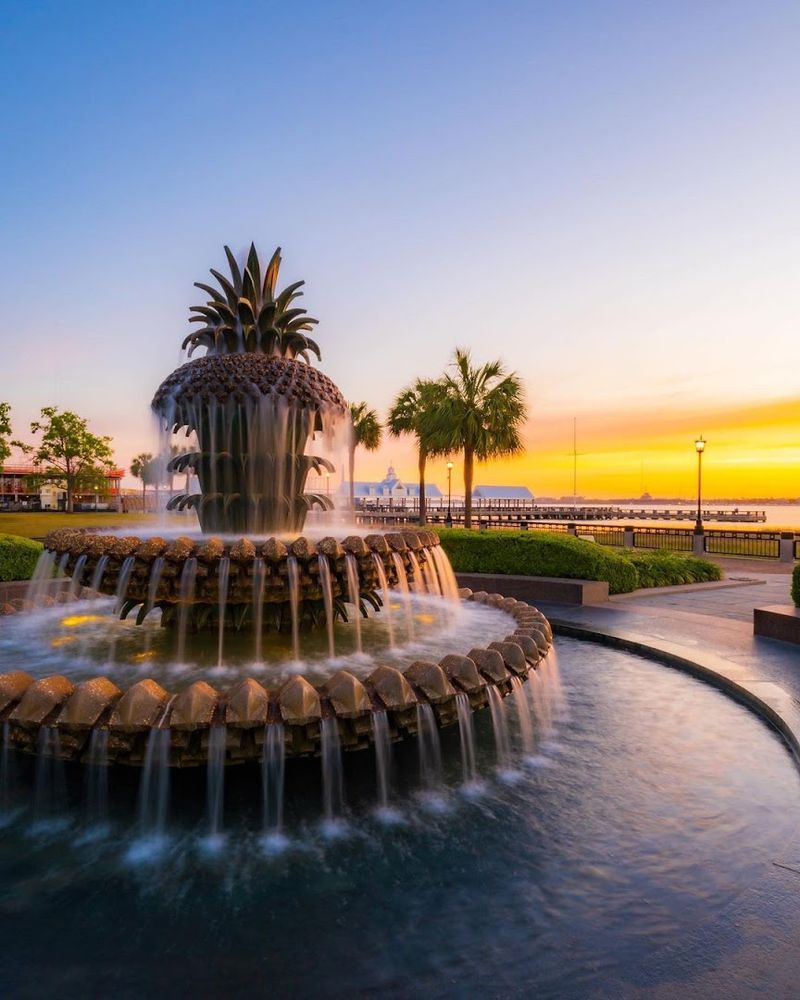
Charleston is one of America’s most photogenic cities, with its pastel-colored antebellum homes, cobblestone streets, and stunning harbor views. What the Instagram photos tend to leave out is the wall of humidity that greets you the moment you step outside between June and September.
The warm Atlantic Ocean, the surrounding salt marshes, and the Ashley and Cooper Rivers create a moisture-rich environment that makes summer feel genuinely tropical.
Summer dew points in Charleston regularly climb above 73°F, and the heat index frequently adds 10 to 15 degrees to already high temperatures. The city averages about 51 inches of rain per year, with a significant portion falling during summer afternoon thunderstorms.
After the rain stops, the air often feels even more humid as water evaporates from the historic brick streets and lush garden courtyards.
Charleston has developed a sophisticated approach to outdoor life in the heat. Rooftop bars with harbor views are wildly popular in the evening hours.
The city’s famous restaurant scene thrives year-round, giving visitors plenty of air-conditioned options for exploring local cuisine. Historic walking tours, carriage rides, and waterfront strolls are best enjoyed before 10 a.m. or after 6 p.m. during peak summer.
Despite the humidity, Charleston’s charm is undeniable, and millions of visitors choose to come in summer anyway, sweat and all.
Savannah, Georgia
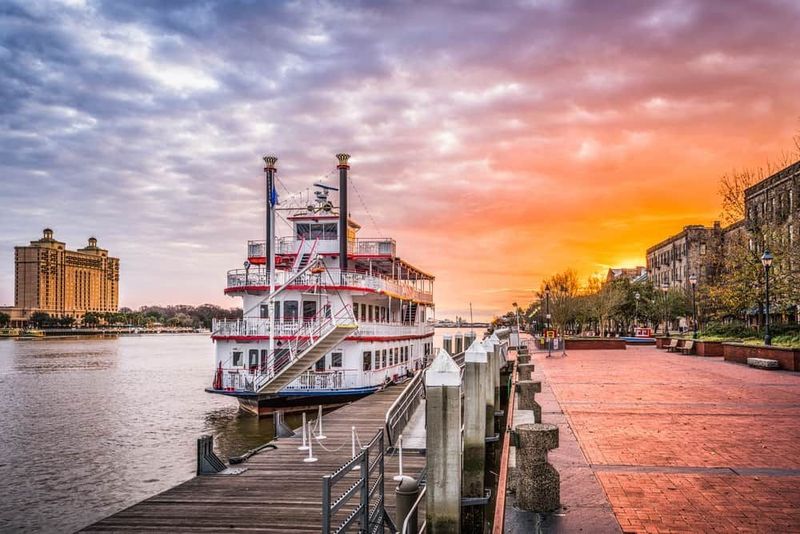
Spanish moss draping from ancient live oak trees is Savannah’s signature image, and it turns out that moss thrives in exactly the kind of relentlessly humid conditions that make summer visitors reach for a cold drink every five minutes. Savannah’s coastal Georgia location, combined with the Savannah River and surrounding tidal marshes, creates a summer climate that is as atmospheric as it is sweaty.
The city averages about 50 inches of rain per year, and summer afternoons bring frequent thunderstorms that temporarily lower temperatures before the humidity surges right back. Dew points routinely sit above 73°F from June through September, and the heat index regularly pushes conditions well past the century mark.
Savannah’s famous shaded squares provide some psychological relief, but the thick, warm air finds you even under the oldest oak trees.
Savannah handles its reputation with remarkable style. The city’s thriving food and cocktail scene means there is always an air-conditioned restaurant or bar nearby when outdoor exploration becomes too much.
Ghost tours, which are enormously popular here, often run in the evening when temperatures soften slightly and the Spanish moss sways in the warm breeze. Savannah has a way of making even its most uncomfortable qualities feel romantic and mysterious, which is a genuinely impressive cultural achievement for a city that is essentially a beautiful, historic sauna from Memorial Day to Labor Day.
Share this story