There is a small mountain town tucked into the western edge of North Carolina where the air smells like pine, the river runs cold and clear, and a vintage train whistle echoes through the valleys every single day. Visitors from all over the country keep coming back, and honestly, it is not hard to see why.
The town sits right on the edge of Great Smoky Mountains National Park, giving it access to some of the most jaw-dropping scenery in the eastern United States. Between a legendary railroad, world-class river adventures, and a surprisingly rich local culture, this place has a way of turning a weekend trip into a lifelong love affair with the Southern Appalachians.
Welcome to Bryson City, North Carolina
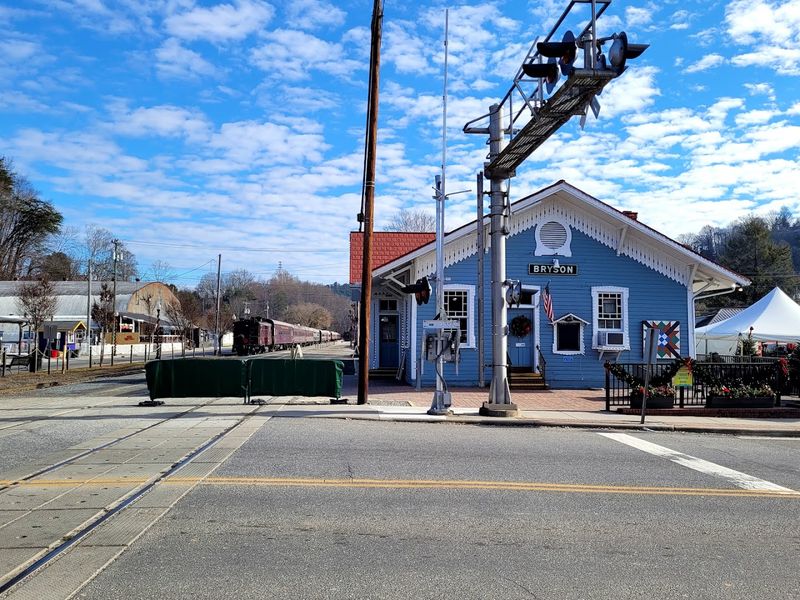
Every now and then, a town surprises you by being exactly what it promises. Bryson City, located in Swain County in the western mountains of North Carolina, sits at the edge of Great Smoky Mountains National Park and delivers on every front.
The official address for the town center is Bryson City, North Carolina 28713, and it is about 90 minutes west of Asheville on US-19. The setting alone is worth the drive, with ridgelines stacking up in every direction and the Tuckasegee River threading right through the heart of town.
The population hovers around 1,500 people, which means the streets feel unhurried and personal. Shop owners wave from doorways, and locals are genuinely happy to point you toward their favorite hiking trail or lunch spot.
What makes Bryson City stand out among other small mountain towns is the sheer variety of things to do packed into such a compact area. Whether you are chasing adventure or simply need a few days of mountain air and good food, this town punches well above its weight class.
The Great Smoky Mountains Railroad: A Ride Like No Other
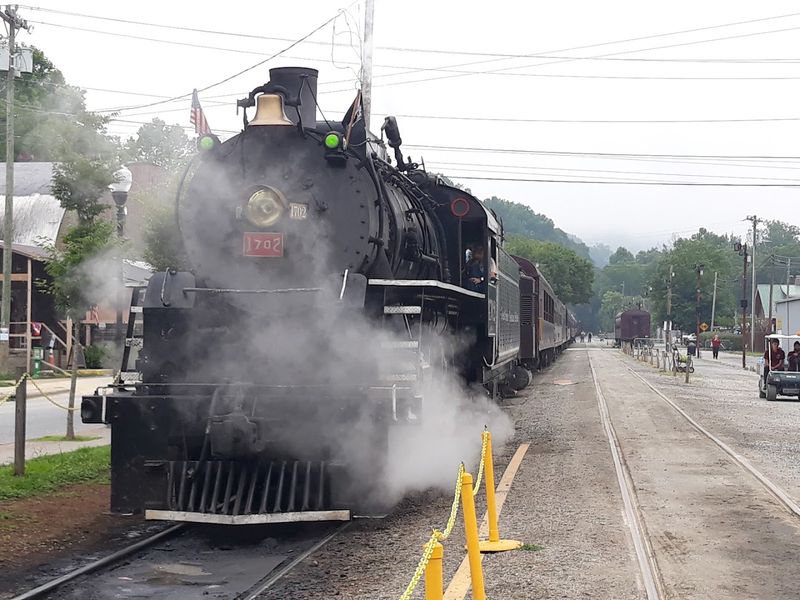
Few travel experiences in the American South are as purely satisfying as climbing aboard the Great Smoky Mountains Railroad and watching the world slow down to a comfortable chug. The railroad has been operating excursion trips out of Bryson City for decades, and it remains the crown jewel of the entire region.
Trains depart from the historic depot right in downtown Bryson City, and the routes wind through gorges, past waterfalls, and along river corridors that simply cannot be reached by car. The Nantahala Gorge excursion is the most popular, taking passengers deep into a dramatic river canyon before turning around for the return trip.
The railroad offers open-air cars, climate-controlled coaches, and even premium dining options depending on the season. Special themed rides throughout the year, including the wildly popular Polar Express during the holiday season, keep the schedule packed and the crowds coming back.
Ticket prices vary by route and car class, so booking in advance is strongly recommended, especially during fall foliage season when every seat sells out fast. Riding this train is not just transportation; it is the whole point of the trip.
Smoky Mountain Trains Museum: Where Railroad History Lives
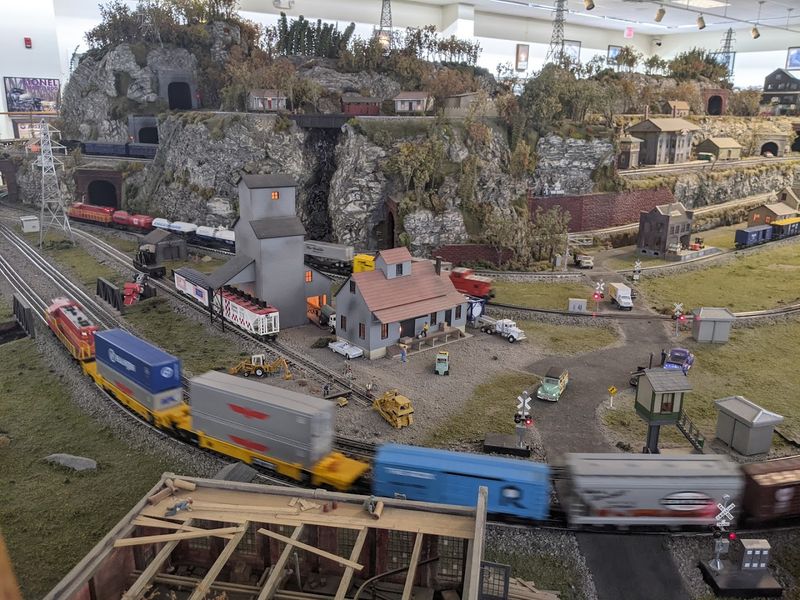
Right next to the railroad depot, the Smoky Mountain Trains Museum holds one of the most impressive model train collections in the entire country. If you thought model trains were just a hobby for quiet Sunday afternoons, this museum will completely reset that assumption.
The centerpiece is a massive Lionel train layout that spans thousands of square feet and features detailed mountain landscapes, tunnels, bridges, and tiny towns that mirror the real Appalachian scenery outside the windows. Watching it run is genuinely mesmerizing for visitors of every age.
Beyond the operating layout, the museum houses an extensive collection of rare and vintage Lionel trains, some dating back nearly a century. The displays are well-curated and the signage explains the history of American railroading in a way that is easy to follow and genuinely interesting.
Admission is affordable, and the museum connects directly to the railroad depot, making it a natural stop before or after your train excursion. Kids tend to plant themselves in front of the layout for far longer than their parents expect, which is honestly a sign that the museum is doing something very right.
Great Smoky Mountains National Park: Right at Your Doorstep
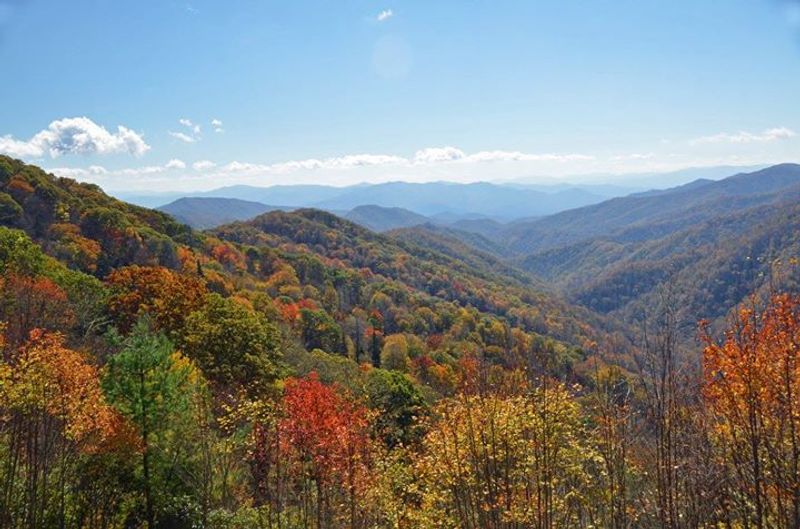
Bryson City serves as one of the quieter gateways into Great Smoky Mountains National Park, which means you get all the grandeur without the crushing crowds that gather at more famous entrances. The park itself is the most visited national park in the entire country, drawing tens of millions of people each year.
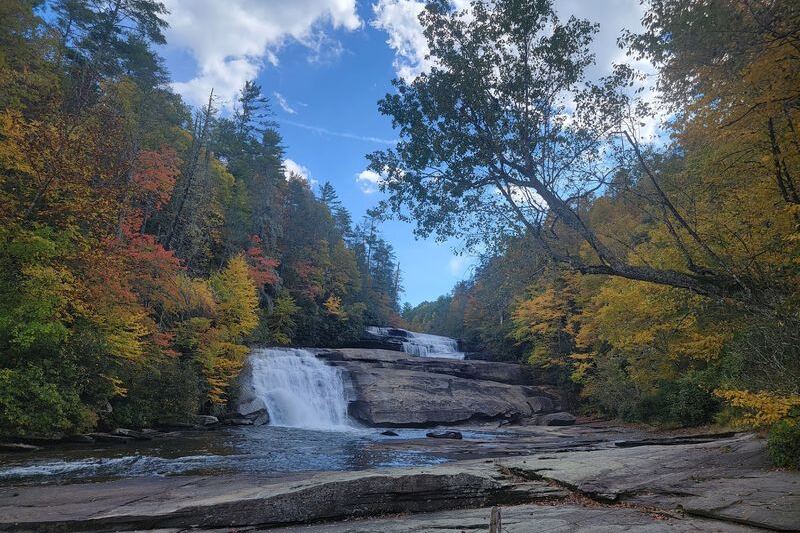
From Bryson City, the Deep Creek area is the go-to entry point, offering a network of trails that lead past three separate waterfalls within a relatively short hike. Tom Branch Falls, Indian Creek Falls, and Juney Whank Falls are all accessible on well-maintained paths that work for most fitness levels.
Spring brings an explosion of wildflowers along the creek banks, and fall turns the entire forest into a canvas of orange, red, and gold that photographers chase from hundreds of miles away. The Appalachian Trail also passes through the park, giving long-distance hikers another reason to use Bryson City as a base camp.
Camping, picnicking, and wildlife spotting round out the options, and black bear sightings in this area are common enough that the park service posts regular reminders about proper food storage.
Tuckasegee River: Thrills and Tranquility in the Same Current
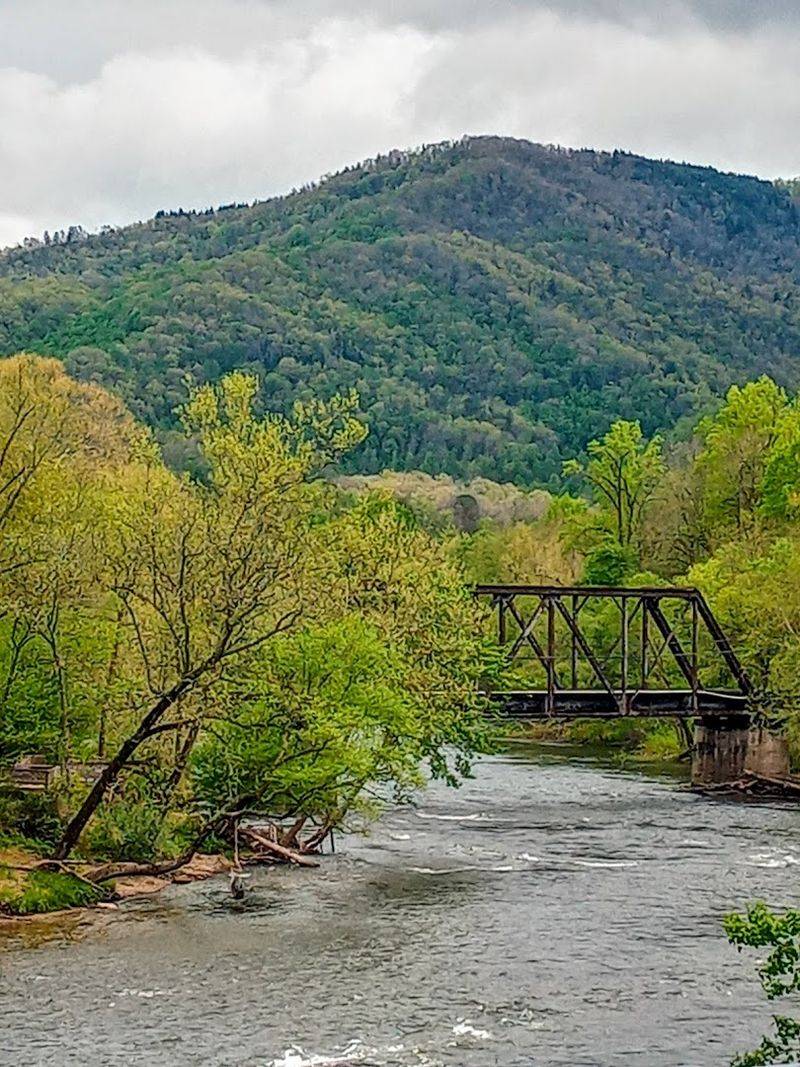
The Tuckasegee River runs right through the center of Bryson City, and it is hard to spend more than an hour in town without feeling the pull of that moving water. The river is popular for white-water rafting, and several outfitters in and around town offer guided trips for all experience levels.
The rapids on the Tuckasegee are generally classified as Class I to Class II, which makes them exciting enough to get your heart rate up without requiring serious paddling experience. Families with kids regularly tackle these sections, and the outfitters are well-practiced at keeping everyone safe and smiling.
Beyond rafting, the river is also excellent for tubing, kayaking, and stand-up paddleboarding on calmer stretches. Fishing is another big draw, and the Tuckasegee is stocked with trout that attract anglers from across the Southeast.
Even if you never touch the water, simply sitting on the riverbank and watching the current move past forested hills is its own kind of therapy. The river has a way of slowing your thoughts down to match its pace, which is exactly what most visitors are looking for when they make the trip to Bryson City.
Fly Fishing Museum of the Southern Appalachians: A Niche Treasure
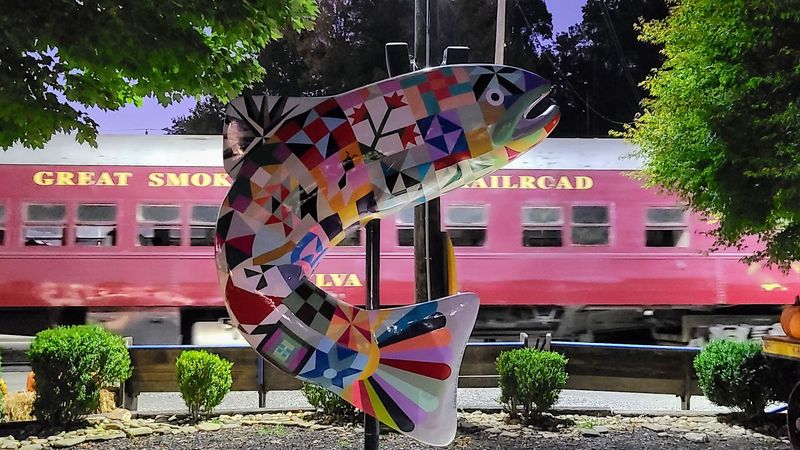
Not every town has a museum dedicated entirely to fly fishing, which tells you something meaningful about how deeply this tradition runs through the culture of the Southern Appalachians. The Fly Fishing Museum of the Southern Appalachians in Bryson City is a genuinely surprising find, even for visitors who have never held a fly rod in their lives.
The collection includes fishing gear and fly rods dating back to the 1800s, along with hand-tied flies that look more like miniature works of art than fishing equipment. The displays trace the history of fly fishing in the region, connecting the sport to the rivers, communities, and traditions that shaped this part of North Carolina.
The museum also celebrates the culture of Appalachian fishing guides, many of whom passed their knowledge from generation to generation across more than a century. Reading about those traditions gives you a much richer understanding of why the rivers here feel so sacred to the people who grew up along their banks.
Admission is low-cost, and the staff are knowledgeable and enthusiastic. Even a quick visit here reframes how you look at the rivers winding through the mountains just outside the door.
Downtown Bryson City: Small Streets, Big Character
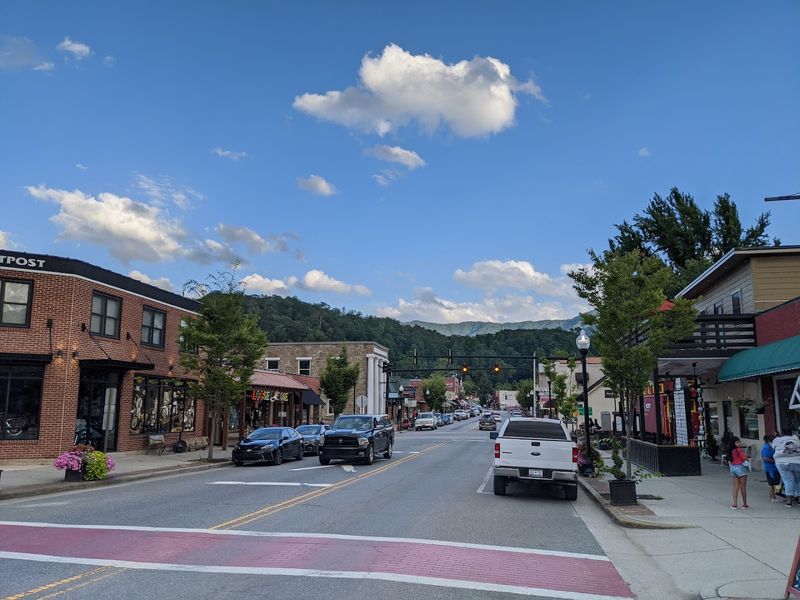
Downtown Bryson City is the kind of place where you park once and spend the whole afternoon on foot without running out of things to explore. The main commercial area is compact but packed with personality, featuring locally owned shops, bakeries, outfitters, and restaurants that all carry a distinct mountain character.
Everett Street is the main drag, and it has the relaxed energy of a town that knows it does not need to try too hard. The storefronts are well-kept, the sidewalks are walkable, and the whole strip has the kind of authenticity that is increasingly rare in tourist-heavy mountain towns.
Local shops stock everything from handmade pottery and regional artwork to hiking gear and locally produced foods. Several spots along the street specialize in Appalachian crafts, and browsing through them gives you a genuine sense of the artistic traditions that have been alive in this region for generations.
Restaurants here lean toward comfort food with a mountain twist, and the quality consistently exceeds what you might expect from a town this size. Grabbing a meal on a porch overlooking the hills is one of those simple pleasures that sticks with you long after you drive home.
Nantahala Gorge: A Canyon That Commands Respect
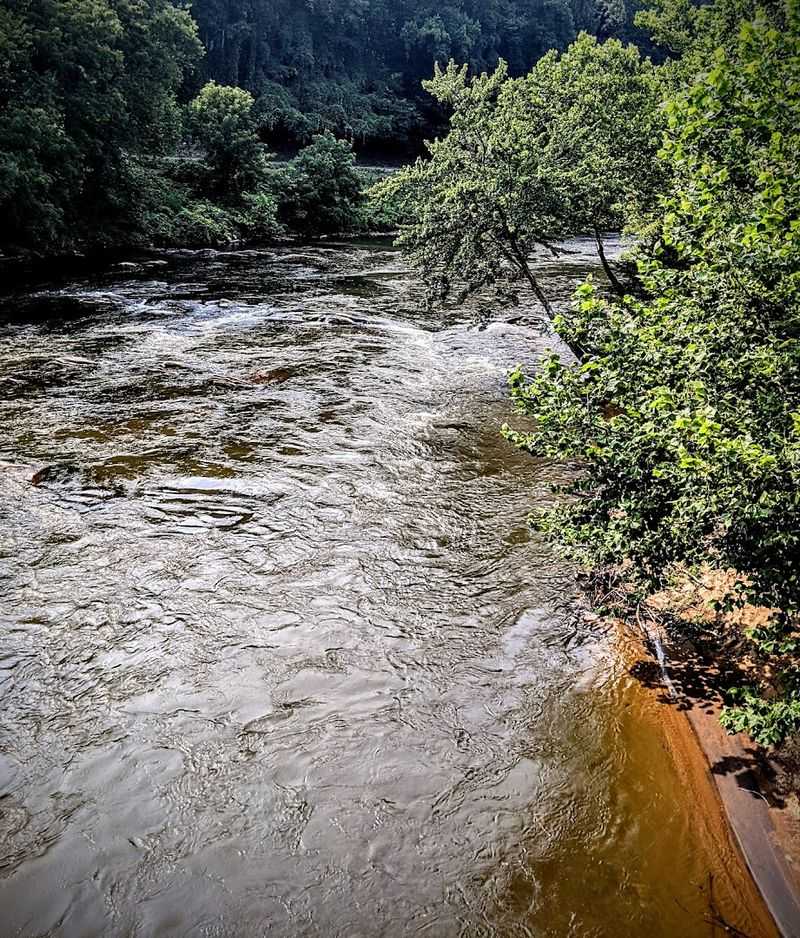
About 12 miles southwest of Bryson City, the Nantahala Gorge cuts through the mountains in a way that feels almost theatrical. The gorge is so deep and narrow that sunlight only reaches the river at the bottom for a few hours each day, keeping the water startlingly cold even in midsummer.
The Nantahala River running through the gorge is one of the most famous white-water destinations in the eastern United States. Class II and Class III rapids draw paddlers from across the country, and the final drop before the takeout point, known as Nantahala Falls, is a rite of passage for anyone serious about river sports.
Outfitters operate all along the gorge road, offering guided raft trips, kayak rentals, and instruction for beginners. The scenery inside the gorge is dramatic in a way that photographs struggle to capture, with moss-covered rock walls rising steeply on both sides of the rushing water.
The gorge is also accessible by the Great Smoky Mountains Railroad, which means you can experience it from the comfort of a train car before deciding whether you want to come back and tackle it from the river. Either way, the gorge leaves a mark.
Deep Creek Tubing: The Sweetest Kind of Summer Afternoon
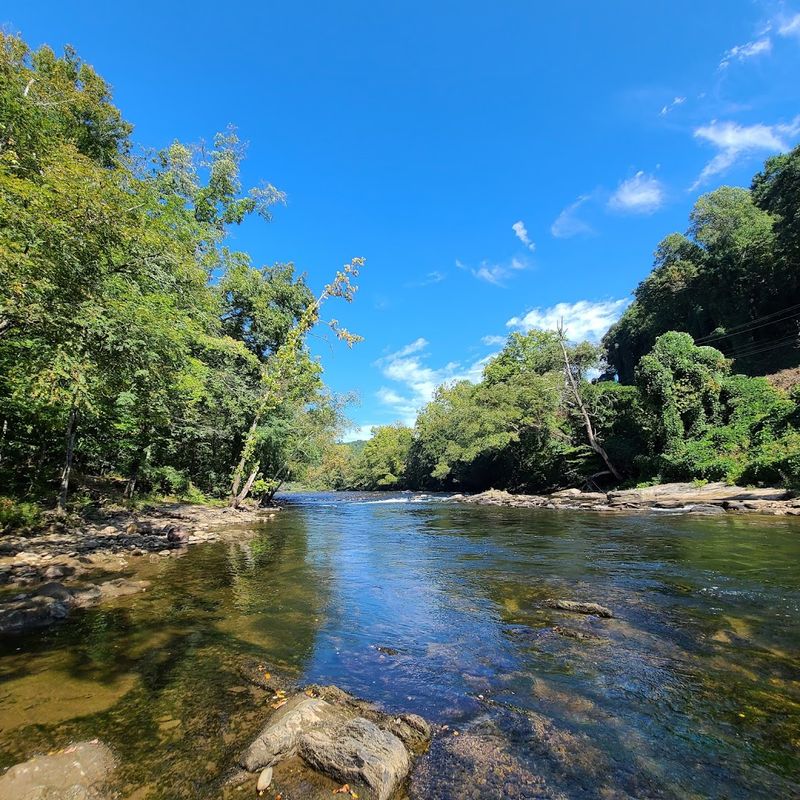
There is a particular kind of summer joy that only comes from floating down a cold mountain creek on an inner tube, and Deep Creek in Great Smoky Mountains National Park delivers exactly that experience. The creek runs just a short drive from downtown Bryson City, and tube rentals are available from outfitters near the park entrance.
The float is gentle enough for young children but refreshing enough to keep adults grinning the whole way down. The water is crystal clear and cold, fed by mountain springs and shaded by a canopy of trees that keeps the temperature manageable even on the hottest days of July and August.
After your float, the Deep Creek trail system is right there waiting, and the path to the nearby waterfalls is an easy walk that most families handle without breaking a sweat. The combination of tubing and waterfall hiking in a single afternoon is one of those Bryson City experiences that visitors talk about for years.
Picnic areas near the trailhead make it easy to pack a lunch and turn the whole thing into a full day out. Arrive early during peak summer weekends, because the parking area fills up faster than you might expect.
Fall Foliage Season: When the Mountains Put on a Show
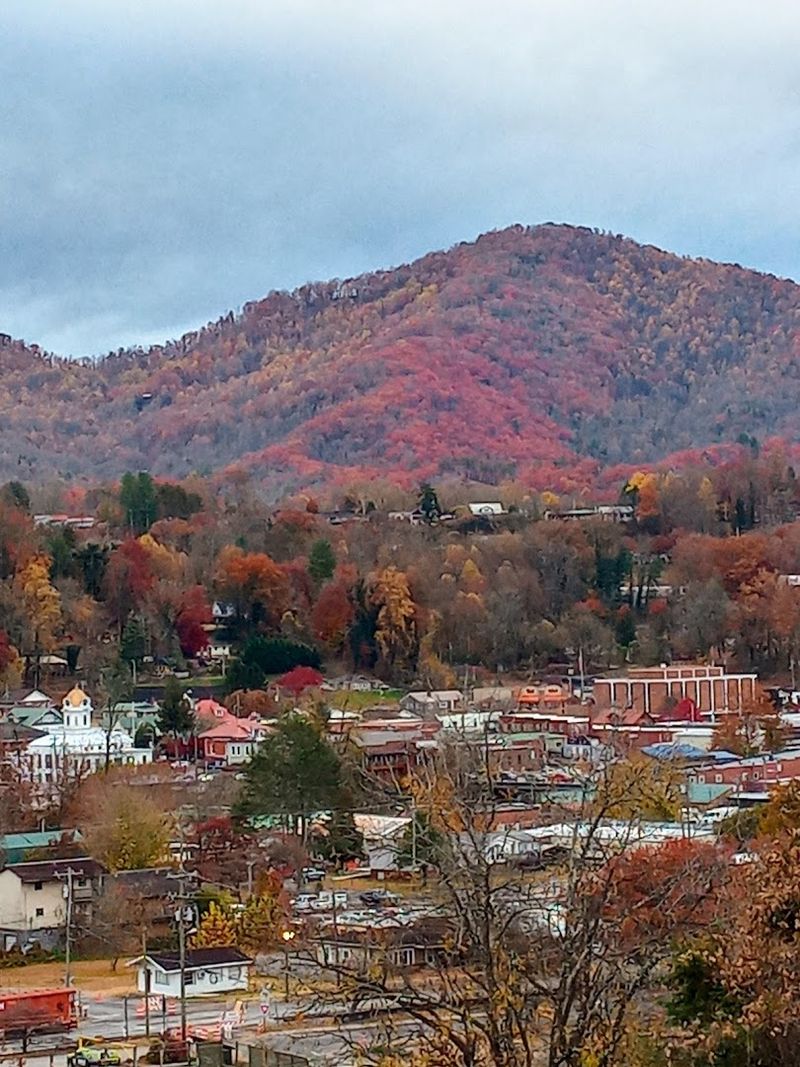
Late September through early November transforms the mountains around Bryson City into something that genuinely stops traffic. The forests covering the surrounding ridges shift through every warm color in the spectrum, and the effect is compounded by the elevation changes that create layers of color visible from miles away.
Peak foliage in this area typically arrives in mid-October, though the exact timing shifts slightly from year to year depending on temperatures and rainfall. The higher elevations turn first, followed by the valleys, which means the color show rolls downhill over a period of several weeks rather than all at once.
The train rides during foliage season sell out months in advance, and for good reason. Watching the autumn colors pass by from an open-air railcar while the train moves through the gorge is one of those experiences that rewards patience and planning in equal measure.
Hiking trails in the national park offer some of the most dramatic foliage views, and the crowds, while larger than other seasons, are generally well-managed. Booking accommodations early is essential if you plan to visit during peak color, as Bryson City fills up completely during the best weeks of the season.
Appalachian Trail Access: A Footpath Through History
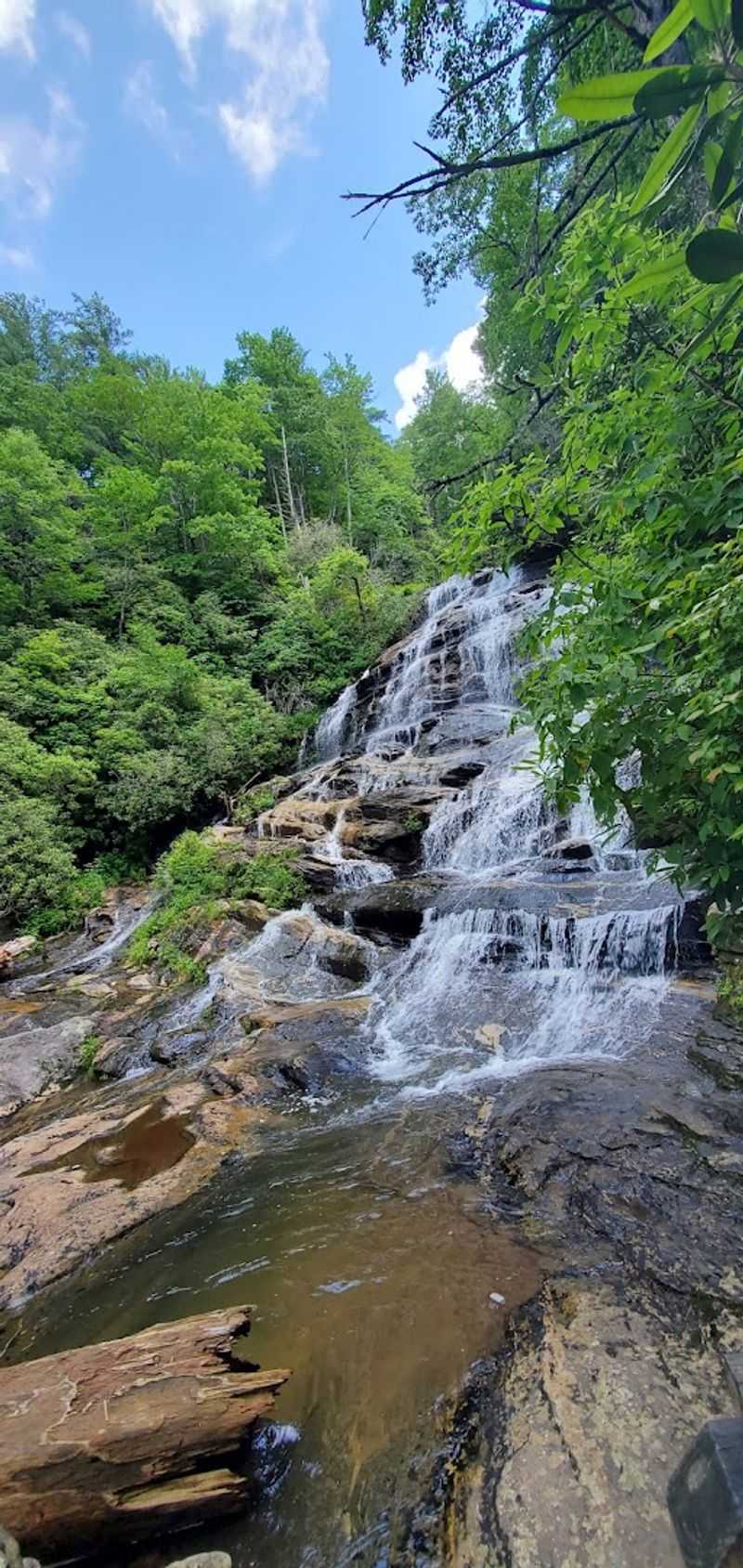
The Appalachian Trail passes through Great Smoky Mountains National Park, and Bryson City sits close enough to several access points that serious hikers use the town as a natural staging ground. The trail covers more than 70 miles within the national park alone, offering everything from short day hikes to multi-day backcountry sections.
The AT in this stretch of North Carolina runs along high ridgelines with sweeping views in every direction, and the terrain is challenging enough to feel like a real accomplishment without being inaccessible to fit recreational hikers. Clingmans Dome, the highest point on the entire Appalachian Trail at 6,643 feet, is reachable from the park and offers a 360-degree view on clear days.
Bryson City has gear shops and outfitters that cater specifically to trail hikers, and the town has a long tradition of welcoming thru-hikers who pass through during their journeys from Georgia to Maine. The local culture around the trail is warm and supportive, with plenty of spots to resupply, rest, and recover.
Even a short section of the AT walked on a quiet morning gives you a connection to the landscape that a drive-through visit simply cannot replicate. The trail has a way of putting things in proper perspective.
Planning Your Trip: Practical Tips for First-Time Visitors
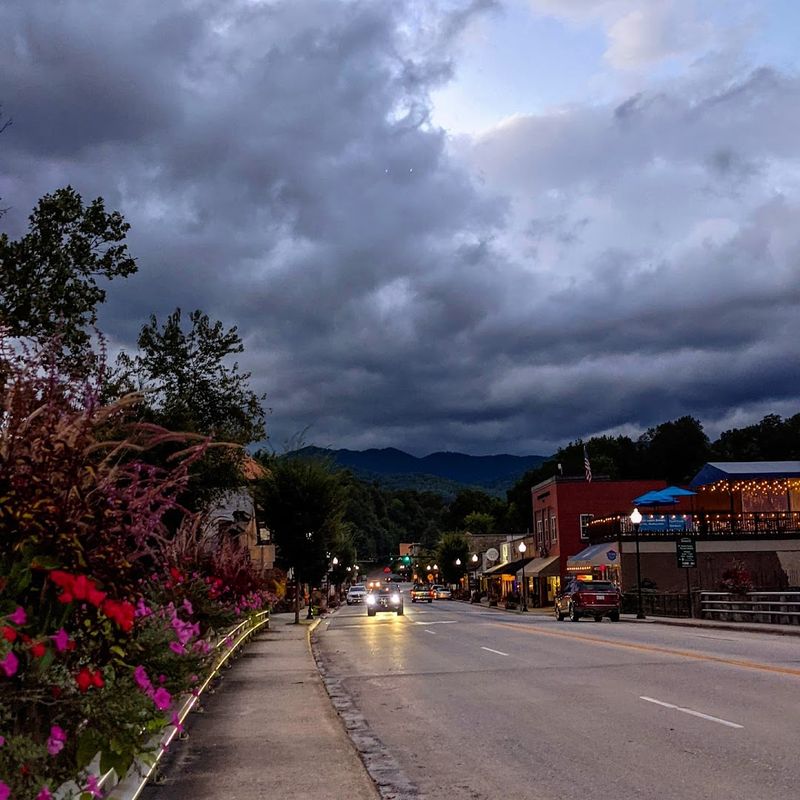
Bryson City rewards visitors who do a little homework before they arrive. The town is small, which means accommodations fill up quickly during peak seasons, and showing up without a reservation in October or during the Polar Express season is a gamble that rarely pays off.
Lodging options range from classic mountain cabins and vacation rentals scattered across the surrounding hills to a handful of inns and bed-and-breakfast properties right in town. Renting a cabin with a porch view of the mountains is the local tradition, and it is easy to see why once you are sitting there with a cup of coffee watching the morning mist lift off the ridgeline.
The best times to visit are spring for wildflowers, summer for river activities, and fall for foliage, though winter has its own quiet appeal with far fewer crowds and the magical Polar Express train rides running through December. Each season has a distinct character that changes the feel of the town entirely.
Driving is the most practical way to get around, as public transit is limited in this part of the mountains. Cell service can be spotty in the gorge and on certain trail sections, so downloading offline maps before you head out is a genuinely useful habit to build before the trip.
Share this story