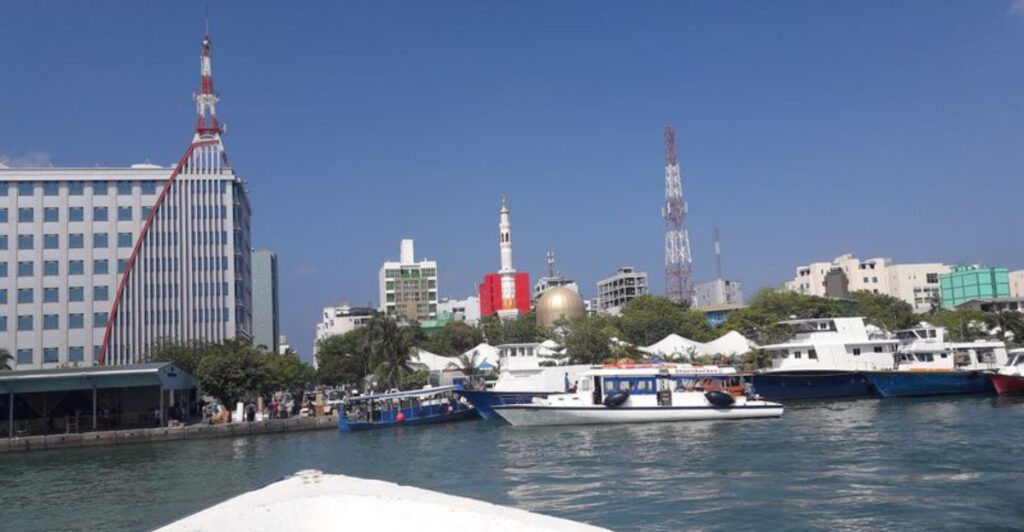
Around the world, alcohol is a normal part of daily life for millions of people. But in some countries, it is completely off-limits, banned by law, religion, or both.
Whether enforced by strict governments or deeply rooted cultural values, these alcohol bans shape how people live, travel, and interact. Here is a look at 12 countries where alcohol remains banned or heavily restricted in 2026.
1. Afghanistan
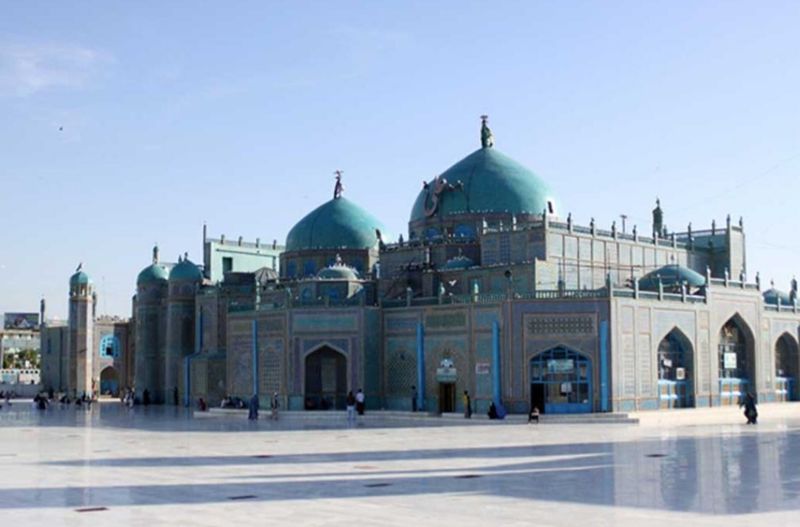
Few places on Earth enforce alcohol restrictions as severely as Afghanistan. Under Taliban rule, which returned to power in 2021, alcohol is completely forbidden across the entire country.
Possession, sale, and consumption are all illegal, with no exceptions for tourists or foreigners.
Penalties for violations can be harsh, including public punishment. The Taliban views alcohol as incompatible with Islamic law, and enforcement is active and visible throughout the country.
Before 2021, a small number of establishments in Kabul quietly served alcohol to foreigners, but that era is long gone. Today, Afghanistan stands as one of the most absolute alcohol-free nations on the planet.
Travelers visiting for humanitarian or journalistic purposes are strongly advised to leave any alcohol behind before entering.
2. Iran
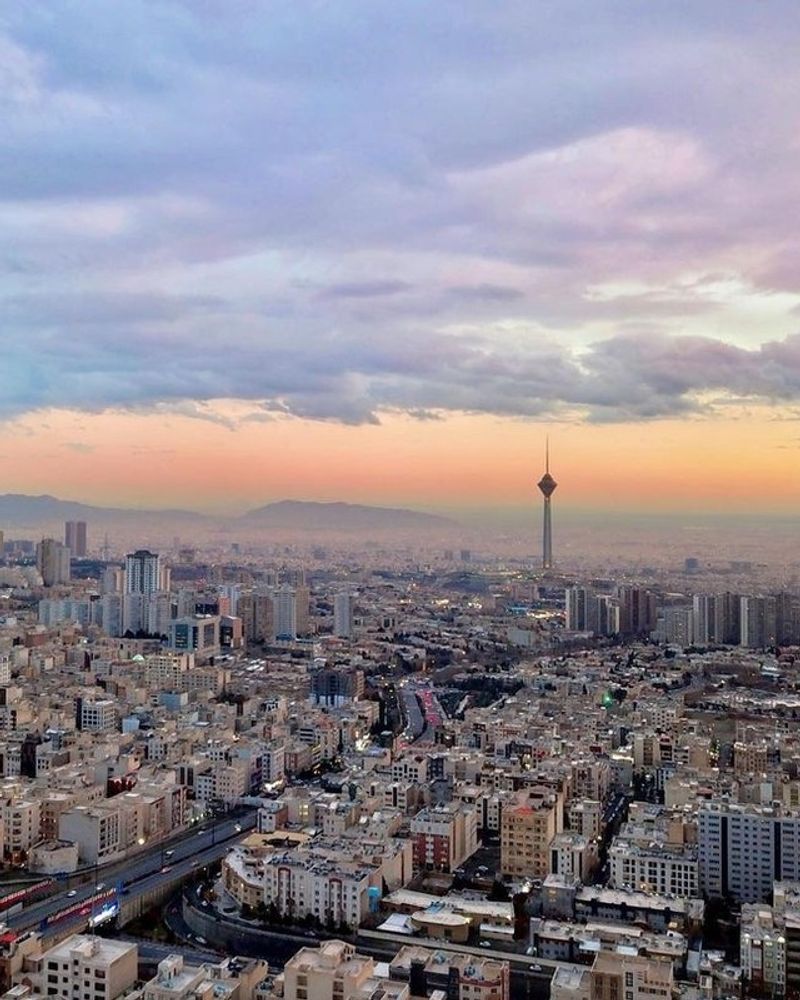
Iran has maintained a national alcohol ban since the Islamic Revolution of 1979. For Muslims, which make up the vast majority of the population, buying, selling, or consuming alcohol is strictly prohibited under Iranian law.
The penalties can include fines, imprisonment, or even flogging.
There is a narrow legal exception for recognized religious minorities, including Christians, Jews, and Zoroastrians, who may produce and consume limited amounts of alcohol within their own communities. However, these rights are tightly controlled and rarely extend into public life.
Despite the ban, underground alcohol markets have existed for decades. Homemade spirits, sometimes dangerously produced, circulate quietly in private settings.
For travelers, carrying alcohol into Iran is illegal and can result in serious legal consequences. Iran remains one of the most consistently enforced alcohol-ban countries in the Middle East.
3. Kuwait
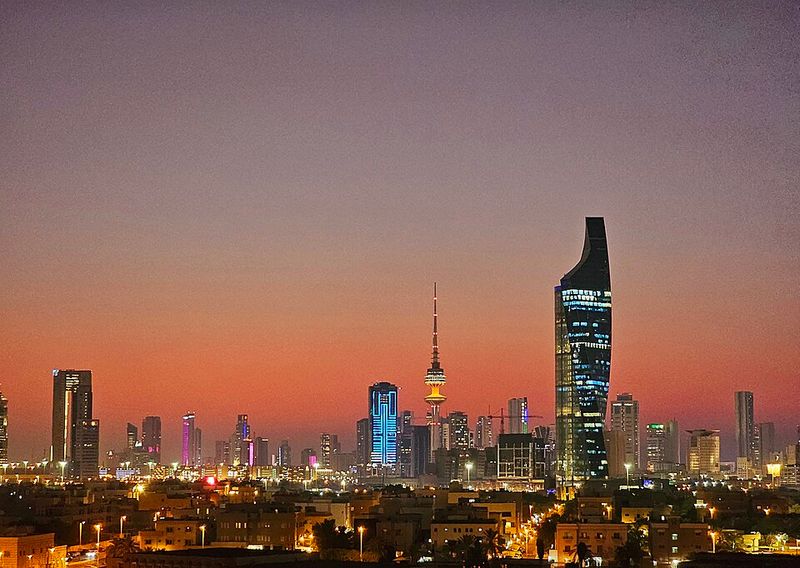
Kuwait holds the distinction of having one of the most complete alcohol bans of any country in the world. Unlike some nations that carve out exceptions for tourists, diplomats, or non-Muslim residents, Kuwait applies its prohibition across the board.
Importing, selling, possessing, and consuming alcohol are all illegal, full stop.
The ban has been in place since 1965 and is deeply tied to Kuwait’s Islamic identity and legal framework. Even duty-free alcohol purchases are prohibited when entering the country.
Travelers arriving at Kuwait International Airport will not find alcohol in any shops or lounges.
Despite being a wealthy Gulf nation with a significant expatriate population, Kuwait has shown no signs of relaxing these rules. Those caught with alcohol face fines and possible deportation.
For visitors used to hotel bars and airport lounges, Kuwait requires a real adjustment in expectations.
4. Libya
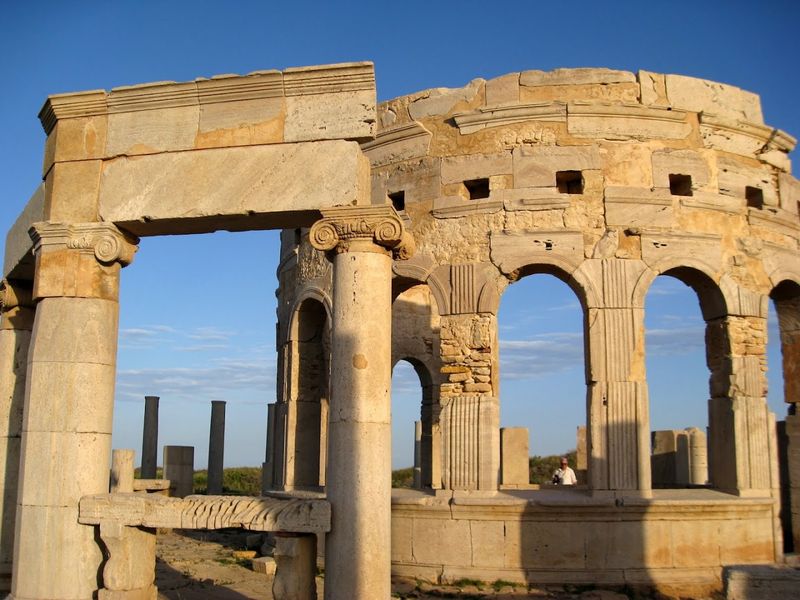
Libya banned alcohol in 1969 when Muammar Gaddafi came to power, making it one of the longest-standing alcohol prohibitions in the Arab world. Decades later, the ban remains firmly in place despite the country’s ongoing political instability and the presence of multiple competing governments.
Officially, alcohol is prohibited nationwide. However, the fragmented nature of Libyan governance means that enforcement varies significantly by region.
An illicit market does exist, particularly in urban areas, but purchasing from it carries real legal and personal risks.
Foreign workers and expatriates living in Libya must adapt to a life without legal alcohol access. Hotels do not serve it, restaurants do not offer it, and bringing it through customs is forbidden.
Libya is a reminder that alcohol bans can persist even through dramatic political change, outlasting the governments that originally created them.
5. Mauritania
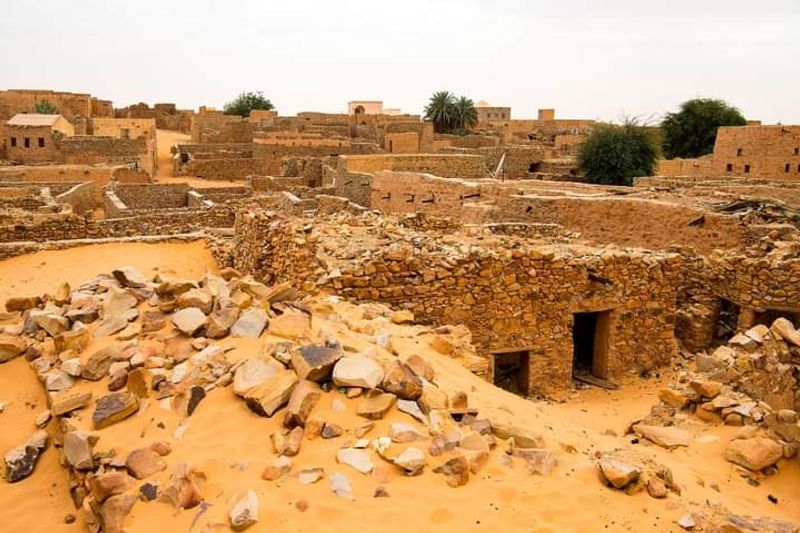
Mauritania is one of the most religiously conservative nations in West Africa, and its alcohol laws reflect that deeply. The sale and consumption of alcohol are banned for all Mauritanian citizens under Islamic law.
The country’s legal system is based on Sharia, which makes alcohol not just a social taboo but a legal offense.
For non-Muslim foreigners, the situation is slightly more nuanced, but access to alcohol is still extremely limited and not openly advertised. There are no bars, no nightclubs, and no alcohol sections in grocery stores.
Travelers should not expect to find alcohol in hotels either.
Mauritania does not attract large volumes of international tourism, which reduces pressure to create exceptions. The country remains off the radar for many travelers, but those who do visit quickly discover that alcohol is simply not part of the landscape here, literally or figuratively.
6. Somalia
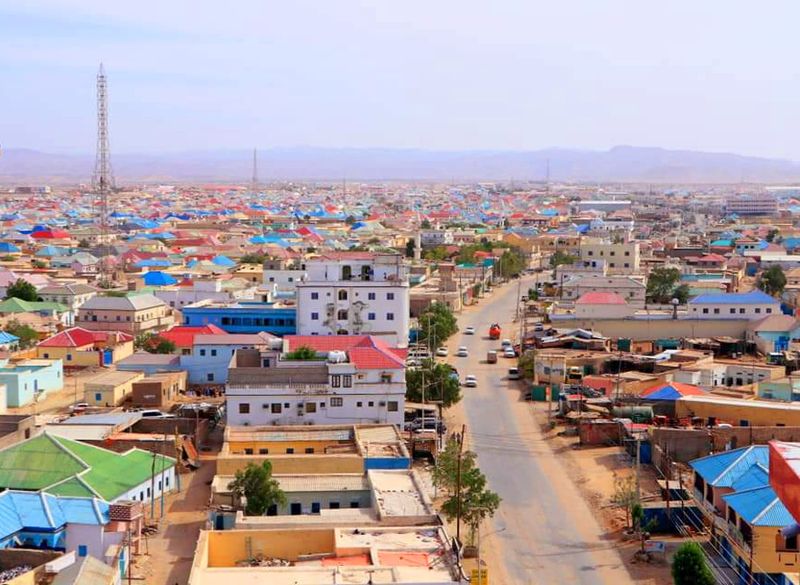
Somalia’s relationship with alcohol has been shaped by decades of conflict, shifting governments, and the powerful influence of Islamic law. The sale and consumption of alcohol are banned under national law, and in regions controlled by the extremist group Al-Shabaab, the ban is enforced with extreme severity.
Even in relatively more stable areas like Mogadishu, alcohol is not openly available. The federal government upholds the prohibition as a matter of both religious and national policy.
Foreigners working with NGOs or international organizations typically rely on private, secured compounds where limited alcohol may be available informally.
Somalia’s ban is less about bureaucratic enforcement and more about a society-wide rejection of alcohol as incompatible with Islamic values. For the vast majority of Somalis, this is not experienced as a restriction but simply as a natural reflection of their faith and culture.
7. Yemen
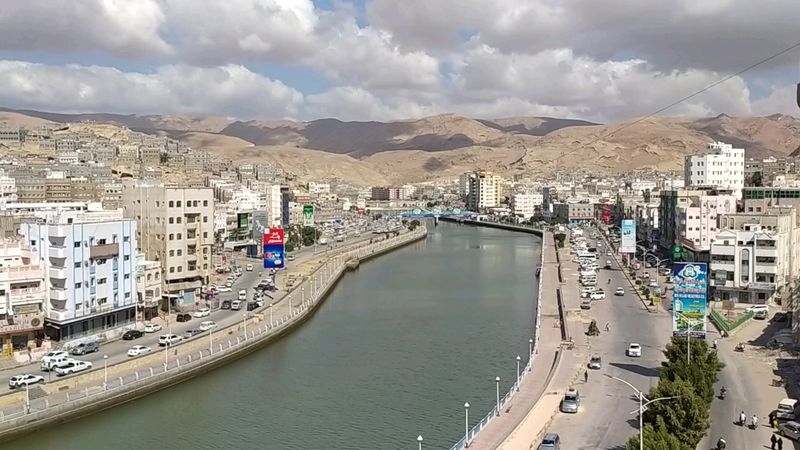
Yemen officially banned alcohol in 1994, well before the devastating civil war that began in 2014. The prohibition applies to all citizens and residents, with very limited exceptions granted for non-Muslim foreigners in certain diplomatic or private settings.
In practice, those exceptions are nearly impossible to access given the current security situation.
The ongoing conflict has made Yemen one of the most difficult and dangerous places in the world. Humanitarian workers and journalists operating there face enormous challenges, and alcohol access is the least of their concerns.
Both the internationally recognized government and the Houthi movement enforce the ban in their respective territories.
Yemen is a striking example of how an alcohol ban can remain consistently enforced even during extreme political and military upheaval. The prohibition cuts across factional lines and is one of the few policies both sides of the conflict appear to agree on.
8. Brunei
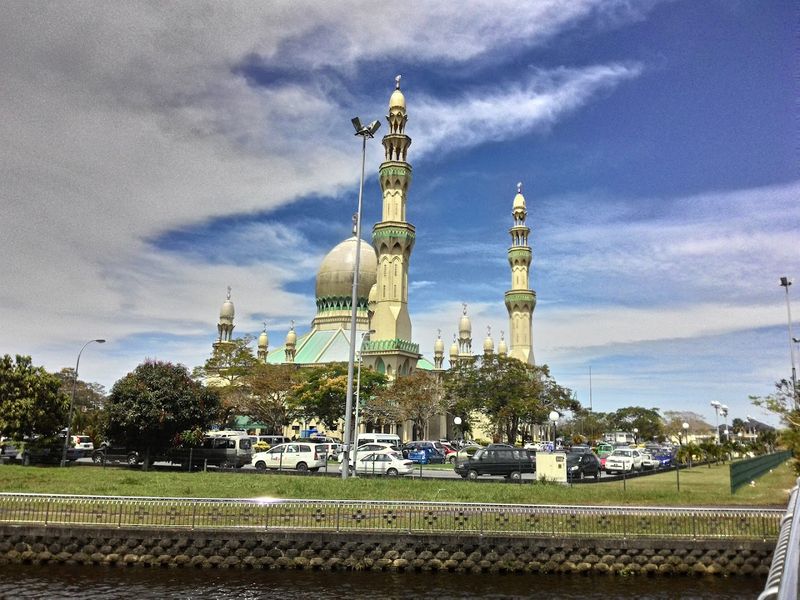
Brunei introduced one of the most comprehensive alcohol bans in Southeast Asia when it expanded its Sharia-based legal code in 2019. For Muslim residents, the ban is total, covering purchase, consumption, and possession.
Non-Muslims face a different set of rules, but they are still quite restrictive.
Non-Muslim visitors are permitted to bring a small amount of alcohol into Brunei for personal use, specifically two bottles of liquor and twelve cans of beer per person. However, this alcohol must be declared at customs and consumed strictly in private.
Public consumption, even for non-Muslims, is illegal.
There are no bars or liquor stores operating in Brunei. The country leans firmly into its identity as an Islamic sultanate, and Sultan Hassanal Bolkiah has made clear that these laws are a reflection of national values, not just policy.
Visitors who respect the rules generally find Brunei welcoming and peaceful.
9. Saudi Arabia
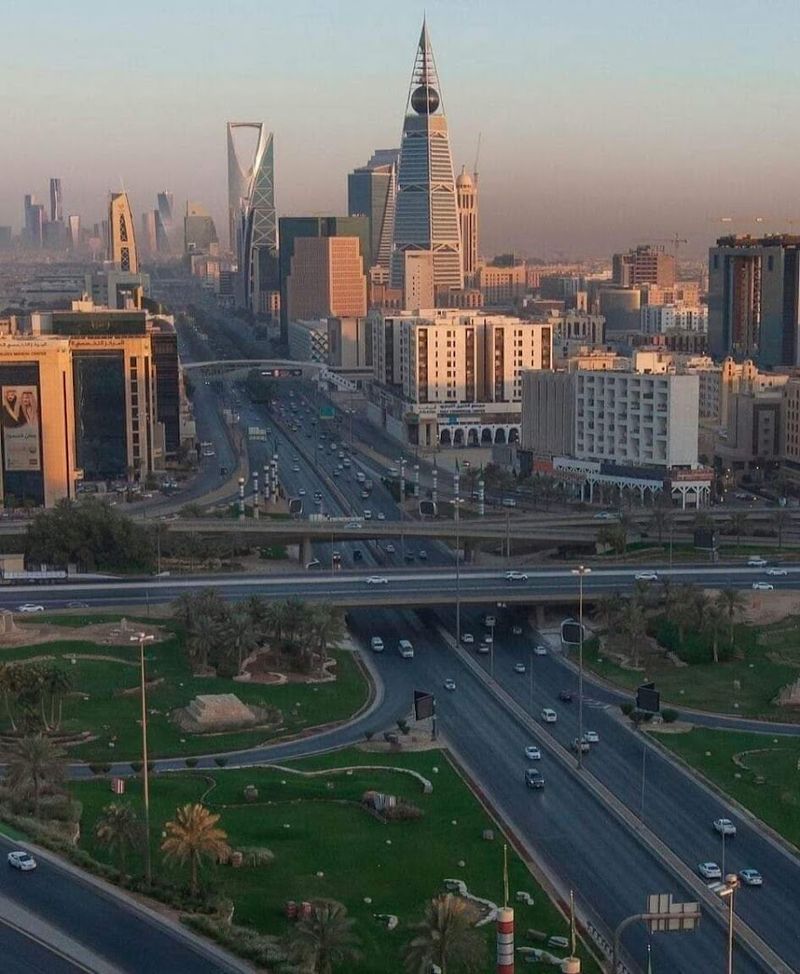
Saudi Arabia has historically been one of the world’s most well-known dry nations. For most of its modern history, alcohol was completely off-limits for everyone, citizen and visitor alike.
That began to shift quietly in 2024, when limited access was introduced for diplomats and certain non-Muslim residents in specific controlled settings.
Discussions around further easing restrictions for tourism-related venues are ongoing as Saudi Arabia pushes forward with its Vision 2030 modernization agenda. However, these changes are incremental and tightly controlled.
Alcohol is not freely available, and public consumption remains absolutely prohibited for all.
Saudi Arabia no longer fits neatly into the category of a complete ban country, but it remains one of the most restrictive alcohol environments in the world. For the average visitor or resident, alcohol is still largely inaccessible.
The country is in transition, but change is measured in small steps, not sweeping reforms.
10. Maldives
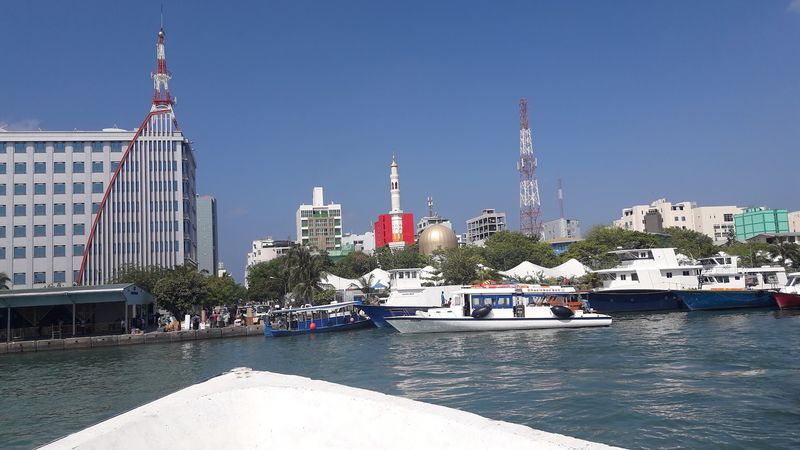
The Maldives presents one of the most interesting contrasts in global alcohol policy. As a majority Muslim nation, alcohol is officially prohibited for its citizens.
Maldivian nationals cannot legally purchase or consume alcohol anywhere in the country, and this is treated as a firm religious and legal boundary.
For tourists, however, the story is completely different. Alcohol flows freely at the country’s many luxury resorts, which are built on private islands specifically designed to serve international visitors.
This geographic separation between tourist zones and local islands is deliberate and carefully maintained.
When you step off the resort and onto a local island, the rules change immediately. Visitors staying in guesthouses on inhabited islands will not find alcohol served or sold.
The Maldives has essentially built a two-track system, one for its citizens and one for the tourism industry that drives its economy. It is a pragmatic but fascinating arrangement.
11. Pakistan
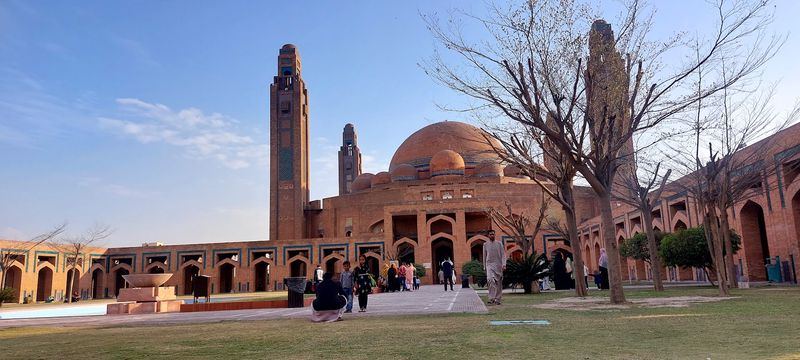
Pakistan has maintained an alcohol prohibition for Muslims since 1977, when Prime Minister Zulfikar Ali Bhutto introduced the ban as part of a broader Islamization of public policy. For the country’s Muslim majority, buying or consuming alcohol is illegal, and penalties can include fines or imprisonment.
Non-Muslim citizens, who make up a small percentage of the population, are legally permitted to purchase alcohol through a government-issued permit system. Licensed shops exist in some cities, though they are not publicly advertised and are generally discreet in their operations.
Foreign visitors can also apply for permits, but the process is cumbersome and not widely used. Some international hotels in major cities like Lahore and Karachi have historically served alcohol to foreign guests, though this varies.
Pakistan sits in an interesting middle ground, officially dry for most of its population but with legal pathways for a select few.
12. Bangladesh
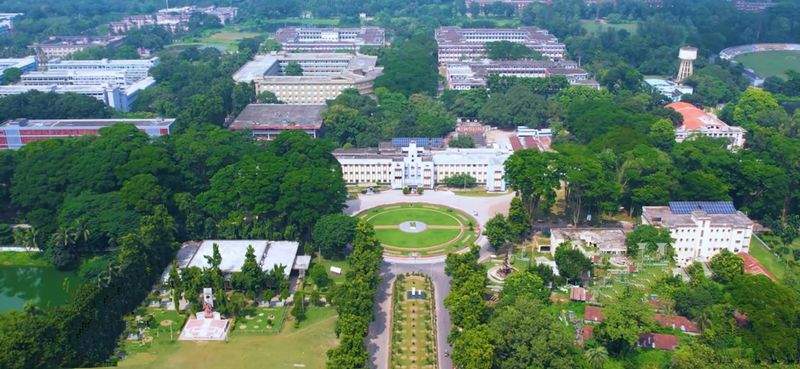
Bangladesh adopted its alcohol restrictions as part of its Muslim-majority identity, though the rules here are somewhat more layered than in stricter prohibition countries. Muslims are prohibited from purchasing or consuming alcohol under national law, and this applies to the vast majority of the population.
Non-Muslims, including Hindus, Christians, and Buddhists, can legally purchase alcohol through a licensed permit system. Some licensed clubs and establishments in Dhaka cater to permit holders and foreign nationals.
Diplomatic communities also have access through approved channels.
Despite these legal avenues, alcohol is not a visible or normalized part of Bangladeshi public life. The culture is strongly shaped by Islamic values, and even those with legal access tend to consume alcohol discreetly.
Bangladesh is a country where the law allows limited access but social norms push strongly in the opposite direction, creating a quiet tension that shapes everyday life.
Share this story