Rhode Island is full of surprises, but tucked away in East Greenwich sits a place that stops people in their tracks. A museum dedicated to both working steam engines and early wireless technology sounds like an unlikely pairing, yet it works better than anyone might expect.
This is not a place where machines sit behind ropes gathering dust. Here, giant steam engines actually run, spark gap transmitters crackle to life, and knowledgeable volunteers walk guests through history that shaped the modern world.
Whether a person is ten years old or eighty, the combination of live demonstrations and rare equipment creates an experience that is genuinely hard to find anywhere else in the country. The museum has earned a devoted following among history buffs, engineers, and curious travelers alike.
Keep reading to find out exactly what makes this small Rhode Island spot one of the most remarkable museums in all of New England.
The Founding Vision Behind It All
Every great museum starts with one person who refuses to let history disappear. The New England Wireless and Steam Museum owes its existence to the foresight of Mr. Merriman, who recognized that the machinery of the Industrial Revolution was quietly vanishing from public memory.
His goal was straightforward but ambitious: collect, restore, and operate the equipment that powered an entire era of American industry and communication. What began as a personal passion project eventually grew into a multi-building institution with a dedicated volunteer community.
The museum now preserves not just physical machines but also historical technical documents that might otherwise have been lost forever. Ongoing digitization efforts mean that researchers and enthusiasts can access records that tell the full story of how steam and wireless technology transformed daily life.
That founding commitment to preservation still drives everything the museum does today, which is why so much of the collection remains in working condition rather than simply on static display.
A Steam Collection That Actually Runs
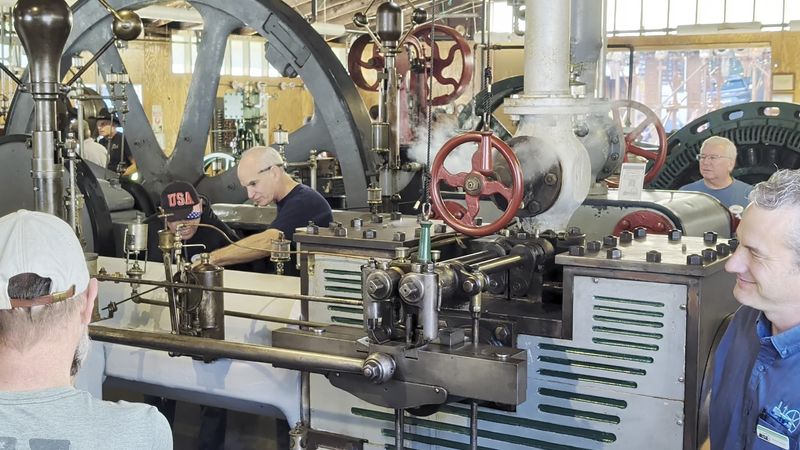
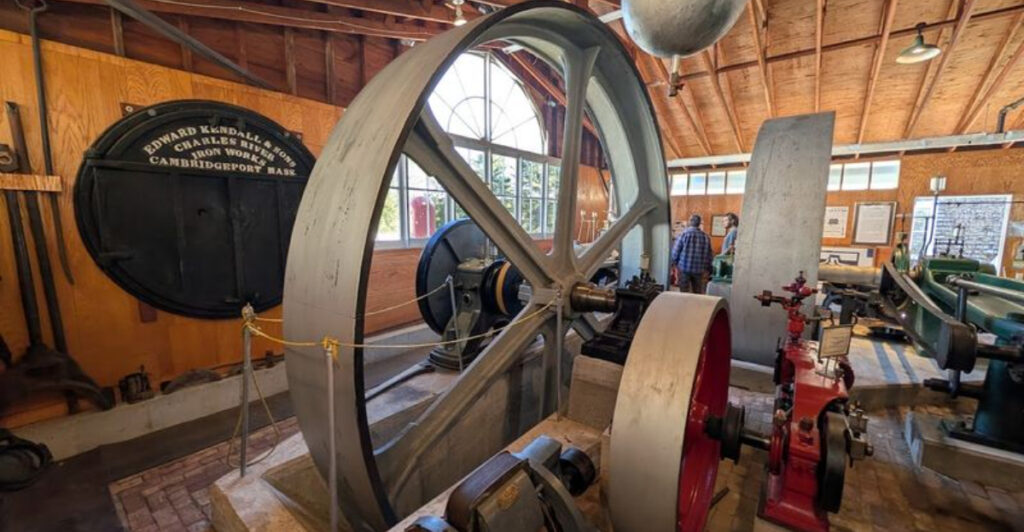
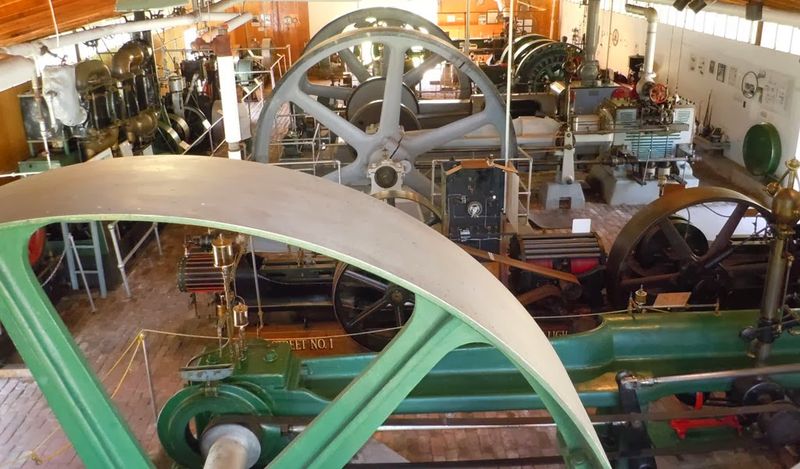
Most museums display old machines the way libraries display rare books, behind glass, untouched. The steam collection here operates on a completely different philosophy.
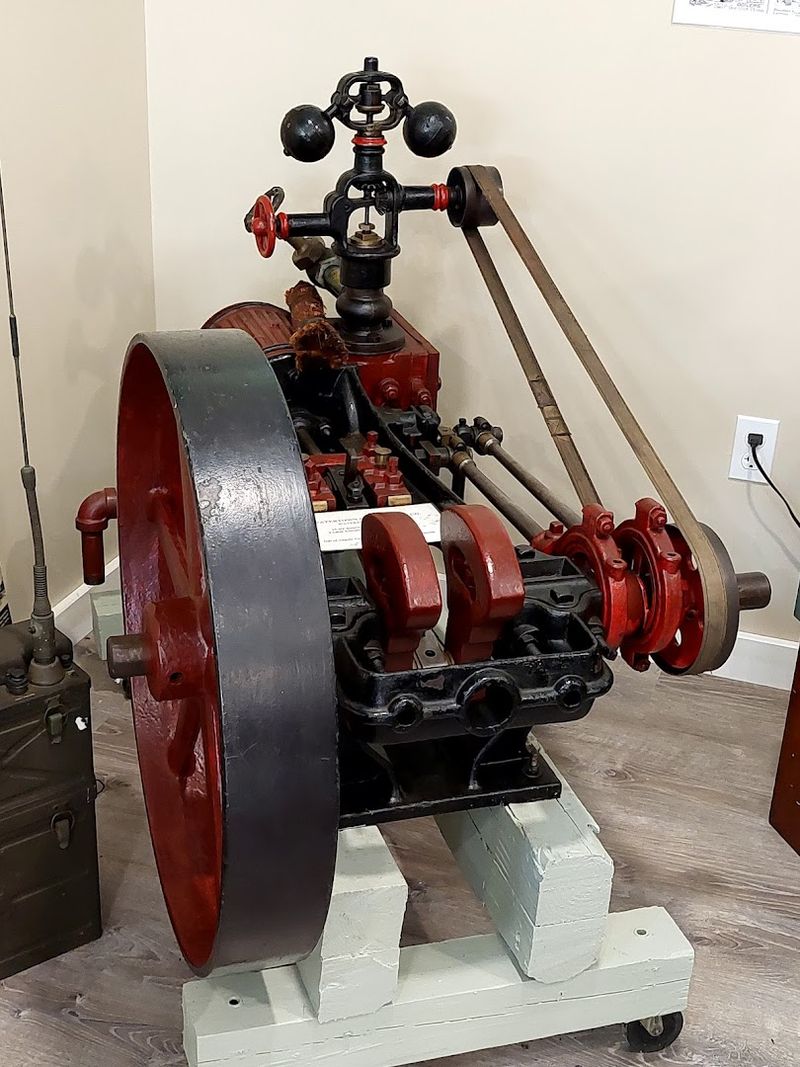
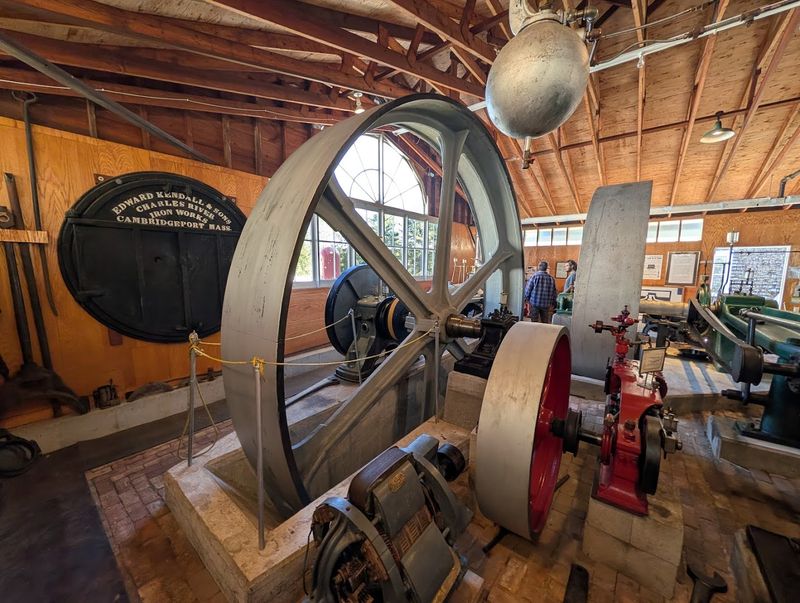
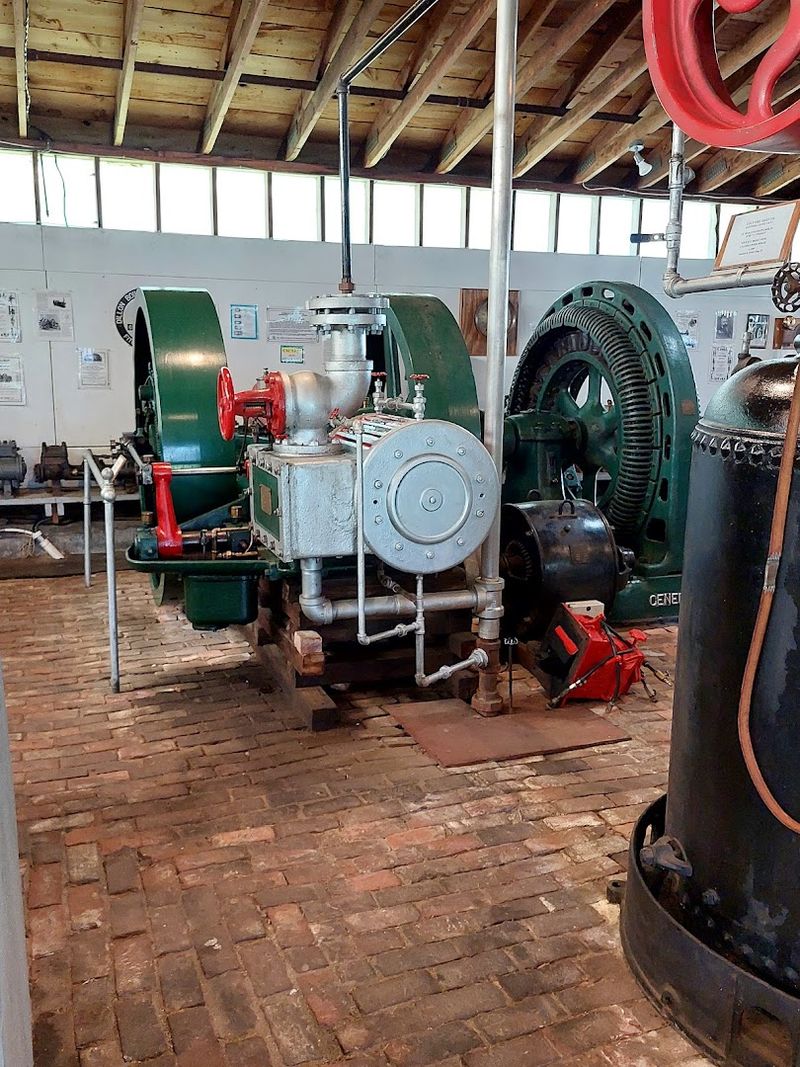
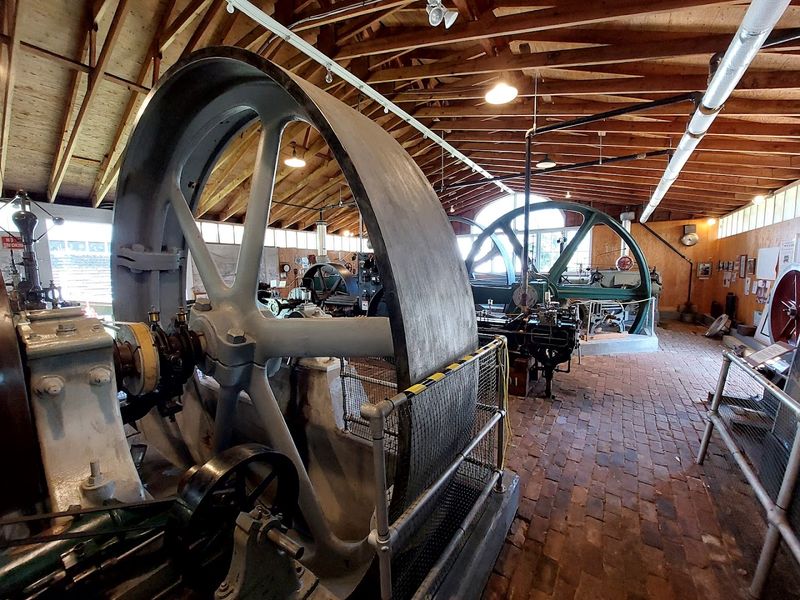
Many of the engines can be powered using onsite steam or water, which means they actually move, hiss, and work exactly as they did a century ago.
The range of equipment is striking. Tiny model steam engines sit alongside enormous industrial units that were once transplanted from real factories.
Each machine tells a specific story about the era in which it was built and the purpose it served.
During demonstration days, watching a massive steam engine come to life is the kind of experience that sticks with a person long after they leave. Volunteers explain the mechanics in plain language, making the technology accessible to guests of all ages and backgrounds.
For anyone who has ever wondered how the Industrial Revolution actually felt in practice, this collection provides a remarkably direct answer.
The Massie Wireless Building and Its Legacy
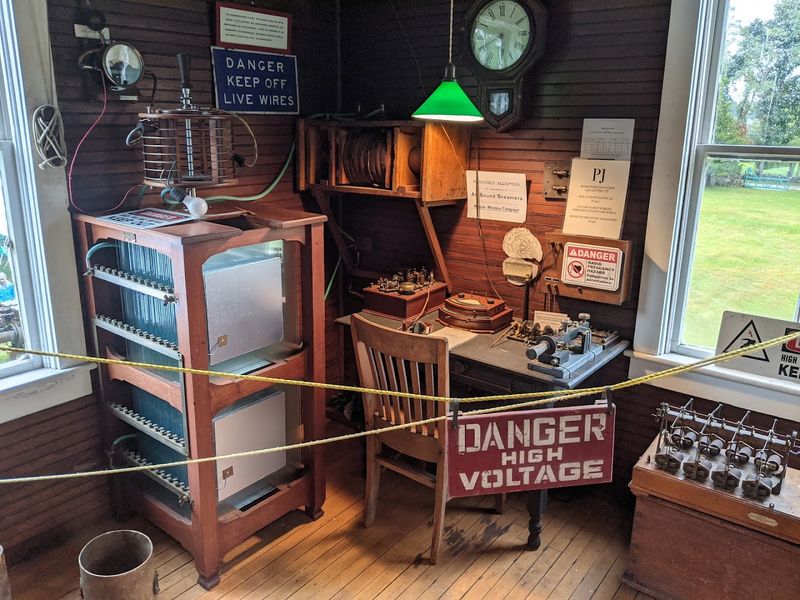
One of the most remarkable structures on the museum grounds is the Massie wireless building, a piece of communication history that carries its own dramatic backstory. The Massie wireless system was a competitor to Marconi in the early days of radio, and having an entire dedicated building preserving this technology is genuinely rare.
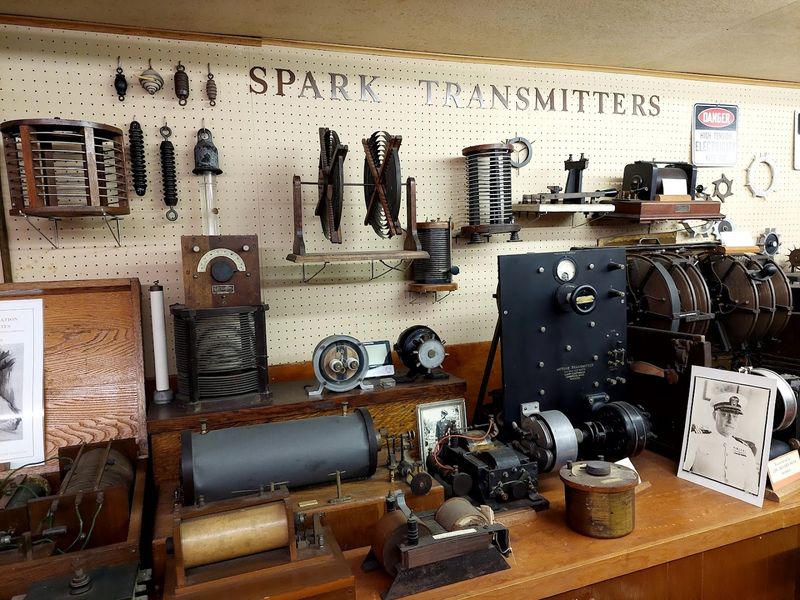
Inside, the collection includes a working spark gap transmitter, a device that produces the crackling electrical discharge that made early wireless communication possible. Hearing it operate in person is a completely different experience from reading about it in a textbook.
The building also houses a vast assortment of radio gear spanning multiple decades of development. Docents guide guests through the equipment and often allow hands-on interaction with operational pieces.
That kind of direct engagement with history is not something most museums offer, and it transforms the Massie building from a passive exhibit into something that feels genuinely alive and connected to the people who built it.
Rhode Island’s First Commercial Wireless Station
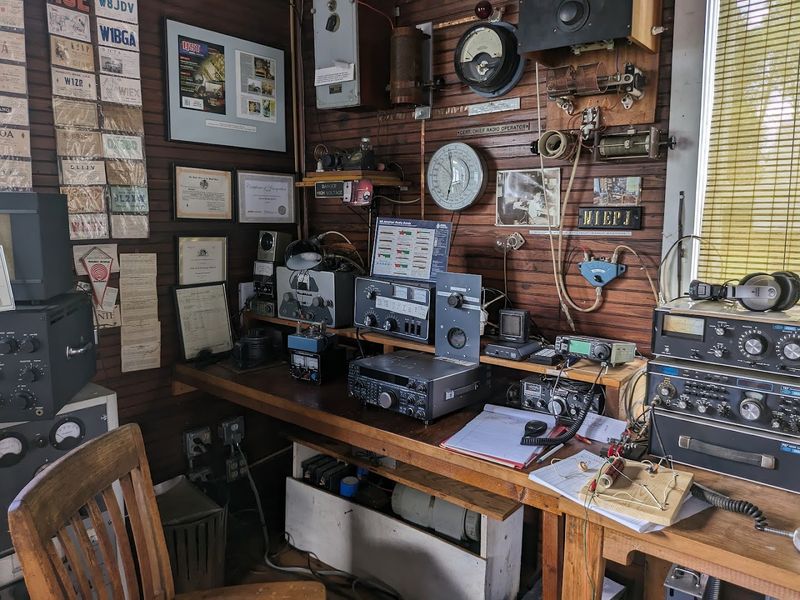
Among the many artifacts at the museum, one stands out for its place in Rhode Island history. The collection includes the first commercial wireless station ever installed in the state, originally located at Point Judith before being carefully moved to the museum grounds for preservation.
Point Judith was a strategic coastal location, and wireless communication there played a real role in maritime safety and commercial operations during the early twentieth century. Having that station physically present at the museum adds a layer of authenticity that reproductions simply cannot match.
Rhode Island has a long maritime history, and the decision to preserve this particular piece of communication technology connects the museum to that broader coastal story. Guests who understand the geography of Point Judith tend to feel the significance of seeing this equipment up close.
It is a reminder that wireless technology was not just a laboratory experiment but a practical tool that changed how ships, businesses, and communities stayed connected.
Telegraph Machinery and the Underwater Cable Story
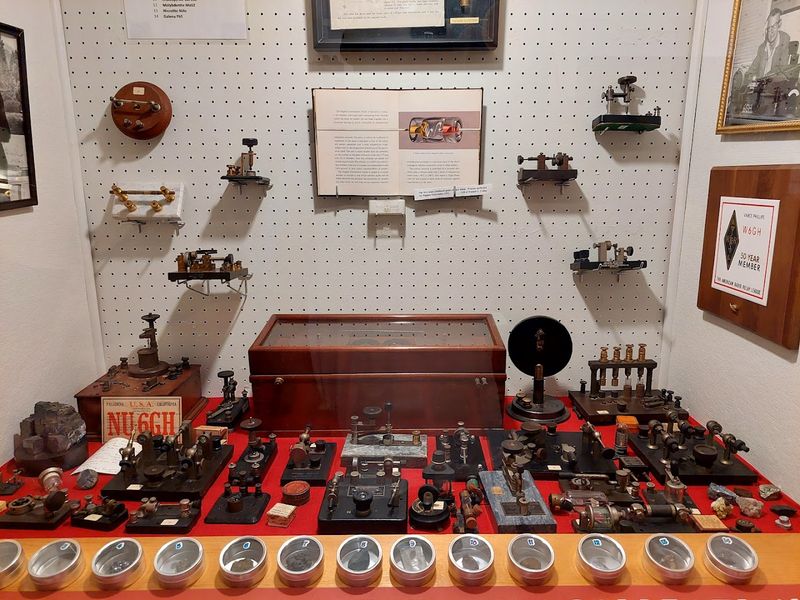
Before wireless signals traveled through the air, messages crossed oceans through cables laid on the seafloor. The museum holds a collection of early underwater telegraph machinery that represents one of the most ambitious engineering projects of the nineteenth century.
Seeing this equipment in person reframes how significant early long-distance communication actually was. Sending a message across an ocean required enormous mechanical infrastructure, and the hardware involved was both massive and precise.
The museum’s telegraph collection gives guests a clear picture of how communication technology evolved in stages, from physical cables to wireless transmission. Each step in that evolution required new thinking, new materials, and new engineering solutions.
Volunteers at the museum connect these dots in a way that makes the progression feel logical and exciting rather than dry or academic. For anyone interested in how the modern connected world came to exist, the telegraph section offers a compelling and surprisingly gripping piece of that origin story.
The Longest Continuously Operating Radio Station in the US
Some records are famous worldwide. Others are quietly extraordinary.
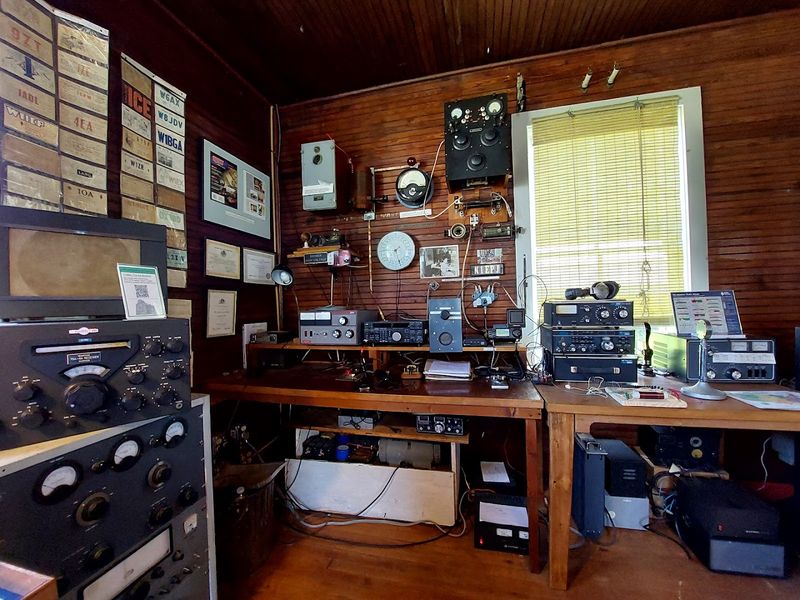
The New England Wireless and Steam Museum is home to what is recognized as the longest continuously operating radio station in the United States, a title that deserves far more attention than it typically receives.
Continuous operation means this station has kept broadcasting without a significant break, maintaining a living connection to the earliest days of American radio. That kind of uninterrupted history is almost impossible to find anywhere else in the country.
The station adds a layer of authenticity to the museum that goes beyond display cases and informational plaques. It is not just preserving history in a static way but actively continuing it.
For radio enthusiasts and history lovers alike, this fact alone makes the museum worth a dedicated trip. Knowing that a signal has been going out from this location for so long gives the entire site a sense of continuity that is both unusual and genuinely moving.
Early Electrical Generators and Tesla Coils on Display
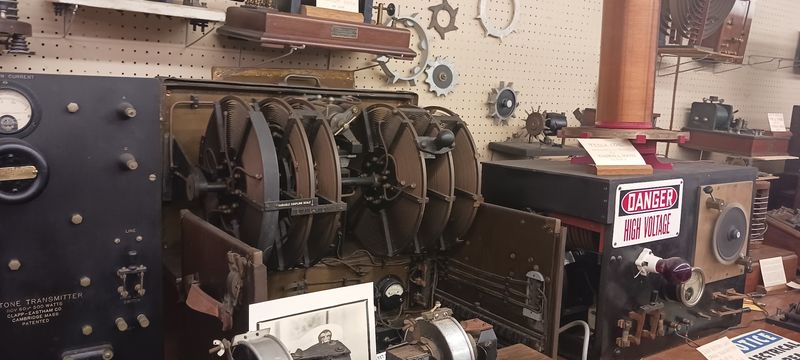
Electricity was once a mystery that scientists and inventors raced to understand and control. The museum brings that era back into focus with a collection that includes early electrical generators, Tesla coils, and induction coils, many of which are still in working condition.
A working DC generator is one of the standout pieces. Seeing it operate connects directly to the moment in history when reliable electrical power first became a possibility for homes and businesses.
The Tesla coil demonstrations are equally striking, producing visible electrical arcs that illustrate the principles behind modern electrical systems.
These exhibits do not require a background in engineering to appreciate. Volunteers break down the science into clear, straightforward explanations that make the technology feel accessible.
The combination of hands-on demonstration and expert guidance creates a learning environment that works for curious kids and seasoned engineers alike. Few places in New England offer this kind of direct, working encounter with the foundations of modern electrical technology.
A Stanley Steam Car Next to a Tesla Electric Car
Few exhibits in any museum make the arc of technological progress as clear as this one. On at least one documented occasion, a Stanley Steam car from the early twentieth century was displayed right next to a twenty-first century Tesla electric vehicle, two machines separated by a hundred years of engineering evolution.
The Stanley Steam car was one of the first viable alternatives to horse-drawn transport, powered entirely by steam generated from water. Placing it beside a modern electric vehicle is not just visually striking but conceptually powerful.
Both machines represent the same fundamental question: what is the best way to move people without relying on combustion engines? That question was asked in 1900 and is still being answered today.
The juxtaposition makes visitors reconsider how much and how little has changed. It is the kind of exhibit detail that sparks genuine conversation and makes the museum feel relevant to the present, not just the past.
The Annual Steam-Up Event
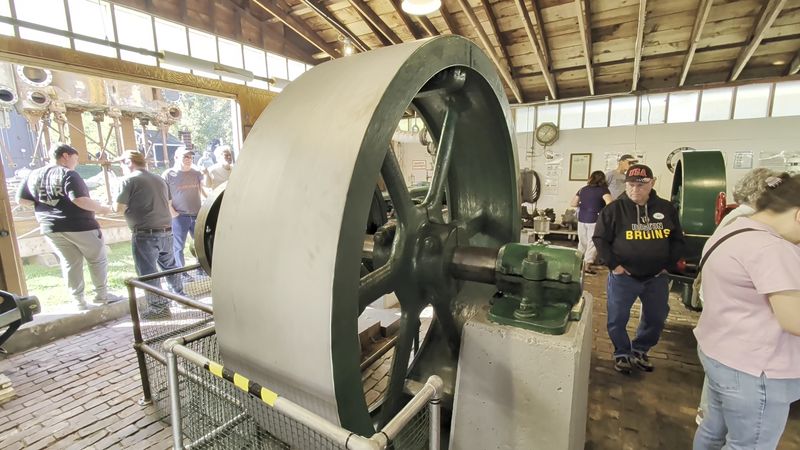
Once a year, the museum hosts its signature event, known as the Steam-up, and it draws crowds from well beyond Rhode Island’s borders. During this special gathering, multiple steam engines are fired up and operated simultaneously, turning the museum grounds into a working demonstration of nineteenth-century industrial power.
The Steam-up is the best opportunity to see the full scope of the collection in motion. Machines that might be stationary on a regular Saturday are running, steaming, and drawing curious onlookers who want to understand exactly how they work.
Beyond the mechanical displays, the event has a community character that regular museum visits do not always capture. Enthusiasts, engineers, historians, and families all show up with the same shared curiosity.
Checking the museum website at newsm.org well in advance is the smartest move for anyone who wants to attend, since the date changes from year to year and the event tends to be one of the most anticipated days on the New England history calendar.
The Volunteer Team That Keeps History Moving
A collection of rare machines is only as good as the people who can explain it. The volunteer team at this museum is widely regarded as one of its greatest assets.
These are not people reading from a script but individuals with deep personal knowledge of steam engineering, wireless technology, and the history behind every piece in the collection.
Docents regularly demonstrate how to operate equipment, walking guests through the mechanics in real time. That kind of guided, interactive experience transforms a museum visit from passive observation into active learning.
The enthusiasm these volunteers bring is genuine and infectious. Many have spent years working with or studying the machines they discuss, and that expertise shows in every conversation.
First-time visitors often note that they planned to spend an hour and ended up staying for most of the day, pulled along by one fascinating explanation after another. The people behind the collection are every bit as impressive as the machines themselves.
Preserving Documents That Would Otherwise Be Lost
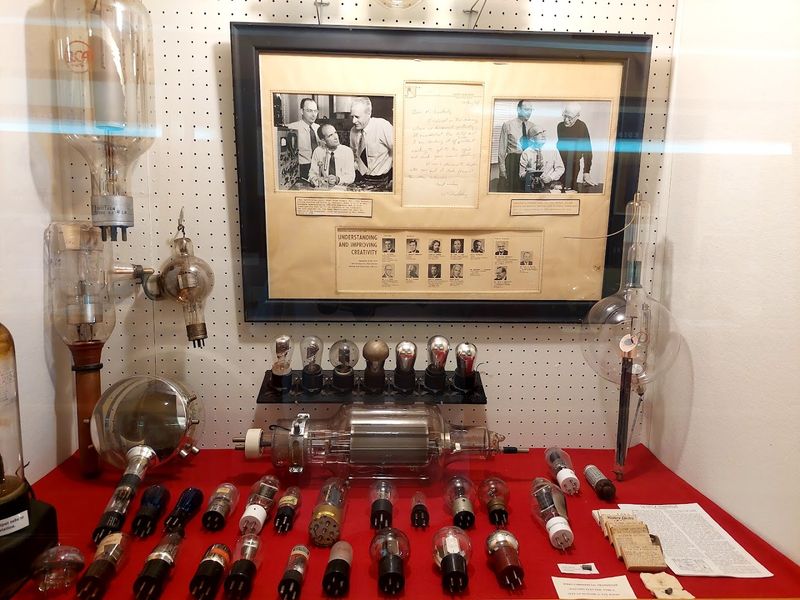
Physical machines are only part of what the museum works to preserve. An ongoing digitization project focuses on historical technical documents, engineering papers, and records that document the development of steam and wireless technology in the United States.
Without active preservation efforts, these documents would eventually deteriorate beyond recovery. The museum’s commitment to capturing and storing this information digitally means that researchers, students, and enthusiasts will be able to access it for generations to come.
This behind-the-scenes work is easy to overlook during a casual visit, but it represents a significant contribution to the historical record. The machines on display are impressive, but the knowledge of how they were built, maintained, and used is equally important.
By treating documents with the same care as hardware, the museum ensures that the full story of this technological era survives intact. It is the kind of long-term thinking that separates serious preservation institutions from simple collections of old equipment.
What to Know Before Planning a Visit
Getting the most out of a visit to this museum starts with good planning. The museum is open on Saturdays only, from 9 AM to 3 PM, which makes it a focused weekend destination rather than a drop-in-anytime attraction.
Arriving early gives guests the best chance of catching demonstrations before the day winds down.
The official website at newsm.org is the most reliable source for current schedules, event dates, and any special programming. The annual Steam-up is listed there well in advance, and it is worth marking the calendar as soon as the date is announced.
One hour is almost never enough time to see everything the museum has to offer. Most guests find themselves moving from building to building, getting drawn into conversations with volunteers, and losing track of time entirely.
Bringing a full morning or afternoon is the smarter approach. The museum is family-friendly, and the interactive nature of the exhibits means children stay engaged throughout the visit.
Why This Museum Deserves Far More Attention
For a museum with this much to offer, the New England Wireless and Steam Museum remains surprisingly under the radar. It does not have the marketing budget of major institutions, and its Saturday-only schedule limits foot traffic.
Yet the depth of the collection and the quality of the experience rival museums many times its size.
Nowhere else in the country can a person see a working spark gap transmitter, a running nineteenth-century steam engine, a Tesla coil in operation, and the first commercial wireless station in Rhode Island, all in the same afternoon.
The museum earns consistent praise from everyone who makes the trip, and the most common reaction is surprise at how much is packed into the site. History that shaped the modern world is running, crackling, and turning right there in East Greenwich, Rhode Island, every Saturday morning.
For anyone who appreciates real, working history, this place is not just worth a visit but worth a long drive to get there.
Where Exactly This Museum Calls Home
Right on Frenchtown Road in East Greenwich, Rhode Island, the New England Wireless and Steam Museum sits at 1300 Frenchtown Rd, East Greenwich, RI 02818, a location that feels almost hidden from the outside world. East Greenwich is a charming town in Kent County, and the museum grounds reflect that quiet, unhurried character.
The site is spread across multiple buildings, each dedicated to a different chapter of technological history. First-time visitors are often surprised by how much ground there is to cover.
The museum is open on Saturdays from 9 AM to 3 PM, making it a perfect weekend destination. Planning ahead is smart, because one hour rarely feels like enough time to take everything in.
The official website at newsm.org is the best place to check for upcoming events, special demonstrations, and the annual Steam-up, which draws crowds from across New England every year.
Share this story