History is full of kings and queens who ruled for decades, shaping entire civilizations. But some monarchs barely had time to sit on the throne before their reigns came to a sudden end.
Whether through abdication, political upheaval, illness, or sheer bad luck, these rulers hold a unique place in history. Their stories are brief, dramatic, and surprisingly fascinating.
1. Louis XIX (France)
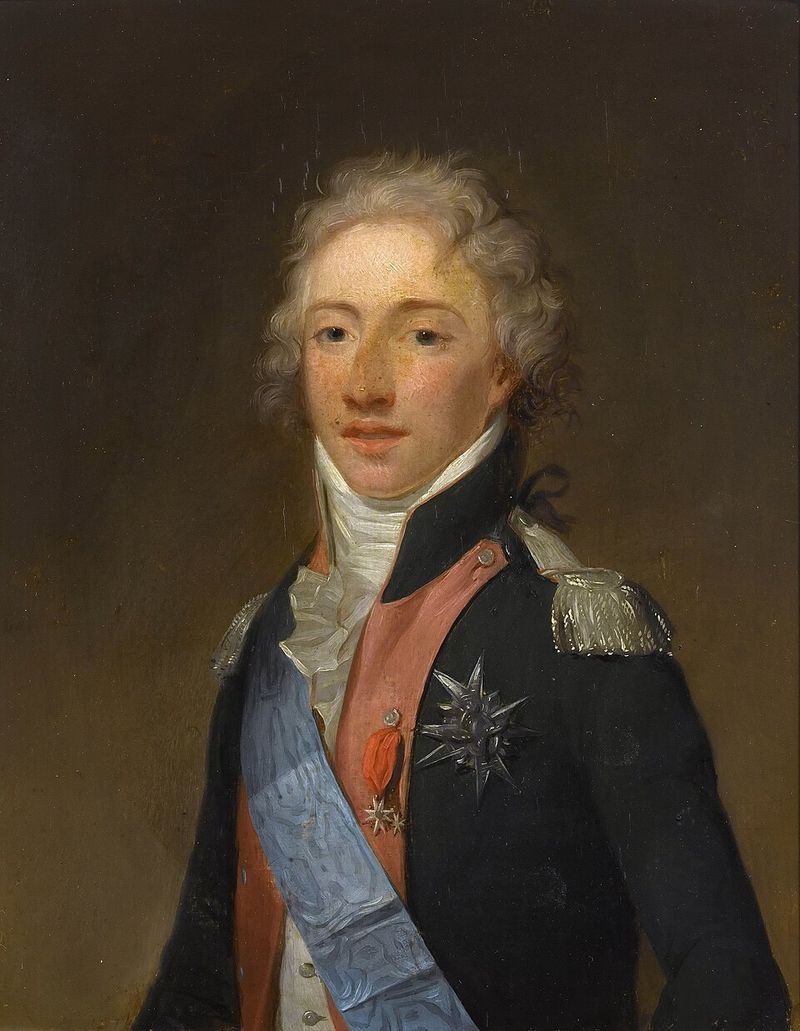
Imagine becoming king and giving up the title before lunchtime. That is essentially what happened to Louis XIX of France in 1830.
When his father, Charles X, abdicated during the July Revolution, Louis technically inherited the throne. His reign lasted approximately 20 minutes before he too signed away his claim.
Louis handed the crown to his nephew, the Duke of Bordeaux, who also quickly abdicated. This chain of rapid royal exits left France scrambling for stable leadership.
The July Revolution ultimately brought Louis-Philippe, a constitutional monarch, to power.
Louis XIX never truly ruled. He never issued a decree, held court, or made a single royal decision.
His place in history rests entirely on that brief, almost accidental moment of kingship. Historians sometimes debate whether those 20 minutes even count, but they have earned him a permanent spot in the record books.
2. Lady Jane Grey (England)
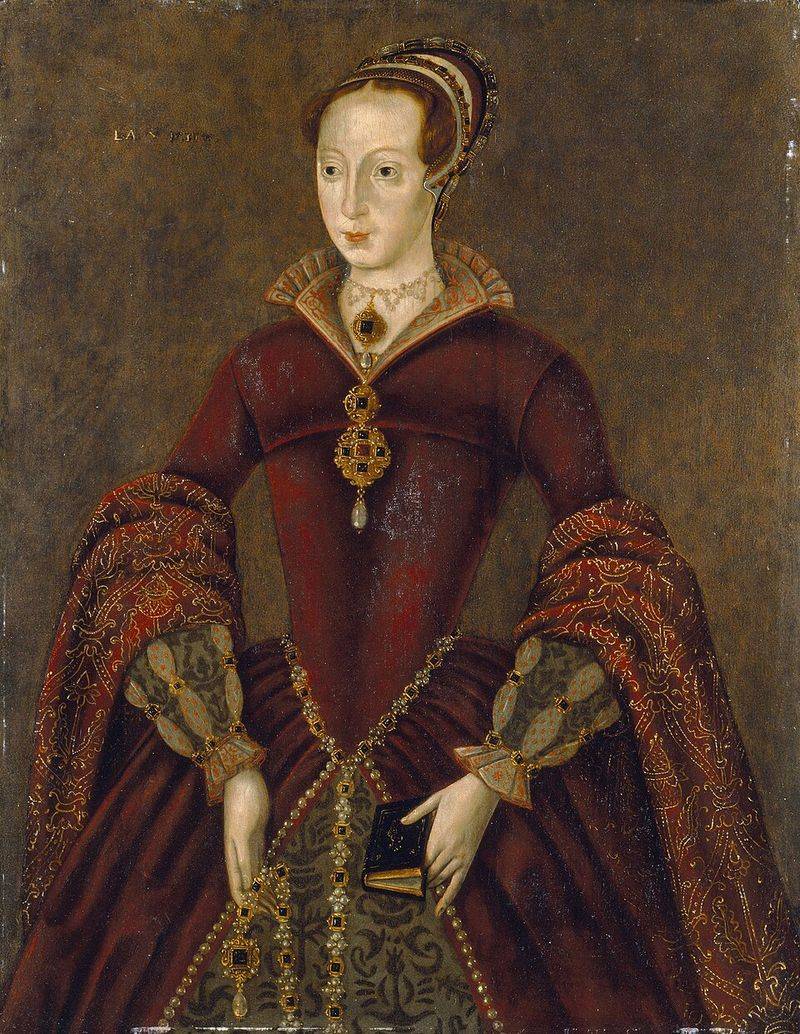
She was just a teenager when the weight of an entire kingdom was placed on her shoulders. Lady Jane Grey was proclaimed Queen of England in July 1553, following the death of King Edward VI.
Her supporters hoped she would keep England Protestant and prevent the Catholic Mary Tudor from taking the throne.
Jane never wanted the crown. By most accounts, she accepted reluctantly and ruled from the Tower of London, never even entering Buckingham Palace.
After nine days, Mary Tudor marched into London with overwhelming support, and Jane was removed from power almost as quickly as she had been placed there.
Jane was imprisoned and eventually executed in 1554 at just 16 or 17 years old. Her story is one of the most heartbreaking in English royal history.
She was a pawn in a political game far bigger than herself, and she paid the ultimate price.
3. Jean I of France
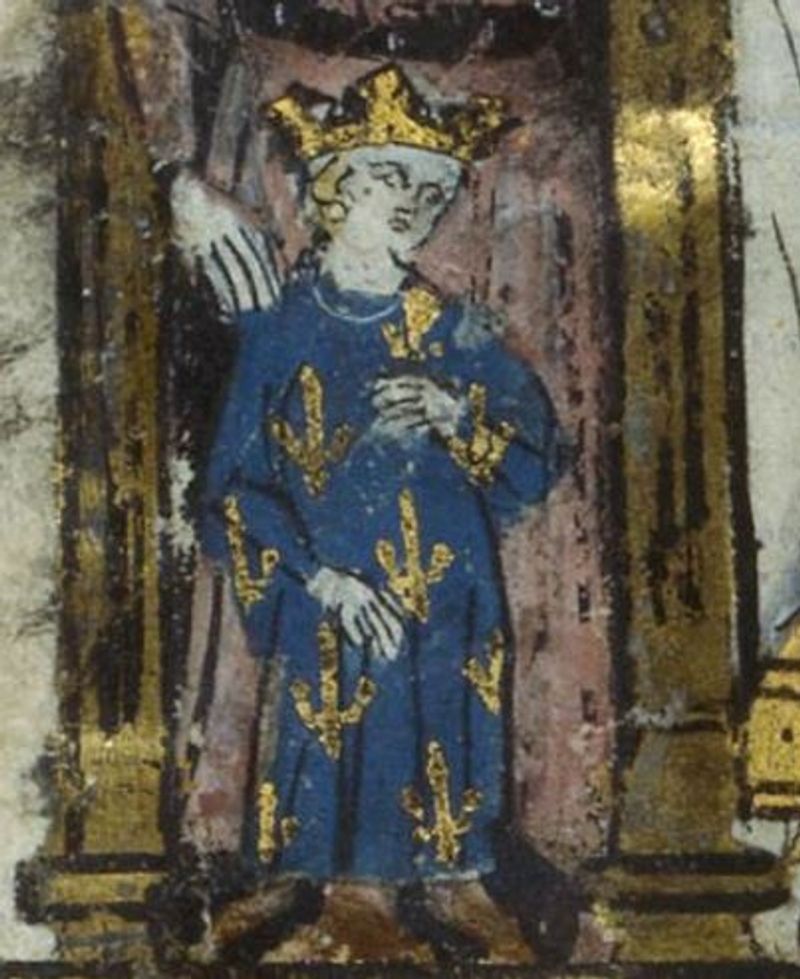
Born a king and dead within a week, Jean I of France holds one of the most tragic records in royal history. He was born on November 15, 1316, and was immediately proclaimed King of France while still in the delivery room.
His father, Louis X, had died months earlier, leaving the throne to an heir who had not yet drawn a single breath.
Jean I lived for only five days. The cause of his death remains unknown, and conspiracy theories have swirled for centuries.
Some historians suspect foul play, pointing to those who stood to benefit from his death. Others believe he simply died from natural causes common to newborns in medieval times.
His nickname, John the Posthumous, captures the strange and sorrowful nature of his short existence. He is one of the few monarchs in history who reigned from the moment of birth to the moment of death.
4. Dipendra of Nepal
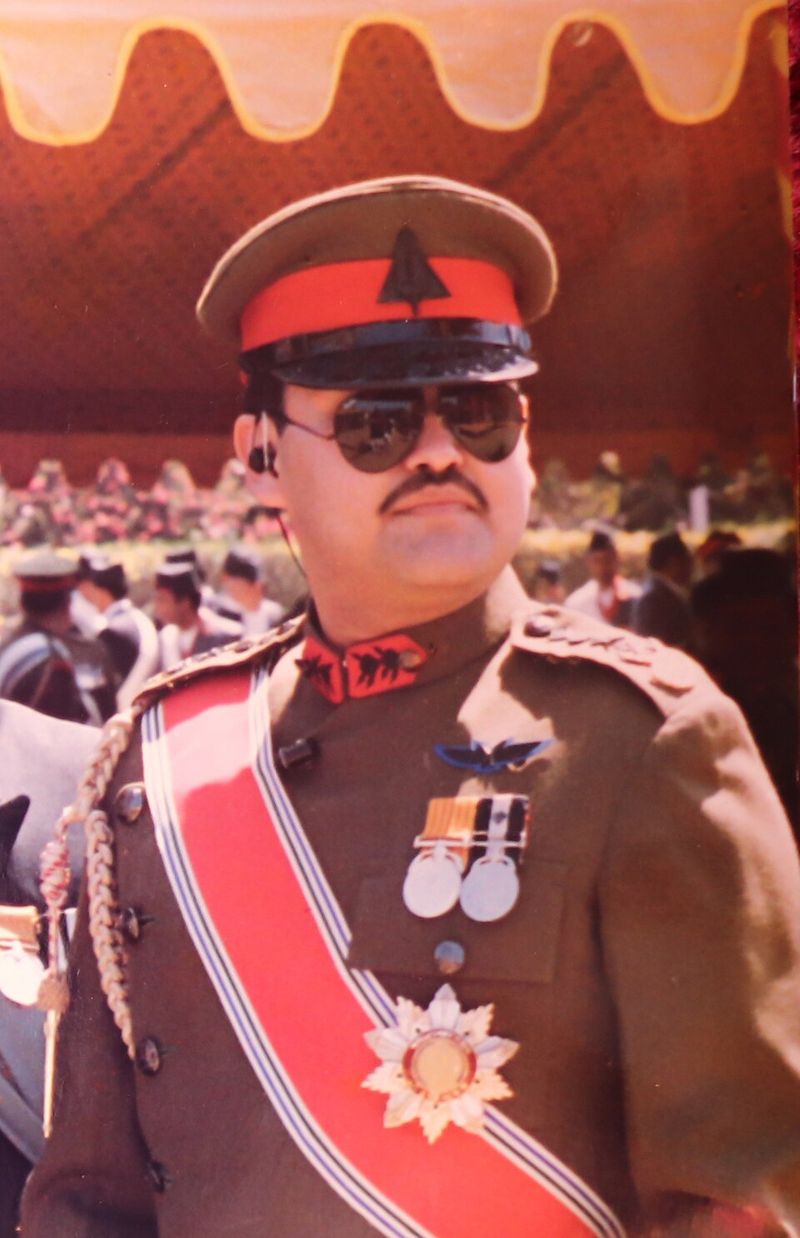
Few royal stories are as dark and surreal as that of King Dipendra of Nepal. On the night of June 1, 2001, a shooting rampage at the royal palace left most of the Nepalese royal family dead, including King Birendra and Queen Aishwarya.
Dipendra himself was critically wounded and fell into a coma.
Despite being unconscious and on life support, Dipendra was officially crowned King of Nepal by constitutional procedure. He reigned for three days without ever opening his eyes or speaking a single word.
He died on June 4, 2001, never having regained consciousness.
The circumstances of that night remain deeply controversial. Many Nepalese people found it difficult to accept the official account of what happened.
Dipendra was both the alleged perpetrator of the massacre and its ultimate victim, a contradiction that still haunts Nepal’s national memory and royal history to this day.
5. Michael II of Romania
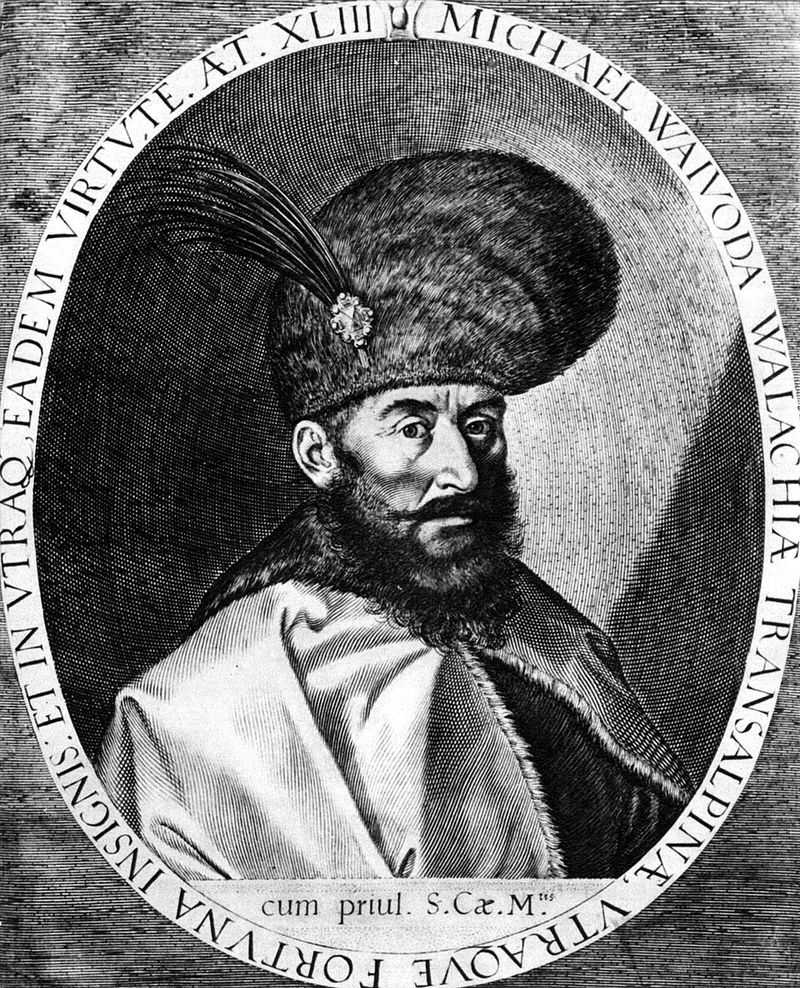
King Michael of Romania had not one but two separate reigns, and his first one started when he was barely old enough to tie his own shoes. Michael first became king in 1927 at just five years old, following the death of his grandfather, King Ferdinand I.
His father, Crown Prince Carol, had been excluded from succession due to personal scandals.
A regency council governed in Michael’s name during those early years. However, his first reign lasted less than four years.
In 1930, Carol returned from exile, reclaimed his royal rights, and pushed his young son aside to become King Carol II. Michael was reduced to crown prince once again.
Michael would eventually return to the throne in 1940 and reign until the communist takeover in 1947. His first stint as king, though brief, showed how royal politics could upend even a child’s life with little warning or mercy.
6. Umberto II of Italy
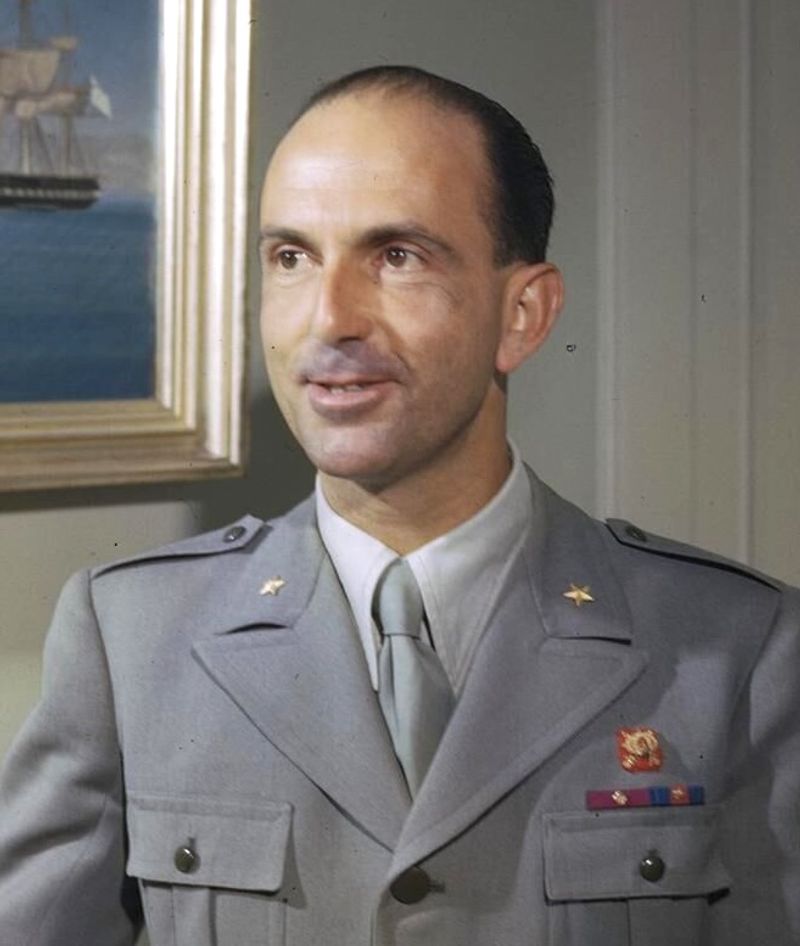
Umberto II of Italy earned a bittersweet nickname that says it all: the May King. He ascended to the Italian throne on May 9, 1946, following his father Victor Emmanuel III’s abdication.
Italy had just emerged from World War II, and the future of the monarchy was anything but certain.
Just 34 days after becoming king, Italy held a national referendum to decide whether to keep the monarchy or become a republic. On June 2, 1946, Italians voted to abolish the monarchy by a narrow margin.
Umberto left Italy on June 13 and never returned, spending the rest of his life in exile in Portugal.
He maintained until his death that the referendum results were manipulated. Whether or not that is true, his reign stands as one of the shortest in European history.
Umberto died in 1983, still technically calling himself king, still longing for a homeland that had chosen a different path.
7. Edward VIII of the United Kingdom
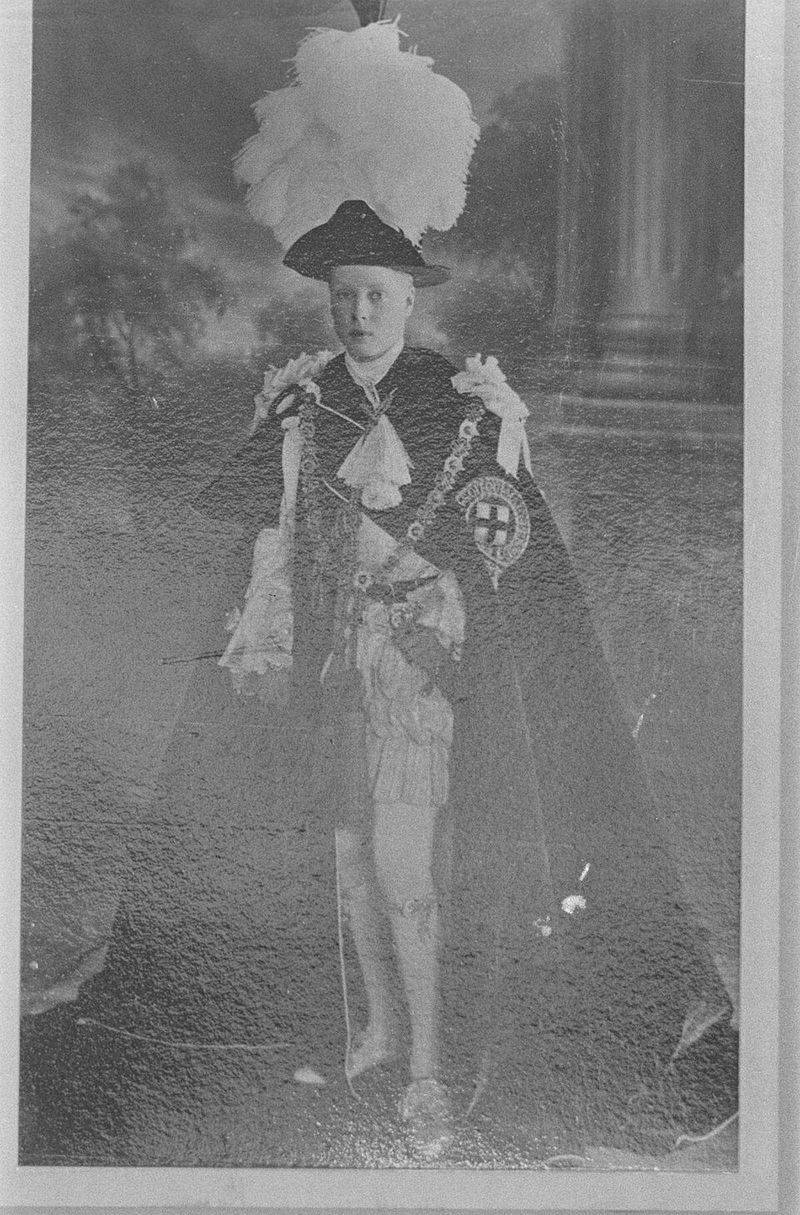
Edward VIII made one of the most famous choices in royal history: he picked love over the crown. He became King of the United Kingdom on January 20, 1936, following the death of his father, King George V.
From the very beginning, his relationship with American divorcee Wallis Simpson created enormous controversy within the royal family and the British government.
Edward reigned for 326 days before announcing his abdication on December 11, 1936. His radio broadcast to the nation, in which he explained he could not carry out his duties without the support of the woman he loved, became one of the most memorable speeches of the 20th century.
He became the Duke of Windsor after abdicating and married Wallis Simpson in 1937. His younger brother became King George VI.
Edward spent much of the rest of his life in France, a former king living quietly far from the palace he had walked away from.
8. Ludwig II of Bavaria
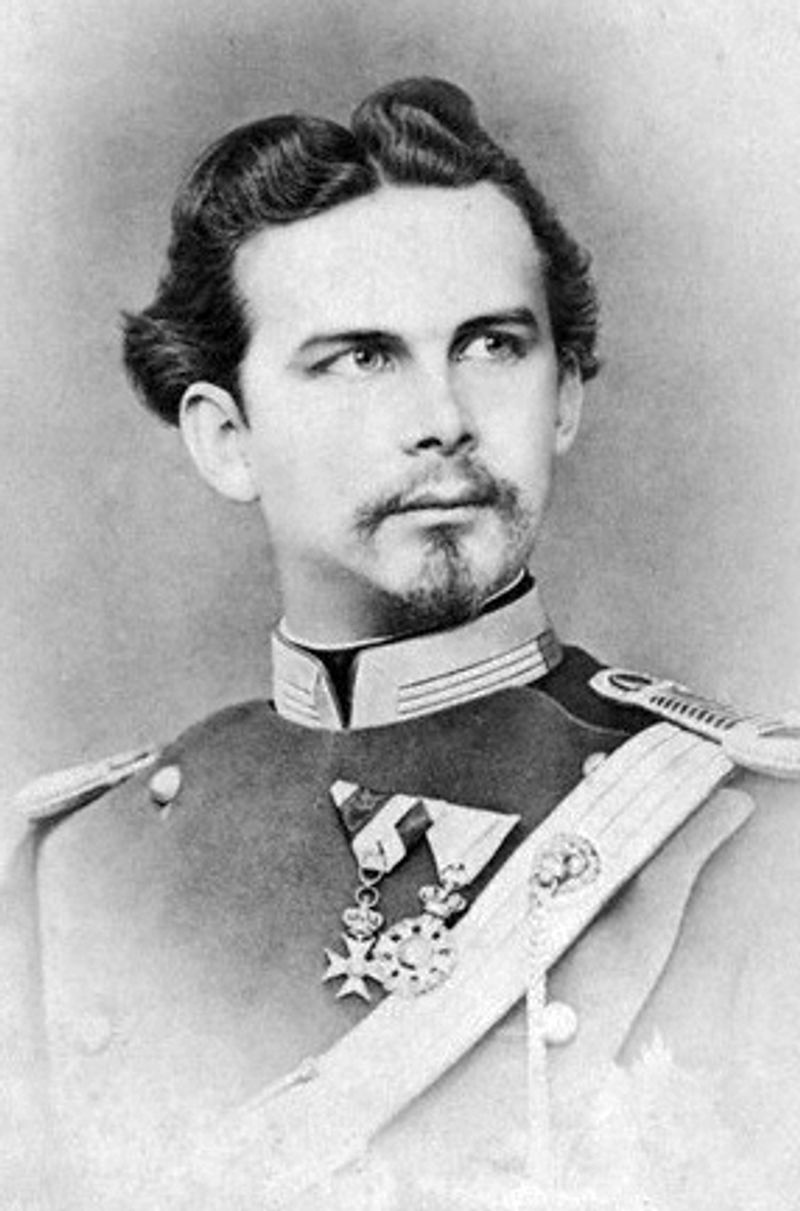
Ludwig II of Bavaria is best remembered not for the length of his reign but for the extraordinary castles he built, including the famous Neuschwanstein, which later inspired Disney’s Sleeping Beauty castle. He ruled Bavaria from 1864, but his reign came to a sudden and mysterious end in 1886 after just over two decades on the throne.
A government commission declared him mentally unfit to rule, though the process was rushed and legally questionable. He was dethroned and taken to Berg Castle.
Just one day later, on June 13, 1886, Ludwig and his psychiatrist were found dead in a shallow lake under deeply suspicious circumstances.
No definitive explanation for his death has ever been proven. Some believe he was murdered to prevent a political comeback.
Others think he drowned attempting to escape. Ludwig left behind breathtaking architecture and an enduring mystery that Bavaria and historians have never fully solved.
9. Ivan VI of Russia
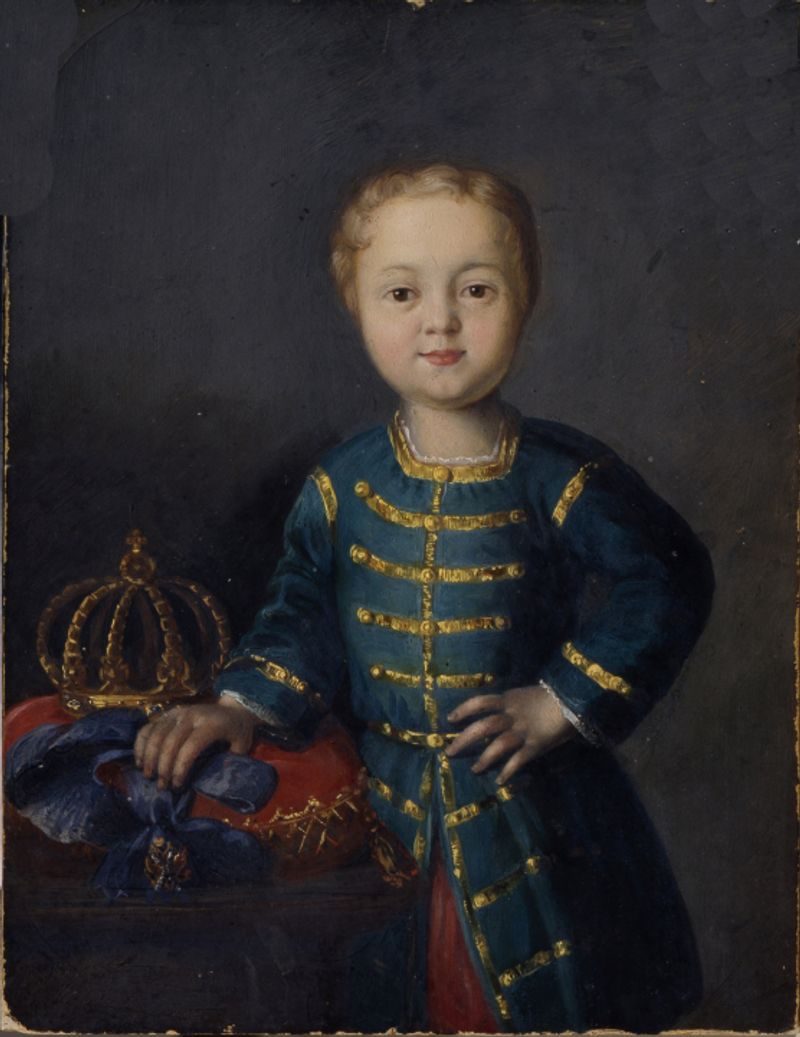
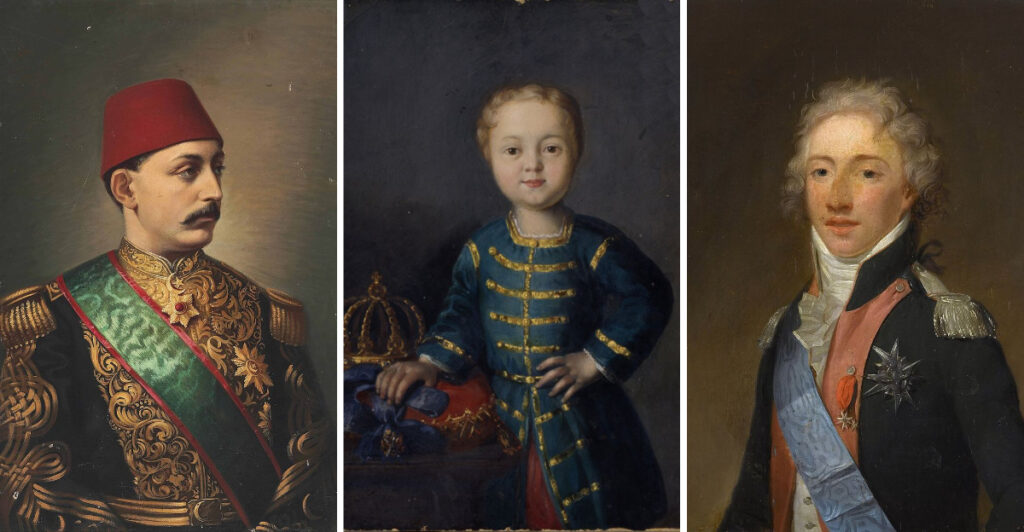
Crowned at just two months old, Ivan VI of Russia never had a chance to understand the power he briefly held. He became Tsar in October 1740 when Empress Anna of Russia died and named him as her successor.
A regency council managed all affairs of state while the infant sat symbolically on the imperial throne.
His reign lasted less than a year. In November 1741, Elizabeth, daughter of Peter the Great, launched a coup and seized power.
Ivan was dethroned and imprisoned while still a toddler. He would spend the next two decades locked away, moved from prison to prison, kept in isolation so severe that he reportedly struggled to communicate as he grew older.
Ivan VI was killed in 1764 during an attempted rescue. He was 23 years old and had spent virtually his entire life behind bars.
His story is one of history’s most heartbreaking royal tragedies, a life lost before it ever truly began.
10. Murad V of the Ottoman Empire
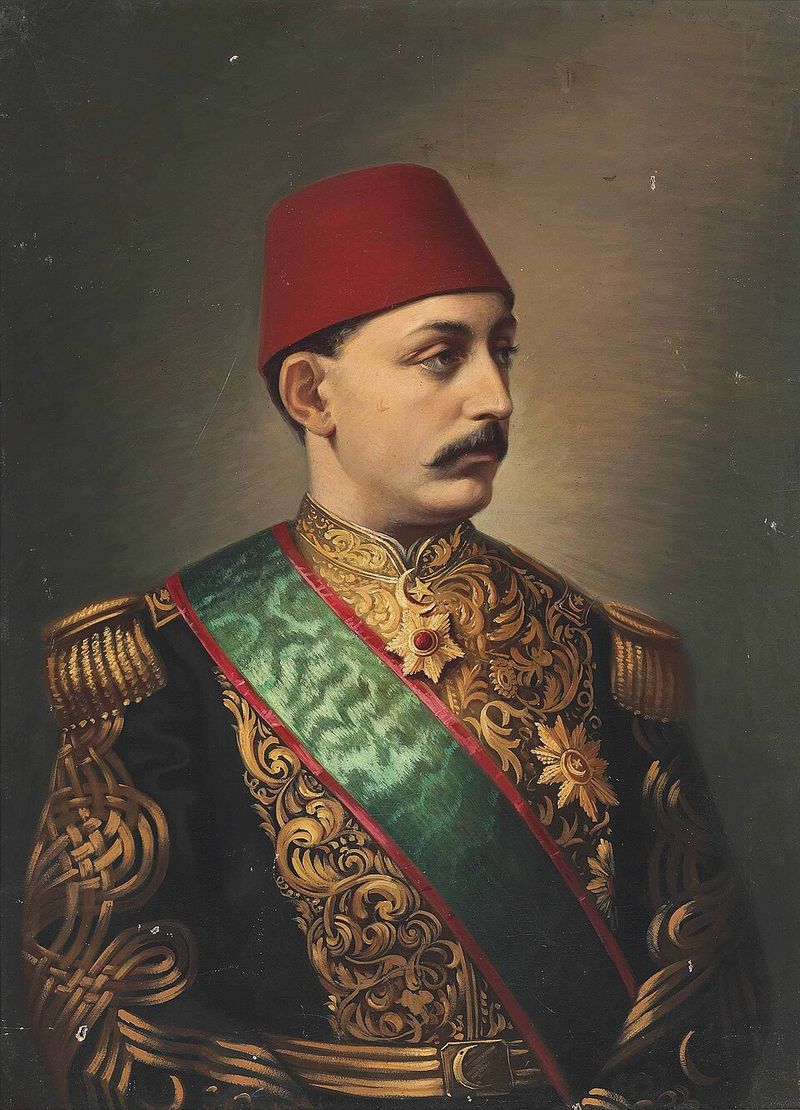
Murad V became Sultan of the Ottoman Empire in May 1876 with high hopes attached to his name. He was seen as a reformer, someone who might modernize the empire and strengthen its weakening foundations.
European diplomats and Ottoman liberals alike greeted his accession with cautious optimism.
Those hopes collapsed quickly. Murad suffered what appeared to be a severe mental breakdown shortly after taking the throne, possibly triggered by the violent deposition of his predecessor, Sultan Abdulaziz.
He proved unable to perform even basic royal functions, and the imperial court grew increasingly alarmed.
After just 93 days, Murad V was removed from power and replaced by his brother, Abdulhamid II. He spent the remaining 28 years of his life under house arrest in Ciragan Palace in Istanbul, never regaining his freedom or his throne.
His brief reign left barely a trace on the empire he had been expected to revive.
11. Emperor Duc Duc of Vietnam
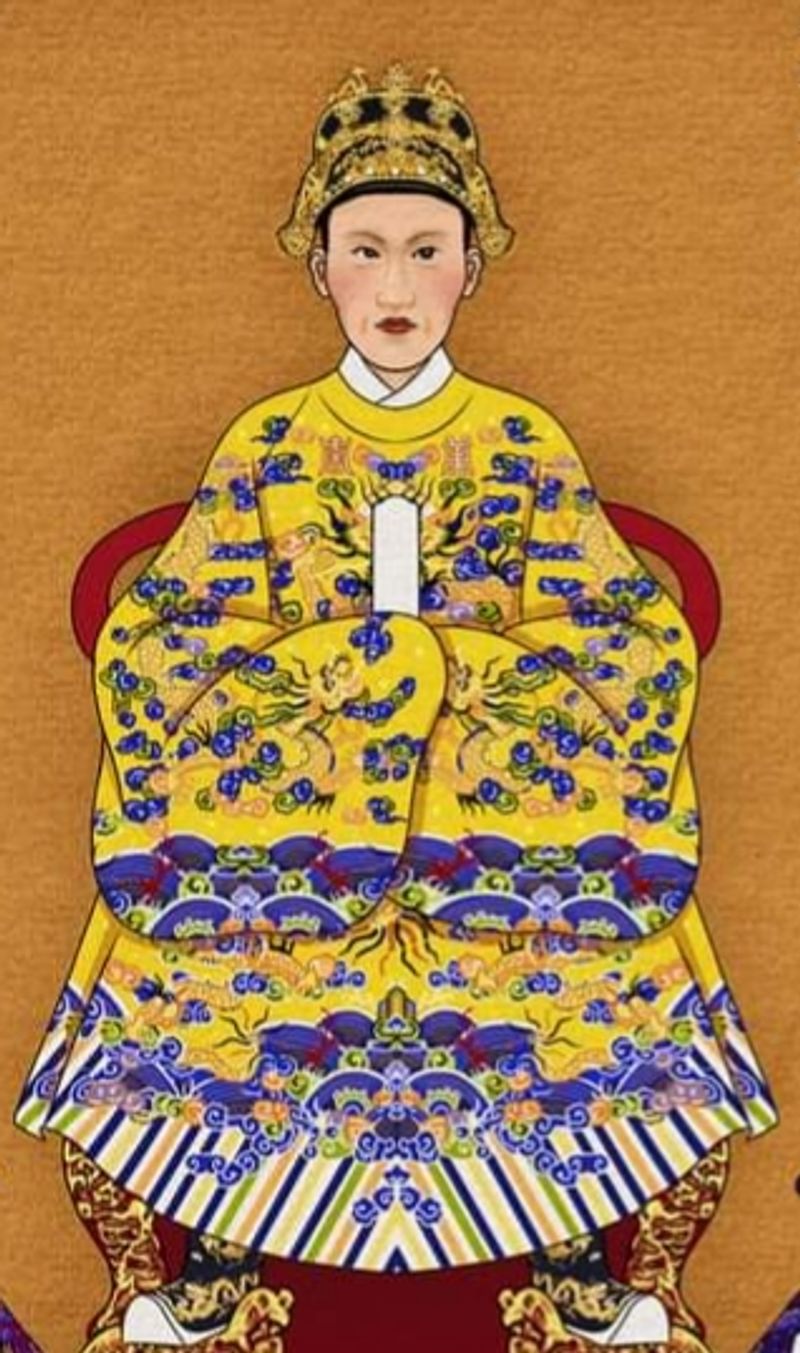
Three days. That is all the time Emperor Duc Duc of Vietnam had on the throne before powerful court officials decided they had made a mistake.
He became emperor in July 1883 following the death of Emperor Tu Duc, but his very first public act caused immediate trouble. Duc Duc reportedly altered the late emperor’s will during its public reading, an act the court found deeply disrespectful and politically dangerous.
Court ministers moved swiftly. Within three days of his enthronement, they deposed him and placed him under arrest.
The official charges against him included immoral behavior and incompetence, though historians suggest the real reasons were more about political power than personal conduct.
Duc Duc died in prison just months later, reportedly from starvation and neglect. His reign was one of the shortest in Vietnamese imperial history.
He was later rehabilitated and given a proper royal burial, a small measure of dignity restored long after his unjust end.
12. Emperor Kobun of Japan
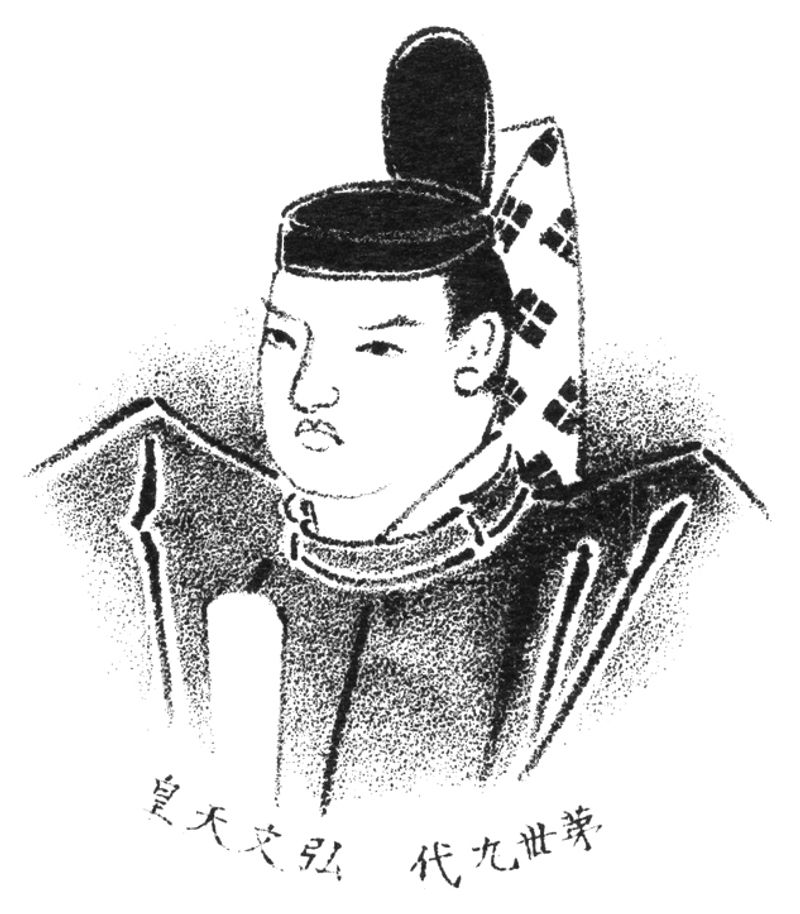
Emperor Kobun is one of the most obscure figures in Japanese imperial history, and his story reads more like legend than recorded fact. According to traditional accounts, he became emperor in 671 CE following the death of his father, Emperor Tenji.
His claim to the throne, however, was immediately challenged by his uncle, Prince Oama.
What followed was the Jinshin War of 672, one of the earliest civil conflicts in Japanese history. Prince Oama raised an army and moved against Kobun with remarkable speed.
Kobun’s forces were defeated, and facing capture, the young emperor reportedly took his own life near the Seta River in present-day Shiga Prefecture.
His reign lasted only a matter of months, and for centuries, he was not even officially recognized as a legitimate emperor. Japan formally acknowledged him as Emperor Kobun only in 1870, nearly 1,200 years after his death.
His brief reign remains a footnote wrapped in historical uncertainty.
13. Sisowath Monireth of Cambodia
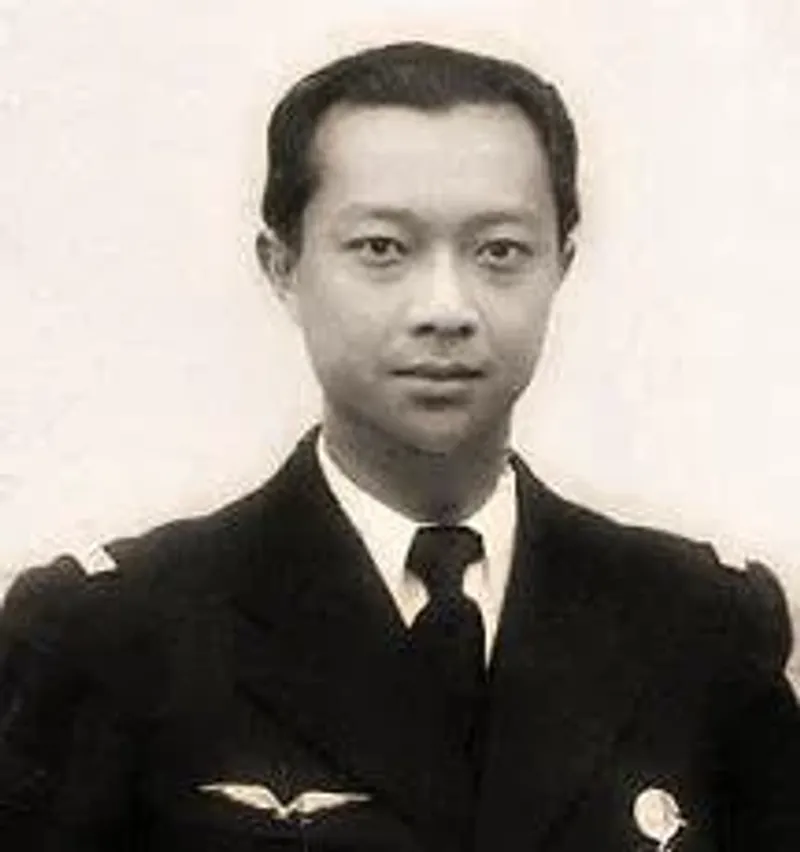
Prince Sisowath Monireth was widely expected to become the next King of Cambodia when his father, King Sisowath Monivong, died in April 1941. As the senior prince and an experienced military officer, he seemed like the natural choice.
The French colonial authorities who controlled Cambodia at the time, however, had other plans entirely.
Instead of selecting Monireth, the French chose the young and seemingly more manageable Norodom Sihanouk, then just 18 years old. The decision was calculated.
French officials believed Sihanouk would be easier to influence and control than the more assertive Monireth. It turned out to be one of history’s great miscalculations, as Sihanouk became a powerful and independent national leader.
Monireth never became king. His path to the throne was blocked entirely by political maneuvering, not by any personal failing.
He served Cambodia in other official roles but never wore the crown that many believed was rightfully his.
14. Charles X of France and the Abdication Chain
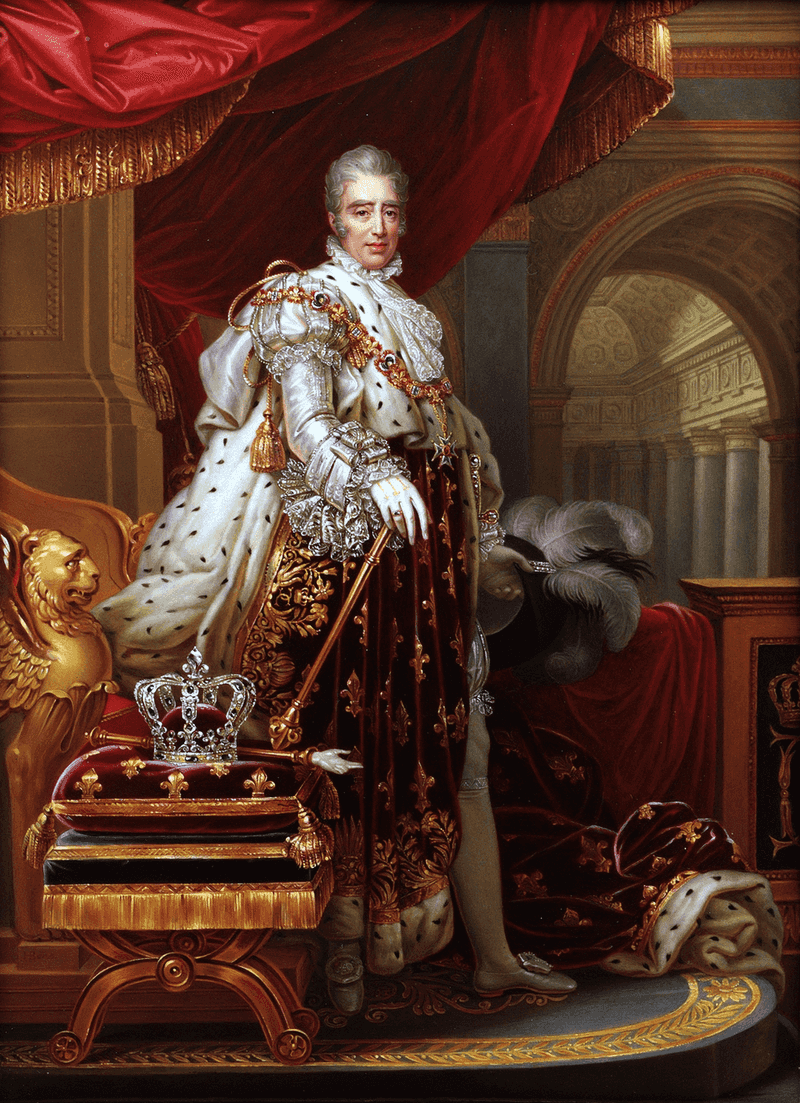
The July Revolution of 1830 did not just topple one French king. It set off a chain reaction of abdications that left the country without a stable monarch for a chaotic stretch of days.
Charles X, facing an armed uprising in Paris, signed his abdication on August 2, 1830, hoping to preserve the monarchy by passing the crown to his son, Louis-Antoine.
Louis-Antoine, who would technically become Louis XIX, held the title for roughly 20 minutes before also abdicating in favor of his nephew, the young Duke of Bordeaux. The duke’s supporters tried to rally around him, but the political momentum had already shifted too far.
Within days, the Bourbon line was finished.
Louis-Philippe of the Orleans branch stepped in as a constitutional monarch, effectively ending the old royal order. Charles X died in exile in 1836.
The rapid collapse of his dynasty in just a few days stands as a remarkable example of how quickly political power can dissolve.
15. Pedro Lascurain of Mexico
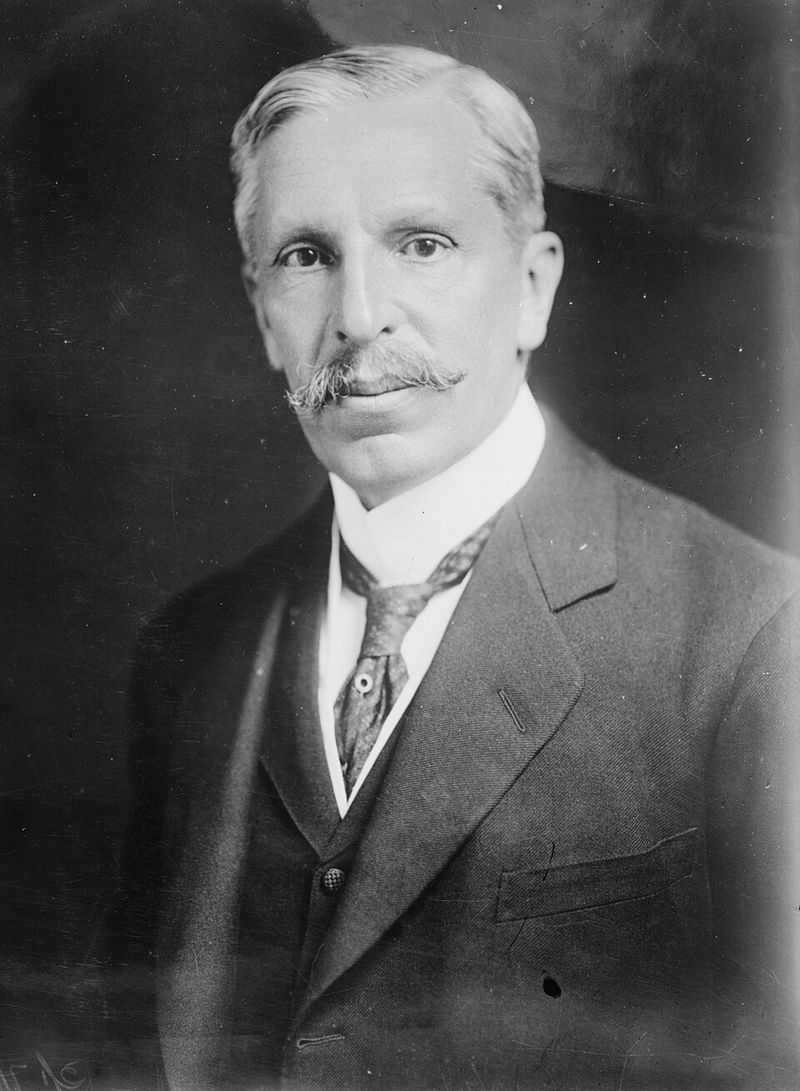
Pedro Lascurain was not a monarch, but his story belongs on any list of the world’s shortest-serving heads of state. On February 19, 1913, he became President of Mexico for somewhere between 15 and 45 minutes, depending on which historical account you read.
His presidency was entirely engineered as a legal maneuver.
The scheme worked like this: President Francisco Madero was forced to resign. Under the Mexican constitution, the foreign minister would be next in line.
Lascurain, serving as foreign minister, was quickly sworn in as president. His only act in office was to appoint General Victoriano Huerta as the new interior minister, making Huerta next in the line of succession.
Lascurain then resigned immediately.
Huerta became president within the hour, and the whole episode was a carefully staged political takeover dressed up in legal clothing. Lascurain cooperated and lived out his days in relative peace, holding the peculiar distinction of the shortest presidency in recorded history.
Share this story