Road-trippers exploring southern Idaho are discovering a museum unlike any other, where more than 50 rooms overflow with frontier treasures, a replica Old West town fills an entire building, and a real emu still roams the grounds.
Located near Grand View along the Snake River, Lawson’s Emu-Z-Um began as one family’s passion for preserving Idaho history and has grown into one of the state’s most surprising hidden gems. Around every corner, you’ll find artifacts, antiques, and stories that bring the American West to life in unforgettable ways.
Where to Find This Remarkable Place
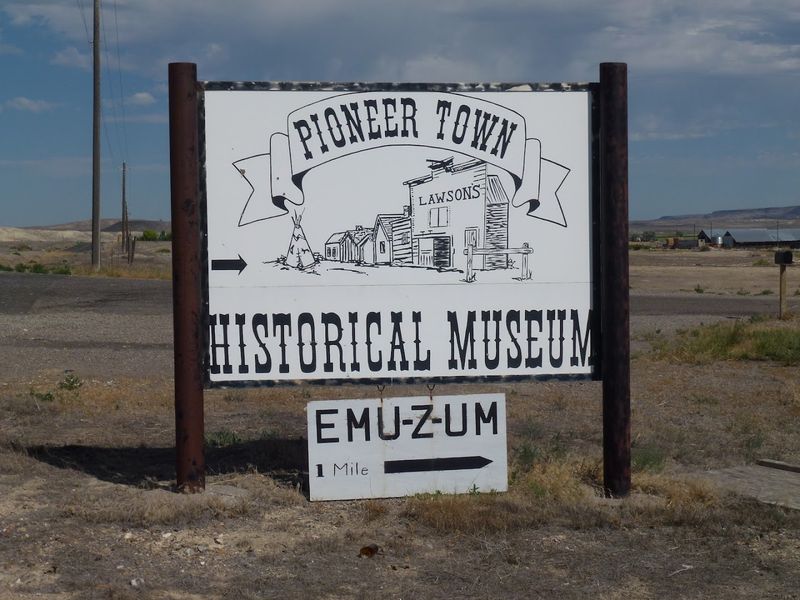
Not every great museum sits in a big city with a parking garage and a gift shop the size of a department store. Lawson’s Emu-Z-Um is found at 22142 River Rd, Grand View, ID 83624, roughly 60 miles south of Boise along the South Alternate branch of the historic Oregon Trail.
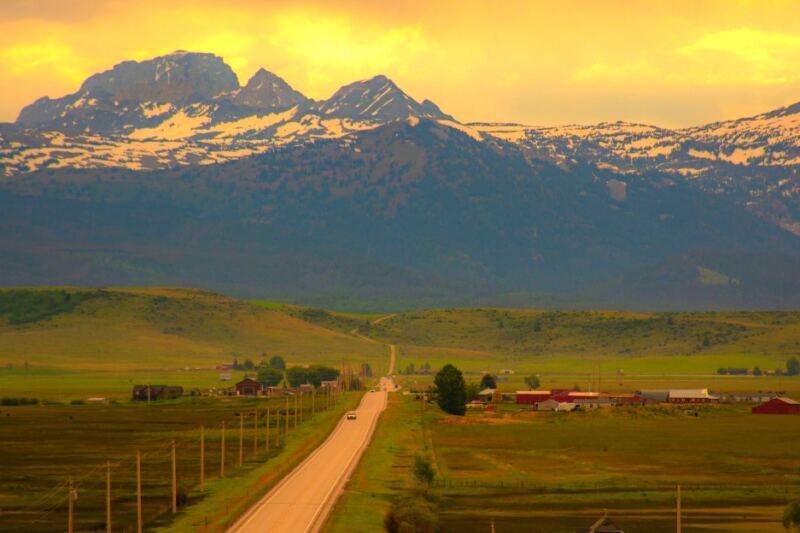
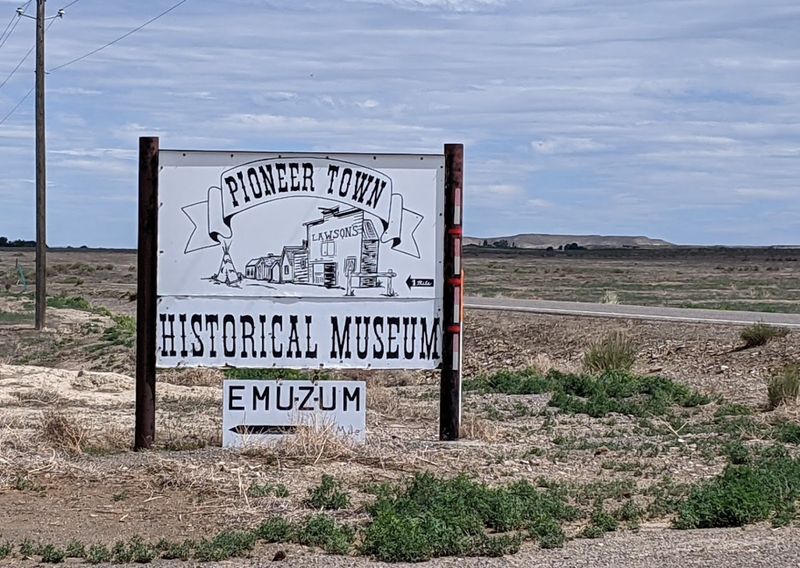
The drive itself sets the mood perfectly. You follow the Snake River through wide-open Owyhee County terrain, past sagebrush flats and basalt cliffs, until a handmade sign announces that you have arrived somewhere truly out of the ordinary.
Grand View is a small agricultural community, and the museum fits right into that unhurried pace. The surrounding landscape is dramatic in a quiet way, with the river nearby and big Idaho skies overhead.
The museum is open Wednesday through Saturday from 10 AM to 5 PM, and you can reach them at 208-834-2397. Because of the rural internet situation out there, they ask that visitors pay by cash or check, so plan ahead before you arrive.
The Collection That Grew Beyond Anyone’s Expectations
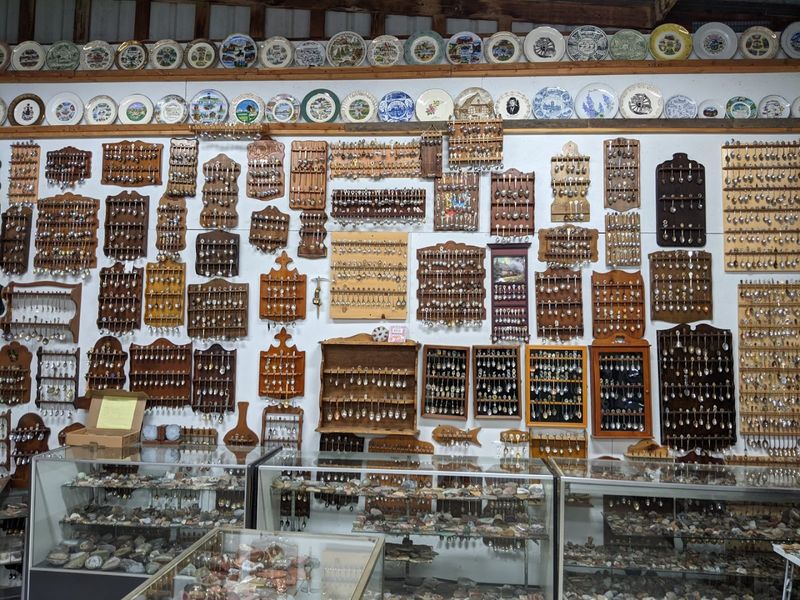
Jack Lawson did not set out to build a museum. He started the way most great collectors do, picking up interesting objects at farm sales in Owyhee County as a child, drawn to the things that other people were ready to leave behind.
Over more than 50 years, Jack and his wife Belva transformed that childhood habit into one of the most extraordinary private collections in the entire state of Idaho. What began as four rooms eventually expanded into over 50 rooms filled with artifacts from the late 1800s and early 1900s.
The Lawsons received the 2021 “Esto Perpetua” award from the Idaho State Historical Society, which is the highest honor the organization gives for contributions to preserving Idaho history. That recognition speaks to just how seriously they took their mission.
Their warmth and passion for sharing these stories with visitors became as much a part of the experience as the objects themselves, and that spirit has carried forward with the museum’s current owners.
Why an Emu Gave the Museum Its Name
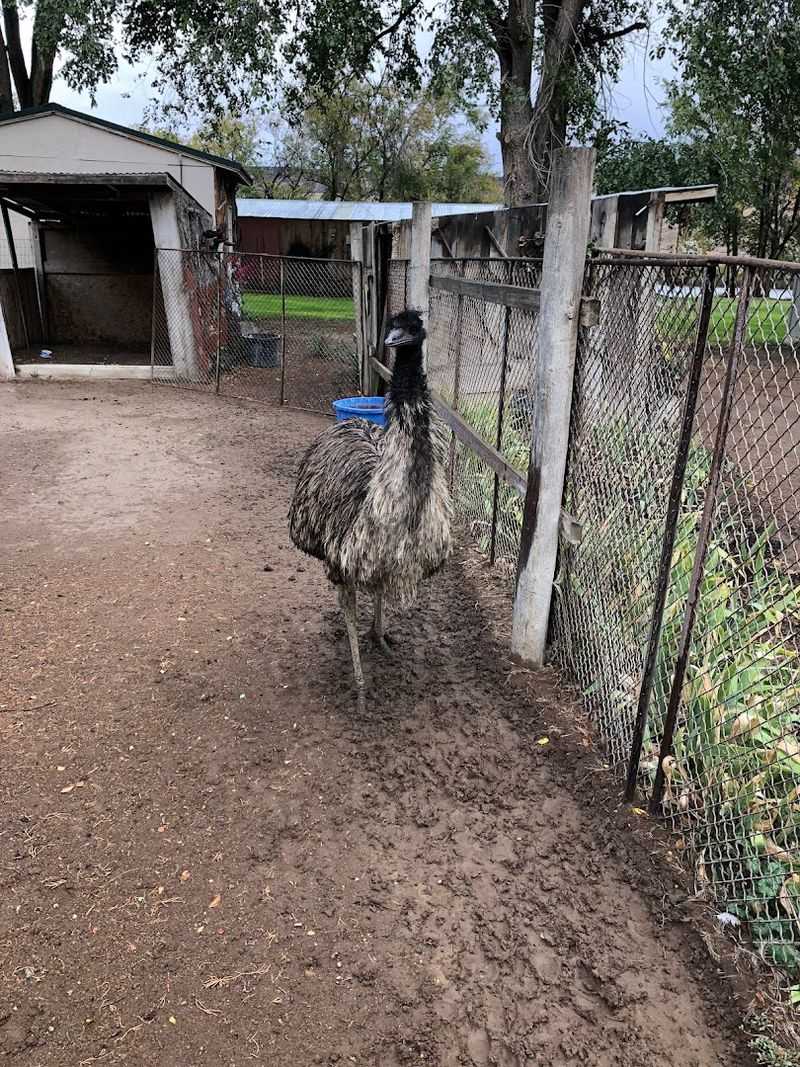
The name “Emu-Z-Um” is not a typo, and it is not a marketing gimmick. At one point, the Lawson family raised more than 100 emus on their ranch, and the birds became so closely associated with the property that naming the museum after them was simply the obvious choice.
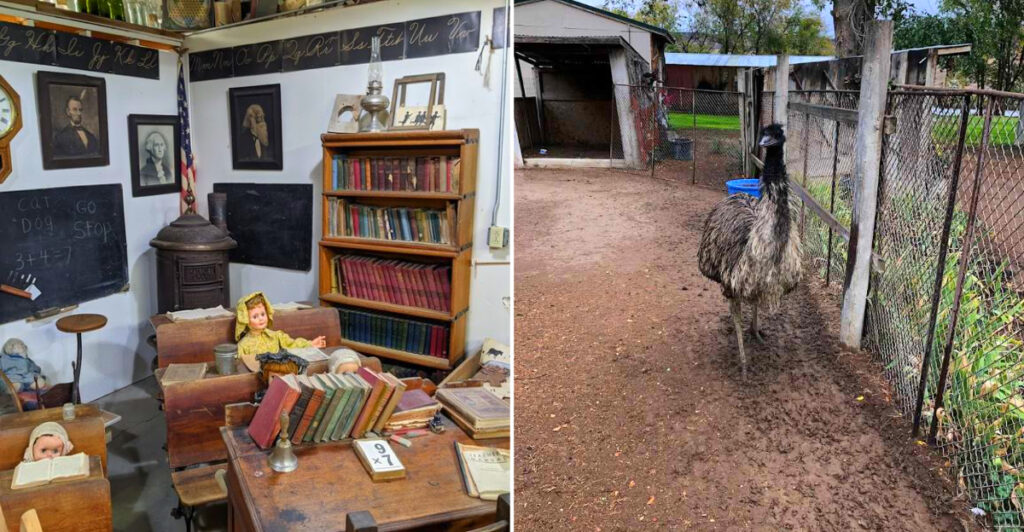
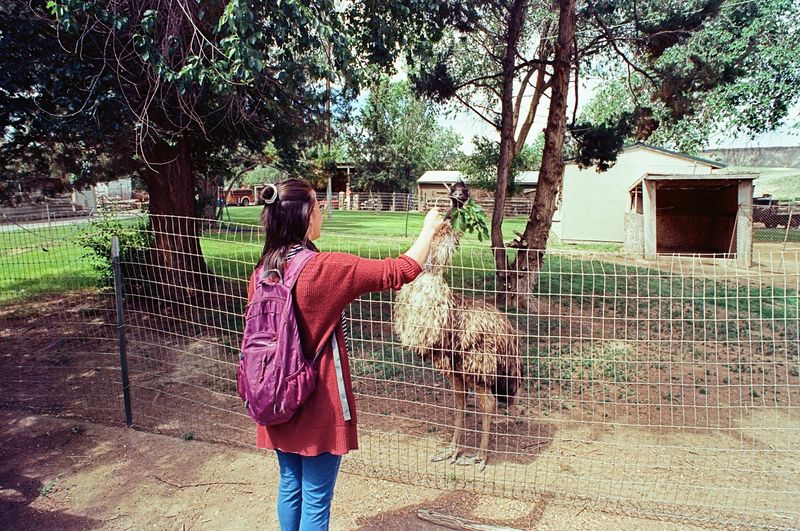
Today, one emu still lives on the museum grounds, a living reminder of the birds that inspired the museum’s unusual name. Recent visitors continue to mention seeing the resident emu during their tours, and the museum itself notes that one emu remains on the property.
Along with the chickens and guinea fowl that roam the grounds, the bird adds a touch of personality that helps make the museum feel more like a family homestead than a traditional history museum.
It is a small detail, but that emu wandering around outside sets the tone for everything you are about to see inside.
Over 50 Rooms of Artifacts Waiting to Surprise You
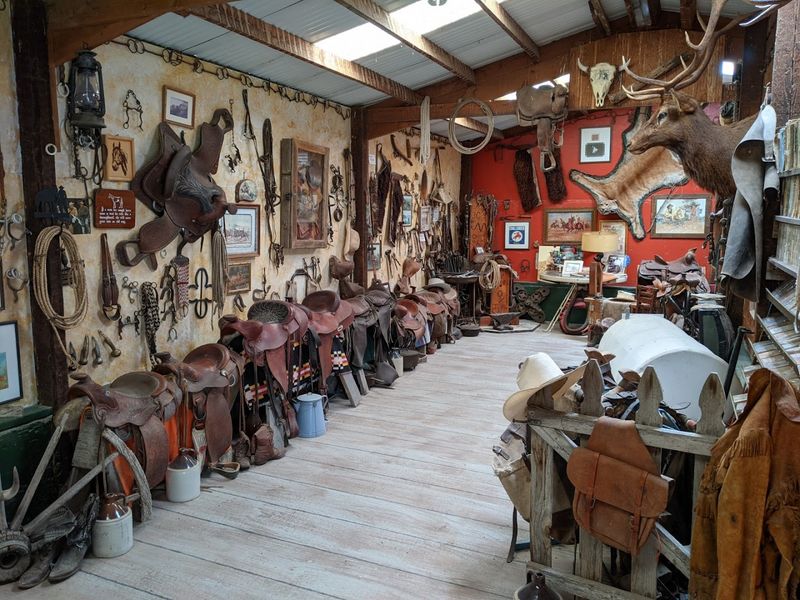
Most museums organize their collections into neat categories with labeled cases and plenty of empty wall space. This place takes a completely different approach, and it works beautifully.
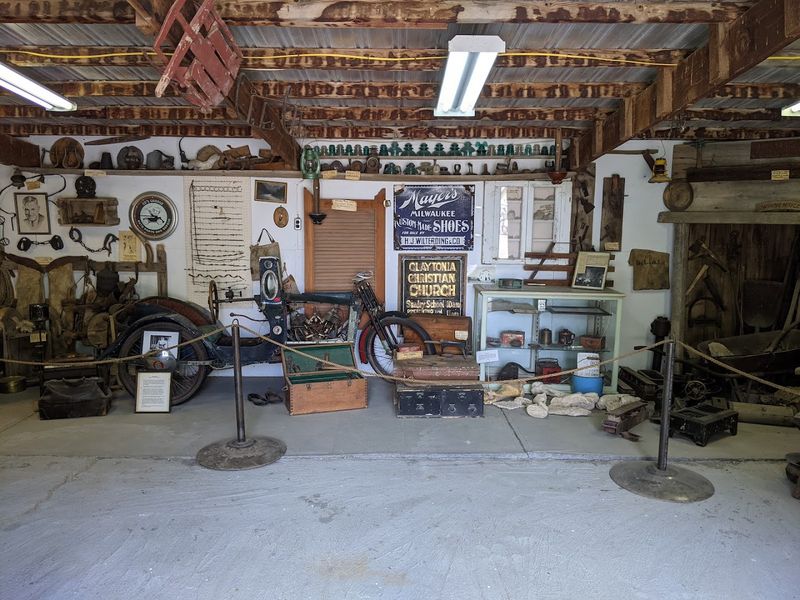
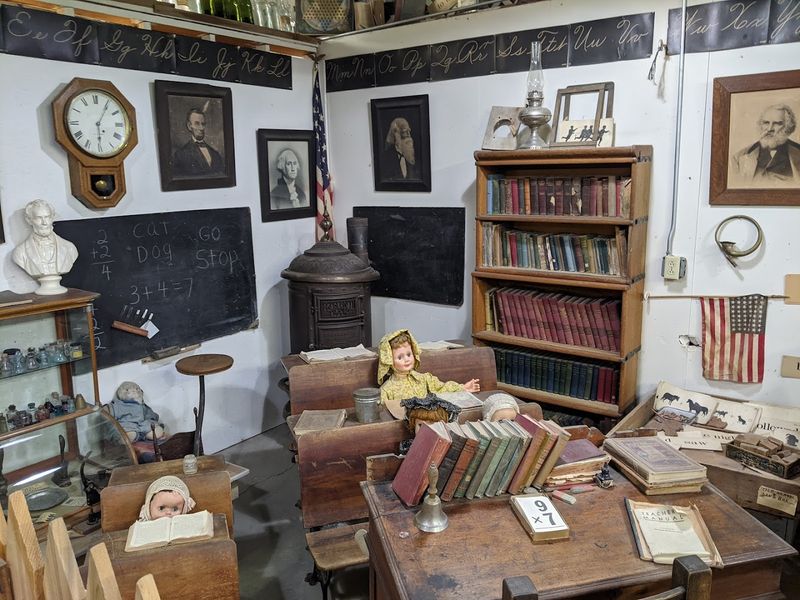
The museum expanded from its original four rooms into more than 50 rooms across multiple buildings, each one themed and packed with objects that range from everyday pioneer household items to rare frontier-era tools. Visitors consistently report spending three to four hours exploring and still feeling like they missed things.
Part of what makes each room so engaging is the sheer density of the collections. Where another museum might display one example of a particular item, this one might have 50 or a hundred, arranged in ways that feel curated rather than cluttered.
The guided tour experience means you are not wandering alone through unlabeled rooms. The current owners and their family members walk alongside visitors, sharing the stories behind individual pieces and explaining how each item connects to the broader history of Idaho and the American West.
The Replica 1860s Western Town Inside the Museum
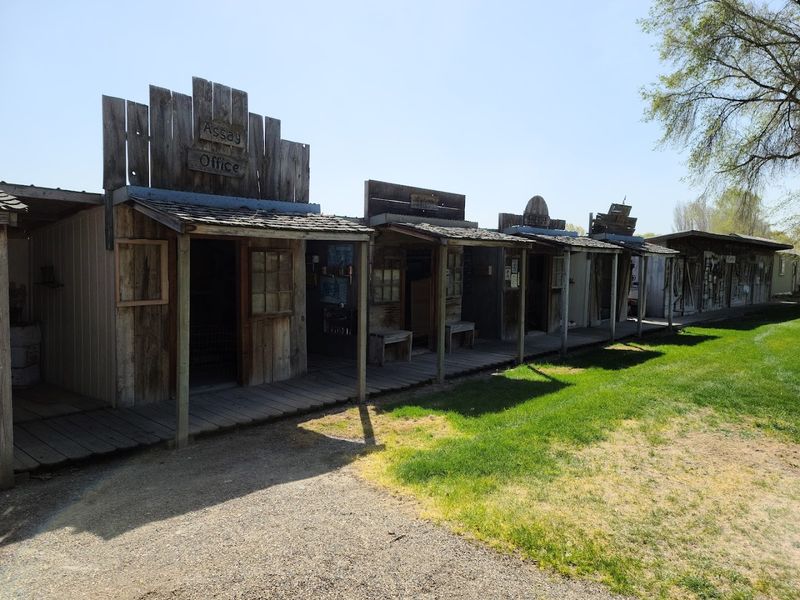
One of the most jaw-dropping sections of the museum is a full replica of an 1860s Western town built entirely inside one of the buildings. Complete with period storefronts and authentic props, it gives visitors the feeling of walking through a frontier settlement without leaving southern Idaho.
The Silver City Schoolhouse Museum collection is also part of the exhibits here, which adds a direct connection to one of Idaho’s most storied ghost towns. Silver City was once a booming mining community in Owyhee County, and the artifacts from that era carry real historical weight.
The attention to detail in the Western town replica is what sets it apart from typical diorama-style displays. These are not reproductions made for a theme park.
Many of the objects inside are genuine period pieces that were actually used by people living in Idaho during the 1860s and 1870s.
Seeing it all assembled in one space creates an effect that photographs cannot fully capture, which is reason enough to make the trip yourself.
A Silver Mine, a Soda Fountain, and a Christmas Building
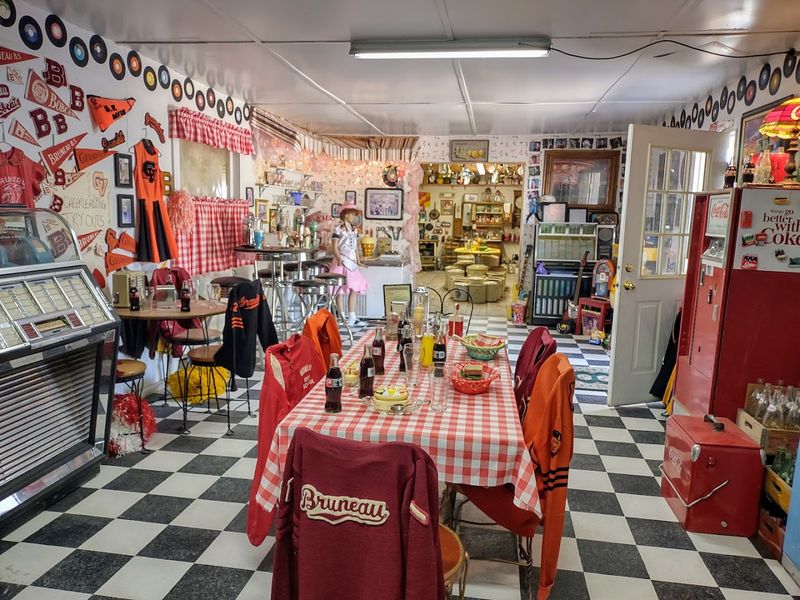
The variety of themed spaces at this museum is genuinely hard to summarize in a single paragraph, which is part of what makes a visit so engaging. A reproduction of a silver mine sits alongside a room dedicated entirely to a 1950s aesthetic, complete with period furnishings and cultural artifacts from that decade.
The old-time soda fountain is one of those displays that stops people in their tracks. It is the kind of setup you might expect to find in a lovingly restored small-town diner, not tucked inside a rural Idaho museum.
There is also a dedicated Christmas building, which visitors encounter as a surprise rather than a centerpiece. The doll room and the Native American room each offer their own distinct atmosphere and historical context, making the transition between spaces feel like flipping through very different chapters of American history.
A train station with running model trains adds a kinetic energy to the experience, and the 1910 Rockaway Carriage is one of the standout individual pieces that draws attention from visitors of every age.
7,000 Bottles and Glass Turned Purple by the Sun
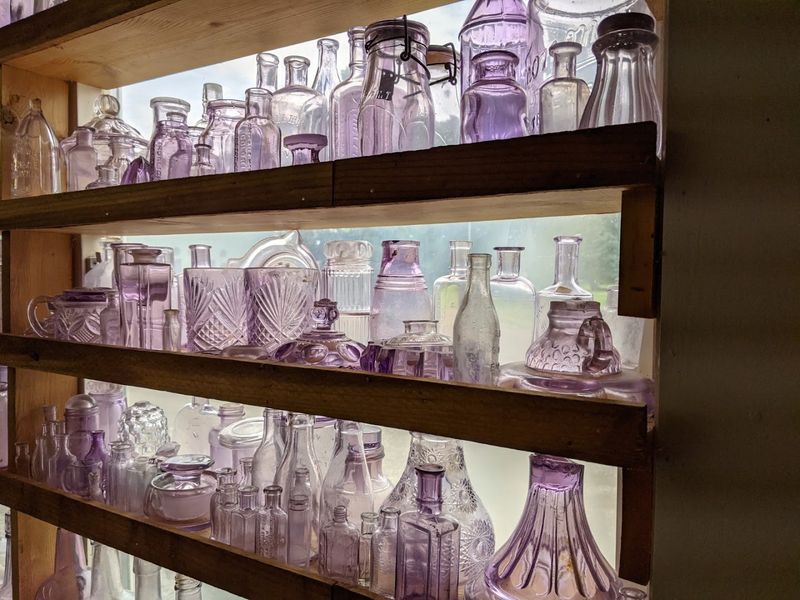
Among the many unexpected highlights tucked throughout the museum, the bottle collection stands out as one of the most visually striking. Over 7,000 bottles are on display, gathered over decades from across the region, and the sheer scale of it is something you have to see to fully appreciate.
Some of the glassware has turned a distinctive purple color from prolonged exposure to sunlight, a natural chemical reaction that occurs in older glass containing manganese. This purple-tinted glass is considered highly collectible, and the museum has an impressive quantity of it.
Each bottle tells a small story about the commercial and domestic life of early Idaho settlers. Medicine bottles, food containers, and specialty glass pieces from the late 1800s sit alongside one another in arrangements that feel almost artistic in their density and variety.
It is the kind of collection that a serious antique enthusiast could spend an entire afternoon studying, but even a casual visitor finds it fascinating simply because of how beautiful the purple glass looks when light passes through it.
Preserving a One-of-a-Kind Collection
After the Lawsons built this collection over five decades, passing it to the right people mattered enormously. The Florian family, who now own and operate the museum, have embraced that responsibility with visible enthusiasm and genuine affection for the collection.
Current operators Jessica and Ed lead tours personally, sharing the context and stories behind the artifacts with the kind of detail that only comes from people who have taken real time to learn the material. Family members including younger guides have also become part of the visitor experience, making the tours feel warm and personalized.
The transition to new ownership has not diminished the spirit of the place. Visitors who came during the Lawson years and have returned under the Florian family consistently note that the care and passion feel unchanged.
That continuity matters for a collection this size and this personal. The stories attached to individual objects are part of what makes them meaningful, and the Florian family has made preserving those stories a clear priority from the moment they took over.
What Idaho Public Television Noticed About This Place
Word about this museum has been spreading through the kind of quiet, enthusiastic recommendations that no advertising budget can buy. In March 2024, Idaho Public Television featured the museum on its “Idaho Experience” program as part of a “Hidden Gems” segment, which introduced the collection to a much wider audience across the state.
That kind of recognition from a public media outlet is not something that happens to every small rural museum. It reflects the genuine historical significance of what the Lawsons assembled and what the Florian family continues to maintain.
The museum holds a perfect five-star rating across 67 reviews on Google, which is a rare achievement for any business and even more remarkable for a place that does not have the marketing infrastructure of a major cultural institution.
The reviews consistently describe the experience as unlike any other museum visit, with visitors returning multiple times and still discovering new things. That kind of lasting impression is exactly what the Idaho Public Television feature was responding to when it chose this spot for its hidden gems program.
Practical Tips for Planning Your Visit
A few practical details will make your trip run much more smoothly, starting with the payment situation. The museum currently requests cash or check due to limited rural internet connectivity, so stop at an ATM before you leave Boise or Mountain Home.
The museum is open Wednesday through Saturday from 10 AM to 5 PM, and it is closed Sunday through Tuesday. Arriving earlier in the day gives you the best chance of having enough time to explore everything without feeling rushed.
Most visitors recommend budgeting at least two to three hours, and those who want to take their time with every room should plan for four hours or a full day. Bringing a packed lunch is a genuinely good idea, since the picnic grounds are pleasant and there are limited dining options in the immediate area.
The museum website is www.emuzum.com, and the phone number is 208-834-2397 if you want to confirm hours or ask about group visits before making the drive out from the Boise area.
Why This Museum Stays With You Long After You Leave
There is a particular kind of museum that feels like it was built entirely out of love rather than budget, and this is that kind of museum. Every room reflects decades of deliberate collecting, careful arrangement, and genuine pride in the history of a region that often gets overlooked in bigger Idaho narratives.
The objects here are not curated to impress academics or satisfy grant requirements. They were gathered because one family found them worth saving, and the result is a collection that feels honest in a way that polished institutional museums sometimes do not.
Visitors who came as children and returned as adults describe the experience with a kind of fondness that is hard to manufacture. The museum earns that response because it does not try to be anything other than exactly what it is.
If you are anywhere within a reasonable drive of Grand View, Idaho, putting this on your itinerary is one of those decisions that you will look back on as one of the best small adventures you gave yourself on a road trip through the American West.
Share this story