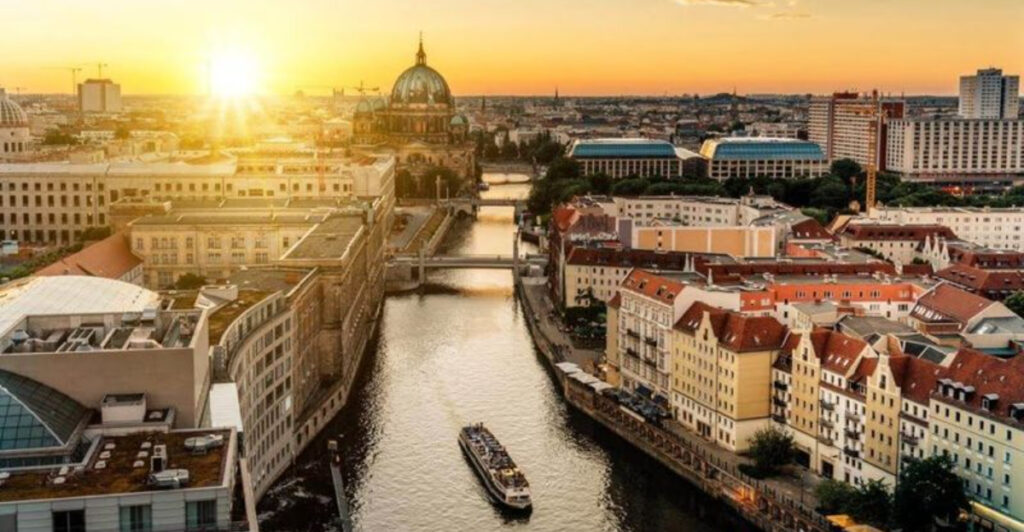
Europe has long been a dream destination for people looking to start fresh, work remotely, retire in style, or simply experience a better quality of life. From sun-soaked Mediterranean coastlines to buzzing northern tech hubs, the continent offers something for nearly every type of expat.
Whether you care most about safety, affordable living, great food, or career opportunities, Europe has a city with your name on it. Here are ten countries and cities leading the way in 2026.
Portugal — Lisbon
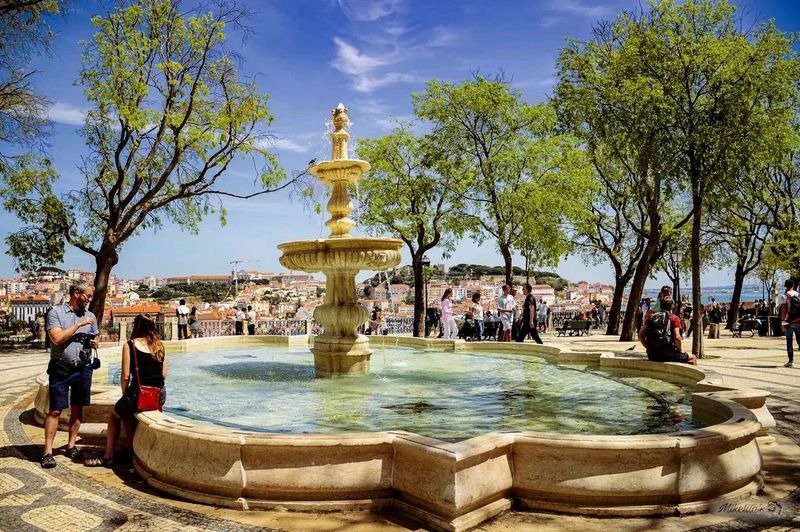
Lisbon might just be the most charming capital city you have never thought about calling home. Cobblestone streets, pastel-colored buildings, and ocean breezes greet you every morning.
It feels like a postcard that somehow also has fast WiFi.
Expats consistently rank Lisbon near the top for safety, affordability, and ease of settling in. Portugal’s Golden Visa and Digital Nomad Visa programs have opened the door for thousands of international newcomers.
Healthcare here is both high quality and accessible, even for those arriving without a local employer.
The local food scene is a serious bonus. Fresh seafood, custard tarts, and excellent local wine make everyday meals feel like a celebration.
The city’s expat community is large and welcoming, so finding your crowd does not take long. English is widely spoken in cafes, coworking spaces, and government offices, which removes a huge layer of stress for new arrivals.
Lisbon rewards those who take the leap.
Netherlands — Amsterdam
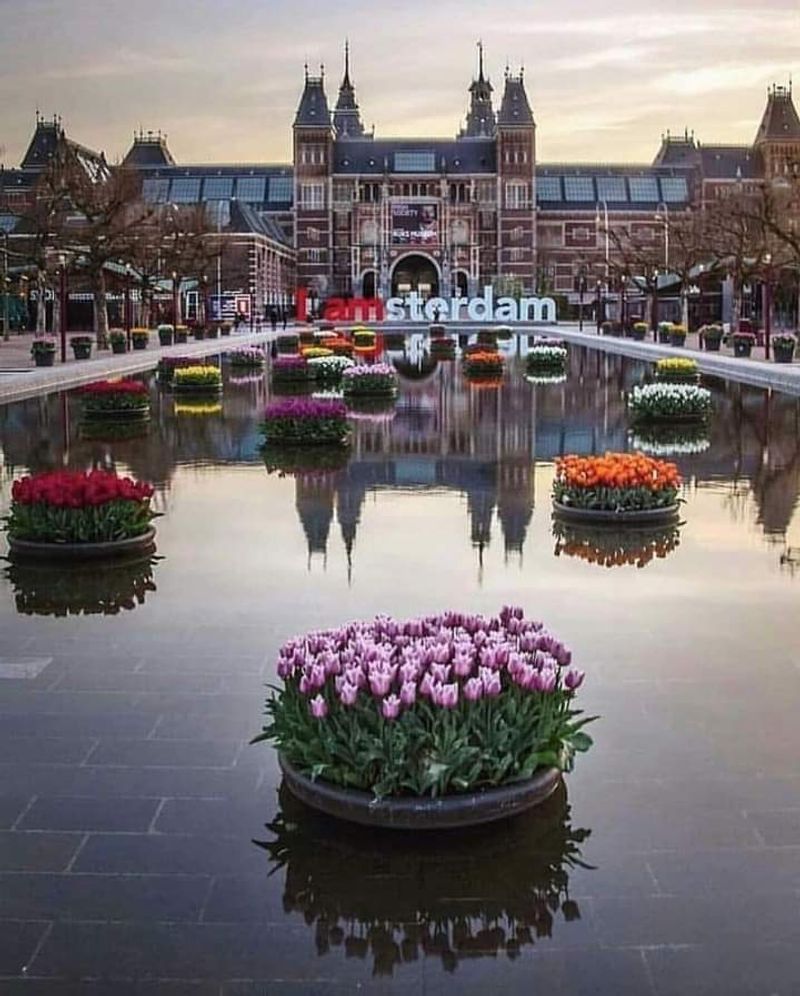
Amsterdam runs on bicycles, ambition, and a refreshingly practical attitude toward life. The city moves at its own confident pace, and expats tend to fall in love with it almost immediately.
There is a reason it keeps appearing near the top of global liveability rankings.
English proficiency in Amsterdam is among the highest of any non-English-speaking city in the world. That alone makes daily life significantly easier for international arrivals.
Add a world-class healthcare system and a booming job market, particularly in tech and finance, and the appeal becomes obvious.
Housing costs have risen in recent years, which is worth factoring into any budget. However, many expats find that high salaries and generous employee benefits help offset the expense.
The city’s international community is enormous, making it easy to connect with people from your home country or build an entirely new social circle. Public transport is reliable, cycling infrastructure is exceptional, and the cultural calendar never runs dry.
Amsterdam is not just a city you live in. It is a city that lives with you.
Spain — Barcelona
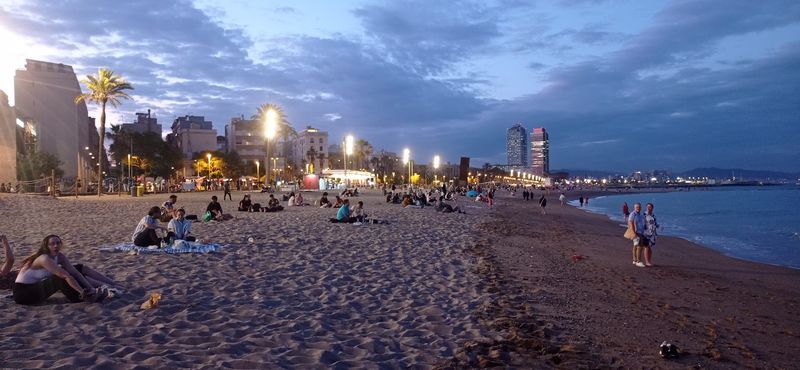
Warm weather in January, beaches within cycling distance, and tapas that cost less than a coffee back home. Barcelona has a way of making everyday life feel like a reward.
It is no surprise that remote workers and entrepreneurs keep choosing it over pricier European alternatives.
The city blends a relaxed Mediterranean pace with genuine urban energy. A thriving startup scene and a growing network of coworking spaces make it practical for professionals who want productivity without sacrificing lifestyle.
Barcelona also benefits from excellent international transport links, making it easy to travel for work or leisure.
Living costs sit below those of London, Paris, or Zurich, though they have climbed steadily in popular expat neighborhoods. Learning some Spanish or Catalan goes a long way in daily interactions, and locals genuinely appreciate the effort.
The food markets, festivals, and outdoor lifestyle create a quality of life that is hard to replicate elsewhere. Barcelona has a buzzing international community, so loneliness is rarely on the agenda.
For those who want sun, culture, and career opportunity all at once, this city delivers on every count.
Austria — Vienna
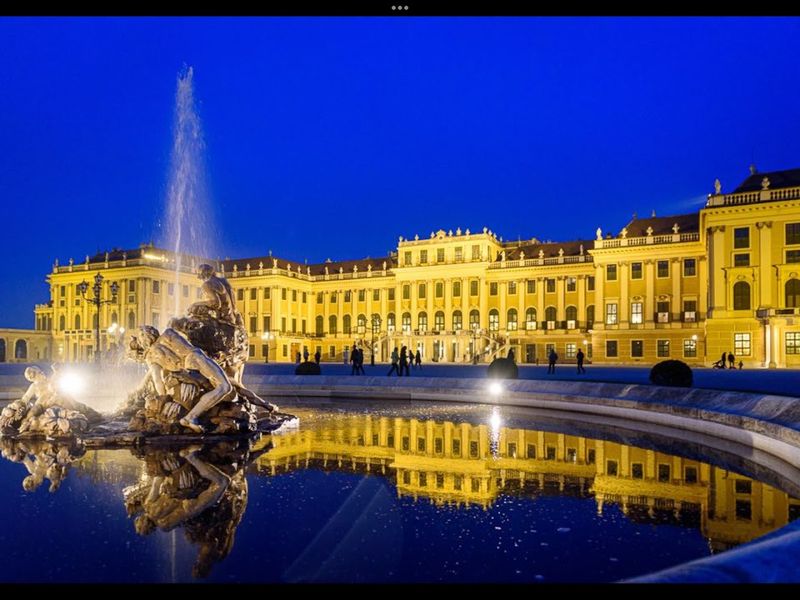
Vienna has been voted the world’s most livable city so many times that it almost seems unfair to the competition. Imperial architecture, world-class museums, and a public transport system so good it makes other cities look embarrassed.
Families and retirees in particular find this city hard to resist.
Healthcare in Vienna is outstanding by any global standard, and the city’s safety record is consistently excellent. Public services run with a level of efficiency that expats from more chaotic cities find genuinely surprising.
The cost of living is moderate by Western European standards, sitting comfortably below Zurich or London.
German is the official language, and while many Viennese speak English well, learning basic German will significantly improve your daily experience. The cultural calendar is packed year-round with opera, concerts, art exhibitions, and seasonal markets that feel nothing short of magical.
Vienna also sits at the geographic heart of Europe, making weekend travel to neighboring countries simple and affordable. For expats who value stability, beauty, and a high standard of public life, Vienna delivers a lifestyle that few cities anywhere in the world can genuinely match.
Denmark — Copenhagen
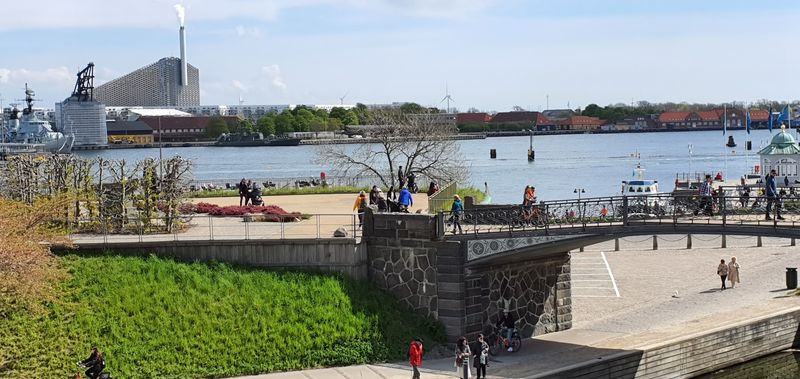
Copenhagen is the kind of city where people actually leave work on time, and nobody thinks that is unusual. Work-life balance is not a buzzword here.
It is a cultural expectation built into how the entire society operates.
Safety ratings in Copenhagen are among the highest in Europe, and the education system is genuinely world-class. Bike lanes are everywhere and used by everyone, from schoolchildren to executives.
The city’s infrastructure is modern, clean, and impressively well maintained. English proficiency is extremely high, so settling in without Danish language skills is entirely manageable, at least in the short term.
The honest part? Copenhagen is expensive.
Rent, groceries, dining out, and taxes are all on the higher end of the European scale. Many expats are genuinely surprised by their first utility bill.
However, those who stay consistently report that the quality of what they receive in return makes it worthwhile. Strong social services, clean public spaces, reliable healthcare, and a culture that genuinely values personal wellbeing all contribute to a life that feels balanced and secure.
For expats who prioritize happiness over hustle, Copenhagen is a very serious contender.
Germany — Berlin
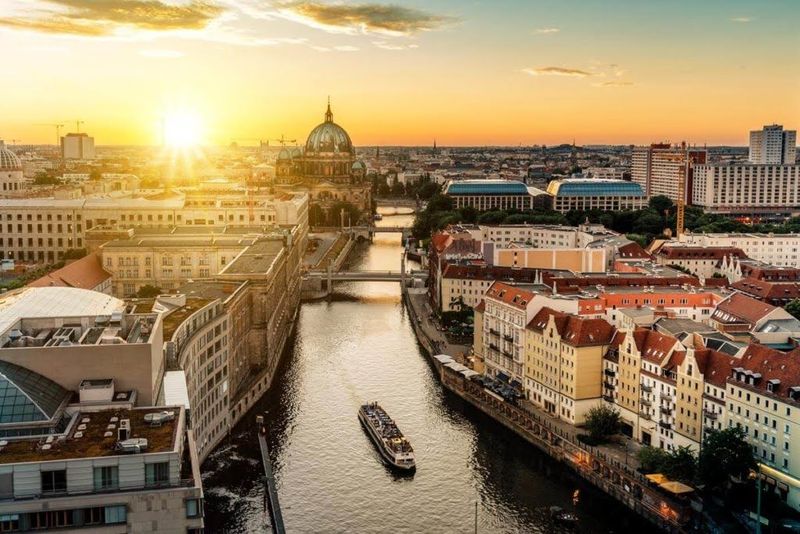
Berlin does not do boring. The city has reinvented itself multiple times over the past century, and its current identity as a tech and creative powerhouse is its most exciting chapter yet.
Expats arrive expecting a city and stay because they find a community.
The tech sector in Berlin is one of the fastest growing in Europe, attracting startups and established companies alike. Salaries in the industry are competitive, and the cost of living remains notably lower than in comparable capitals like London or Paris.
That combination is genuinely rare, and expats in the know have been taking advantage of it for years.
Berlin’s cultural scene is relentless in the best possible way. Art galleries, music venues, international food markets, and a nightlife reputation that precedes itself by several time zones all contribute to a city that rarely feels dull.
German bureaucracy can be a challenge, and learning at least basic German will make the paperwork significantly less painful. However, the international community is enormous and well-organized, with plenty of networks and groups to help newcomers find their footing.
Berlin rewards the curious and the ambitious equally well.
Switzerland — Zurich
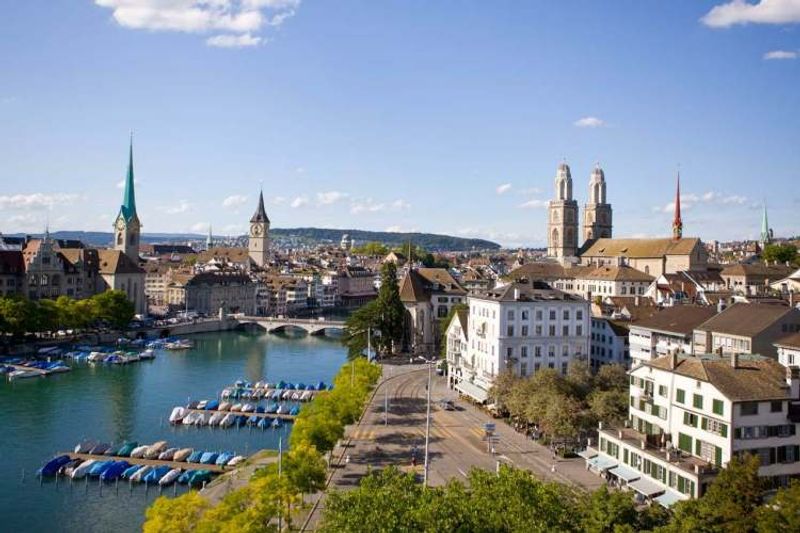
Zurich is the city where the trains run on time, the tap water is drinkable, and the salary in your bank account actually reflects the work you put in. It is precise, polished, and quietly impressive in a way that takes most expats a few weeks to fully appreciate.
Salaries in Zurich are among the highest in Europe, particularly in finance, pharmaceuticals, and technology. Public services are exceptional across the board, from healthcare to waste management to public transport.
Safety is a given rather than a selling point, and the natural environment surrounding the city is stunning in every season.
The elephant in the room is cost. Zurich is consistently ranked among the most expensive cities in the world, and that label is earned.
Rent, dining, and everyday groceries will require a serious adjustment to your budget expectations. That said, most expats working in well-compensated fields find their purchasing power remains strong.
German is the primary language, and while English gets you far in professional settings, learning German will open up social opportunities that are otherwise hard to access. For those who can afford it, Zurich offers a standard of living that is genuinely difficult to fault.
Finland — Helsinki
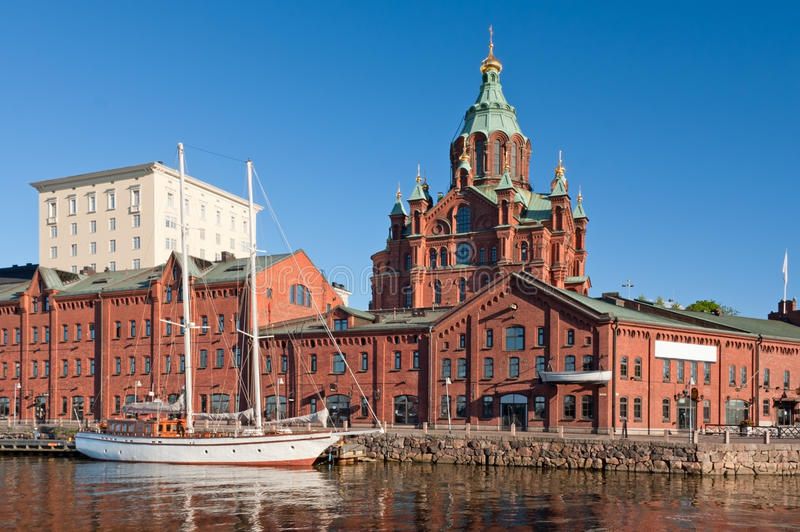
Finland has been ranked the happiest country in the world multiple years running, and Helsinki is where much of that contentment plays out in daily life. Clean air, quiet streets, and a city that simply works are not small things when you are building a new life abroad.
English proficiency in Helsinki is remarkably high, making it one of the more accessible non-English-speaking capitals for newly arrived expats. Digital infrastructure is world-class, which matters enormously for remote workers and tech professionals.
Public services are efficient, transparent, and delivered without the bureaucratic frustration that plagues many other European capitals.
The winters deserve an honest mention. They are long, dark, and cold, and some expats genuinely struggle with the reduced daylight hours between November and February.
However, the Finnish approach to winter, think saunas, outdoor activities, and a cultural embrace of the season rather than resistance to it, helps enormously. Summer in Helsinki is spectacular, with long daylight hours and a city that comes fully alive outdoors.
The expat community is growing steadily, and Finland’s various residency pathways have become increasingly attractive to international professionals seeking stability and quality of life in equal measure.
Spain — Valencia
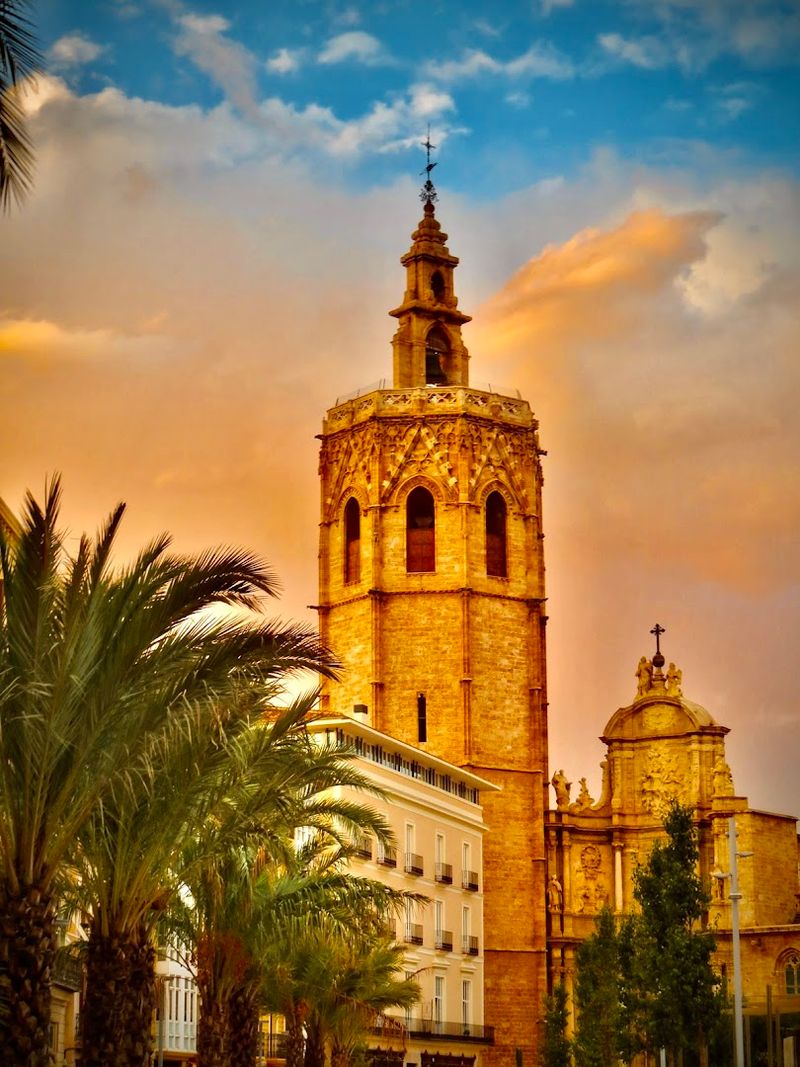
Valencia is Barcelona’s more relaxed, less crowded, and considerably more affordable sibling, and expats who discover it often wonder why they did not come here first. The beaches are excellent, the weather is outstanding for most of the year, and the paella is, quite genuinely, the best you will ever eat.
Living costs in Valencia sit well below those of Madrid or Barcelona, making it a smart financial choice for retirees, digital nomads, and anyone stretching a remote income. Monthly rent for a comfortable apartment in a central neighborhood is a fraction of what the same space would cost in other major Spanish cities.
Healthcare access is solid, public transport is reliable, and the city has invested heavily in modern infrastructure.
The international community in Valencia has grown rapidly over the past several years. Coworking spaces, expat meetups, and international schools have all expanded to meet the demand.
Spanish is important here in a way that differs from more tourist-heavy cities, so putting effort into language learning will pay off quickly in both social and practical situations. Valencia is the kind of place where life slows down just enough to actually enjoy it, without ever feeling like things have stopped moving.
Portugal — Porto
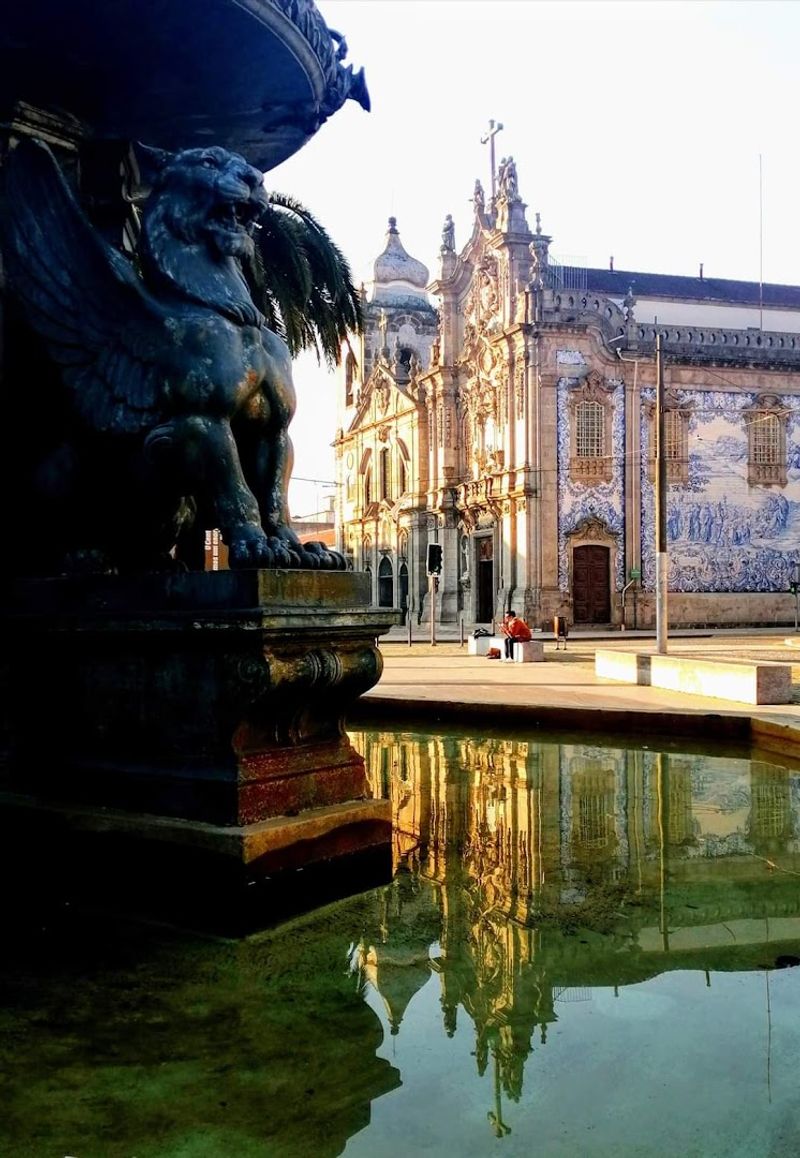
Porto has a personality that Lisbon’s trendier reputation sometimes overshadows, but those who spend time here quickly understand what all the quiet fuss is about. Narrow streets, dramatic river views, port wine caves, and a genuinely warm local culture make it one of Europe’s most livable cities for expats on a budget.
Affordability is Porto’s headline advantage. Rent, food, and daily expenses all come in noticeably lower than in Lisbon, while the quality of life remains impressively high.
Safety ratings are excellent, healthcare is accessible, and the city’s infrastructure has improved significantly over the past decade thanks to sustained investment.
Porto’s international community has expanded quickly, bringing new restaurants, coworking spaces, and cultural events along with it. The city is compact enough to navigate easily but large enough to offer genuine variety in neighborhoods, dining, and social life.
Portugal’s residency and digital nomad visa options apply here just as they do in Lisbon, giving Porto an added layer of practical appeal for international arrivals. The food and wine culture alone could justify the move.
Factor in the Atlantic coast beaches within easy reach, and Porto starts to look less like a compromise and more like an upgrade.
Share this story