There is a place in Illinois where Hollywood history and real American history share the same crumbling stone walls. A correctional facility that opened its doors in 1858 and did not close them until 2002 has become one of the most fascinating tourist spots in the Midwest.
Fans of classic movies and binge-worthy TV shows recognize it instantly, but the story goes much deeper than any screenplay. The layers of history packed inside those limestone walls are enough to keep any curious visitor busy for hours, and the atmosphere alone is unlike anything you will find at a typical museum or historic site.
A Historic Address on Collins Street
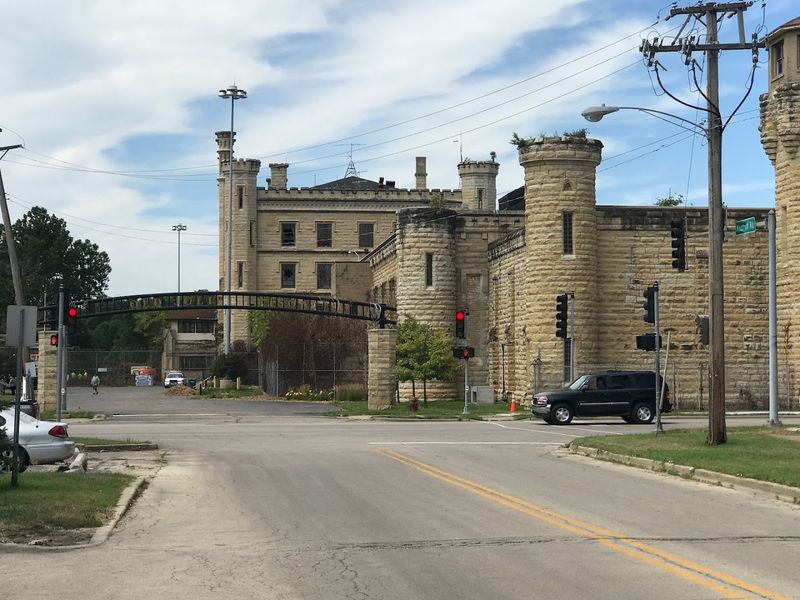
The address is 1125 Collins St, Joliet, IL 60432, and the moment you pull up to those towering limestone walls, you understand why people drive from several states away just to stand here.
Old Joliet Prison sits in Joliet, Illinois, about 30 miles southwest of Chicago, and it carries a presence that is hard to put into words.
The structure was built in 1858, making it one of the oldest correctional facilities in the United States, and every stone seems to hold a different chapter of American history.
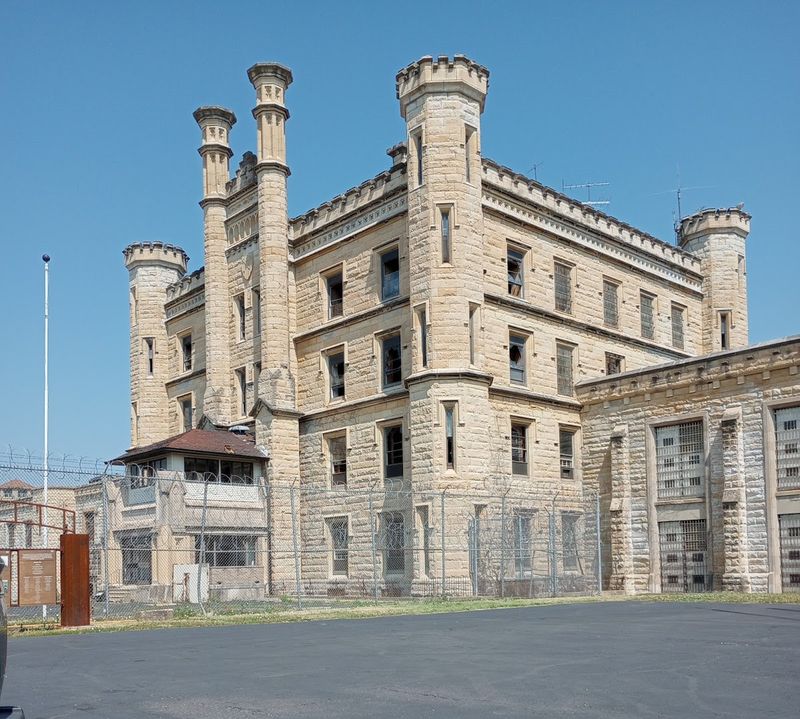
The Gothic-style architecture gives the exterior an almost theatrical quality, with turrets and arched entryways that look more like a medieval fortress than a correctional facility.
The prison operated for 144 years before finally closing in 2002, and in that time it witnessed some of the most dramatic moments in Illinois criminal justice history.
Today it is open to the public Tuesday through Sunday from 10 AM to 4 PM, with a phone number of +1 312-978-1282 and a full website at https://www.jolietprison.org/ for anyone planning a visit.
Seeing it in person hits differently than any photograph can prepare you for.
Built in 1858: The Origins of a Legendary Institution
Few correctional facilities in the United States can trace their roots back to the years before the Civil War, but this one can.
Construction on the prison began using limestone quarried by the very inmates who would later be held there, which gives the building a deeply ironic foundation that historians still talk about today.
The facility was designed by William W. Boyington, the same architect responsible for the Chicago Water Tower, one of the few downtown Chicago structures to survive the Great Fire of 1871.
That architectural pedigree alone makes Old Joliet Prison worth studying, because Boyington brought the same Gothic Revival sensibility to both projects.
When the prison first opened, it was considered a model of modern correctional design, with the goal of rehabilitation through hard labor rather than pure punishment.
Over the following decades, that philosophy would shift dramatically as the population grew and conditions inside the walls became far more severe.
The 1858 origins are not just a date on a plaque; they represent the starting point of a story that unfolded across nearly a century and a half of American life.
The Blues Brothers Connection That Made It Famous
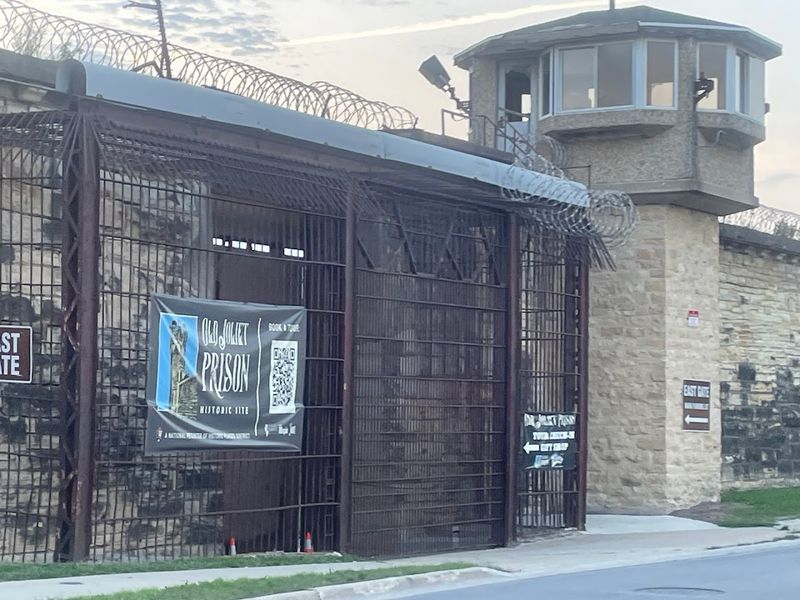
The 1980 John Landis film The Blues Brothers put Old Joliet Prison on the pop culture map in a way that no amount of history books ever could.
The opening scene of the movie shows Jake Blues, played by John Belushi, walking out through the prison gates after serving his sentence, and that image became one of the most recognizable moments in comedy film history.
Visitors who grew up watching that film often describe their first visit to the prison as a full-circle moment, because the gates look almost exactly the same as they did during filming.
The connection runs so deep that the prison hosted a Blues Brothers convention in 2022, drawing fans from around the world who came specifically to stand where Jake and Elwood began their mission.
Merchandise in the gift shop celebrates the film heavily, and staff members are well-prepared to answer every Blues Brothers question you can throw at them.
The prison has leaned into this identity with pride, hosting outdoor screenings of the movie on the grounds, including one for the film’s 45th anniversary that drew crowds with lawn chairs and food trucks.
It is the kind of pop culture connection that feels genuinely earned rather than manufactured.
Prison Break Filmed Right Here on These Grounds
Long before streaming made binge-watching a national pastime, the Fox television series Prison Break was turning Old Joliet Prison into one of the most recognizable TV locations in the world.
The show, which premiered in 2005, used the prison as its primary filming location for the fictional Fox River State Penitentiary, and the match between the real building and the on-screen drama was nearly perfect.
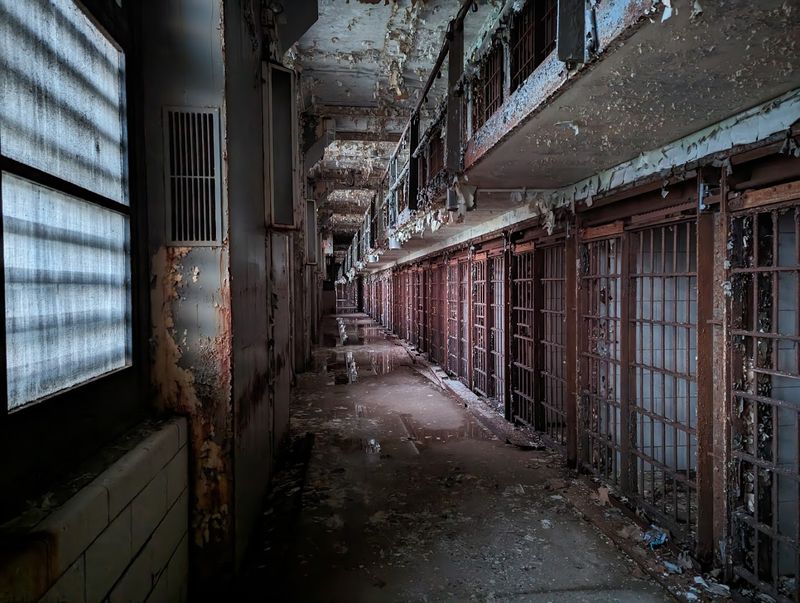
Fans of the series recognize the cell blocks, the yard, and the corridors instantly, which adds a completely different layer of excitement to the self-guided tour.
Unfortunately, some of the buildings featured most prominently in the show were damaged by fires set by trespassers before the prison was fully secured for tourism, and those losses are genuinely felt by fans who make the trip.
Still, what remains is substantial, and the west cell block with its original cells is open for viewing and delivers exactly the atmosphere that made the show so gripping.
The crossover between Blues Brothers fans and Prison Break fans creates a surprisingly diverse crowd of visitors, all finding their own reasons to love the same crumbling limestone walls.
History and Hollywood really do share the same zip code here.
The Self-Guided Tour Experience
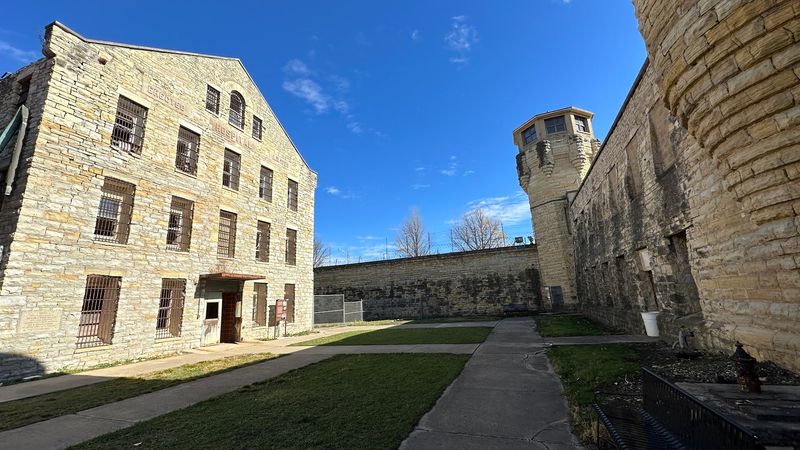
Most visitors come expecting a traditional guided tour and are pleasantly surprised to find that the self-guided format actually suits this place better than a rigid group experience would.
At the welcome center, staff hand you a map and point you toward the recommended route, which takes you through the various buildings, yards, and cell blocks at your own pace.
Informative signs posted at each building explain what that structure was used for, which fills in the context that a silent walk through ruins might otherwise miss.
Roaming staff members on golf carts are available throughout the grounds and are genuinely knowledgeable, so if a sign sparks a question, you will not have to wonder for long.
Most visitors spend between 90 minutes and two and a half hours exploring, depending on how deeply they engage with the signage and how many questions they ask along the way.
The grounds are largely outdoor, so comfortable shoes and a water bottle are practical necessities, especially on humid summer days when the stone walls trap heat in surprising ways.
There is a freedom to this kind of self-directed exploration that turns a history lesson into something closer to a personal discovery.
Inside the Cell Blocks: What You Actually See
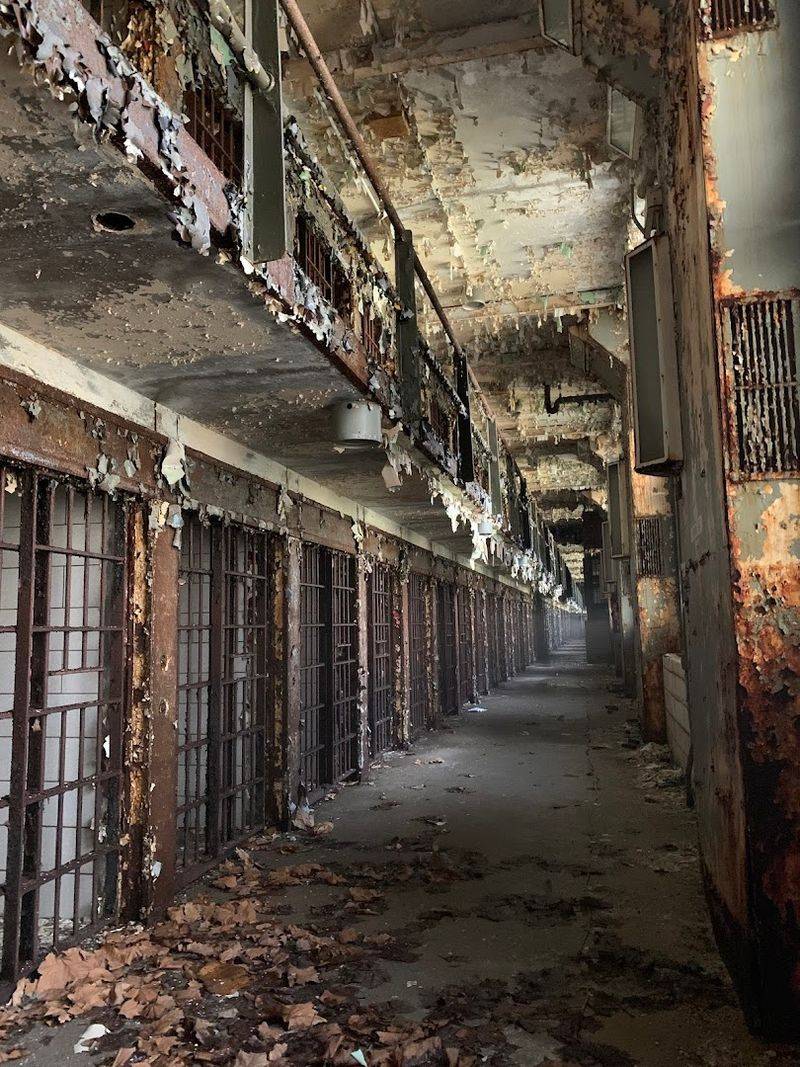
Nothing quite prepares you for the scale of the cell blocks until you are actually standing inside one.
The west cell house is one of the most accessible areas on the tour, and it contains original cells that visitors can peer into and in some cases enter, which gives a visceral sense of how confined daily life was for the men held here.
The ceilings are high, the light filters in at odd angles through barred windows, and the combination of rust, peeling paint, and weathered concrete creates an atmosphere that feels genuinely historic rather than staged.
Solitary confinement areas are among the most sobering stops on the route, where the small size of the isolation cells makes the reality of that punishment land with full weight.
Signs throughout the cell blocks provide context about daily routines, population numbers, and the conditions inmates faced during different eras of the prison’s operation.
Former correctional officers have visited the site and described the experience as an emotional return to a place that shaped a significant chapter of their professional lives.
Every cell door, every rusted hinge, and every scratched wall tells a story that no exhibit at a conventional history museum could replicate with the same raw honesty.
The Architecture That Stops You Mid-Step
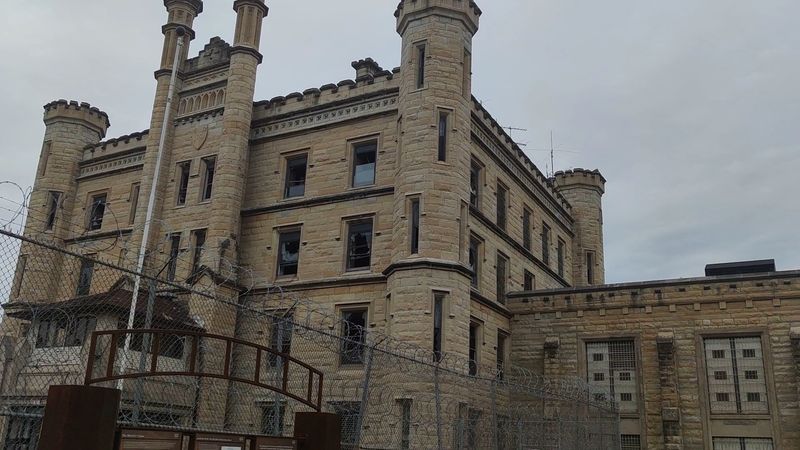
William W. Boyington built something that was meant to intimidate, and more than 160 years later, it still does the job without any effort at all.
The Gothic Revival design features thick limestone walls, pointed arch windows, and castellated towers that give the entire complex a weight and permanence that modern buildings rarely achieve.
That limestone was quarried on-site by inmates, which means the very people confined within these walls were also responsible for building them, a historical detail that adds a complicated layer to every stone you look at.
The scale of the structure only becomes fully apparent once you are inside the walls and can look back at the perimeter from the interior yard, where the height and thickness of the construction become genuinely impressive.
Photographers find the prison endlessly rewarding because the interplay of light, decay, and architectural detail creates compositions that look almost too dramatic to be real.
Several buildings within the complex have suffered fire damage from trespassers who accessed the site before restoration efforts secured the grounds, and those burned structures add a haunting visual contrast to the intact limestone.
The architecture alone would justify a visit even if the prison had never appeared in a single film or television show.
Special Events and Nighttime Tours
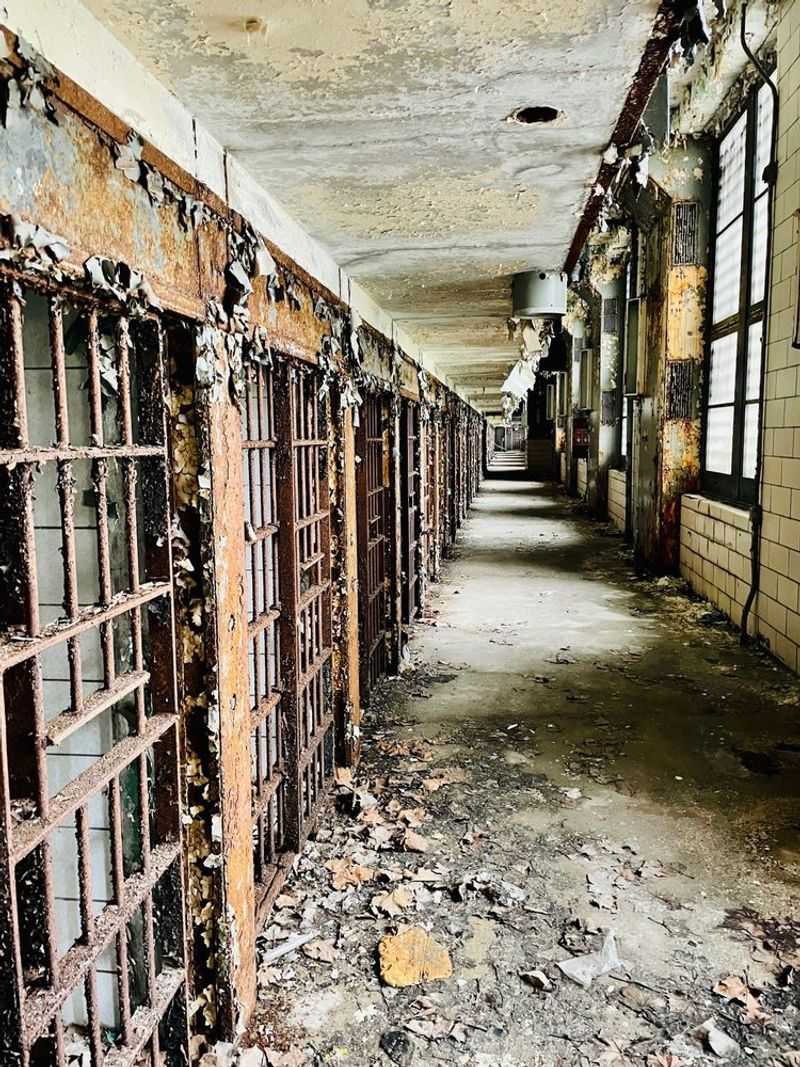
Daytime visits are compelling enough, but the nighttime flashlight tours transform the experience into something that operates on a completely different emotional frequency.
Small groups move through the darkened cell blocks with only flashlights to guide them, and the combination of near-total darkness, echoing footsteps, and the history pressing in from all sides makes for a tour that is equal parts educational and genuinely unsettling.
Knowledgeable staff members accompany these evening sessions and share stories that do not always make it onto the daytime signage, adding depth and detail that reward visitors who come back for a second experience.
Outdoor movie screenings have become a popular recurring event at the prison, with the Blues Brothers film being a natural choice given the location’s starring role in that movie.
The 45th anniversary screening drew visitors who brought lawn chairs and blankets and settled in on the prison grounds for a viewing experience that no multiplex could replicate.
The prison also hosts themed events around holidays and anniversaries, so checking the website before your visit is worth the few minutes it takes, because the calendar often holds surprises.
An event-driven visit adds a social dimension to the history that a solo self-guided tour simply cannot match.
Route 66 Connection and Regional Context
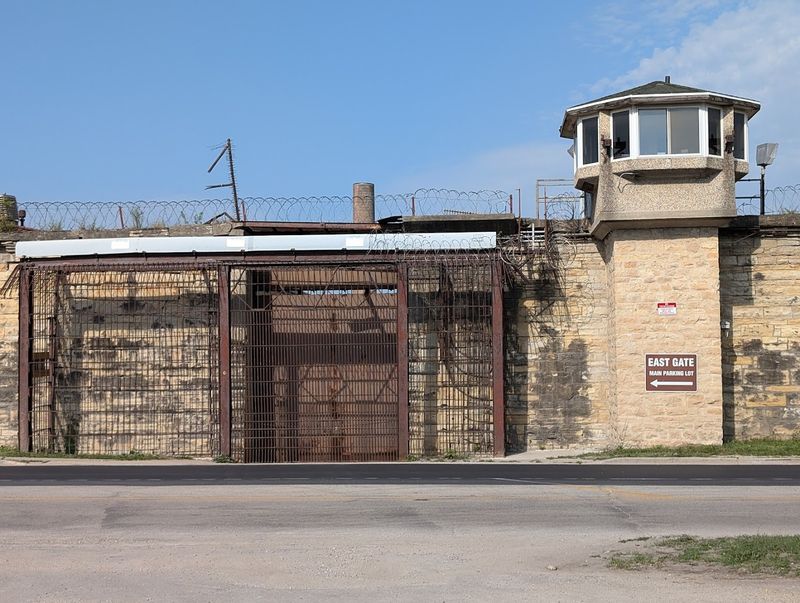
Old Joliet Prison sits along one of the most storied road trips in American history, and that context makes the stop feel like more than just a standalone attraction.
Joliet is part of the historic Route 66 corridor, the legendary highway that runs from Chicago to Santa Monica, California, and visitors driving the route often include the prison as a highlight of the Illinois leg.
The combination of Route 66 nostalgia and the prison’s own deep history creates a layered travel experience that appeals to people who are interested in the broader story of 20th-century America.
Several reviews from visitors describe discovering the prison while on a Route 66 road trip, and the stop consistently ranks as one of the most memorable along the entire stretch of highway.
Joliet itself has other attractions worth exploring, including the Rialto Square Theatre and the city’s connection to NASCAR racing, so the prison fits naturally into a fuller day of exploration in the area.
The drive from Chicago takes roughly 30 to 45 minutes depending on traffic, making it an easy day trip from the city without requiring an overnight stay.
Few road trips in America offer a detour this historically rich at such a reasonable distance from a major metropolitan hub.
Admission, Pricing, and What to Expect at the Gate
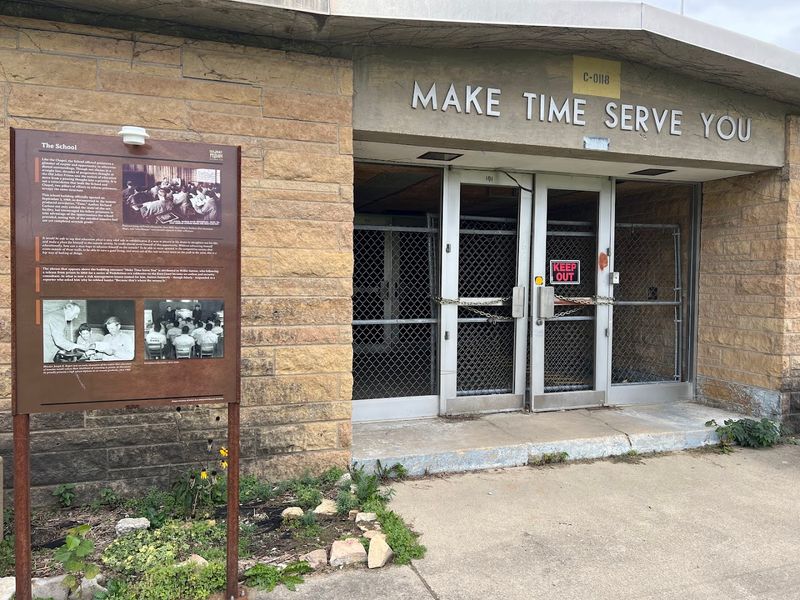
The cost of admission is one of the most pleasant surprises the prison has to offer, especially given how much ground you cover during a full visit.
Adult tickets run approximately $22, while tickets for children come in around $11, making it an accessible outing for families, couples, and solo travelers alike without requiring any serious budget planning.
The welcome center is where the experience officially begins, and the staff at the front desk set a friendly and informative tone from the moment you walk in.
A reservation system is in place, though it is not always strictly required for standard daytime visits, and arriving with a booking in hand tends to smooth the entry process considerably.
The welcome center also houses the gift shop, where Blues Brothers merchandise sits alongside prison-themed souvenirs and educational materials about the facility’s history.
Opinions on the gift shop are mixed among visitors, with some finding it well-stocked and others wishing for a broader selection, but the basics are covered for anyone looking to bring home a memento.
Opening hours run from 10 AM to 4 PM every day of the week, so there is no complicated schedule to memorize before planning your trip.
The Ongoing Restoration Efforts
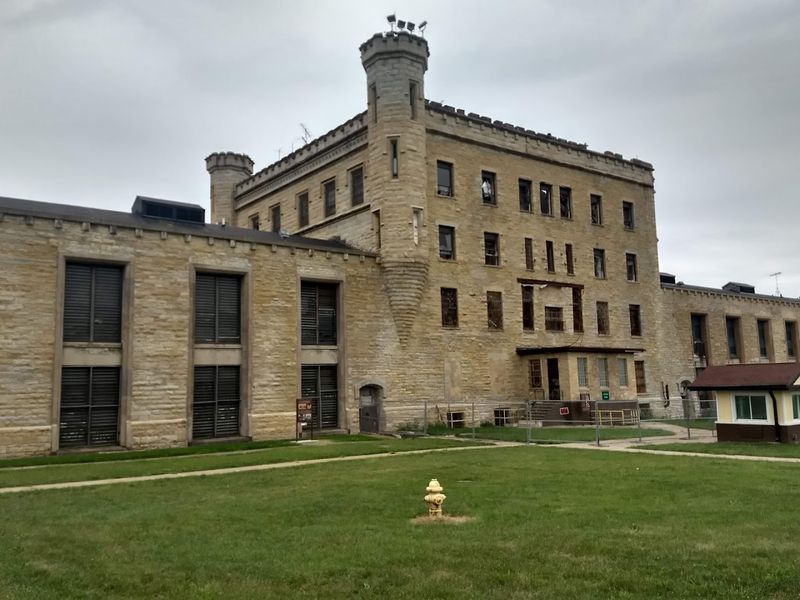
Preserving a 19th-century correctional facility is not a small undertaking, and the team behind Old Joliet Prison’s restoration deserves real credit for how far the project has come.
Visitors who attended the Blues Brothers convention in 2022 noted that many areas were still off-limits to the public, and those same visitors returning just a year or two later found significantly more of the complex open and accessible.
The pace of restoration reflects both the scale of the challenge and the genuine commitment of the people working to save these buildings from further deterioration.
Some structures suffered serious damage from fires set by trespassers before the site was properly secured, and the work to stabilize those areas has been ongoing alongside the broader restoration of intact buildings.
Signage throughout the grounds documents the transformation with before-and-after photographs and explanations of the techniques being used to preserve the limestone and interior elements.
The restoration is not just about keeping old walls standing; it is about maintaining a physical record of a chapter in American history that deserves to be understood rather than forgotten.
Every dollar spent on admission contributes directly to that mission, which gives your ticket a weight beyond simple entry to a tourist attraction.
Why This Place Deserves a Spot on Your Travel List
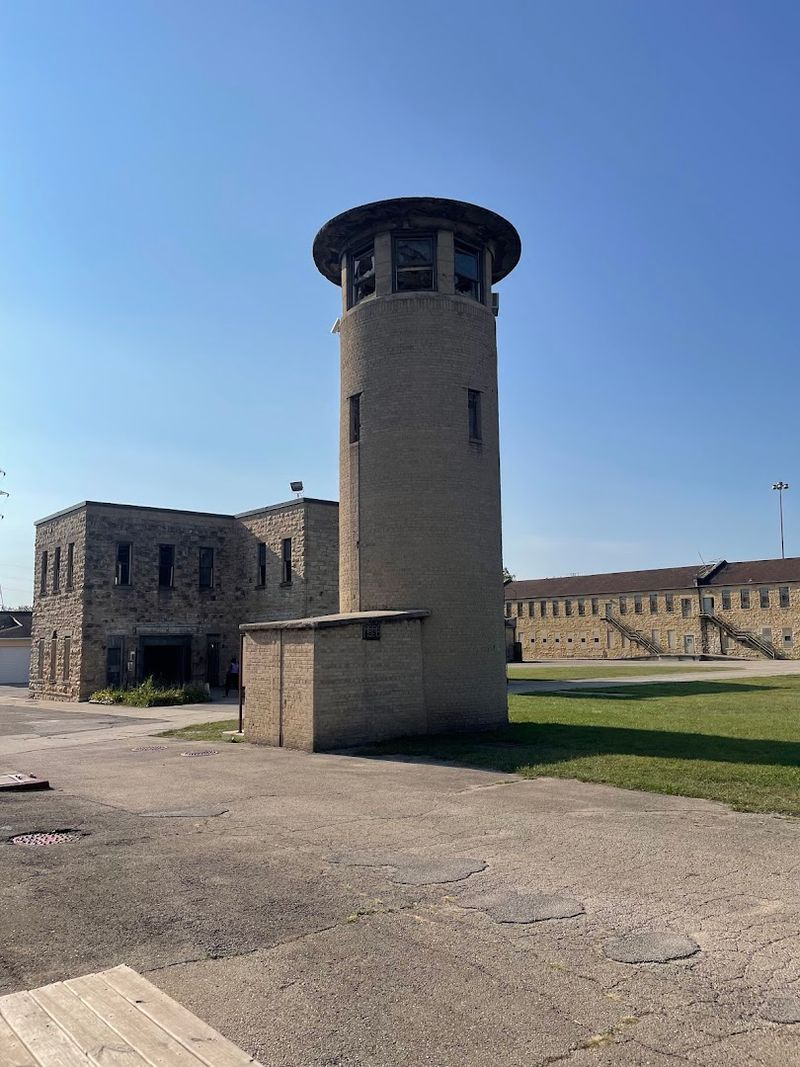
A 4.6-star rating across more than 2,100 reviews is not something any tourist attraction stumbles into by accident, and Old Joliet Prison has earned that reputation through a combination of genuine history, pop culture significance, and an experience that consistently delivers more than visitors expect.
People travel from the United Kingdom, from across the United States, and from as far as they can manage, specifically to stand inside these walls and feel the weight of what happened here over 144 years.
The prison works as a destination for film fans, history enthusiasts, architecture lovers, road trippers, and families looking for something genuinely different from the typical museum or theme park outing.
The self-guided format respects the visitor’s intelligence and pace, while the availability of knowledgeable staff ensures that no question goes unanswered for long.
Special events, nighttime tours, and the ongoing restoration all give returning visitors new reasons to come back, and many do exactly that, finding something fresh each time.
The combination of accessibility, affordability, and sheer historical density makes Old Joliet Prison one of the most rewarding stops in the entire state of Illinois.
Some places just have a story that refuses to stay quiet, and this is one of them.
Share this story