The Victorian era ran from 1837 to 1901, and during that time, Britain and America built hundreds of mental institutions to house people deemed unfit for society. The problem was that “unfit” could mean almost anything.
Medical understanding of the mind was limited, social expectations were rigid, and the legal protections against wrongful commitment were thin at best. What you are about to read is a list of behaviors and conditions that would be completely unremarkable today but could have genuinely resulted in someone being locked away during the 19th century.
Many of these cases disproportionately affected women, immigrants, the poor, and anyone who pushed back against the norms of their time. The admission records of Victorian asylums, many of which survive in archives today, reveal just how broad and often arbitrary the definition of mental illness could be.
Reading through them offers a sobering look at how much power social conformity once had over personal freedom.
1. Being a Strong-Willed Woman
In the Victorian medical framework, a woman who openly disagreed with her husband or father was not simply stubborn. She was potentially ill.
The diagnosis of “hysteria” was applied so broadly during the 19th century that it essentially functioned as a catch-all label for female behavior that men found inconvenient or threatening.
Husbands in both Britain and the United States had considerable legal influence over their wives’ medical fates. Before the Lunacy Act of 1890 introduced slightly stricter certification requirements in England, commitment could be arranged with minimal independent review.
Women who pursued careers, expressed political opinions, refused to follow household rules, or simply argued persistently were sometimes described in medical records as showing signs of “moral insanity” or “monomania.” These were real diagnostic categories used by respected physicians.
The case of Hersilie Rouy in France and Elizabeth Packard in Illinois both became high-profile examples of women committed largely for refusing to accept their assigned social roles.
2. Grieving for “Too Long”
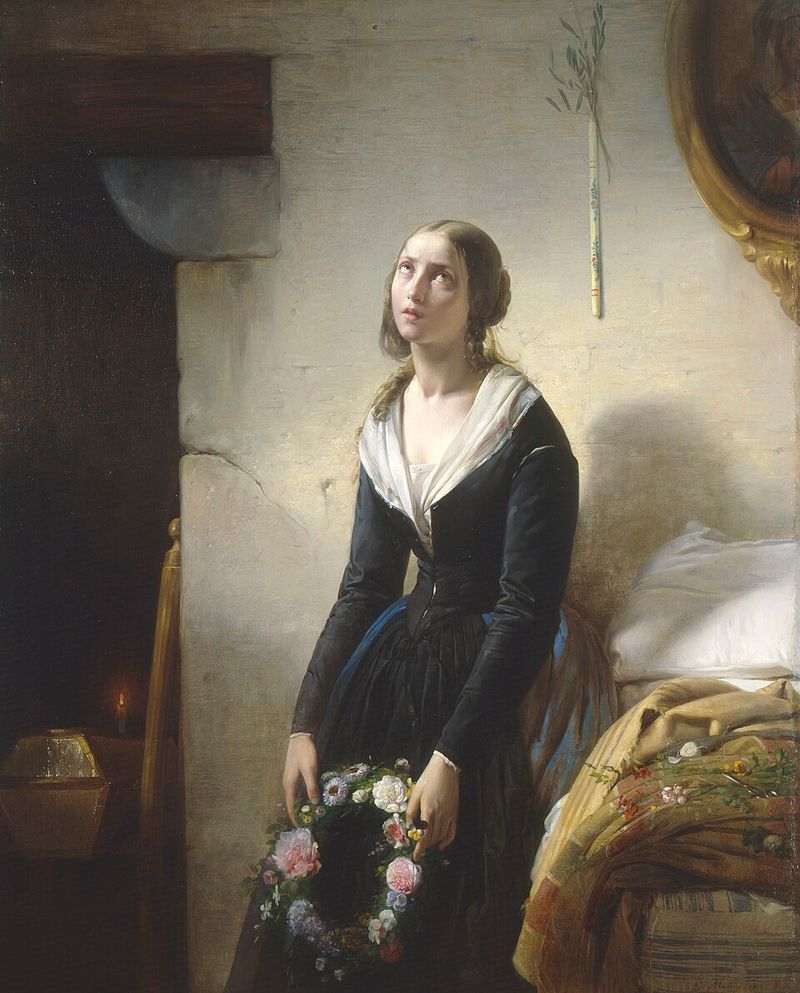
The 19th century had its own rules about grief. Formal mourning periods were socially prescribed, with specific dress codes and behavioral expectations depending on the relationship to the person lost.
Widows, for example, were expected to wear black for at least two years following a husband’s passing.
But grief that extended beyond what physicians considered appropriate, or that manifested in ways that disrupted daily functioning, could attract medical attention. Prolonged sadness, withdrawal, refusal to eat, or persistent weeping were sometimes documented as symptoms of “melancholia,” a diagnosis that carried institutional consequences.
What we now recognize as depression or a normal, extended mourning response was frequently framed as a failure of mental constitution. Asylum admission records from the period list causes such as “grief at loss of husband” and “death of children” as triggering factors for commitment.
These were not edge cases. Grief-related admissions were documented across multiple institutions in both Britain and the United States throughout the mid-to-late 1800s.
3. Religious Enthusiasm
Religious devotion was central to Victorian life, but there was a line, and physicians decided where it was. Ordinary churchgoing and private prayer were socially expected.
What drew medical attention was intensity that fell outside conventional practice.
“Religious mania” appeared as a formal diagnostic category in 19th-century asylum records across Britain and the United States. It covered a range of behaviors: claiming to receive direct messages from God, abandoning family responsibilities in favor of religious activities, or preaching publicly in ways that disrupted social order.
Admission records from the Trans-Allegheny Lunatic Asylum in West Virginia and the Willard Asylum in New York both include patients whose primary listed cause was religious excitement or obsession. The line between sincere faith and diagnosable mania was drawn largely by the social class and gender of the person involved.
A working-class woman claiming divine visions faced a very different reception than a respected clergyman expressing similar beliefs. Context and power shaped the diagnosis more than the behavior itself.
4. Refusing to Marry
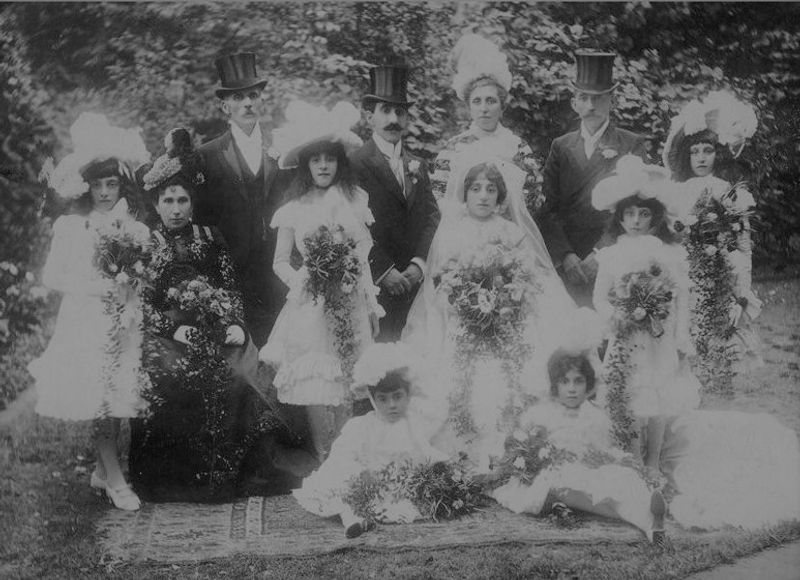
Staying single in the Victorian era was not just unconventional for women. It was, in some medical circles, considered a symptom.
Physicians debated whether unmarried women were more prone to mental instability, arguing that the domestic role of wife and mother provided a stabilizing function for the female constitution.
Single women who showed no interest in marriage, or who actively rejected suitors, sometimes faced scrutiny from family members and physicians alike. The concept of “disappointed affection” appeared in asylum admission records, but so did its opposite: women who simply chose not to pursue marriage at all.
Dr. Edward Tilt, a Victorian gynecologist, wrote that single women faced unique physiological risks because they were not fulfilling their biological purpose. These ideas were not fringe views.
They appeared in mainstream medical journals and influenced how physicians evaluated female patients.
The assumption that a woman without a husband was somehow incomplete or mentally at risk persisted well beyond the Victorian era, shaping both medical practice and social judgment for generations.
5. Reading Too Many Novels
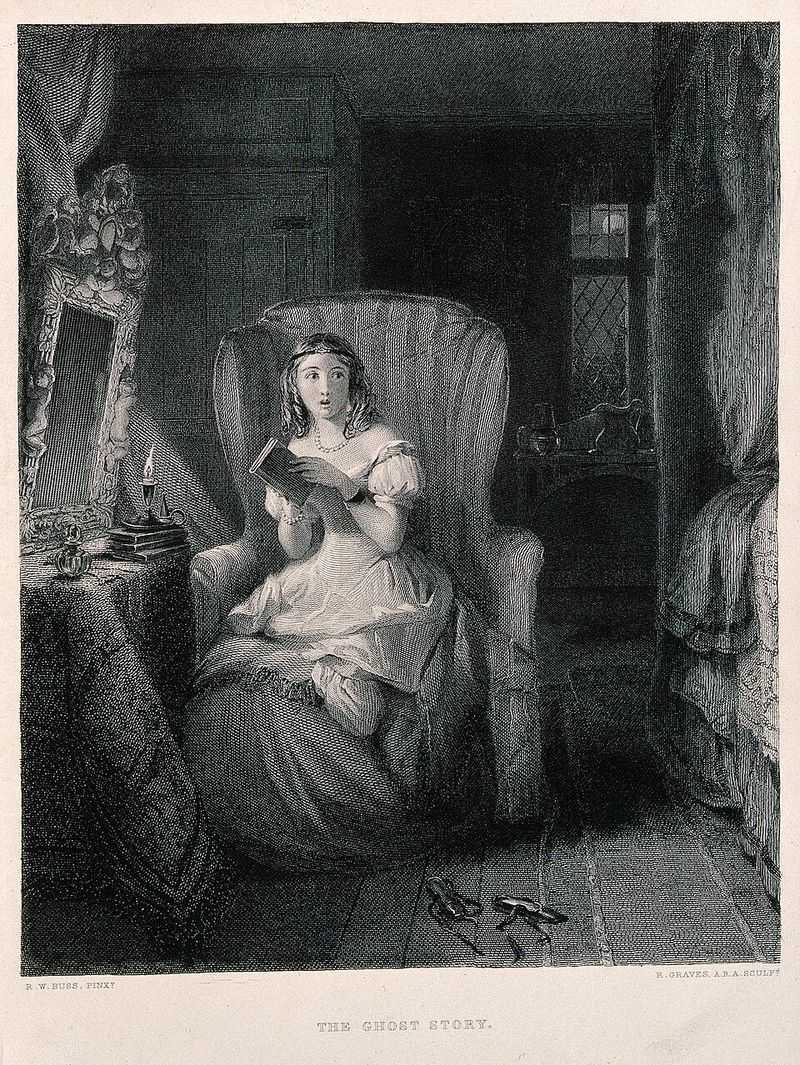
Victorian physicians did not trust the novel. In medical literature from the 1840s through the 1880s, doctors regularly warned that fiction overstimulated the nervous system, particularly in women, whose minds were considered more susceptible to emotional influence.
Asylum admission records from the period occasionally listed “over-reading” or “mental excitement from novels” as contributing causes of instability. The concern was not entirely about literacy itself but about the ideas novels introduced: independence, romance, ambition, and lives lived outside domestic boundaries.
Physicians like Henry Maudsley argued that women who spent too much time in intellectual or imaginative pursuits risked depleting their biological energy. This theory, known broadly as the “reflex theory,” had no scientific basis but carried real authority in Victorian medical circles.
A woman found reading extensively could face genuine scrutiny from family members who shared these concerns. It was not fiction that was truly dangerous; it was the freedom of thought it represented.
6. Having Postpartum Depression
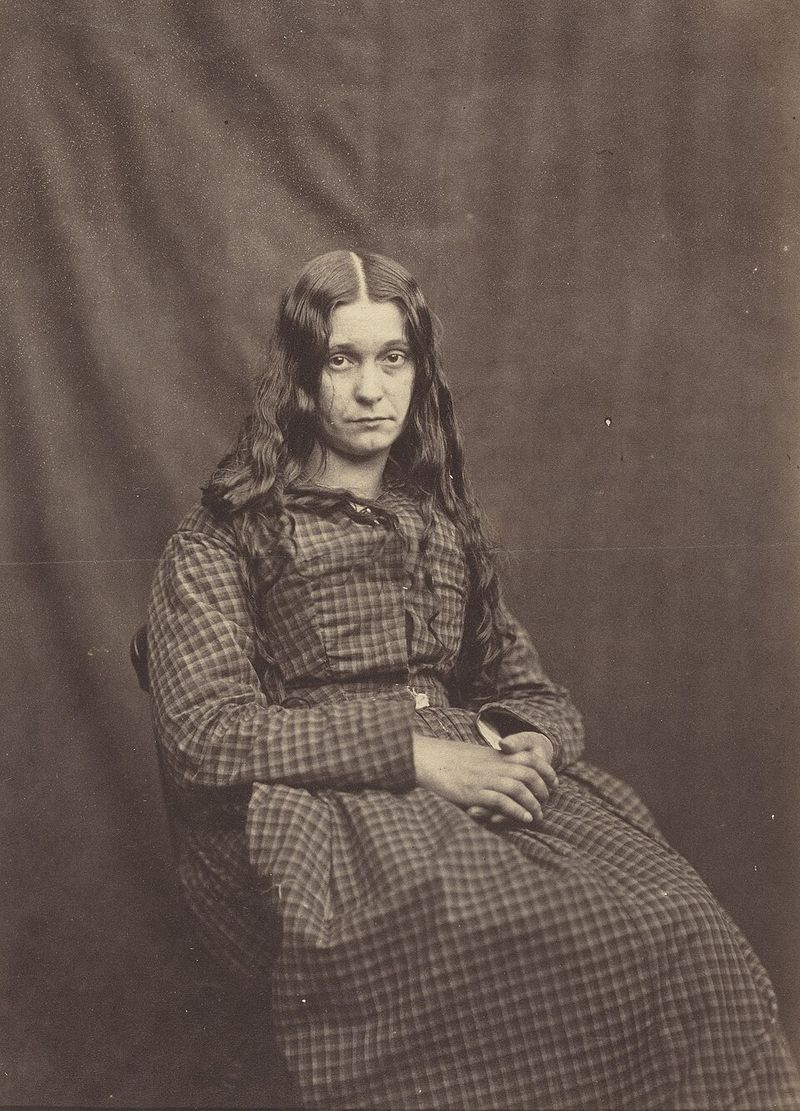
Childbirth in the Victorian era carried enormous physical and emotional weight, and the period following delivery was one of the most medically misunderstood phases of a woman’s life. Physicians recognized that some women experienced serious emotional disturbances after giving birth, but the frameworks they used to explain it were deeply inadequate.
The condition was described under various labels including “puerperal mania” and “puerperal insanity.” These terms appeared in asylum records throughout the 19th century. Women experiencing what we now understand as postpartum depression or postpartum psychosis were frequently committed rather than treated at home.
The Bethlem Royal Hospital in London, one of the oldest psychiatric institutions in the world, admitted women under puerperal diagnoses throughout the Victorian period. Medical literature of the era debated whether the condition was caused by physical changes or by moral weakness.
Most physicians leaned toward institutional confinement as the primary response. The idea that postpartum emotional distress required social support rather than isolation was not yet part of mainstream medical thinking.
7. Being Too Ambitious
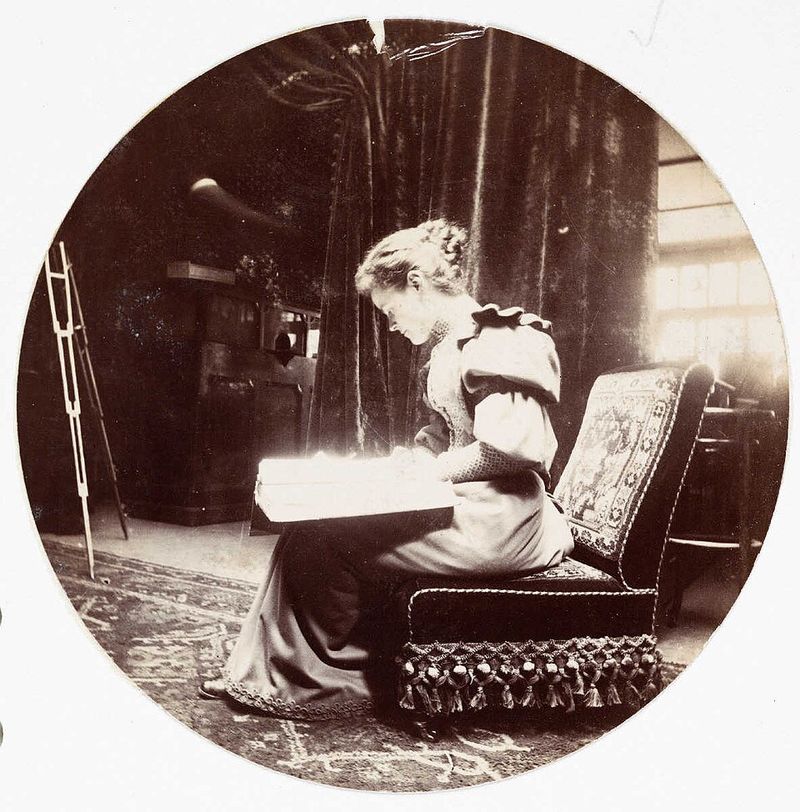
The argument that education was physically dangerous for women was not a fringe position in the Victorian medical world. It was published in respected journals and endorsed by prominent physicians.
The central claim was that intellectual effort drew energy away from reproductive functions, creating long-term health risks.
Dr. Edward Clarke of Harvard Medical School published “Sex in Education” in 1873, arguing that women who studied too rigorously risked permanent physiological damage. The book went through multiple editions and was widely cited in debates about women’s access to higher education.
Women who sought careers in law, medicine, or academia were not just breaking social norms. They were, according to influential medical opinion, endangering themselves.
Ambition in a woman was reframed as a form of self-harm.
Asylum records from the period occasionally cited “over-study” or “mental overwork” as contributing causes for female admissions. The idea that ambition and mental health were incompatible for women shaped both institutional policy and family decisions about daughters who showed academic promise.
8. Talking Back to Authority

Social hierarchy in the Victorian era was not just a cultural preference. It was treated as a moral and medical baseline.
Deference to fathers, husbands, employers, and clergy was expected, and persistent defiance of that hierarchy could be interpreted as a sign of moral deterioration or mental imbalance.
The diagnosis of “moral insanity,” developed by British physician James Cowles Prichard in the 1830s, was designed specifically to capture individuals who showed no obvious intellectual impairment but whose behavior consistently violated social expectations. It required no delusions, no hallucinations, and no clear break from reality.
This made it an extremely flexible diagnostic tool. A person who argued repeatedly with authority, refused to follow household rules, or challenged community leaders could be labeled morally insane based on behavioral observation alone.
The category was applied more frequently to women and to working-class individuals, groups whose defiance carried less social legitimacy. Obedience was not just a virtue in Victorian society; it was treated as clinical evidence of a sound mind.
9. Suffering from Epilepsy
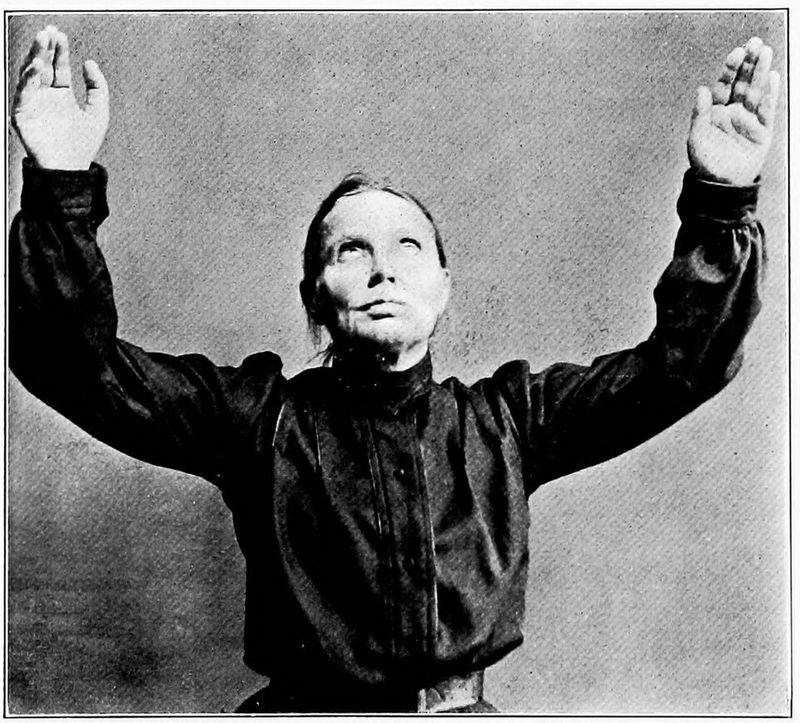
Victorian medicine had almost no effective tools for understanding neurological conditions, and epilepsy sat in a particularly difficult space between medicine and social fear. Seizures were dramatic, unpredictable, and poorly explained by the science of the time, which made them easy to misclassify.
Many individuals with epilepsy were institutionalized in psychiatric facilities throughout the 19th century because their condition was interpreted as a form of mental illness. Some asylums built dedicated epileptic wards, not as a medical advance but as a way to segregate patients whose seizures disturbed the general population.
The Craig Colony for Epileptics, established in New York in 1894, was a direct response to the belief that epilepsy required permanent residential separation from the rest of society. Residents were expected to work the land as part of a self-sustaining agricultural community.
The neurological basis of epilepsy was not widely accepted in clinical practice until the late 19th and early 20th centuries. Before that shift, a seizure disorder was often treated as indistinguishable from psychiatric illness.
10. Experiencing Menopause
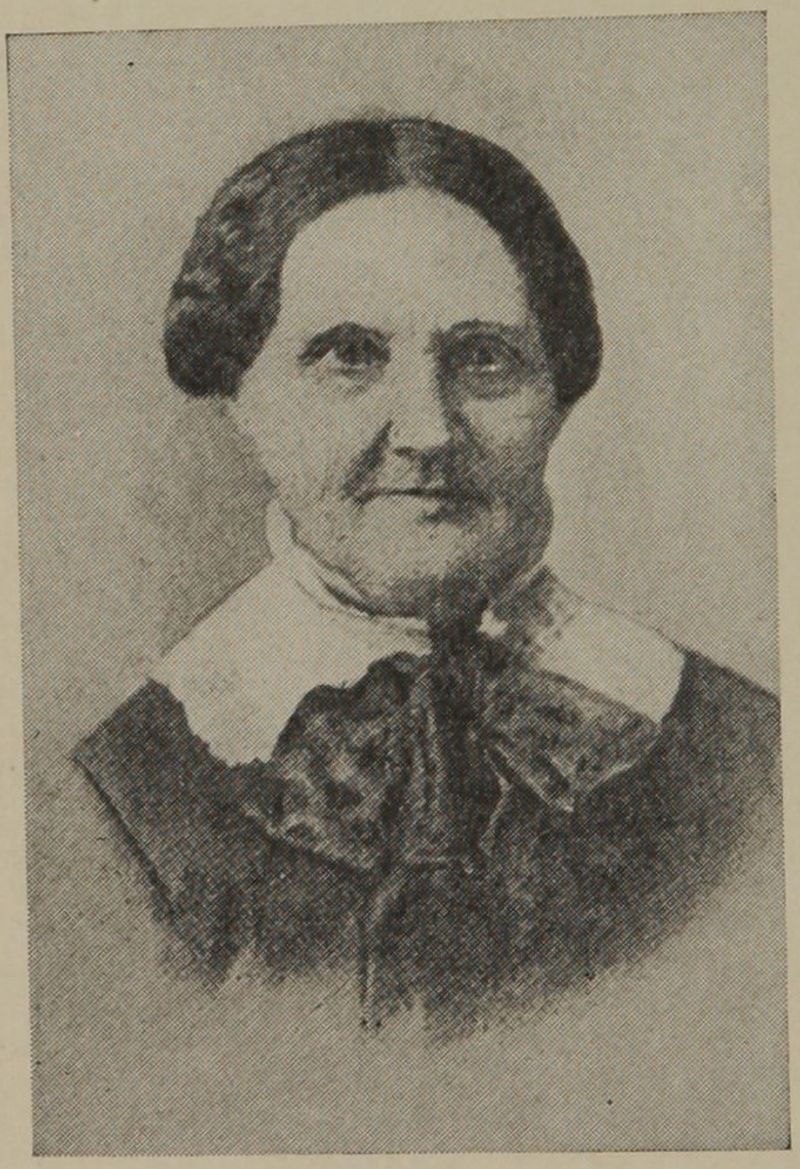
Victorian physicians viewed the female body through a framework that linked mental stability to reproductive function. Menstruation, pregnancy, childbirth, and menopause were all treated as potential triggers for mental instability, and menopause received particular attention as a period of heightened risk.
The phrase “change of life” appeared regularly in asylum admission records as a listed cause of commitment. Physicians described menopause as a physiological crisis that could destabilize the nervous system, leading to mood changes, anxiety, confusion, or more serious psychiatric episodes.
Dr. Andrew Wynter, a British physician writing in the 1870s, described menopause as one of the most dangerous periods in a woman’s life from a mental health standpoint. His views reflected mainstream medical opinion rather than an outlier position.
Women experiencing the entirely normal physical and emotional changes associated with menopause could find themselves evaluated for institutional care. The absence of any reliable hormonal understanding meant that physicians had no accurate framework for what was actually happening in the body.
11. Being an Alcoholic
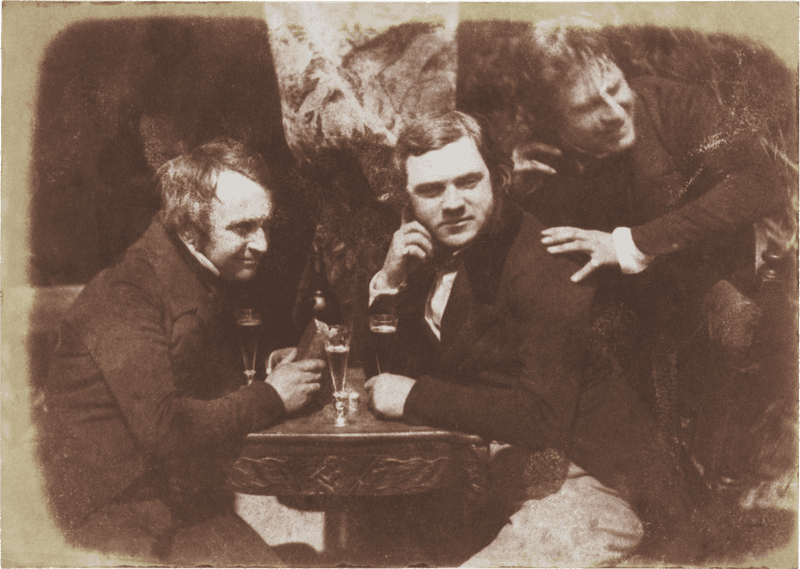
Chronic alcohol use in the Victorian era occupied an awkward space between moral failure and medical condition. Temperance movements framed it as a spiritual problem.
Physicians increasingly argued it was a disease, but treatment options were almost nonexistent.
The practical result was that many individuals with serious alcohol dependence ended up in asylums. Asylum admission records from the period list “intemperance” and “habitual drunkenness” as causes of admission with notable frequency.
Institutional confinement was often the only available response to a condition that communities could not otherwise manage.
The distinction between addiction and mental illness was not well established in Victorian clinical practice. Both were handled by the same institutions, the same physicians, and under the same legal frameworks.
Someone committed for alcohol dependency might share a ward with patients experiencing severe psychiatric conditions.
The first dedicated facilities for alcohol treatment in the United States, called inebriate asylums, began appearing in the 1850s and 1860s, but they were rare and unevenly distributed. Most people with addiction ended up in general psychiatric institutions instead.
12. Simply Being Difficult to Manage
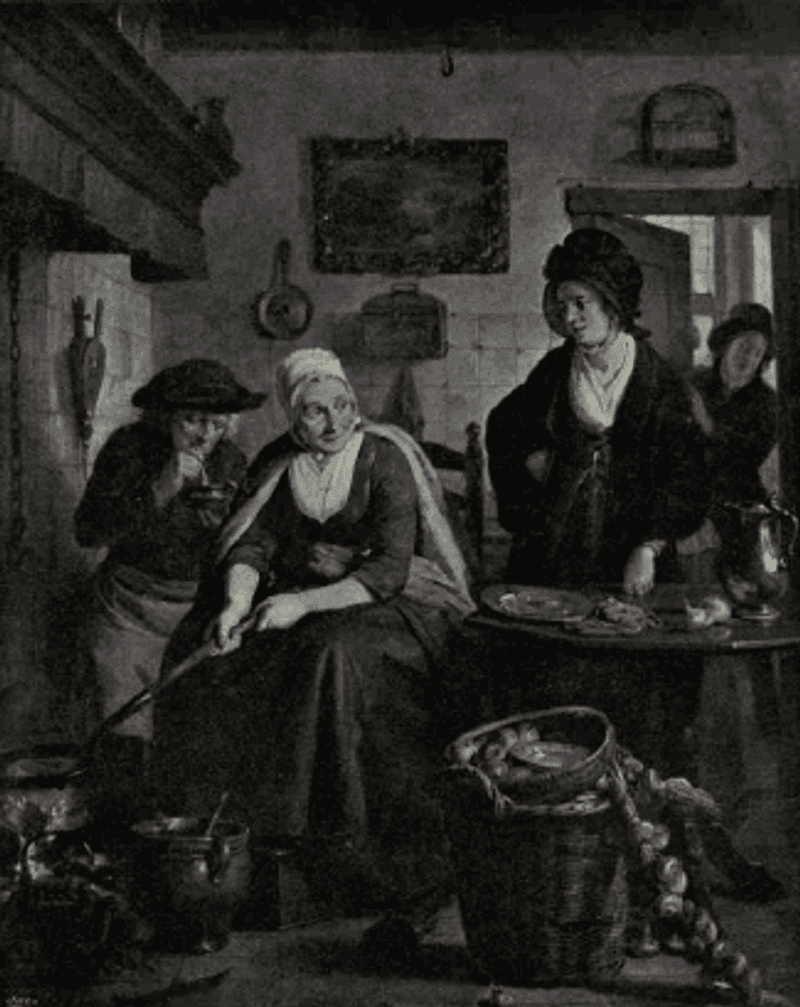
Of all the reasons people ended up in Victorian asylums, this one requires the least medical explanation. Family convenience played a documented role in commitment decisions throughout the 19th century.
Relatives who found a family member burdensome, embarrassing, or simply inconvenient had more power over that person’s fate than most people today would find comfortable.
Elderly individuals who showed signs of cognitive decline, daughters who resisted arranged marriages, spouses whose behavior was erratic, and people with physical disabilities that made caregiving difficult were all potentially vulnerable to commitment on vague grounds.
The Lunacy Act of 1845 in England established formal procedures for certification, requiring a medical signature. But a single physician’s assessment, often conducted after a brief examination, was frequently all that stood between a person and indefinite confinement.
Elizabeth Packard, committed by her husband in Illinois in 1860 without a formal hearing, later campaigned successfully for legal reform. Her case led to new laws in several states requiring jury trials before commitment, a reform that took years to spread widely.
Share this story