Europe is home to some of the oldest and most stunning universities in the world. From medieval Gothic towers to grand neoclassical halls, these campuses look more like fairy-tale settings than places to study.
Many of them have shaped history, science, and culture for hundreds of years. Whether you love architecture, history, or simply beautiful places, these universities are sure to inspire.
1. University of Oxford (England)
Few places on Earth feel as timeless as the University of Oxford. Founded in the 11th century, it is one of the oldest universities in the world, and walking through its gates feels like stepping back in time.
The honey-colored stone buildings, narrow cobbled lanes, and ivy-draped walls create a setting that is hard to match anywhere else.
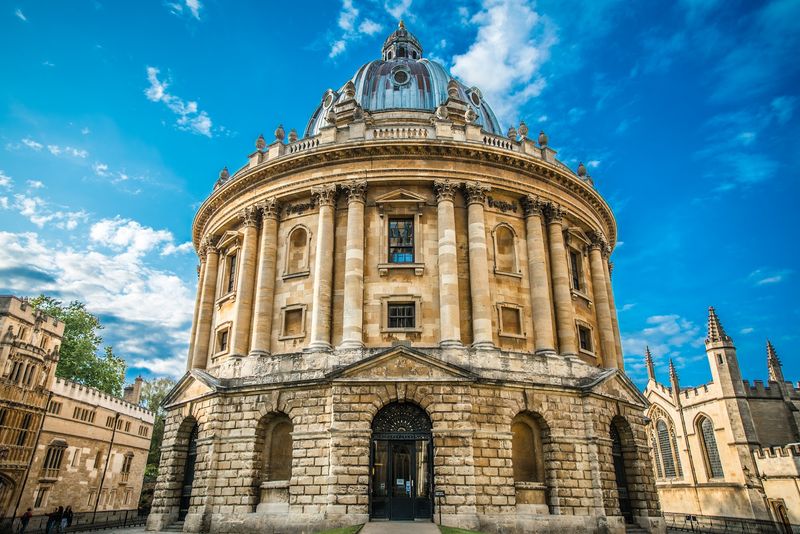
Oxford is made up of 38 colleges, each with its own unique character. Some of the most breathtaking spots include the Bodleian Library, the Radcliffe Camera, and the cloisters of Magdalen College.
These landmarks have appeared in countless films and books, making Oxford one of the most recognized campuses on the planet.
Students here study surrounded by centuries of history. That mix of intellectual tradition and stunning architecture is exactly what makes Oxford an unforgettable place.
2. University of Cambridge (England)
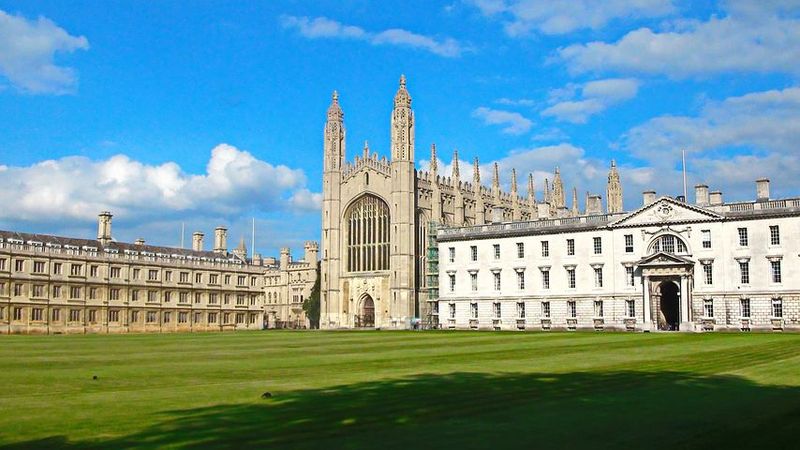
King’s College Chapel alone is worth the trip to Cambridge. Its soaring Gothic spires and massive stained-glass windows have made it one of England’s most iconic buildings.
Add the peaceful River Cam winding through manicured lawns, and it becomes clear why Cambridge is considered one of the most beautiful university settings in the world.
Founded in 1209, Cambridge has produced some of history’s greatest thinkers, including Isaac Newton and Charles Darwin. The university is made up of 31 colleges, each with its own stunning courtyards and architecture.
Punting along the river while admiring the Backs, the grassy areas behind the colleges, is a classic Cambridge experience.
The blend of intellectual achievement and natural beauty makes this university feel almost magical. Cambridge proves that a place of serious learning can also be genuinely gorgeous.
3. University of Coimbra (Portugal)
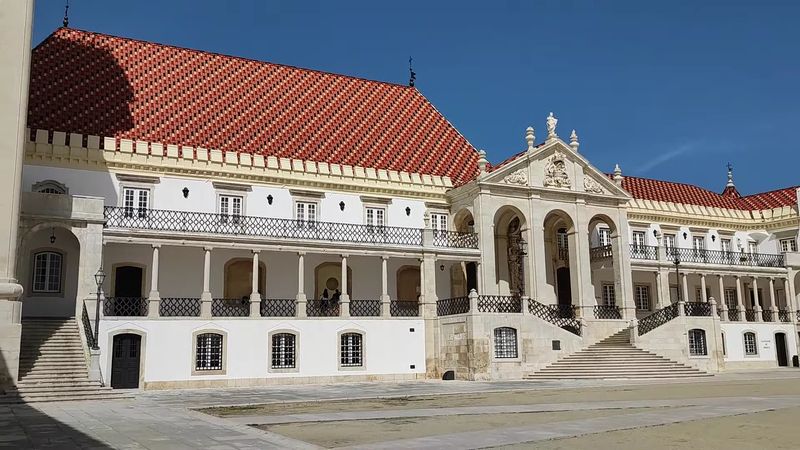
Perched on top of a hill overlooking the city, the University of Coimbra commands attention from every angle. Recognized as a UNESCO World Heritage Site, this Portuguese institution has been educating students since 1290, making it one of the oldest universities in continuous operation in the world.
The Joanina Library is perhaps the most jaw-dropping room on campus. Built in the 18th century, it features gilded shelves, painted ceilings, and thousands of ancient books.
It is so beautiful that it has been ranked among the most stunning libraries on Earth. The university also features a striking baroque bell tower that can be heard echoing across the city.
Students here enjoy a campus that feels more like a royal palace than a school. Coimbra blends academic excellence with architectural wonder in a way that few universities anywhere can match.
4. Trinity College Dublin (Ireland)
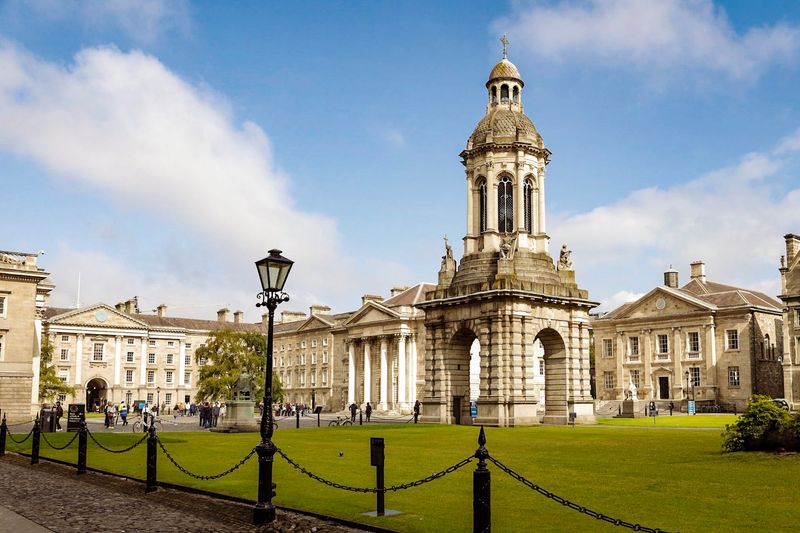
Step through the front gate of Trinity College Dublin and the busy city streets disappear behind you. Inside, cobblestone squares, grand Georgian buildings, and wide open green spaces create a peaceful world entirely their own.
Founded in 1592, Trinity is Ireland’s oldest university and one of its most treasured landmarks.
The Long Room Library is the crown jewel of the campus. This stunning barrel-vaulted hall stretches over 65 meters and houses around 200,000 of the library’s oldest books.
It also holds the Book of Kells, a breathtaking illuminated manuscript created by monks around 800 AD. Visiting feels like walking into a scene from a fantasy novel.
Trinity’s mix of old-world elegance and vibrant student life gives it a very special energy. It is a place where history and modern learning exist side by side beautifully, right in the heart of Dublin.
5. University of Salamanca (Spain)
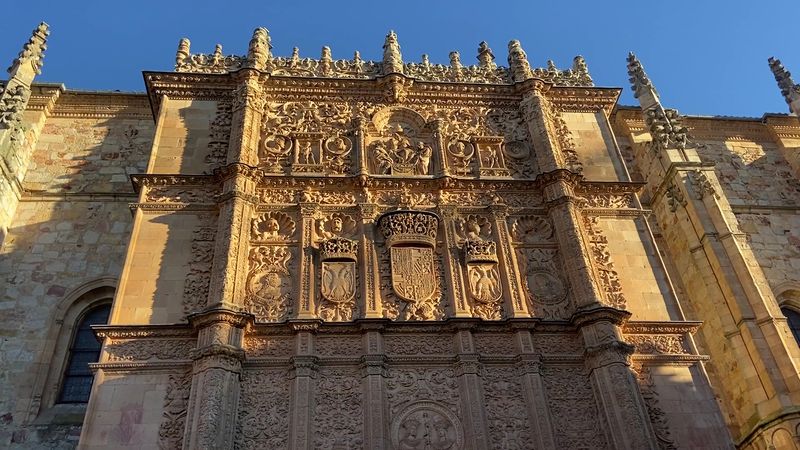
Hidden among the detailed stone carvings on the University of Salamanca’s main facade is a tiny frog sitting on a skull. Legend says that students who spot it before an exam will have good luck.
That charming tradition perfectly captures the spirit of this ancient Spanish institution, which was founded in 1218.
The Plateresque facade is considered one of Spain’s greatest architectural achievements. Every inch of the entrance is covered in detailed carvings of figures, animals, and symbols, creating a wall that looks more like a piece of jewelry than a building.
Salamanca itself is built from golden sandstone that glows warmly in the afternoon sun.
As one of the oldest universities in the world, Salamanca has educated Spanish kings, poets, and explorers. Its beauty is matched only by its rich academic legacy, making it an essential stop for anyone visiting Spain.
6. Heidelberg University (Germany)
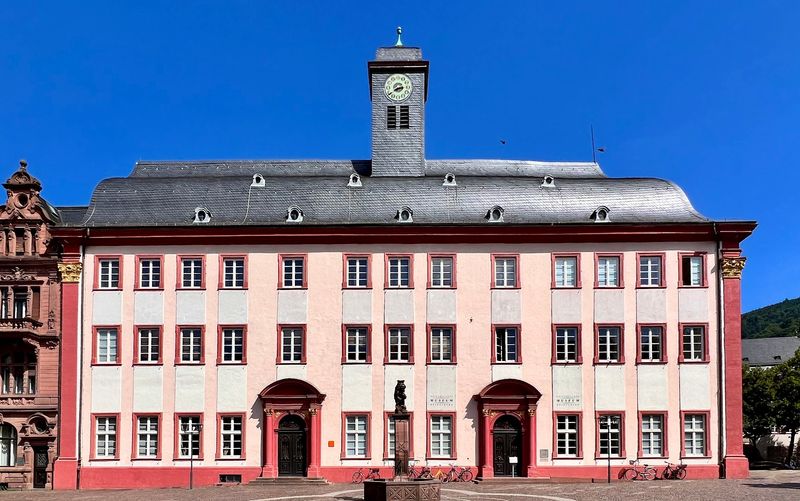
Germany’s oldest university sits in one of the country’s most romantic settings. Founded in 1386, Heidelberg University is nestled in a valley where the Neckar River flows between forested hills.
High above the old town, the dramatic ruins of Heidelberg Castle look down over everything, adding a sense of grandeur that is hard to forget.
The university’s old buildings blend seamlessly into the charming streets of the historic town center. The Old University building, completed in 1735, is a particularly elegant example of baroque architecture.
Nearby, the Student Prison, where mischievous students were once locked up, adds a quirky layer of history to the campus story.
Heidelberg has inspired poets, philosophers, and scientists for centuries. Mark Twain even wrote about the city’s irresistible charm.
For visitors and students alike, the combination of academic heritage and stunning natural surroundings makes this university genuinely unforgettable.
7. University of Bologna (Italy)
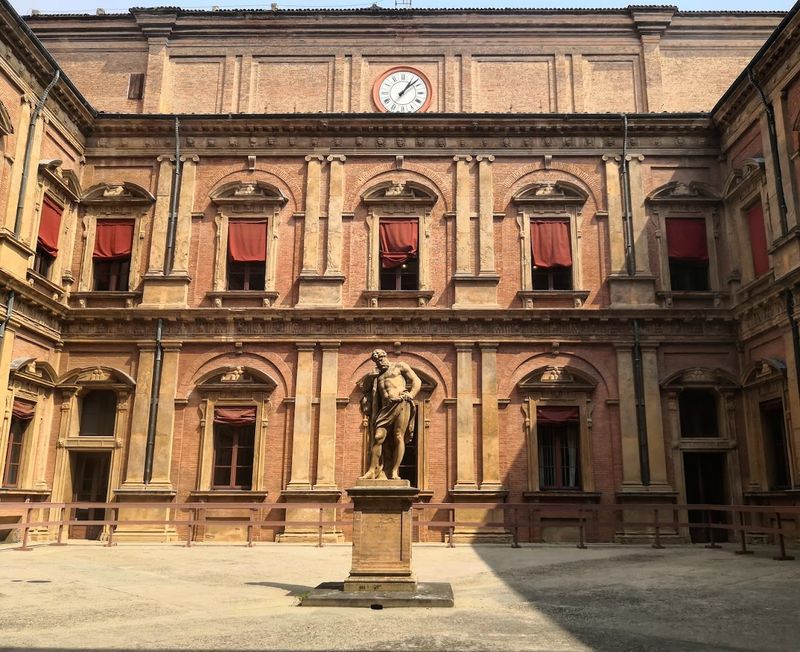
The University of Bologna holds a record that no other university in the world can claim: it is the oldest continuously operating university on Earth, founded in 1088. That is nearly a thousand years of uninterrupted learning, debate, and discovery happening in the same city.
Walking its streets feels like treading a path worn smooth by countless generations of scholars.
Bologna’s famous porticoes, long covered walkways that stretch for miles through the city, are directly tied to the university’s history. They were originally built to house the growing number of students flooding into the city during the medieval period.
Today, these arcades are a UNESCO World Heritage Site and give Bologna a uniquely atmospheric character.
The university’s historic buildings, including the Palazzo Poggi, are filled with scientific instruments, anatomical theaters, and ancient maps. Bologna is a city where every corner tells a story of intellectual curiosity stretching back centuries.
8. University of Padua (Italy)
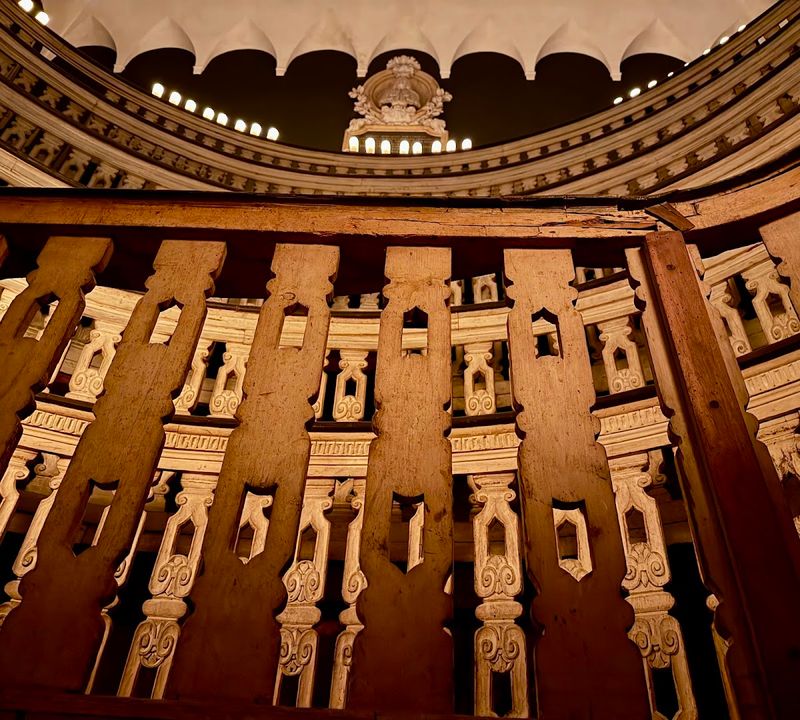
The University of Padua is home to one of the most remarkable rooms in academic history. The Anatomical Theater, built in 1594, is the world’s oldest surviving anatomy theater, where students once crowded onto steep wooden tiers to watch medical demonstrations below.
It looks almost like a tiny wooden amphitheater, and standing inside it today still feels extraordinary.
Founded in 1222, Padua attracted some of the greatest minds of the Renaissance era. Galileo Galilei taught here for 18 years, and the university became a center of scientific innovation during a time when new ideas were changing the world.
The Palazzo del Bo, the main university building, is full of beautifully decorated halls and courtyards.
Padua’s combination of Renaissance architecture, scientific heritage, and lively Italian culture makes it one of the most rewarding university campuses to explore anywhere in Europe. History practically breathes through its walls.
9. KU Leuven (Belgium)
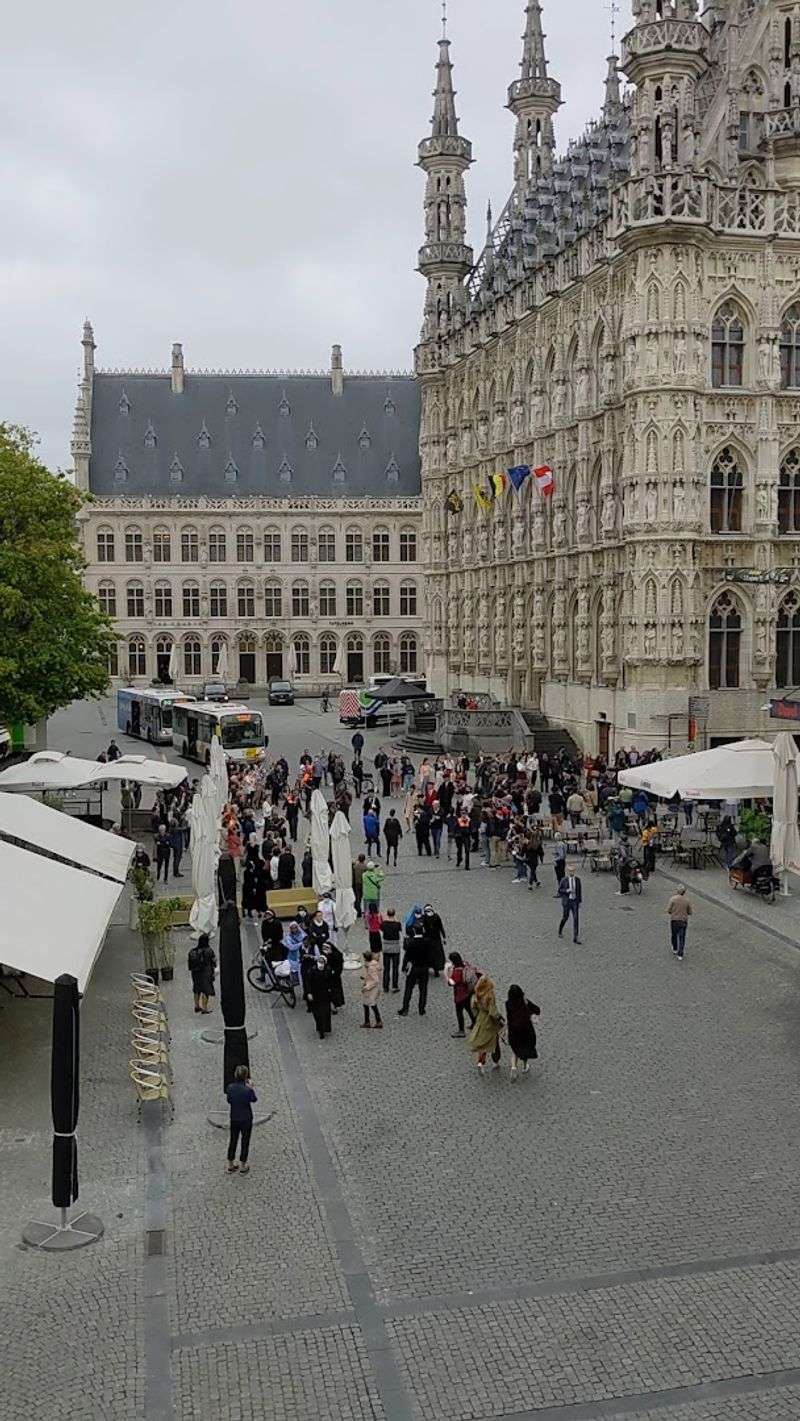
KU Leuven sits in one of Europe’s best-preserved university towns, where medieval and Renaissance architecture line every street. Founded in 1425, it is the oldest Catholic university still in operation and has been shaping European education and culture for six centuries.
The university and the town of Leuven grew up together, making it hard to tell where one ends and the other begins.
The Gothic Town Hall of Leuven, located just steps from the university, is considered one of Belgium’s most beautiful buildings. Its elaborate facade, covered in delicate stone carvings and statues, draws visitors from around the world.
The university library, rebuilt twice after being destroyed in both World Wars, is another architectural highlight worth seeing.
KU Leuven consistently ranks among Europe’s top research universities. The fact that its academic reputation is matched by such extraordinary surroundings makes it a truly special place to study and visit.
10. Uppsala University (Sweden)
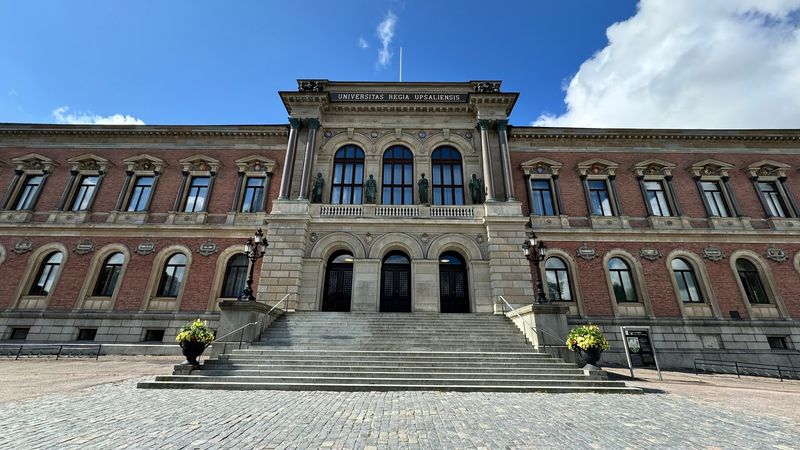
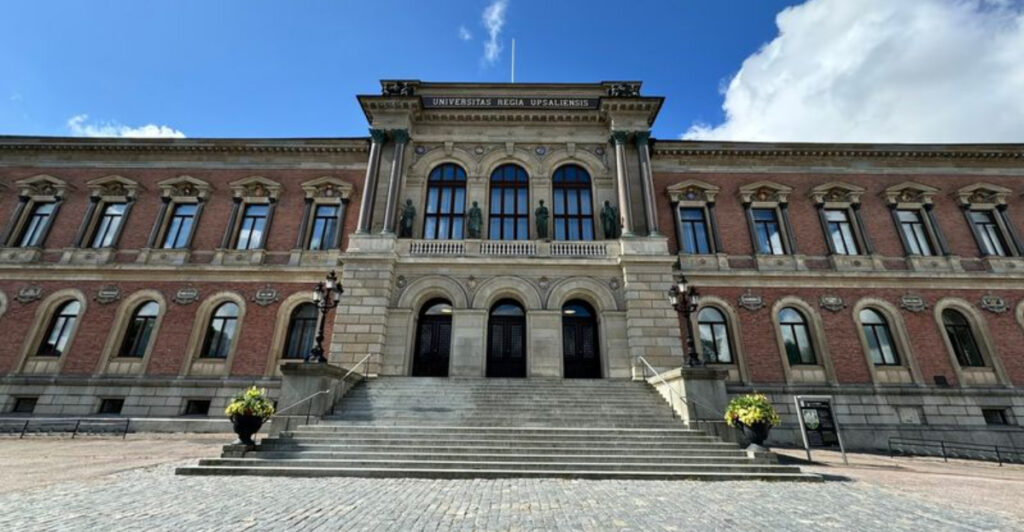
Uppsala University carries the quiet dignity of Scandinavia’s oldest institution of higher learning, founded in 1477. The main university building, with its striking red-brick construction and copper-green towers, stands proudly against the Swedish sky.
Just a short walk away, the towering Uppsala Cathedral, the tallest in Scandinavia, adds to the skyline in a dramatic way.
The university’s botanical gardens, established in the 17th century by the famous naturalist Carl Linnaeus, are a peaceful and beautiful place to explore. Linnaeus, who created the modern system for naming living things, lived and worked in Uppsala, and his legacy is felt throughout the campus and city.
Uppsala’s setting along the banks of the Fyris River gives it a calm, picturesque quality that feels distinctly Northern European. The mix of academic tradition, natural beauty, and cultural heritage makes this Swedish university one of Europe’s most quietly impressive campuses.
11. University of St Andrews (Scotland)
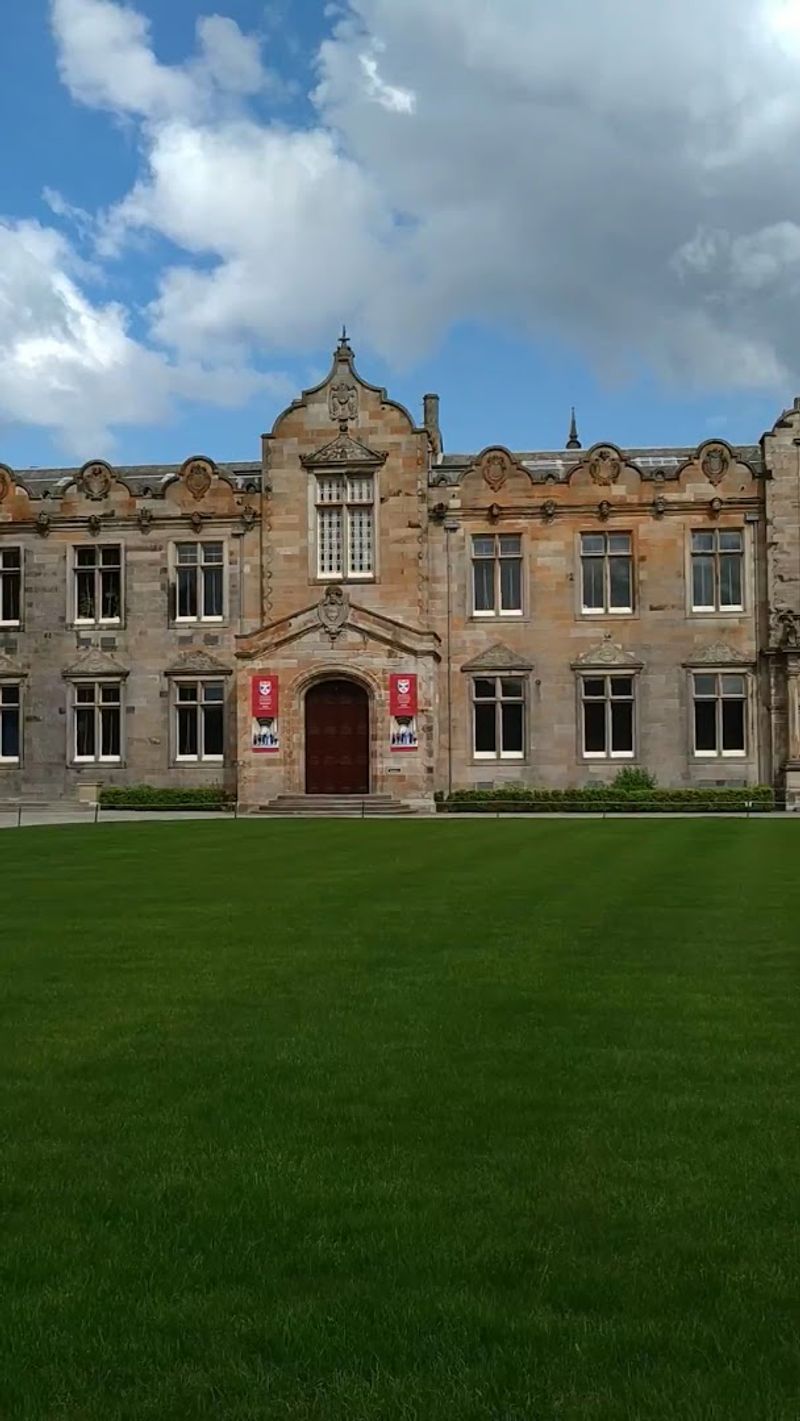
There is something almost otherworldly about St Andrews. Ancient grey stone buildings rise up along the edge of the North Sea, battered by wind and wrapped in sea mist.
Founded around 1413, it is Scotland’s oldest university, and its rugged coastal setting gives it a dramatic character unlike any other campus in Europe.
The ruins of St Andrews Cathedral, once the largest church in Scotland, stand near the university as a reminder of the town’s deep medieval roots. The West Sands beach, stretching along the seafront, was famously used in the opening scene of the film Chariots of Fire.
Walking along it while the waves crash nearby is an experience that sticks with you.
St Andrews is also the birthplace of golf, adding yet another layer of history to a place already overflowing with it. For those who love dramatic landscapes and ancient learning, this university is simply unbeatable.
12. University of Tartu (Estonia)
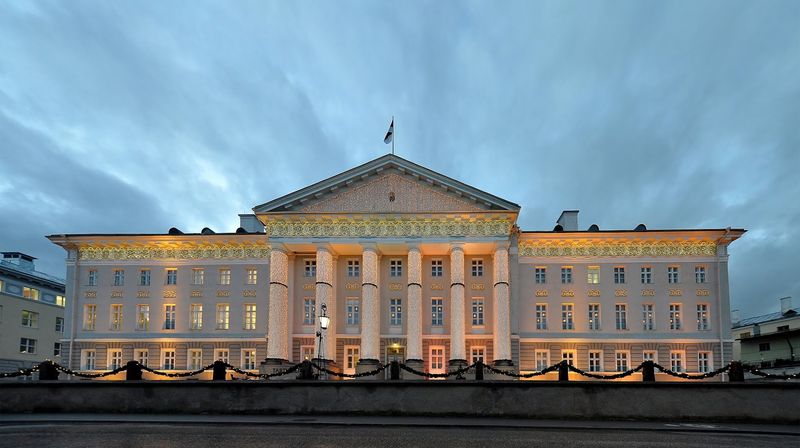
Not every beautiful university gets the attention it deserves. The University of Tartu, tucked away in a charming Estonian city, is one of Eastern Europe’s most underrated architectural gems.
Its neoclassical main building, with elegant white columns and a symmetrical facade, was completed in the early 19th century and remains one of the most graceful university buildings on the continent.
Founded in 1632 by the Swedish King Gustavus Adolphus, Tartu has played a central role in Estonian national identity and culture. During the Soviet era, it remained a quiet center of intellectual resistance and Estonian language preservation.
That history gives the campus a meaningful depth beyond its good looks.
The surrounding old town, with its colorful buildings, leafy parks, and relaxed atmosphere, makes Tartu feel like a place where time moves a little more slowly. Students here enjoy a campus that feels both historic and genuinely livable.
13. Charles University (Czech Republic)
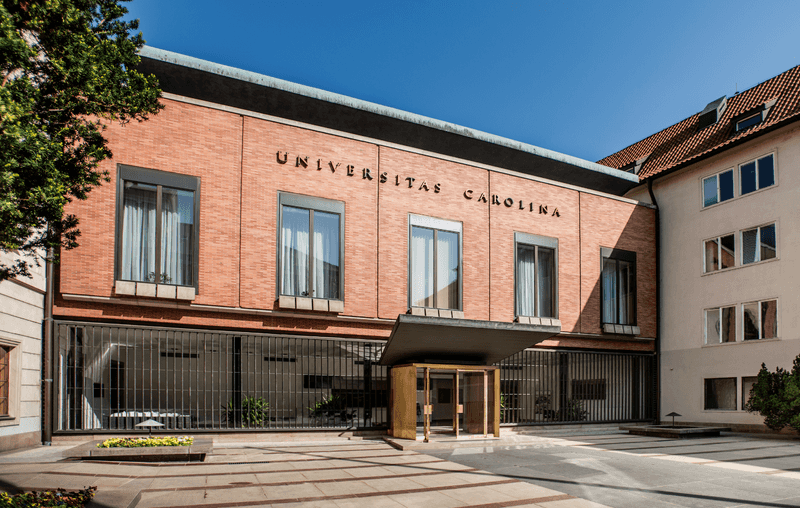
Founded in 1348 by Holy Roman Emperor Charles IV, Charles University is the oldest university in Central Europe and one of the oldest in the world. It was born in the heart of Prague, a city already packed with Gothic spires, Baroque churches, and medieval bridges.
The university’s buildings are woven so deeply into the city’s fabric that separating one from the other feels impossible.
The Carolinum, the historic core of the university, features a stunning Gothic oriel window and a courtyard that has witnessed centuries of academic life. Prague itself acts as an extended campus, with its winding cobblestone streets and grand architecture creating an atmosphere of constant inspiration.
Studying or visiting here means being surrounded by one of Europe’s most breathtaking cities at every turn. Charles University proves that a great institution does not just exist in its buildings but in the entire living, breathing city around it.
14. University of Glasgow (Scotland)
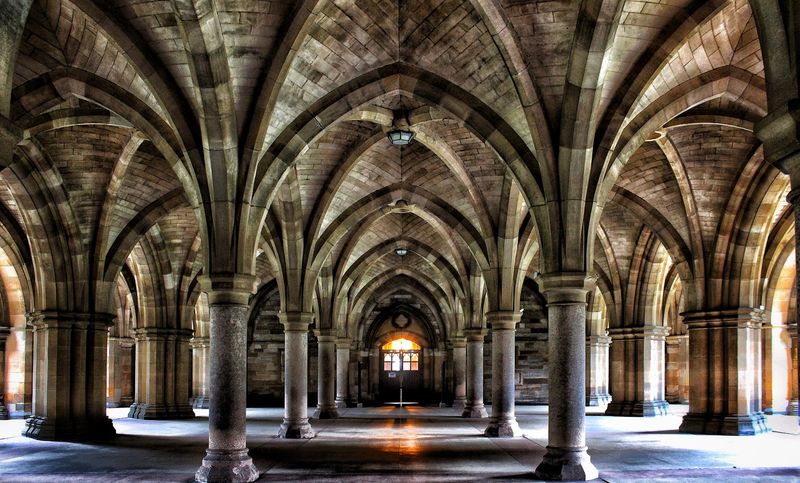
When J.K. Rowling was looking for inspiration for Hogwarts, she did not have to look far.
The University of Glasgow’s main building, designed by Sir George Gilbert Scott and completed in 1870, is a masterpiece of Victorian Gothic architecture that looks almost too magical to be real. Its soaring central spire, pointed towers, and shadowy cloisters create an atmosphere straight out of a fantasy story.
Founded in 1451, Glasgow is Scotland’s second oldest university and one of the world’s top research institutions. The cloisters beneath the main building are particularly atmospheric, especially on misty Scottish mornings when fog drifts through the archways.
The nearby Hunterian Museum, the oldest public museum in Scotland, adds another dimension to the campus experience.
Glasgow itself is a vibrant, creative city, and the university reflects that energy. Combining world-class academics with one of Europe’s most dramatic campus buildings, Glasgow is a place that truly impresses on every level.
15. ETH Zurich (Switzerland)
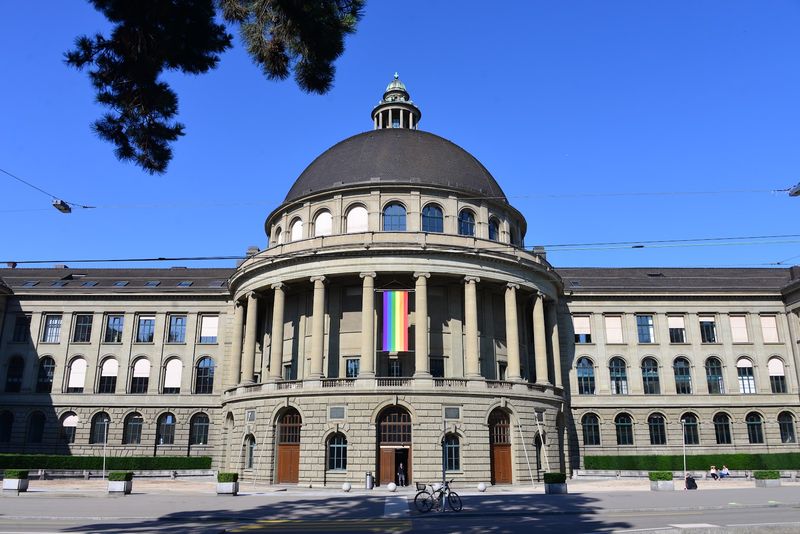
Most of the universities on this list impress with medieval towers and Gothic stonework. ETH Zurich takes a different approach, winning admiration with grand neoclassical architecture and some of the most spectacular views any campus in Europe can offer.
On a clear day, students walking across campus can look out over the red rooftops of Zurich all the way to the snow-covered Swiss Alps.
Founded in 1855, ETH Zurich has produced over 20 Nobel Prize winners, including Albert Einstein, who studied here as a young man. The main building, designed by architect Gottfried Semper, features a striking dome and wide, elegant facades that give the campus a confident, distinguished feel.
The combination of architectural beauty, panoramic mountain views, and extraordinary academic achievement makes ETH Zurich stand out even among the finest universities in Europe. It shows that great design and great science make perfect partners.
Share this story