Some neighborhoods in America have faced poverty for generations, long before most people started paying attention. These communities deal with high unemployment, crumbling infrastructure, and limited access to quality schools and healthcare.
Understanding where poverty is most concentrated helps us see the bigger picture of inequality in the United States. From Chicago to Los Angeles, these 15 neighborhoods have consistently ranked among the poorest in the country.
1. West Garfield Park, Chicago
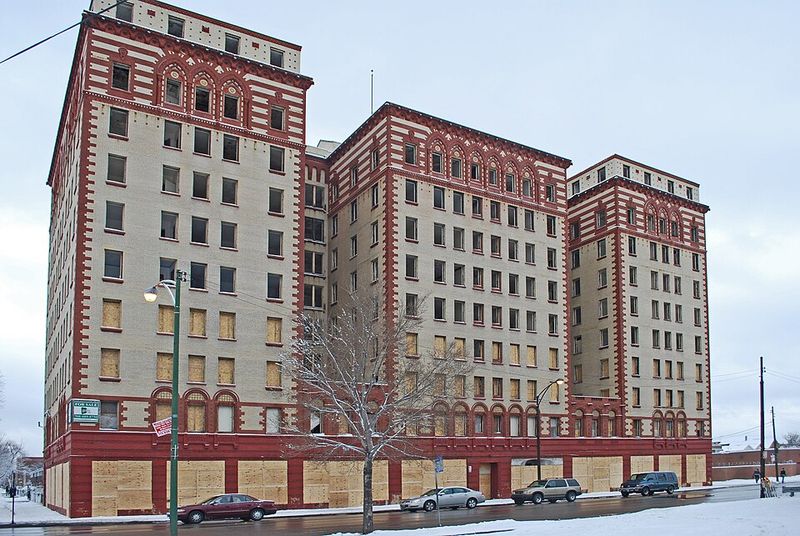
West Garfield Park sits on Chicago’s West Side and has carried the weight of deep poverty for decades. Once a thriving working-class community, it began declining sharply after the 1968 riots following Martin Luther King Jr.’s assassination.
Businesses left, residents moved out, and investment dried up almost overnight.
Today, the neighborhood has one of the highest poverty rates in Chicago, with many residents earning far below the city average. Unemployment remains stubbornly high, and vacant lots outnumber functioning businesses on some blocks.
Gun violence has also made headlines here for years.
Despite these struggles, community organizations continue pushing for change. Local groups work on job training, youth programs, and housing improvements.
West Garfield Park is a neighborhood that history has not treated kindly, but its residents keep fighting for a better future every single day.
2. East Garfield Park, Chicago
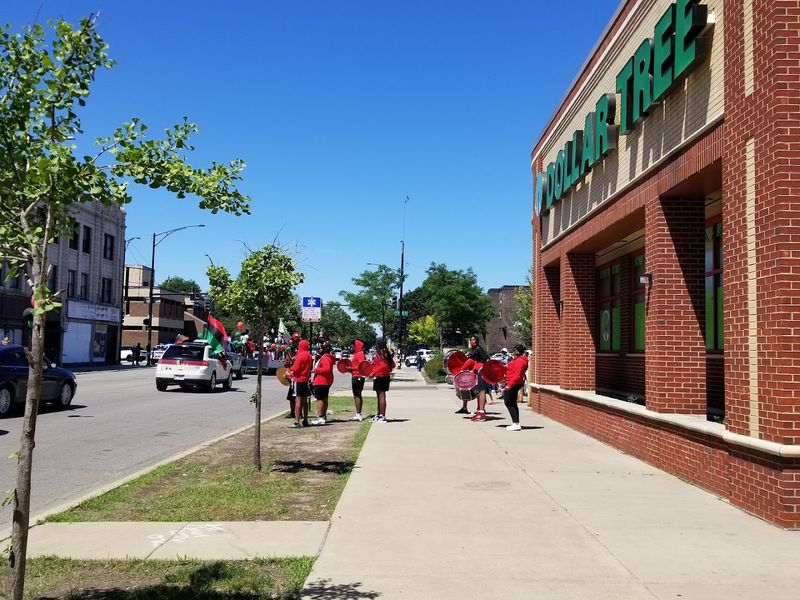
Just east of its neighbor, East Garfield Park shares a painful history rooted in disinvestment and systemic neglect. The neighborhood was once home to a lively commercial strip and stable working families, but decades of economic decline changed that story dramatically.
Census data consistently places East Garfield Park among Chicago’s poorest communities, with poverty rates well above 40 percent in some areas. Many households rely on public assistance, and access to fresh food and quality healthcare remains limited.
Schools in the area have also struggled with underfunding for years.
Still, East Garfield Park has pockets of resilience. Urban farms, community centers, and nonprofit organizations have taken root here, trying to rebuild what was lost.
The neighborhood’s story is not just about hardship. It is also about people refusing to give up on the place they call home.
3. Englewood, Chicago
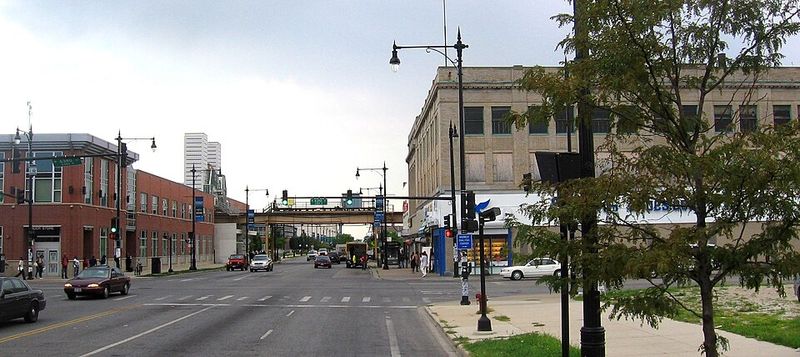
Englewood may be one of the most talked-about neighborhoods in America when poverty and urban decline come up in conversation. Located on Chicago’s South Side, it has faced decades of job losses, population decline, and high rates of violent crime.
At its peak in the 1950s, Englewood was a busy commercial hub with department stores and packed sidewalks.
The collapse of manufacturing jobs hit Englewood especially hard. By the 1980s and 1990s, the neighborhood had lost thousands of residents and hundreds of businesses.
Today, large stretches of land sit empty where homes and shops once stood.
Poverty rates in Englewood consistently hover around 50 percent or higher. Median household incomes are among the lowest in Illinois.
Even so, longtime residents and local advocates are working hard to bring grocery stores, green spaces, and opportunities back to this historic neighborhood.
4. North Lawndale, Chicago
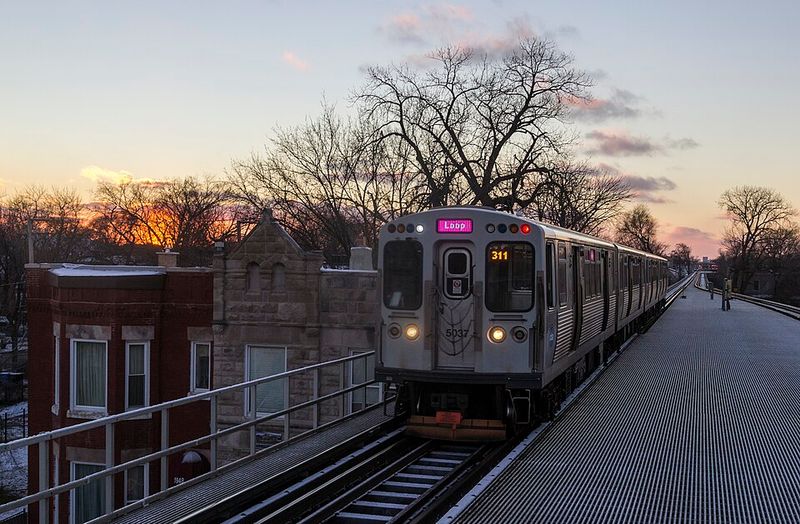
North Lawndale has a history deeply tied to the Great Migration, when thousands of Black Americans moved north seeking better opportunities. Many settled here, building churches, businesses, and tight-knit communities.
But redlining and discriminatory housing policies slowly strangled the neighborhood’s economic life.
After the 1968 riots, North Lawndale never fully recovered. Today, the poverty rate sits above 40 percent, and median household income lags far behind the rest of Chicago.
Unemployment is high, and many young people lack access to stable jobs or quality education nearby.
North Lawndale also has one of the highest incarceration rates in Illinois, which research shows deeply disrupts families and local economies. Community organizations like the North Lawndale Employment Network have worked for years to change that cycle.
The neighborhood’s past holds pain, but its people carry a determination that is hard to ignore.
5. Brownsville, New York City
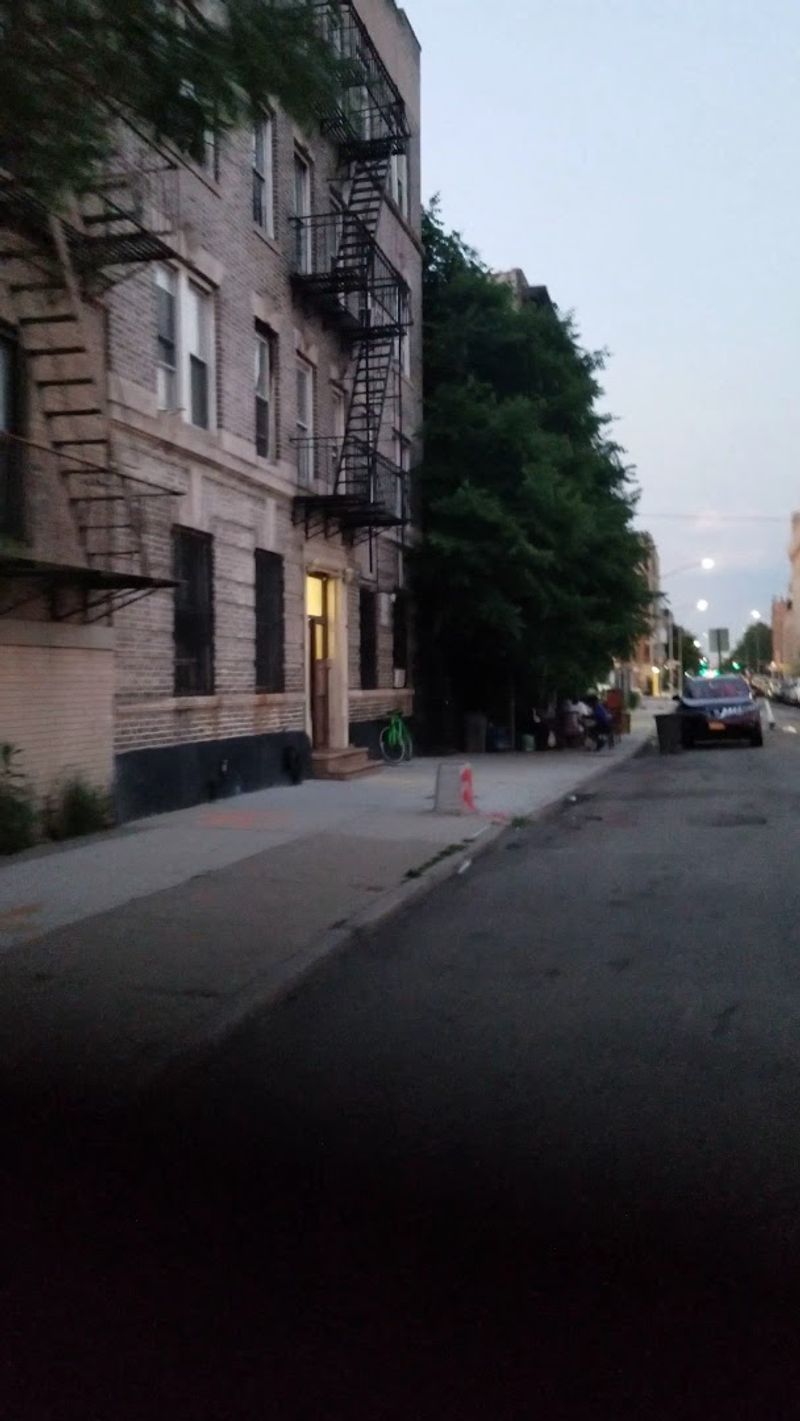
Brownsville, tucked into the eastern edge of Brooklyn, has the reputation of being one of New York City’s most economically distressed neighborhoods. For much of the 20th century, it was a densely packed immigrant community with a strong Jewish working-class identity.
Over time, white flight, urban renewal policies, and concentrated public housing reshaped the area entirely.
Today, Brownsville has some of the highest poverty and unemployment rates in New York City. A large share of residents live in public housing developments, many of which have faced long-standing maintenance problems.
Access to fresh food, good schools, and healthcare has historically been uneven here.
Despite these challenges, Brownsville has a proud cultural identity. It produced boxing legends like Mike Tyson and has a vibrant arts and activist community.
Residents have consistently pushed back against neglect, demanding better services and real investment in their neighborhood’s future.
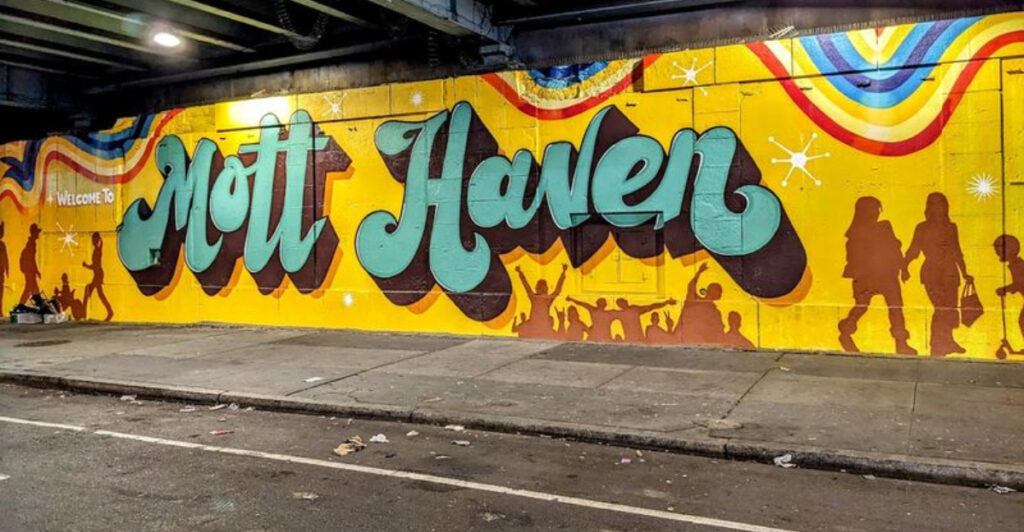
6. Mott Haven, New York City
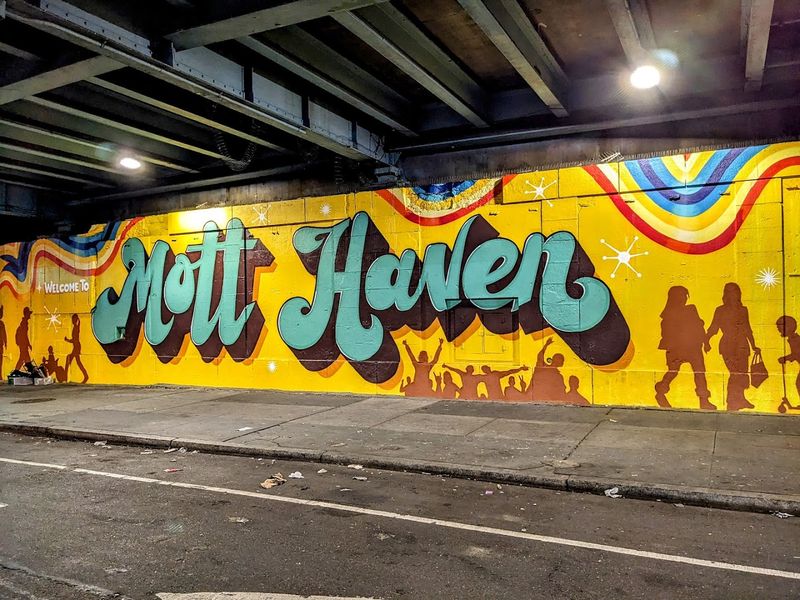
Mott Haven sits at the southern tip of the Bronx and carries the legacy of one of the most dramatic urban collapses in American history. During the 1970s and 1980s, the South Bronx became a symbol of poverty nationwide, with abandoned buildings and widespread arson making international news.
Mott Haven was at the center of that crisis.
Decades later, the neighborhood still struggles. Poverty rates remain among the highest in New York City, and residents face some of the worst air quality in the state due to nearby highways and waste facilities.
Asthma rates in children here are strikingly high compared to national averages.
Environmental justice advocates have fought hard to address these issues. Some new development has arrived, though longtime residents worry about displacement as outside investors take notice of the area’s location near Manhattan.
The tension between progress and preservation is very real in Mott Haven.
7. Hunts Point, New York City
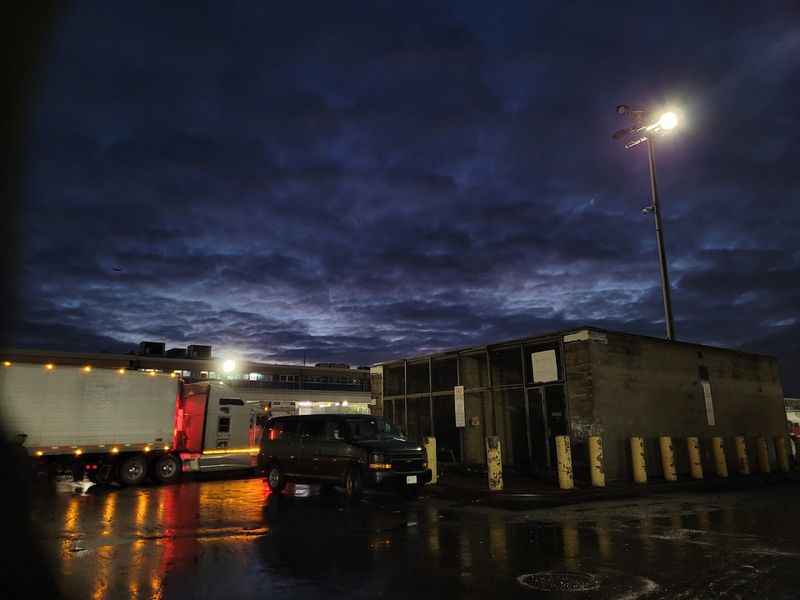
Hunts Point occupies a peninsula in the South Bronx and is known for two very different things: one of the largest food distribution centers in the world and some of the deepest poverty in New York City. The irony is not lost on residents who live near warehouses full of food yet struggle to afford groceries.
The neighborhood is heavily industrial, with truck traffic and waste transfer stations creating serious pollution problems. Hunts Point has some of the highest rates of childhood asthma in the entire country.
Environmental burdens here are layered on top of already difficult economic conditions.
Community groups like Hunts Point Alliance for Children and Sustainable South Bronx have worked to change the neighborhood’s trajectory. Residents have demanded green spaces, better schools, and cleaner air for years.
Their advocacy has produced some real wins, showing that organized communities can push back against decades of neglect.
8. Morrisania, New York City
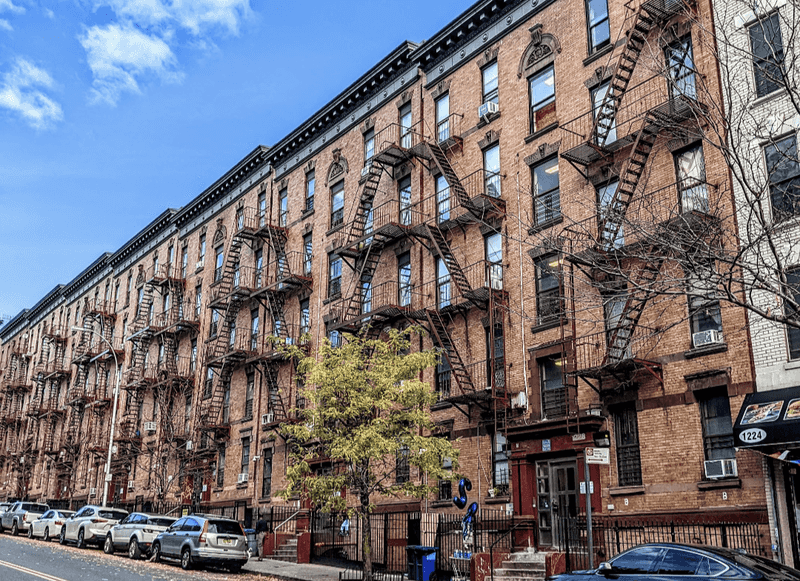
Morrisania, located in the central Bronx, was once a middle-class haven with tree-lined streets and solid housing stock. European immigrants built a strong community here in the early 1900s.
By the 1970s, though, the neighborhood had collapsed into one of the most visible symbols of urban poverty in the United States.
Arson, abandonment, and population loss devastated Morrisania during that era. Thousands of housing units were destroyed or left vacant.
The neighborhood never fully bounced back economically, and today it remains one of the poorest in New York City, with high rates of unemployment and public assistance dependency.
Morrisania does have a rich cultural legacy, particularly in music. It was a birthplace of hip-hop culture and produced legendary artists who shaped American music history.
That creative spirit still lives in the community, even as residents continue working toward economic stability and better living conditions.
9. Sandtown-Winchester, Baltimore
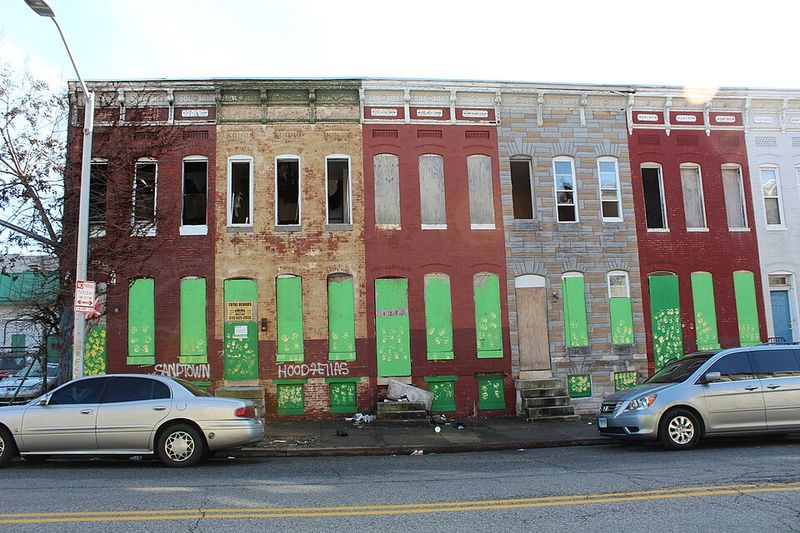
Sandtown-Winchester came into sharp national focus in 2015 following the death of Freddie Gray, a young Black man who died in police custody after being arrested in this West Baltimore neighborhood. The tragedy exposed what many residents already knew: Sandtown-Winchester had been suffering from deep, structural poverty for a very long time.
Vacant rowhouses line many streets here, a visible sign of decades of disinvestment. Unemployment rates are staggering, and educational outcomes lag far behind wealthier parts of Baltimore.
Lead paint exposure has also been a serious health concern for children in the neighborhood.
Sandtown-Winchester has one of the highest incarceration rates of any neighborhood in Maryland. Researchers have studied how mass incarceration cycles poverty through communities like this one.
Despite everything, residents and local nonprofits continue pushing for housing rehabilitation, job creation, and community-centered solutions to deeply rooted problems.
10. Druid Heights, Baltimore
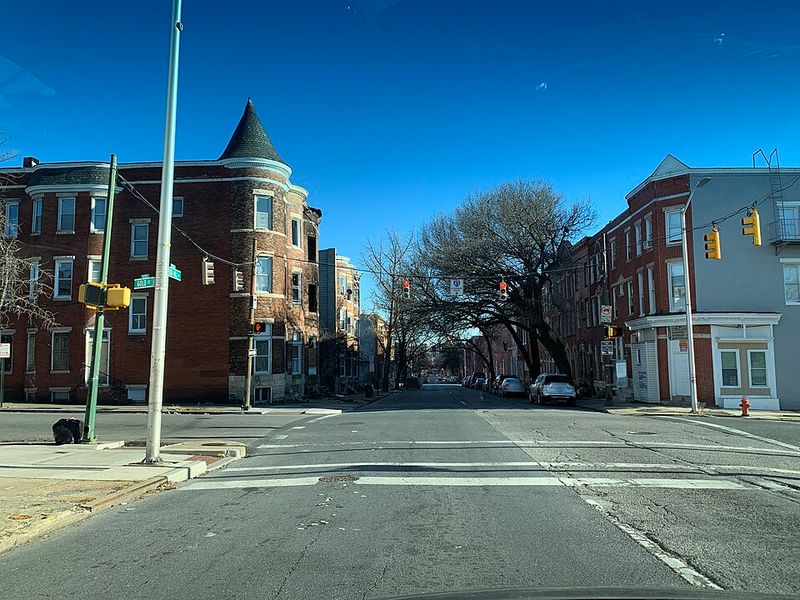
Druid Heights sits just north of Sandtown-Winchester in West Baltimore and shares many of the same painful economic realities. Historically, this neighborhood was a center of Black professional life in Baltimore, home to doctors, lawyers, and educators during the era of segregation.
That history makes its current condition even more striking.
Today, Druid Heights has poverty rates well above 40 percent and some of the highest vacancy rates in the city. Many of its classic Baltimore rowhouses sit abandoned and deteriorating.
Residents who remain face limited job opportunities and underfunded local schools.
Drug trafficking and related violence have also taken a toll on the neighborhood for decades. Community members have worked alongside city agencies to try to reclaim abandoned properties and restore a sense of safety.
Druid Heights carries a proud legacy, and many residents believe that history is worth fighting to honor and rebuild.
11. Central City, New Orleans
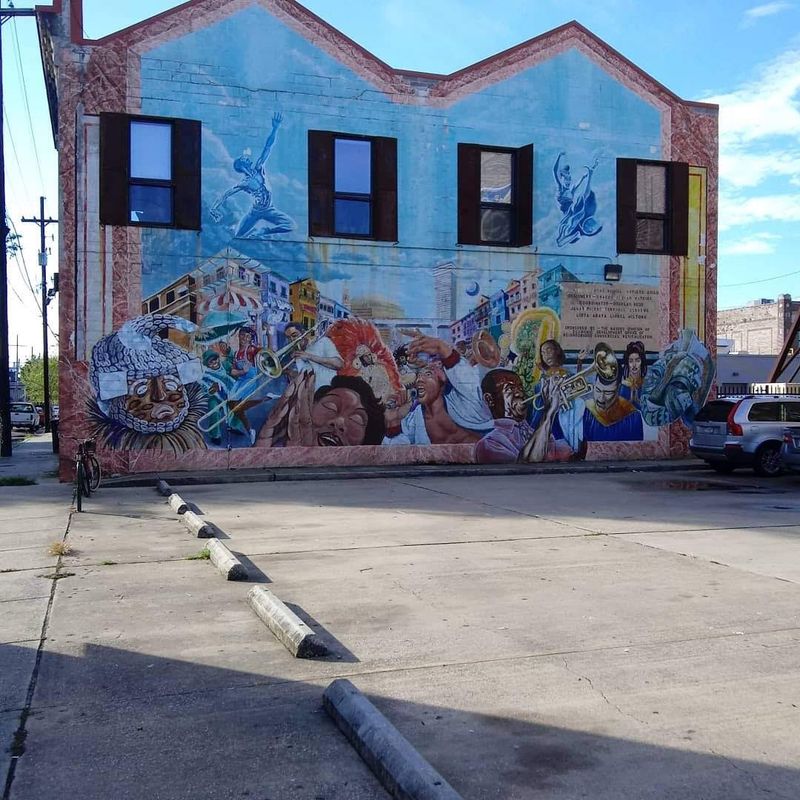
Central City is one of New Orleans’ oldest and most historically rich neighborhoods, sitting just upriver from the French Quarter. It developed as a working-class Black community in the 19th century and has maintained a strong cultural identity ever since.
But economic hardship has been a constant companion here for generations.
Hurricane Katrina in 2005 made conditions worse for many Central City residents who were already struggling. Floodwaters damaged homes, and the slow recovery process left many families without stable housing for years.
Poverty rates in Central City consistently rank among the highest in Louisiana.
Unemployment, limited access to healthcare, and underfunded schools remain serious challenges. Still, Central City pulses with life.
Second-line parades, local churches, and community organizations keep the neighborhood’s spirit alive. Residents here have shown remarkable resilience in the face of both natural disaster and long-term economic neglect.
12. South Memphis, Memphis
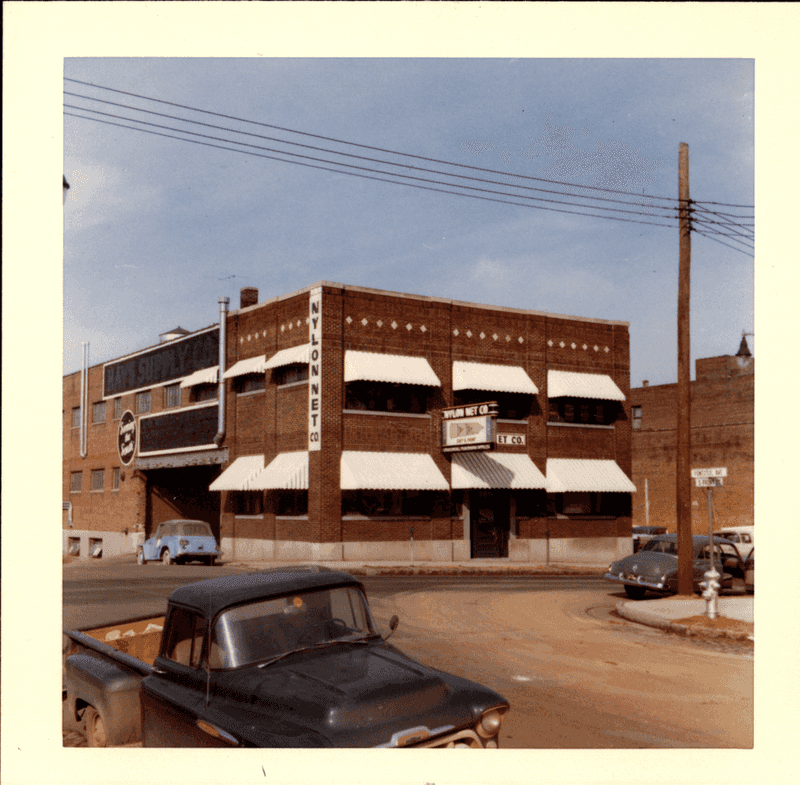
South Memphis is a part of the city that rarely makes the tourist brochures, though it sits not far from the famous Beale Street district. For decades, this area has ranked among the poorest urban neighborhoods in the entire United States.
Median household incomes here are a fraction of the national average.
Like many historically Black communities in the South, South Memphis was shaped by segregation, redlining, and the collapse of manufacturing jobs. When factories closed and businesses relocated to the suburbs, the economic foundation of neighborhoods like this one crumbled.
Population loss followed, leaving behind vacant homes and shuttered storefronts.
Access to quality healthcare in South Memphis is limited, and life expectancy in some ZIP codes here is dramatically lower than in wealthier parts of the city. Local nonprofits and faith communities have stepped up to fill gaps, but the structural challenges remain enormous and deeply entrenched.
13. North Philadelphia, Pennsylvania
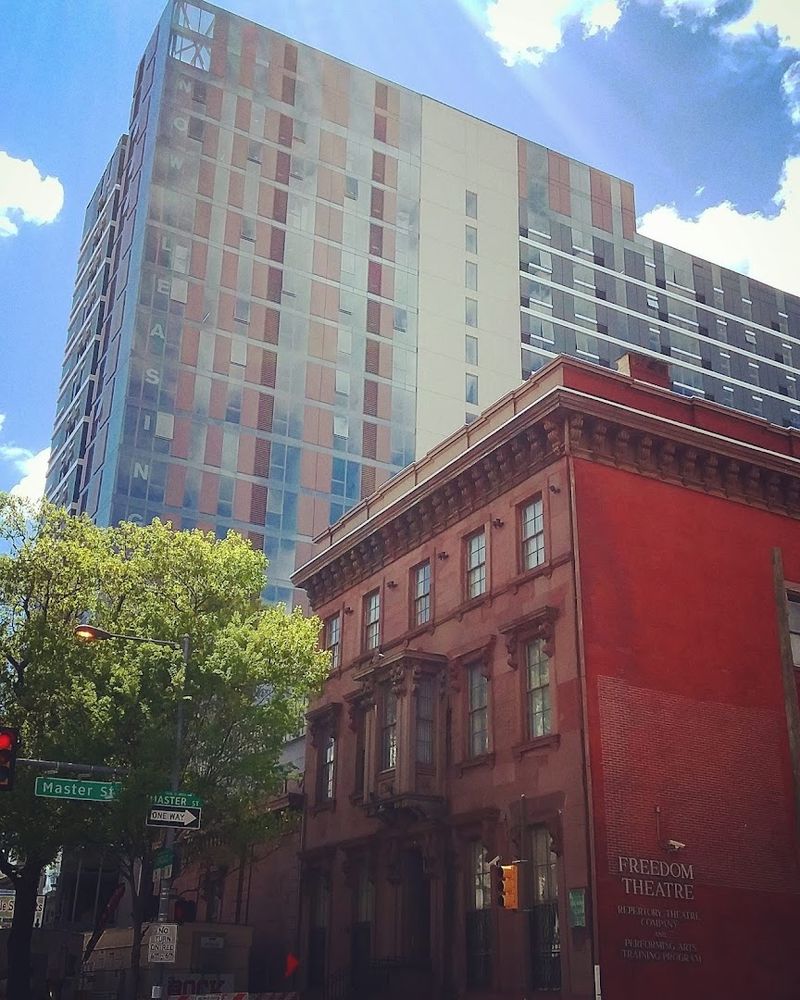
North Philadelphia stretches across a large swath of the city and encompasses some of its most economically distressed blocks. The area has historically been home to waves of immigrant and migrant communities, including large Puerto Rican and African American populations who built vibrant cultural enclaves here over many decades.
Deindustrialization hit North Philadelphia hard. As factories closed throughout the mid-20th century, unemployment soared and residents with means began leaving.
Today, poverty rates in parts of North Philadelphia exceed 40 percent, and the neighborhood consistently appears on lists of the poorest urban areas in the Northeast.
Schools here face chronic underfunding, and many students lack access to the resources that kids in wealthier districts take for granted. Community organizations, murals, and cultural institutions reflect a neighborhood that refuses to be defined only by its hardships.
North Philadelphia has a creative, determined energy that outsiders often overlook.
14. Kensington, Philadelphia
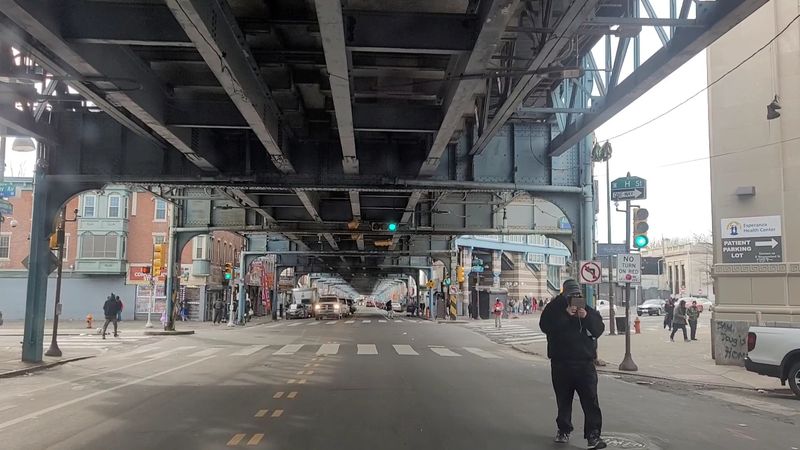
Kensington was once the beating heart of Philadelphia’s textile industry, earning it the nickname “the Workshop of the World” in the 19th century. Thousands of workers lived and labored here, and the neighborhood had a proud working-class identity.
When manufacturing collapsed, Kensington’s economic world fell apart.
Today, Kensington is perhaps best known as the epicenter of the opioid crisis in Philadelphia. The intersection of Kensington and Allegheny Avenues became one of the most visible open-air drug markets in the United States, drawing national media attention and heartbreaking stories of addiction and loss.
Poverty rates here are extremely high, and residents have long struggled with limited services and crumbling infrastructure. Many families in Kensington are working hard to hold their community together despite overwhelming challenges.
Local advocates, harm reduction workers, and faith groups have made real efforts to address addiction while fighting for the neighborhood’s broader economic recovery.
15. Watts, Los Angeles
Watts became known around the world in 1965 when a massive uprising erupted after a traffic stop escalated into days of unrest, leaving 34 people dead and thousands of buildings damaged. The rebellion was a loud signal that decades of poverty, police brutality, and racial discrimination had pushed a community to its breaking point.
Decades later, Watts remains one of Los Angeles’s poorest neighborhoods. Median household incomes are far below the city average, unemployment is high, and many residents live in overcrowded housing.
Gang activity and gun violence have shaped daily life here for generations, though community intervention programs have made some progress.
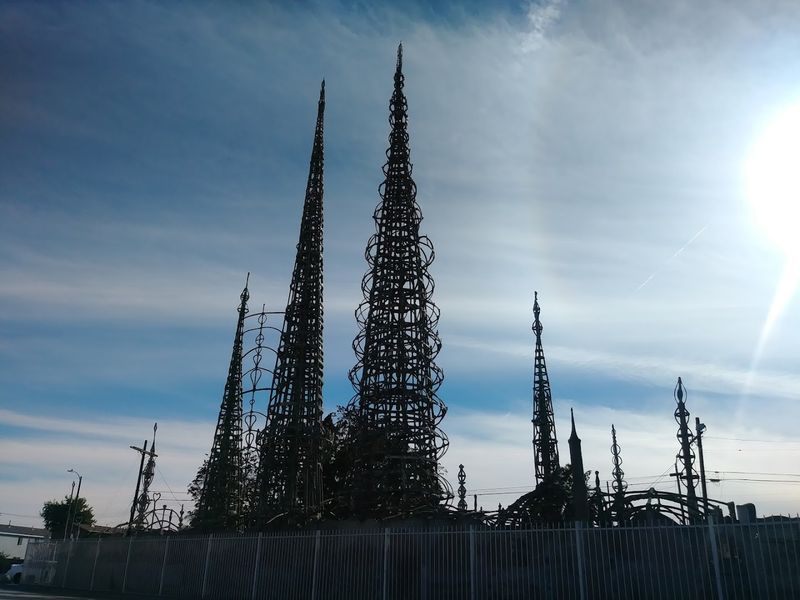
Watts also has a remarkable cultural landmark: the Watts Towers, a stunning folk art structure built by Italian immigrant Simon Rodia over 33 years. The towers stand as a symbol of what individuals can create even in the hardest of circumstances, which feels fitting for this neighborhood.
Share this story