Some countries have figured out something the rest of the world is still working on: how to keep their people safe, happy, and free from conflict. Every year, the Global Peace Index ranks nations based on crime rates, military activity, and social stability.
The results might surprise you. Whether you are planning a move or just curious, these 20 countries are leading the way when it comes to peace.
Iceland
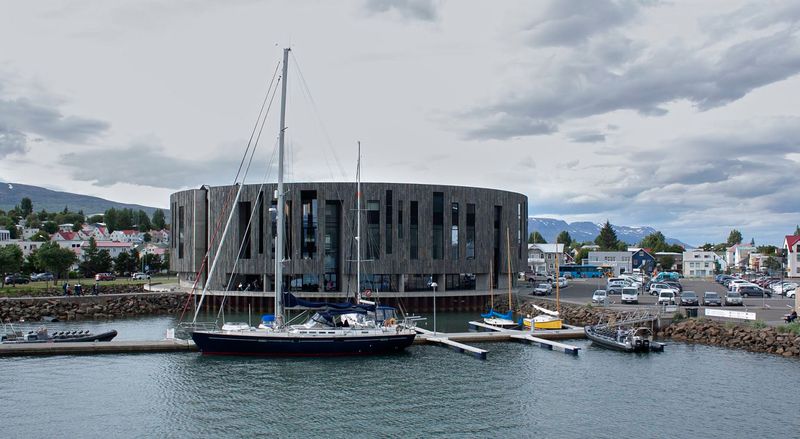
For 19 years in a row, Iceland has refused to give up its title as the world’s most peaceful country. That is not a streak, that is a lifestyle.
With a population of just 370,000 people, everyone practically knows their neighbor, which makes trust easy and crime almost nonexistent.
Iceland has no standing army. None.
The country relies on a small coast guard and police force, and somehow it works perfectly. Violent crime is so rare that when something does happen, it makes national headlines.
The social safety net here is strong, and people genuinely look out for each other. I once read about Icelanders leaving their babies outside in prams while they shop, trusting they will be fine.
That level of public trust is almost hard to believe. Iceland is not just peaceful by accident; it has built a culture around it.
New Zealand
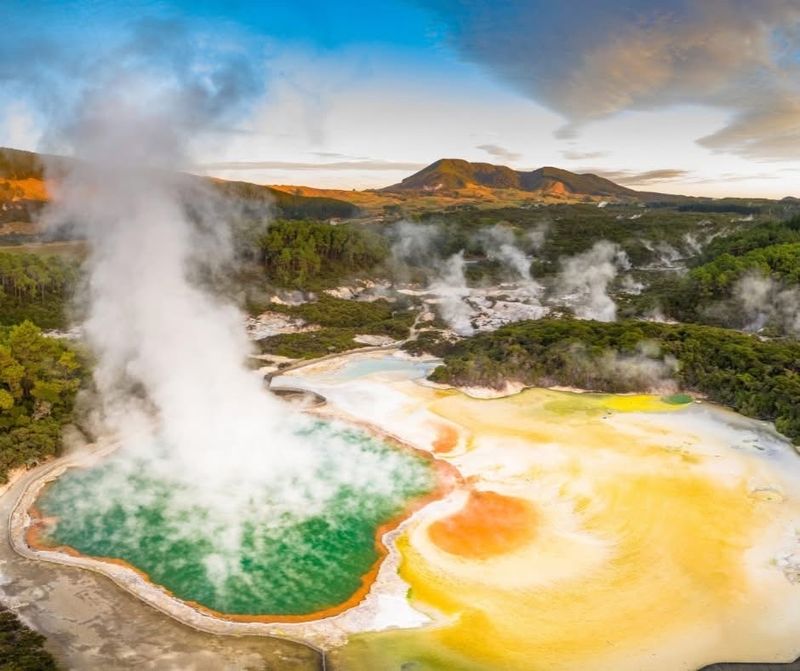
New Zealand proves that being far from everything does not mean you are missing out. Tucked away in the South Pacific, this island nation consistently ranks near the very top of global peace rankings, and honestly, it has earned every bit of that reputation.
Strong democratic institutions, low crime rates, and a government that actually functions well are the backbone of New Zealand’s success. The country also has a high quality of life, which means people are generally content and not looking for trouble.
Beyond the politics, Kiwis have built a culture of inclusion and respect that shows up in everyday life. The blend of Maori traditions and modern values gives New Zealand a unique social fabric that holds together remarkably well.
It is one of those rare places where the natural beauty outside matches the calm you feel inside. Not bad for a country shaped like a boot.
Switzerland
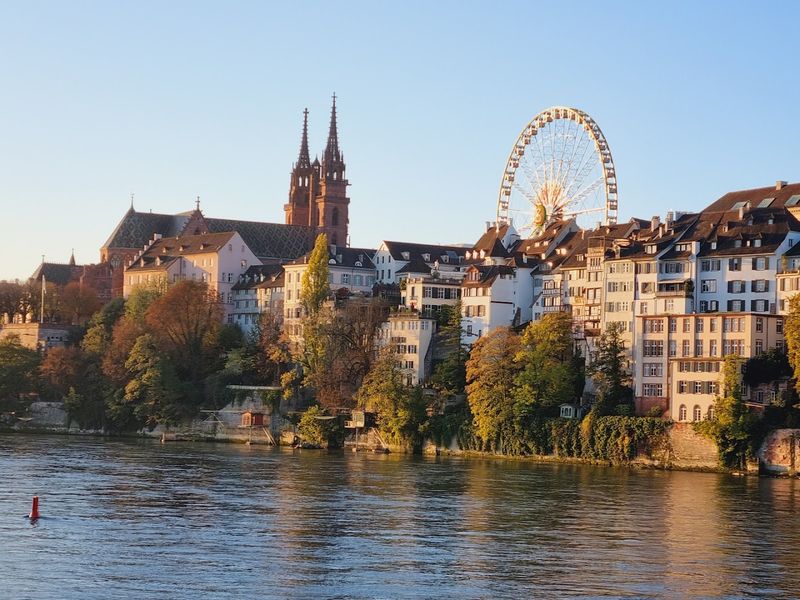
Switzerland has been neutral in international conflicts since 1815. That is over 200 years of staying out of other people’s arguments, which is honestly an underrated superpower.
The Swiss have turned neutrality into a national art form, and peace has followed naturally.
Violent crime in Switzerland is remarkably low. Walking through Zurich or Geneva at night feels completely normal, and locals will tell you safety is just part of the deal.
Political stability adds another layer, with a government structure that balances power carefully between regions and parties.
The country also happens to have one of the highest standards of living on the planet. Good schools, excellent healthcare, and a strong economy mean people have fewer reasons to be frustrated.
Switzerland is proof that when a country invests in its people, peace tends to take care of itself. Plus, the chocolate and cheese are world-class.
That helps too.
Slovenia
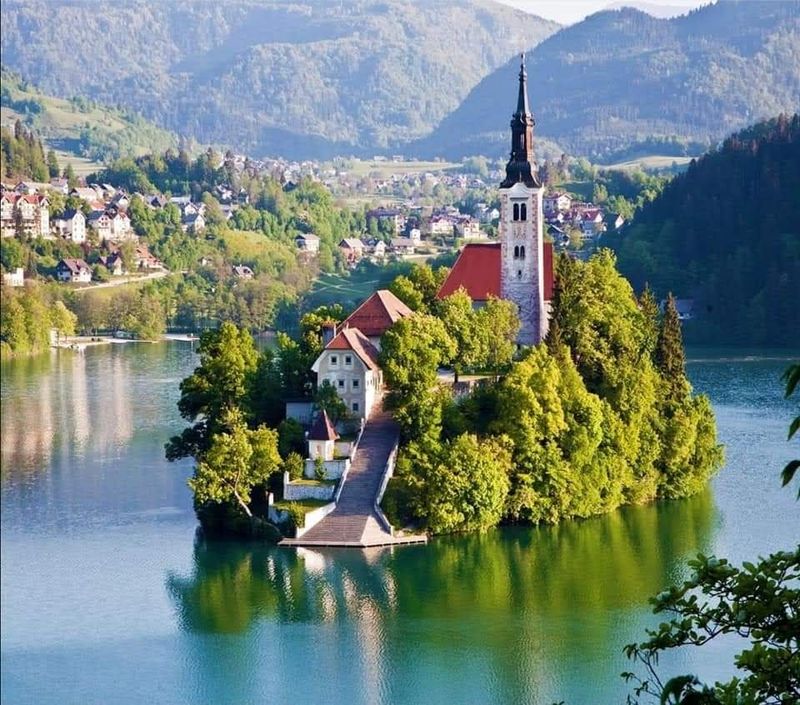
Slovenia is the quiet overachiever of the peace world. Tucked between Austria, Italy, Croatia, and Hungary, this small Central European gem consistently ranks among the top peaceful nations, yet most people cannot even find it on a map on the first try.
With a population of just two million, Slovenia has low crime rates, a stable government, and strong social cohesion. People here tend to trust their institutions and each other, which creates the kind of calm that larger, noisier countries can only dream about.
The country also has stunning natural beauty, from the crystal-clear Lake Bled to the dramatic Triglav mountains. Locals will tell you life here moves at a comfortable pace.
It is not flashy, but it works. Slovenia is the kind of place that does not need to shout about how peaceful it is, because the results speak for themselves.
Underrated? Absolutely.
Ireland
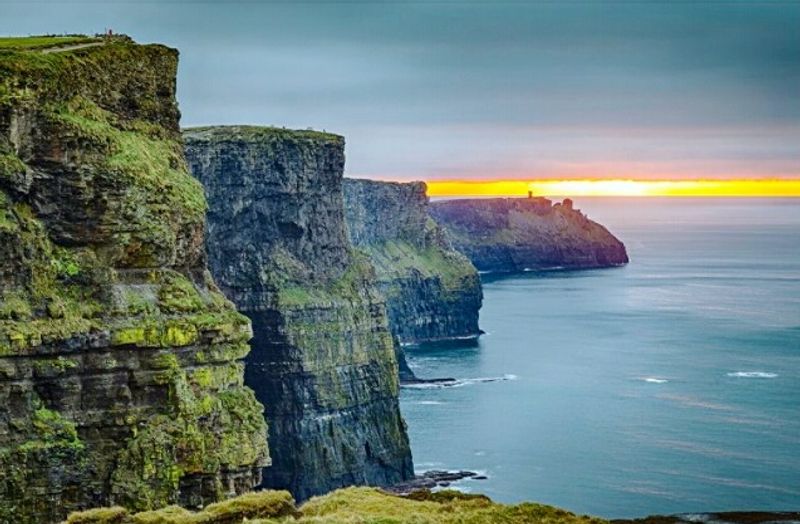
Ireland has a rare combination going for it: military neutrality, strong democratic institutions, and a population that is genuinely warm and welcoming to strangers. That is a recipe for peace, and it has been working well for decades.
Crime rates in Ireland are low compared to most of Europe, and the country scores consistently well on global safety indexes. The government is stable, the rule of law is respected, and social services are solid.
People here have access to good healthcare and education, which keeps frustration levels manageable.
There is also something to be said for Irish culture itself. Community matters here.
Neighbors know each other, local pubs function as social hubs, and there is a real sense of belonging that binds people together. Ireland has had its difficult history, but the Ireland of today is a genuinely peaceful, forward-looking country.
And yes, the green hills are exactly as beautiful as everyone says.
Austria
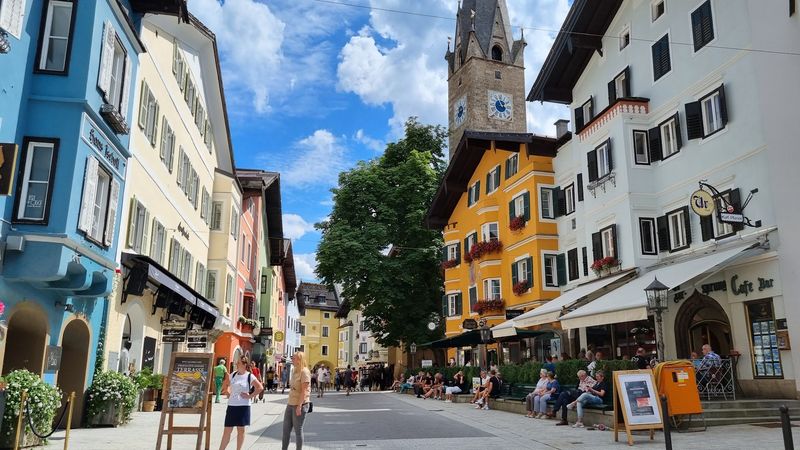
Austria has been on the Global Peace Index since the very beginning, and it has never really had a bad year. That kind of consistency does not happen by accident.
It takes a stable government, a high standard of living, and a society that values order and fairness.
Violent crime in Austria is rare, and public safety is something citizens genuinely take pride in. Vienna, the capital, has been ranked the world’s most livable city multiple times.
That is not just about coffee houses and classical music; it reflects deep investments in infrastructure, healthcare, and social services.
Austria also benefits from its position in the heart of Europe, maintaining strong diplomatic relationships with its neighbors. The country has navigated modern challenges without losing its fundamental stability.
Austria is the kind of place where things just work, trains run on time, parks are clean, and people feel genuinely secure in their daily lives. Solid gold, honestly.
Portugal
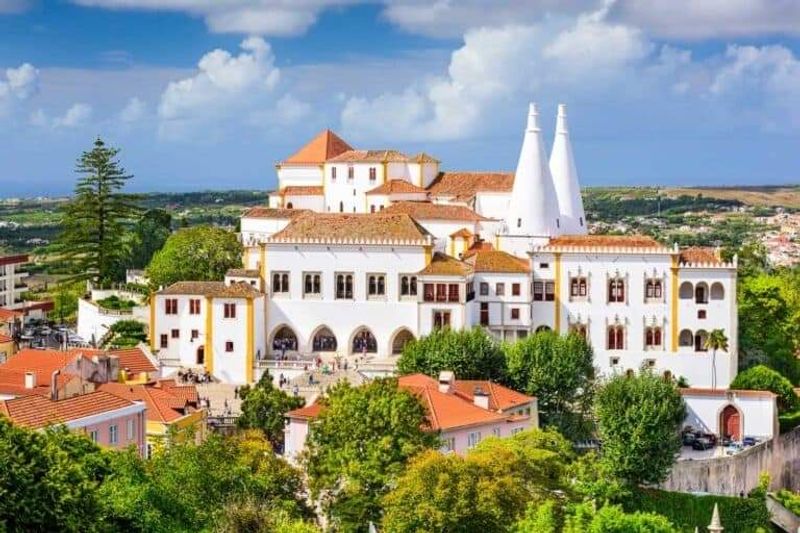
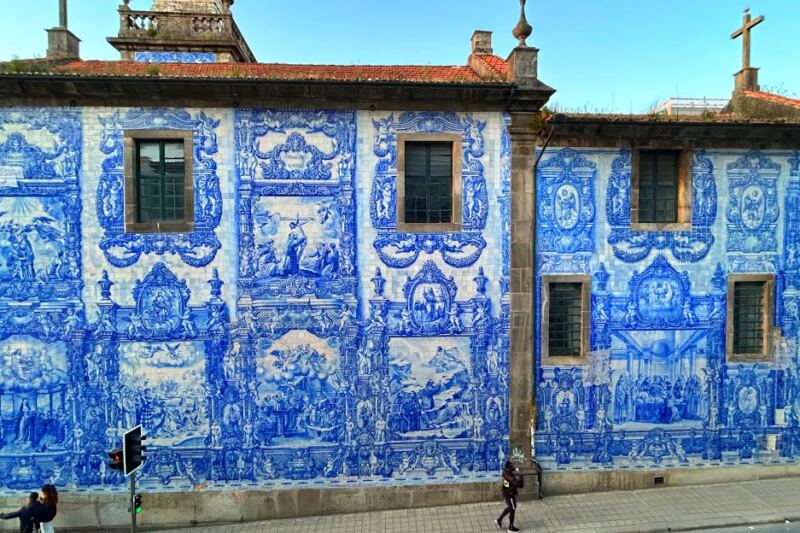
Portugal is the kind of country that sneaks up on you. It is not as loud about its achievements as some of its European neighbors, but when you look at the data, it has been quietly building one of the safest societies on the continent for years.
Low crime rates and a relaxed, unhurried lifestyle make Portugal an easy place to feel comfortable. Lisbon and Porto are lively cities, but they lack the edge of tension you find in many urban centers.
People here take their time, and that attitude extends to how the society functions overall.
Political stability has been a key ingredient too. Portugal has maintained a functioning democracy with peaceful transitions of power for decades.
The country also decriminalized personal drug use back in 2001, a bold move that actually reduced crime and improved public health. Portugal does not follow the crowd, it just quietly figures out what works.
And it does.
Denmark
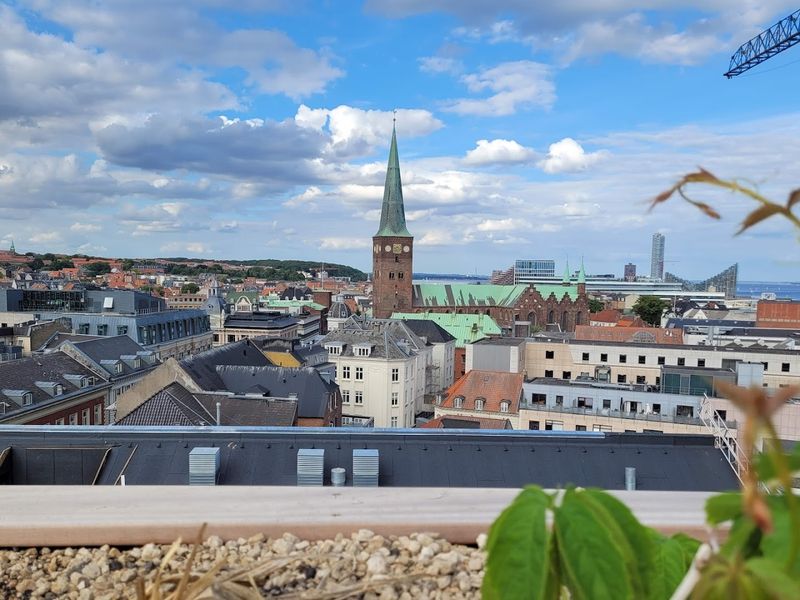
Denmark runs on trust. That might sound like an odd thing to say about a country, but it is genuinely one of the defining features of Danish society.
Citizens trust their government, their neighbors, and their institutions, and that social glue holds everything together remarkably well.
The welfare system in Denmark is among the strongest in the world. Free healthcare, free education, generous parental leave, and a strong social safety net mean that basic needs are met for almost everyone.
When people are not struggling to survive, they tend not to cause trouble. Funny how that works.
Crime rates are low, communities are safe, and Denmark consistently ranks as one of the happiest countries on Earth alongside its peace credentials. The Danish concept of hygge, that cozy sense of contentment and togetherness, is not just a lifestyle trend.
It reflects something real about how people here relate to each other and their world. Very cool, Denmark.
Singapore
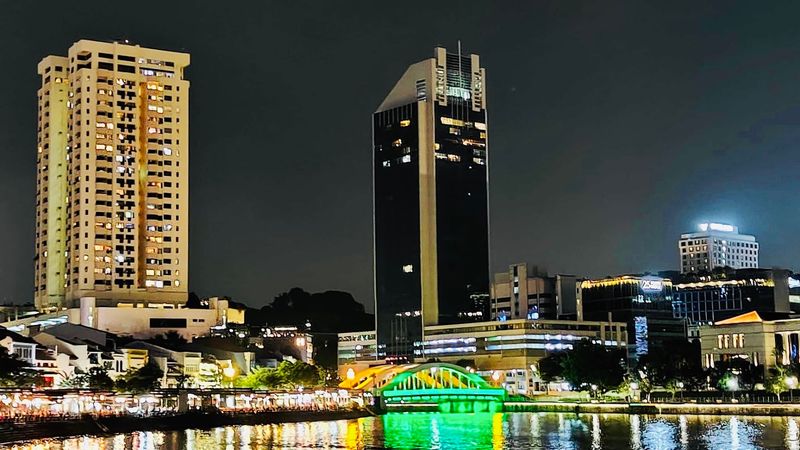
Singapore is the highest-ranked Asian nation on the Global Peace Index, and if you have ever visited, you already know why. This city-state is almost aggressively orderly.
Jaywalking gets you a fine. Littering gets you a fine.
Even chewing gum has had its complicated legal history here.
The result of all that structure is an exceptionally safe environment. Crime rates are among the lowest in the world, and the streets are clean, efficient, and well-lit.
Governance in Singapore is tight and effective, with a zero-tolerance approach to corruption that keeps public institutions functioning properly.
Some critics argue the rules are too strict, and that is a fair debate to have. But in terms of personal safety and public order, Singapore delivers in a way few places can match.
Tourists regularly say they feel safer here than anywhere else they have traveled. For a country smaller than many cities, that is an extraordinary achievement.
Impressive, to say the least.
Finland
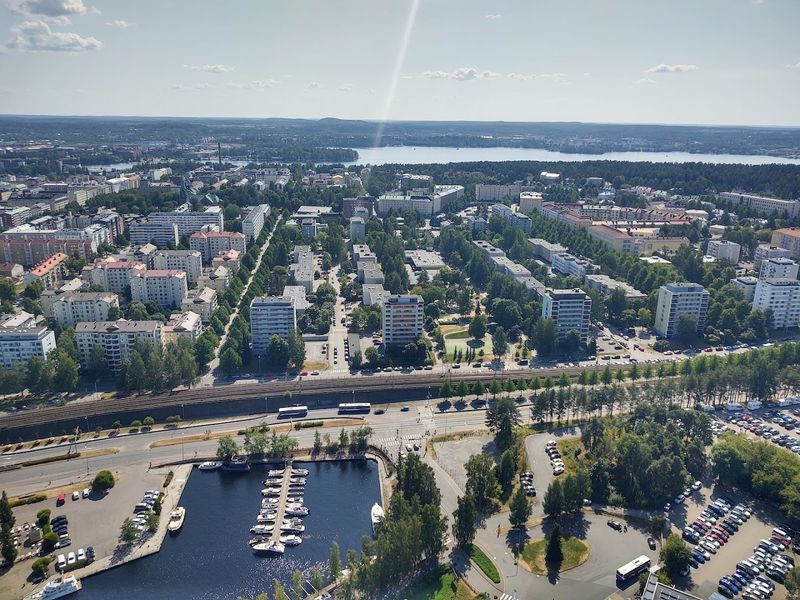
Finland wins at everything. It regularly tops the charts as the world’s happiest country, and now it is here on the peace list too.
At this point, Finland is just showing off. But in the best possible way.
Strong social systems are Finland’s secret weapon. Universal healthcare, excellent public schools, and a genuine commitment to equality mean that citizens have what they need to live well.
When people feel supported and secure, social tensions stay low. It is a simple equation that Finland has mastered better than almost anyone.
Safety is deeply embedded in Finnish culture. Violent crime is rare, and public spaces feel genuinely secure.
Finland also has a fascinating relationship with nature; the country is 75% forest, and outdoor life is a huge part of how people decompress and connect. There is something about fresh air, clean lakes, and 300,000 islands that puts everyone in a good mood.
Finland, you absolute legend.
Czech Republic
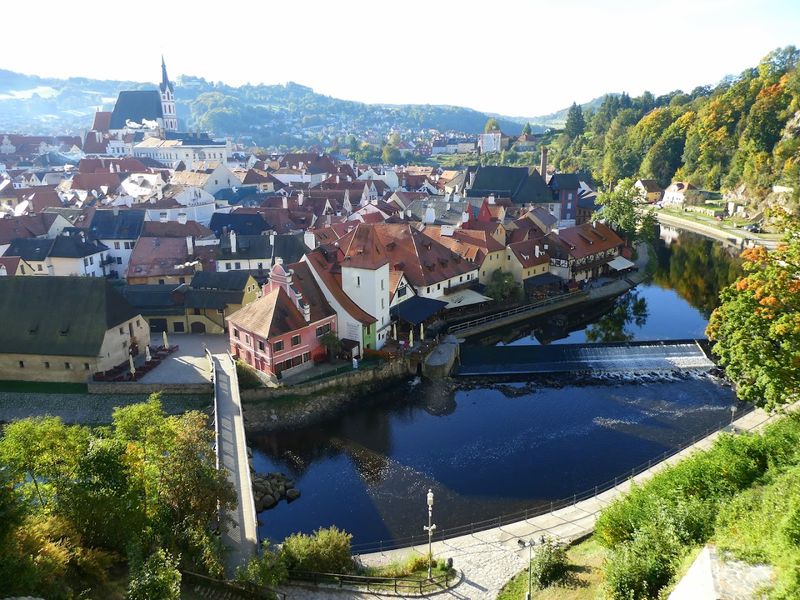
The Czech Republic does not always get the credit it deserves on the world peace stage, but the numbers tell a clear story. Low violent crime, a stable political system, and strong public safety infrastructure have kept this Central European country near the top of global rankings for years.
Prague is one of the most visited cities in Europe, and part of its appeal is how comfortable and safe it feels. Solo travelers, families, and elderly tourists all move through the city with ease.
That kind of universal safety is not accidental; it reflects a broader national culture of order and civic responsibility.
The Czech Republic has also built strong institutions since the Velvet Revolution of 1989. Democracy here is not new and shaky; it is well-established and trusted by citizens.
Public services work, rule of law is respected, and people generally feel secure. The Czechs have quietly built something worth noticing.
Give them their flowers.
Japan
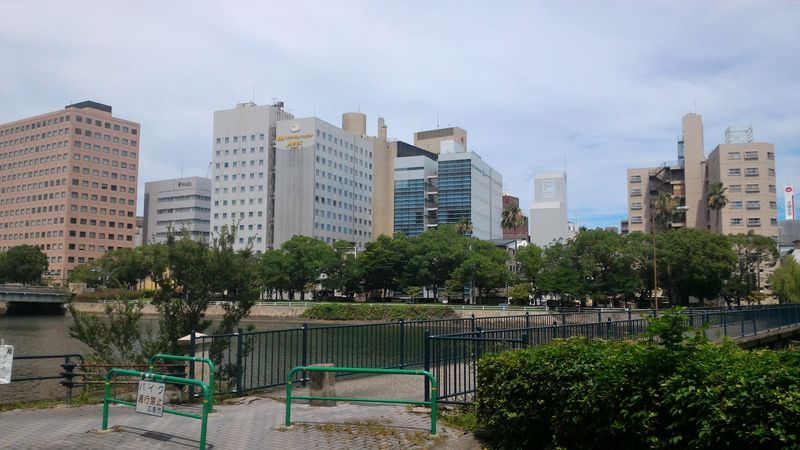
Japan has one of the lowest crime rates of any country on Earth, full stop. You can leave your wallet on a cafe table in Tokyo and come back to find it exactly where you left it.
That is not just luck; it reflects a deep cultural emphasis on honesty, respect, and collective responsibility.
Social order in Japan runs deep. People queue patiently, follow rules, and take community well-being seriously.
This is not about fear of punishment; it is about a genuine cultural value system that prizes harmony over conflict. The Japanese concept of wa, or social harmony, shapes behavior in ways that make everyday life remarkably smooth.
Japan also invests heavily in public safety infrastructure, from disaster preparedness to community policing. Crime is not just low; it is genuinely rare across the board.
Living in Japan means moving through public spaces with a level of ease and security that feels almost surreal to visitors from other countries. Remarkable, honestly.
Malaysia
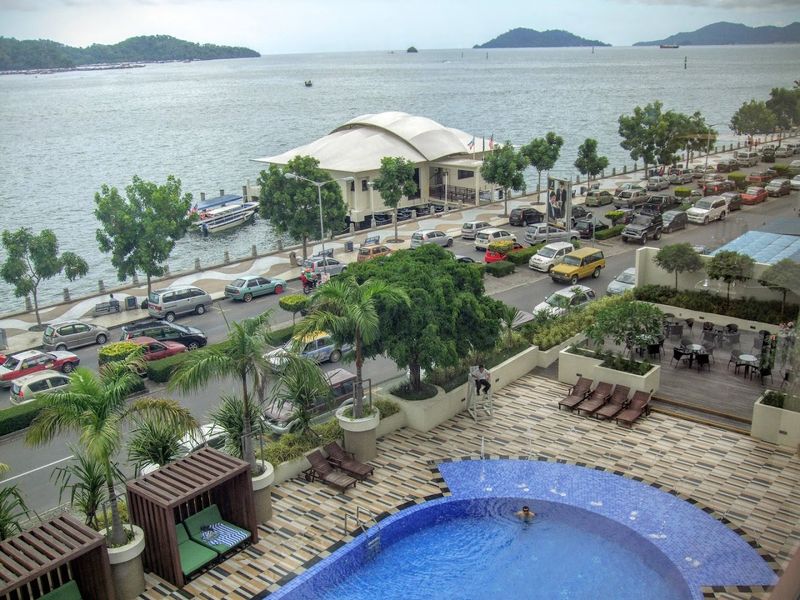
Malaysia stands out in Southeast Asia as a region where peace is not always guaranteed. While neighbors navigate political instability and territorial disputes, Malaysia has maintained relatively low levels of internal conflict and kept military spending modest compared to many nations in the area.
The country is a fascinating mix of cultures, with Malay, Chinese, Indian, and indigenous communities living side by side. Managing that diversity peacefully is no small feat, and Malaysia has largely succeeded in building a multi-ethnic society that functions with reasonable cohesion.
There are tensions, sure, but open conflict remains rare.
Tourism thrives here partly because visitors feel safe moving through the country. Kuala Lumpur buzzes with energy but without the underlying tension found in some of its regional counterparts.
Malaysia is not perfect, but it has carved out a reputation for stability and safety that sets it apart in its neighborhood. In Southeast Asia terms, that is a genuine achievement worth recognizing.
Canada
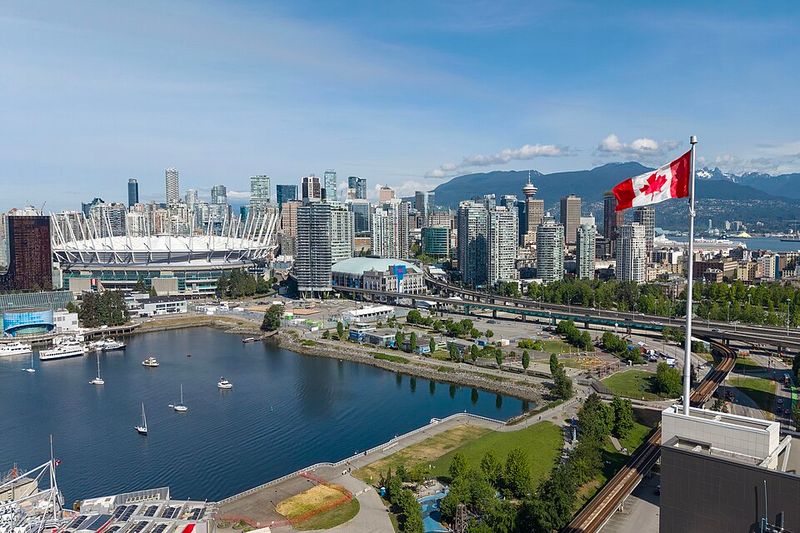
Canada holds the title of the most peaceful country in the Americas, which is a big deal when you consider the competition. The United States, Central America, and South America all have significant conflict issues, making Canada’s consistent calm stand out even more sharply by comparison.
Strong institutions are Canada’s foundation. The rule of law, an independent judiciary, and a functioning democracy give citizens confidence that the system works for them.
Low levels of internal conflict and a generally stable society mean that day-to-day life is safe and predictable for most Canadians.
Canada also benefits from a culture of multiculturalism that has been built deliberately over decades. The country actively works to include immigrants and diverse communities rather than pushing them to the margins, which reduces social friction significantly.
Canadians are famously polite, and while that is a bit of a stereotype, it does reflect something real about how people treat each other here. Sorry for doubting you, Canada.
Belgium
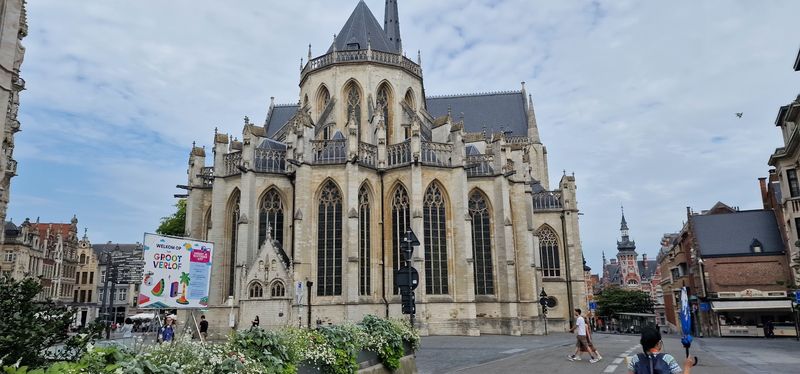
Belgium might be best known for its waffles, chocolate, and the ongoing debate over whether Brussels or Bruges is the better city to visit. But beneath all that deliciousness lies a genuinely stable and peaceful country that consistently ranks well on global safety measures.
A stable democracy with strong social protections is Belgium’s backbone. Universal healthcare, strong labor protections, and a robust welfare system mean that citizens are not left to struggle alone.
Social safety nets reduce inequality, and lower inequality generally means lower crime and social tension. Belgium understands this connection well.
Internal conflict levels are low, and despite occasional political drama around the country’s complex regional divisions between Dutch and French speakers, the system holds together peacefully. Belgium has managed to keep its federal structure functioning without tipping into serious instability.
That is harder than it looks, and Belgium deserves credit for pulling it off. Also, the chocolate really is extraordinary.
Just saying.
Netherlands
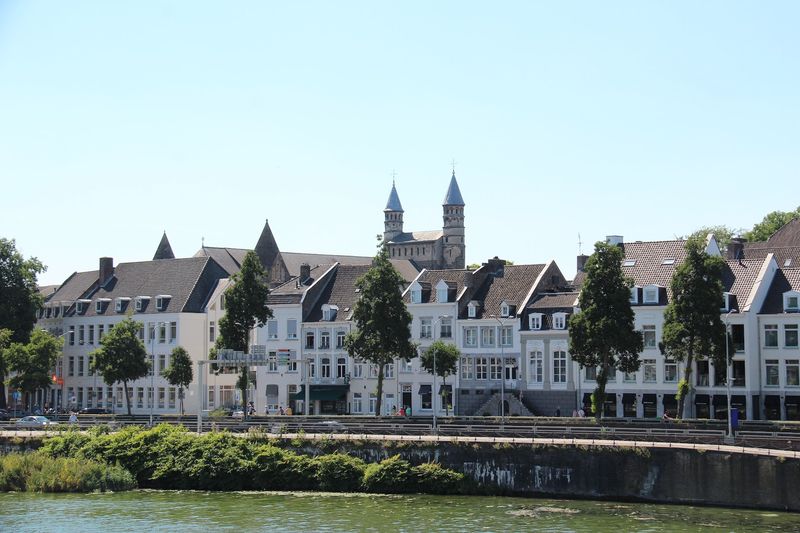
The Netherlands punches well above its weight on the global peace index. For a small, densely populated country in the heart of Europe, maintaining the kind of safety and stability it does is genuinely impressive.
It is not something that just happens; it is built and maintained deliberately.
Excellent public safety systems, a well-functioning political structure, and a high quality of life all contribute to the Netherlands’ strong ranking. Dutch cities are known for being safe, walkable, and livable.
Amsterdam might have a reputation for its wild side, but the underlying society is remarkably well-ordered and secure.
Political stability here is real and durable. The Netherlands has a long tradition of coalition government, which means compromise is baked into how decisions get made.
That culture of negotiation rather than confrontation extends beyond politics into everyday Dutch life. They even have a word for it: poldermodel, the art of finding common ground.
Few countries do civic life as thoughtfully as the Netherlands. Genuinely impressive stuff.
Hungary
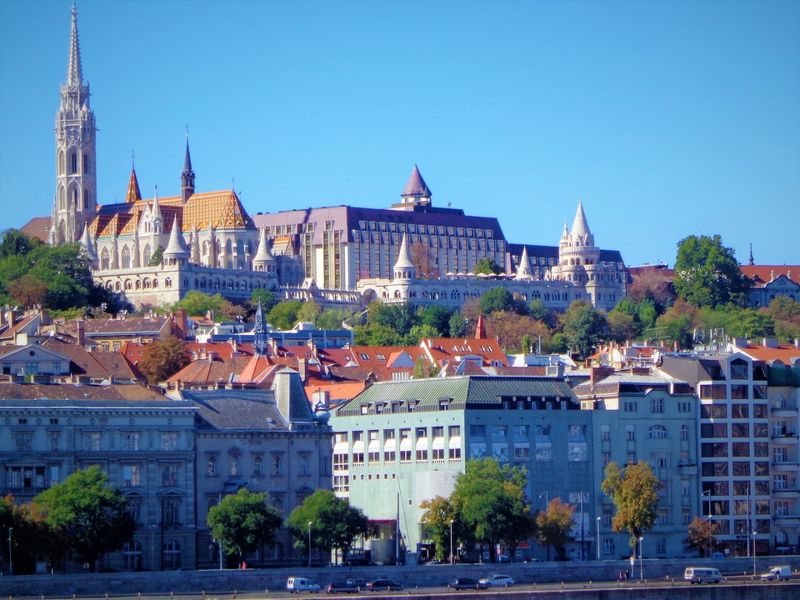
Hungary has had its share of political headlines in recent years, with debates about democratic backsliding making international news regularly. So it might surprise some people to find it still ranking well on safety and peacefulness.
But politics and personal safety are not always the same thing.
When it comes to the metrics that drive the Global Peace Index, Hungary performs solidly. Violent crime rates are low, public spaces are safe, and the country does not face significant internal armed conflict.
Everyday life for most Hungarians is calm, orderly, and secure by global standards.
Budapest is a stunning capital city that draws millions of visitors each year, and the safety record holds up under that kind of tourist traffic. People move freely through the city day and night without significant concern.
Hungary is a good reminder that a country can be complicated politically while still providing a genuinely safe environment for its people. Context matters when reading rankings.
Australia
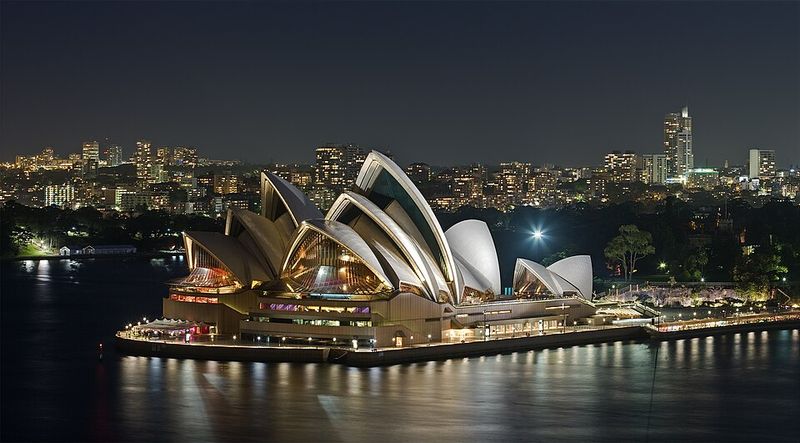
Australia is big, sun-drenched, and home to more dangerously venomous creatures than almost anywhere on Earth. Ironically, it is also one of the safest countries for humans to live in.
The spiders and snakes have not figured out how to affect the peace rankings yet.
Strong democratic institutions, low violent crime, and a stable society are Australia’s real calling cards on the global stage. The country has a well-funded legal system, a functioning government, and social services that keep extreme inequality in check.
These factors combine to create an environment where most people feel genuinely secure.
Australia also benefits from its geographic isolation, surrounded by ocean rather than land borders with conflict-prone neighbors. That natural buffer has helped maintain stability in ways that landlocked nations cannot rely on.
Urban life in cities like Sydney and Melbourne is vibrant but safe, with low crime rates across most neighborhoods. Australia is proof that safety and sunshine can absolutely coexist.
Throw another shrimp on the barbie, indeed.
Bhutan
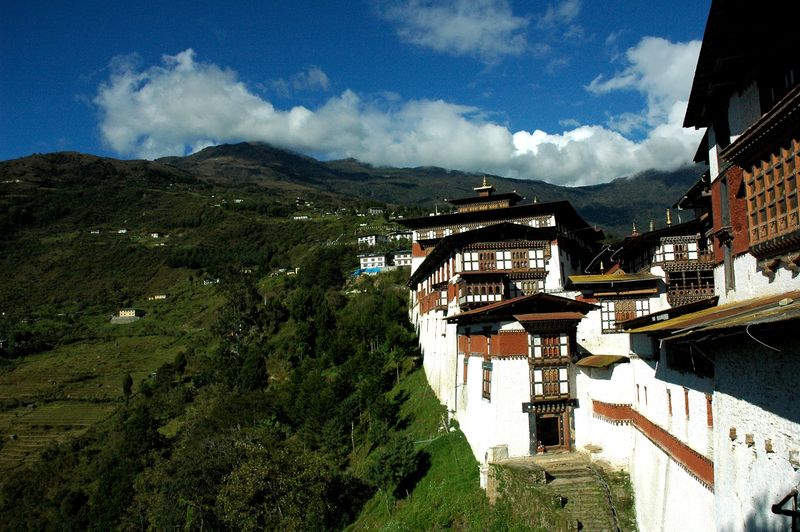
Bhutan measures its national success not in GDP but in Gross National Happiness. That is not a joke; it is actual government policy.
While most countries are racing to grow their economies, Bhutan is asking a different question entirely: are people actually happy and at peace?
The results of that philosophy show up clearly in peace rankings. Bhutan has built a society around well-being, environmental preservation, and social harmony.
The government actively protects its culture and natural environment, limiting tourism to keep outside pressures manageable and preserve what makes the country special.
Violence and conflict are genuinely rare here. The country is nestled in the Himalayas, geographically isolated and spiritually grounded in Buddhist values that emphasize compassion and non-violence.
Bhutan is not wealthy by global economic standards, but it has found a different kind of richness. It is the country that quietly asks whether the rest of the world has been measuring success wrong all along.
Worth thinking about.
Latvia
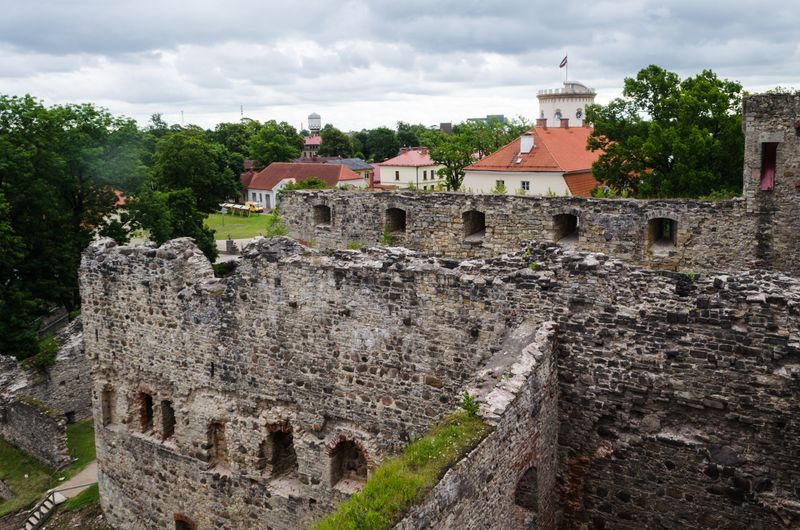
Latvia rounds out this list as the 20th safest and most peaceful country on Earth, and it earns that spot with real credentials. Relatively low crime levels, a stable governance structure, and a strong security environment have built a solid foundation for peaceful daily life here.
Located on the Baltic Sea, Latvia has a fascinating history that includes Soviet occupation and a remarkable peaceful independence movement known as the Singing Revolution. A nation that sang its way to freedom has a certain kind of resilience built into its DNA.
That spirit of determination without violence says a lot about Latvian character.
Riga, the capital, is a beautifully preserved city with a thriving cultural scene and streets that feel genuinely safe at all hours. Latvia has invested in modernizing its institutions since joining the European Union in 2004, and those investments are showing up in quality of life and public safety measures.
Latvia is a small country doing big things quietly. A worthy closer to this list.
Share this story