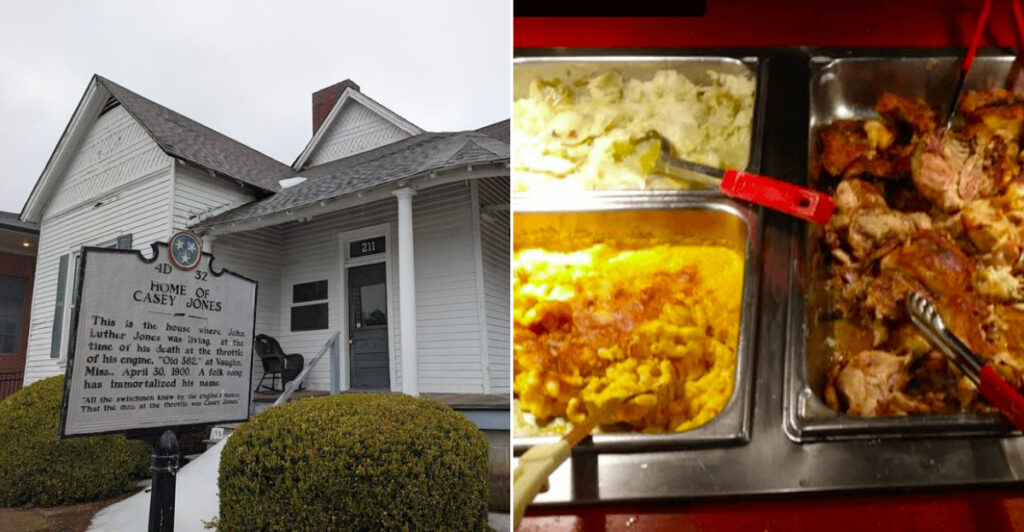
There is a stretch of highway in western Tennessee where railroad history, Southern cooking, and small-town charm all collide in the most unexpected way. A village built around the legacy of one of America’s most famous train engineers has grown into a full-blown destination, drawing road-trippers, history buffs, and families who just want a good meal and a great story.
The spot sits right off a major interstate, making it easy to pull over and discover something far more interesting than a typical rest stop. From a railroad museum to a historic home, a Southern buffet, a general store, and even overnight stays, this Jackson, Tennessee landmark keeps surprising everyone who stops by.
The Man Behind the Legend
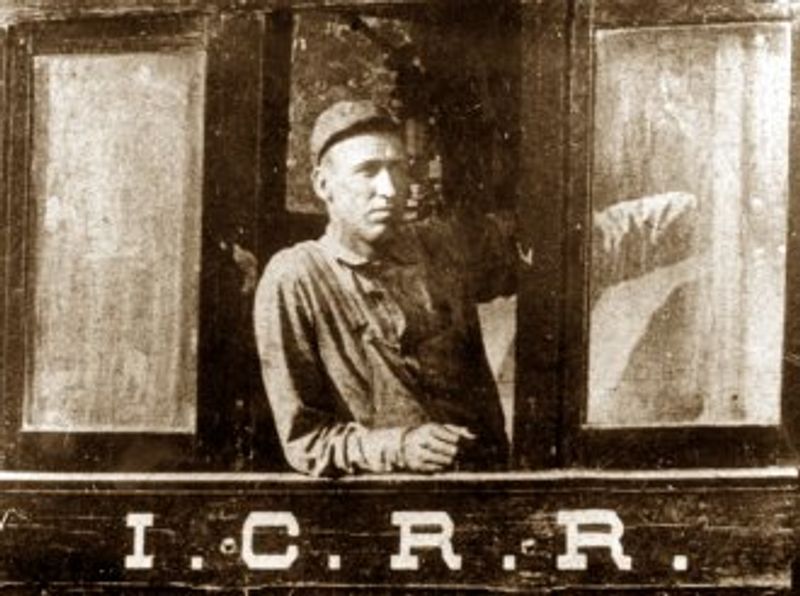
John Luther Jones earned his nickname from his hometown of Cayce, Kentucky, and went on to become one of the most celebrated figures in American railroad history.
On April 30, 1900, Jones was at the controls of Illinois Central Railroad’s Cannonball Express when it collided with a stalled freight train near Vaughan, Mississippi. He stayed at the throttle and slowed the train enough to save every passenger on board, though he did not survive the crash himself.
His story spread quickly, largely thanks to a ballad written by his friend and fellow railroad worker Wallace Saunders, which turned Jones into a folk hero almost overnight.
The legend grew so large that his home in Jackson became a site of historical significance, and the village that formed around it became a permanent tribute to a man who put his passengers first. That kind of loyalty to duty still resonates today.
The Historic Home That Started It All
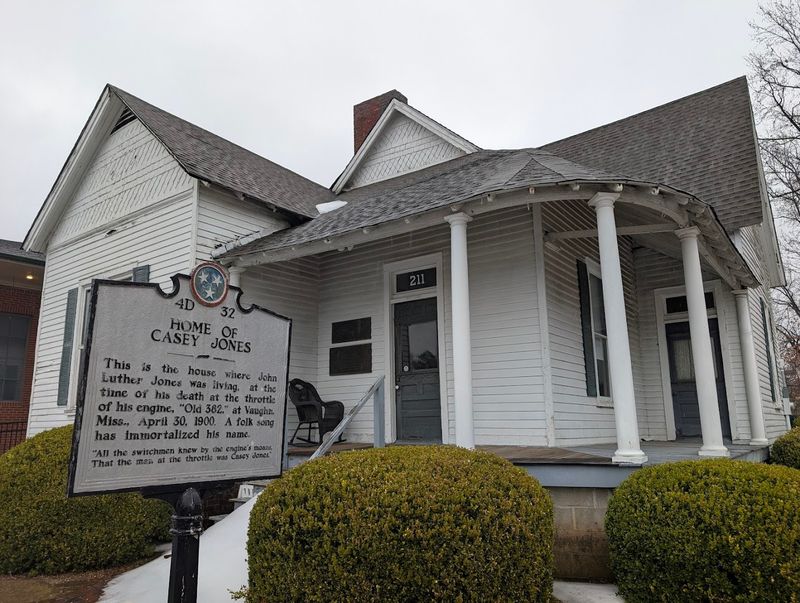
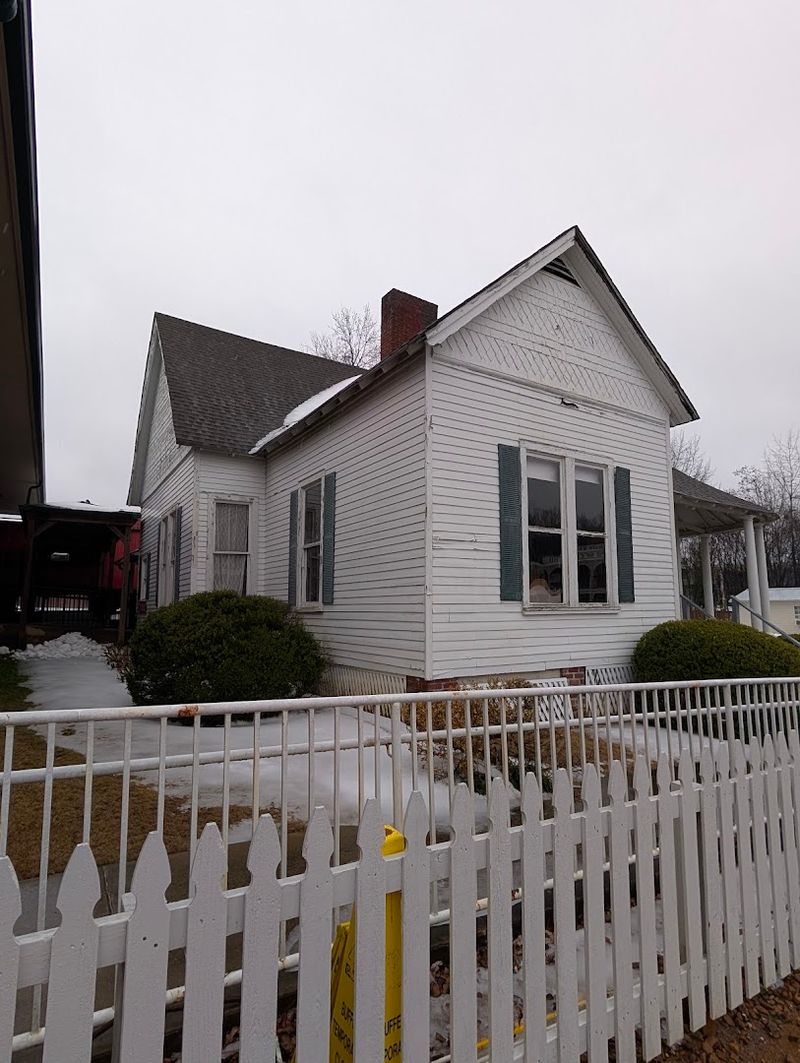
The original home where Casey Jones lived with his family still stands within the village, preserved as a piece of living history that connects modern visitors to the early 1900s railroad era.
The house is a modest structure that reflects the working-class lifestyle of railroad workers at the turn of the century, and it gives a grounded, human perspective to the larger-than-life legend.
Touring the home offers a closer look at how Jones and his family actually lived, with period furnishings and details that help tell the story beyond the famous ballad.
The preservation of the house is what anchors the entire village concept, giving the surrounding shops, restaurants, and attractions a genuine historical core rather than just a themed backdrop.
Standing next to a real piece of railroad history adds a layer of authenticity to the visit that most roadside stops simply cannot offer, and it remains one of the most compelling reasons to stop here.
The Railroad Museum Worth Exploring
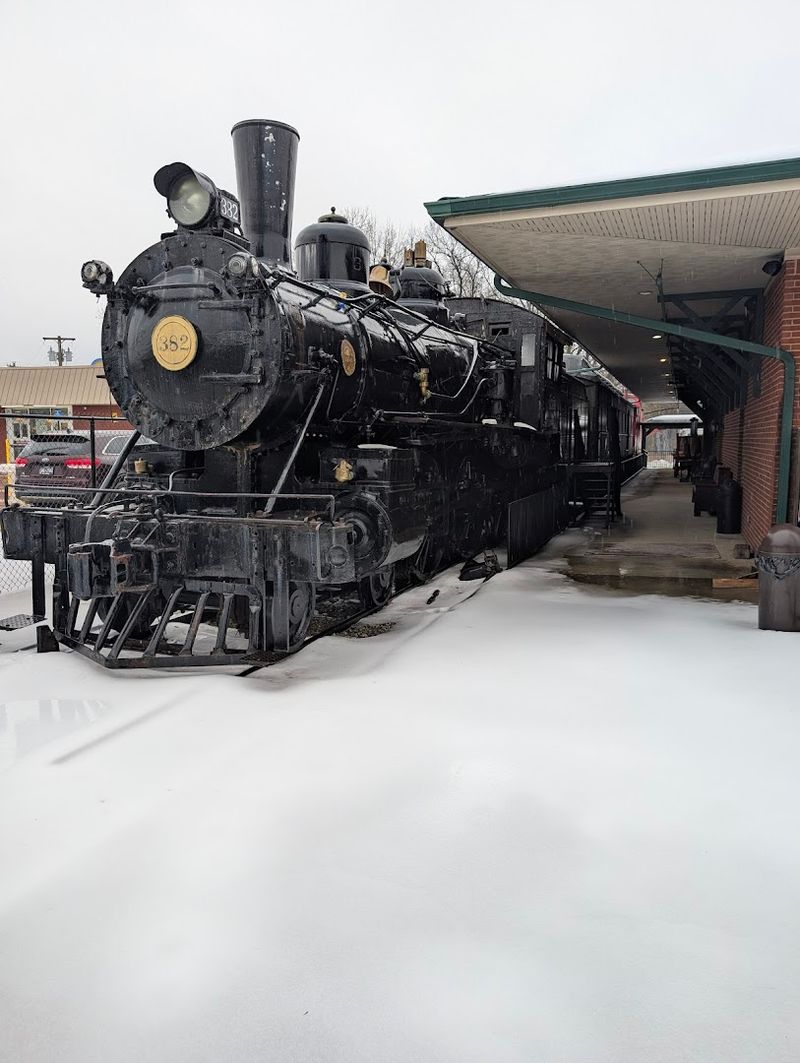
Right alongside the historic home, the railroad museum at Casey Jones Village fills in the broader story of American rail travel with exhibits, artifacts, and displays that go well beyond a simple timeline.
The museum covers the era of steam-powered locomotives, the culture of railroad workers, and the specific events surrounding Casey Jones’s final run in a way that feels engaging rather than dry.
Locomotive enthusiasts will find plenty to study, while younger visitors can connect with the story through visual displays and hands-on elements that make history feel immediate and relevant.
The museum does not require any prior knowledge of railroad history to enjoy. It is designed to welcome curious newcomers just as much as dedicated train fans who arrive with notebooks and questions.
Together, the museum and the historic home form the historical backbone of the entire village, and spending time in both gives the rest of the visit much more meaning and context than skipping them would.
Southern Buffet Dining Done Right
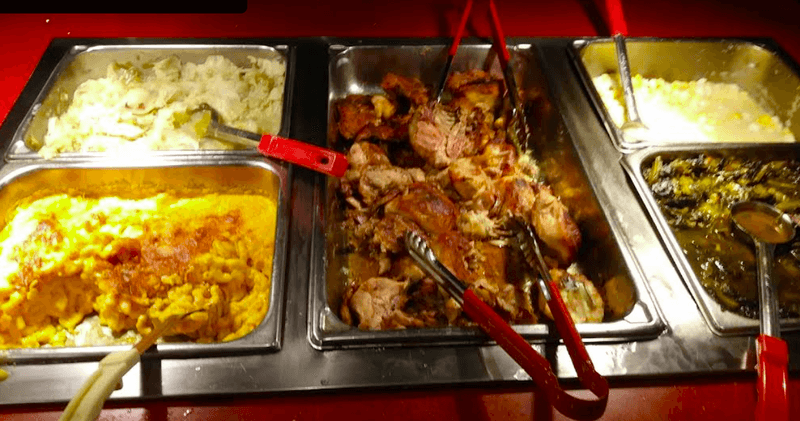
One of the biggest draws at Casey Jones Village is the Southern buffet, which has built a reputation for serving fresh, home-style food that stands well above the average roadside cafeteria experience.
The buffet format means there is something for every appetite and preference, with a wide selection of classic Southern dishes prepared in ways that feel genuinely homemade rather than mass-produced.
Families with picky eaters have consistently found that the variety on offer takes the stress out of mealtime, which is a real advantage when traveling with children of different tastes and ages.
The dining area is kept clean and well-organized, which makes the experience comfortable rather than chaotic even during busy travel seasons when the village sees heavy foot traffic.
Road-trippers who stop expecting a quick, forgettable meal often leave pleasantly surprised, and many make a point of planning their I-40 journeys specifically around a meal stop at the village buffet on their route.
The General Store That Celebrates 60 Years
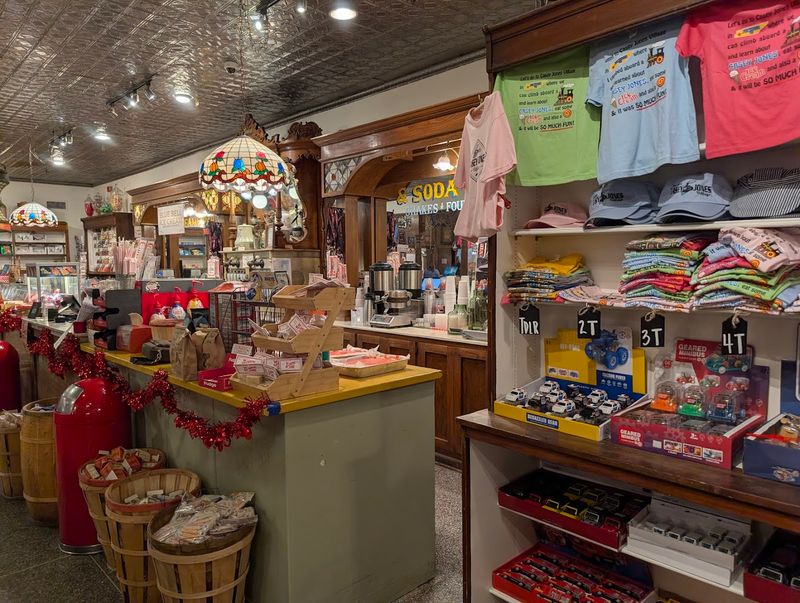
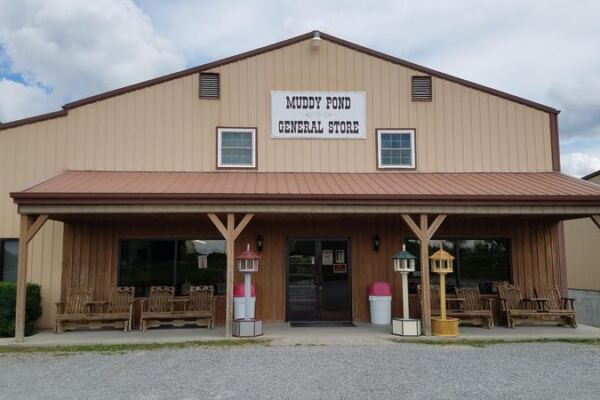
The general store at Casey Jones Village recently celebrated its 60th anniversary, which makes it one of the longest-running tourist retail experiences along the I-40 corridor in Tennessee.
The store is large by any standard, stocked with Tennessee-themed goods, local products, novelty items, and the kind of regional merchandise that makes for genuinely useful and memorable souvenirs rather than throwaway trinkets.
There is also an ice cream counter inside, which has become a reliable stop for families looking to reward kids after a museum visit or just cool down during a warm Tennessee afternoon.
Six decades of operation have given the store a well-worn, familiar character that newer tourist shops simply have not had time to develop. Regular visitors who have been stopping here since childhood often describe the store as one of the few things that genuinely feels the same as it always did.
That kind of consistency is rare, and it adds a layer of warmth to the shopping experience that keeps people coming back.
The 1909 Wedding Chapel on the Grounds
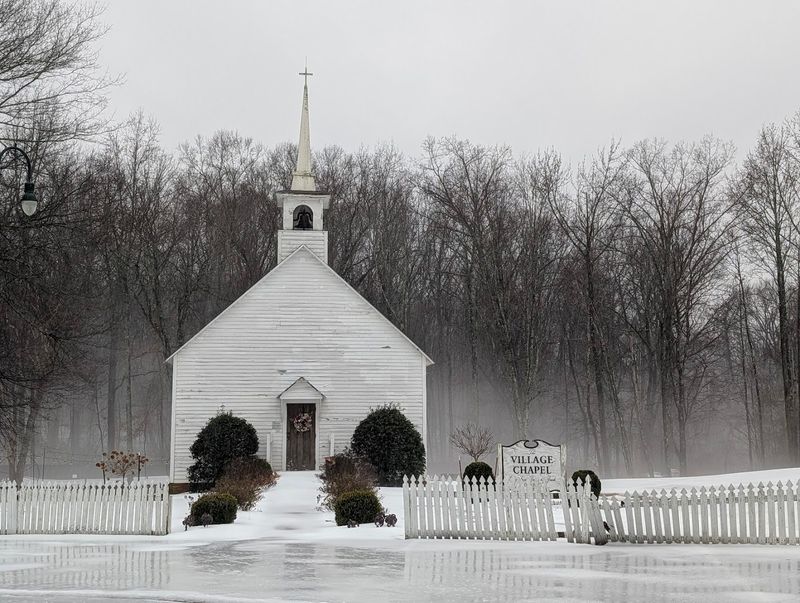
One of the more unexpected features of Casey Jones Village is a wedding chapel that dates back to 1909, adding a romantic and historical layer to a destination that already has plenty of character.
The chapel’s age alone makes it a point of interest for history-minded visitors, but it also functions as an active event space where couples can hold ceremonies in a setting that carries genuine historical weight.
The presence of the chapel reflects the broader ambition of the village, which has always aimed to be more than just a museum or a rest stop but rather a place with enough variety to serve very different kinds of visitors and occasions.
For travelers who notice the chapel while passing through, it often prompts a second look and a longer stay than originally planned. That kind of layered discovery is exactly what makes the village worth more than a quick glance from the highway.
Few roadside stops can claim a 100-plus-year-old chapel among their attractions.
Overnight Stays Right in the Village
For travelers who want to do more than pass through, Casey Jones Village offers second-floor Airbnb-style rental units that let guests stay overnight right within the historic complex.
Staying on-site means waking up inside a piece of Tennessee history, with the museum, the general store, the dining options, and the outdoor spaces all just steps away from the front door.
The units sit above the village’s main buildings, giving them an elevated position that feels removed from the highway noise while still keeping guests close to everything the village has to offer.
This lodging option appeals particularly to travelers who want to slow down and absorb a destination rather than treating it as a checkbox on a road trip itinerary.
Having overnight accommodations transforms Casey Jones Village from a day-trip stop into a genuine short-stay destination, which changes the whole character of a visit and opens up time for activities that a quick stop simply does not allow.
The FunPass and How to Make the Most of a Visit
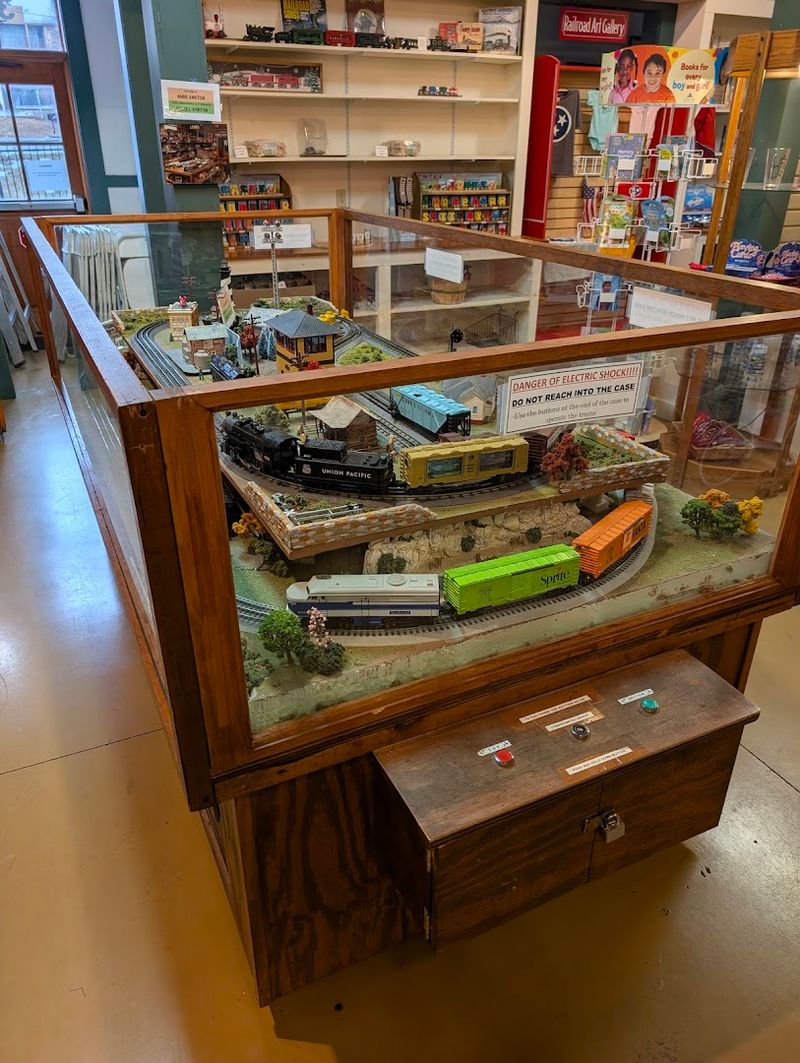
Casey Jones Village offers a FunPass option that bundles multiple activities together, giving families a structured and cost-effective way to experience everything the complex has to offer in a single visit.
The pass is particularly well-suited for families with children in the 8-to-12 age range, who tend to have the energy and curiosity to cycle through the museum, the outdoor areas, and the mini golf without losing momentum.
Guests who use the FunPass consistently report that the bundled format encourages them to try attractions they might have skipped individually, which often leads to discovering the parts of the village that end up being the most memorable.
Planning a visit around the FunPass also helps with time management, since knowing what is included makes it easier to pace the day without rushing or second-guessing which activities are worth the extra cost.
For first-time visitors especially, the FunPass is the most efficient way to get a full picture of what makes this village genuinely special.
What Makes This Stop Different From the Rest
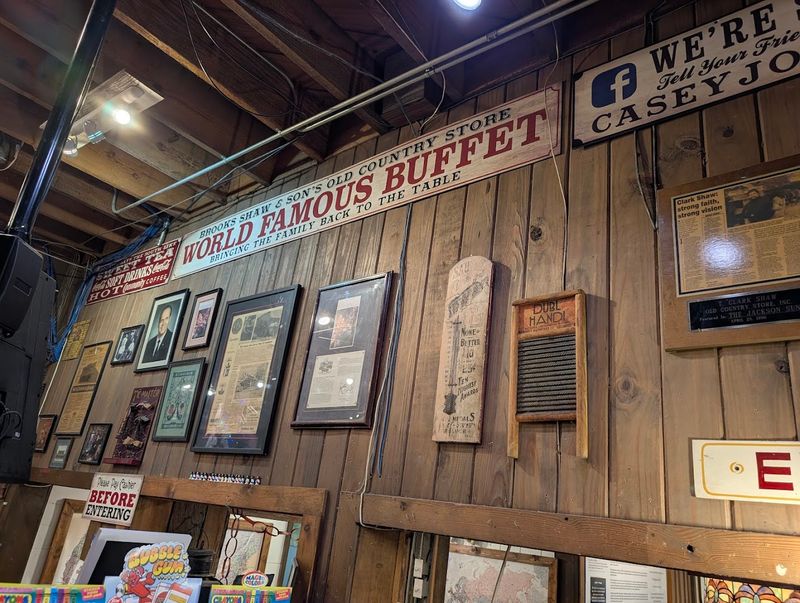
Most highway stops offer fuel, food, and maybe a convenience store. Casey Jones Village offers a railroad museum, a historic home, a 60-year-old general store, a wedding chapel, mini golf, a Southern buffet, overnight lodging, and EV charging, all within walking distance of each other.
That density of experience is what separates this village from the dozens of other exits along I-40 that promise a break from the road but deliver very little.
The historical authenticity also sets it apart. The Casey Jones story is real, the home is real, and the museum is built around genuine artifacts and documented history rather than a manufactured theme.
Authenticity is hard to fake, and travelers tend to recognize it quickly. The village earns its reputation not through aggressive marketing but through the simple fact that there is genuinely a lot here worth seeing, eating, and doing.
That is a combination that keeps people stopping, returning, and recommending the village to everyone planning a drive through Tennessee.
Planning Your Stop at This Tennessee Landmark
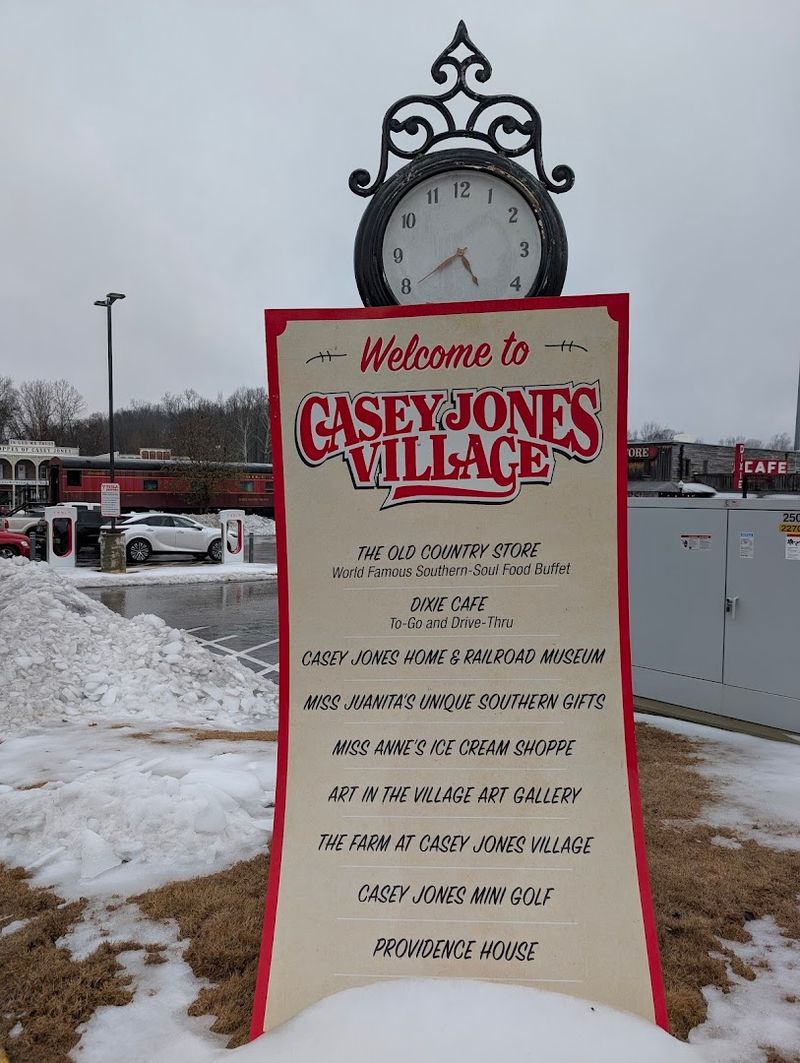
Casey Jones Village is easy to reach from Interstate 40, with clear signage that makes the exit straightforward even for first-time visitors who have not pre-planned the stop in detail.
Parking is free and plentiful, which removes one of the most common friction points at popular tourist destinations and makes the arrival experience smooth rather than stressful.
The village works well as both a planned destination and a spontaneous stop, which means it fits into a wide range of travel styles without requiring a rigid itinerary or advance reservations for most activities.
Visiting on a weekday tends to mean shorter waits at the buffet and more breathing room in the general store, though the village is designed to handle weekend crowds without feeling overwhelmed.
For anyone driving across Tennessee and looking for a stop that offers real history, real food, and real variety, the Casey Jones Village exit is one worth taking without hesitation or second-guessing.
Where the Village Sits and What to Expect
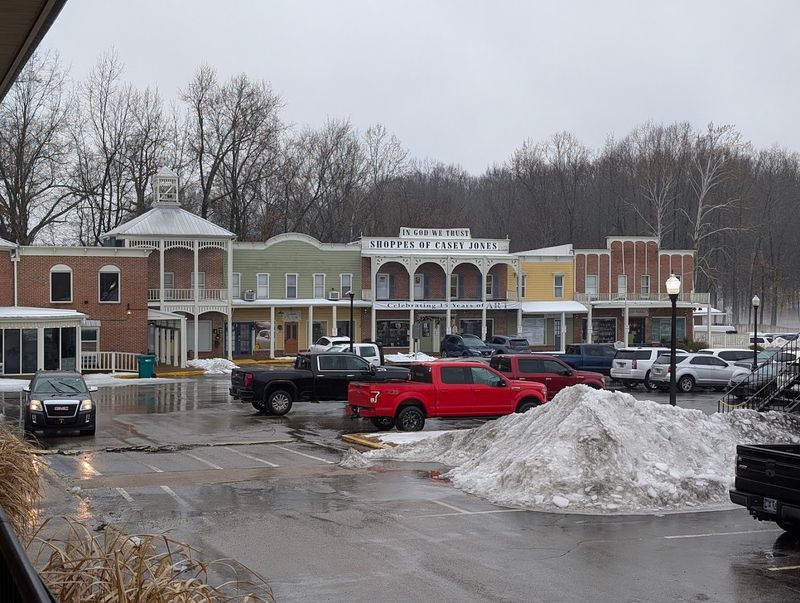
Right off Interstate 40 in Jackson, Tennessee, at 40 Casey Jones Ln, Jackson, TN 38305, this roadside village is hard to miss and even harder to leave quickly.
The complex is built around the real history of John Luther Jones, better known as Casey Jones, the legendary railroad engineer whose story became one of the most retold tales in American railroad lore.
What started as a tribute to a local hero has expanded into a full tourist destination with free parking, multiple attractions, dining, shopping, and even lodging options all packed into one accessible location.
Families traveling across Tennessee on I-40 often plan their stops around this village because it offers something for every age group. Whether the goal is a history lesson, a hearty meal, or just a break from the road, the village delivers on all fronts without asking visitors to drive out of their way.
Share this story