Few cultural institutions in Pittsburgh can match the history of this longtime German club. Founded in the 19th century and operating continuously for more than 170 years, it remains a gathering place where traditions, music, food, and community have been preserved across generations.
Its distinctive timber-frame headquarters stands out as one of the city’s most recognizable architectural landmarks, but the real story unfolds inside. Throughout the year, the club hosts cultural events, festivals, dance performances, and community gatherings that celebrate German heritage while welcoming new visitors.
For anyone interested in Pittsburgh history, cultural traditions, or simply discovering something unexpected, it offers an experience unlike anywhere else in the city.
A Club With Deep Roots in Pittsburgh’s Northside
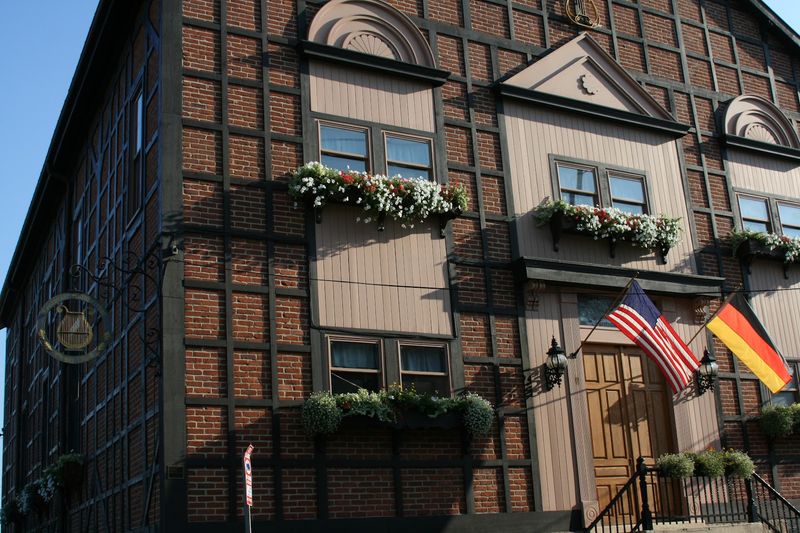
Few buildings in Pittsburgh carry as much living history as the one at 857 Phineas St in the Deutschtown neighborhood on the city’s Northside. The Teutonia Männerchor was founded in 1854, growing out of earlier German singing societies called the Liederkranz, established in 1851, and the Freier Männerchor.
The current building was constructed in 1888 and features German Fachwerk architecture, a timber-frame style that gives the structure its unmistakable European character. In 2004, the building was officially listed on the National Register of Historic Places, a recognition that feels completely deserved the moment you see it.
Deutschtown itself was historically one of Pittsburgh’s most vibrant German immigrant neighborhoods, and the club has been a cultural anchor there for generations. With over 2,500 members today, the Teutonia Männerchor is far from a relic.
It is a living, breathing institution that connects modern Pittsburghers to a heritage stretching back more than a century and a half.
How a Men’s Singing Society Became Something Much Bigger
The story of the Teutonia Männerchor is really a story about community survival. German immigrants flooded into Pittsburgh during the mid-1800s, bringing their language, their customs, and their deep love of choral singing with them.
Forming a Männerchor, which translates literally to men’s choir, was one of the first things these communities did to hold onto their identity in a new country.
What started as a singing club gradually expanded into something far broader. Over the decades, the club added folk dancing groups, a shooting club, seasonal festivals, and eventually a ladies’ choir.
In 2016, the club took a meaningful step forward by opening full membership to women, reflecting a commitment to staying relevant while honoring tradition.
The mission has never really changed, though. At its core, the Teutonia Männerchor still exists to promote choral singing, German cultural traditions, and what members call good fellowship.
That original spark from 1854 is still very much alive, which is something worth stopping to appreciate.
The Architecture That Stops People in Their Tracks
Most people walking past the Teutonia Männerchor building do a double-take. The Fachwerk style, characterized by exposed wooden beams forming geometric patterns across the facade, is not something you expect to find tucked into a Pittsburgh neighborhood street.
It looks genuinely old because it genuinely is, and the club takes great care to preserve every detail.
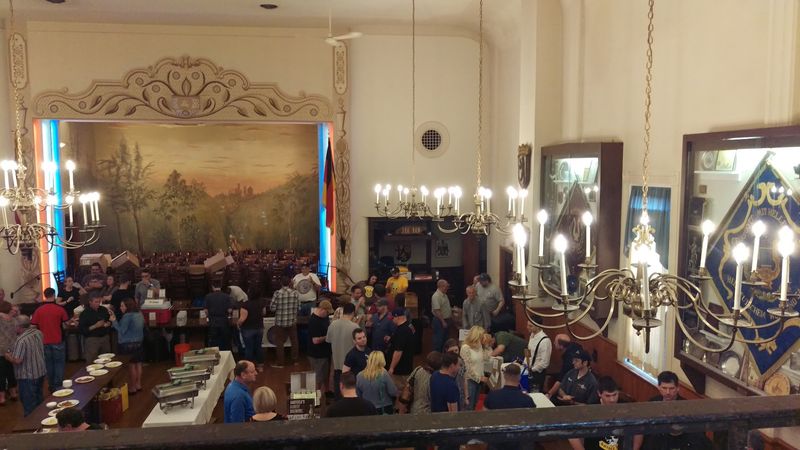
Inside, the character continues. The rooms carry the weight of history in the best possible way, with woodwork, period details, and a layout that reflects the social needs of a 19th-century German club.
The Ratskeller on the first floor, remodeled in a traditional German style in 1934, adds another layer of authentic atmosphere that modern renovations rarely manage to replicate.
Members describe feeling a sense of relief and warmth the moment they walk through the door, and that reaction is not accidental. The building was designed to feel like a home away from home, and after more than 135 years, it still delivers on that promise in every corner and corridor.
The Ratskeller: Where Tradition Meets the Dinner Table
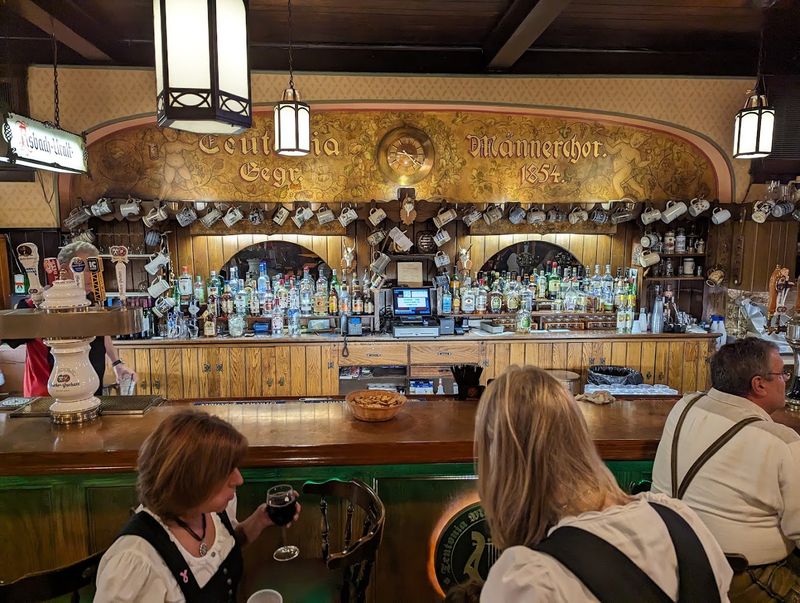
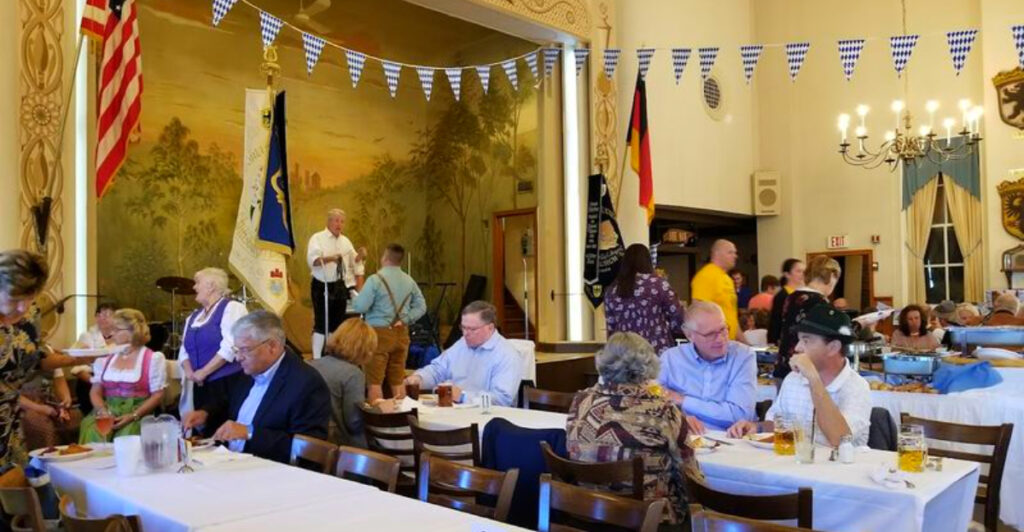
The Ratskeller at the Teutonia Männerchor is the kind of place that makes you want to slow down and stay awhile. Remodeled in 1934 into a traditional German-style space on the building’s first floor, it has been the social heart of the club for nearly 90 years.
The atmosphere is warm, the service is friendly, and the food is straightforwardly satisfying.
Schnitzel and bratwurst are staples on the menu, prepared in ways that feel genuinely tied to German culinary tradition rather than a watered-down American interpretation. The brat burger, in particular, has earned enthusiastic praise from regulars who describe it as something completely unexpected and delicious.
All food and beverages are purchased on the premises, keeping the experience fully immersive.
The club is open Tuesday through Saturday from 4 to 11 PM, which makes it a natural destination for an after-work gathering or a relaxed weekend evening. You can reach them at 412-231-9141 or visit pghmannerchor.com for details on upcoming events and membership.
The Ratskeller is where the day’s tensions simply dissolve.
Choral Singing That Has Echoed for Over 160 Years
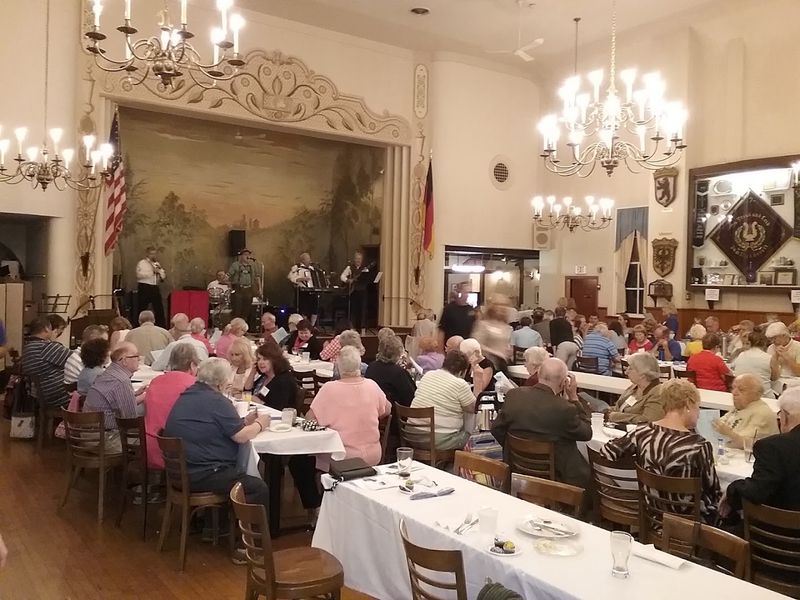
Choral singing is not just an activity at the Teutonia Männerchor; it is the reason the club exists. The Männerchor, or men’s choir, has been performing German choral music continuously since the club’s founding in 1854, making it one of the longest-running choral traditions in western Pennsylvania.
That kind of consistency is genuinely rare and worth celebrating.
The Damenchor, or ladies’ choir, was established in 1935 and has been a beloved part of the club’s musical identity ever since. Both choirs perform traditional German repertoire and regularly undertake tours throughout the Tri-State Area, bringing German choral music to audiences who might not otherwise have the chance to hear it performed with such dedication and skill.
Rehearsals happen regularly, and the club actively welcomes new members who want to participate in this living tradition. You do not need to be a professional singer to join; you just need enthusiasm and a willingness to learn.
The music itself has a way of pulling people in and keeping them coming back, week after week, year after year.
Live Music Nights That Fill the Room With Energy
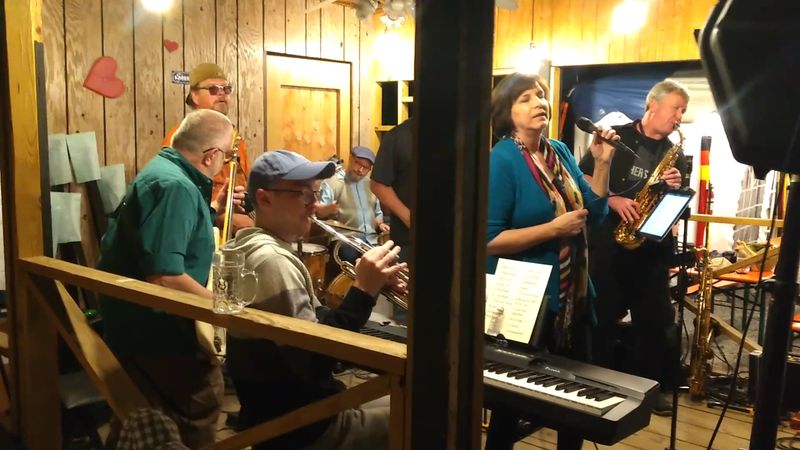
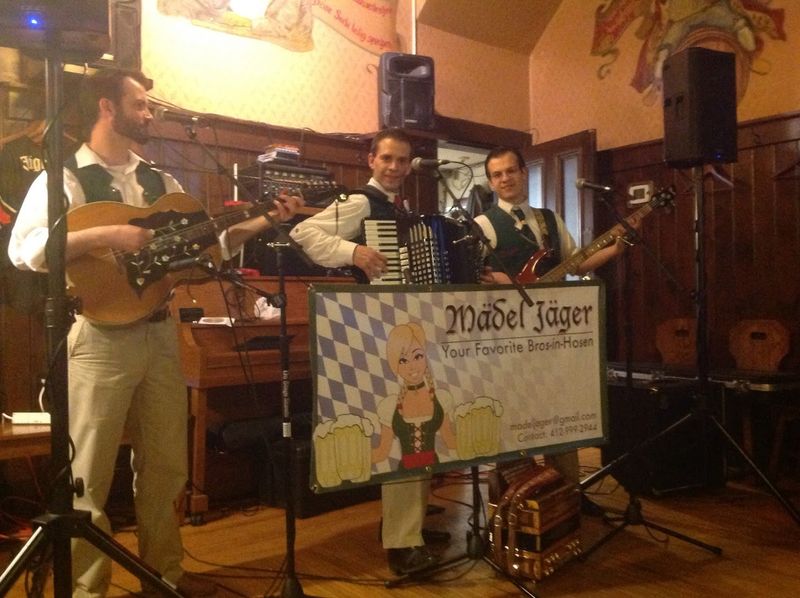
Beyond the formal choirs, the Teutonia Männerchor keeps the musical energy flowing with live performances at many of its events throughout the year. Bands like The Barons, Polka Meisters, and Kevin Solecki are regular fixtures, bringing polkas, waltzes, and traditional German folk tunes to the club’s halls and biergarten.
There is something contagious about a good polka band in a room full of people who are genuinely happy to be there. The music tends to spill out into conversations, laughter, and spontaneous dancing in a way that feels completely natural rather than choreographed.
Christmas events feature two-piece bands playing holiday songs with a German twist, creating a festive atmosphere that visitors consistently remember long after the night is over.
The biergarten is a particularly wonderful setting for live music on warmer evenings, with the open air adding a relaxed, communal feel to the whole experience. If you have never heard a polka band play under the stars in Pittsburgh, this is the place to fix that oversight and you will not regret it.
Oktoberfest in Pittsburgh Done the Right Way
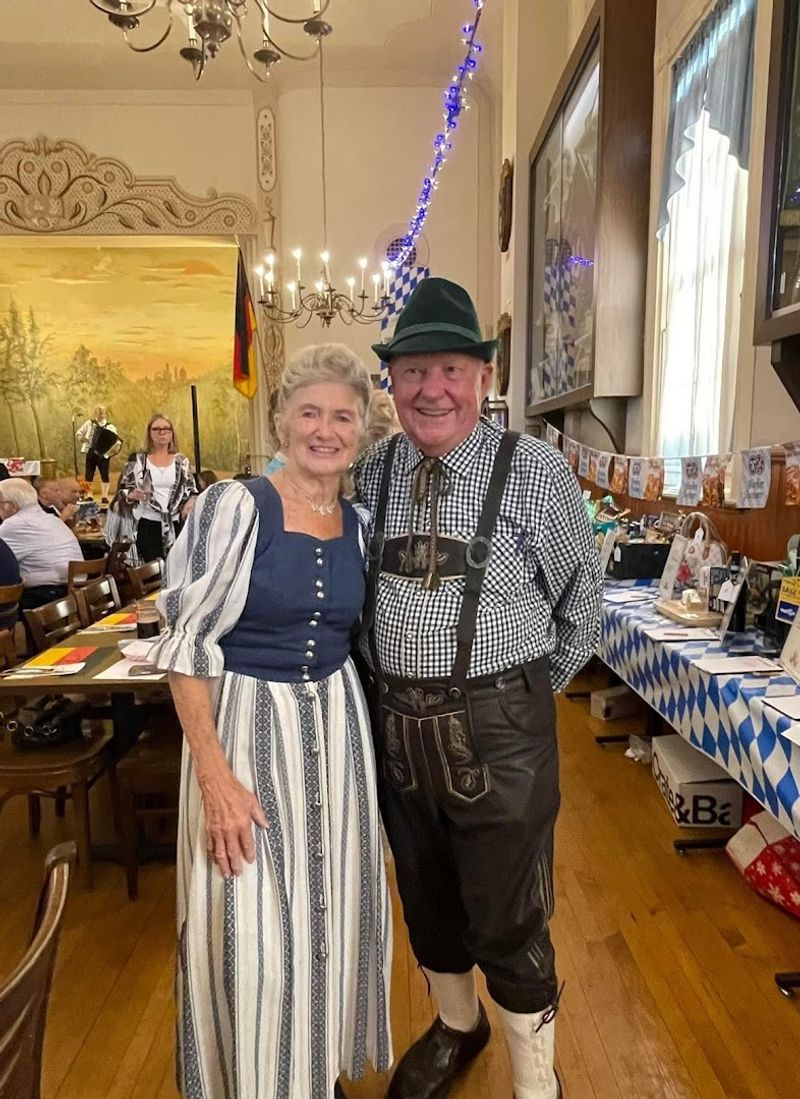
Oktoberfest at the Teutonia Männerchor is not a corporate event with a German theme slapped on top. It is the real thing, organized by people who have been celebrating this tradition for generations and who understand exactly what makes it special.
The festival draws enthusiastic crowds every year, with live music, authentic German food, and an atmosphere that feels genuinely festive rather than manufactured.
The biergarten transforms into a hub of activity during Oktoberfest, with tables filling up quickly and the sound of live bands carrying across the neighborhood. Schnitzel, bratwurst, and other traditional dishes come out of the kitchen in steady supply, and the energy in the room builds as the evening progresses.
While some events at the club are members-only, Oktoberfest often opens its doors to the public, making it one of the best opportunities to experience the club without a membership. If you are looking for an authentic Oktoberfest experience in Pittsburgh rather than a theme-park version, this is the event to put on your calendar without hesitation.
Folk Dancing, Maypoles, and Bavarian Footwork
The Alpen Schuhplattlers group at the Teutonia Männerchor is one of those things that surprises first-time visitors in the best possible way. Schuhplattler is a traditional Bavarian-Tyrolean dance style involving rhythmic slapping of the thighs, knees, and shoe soles, and watching it performed by skilled dancers in full traditional costume is genuinely captivating.
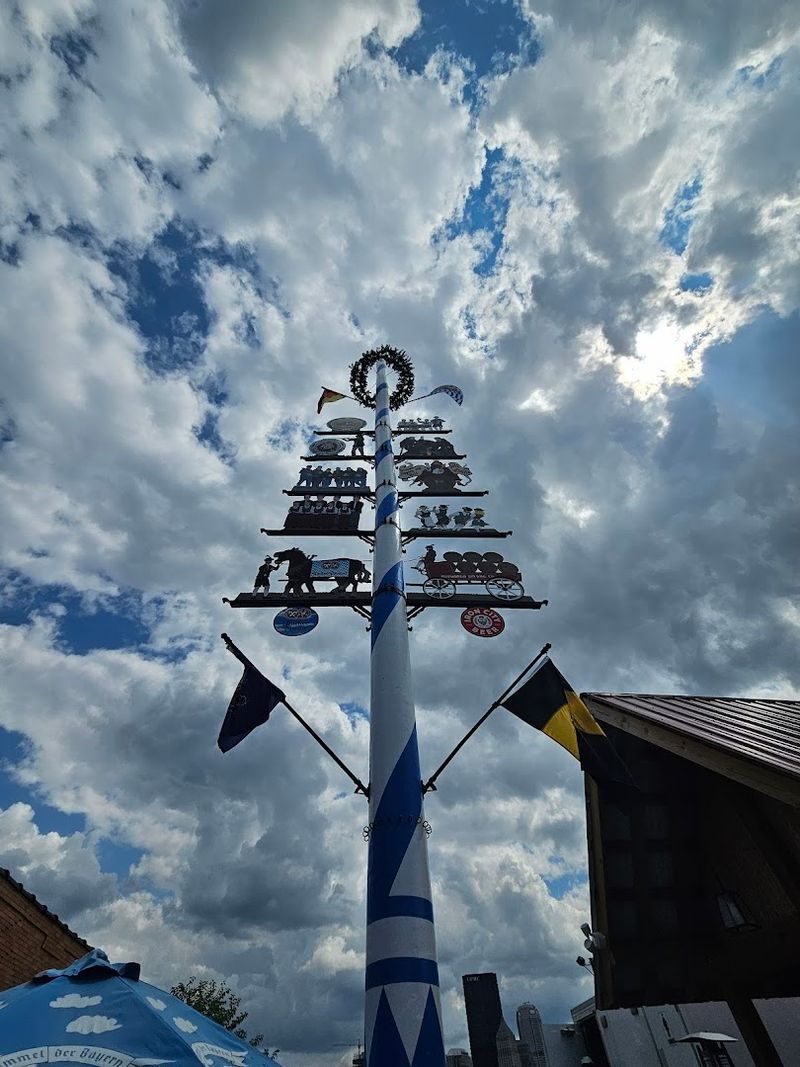
The club also organizes Maypole celebrations, which follow the centuries-old European tradition of dancing around a decorated pole to mark the arrival of spring. Folk dancing is offered as an ongoing activity for members, giving people a chance to learn these movements and participate rather than just watch from the sidelines.
These activities are not preserved behind glass like museum exhibits. They are living practices that members engage with regularly, teach to newcomers, and perform at public events throughout the year.
The combination of colorful costumes, precise footwork, and communal participation creates moments that feel genuinely connected to something much older than any of the participants, and that connection is part of the club’s enduring appeal.
Fasching, Radish Festivals, and a Calendar Full of Surprises
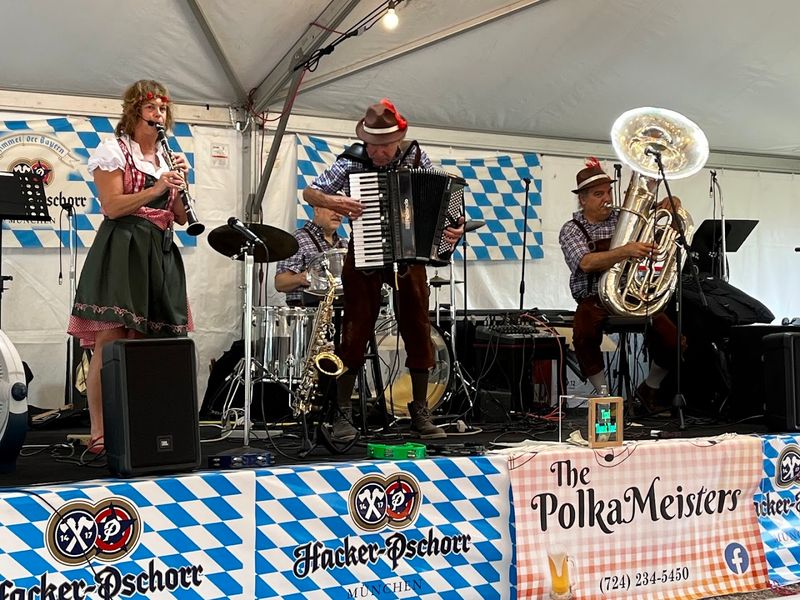
The Teutonia Männerchor runs a remarkably full calendar of events that goes well beyond the headline attractions. Fasching, the traditional German carnival celebrated before Lent, brings costumes and high spirits to the club each year in a way that feels like a genuine cultural tradition rather than a costume party with a German name attached.
The Radish Festival is one of those quirky, charming events that you will not find anywhere else in Pittsburgh, rooted in a specific regional German tradition that the club has kept alive through sheer enthusiasm. Sommerfest brings the warmer months to life with outdoor celebrations featuring food and music in the biergarten.
The Schützenverein, or shooting club, holds its annual competition as part of the club’s broader programming, adding yet another dimension to what is already a rich calendar. Each event serves as a thread connecting participants to a specific aspect of German culture, and the cumulative effect is a club that feels genuinely multi-layered rather than one-dimensional.
There is always something new to discover here.
Genealogy, Steins, and the Smaller Clubs Within the Club
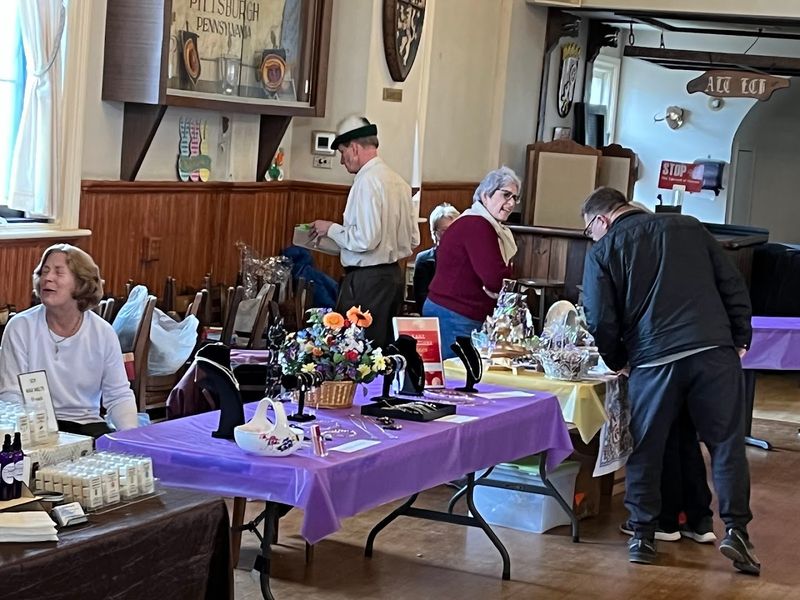
The Teutonia Männerchor has a way of offering something for almost every interest, and nowhere is that more apparent than in its roster of specialized groups. The Genealogy Group gives members a structured way to research their German heritage, connecting family histories to the broader story of German immigration in Pittsburgh and across Pennsylvania.
The Stein Club caters to members with a passion for German steins, those decorative ceramic vessels that carry centuries of craft tradition and regional variation. Collecting, discussing, and appreciating steins might sound niche, but within the context of a club dedicated to German culture, it fits naturally and draws genuine enthusiasm from participants.
These smaller groups within the club create a sense of discovery that keeps membership feeling fresh over time. Rather than experiencing the same set of events on repeat, members can find their particular corner of German culture and go deep into it.
The club functions almost like a cultural ecosystem, with each group adding its own flavor to the overall identity of the Teutonia Männerchor.
Why This Club Keeps Drawing People Back, Decade After Decade
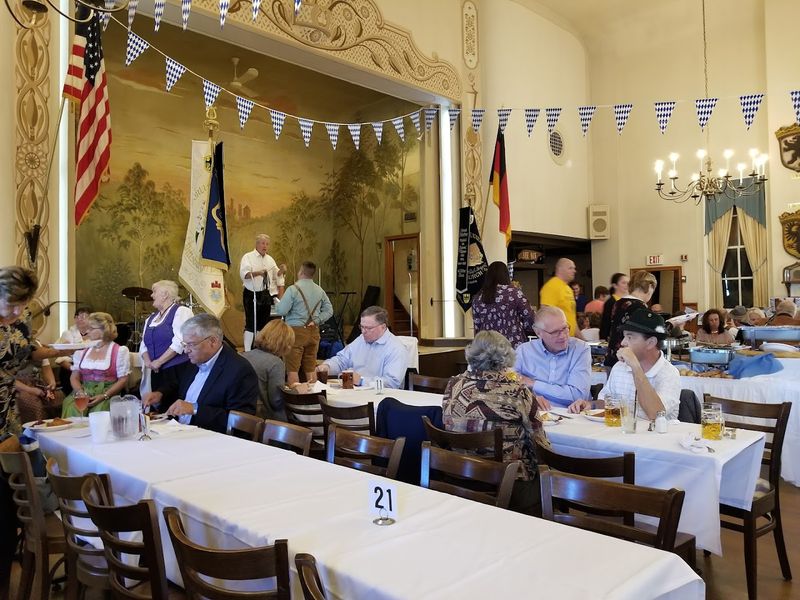
The concept of Gemütlichkeit, a German word that roughly translates to warmth, friendliness, and a sense of belonging, is something the Teutonia Männerchor embodies without even trying. The atmosphere inside the club has a natural ease to it, where conversations start easily, strangers become regulars quickly, and the space itself seems designed to make people feel comfortable.
The club hosts family-oriented events like pictures with Santa and Easter gatherings, which means multiple generations often experience the club together. That kind of cross-generational participation is increasingly rare in modern social life, and it gives the Teutonia Männerchor a depth of community that newer organizations struggle to build.
With a 4.7-star rating from nearly 350 reviews, the club’s reputation speaks clearly for itself. Members describe it as a place where a billionaire and a mill worker can sit side by side without pretense, united by a shared appreciation for good food, good music, and the kind of honest fellowship that has kept this remarkable institution going strong since 1854.
Share this story